

"In 2015, Juan M. del Nido went on hundreds of taxi rides in Buenos Aires, conducting ethnographic work on the taxi industry. But by mid-April 2016, Uber launched its platform in Buenos Aires, engulfing drivers, passengers, the press, and greater general public into a frenzied hysteria that involved courts of law, political platforms, and threats of violence. This book examines not only how the taxi industry made sense of the sudden and ubiquitous presence of Uber in Argentina, but also how the assumed efficiency and objectivity of Uber's algorithmic methods catalyzed new forms of understanding ethics, responsibility and professional advancement in the Argentinean context. Tightly entwined with the politics of labor, trade, institutions, and economic life, del Nido reveals how Uber came to signify and instantiate the greatest moment of political and economic disruption seen in Argentina since the crisis of 2001. He shows how a multinational company taken to court allowed Buenos Aires's residents to craft particular ideas of what it meant to be political, and what it meant become "post-political"-to subsume, neutralize and pathologize genuine disagreement, shaping how we understand what we can even disagree about and how"--
Juan Manuel Livres
Don Juan Manuel fut une figure centrale de la fiction médiévale espagnole. Son œuvre la plus significative, El conde Lucanor, est une collection de contes moralisateurs qui mêlent de manière experte le récit à la littérature de sagesse. À travers ces histoires, il a exploré de profondes vérités sur la nature humaine et les dynamiques sociales. Sa prose se caractérise par sa clarté et sa profondeur morale, ce qui en fait un auteur essentiel pour comprendre la tradition narrative didactique.


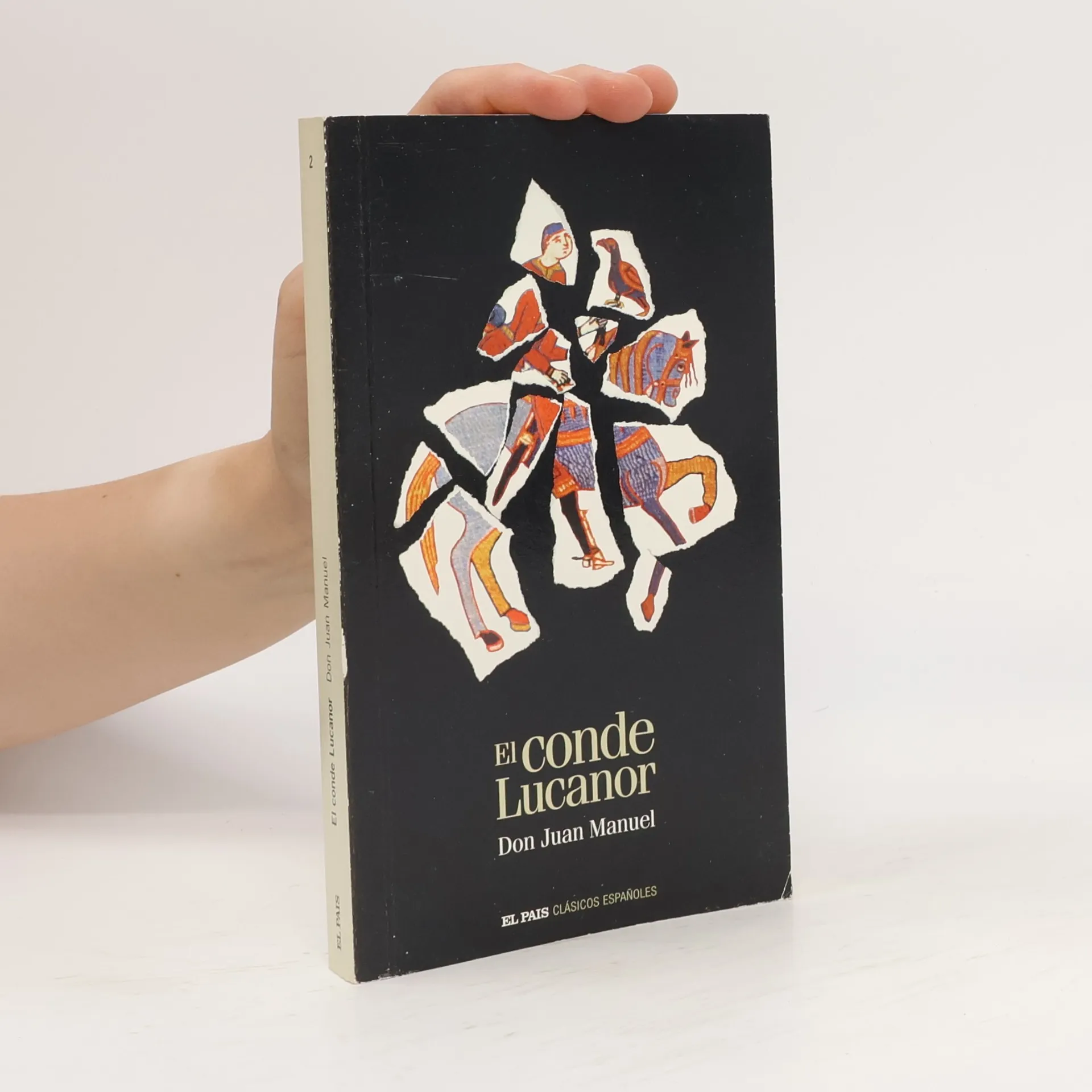
El Conde Lucanor
- 307pages
- 11 heures de lecture
Don Juan Manuel's Tales of Count Lucanor, in Spanish Libro de los ejemplos del conde Lucanor y de Patronio (Book of the Examples of Count Lucanor and of Patronio), also commonly known as El Conde Lucanor, Libro de Patronio, or Libro de los ejemplos (original Old Castilian: Libro de los enxiemplos del Conde Lucanor et de Patronio), is one of the earliest works of prose in Castilian Spanish. It was first written in 1335. The book is divided into four parts. The first and most well-known part is a series of 50 short stories (some no more than a page or two) drawn from various sources, such as Aesop and other classical writers, and Arabic folktales. Story 28, "Of what happened to a woman called Truhana", a version of Aesop's The Milkmaid and Her Pail, was claimed by Max Müller to originate in the Hindu cycle Panchatantra. Tales of Count Lucanor was first printed in 1575 when it was published at Seville under the auspices of Argote de Molina. It was again printed at Madrid in 1642, after which it lay forgotten for nearly two centuries.
Liryka, którą Roca przedstawia, jest tylko w pewnym stopniu dyskretna oraz po europejsku transparentna chociaż tu nawet język ezopowy uczy się trudnej, ale znaczącej sztuki milczenia na temat. Otóż, Roca jednym ruchem ręki pokazuje, jak czerpie z europejskiej lekcji klasycznej, w tym również z antyku oraz związanego z nim śródziemnomorskiego mitu konsolacyjnego, a następnie, jak całe to dziedzictwo odrzuca w sugestywnej, atrakcyjnej retoryce buntu barbarzyńcy tylko częściowo akulturowanego. W kraju swego pochodzenia autor Temporada de estatuas uchodzi za rodzaj opoki oraz fundamentu, nestorskiego monolitu. Reprezentuje grono literackich autorytetów, przede wszystkim jako przedstawiciel tak zwanego pokolenia straconych złudzeń, a więc Generación Desencantada. Wielką zasługą Krystyny Rodowskiej, polskiej tłumaczki poety, jest to, że właśnie takie momenty, z całą szczerością, odsłania, a tym samym szeroko udostępnia polskiemu czytelnikowi. Karol Samsel