

Henri Loyrette Livres

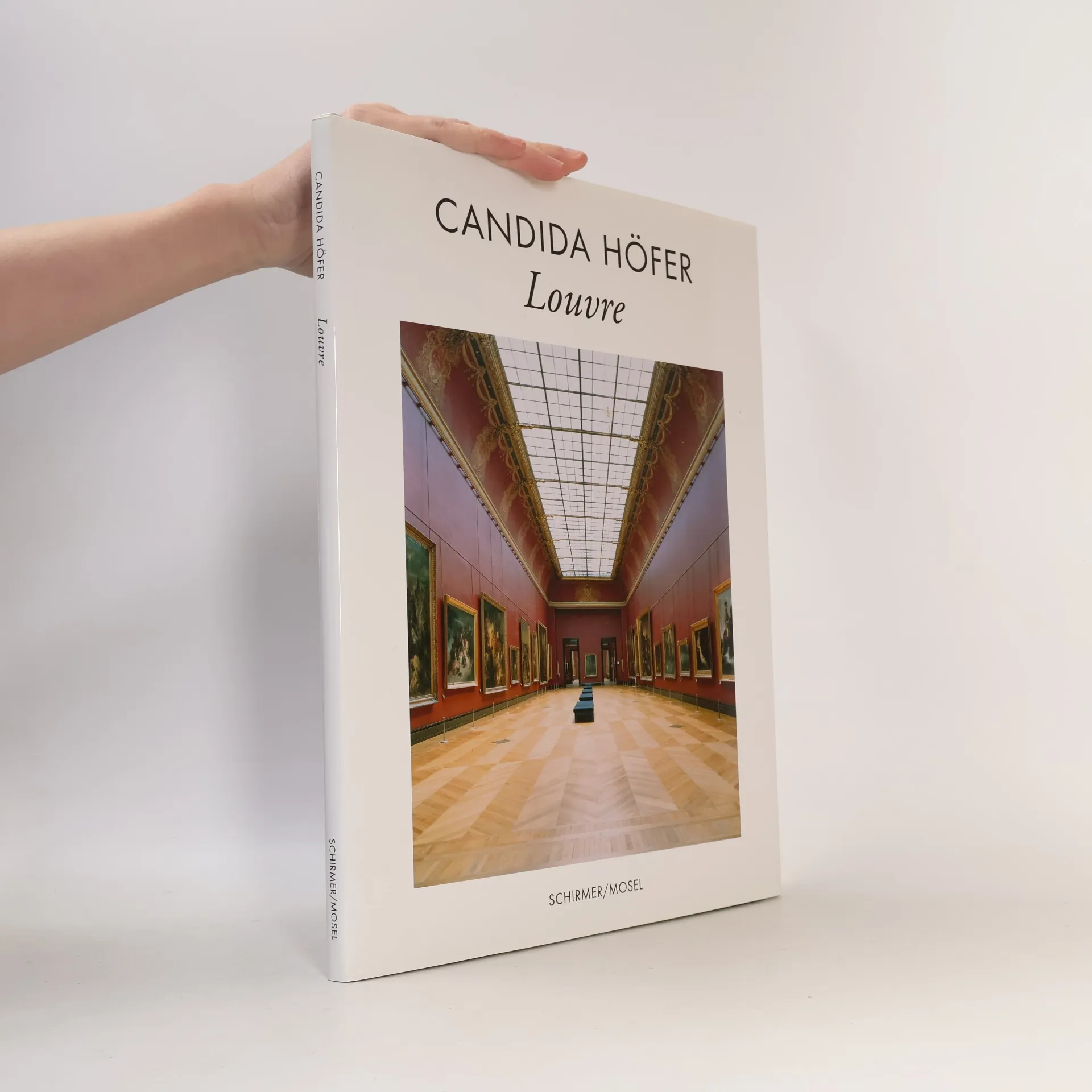
The architectural history of the Louvre stretches back to the early 13th century. A comparatively modest royal fortress, it became the royal residence under Francois I, friend and patron of Leonardo da Vinci. Louis XIV turned the Louvre into a splendid castle. Four years after the outbreak of the French Revolution, the Louvre opened its doors to the public. The royal art collections, with constant additions through Napoleon's military campaigns and forays as well as donations, purchases and excavations, today make the Louvre one of the world's richest and finest museums. Candida Höfer, known for her images of deserted public spaces, photographed the empty rooms and galleries of the Louvre on days when it was closed to the public. In her luminous color pictures, the treasures of Western art enter into a silent yet eloquent dialog with the architectural setting, the luxurious or sober decor, the building's past, and its present as a museum.
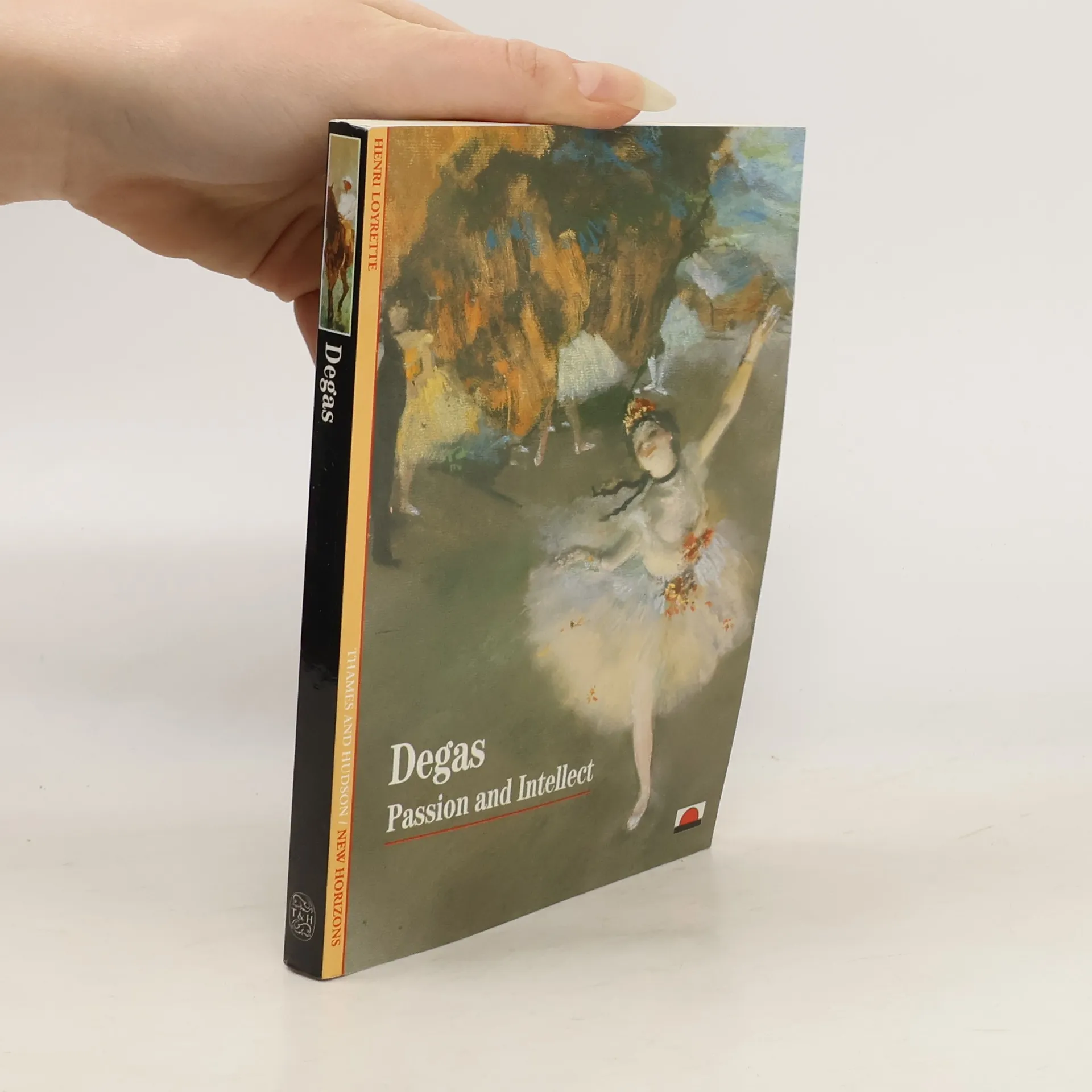
I would like to be famous and unknown said Edgar Degas. His sublime paintings of ballet dancers, striking views of horseraces and intimate scenes of women bathing made him famous. Yet he remains unknown, for the fame of these pictures has obscured both the rest of his work - historical subjects, portraits, landscapes - and his private life. Here is Degas' sixty-year career - as a passionate supporter of the avant-garde, a champion of Impressionism, an insatiable experimenter.
A dual presentation of history paintings at two august French venues Popes, politicians, actors and historical figures populate the canvases of Chinese painter Yan Pei-Ming (born 1960), in an ongoing dialogue with art and cultural history. This volume documents his recent exhibition at the Grande Chapelle Avignon and the Lambert Collection.
Mona Lisa: English Edition
- 30pages
- 2 heures de lecture
An in depth look at the Mona Lisa including some myths, other works by Leonardo, history, and a look at the location of the portrait.
