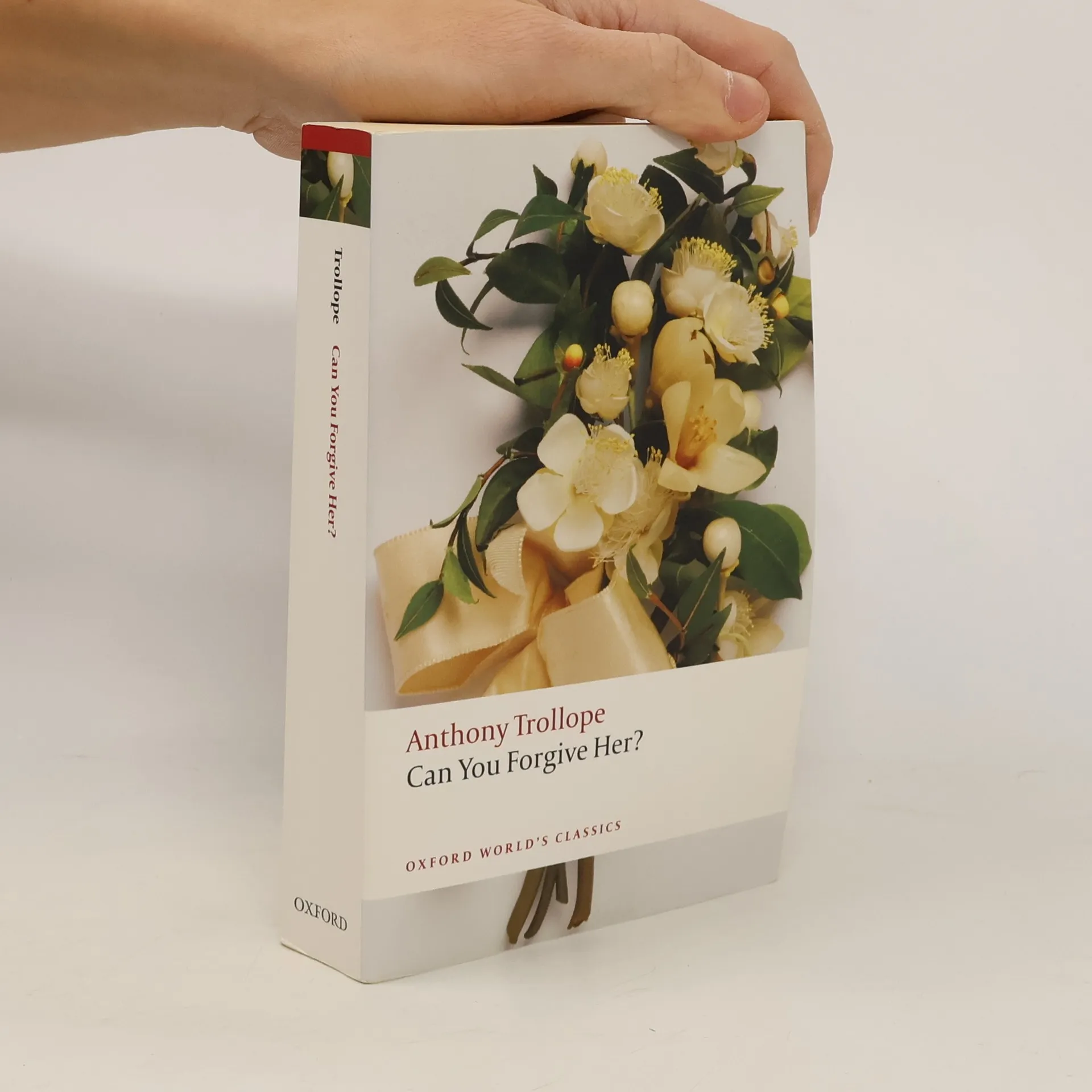
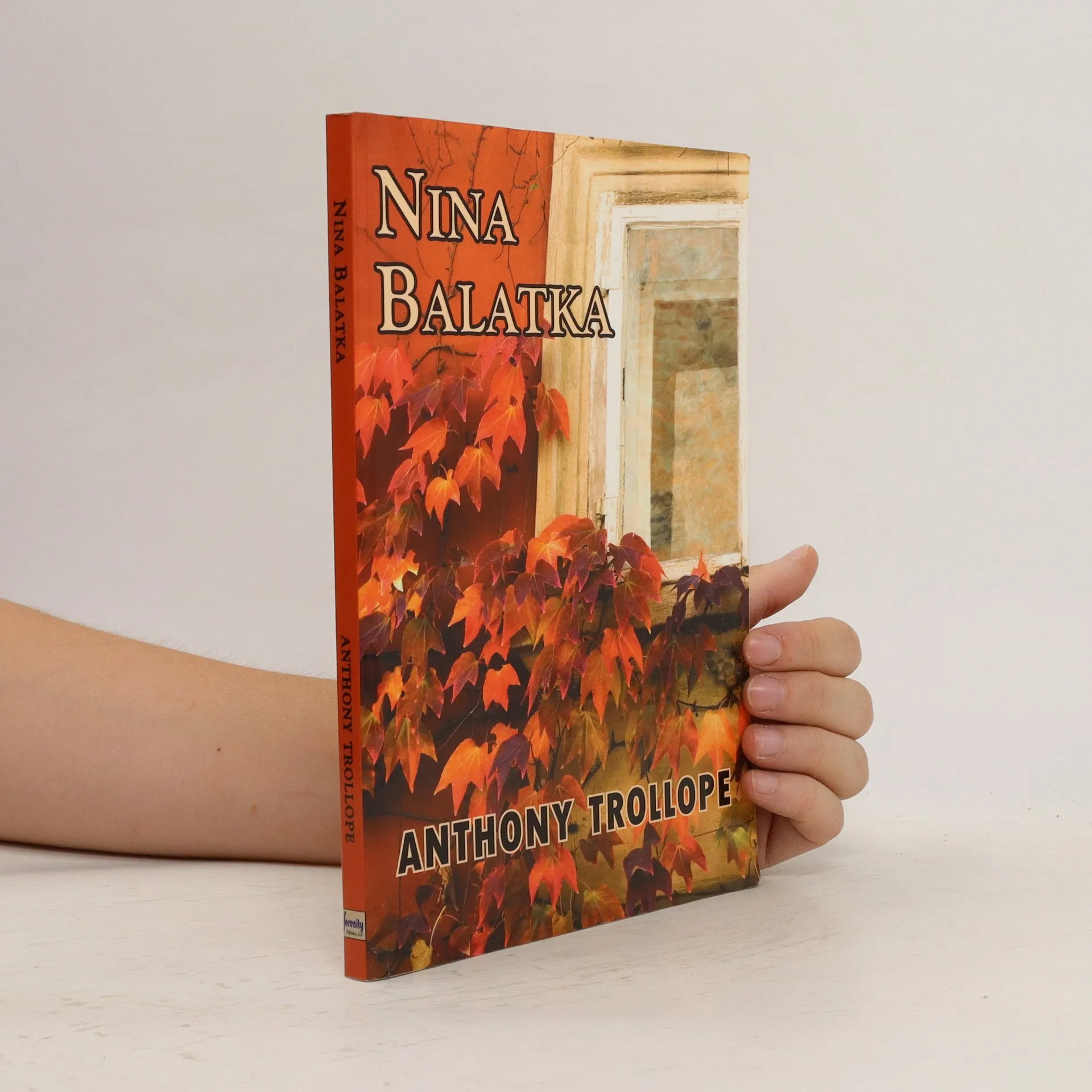
Anthony Trollope s'est imposé comme l'un des romanciers anglais les plus accomplis, prolifiques et respectés de l'ère victorienne. Ses œuvres appréciées tournent souvent autour du comté imaginaire de Barsetshire, explorant ses intrications sociales. Au-delà, il a signé des romans pénétrants abordant les enjeux politiques, sociaux et de genre de son époque. L'écriture de Trollope est célébrée pour son aperçu perspicace de la nature humaine et des dynamiques sociales.
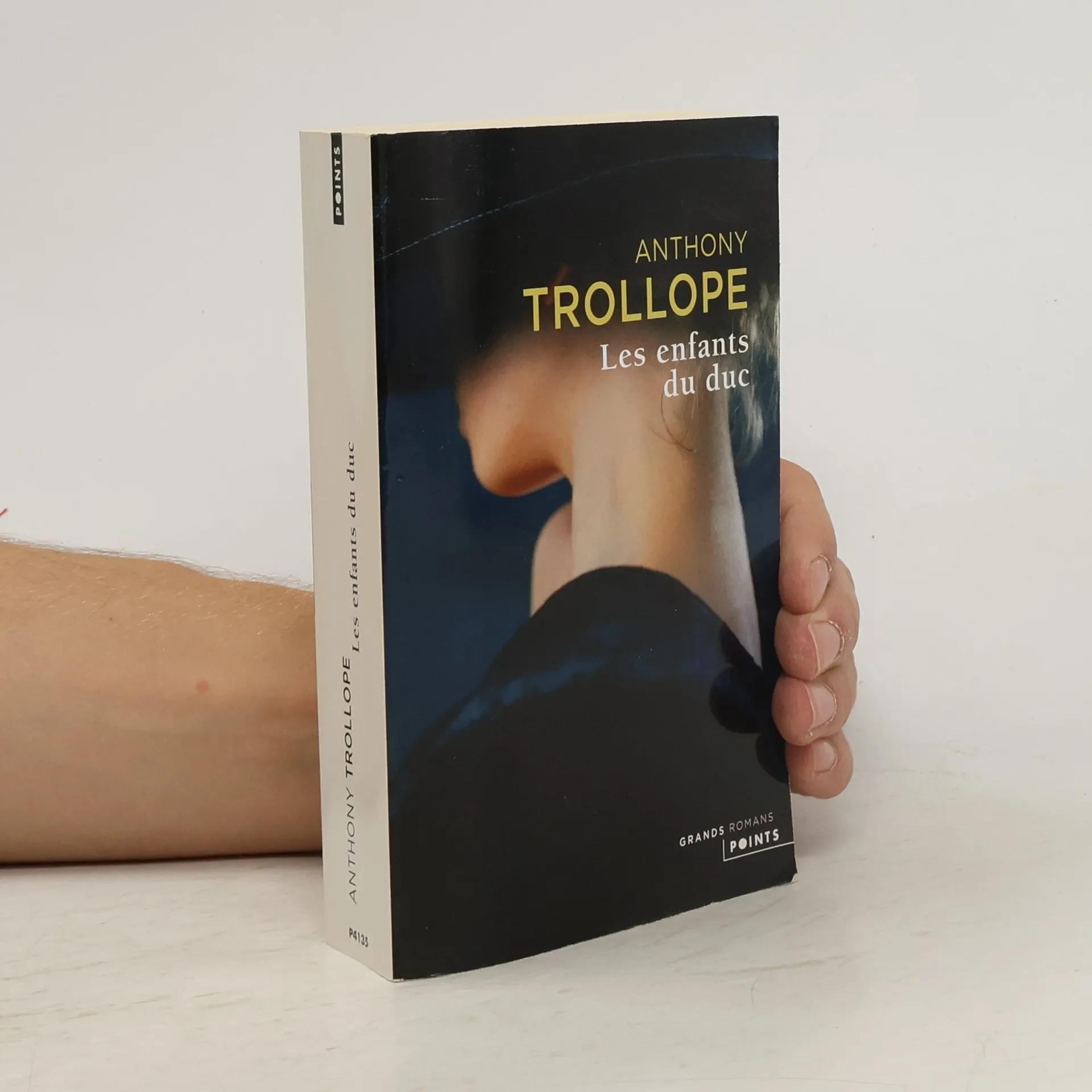
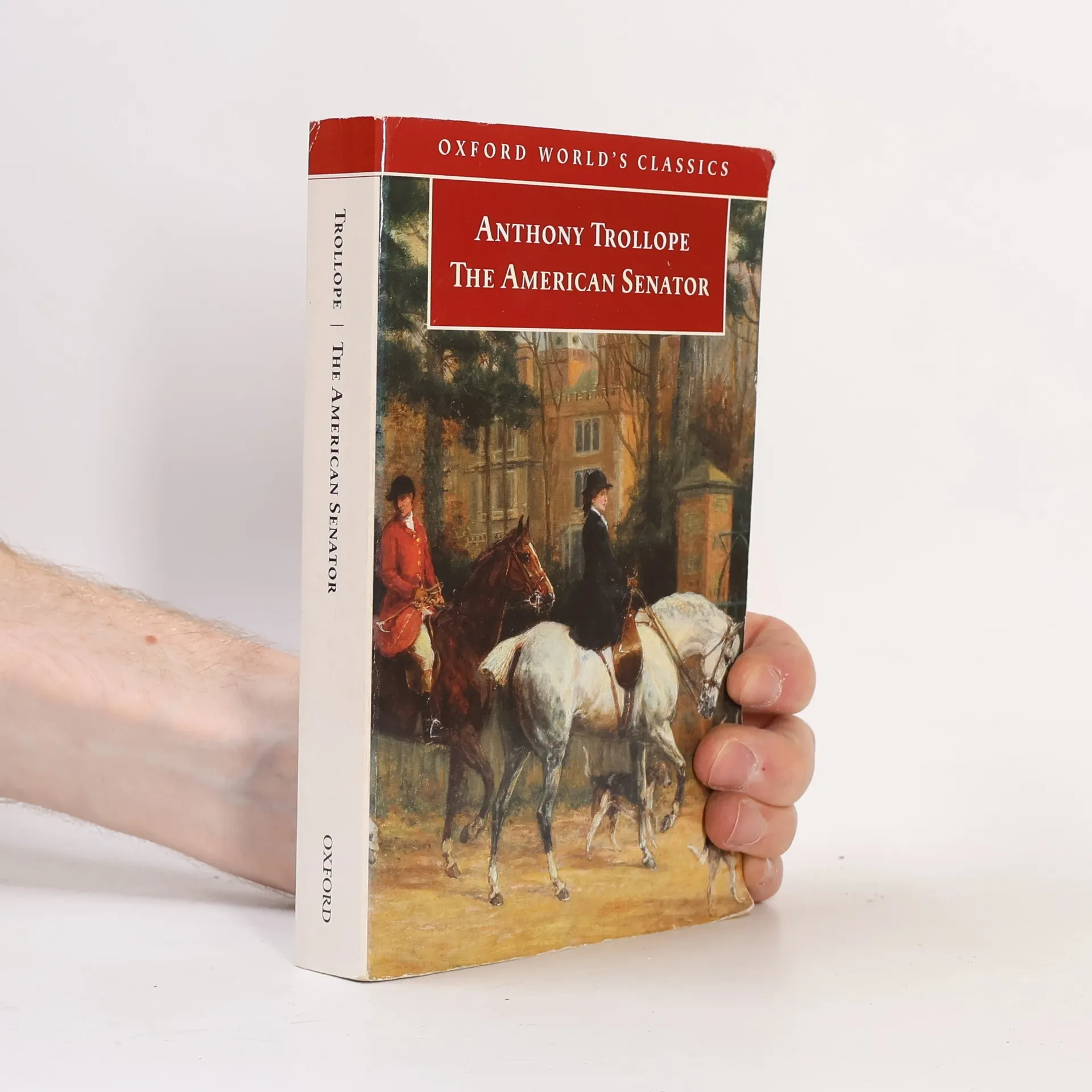
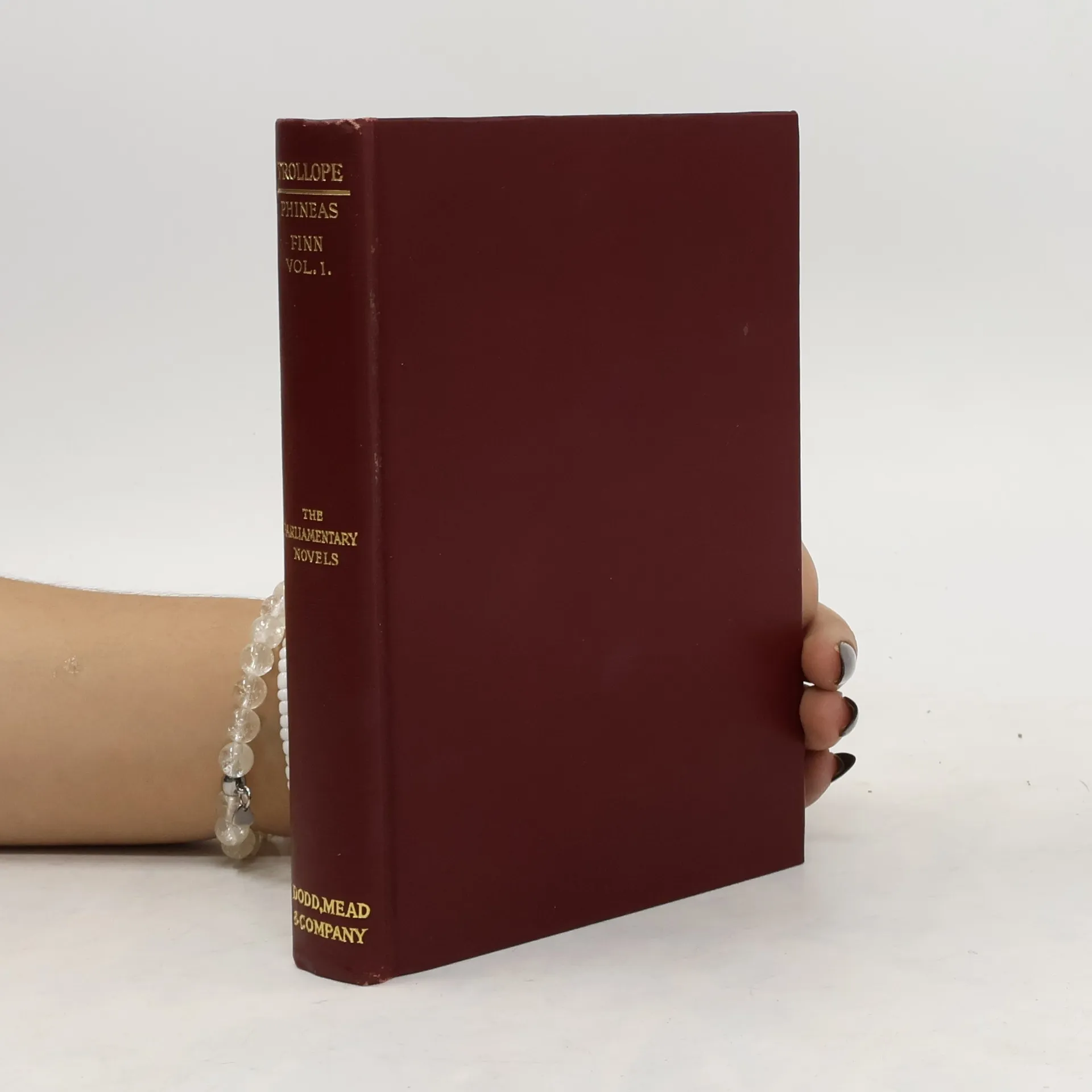
Angleterre, fin du XIXe siècle. Membre du parti libéral, Plantagenet Palliser a hérité du titre de duc d'Omnium. Lorsque sa femme succombe à une grippe, il doit s'occuper seul de ses enfants, qui lui posent divers ennuis : ses fils se font renvoyer de leur école pour indiscipline, tandis que sa fille s'est amourachée d'un jeune bourgeois, ce qui lui fait craindre une mésalliance.
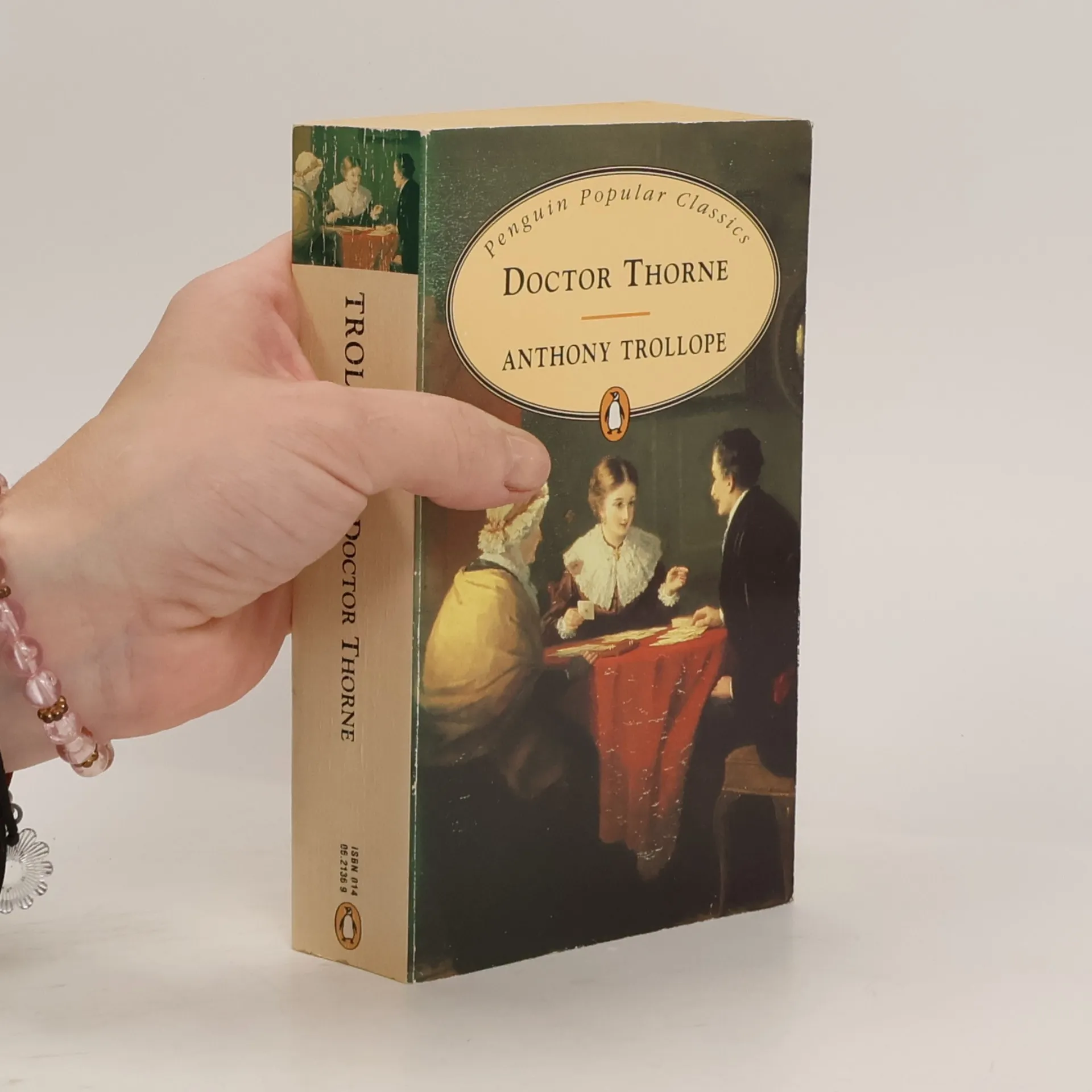
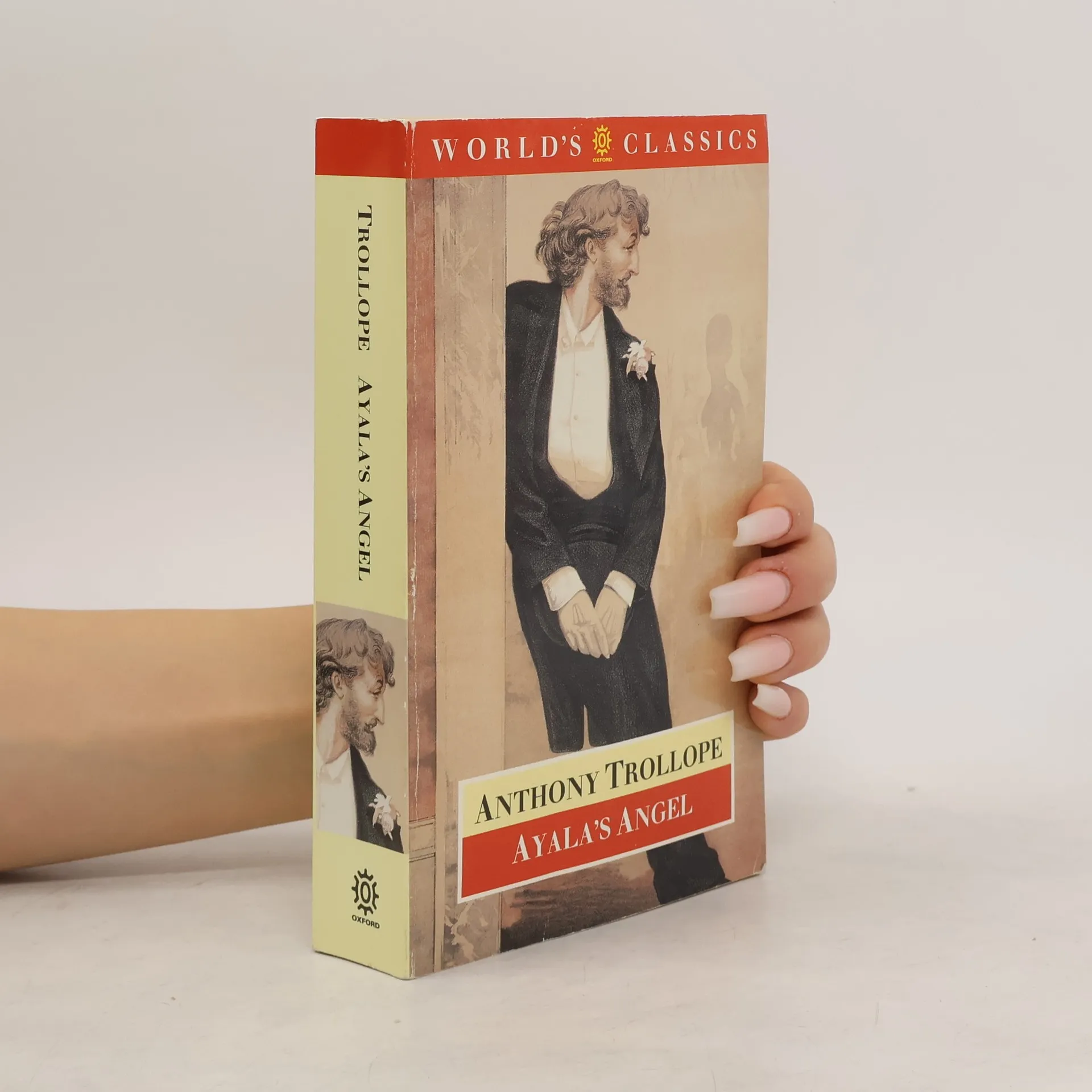
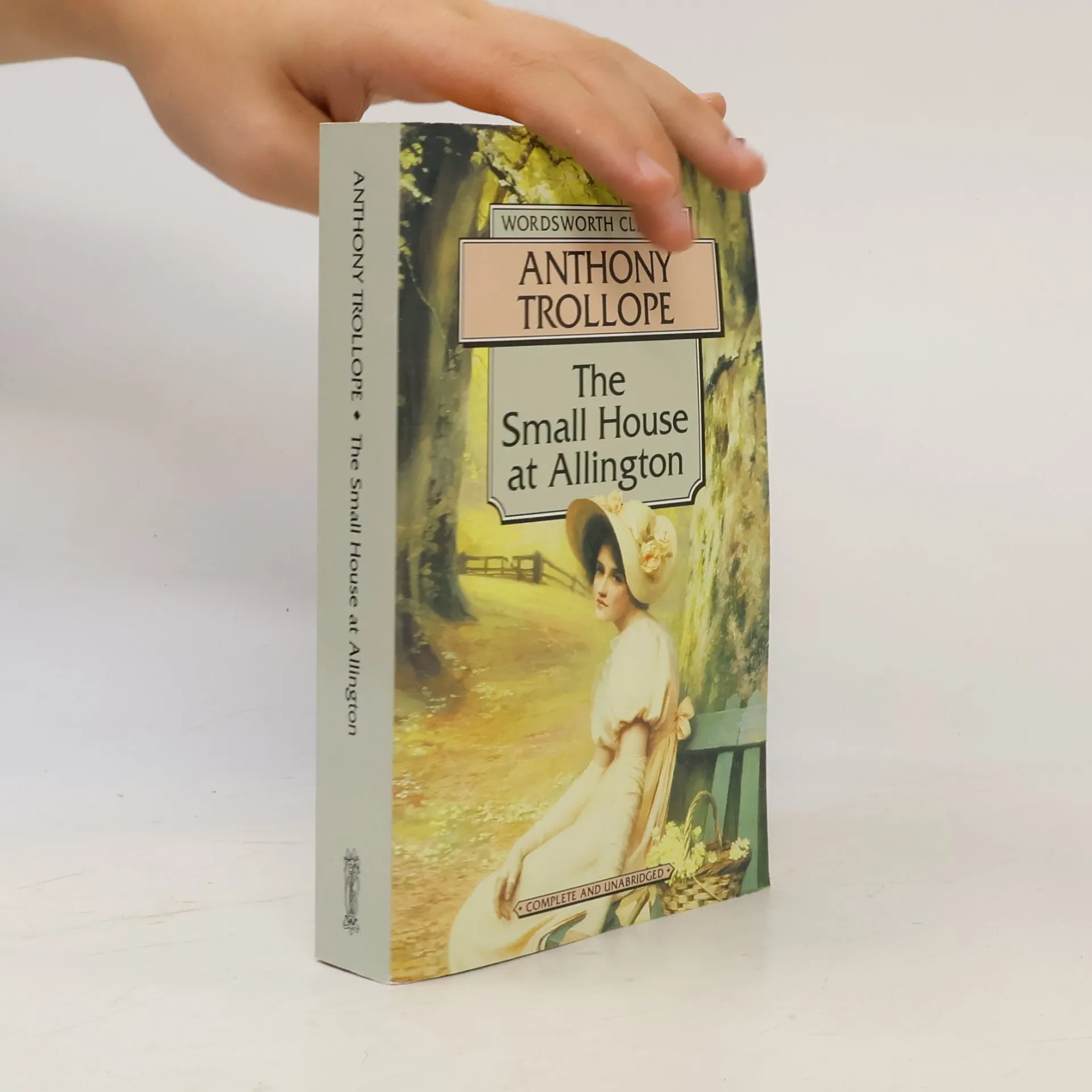
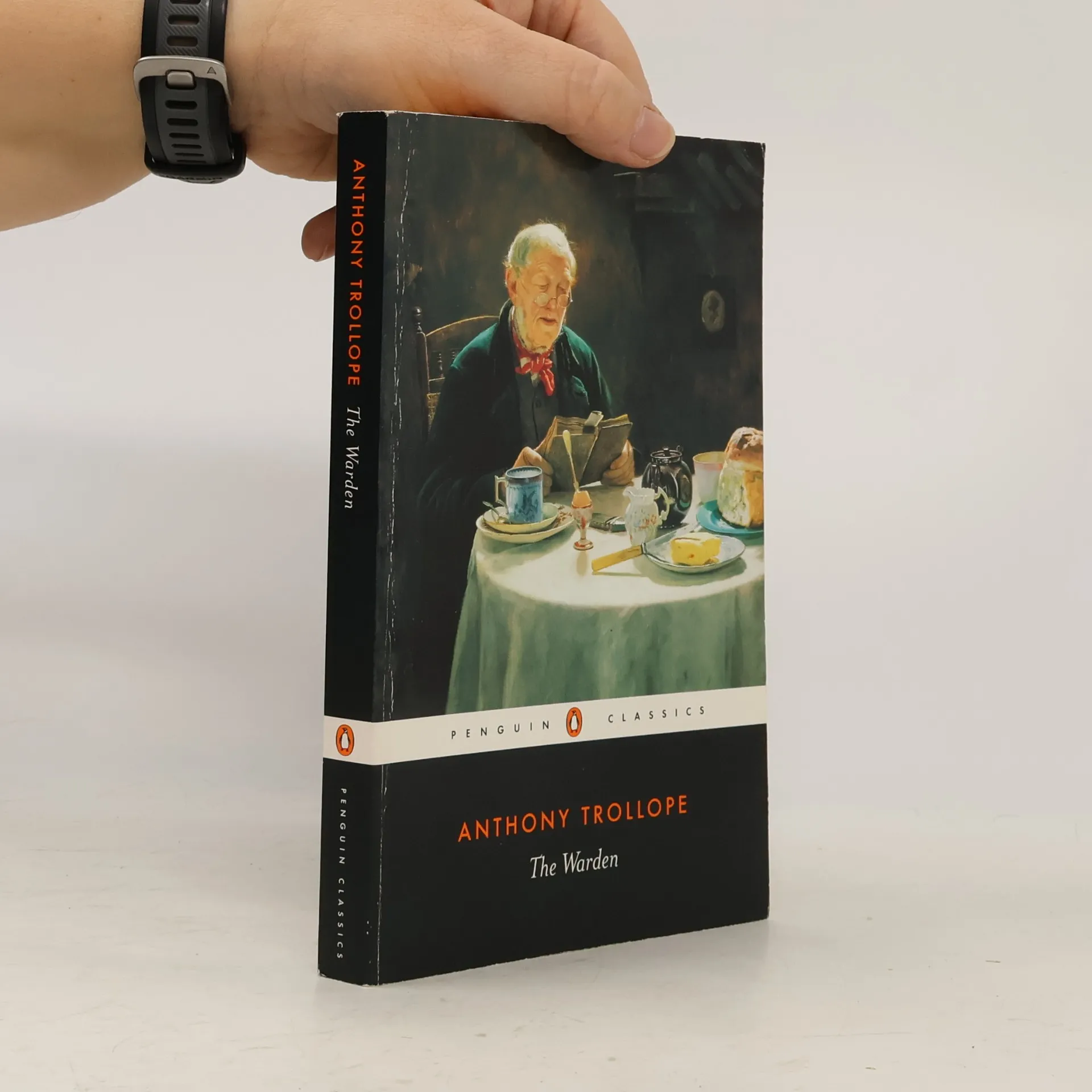
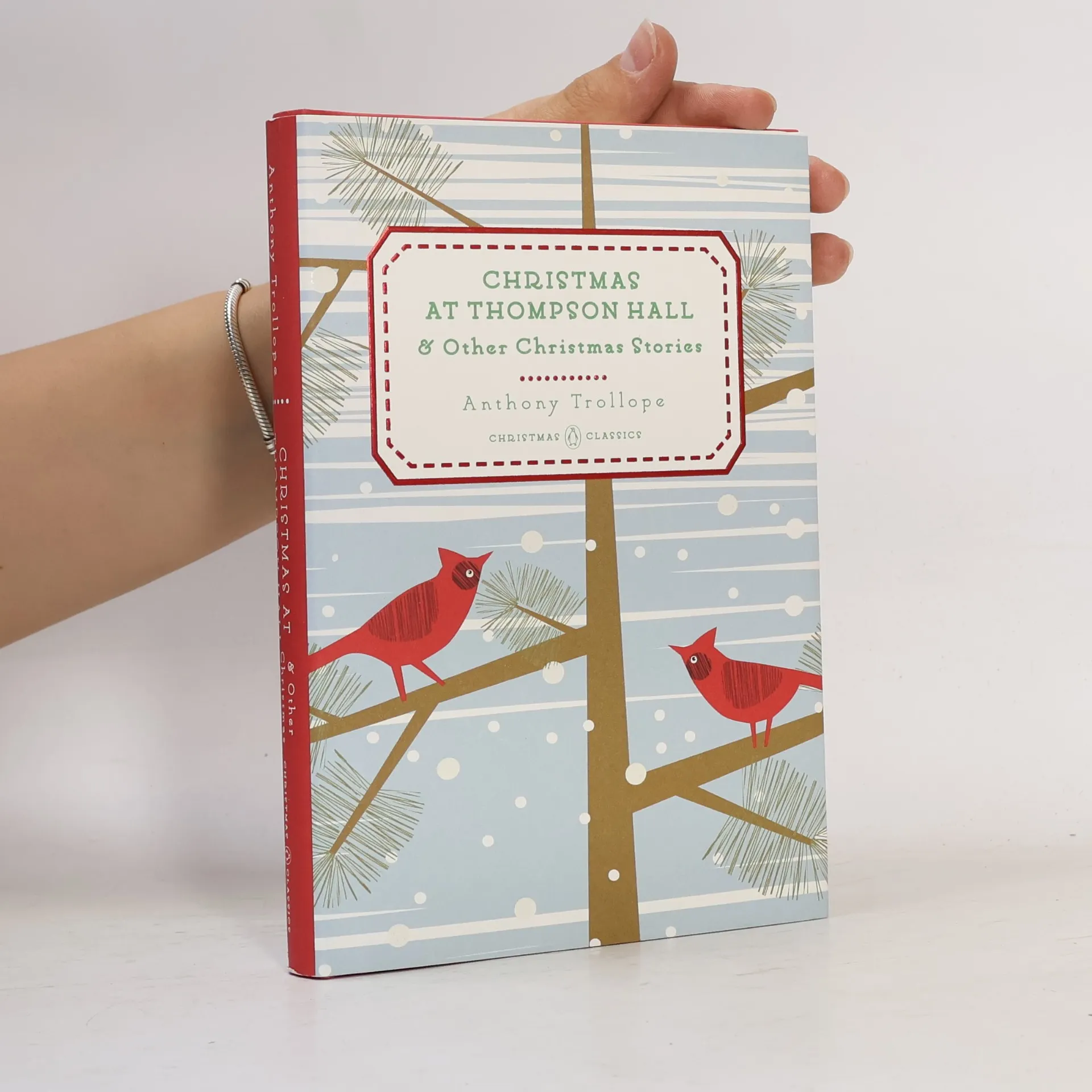
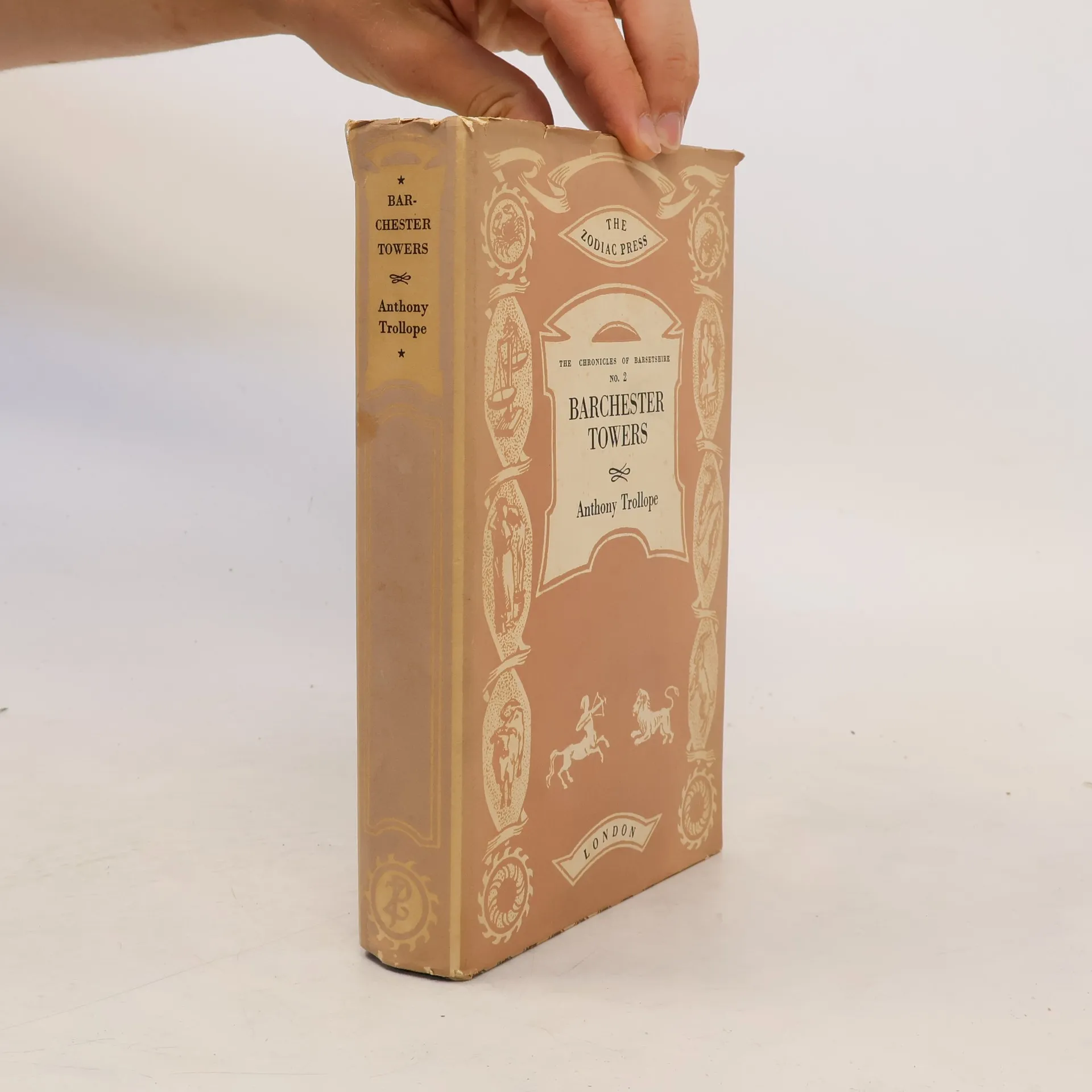
Septimus Harding, un homme doux et timide, aimé et respecté, et qui paraît incarner à lui seul toutes les qualités humaines et les vertus chrétiennes, se voit accusé d'enrichissement personnel illégal : de sa fonction de directeur d'hospice de charité il aurait fait une confortable sinécure. Quand John Bold, réformateur trop zélé, utilise la presse nationale pour l'attaquer, c'est un coup de tonnerre qui retentit dans le petit monde feutré du clergé attaché à la cathédrale de Barchester (inspirée de celle de Salisbury). Pourtant, la définition nette du bien et du mal, du coupable et de l'innocent, sera rapidement ébranlée dans ce combat qui oppose médias assoiffés de scandale et conscience morale solitaire. Premier roman de la série des "Chroniques du Barset", Le Directeur contient déjà tout ce qui fera de Trollope l'un des auteurs victoriens les plus populaires : une véritable intuition psychologique des relations de pouvoir, une écriture alerte, et une plume ironique, capable de satire parfois féroce mais aussi de tolérance amusée.
Marion Fay relates two contrasting love affairs, each involving an aristocrat and a commoner! Marion Fay, a Quaker and daughter of a City clerk is being passionately pursued by the seditious Lord Hampstead, while the other romance involves the young and beautiful Clara... Trollope brightly evokes the grey working lives, plain homes, blank streets, and limited horizons of the dwellers in Paradise Row, all hoping for a better tomorrow...
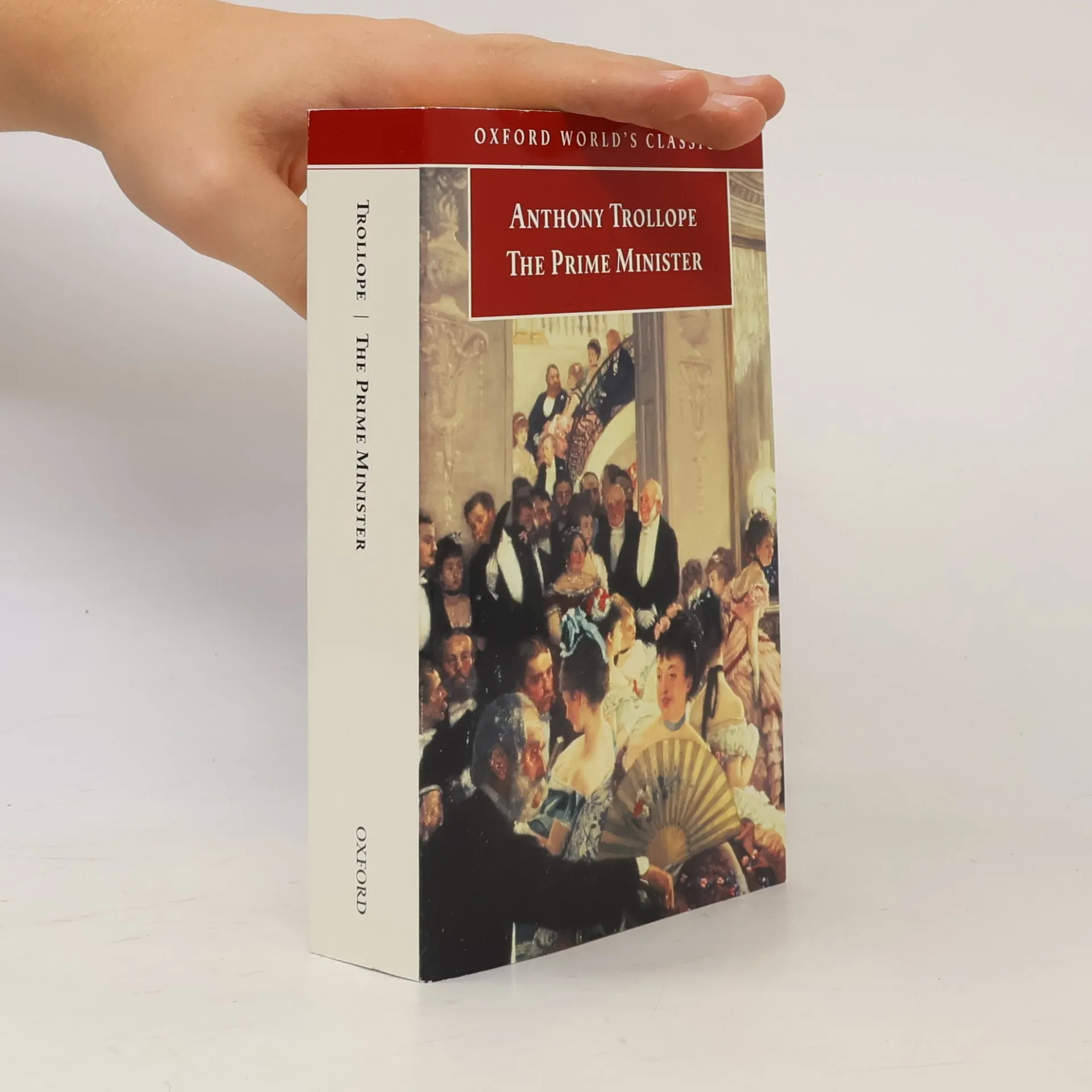
Despite a decreasing popularity throughout his career, Anthony Trollope (1815-1882) has become one of the most notable and respected English novelists of the Victorian Era. His penetrating novels on political, social and gender issues of his day have placed him among such nineteenth century literary icons as Jane Austen, Charles Dickens and George Eliot. Trollope penned 47 novels in his career, in addition to various short stories, travel books and biographies. A newfound interest in politics led to the publication of "The Prime Minister" in 1876, one of a group of novels sometimes called Trollope's parliamentary novels. This novel tells of the successes, troubles, and eventual failure of what the author calls the completed picture of a statesman, who should have "rank, and intellect, and parliamentary habits, by which to bind him to the service of his country . . . he should also have unblemished, unextinguishable, inexhaustible love of country" (from Trollope's Autobiography).
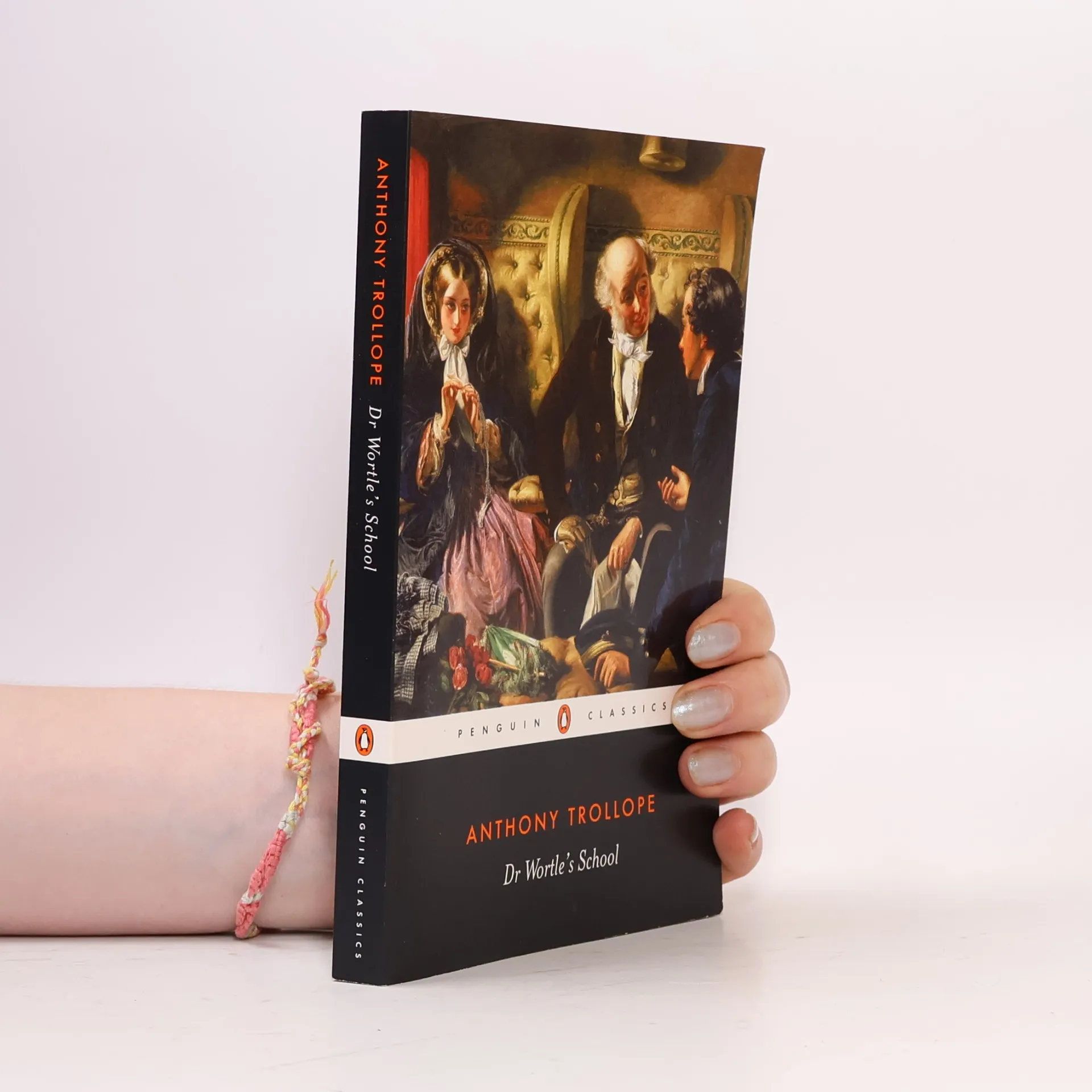
When Mr and Mrs Peacocke arrive as employees of Dr Wortle's school, the discovery of an irregularity in their marriage tests the character of all involved. But as Dr Wortle says, There are things which a man cannot bear ... now and again a man shall make a stand in his own defence.
In "Miss Mackenzie" Trollope made a deliberate attempt "to prove that a novel may be produced without any love," but as he candidly admits in his "Autobiography," the attempt "breaks down before the conclusion." In taking for his heroine an middle-aged spinster, his contemporaries of writing about young girls in love. Instead he depicts Margaret Mackenzie, overwhelmed with money troubles, as she tries to assess the worth and motives of four very different suitors. Although her creator calls her "unattractive," most readers will warm to Miss Mackenzie and admire her modesty, dignity, and shrewdness.
"He is so scandalously weak, and she is so radically vicious, that they cannot but be wrong together. The very fact that such a man should be a bishop among us is to me terribly strong evidence of evil days coming" When Reverend Josiah Crawley, the impoverished curate of Hogglestock, is accused of theft it causes a public scandal, sending shockwaves through the world of Barsetshire. The Crawleys desperately try to remain dignified while they are shunned by society, but the scandal threatens to tear them, and the community, apart. Drawing on his own childhood experience of genteel poverty, Trollope gives a painstakingly realistic depiction of the trials of a family striving to maintain its standards at all costs. With its sensitive portrayal of the proud and self-destructive figure of Crawley, this final volume is the darkest and most complex of all the Barsetshire novels.
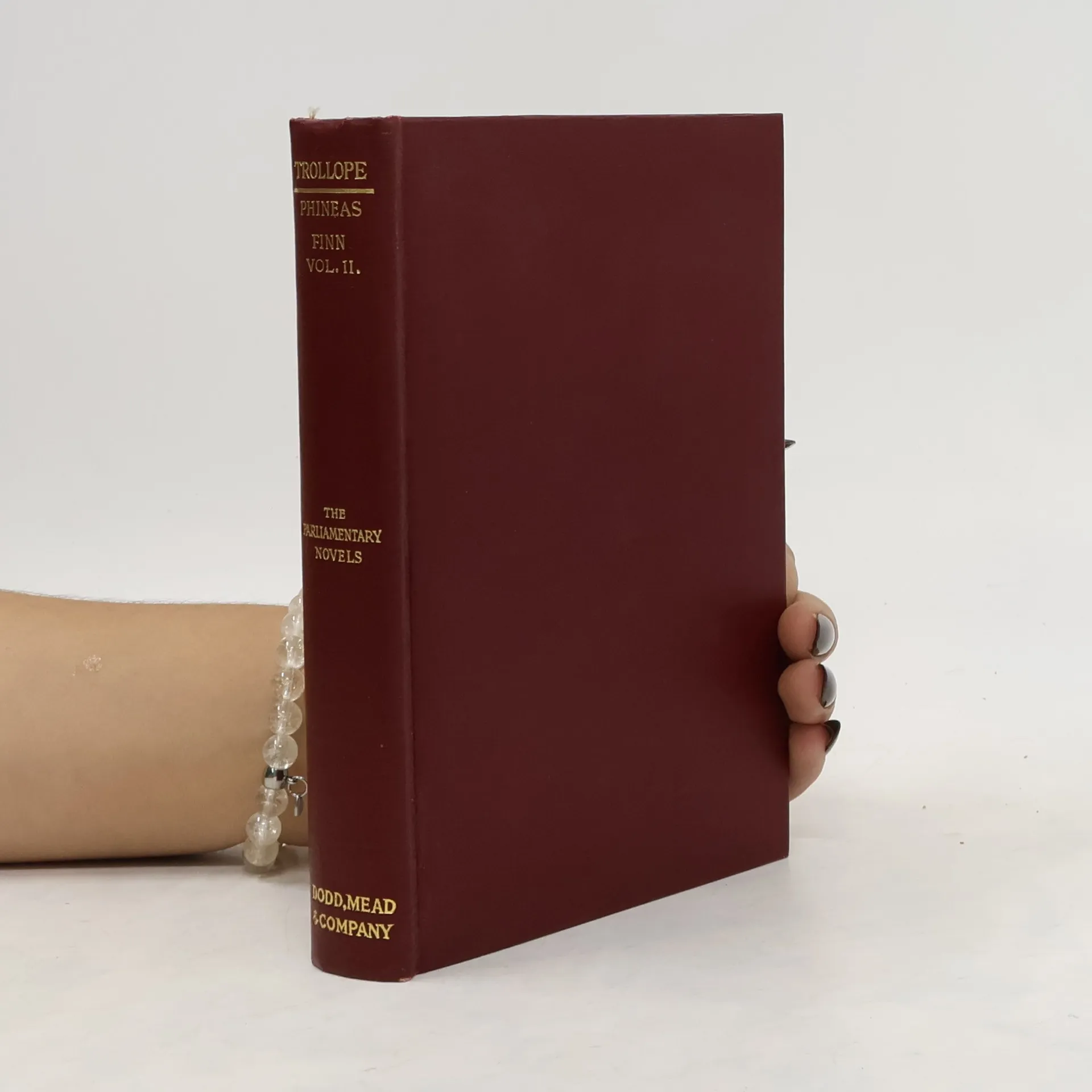
In the second volume from Trollope's series of six `Palliser' novels, we probe
deep into the life of British politics. This talent for detail is combined
with a magisterial overview which lifts the book above parochial politics,
making it of interest to any reader interested in the study of personality and
action. schovat popis
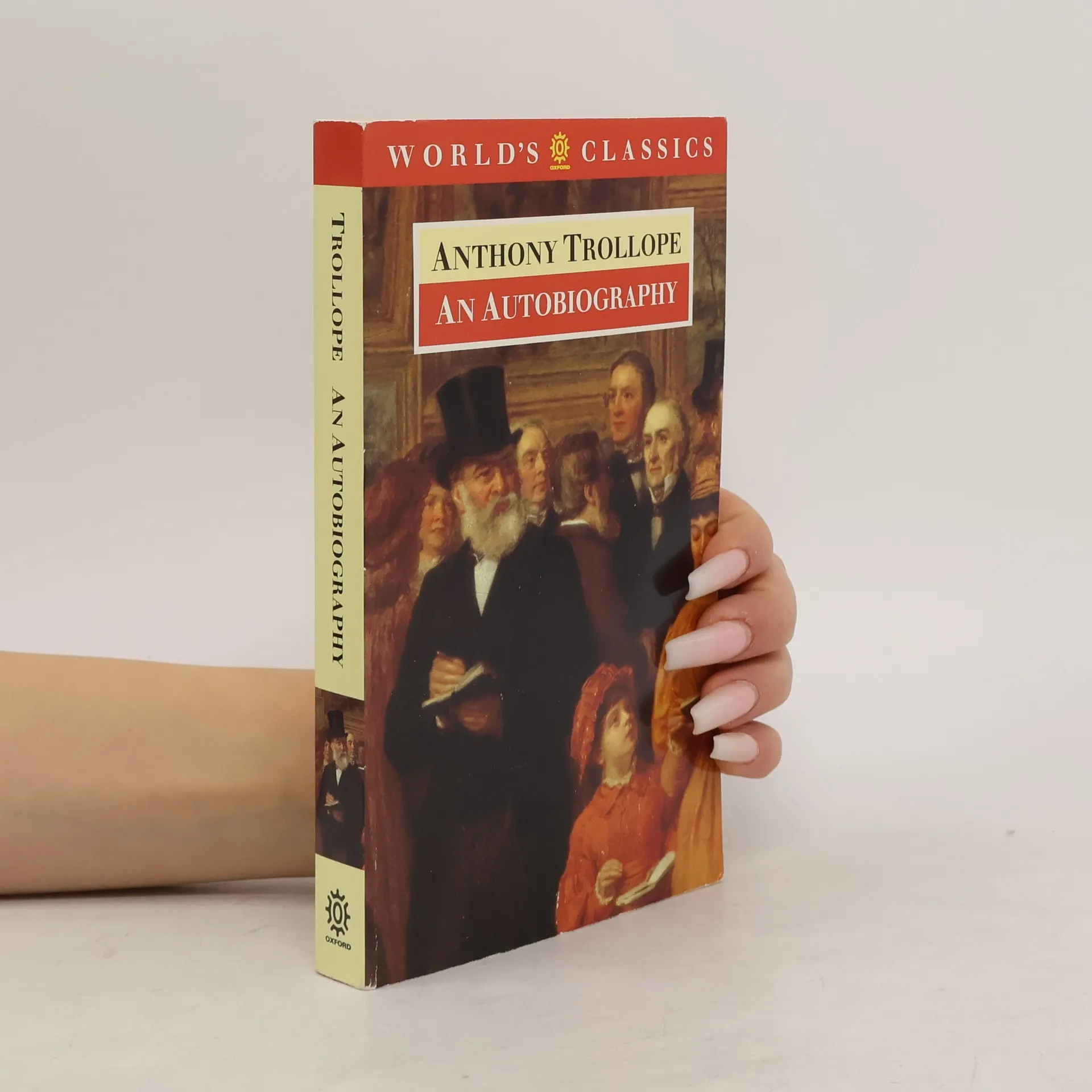
A fascinating autobiography of the nineteenth century, revealing many of Tollope's opinions about Dickens and George Eliot, politics and the civil service, and judgements he passes on is own character
Wordsworth Classics covers a huge list of beloved works of literature in English and translations. This growing series is rigorously updated, with scholarly introductions and notes added to new titles.
"From the towering Burmese magnificum, with its three-foot-diameter trunk and its masses of sweet-smelling purple flowers, to the potted pink azalea, glowing like a burning bush on the backyard garden patio, Rhododendron is a genus of infinite variety and beauty. There are 1,025 known species: it is a native of the snows of the Himalayas and the swamps of the Carolinas, the jungles of Borneo and the island inlets of Japan. It is also one of the oldest of plants - many believe the dove that returned to Noah's ark was carrying a rhododendron sprig - although it has been known to western horticulture for only 300 years. The curious history of Westerners and rhododendrons is full of swashbuckling plant collectors and visionary gardeners, colonial violence and ecological destruction, stunning botanical successes and bitter business disappointments. And it is here related with consummate skill by Jane Brown, an English garden writer."--BOOK JACKET.
This is Trollope's eightieth tale. Though it is the work of an older man, it is perhaps the brightest and freshest novel he ever wrote. The story of a young woman forced to choose a husband from among three unsavory men, the novel is remarkable for its wealth of minor characters and itromantic exuberance.
Focusing on political, social, and gender issues of the Victorian era, Anthony Trollope emerged as a prolific novelist after leaving his job at the British Post Office to pursue a parliamentary career. Following his electoral defeat, he dedicated himself to writing, producing notable works like The Warden and the acclaimed Barchester Towers. His novels, often serialized in St Paul's Magazine, reflect the complexities of his time and have cemented his reputation as one of the era's most respected authors.
Primarily a love story this fifth saga of Trollope's Barsetshire series, mixes requited love with unrequited love, disgrace, scandal and near-disgrace. The novel revolves around the love felt for Lily Dale by both Adolphus Crosbie and Johnny Eames.
In this legal drama, Joseph Mason's will leaves his estate to his family, but a codicil grants Orley Farm to his second wife, leading to a contentious court case. Years later, tenant Samuel Dockwrath uncovers evidence of forgery, prompting a failed prosecution against Lady Mason, who ultimately confesses and relinquishes the estate.
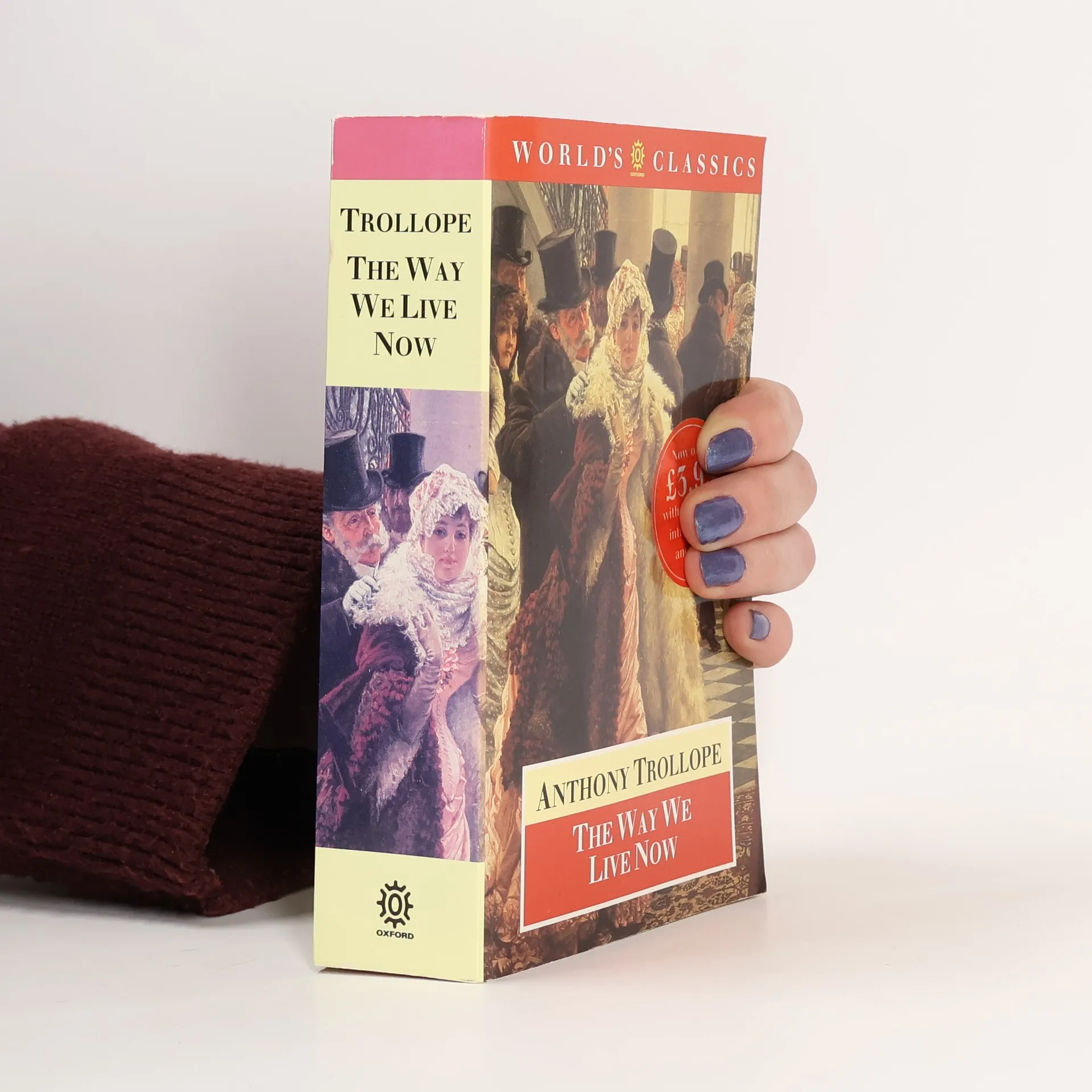
The Way We Live Now is both a satire of the literary world of London in the 1870s and a bold indictment of the new power of speculative finance in English life. Trollope is described as the quintessential Victorian novelist.
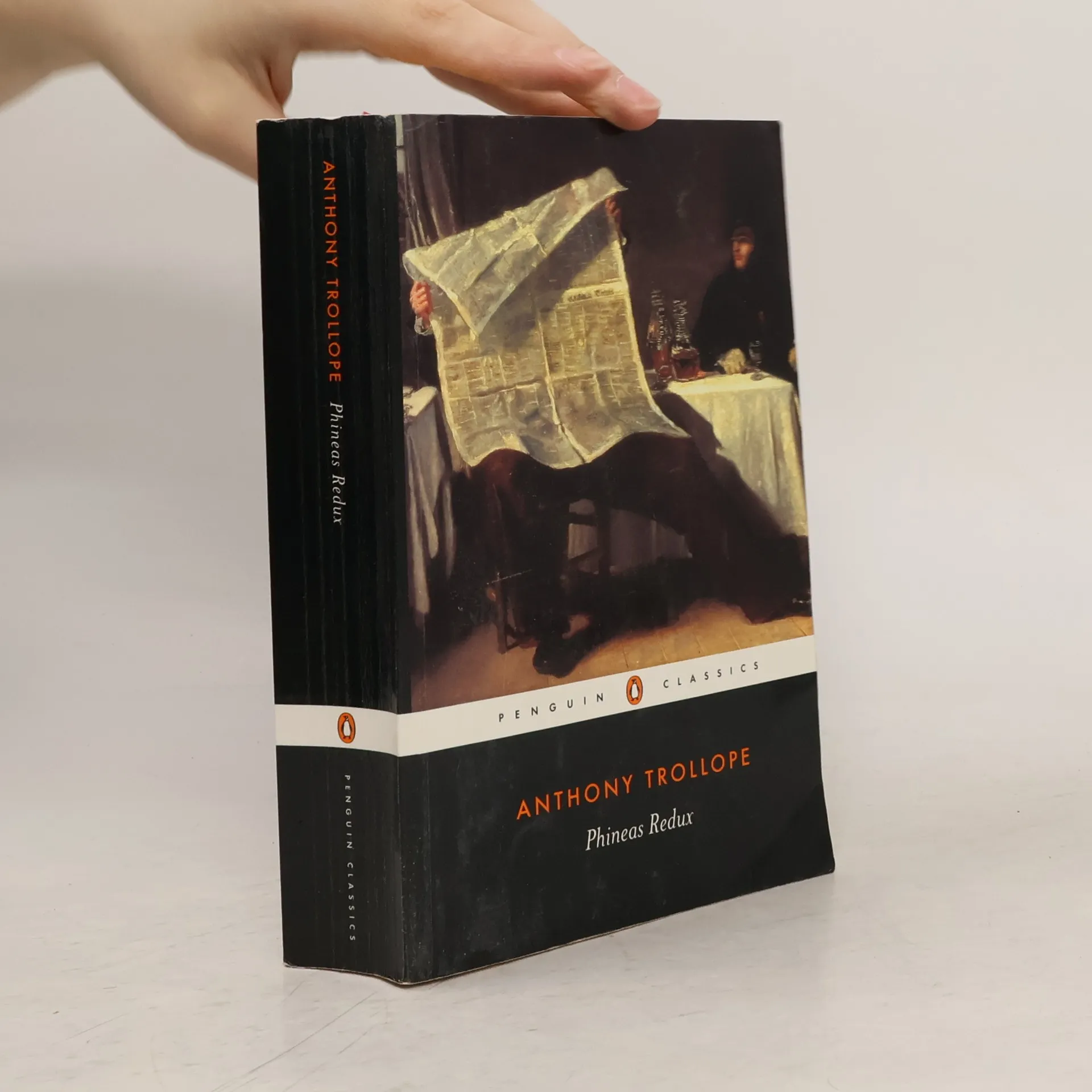
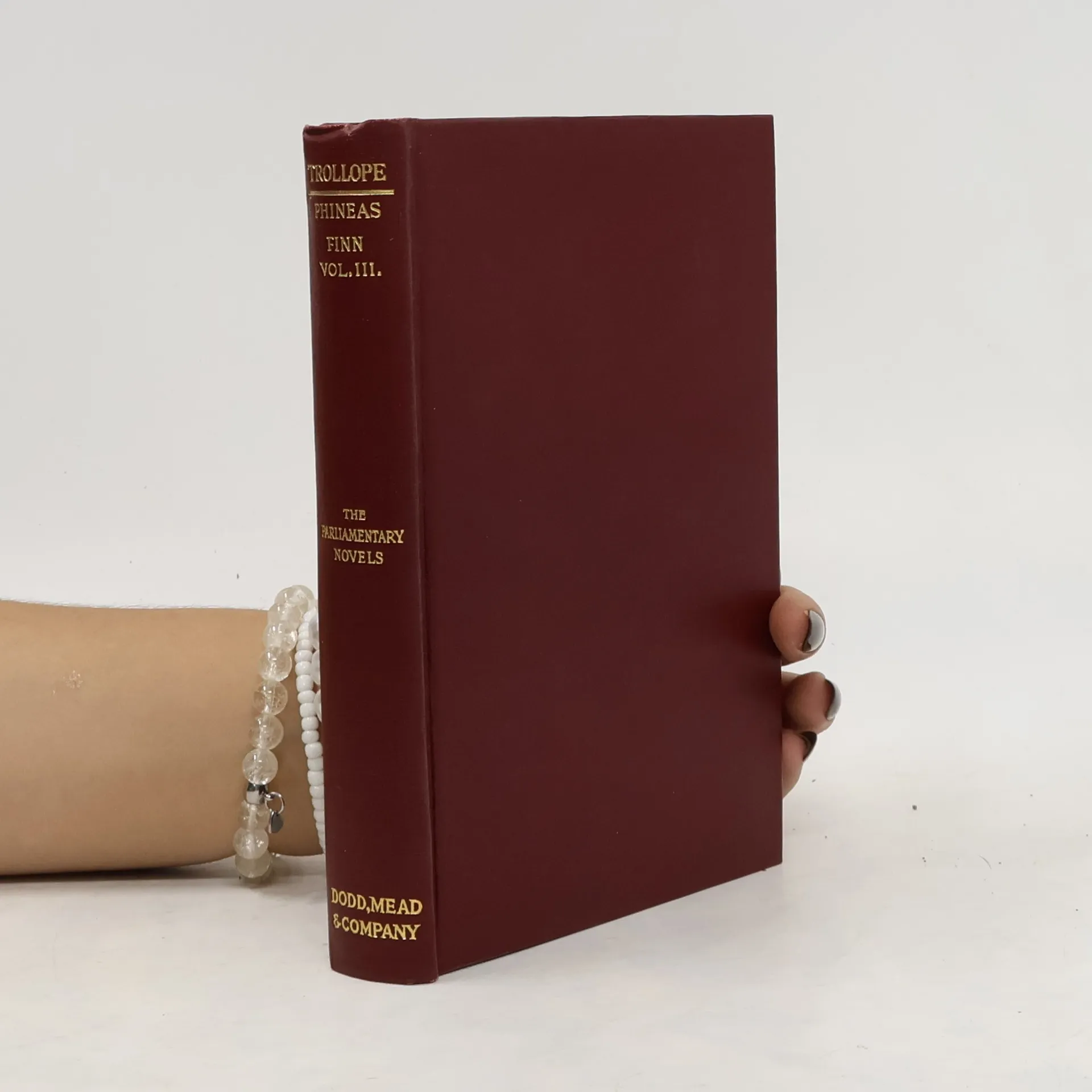
In the fourth Palliser novel, Anthony Trollope follows Phineas Finn's return
to the dangerous world of Westminster politics. When his political rival is
murdered, Phineas is thrown under suspicion and eventually finds himself
standing trial at the Old Bailey. schovat popis
Alice Vavasor grapples with her feelings for two suitors in this exploration of love and societal expectations within Victorian society. The narrative also delves into the experiences of two other independent women, showcasing their struggles and choices. Enhanced by an introduction and notes, this edition illuminates the tensions of the era, providing a deeper understanding of the characters' dilemmas and the societal norms they navigate.
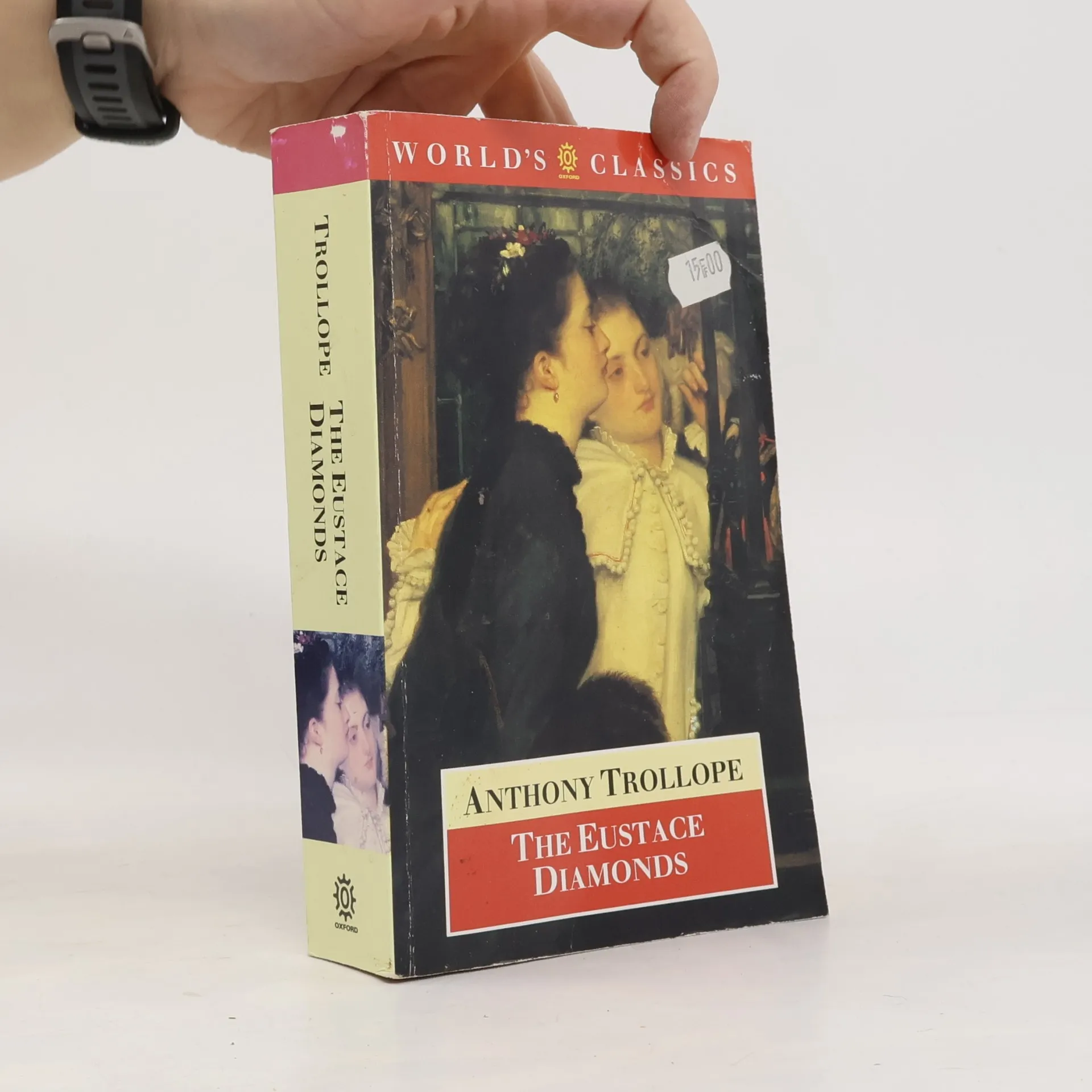
Who owns the Eustace Diamonds? Lizzie Eustace claims that Sir Florian Eustace, her late husband, gave them to her. But Mr. Camperdown, the family solicitor, insists that they are an heirloom, to be passed down from generation to generation. Lizzie is both beautiful and clever, yet Mr. Camperdown believes her to be a scheming liar. And Mr. Camperdown is right! The battle for the diamonds rages until a robbery intervenes and they disappear. Or do they...?
Arabella Trefoil, the beautiful anti-heroine of this novel, inspired Trollope to write of her, "I wished to express the depth of my scorn for women who run down husbands." Arabella's determination to find a rich husband is at the heart of this story and her character, though often maligned, isone of Trollope's most famous and vivid creations.
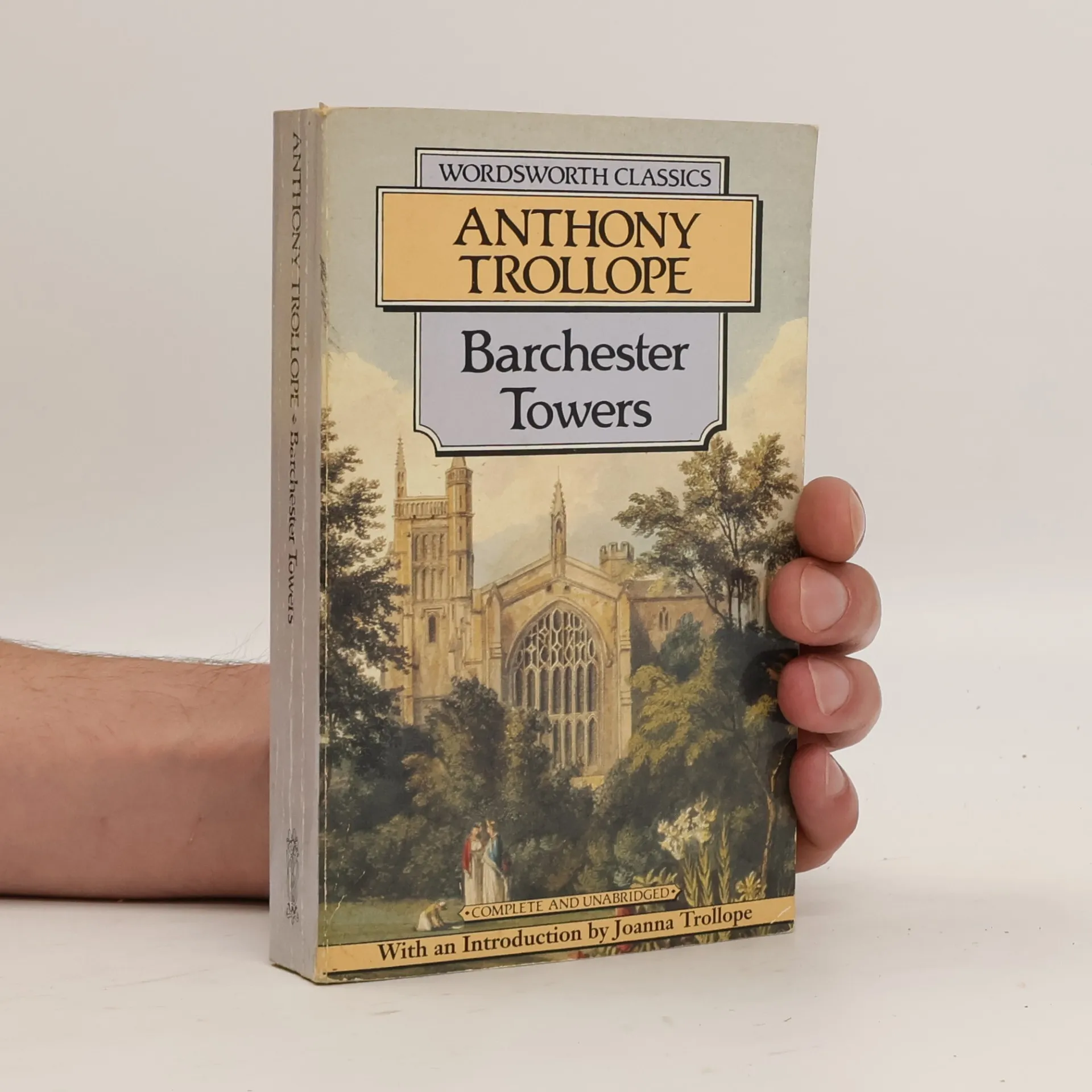
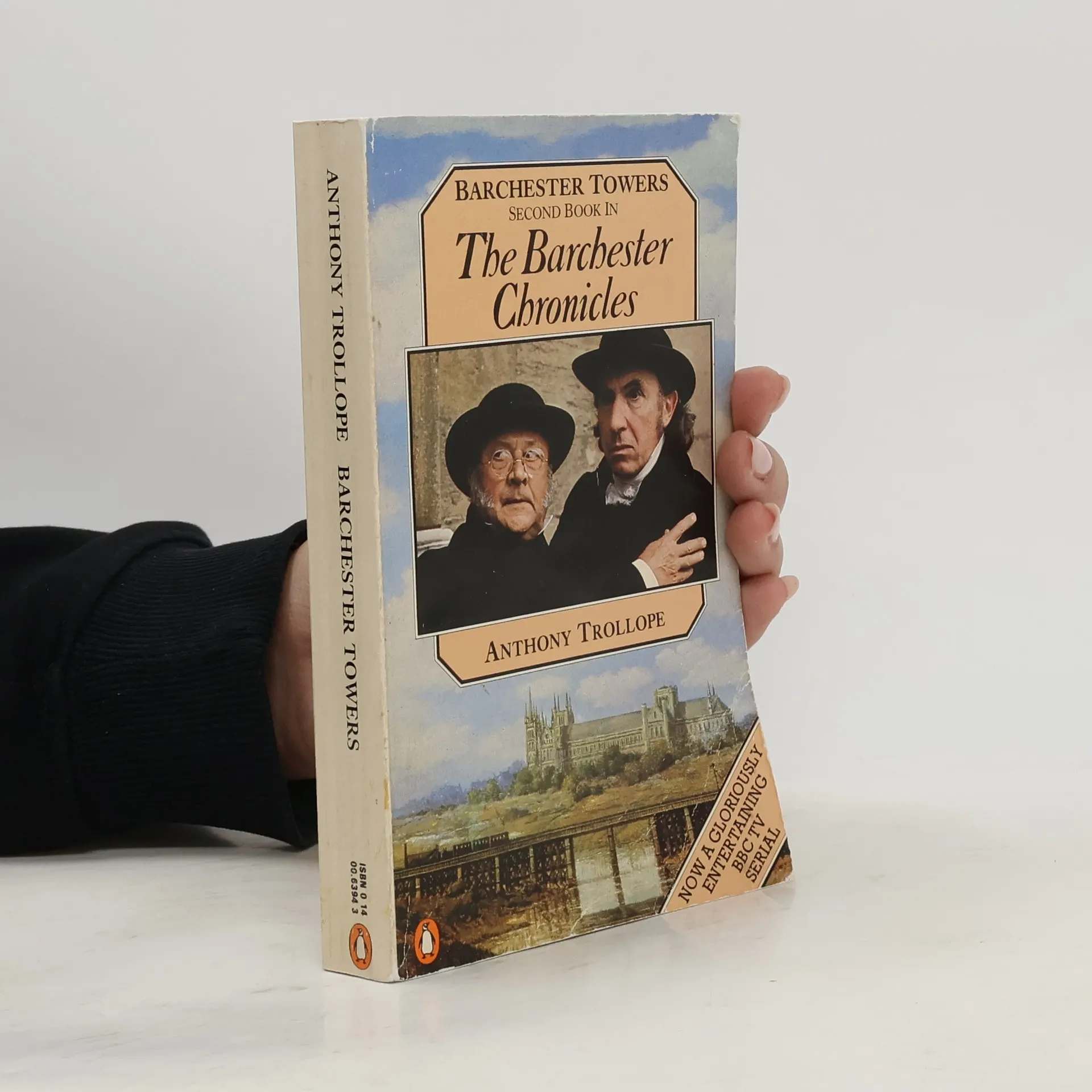
The tranquil atmosphere of the cathedral town of Barchester is shattered when
a scandal breaks concerning the financial affairs of a Church-run almshouse
for elderly men. In the ensuing furore, Septimus Harding, the almshouse's
well-meaning warden, finds himself pitted against his daughter's suitor Dr
John Bold, a zealous local reformer.
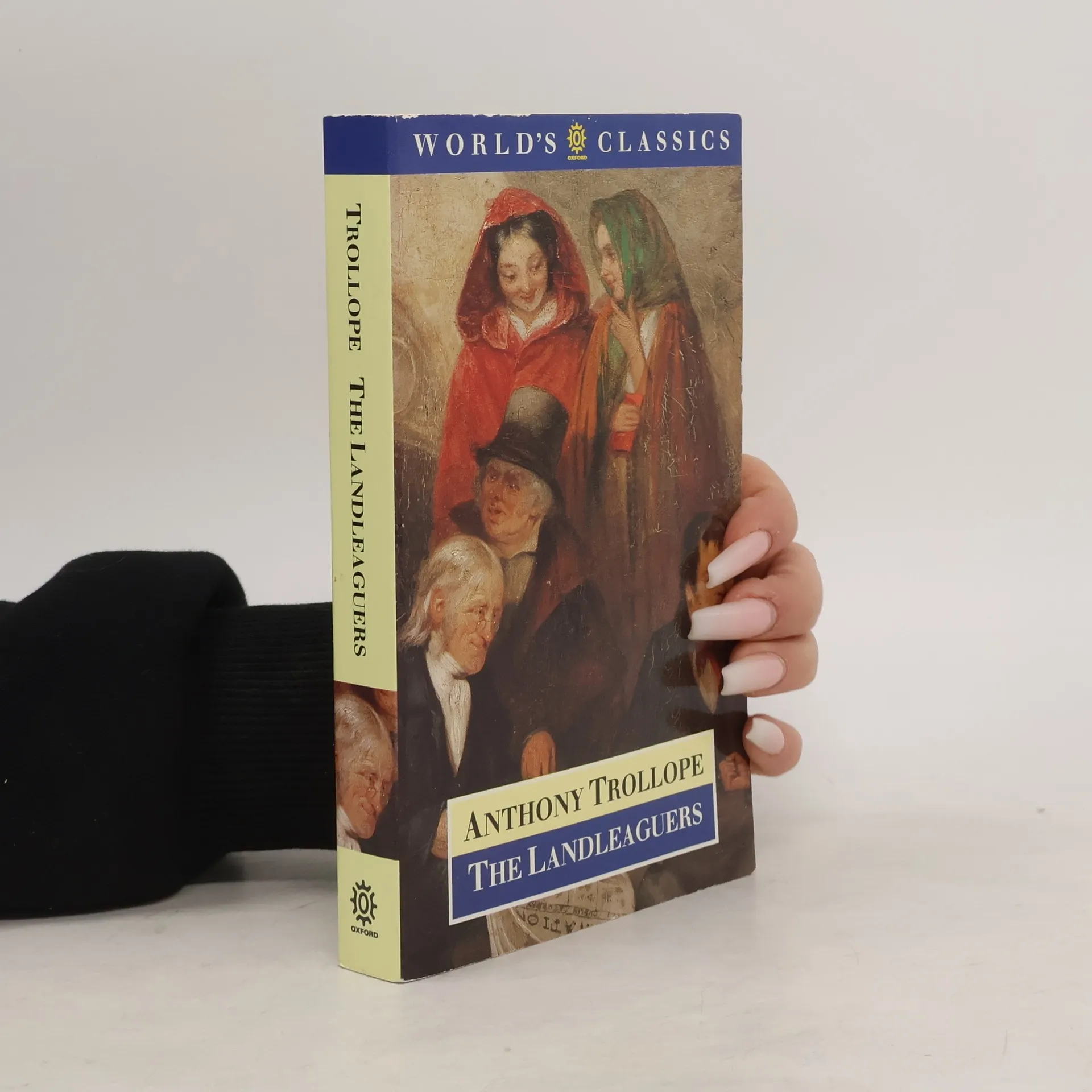
The Landleaguers, Trollope's last novel, is set in Ireland during the Land War of the early 1880s. It is both a documentary record, closely following events in Westminster and the Irish countryside, and a meditative fantasy. Mary Hamer's introduction provides an historically-based reading of the subplot and relates it to Trollope's own personal stake in the crisis between England and Ireland.
Set on the fictional island of Britannula, the narrative explores a controversial societal practice where citizens must retire and face death at 67 to prevent overcrowding. President John Neverbend champions this 'Fixed Period,' believing it addresses pressing societal issues. However, as his friend Gabriel Crasweller approaches his 67th birthday, Neverbend's convictions are challenged. The novel delves into themes of aging, government control, and the ethics of euthanasia, using satire to critique the political and social norms of Trollope's time.
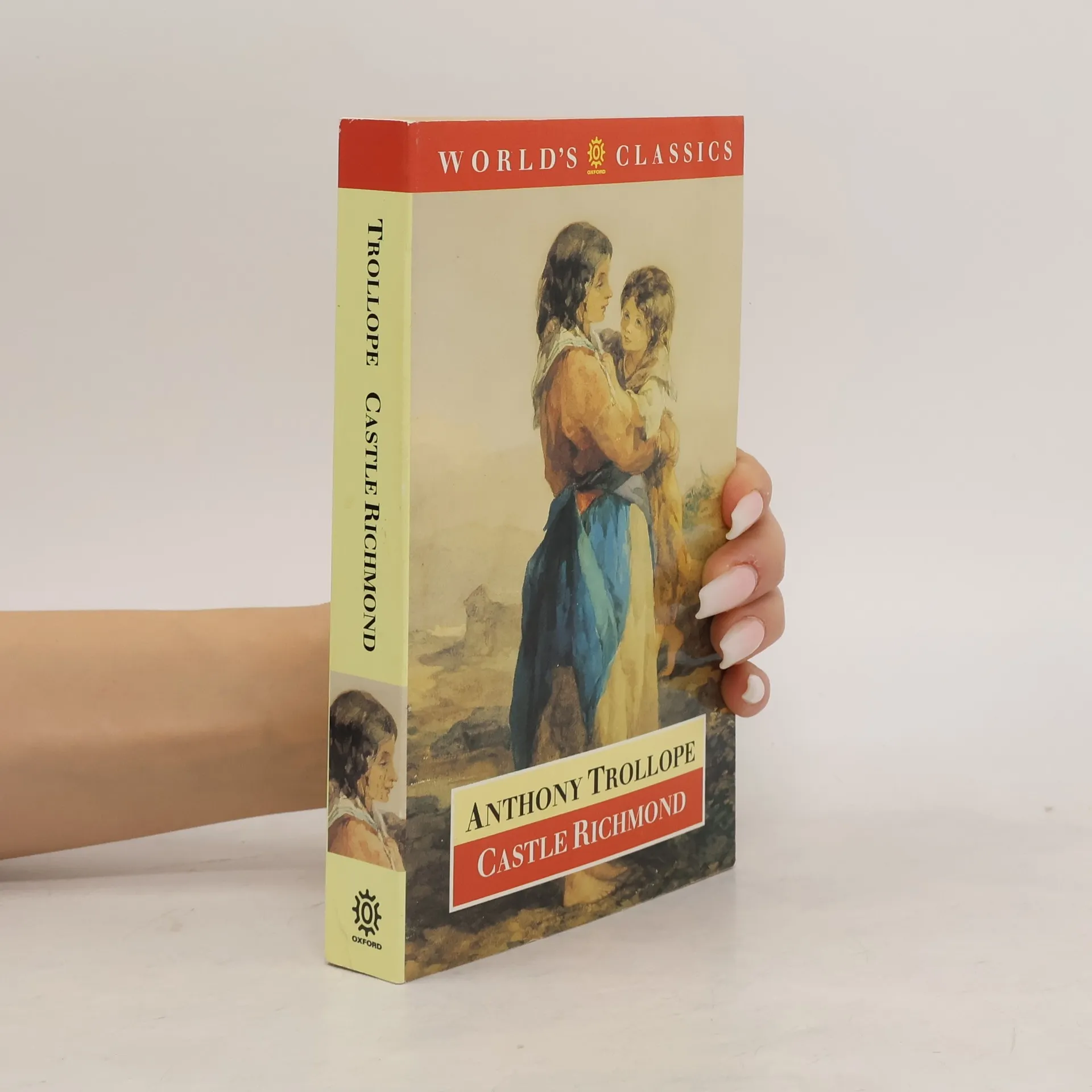
The story is set in Ireland, 1845-7, the famine years. "...[T]he story of the Fitzgeralds and their fight to survive a threat to possession of their family home, Castle Richmond. When Sir Thomas is blackmailed by the unscrupulous Mollets, his son, Herbert, is threatened with disinheritance; meanwhile both Herbert and his dashing cousin Owen compete for the hand of Clara Desmond, whose mother would secretly like Owen for herself. At the same time, Trollope's srupulous accuracy in recording prices, earnings, dates, and topography creates a disturbing pictue of the lives of the labouring Irish poor both before and during the famine." -- Cover, page [4]
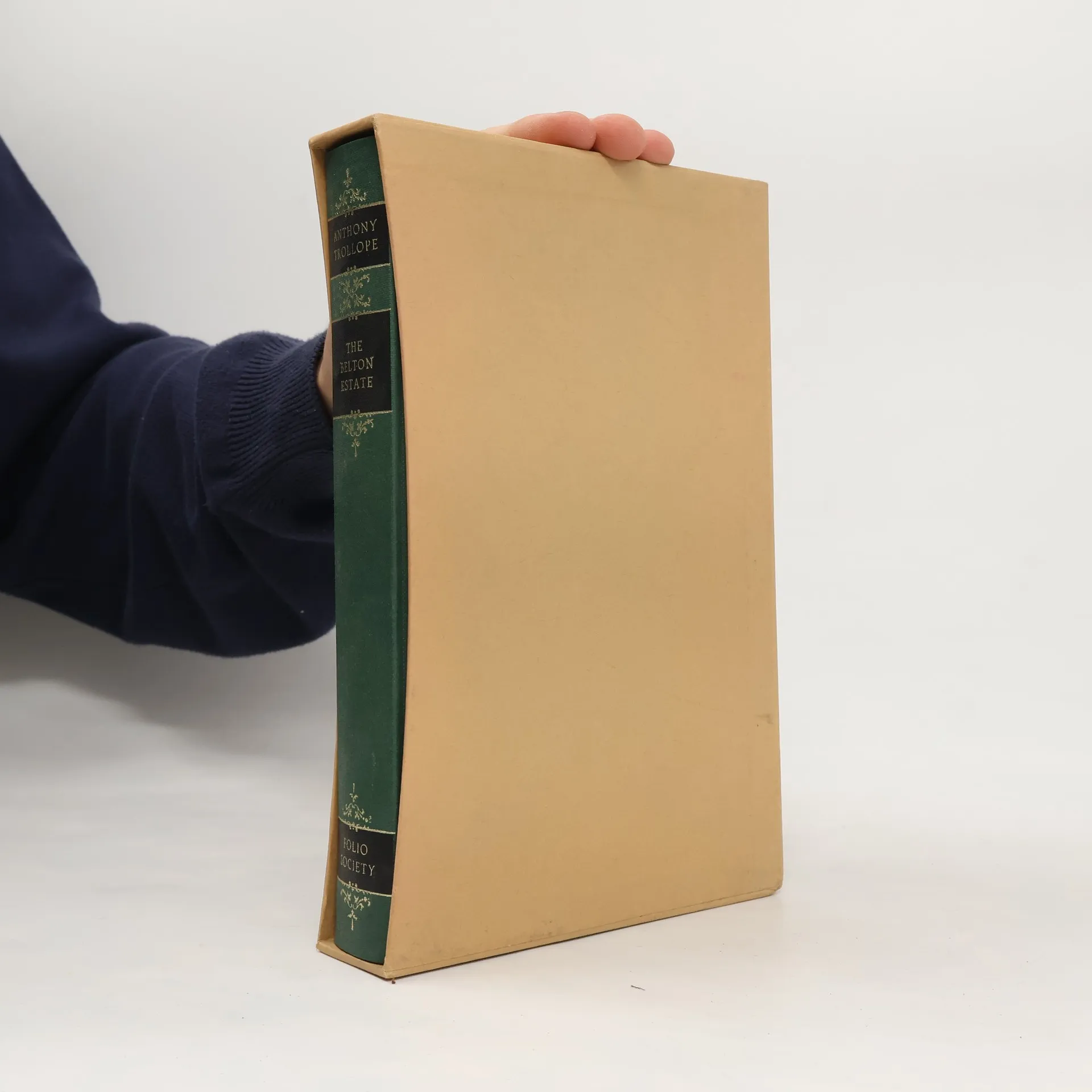
Anthony Trollope offers the complete six-novel collection of his acclaimed Barchester Chronicles, a narrative of clerical drama within the cathedral city.
This book is a reproduction of a historical work, presented in large print to enhance accessibility for readers with impaired vision. Published by Megali, a house dedicated to making historical texts more readable, it aims to preserve the original content while ensuring that it is accessible to a wider audience.
This historical work is presented in large print to enhance accessibility for readers with impaired vision. Megali, the publishing house behind this reproduction, focuses on making classic texts more readable, ensuring that important literary works remain available to a wider audience.
Focusing on accessibility, this publication from Megali aims to assist those with impaired vision by offering historical works in large print. The emphasis on readability ensures that important texts are available to a wider audience, promoting inclusivity in literature.
The book is a reproduction of a historical work, published in large print to enhance accessibility for readers with impaired vision. Megali, the publishing house behind this edition, focuses on making historical texts more readable for a wider audience, ensuring that important works remain available to those who may struggle with standard print sizes.
The book is a reproduction of a historical work, produced by Megali, a publishing house dedicated to creating large print editions. This initiative aims to enhance accessibility for individuals with impaired vision, ensuring that important texts remain available to a wider audience.
This book is a reproduction of a historical work published by Megali, a company dedicated to making literature accessible through large print editions. By focusing on enhancing readability for those with impaired vision, it aims to preserve and share important texts while ensuring they are accessible to a wider audience.
The book is a large print reproduction of a historical work, aimed at enhancing accessibility for individuals with impaired vision. Published by Megali, a company dedicated to making historical texts more readable, it emphasizes the importance of inclusivity in literature.
The publishing house Megali focuses on reproducing historical works in large print, catering specifically to individuals with impaired vision. Their commitment to accessibility ensures that classic texts are available to a broader audience, enhancing the reading experience for those who might struggle with standard print sizes.
Focusing on accessibility, this publication by Megali emphasizes the importance of making historical works available in large print. The initiative aims to assist individuals with impaired vision, ensuring they can engage with classic literature and historical texts comfortably.
The book is a reproduction of a historical work, presented in large print to enhance accessibility for readers with impaired vision. Published by Megali, a company dedicated to making historical texts more readable, it aims to preserve the original content while ensuring that it is easier for a wider audience to engage with the material.
The book is a reproduction of a historical work, presented in large print to enhance readability for individuals with impaired vision. Published by Megali, a company dedicated to making historical texts more accessible, this edition aims to preserve the original content while catering to the needs of readers who benefit from larger text formats.
The book is a reproduction of a historical work, presented in large print to enhance readability for individuals with impaired vision. Published by Megali, a house dedicated to making historical texts accessible, it aims to preserve the original content while ensuring it can be easily read by a wider audience.
Focusing on accessibility, this book is a reproduction of a historical work presented in large print. The publishing house Megali aims to enhance reading experiences for individuals with impaired vision, ensuring that classic literature remains available and enjoyable to a wider audience.
Focusing on accessibility, this publication is a reproduction of a historical work presented in large print. It aims to facilitate reading for individuals with impaired vision, showcasing the commitment of the Megali publishing house to enhance literary access for all readers.
This book is a reproduction of a historical work, presented in large print to enhance accessibility for readers with impaired vision. Published by Megali, a house dedicated to making classic texts more readable, it aims to preserve the original content while ensuring it is approachable for those who may struggle with standard print sizes.
Focusing on accessibility, this book is a reproduction of a historical work presented in large print, catering specifically to readers with impaired vision. Published by Megali, a house dedicated to enhancing readability, it ensures that significant texts are preserved and made available to a wider audience.
This book is a reproduction of a historical work, focusing on accessibility for individuals with impaired vision. Published by Megali, it features large print to enhance readability, making it an excellent choice for those seeking to engage with historical texts in a more accessible format.
Focusing on accessibility, this publication from Megali aims to provide historical works in large print format. By prioritizing readability for individuals with impaired vision, it ensures that important literary contributions are available to a wider audience. The emphasis on reproducing original texts highlights the commitment to preserving history while making it more inclusive.
This historical work has been reproduced in large print by Megali, a publishing house dedicated to enhancing accessibility for readers with impaired vision. The focus on readability ensures that a wider audience can engage with the content, preserving the original text while catering to those who benefit from larger fonts.
Focusing on accessibility, this book is a reproduction of a historical work presented in large print. Megali, the publishing house behind it, specializes in creating editions that cater to those with impaired vision, ensuring that important texts remain available to a wider audience.
Set against the backdrop of 19th-century Palestine, this travelogue offers a vivid account of Anthony Trollope's equestrian journey through the region. As he rides through diverse landscapes and encounters local inhabitants, Trollope provides keen observations on historical landmarks and cultural nuances. This narrative goes beyond mere travel writing, immersing readers in the rich historical significance and beauty of the Holy Land, making it an enlightening experience for those interested in the complexities of this storied land.
This book is a reproduction of the original work, preserving its content and essence for readers. It offers an opportunity to explore classic literature in its authentic form.
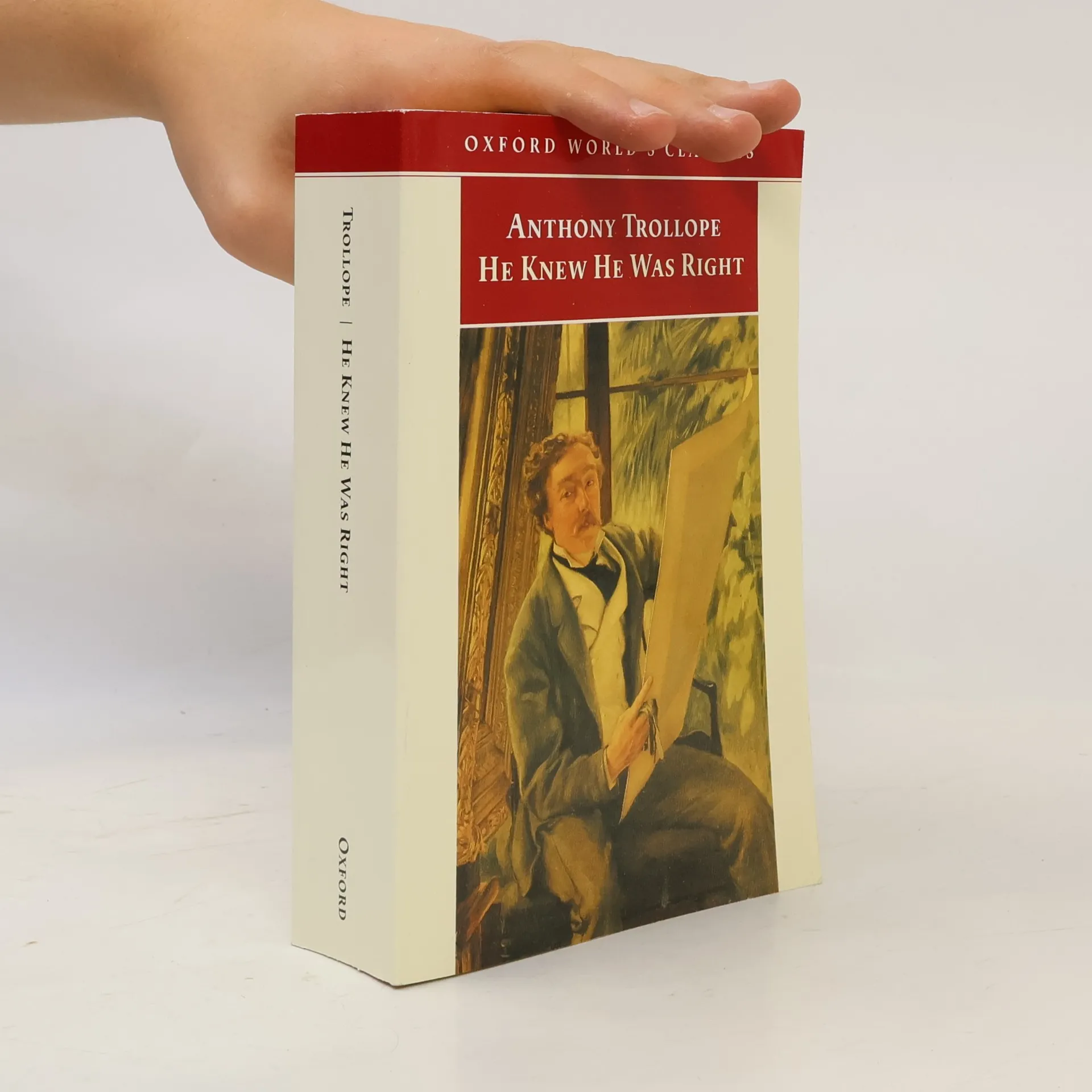
Widely regarded as one of Trollope's most successful later novels, He Knew He Was Right is a study of marriage and of sexual relationships cast against a background of agitation for women's rights.
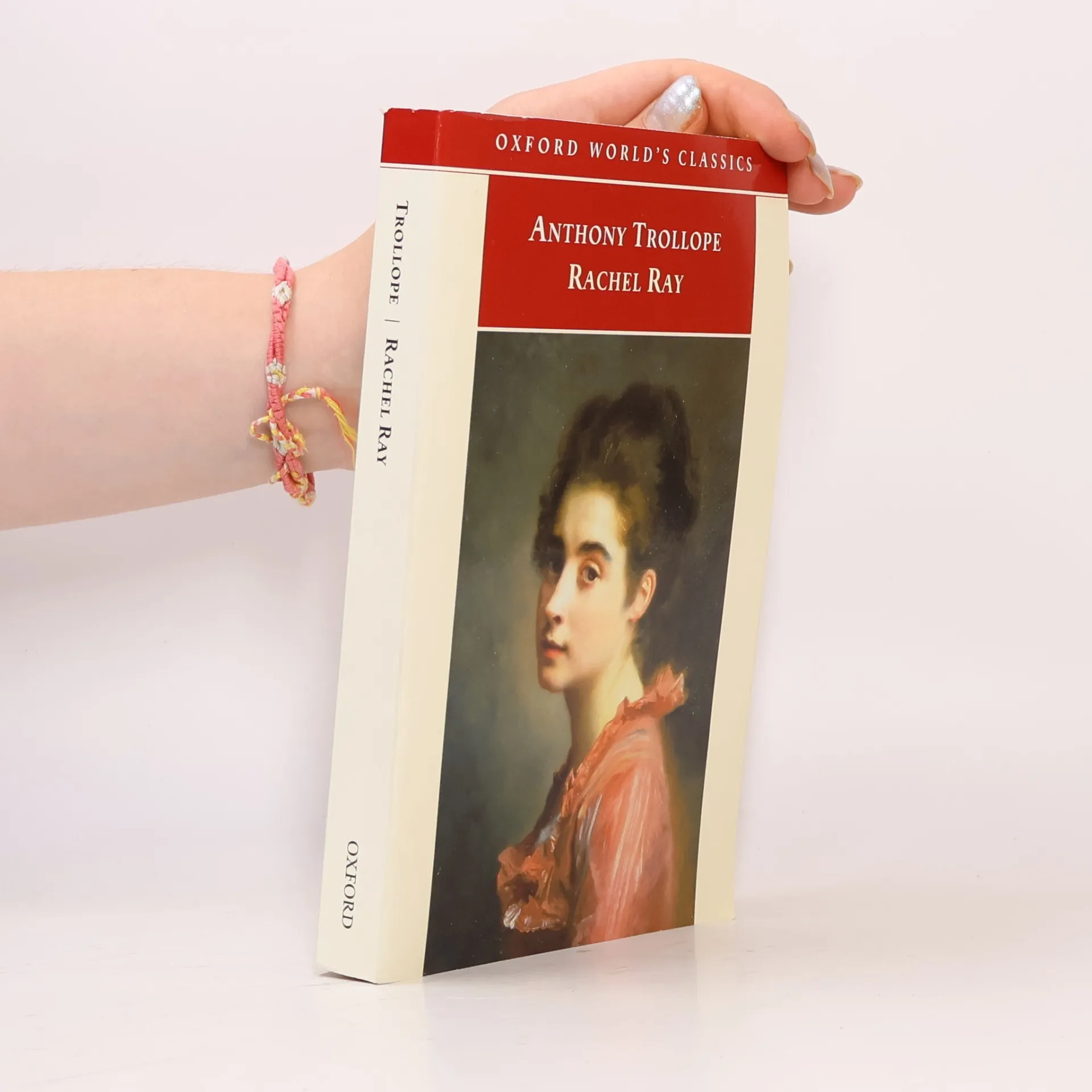
Rachel Ray offers a masterly and entertaining evocation of a small community living its life in mid-nineteenth-century England. The novel first appeared in 1863, a year in which public reaction against the excesses of the popular sensationalist novel prompted Trollope to state that he was writing about "the commonest details of commonplace life among the most ordinary people."
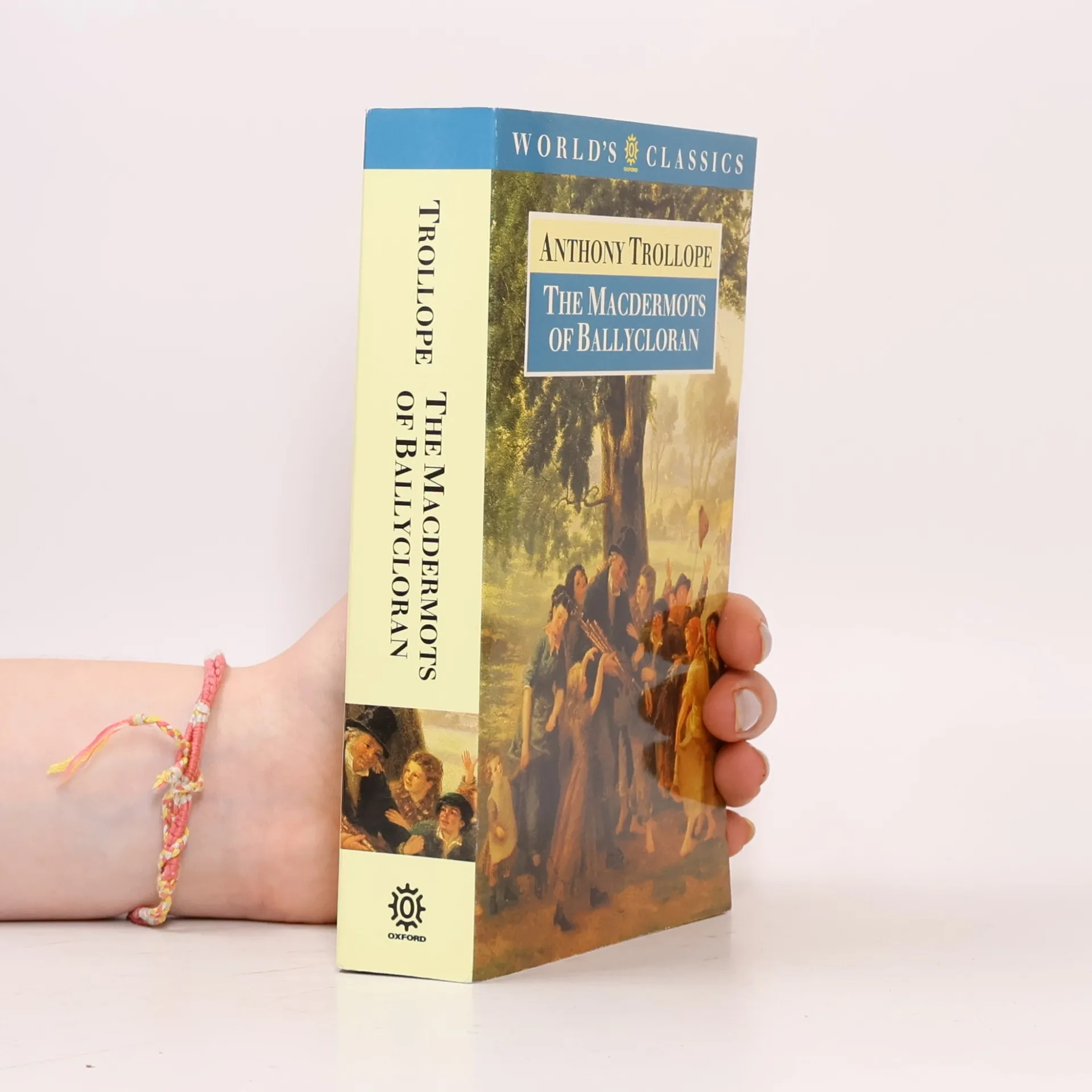
The Macdermots of Ballycloran (1847) was Trollope's first novel, set in the violent Ireland of the 1830s before the Famine. This edition of the text contains supplementary notes, a chronology and an appendix containing three original chapters which Trollope later suppressed.
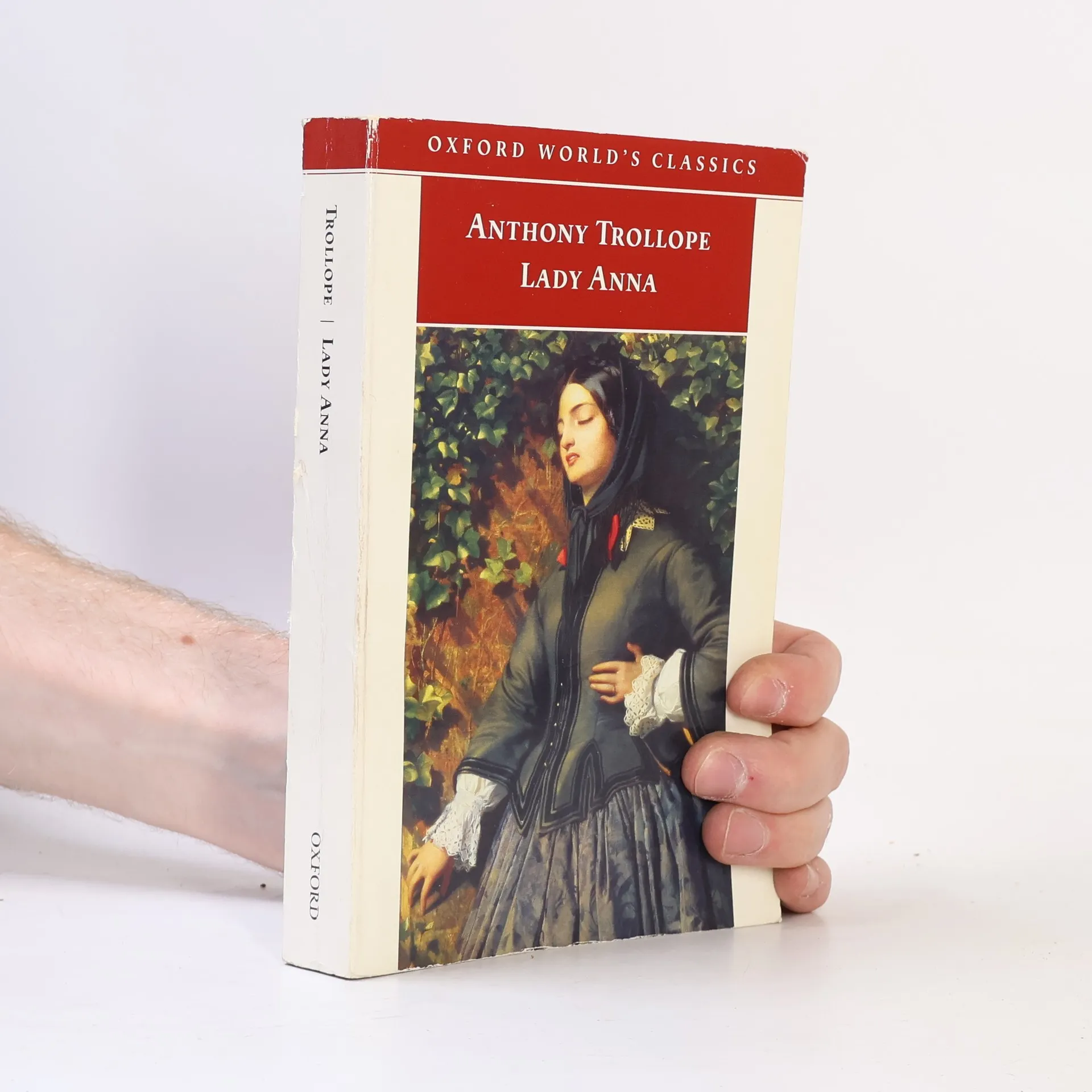
When it was published in 1874, "Lady Anna" initially faced criticism and outrage, but Trollope defended it as a passionate exploration of enforced marriage within Radical politics and social inequality. The novel follows Countess Lovel's struggle to validate her title and her daughter Anna's legitimacy after her husband reveals he has another wife. Anna falls for Daniel Thwaite, a journeyman tailor and Radical, but her mother prefers a marriage to her cousin, the heir to the title. The narrative questions whether Anna can change her mind about her fate. Despite the predictable conclusion, Trollope's ambivalence on the matter adds depth, making the story both intense and powerful.
The plot thickens as the Countess confronts the implications of her husband's claim about his previous marriage, leading to a legal dilemma that could declare her and her child illegitimate. Amidst family threats and a duel involving Lord Lovel, the Countess grapples with her options. She believes the Earl's first wife may have died before her marriage, complicating her situation further. In a moment of vulnerability, she pleads for a renewal of their vows, but the Earl's dismissive response leaves her yearning for the affection he once showed, highlighting the emotional turmoil at the heart of the story.
Always a keen traveler, Anthony Trollope toured South Africa in 1877 and provides a fascinating account of his travels around a still untamed land at a time when British rule was being challenged by the native peoples. Trollope relates an insightful history of the first Dutch and then British colonial rule imposed over the native peoples, as well as vivid descriptions of the people, the architecture, the landscape and the sights and sounds of late 19th-century South Africa. It is in his dealings with the natives that Trollope is at his most fascinating and unusually perceptive. His own views reflect the common opinion of the day that colonial rule could only improve their lives, but at the same time gives an insight into the negative effects of colonialism on the natives and the grievances it created. South Africa is an unrivalled account of the land and all its people by a master writer, and is a fascinating description of a small but vital part of the British Empire during its prime.
The book is a reproduction of a historical work, published by Megali, a house dedicated to producing large print editions. This initiative aims to enhance accessibility for readers with impaired vision, ensuring that important texts remain available to a broader audience.
The book is a reproduction of a historical work, published by Megali, which focuses on making literature accessible through large print. This initiative aims to assist readers with impaired vision, ensuring they can enjoy and engage with classic texts more easily.
This book is a reproduction of a historical work, specifically produced in large print by the publishing house Megali. The focus is on enhancing accessibility for individuals with impaired vision, ensuring that important historical texts are readable and available to a wider audience.
This book is a reproduction of a historical work, published by Megali, a company dedicated to making literature accessible for individuals with impaired vision through large print editions. It aims to preserve the original text while enhancing readability, ensuring that important historical narratives remain available to a wider audience.
This book is a reproduction of a historical work, published by Megali, a company known for creating large print editions to enhance accessibility for readers with impaired vision. The focus on readability makes this edition particularly valuable for those who require larger text to enjoy literature comfortably.
Anthony Trollope (1815 - 1882) ist ein bedeutender, aber in Deutschland wenig bekannter englischer Schriftsteller des 19. Jahrhunderts. Mit 45 Romanen und zahlreichen Kurzgeschichten behandelt er vielfältige Themen, oft mit einem Fokus auf Frauen. 'Kept In The Dark' thematisiert Vorurteile, Stolz und die Enge der Kleinstadt, mit einem Sieg der Liebe.
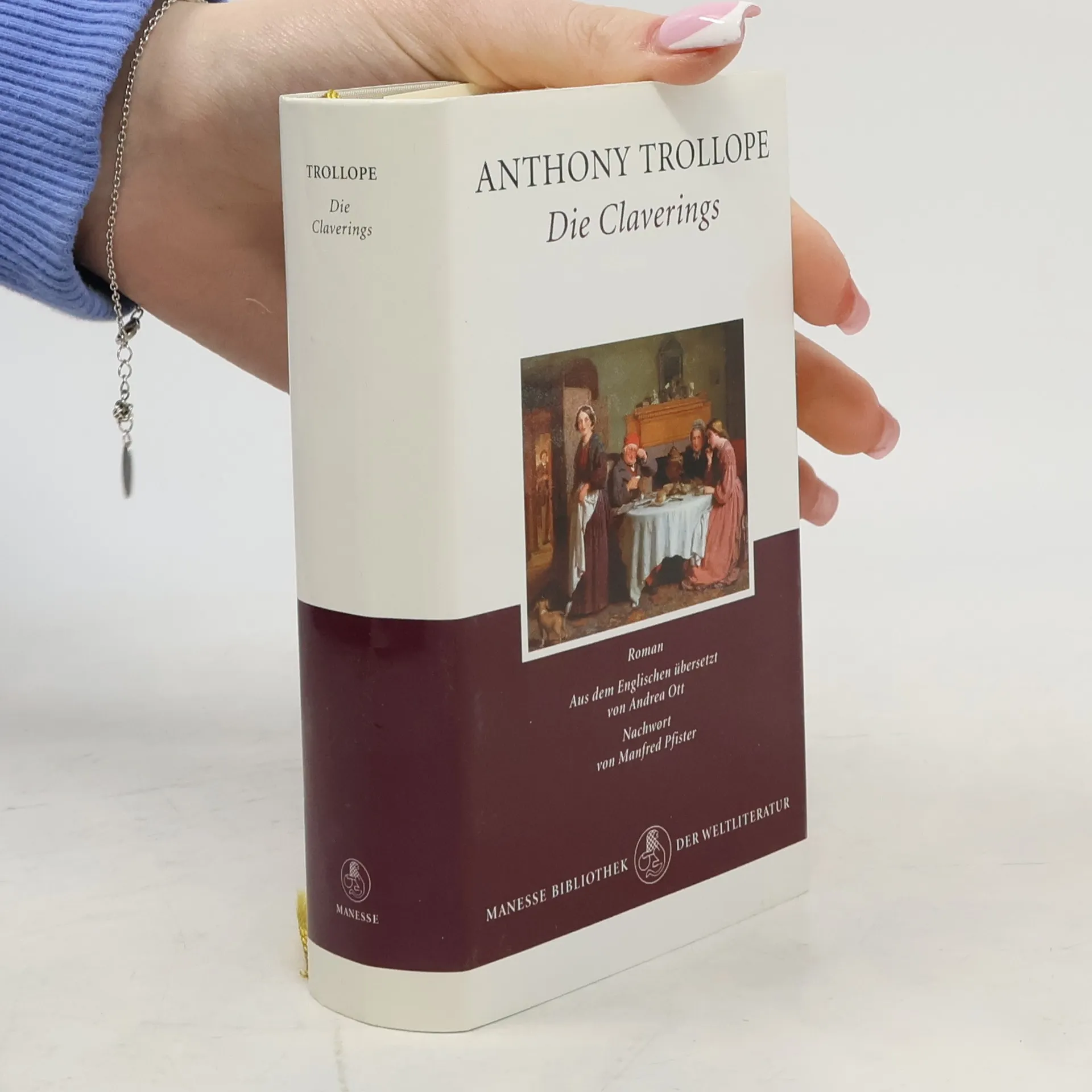
Harry Clavering ist vielleicht der erste wohlgeborene viktorianische Held, der sich für eine Karriere im Bauingenieurwesen entscheidet; er möchte die Welt mit Eisenbahnen und Brücken verändern. Julia Brabazon, seine erste Liebe, verlässt ihn für einen wohlhabenden, zerstreuten und decrepiten Adligen. Zwei Jahre später taucht sie als reiche junge Witwe wieder auf und zwingt Harry, zwischen den Annehmlichkeiten einer wohlhabenden Frau und dem ehrenhaften Weg, seine Verlobte Florence Burton zu heiraten und seiner erklärten Karriere nachzugehen, zu wählen. Seine Gewissenskonflikte stehen in starkem Kontrast zur emotionalen Stärke der beiden Frauen. Trollope zeigt meisterhaft Realismus und viktorianisches moralisches Empfinden, während er die Qualen der Entscheidungsfindung in Beruf und Ehe darstellt. Seit seinem ersten Erscheinen im Jahr 1867 wird dieser Roman als eine der erfolgreichsten Darstellungen des mittleren viktorianischen Lebens von Trollope gefeiert. Die Claverings ist reich an zeitgenössischen Details und zeigt, wie oft bei Trollope, die Schwäche der Männer und die emotionale Stärke der Frauen.
Román anglického klasika 2. poloviny 19. století je zdánlivě idylickou, humornou burleskou z anglického maloměsta. Dějově jednoduchá kronika katedrálního městečka oplývá množstvím nejrůznějších postav a těží z prosté zápletky. Město stojí před nastolením nového biskupa, který přijíždí se svou ženou a mladým kaplanem a ti více než sám biskup pomýšlejí na ovládnutí celé diecéze pro své zájmy. Síly měří ve sporu o nového kandidáta na místo správce místního chudobince a pomocí četných intrik vítězí v tomto boji biskupova manželka. Zdánlivě malicherné maloměstské spory podávají obraz jednoho z důležitých problémů viktoriánské éry-procesu zesvětštění církve, který se dotýká nejen společenského, ale i soukromého života.
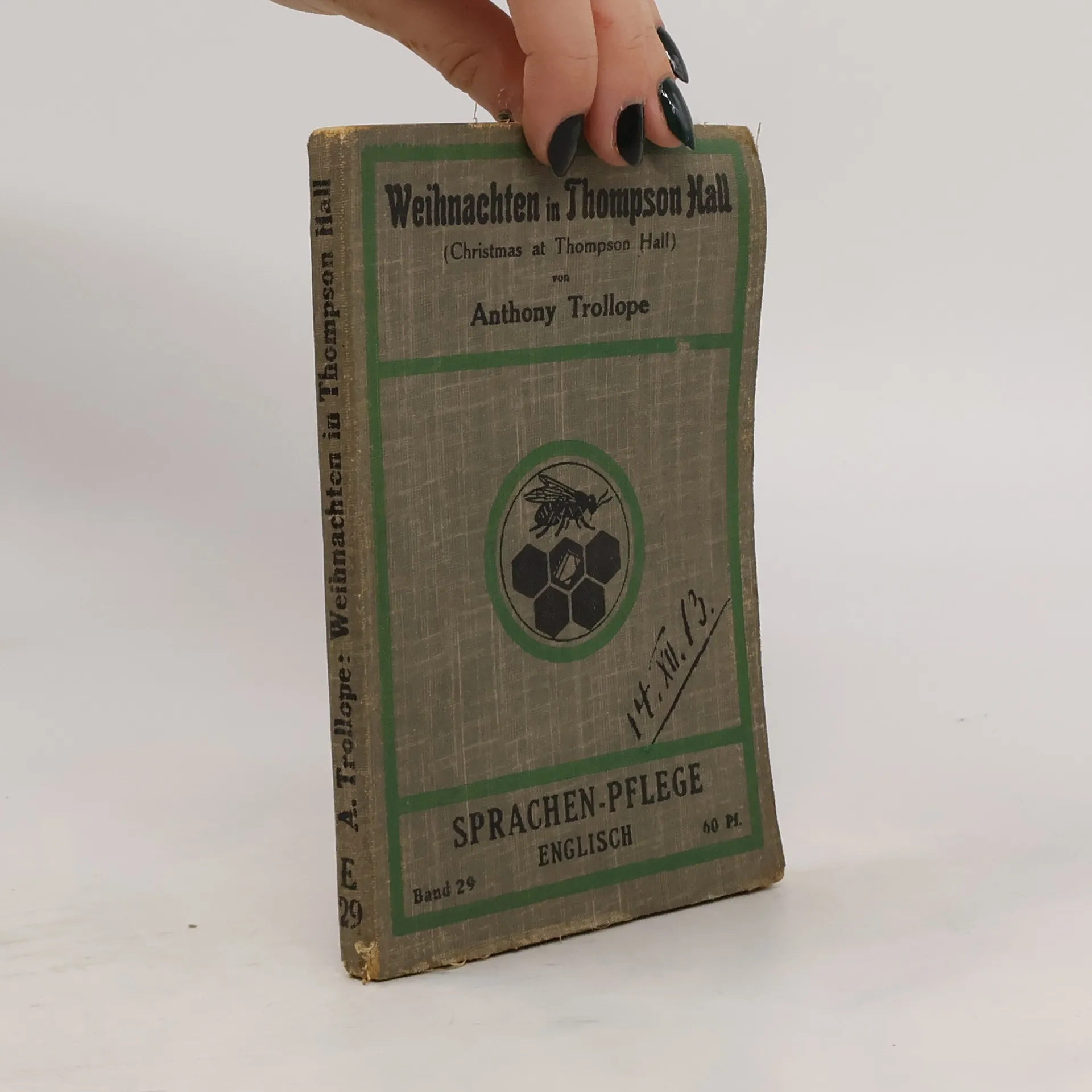
Eine unterhaltsame Weihnachtsgeschichte von Anthony Trollope, in der Isabel Lownd und Maurice Archer, beide unsterblich ineinander verliebt, mit Missverständnissen und einer verletzten Gefühlslage zu kämpfen haben. Wird Isabel Maurice seinen unbedachten Kommentar über Weihnachten verzeihen?
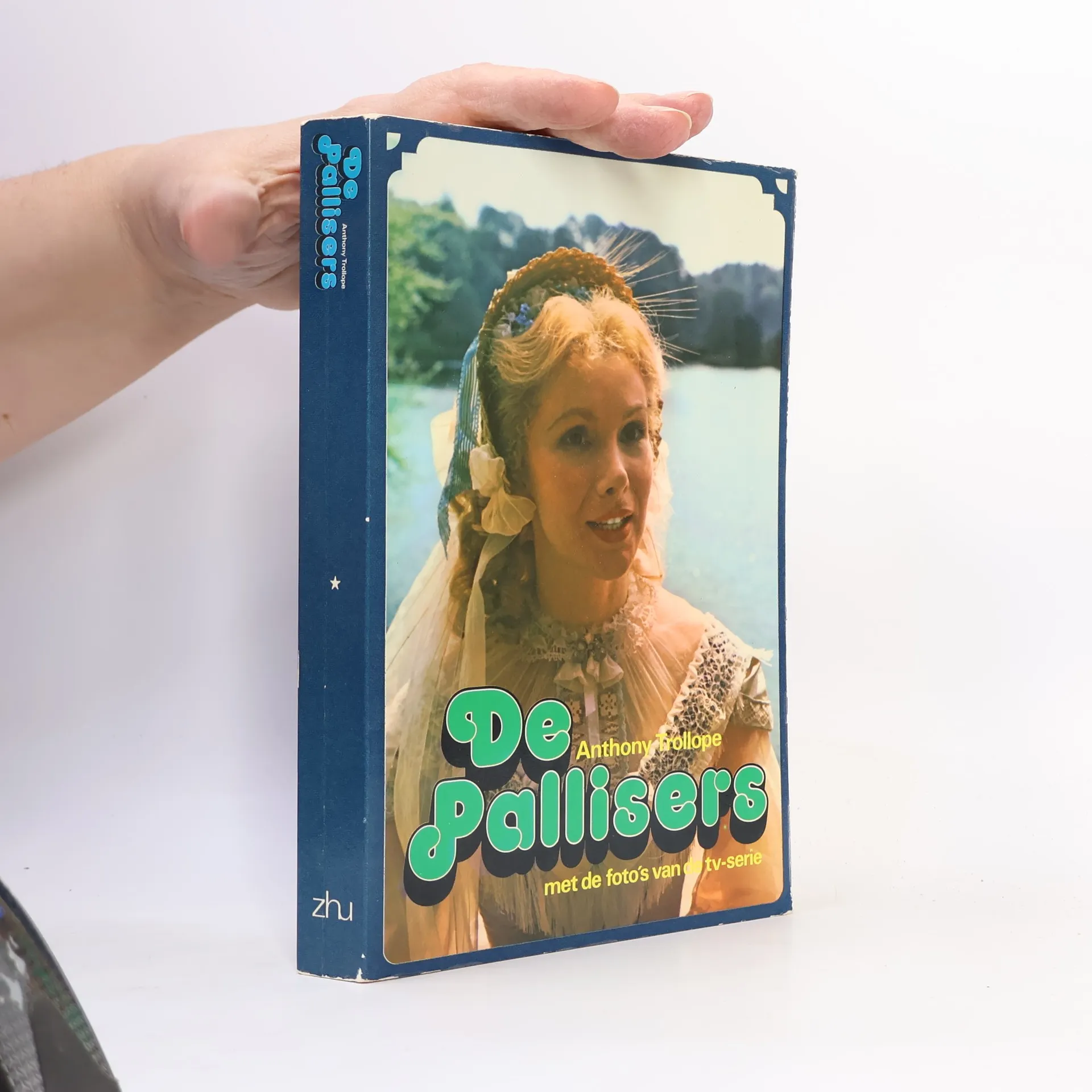
Het verhaal van de Pallisers speelt zich af in het sociale en politieke Londen tussen 1860 en 1870 en volgt de wisselende lotsbeschikkingen van Plantagenet Palliser, erfgenaam van het grootste hertogdom van Engeland en later minister-president; van zijn knappe roekeloze vrouw Glencora en van hun vrienden en rivalen. 'De Pallisers' is een boeiende saga geworden van de 19de-eeuwse bourgeoisie, waarin liefde en romances en maatschappelijke voor- en tegenspoed een belangrijke plaats innemen. Deze tweedelige uitgave waarvan dit het eerste boek is - is rijkelijk geïllustreerd met foto's uit de gelijknamige BBC-televisieserie. Een schot in de roos voor ieder, die indertijd zo onder de indruk was van de Forsyte Saga.
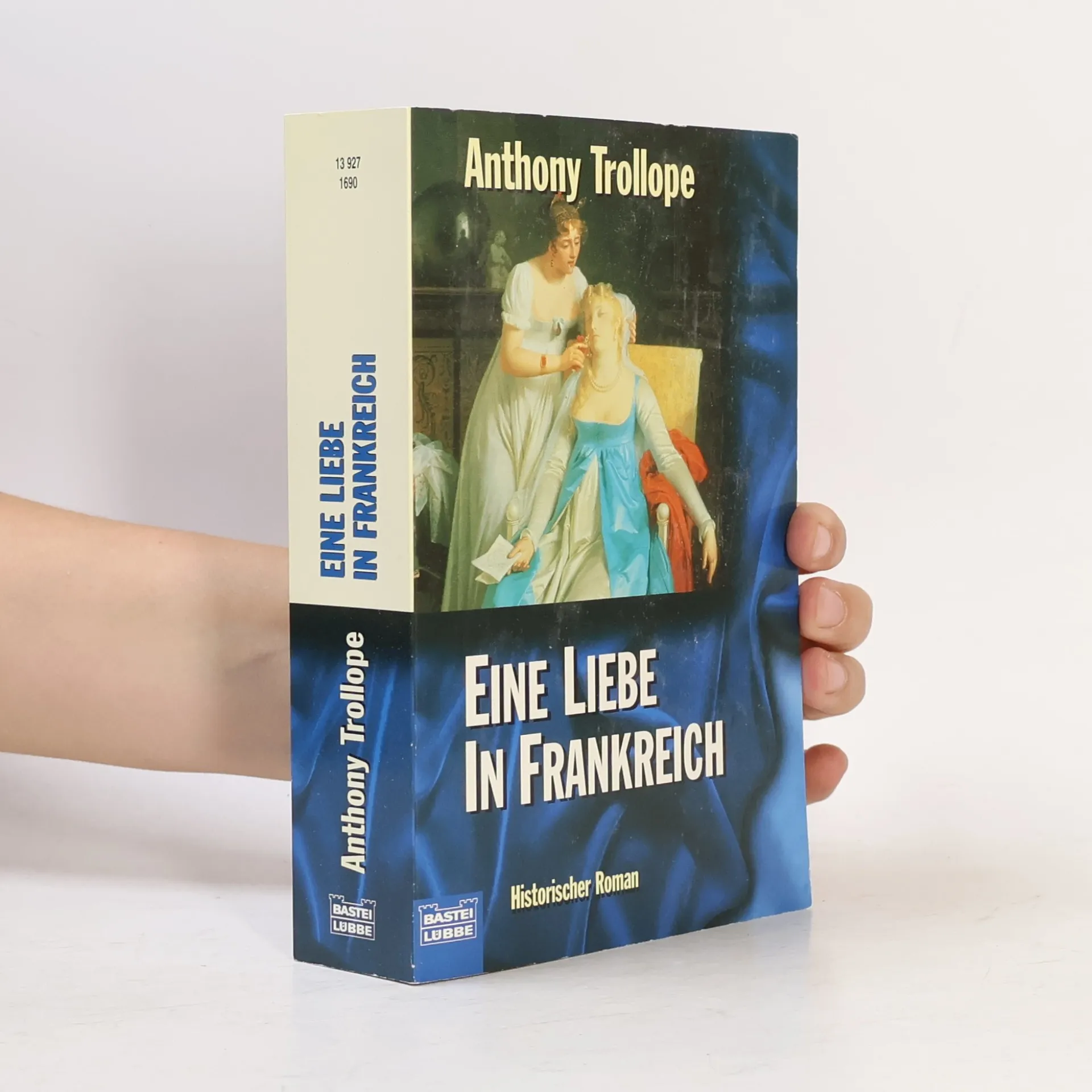
Frankreich 1791: der junge Adolphe Denot hat sich in Agatha Larochejaquelin verliebt, die Tochter eines betagten Adeligen aus der Provinz. Obwohl sie freundschaftliche Gefühle für den Verehrer hegt, kann sie diese Liebe nicht erwidern. Für Denot eine unerträgliche Demütigung. Seine Liebe, die von berechnenden Momenten nie frei war, nimmt die Form einer Besessenheit an. Durch heroische Taten hofft er Agatha doch noch für sich einzunehmen. Die Bedingungen dafür scheinen günstig: In den Provinzen führen Bauern und Adelige einen verzweifelten Kampf zur Rettung des Königtums. Als chronist und Romancier des Viktorianischen Zeitalters erlagnte Anthony Trollope dauerhaften Weltruhm. In "Eine Liebe in Frankreich", seinem einzigen historischen Roman, stellt er am Beispiel mehrer Liebesbeziehungen exemplarisch dar, wie die Menschen in Krisenzeiten zerbrechen - oder über sich hinauswachsen