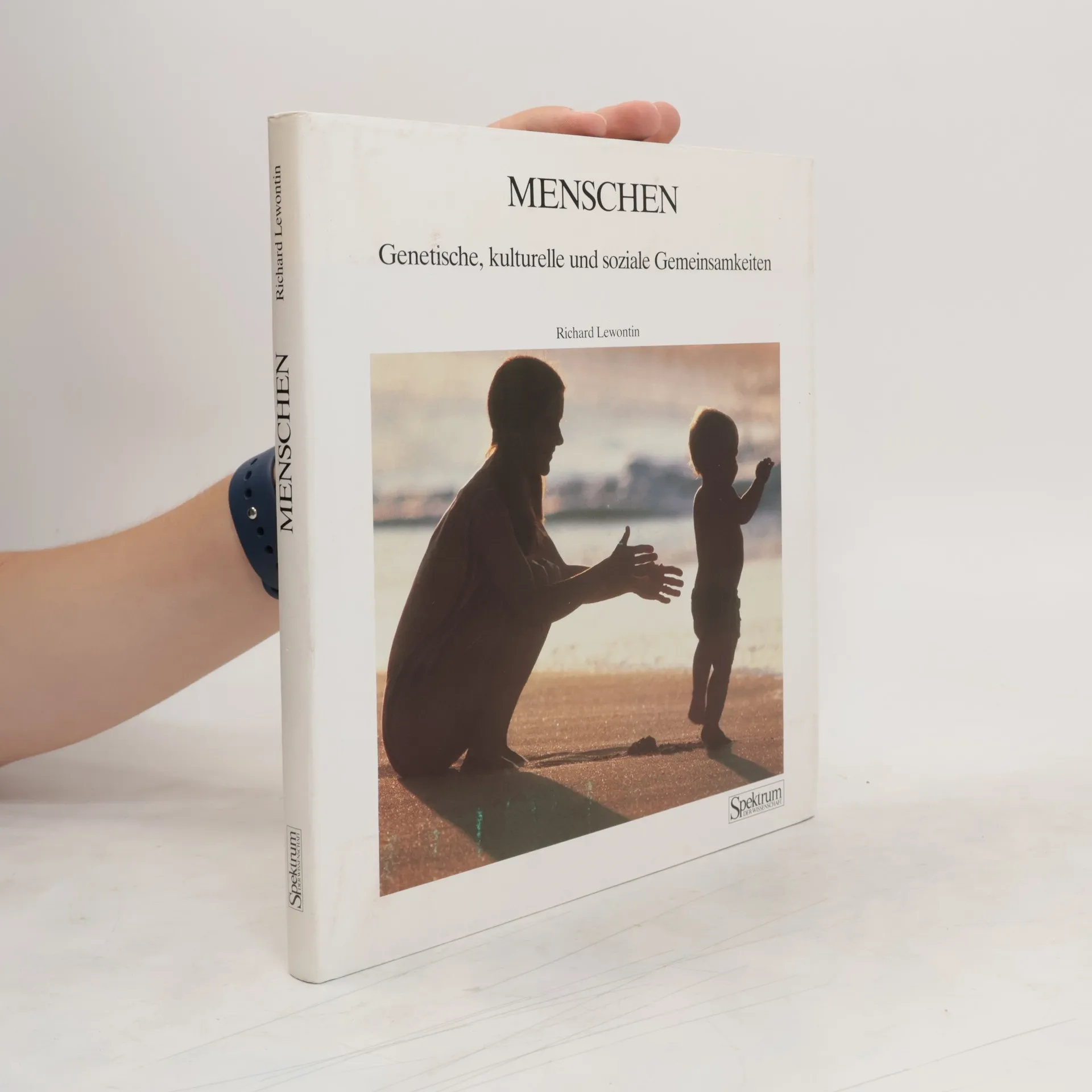
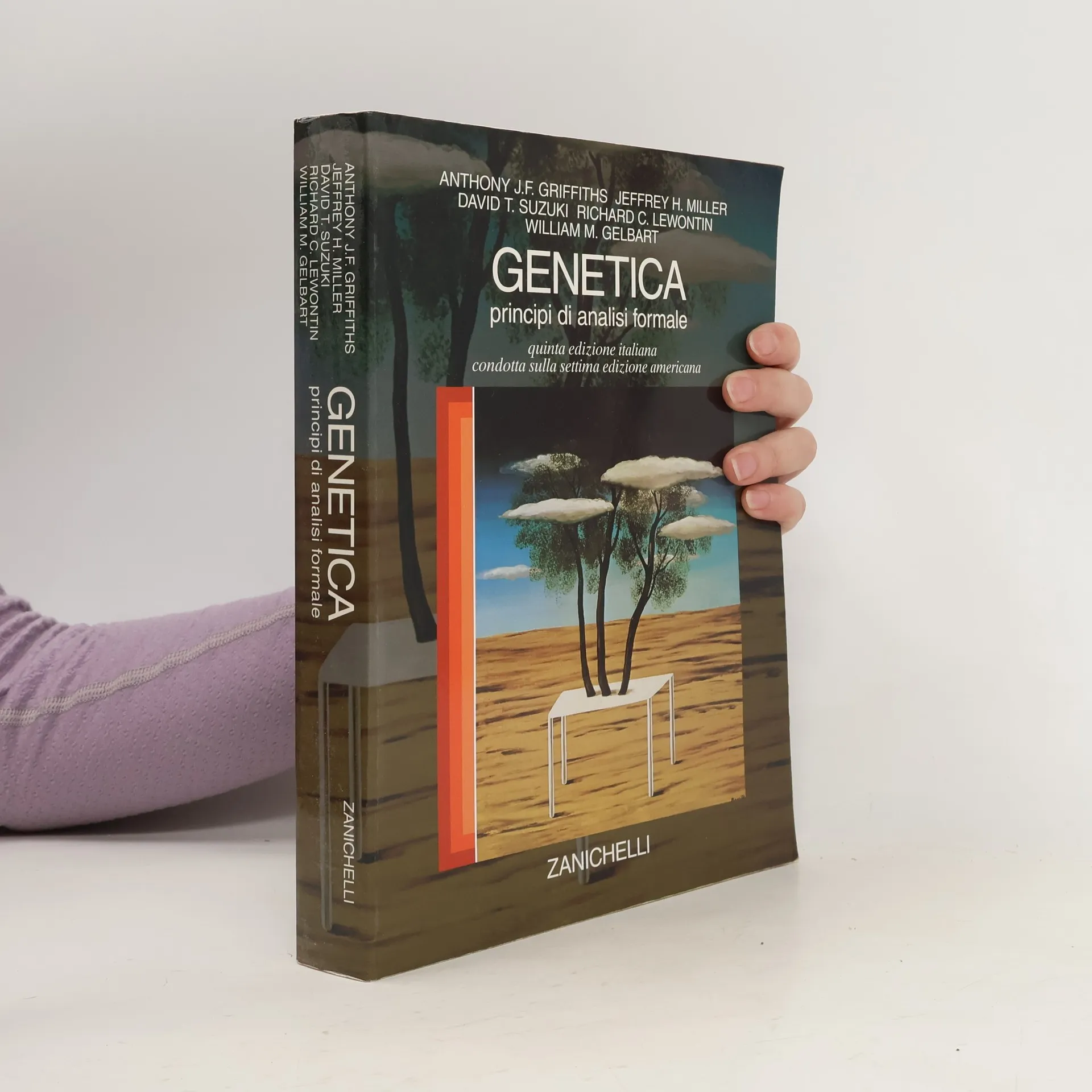
Biologiste de l'évolution, généticien et commentateur social, cet auteur a joué un rôle déterminant dans le développement des bases mathématiques de la génétique des populations et de la théorie de l'évolution. Son œuvre explore des questions profondes sur la vie, l'évolution et la nature humaine, avec une influence qui s'étend bien au-delà du domaine scientifique.
This book, the latest in the continuing debate between the genetic reductionists (such as Richard Dawkins, John Maynard Smith and E.O. Wilson) and those who argue for a rather more complex relationship between genes and the environment (such as Stephen Jay Gould, Steven Rose and Niles Eldredge). Lewontin is a forceful writer and this is an effective statement of the case against the selfish gene.
Ce manuel de référence aborde à la fois l'approche classique et contemporaine de la génétique, mettant l'accent sur l'expérimentation et l'analyse rigoureuse des résultats, essentielles pour l'apprentissage et la formation de l'esprit scientifique. Dans cette 6ème édition, des chapitres ont été remaniés, notamment ceux sur l'ARN interférence, la génomique, la génétique des populations, la transmission de caractères complexes et l'évolution. Les sections sur l'évolution et la génétique du développement sont également révisées, permettant aux étudiants d'explorer la sélection naturelle et l'évolution adaptative des morphologies. Les nouvelles contributions incluent l'utilisation de l'ADN en médecine légale et l'endogamie dans les populations animales des zoos. L'hérédité des caractères complexes est approfondie, en lien avec la compréhension des maladies polyfactorielles. Cet ouvrage souligne les avancées récentes en recherche génétique et relie diverses approches. Les techniques expérimentales récentes sont présentées, tout comme les méthodes d'interprétation rigoureuse des résultats. Une attention particulière est portée aux différents types d'ARN fonctionnels et à leur rôle dans la régulation de l'expression des gènes eucaryotes. La section sur la génomique est enrichie des techniques actuelles. De nombreux exercices, de niveaux variés, facilitent l'acquisition d'une démarche scientifique, tandis qu'une nouvelle rubrique "Tra
Rejecting the notion that genes determine the organism, which then adapts to the environment, he explains that organisms, influenced in their development by their circumstances, in turn create, modify, and choose the environment in which they live."--BOOK JACKET.
It Ain't Necessarily So combines sharp criticism of scientific claims with lucid expositions of the state of current scientific knowledge. Among the subjects discussed are heredity, natural selection, and genetic determinism.
Dieser Text stellt die Frage: Sind unsere Persönlichkeiten und Fähigkeiten durch unsere Gene vorbestimmt? Mit den Werkzeugen der Populationsgenetik wird argumentiert, dass biologische Unterschiede nur einen kleinen Teil dessen ausmachen, was Individuen einzigartig macht.