Christopher Gill offers a fresh translation and commentary on the first half of Marcus Aurelius' Meditations, along with a comprehensive introduction to the work. The Meditations serve as a unique reflective diary from a Roman emperor, rooted in Stoic philosophy yet presented distinctively. Gill emphasizes the philosophical aspects, particularly the alignment with Stoic theory as understood from other sources, arguing that the Meditations are more consistent with Stoic principles than previously thought. The text engages with core Stoic ethical themes and explores the connections between ethics, psychology, and nature. Understanding the Meditations requires recognizing its primary aim: to aid Marcus in his ethical growth through reflection on key Stoic concepts that can guide his life. This new edition is invaluable for students and scholars of ancient philosophy, clarifying a work often deemed puzzling in its intellectual content and significance. Alongside other volumes in the Clarendon Later Ancient Philosophers series on Epictetus and Seneca, it contributes to the exploration of Stoic philosophy during the first and second centuries AD. The translation is crafted for modern readers, with all Greek and Latin translated in the introduction and commentary.
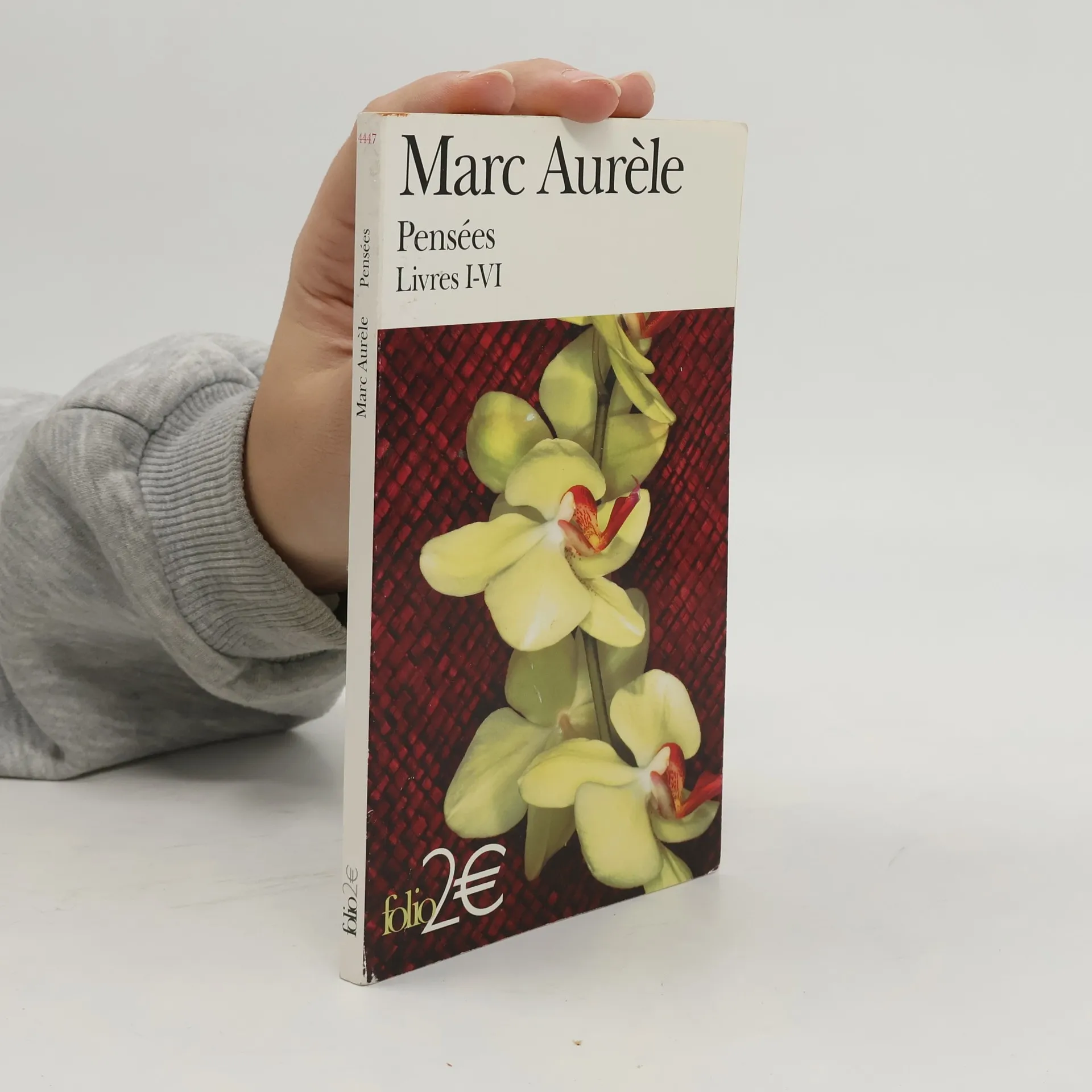
Antoninus Marcus Aurelius Livres
Ce sage empereur romain, souvent appelé "le Sage", fut le dernier des "Cinq Bons Empereurs". Ses deux décennies de règne furent marquées par des guerres quasi constantes et des conflits internes, pourtant il produisit une œuvre importante de philosophie stoïcienne. Ses écrits, rédigés lors de campagnes militaires, sont encore aujourd'hui vénérés comme un monument littéraire au service gouvernemental et au devoir. Ils sont loués pour leur accent exquis et leur infinie tendresse, résonnant auprès des lecteurs des siècles plus tard.


Stoic Classics Collection
Marcus Aurelius's Meditations, Epictetus's Enchiridion, Seneca's On a Happy Life, On the Shortness of Life, On Peace of Mind & On Providence
- 222pages
- 8 heures de lecture
This collection features six foundational texts of Stoic philosophy, offering insights into resilience, virtue, and the nature of happiness. Readers will explore the teachings of renowned Stoic philosophers, including Seneca, Epictetus, and Marcus Aurelius, each providing practical wisdom on how to navigate life's challenges with a calm and rational mindset. The works emphasize the importance of self-control, moral integrity, and understanding the world around us, making it a valuable resource for anyone seeking personal growth and philosophical guidance.
Works
- 448pages
- 16 heures de lecture
Marcus Aurelius (121 180 CE), philosopher-emperor, wrote the Meditations (his title was The matters addressed to himself) in periods of solitude during military campaigns. His ethical, religious, and existential reflections have endured as an expression of Stoicism, a text for students of that philosophy, and a guide to the moral life.
The Wisdom of Marcus Aurelius
- 256pages
- 9 heures de lecture
This abridged edition of Marcus Aurelius's Meditations offers a refined selection of his timeless philosophical insights, translated by a renowned expert. Readers can expect to engage with the profound reflections of the Roman Emperor on virtue, resilience, and the nature of the human experience. The edition captures the essence of Aurelius's thoughts, making them accessible for contemporary audiences while preserving the depth and wisdom of the original text.
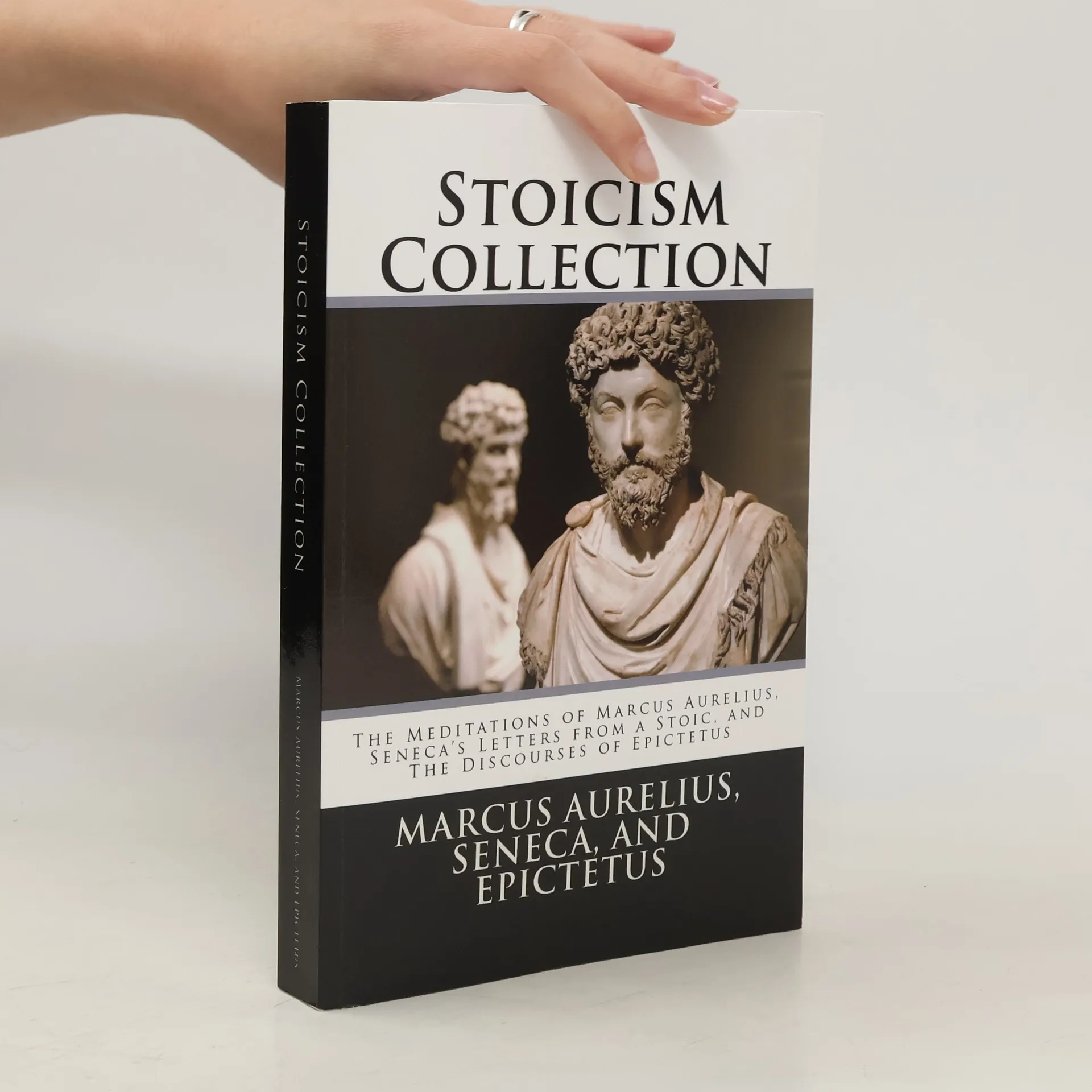
Stoicism Collection
- 410pages
- 15 heures de lecture
This Stoicism Collection contains three of the most notable Stoic pieces, The Meditations of Marcus Aurelius, Seneca's Letters from a Stoic, and The Discourses of Epictetus. These three pieces are the foundations of Stoicism.
This book offers timeless wisdom tailored for young readers, encouraging them to explore philosophical concepts and develop critical thinking skills. Through engaging reflections and relatable themes, it aims to inspire curiosity and self-discovery, making profound ideas accessible to a younger audience. Each meditation serves as a stepping stone for personal growth and understanding of the world, fostering a sense of mindfulness and introspection.
Marcus Aurelius' reflections are brought to life in this contemporary translation by James G. Yorke, emphasizing the Roman emperor's stoic wisdom. The text explores themes of virtue, reason, and self-awareness, making it a timeless guide for personal growth. By inviting readers to engage with Aurelius' intimate thoughts, the book fosters a meaningful dialogue that transcends time, encouraging a deeper understanding of one's own mind and moral compass.
Marcus Aurelius - Meditations
- 211pages
- 8 heures de lecture
Meditations is a series of personal writings by Marcus Aurelius, Roman Emperor from 161 to 180 AD, recording his private notes to himself and ideas on Stoic philosophy. Marcus Aurelius wrote the 12 books of the Meditations as a source for his own guidance and self-improvement. These books have been carefully adapted into a contemporary form to allow for easy reading.
Meditations Journal
- 192pages
- 7 heures de lecture
Drawing from the iconic Stoic text Meditations by Marcus Aurelius, here is a journal where the millions of readers who have learned from him can deepen their understanding of his philosophy and reflect on how to better their lives. “It’s silly to try to escape other people’s faults. They are inescapable. Just try to escape your own.”—Marcus Aurelius, Meditations Marcus Aurelius wrote this in his journal almost 2000 years ago—and he might have written it this morning. He was Emperor of Rome in A.D. 161, a statesman, a philosopher, and a constant, thoughtful journaler. He was also one of the first Stoics. Stoicism is the original self-help philosophy, one that has stayed relevant for 2000 years. Whether or not you've read Meditations, this journal offers pithy, inspiring comments drawn from the core text that give readers simple but profound ways to take control of their lives, identify obstructions, and above all, live a good life.
Stoic Six Pack
Meditations of Marcus Aurelius The Golden Sayings Fragments and Discourses of Epictetus Letters from a Stoic and The Enchiridion
- 518pages
- 19 heures de lecture
This collection features six foundational works of Stoic philosophy, including Marcus Aurelius' "Meditations" and Seneca's "Letters from a Stoic." It also includes key texts by Epictetus, such as "The Golden Sayings," "Fragments," and "The Enchiridion," along with selected discourses. Each text offers profound insights into resilience, virtue, and the art of living, providing readers with timeless wisdom for personal growth and self-discipline. Together, these works serve as a comprehensive introduction to Stoic thought.
Meditations
- 256pages
- 9 heures de lecture
A new translation, the first in thirty-five years, of one of the most influential and admired books of the ages, the reflections of Marcus Aurelius, Stoic philosopher and emperor of Rome 161-180 A.D., few books have meant as much to as many as Marcus Aurelius's Meditations. It remains a life-enhancing work of the basics of Stoic doctrine, Aurelius's life and career, the recurring themes and structure of the work's ongoing influence
The Stoic way of Life
- 178pages
- 7 heures de lecture
This book contains many powerful and effective practices for a modern person. If you want to have control over things that belong to your internal state, then The Stoic way of Life is for you.
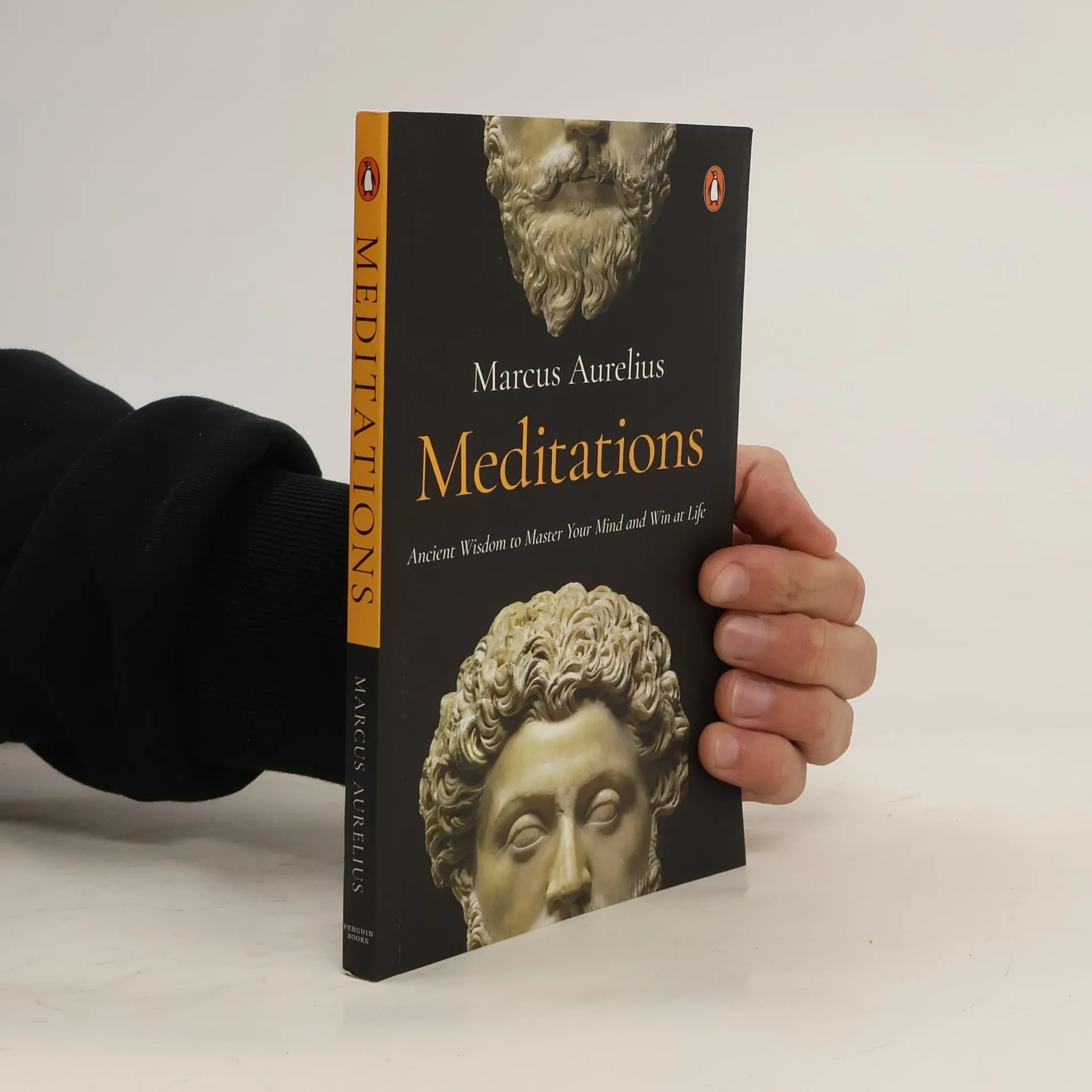
Meditations (Premium Paperback, Penguin India)
- 194pages
- 7 heures de lecture
Penned by the 16th century Roman emperor Marcus Aurelius, Meditations; enumerates how to live wisely and meaningfully in an unpredictable world. Brimming with timeless wisdom, this book has found its way into the the bookshelves of many notable statesmen, thinkers, and intellectuals. WHEN LIFE BRINGS YOU PAIN AND SUFFERING, WHAT SHOULD YOU DO? TURN INWARDS. Through Meditations;, Aurelius urges the reader to embrace the principles of stoic philosophy-the key to living a happy and fulfilling life. Learn how to: 1. Cultivate inner strength, resilience, and peace 2. Overcome self-doubt and fear 3. Develop self-discipline ... and much more. Cerebral, contemplative, and profound, Meditations; is among the greatest works of popular philosophy, and is truly life-changing.
The Emperor Marcus Antoninus: His Conversation With Himself
- 340pages
- 12 heures de lecture
Excerpt from The Emperor Marcus Antoninus: His Conversation With Himself; Together With the Preliminary Discourse of the Learned Gataker Jpeahf fiorn Experiment, and di/puter aga the Privilege of his; Condition Here ufiral Pretence o Env or Ignorance is out of Door: 5 An nothing but Dint of Re on. About the Publisher Forgotten Books publishes hundreds of thousands of rare and classic books. In rare cases, an imperfection in the original, such as a blemish or missing page, may be replicated in our edition. We do, however, repair the vast majority of imperfections successfully; any imperfections that remain are intentionally left to preserve the state of such historical works.
Selections From the Thoughts of Marcus Aurelius Antonius, Emperor of Rome
- 110pages
- 4 heures de lecture
The Thoughts of Marcus Aurelius
- 314pages
- 11 heures de lecture
Written in Greek, without any intention of publication, the Meditations of Marcus Aurelius (AD 121-180) offer a remarkable series of challenging spiritual reflections and exercises developed as the emperor struggled to understand himself and make sense of the universe. Ranging from doubt and despair to conviction and exaltation, they cover such diverse topics as the nature of moral virtue, human rationality, divine providence, and Marcus' own emotions. In developing his beliefs, Marcus Aurelius also created one of the greatest works of philosophy: a timeless collection of extended meditations and short aphorisms that has been consulted and admired by statesmen, thinkers, and readers through the centuries.
Marcus Aurelius Antoninus to Himself
- 224pages
- 8 heures de lecture
The Meditations of Marcius Aurelius (Hardcover)
- 108pages
- 4 heures de lecture
The hardcover edition of Meditations presents the profound insights and philosophical spirit of Roman Emperor Marcus Aurelius, skillfully translated by George Long. This work delves into themes of stoicism, self-reflection, and the human condition, offering timeless wisdom that remains relevant today. The translation captures the essence of Aurelius's thoughts, inviting readers to explore his meditative reflections on life, virtue, and resilience.
The Meditations of Marcius Aurelius
- 108pages
- 4 heures de lecture
The edition of Meditations highlights the profound philosophy and introspective spirit of Marcus Aurelius, offering readers a deep insight into the thoughts of the Roman Emperor. Translated by George Long, this version captures the essence of Aurelius's reflections on life, virtue, and the human experience, making it accessible for contemporary audiences.
The Communings With Himself Of Marcus Aurelius Antoninus, Emperor Of Rome
Together With His Speeches And Sayings (1916)
- 448pages
- 16 heures de lecture
The book is a facsimile reprint of a historic work, preserving its original content while acknowledging potential imperfections from age, such as marks and notations. It aims to highlight the cultural significance of the text and is part of an initiative to protect and promote classic literature through affordable, high-quality editions that remain faithful to the original.
Meditations - The Classical Translation by George Long
- 140pages
- 5 heures de lecture
The book explores the resilience of the human spirit, emphasizing that individuals possess an inherent strength to endure life's challenges. It delves into philosophical themes, suggesting that every experience, no matter how difficult, is a part of one's natural capacity to cope and grow. Through various reflections, it encourages readers to embrace their struggles as opportunities for personal development and understanding.
Marcus Aurelius Antoninus Augustus exemplified the philosopher-king ideal, balancing the challenges of war and conflict with thoughtful leadership. His reign is marked by a commitment to wisdom and fairness, showcasing his dedication to both philosophy and governance.
Marcus Aurelius' Golden Book
- 188pages
- 7 heures de lecture
The book is a facsimile reprint of a scarce antiquarian work, preserving its original content while acknowledging potential imperfections like marks and notations due to its age. Emphasizing cultural significance, it aims to protect and promote literature through affordable, high-quality editions that remain true to the original text.
Exploring the origins of the universe, species, and celestial bodies, this philosophical work presents profound insights on life and existence. It emphasizes the importance of persistence for success and challenges common beliefs about life after death. The text also delves into unique theories, such as limb regeneration linked to a specific evergreen tree. With two decades of dedication behind it, this book aims to provide a calming and enlightening experience, offering timeless knowledge that aspires to resonate for generations.
Thoughts of Marcus Aurelius Antoninus, The
- 308pages
- 11 heures de lecture
The book features a comprehensive collection of various topics, organized into distinct sections that provide insights and knowledge across multiple subjects. Each section is designed to engage readers with clear explanations, examples, and relevant information, making it a valuable resource for learning and reference. The structure allows for easy navigation, catering to both casual readers and those seeking in-depth understanding.
This volume presents a faithful reprint of the original 1891 edition of Marcus Aurelius Antoninus's reflections. It offers insights into the Stoic philosophy of the Roman Emperor, emphasizing themes such as self-discipline, virtue, and the nature of the human experience. Readers can explore Aurelius's personal thoughts, which remain relevant and thought-provoking, providing guidance on how to navigate life's challenges with wisdom and resilience.
Rooted in Stoicism, this work by Marcus Aurelius captures the essence of the human spirit through profound reflections. As a significant piece of literature, it explores the principles of resilience, virtue, and self-discipline, offering timeless wisdom that resonates with readers even today. Meditations serves not only as a personal journal of the Roman Emperor but also as a philosophical guide, encouraging individuals to navigate life's challenges with grace and purpose.
Marcus Aurelius emphasizes that many life challenges stem from our own perceptions rather than external factors. He advocates for a calm and temperate mindset, suggesting that perceived injustices from others often arise from their ignorance. Instead of responding with anger, we should cultivate pity for those who wrong us. Through introspection, we may discover that our own opinions contribute more to our suffering than actual events, highlighting the importance of self-awareness in achieving inner peace.
The Meditations of Marcus Aurelius
One of the most important texts of Western philosophy
- 196pages
- 7 heures de lecture
The personal writings of Marcus Aurelius delve into Stoic philosophy, reflecting his thoughts on guidance and self-improvement during his reign as Roman Emperor. Composed in Koine Greek, these 12 books were likely written during military campaigns in locations such as Sirmium and Aquincum, capturing his introspections amidst the challenges of leadership. The work features a variety of quotations, ranging from brief sentences to longer passages, and was never definitively intended for publication, making its title a posthumous designation.
Marcus Aurelius' Meditations serves as a timeless guide for living a good life, blending stoic philosophy with practical wisdom. This illustrated edition enhances his teachings with thematic chapters, modern commentary, and curated life lessons tailored for contemporary readers. It features fifty meditations paired with thoughtful artwork that brings Aurelius' insights to life, making it an engaging introduction to stoicism. Whether contemplating resilience or harmony, this book offers a visually enriched pathway to understanding and applying Aurelius' enduring principles.
This book is a reproduction of a historical work, published by Megali, which focuses on making literature accessible to individuals with impaired vision through large print. The initiative highlights the importance of inclusivity in reading, ensuring that classic texts are available to a wider audience.
Meditations
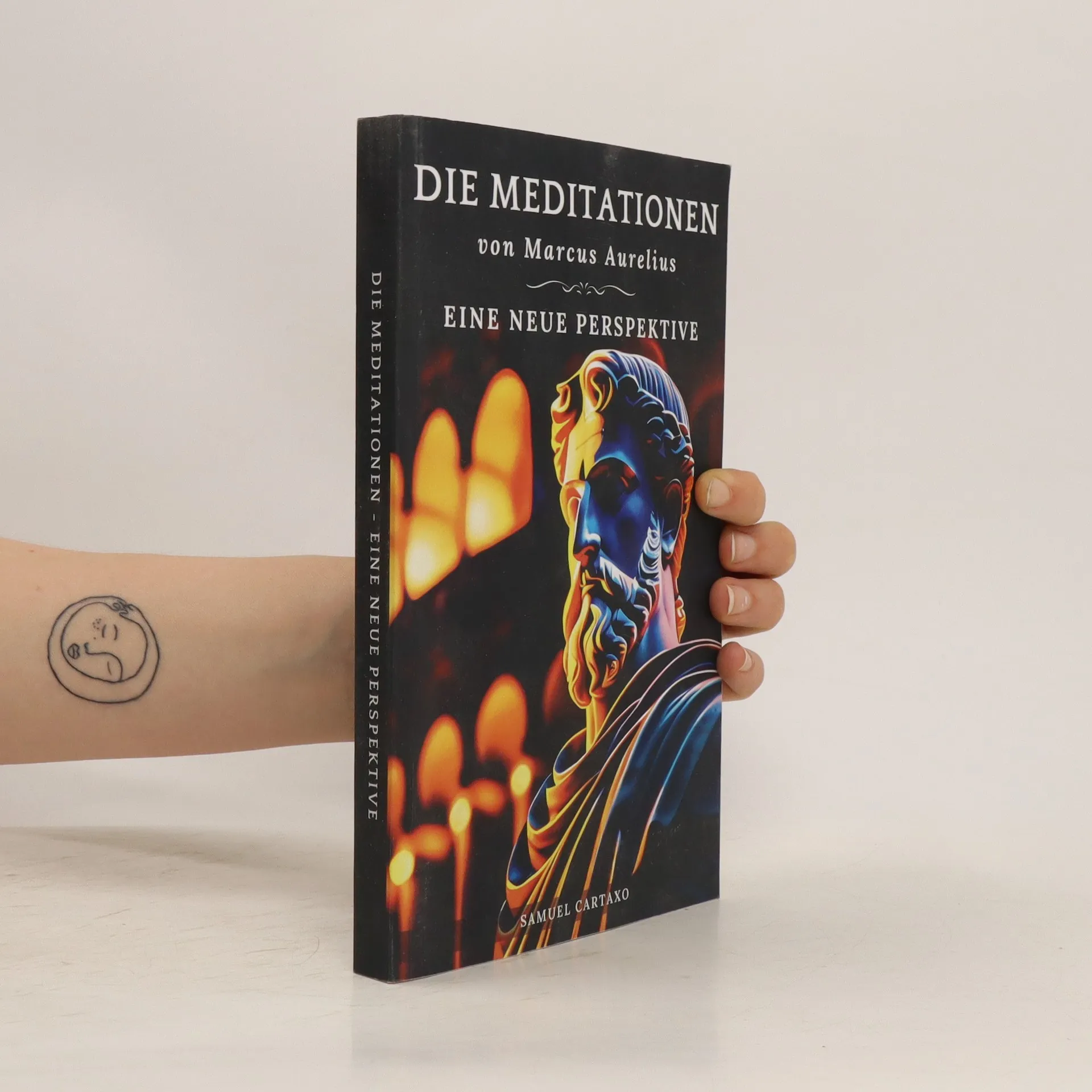
A New Perspective | The Meditations of Marcus Aurelius Book of Stoicism
- 208pages
- 8 heures de lecture
The teachings of Marcus Aurelius in Meditations offer profound insights that remain relevant across centuries. His reflections emphasize personal growth, resilience, and the importance of virtue, providing guidance for navigating the complexities of modern life. Aurelius' wisdom encourages readers to cultivate inner strength and mindfulness, making it a timeless resource for those seeking clarity and purpose.
The Thoughts Of Marcus Aurelius Antoninus
- 156pages
- 6 heures de lecture
Focusing on the teachings of Marcus Aurelius, this book introduces children to the wisdom of the Roman Emperor, emphasizing the importance of accepting duties and responsibilities for personal happiness. It highlights his belief that many of life's challenges stem from our own perceptions, advocating for a calm response to adversity and encouraging self-reflection. Aurelius teaches that rather than harboring anger towards others' perceived injustices, we should cultivate pity for their ignorance, ultimately guiding readers towards a more temperate and thoughtful life.
A Box of Illuminations
- 384pages
- 14 heures de lecture
A box of four books that make accessible the ideas of four of the greatest thinkers the world has known. Love by Vatsyayana, Hindu sage and author of the Kama Sutra. Power, by Niccolo Machiavelli, master of realpolitik. Happiness by Marcus Aurelius, author of Meditations. Faith by St. Paul, founding father of the Church.
The Roman Emperor Marcus Aurelius wrote down his thoughts between 170 and 180. He was a late Stoic Philosopher and this one of the few examples of this type of literature that exists today. The book is written as personal notes to himself and his thesis is that one can obtain inner calm irrespective of outer adversity. The text considers good and evil, solidarity, adversity and inner freedom. It is a book that offers wisdom, comfort and inspiration. As well as the thought, this edition contain
The Roman Emperor Marcus Aurelius wrote down his thoughts between 170 and 180. He was a late Stoic Philosopher and this one of the few examples of this type of literature that exists today. The book is written as personal notes to himself and his thesis is that one can obtain inner calm irrespective of outer adversity. The text considers good and evil, solidarity, adversity and inner freedom. It is a book that offers wisdom, comfort and inspiration. As well as the thought, this edition contains a biographical sketch and summary of the philosophy of Marcus Aurelius, a number of illustrations and both an index and index of terms.
Meditations of Marcus Aurelius Antoninus
- 158pages
- 6 heures de lecture
Marcus Aurelius was the last of the Five Good Emperors of the Roman Empire, and he is known for his military victories, for his contribution to Stoic philosophy, and for his diary. This is that diary, which was published after his death, Meditations of Marcus Aurelius Antoninus.Aurelius offers a logical yet insightful approach to topics such as mortality, how to cultivate internal peace and strength, and the importance of focusing on your decisions and not the actions of others, as well as other personal issues that are familiar to us all.The introduction offers a background of the Emperor's life and provides an insight into a man who is torn in two directions. Aurelius is described as "a sovereign whose conscience draws him in one direction, while fortune drives him to tread the opposite path." It is from this point of internal struggle that Aurelius writes, so as to gain a better sense of himself. And with him the reader is able to explore their own life, desire, and spirituality.
Meditations (Non-Fiction Classics)
- 304pages
- 11 heures de lecture
A collection of personal writings covering an array of topics. Marcus delves into spiritual reflections and exercises, which he developed as a leader, in his struggled to understand himself and make sense of the universe. The book cover such diverse topics as the question of virtue, human rationality, the nature of the gods and Aurelius's own emotions such as doubt, despair and exaltation.
Meditations of Marcus Aurelius (Deluxe Hardcover Edition)
- 64pages
- 3 heures de lecture
Meditations offers timeless guidance for troubled times. Renowned for his principled leadership, Aurelius kept private notes detailing his philosophy on life and leadership. Meditations is a collection of those private notes, filled with insights on responding well to hardship both in thought and in action. His writings are a cornerstone of the Stoic philosophy, embraced by leaders throughout history and across the world for its emphasis on collaboration, rationality, and striving for the good of all people. George Long's elegant 1862 translation balances accessibility with preserving the classic tone of the text. With archival printing, this pocket-sized new hardcover edition is designed for both portability and longevity. "Motions and changes are continually renewing the world, just as the uninterrupted course of time is always renewing the infinite duration of ages." -Marcus Aurelius
The Meditations of Marcus Aurelius (Aziloth Books)
- 126pages
- 5 heures de lecture
Marcus Aurelius held absolute power in Rome, and could indulge any vice or perversion. Yet he resisted all temptations, thanks to his Stoic philosophy. In this book, Aurelius intimately describes his flaws and worries, and his desire to live well. Never intended for public view, a Roman Emperor, dead some 2000 years, speaks to us of life and death.
The Meditations of Marcus Aurelius (Wisehouse Classics Edition)
- 98pages
- 4 heures de lecture
MEDITATIONS (Medieval Greek: Ta eis heauton, literally "to himself") is a series of personal writings by Marcus Aurelius, Roman Emperor from 161 to 180 AD, recording his private notes to himself and ideas on Stoic philosophy. Marcus Aurelius wrote the 12 books of the Meditations in Koine Greek as a source for his own guidance and self-improvement. It is possible that large portions of the work were written at Sirmium, where he spent much time planning military campaigns from 170 to 180. Some of it was written while he was positioned at Aquincum on campaign in Pannonia, because internal notes tell us that the first book was written when he was campaigning against the Quadi on the river Granova (modern-day Hron) and the second book was written at Carnuntum. It is unlikely that Marcus Aurelius ever intended the writings to be published and the work has no official title, so "Meditations" is one of several titles commonly assigned to the collection. These writings take the form of quotations varying in length from one sentence to long paragraphs."
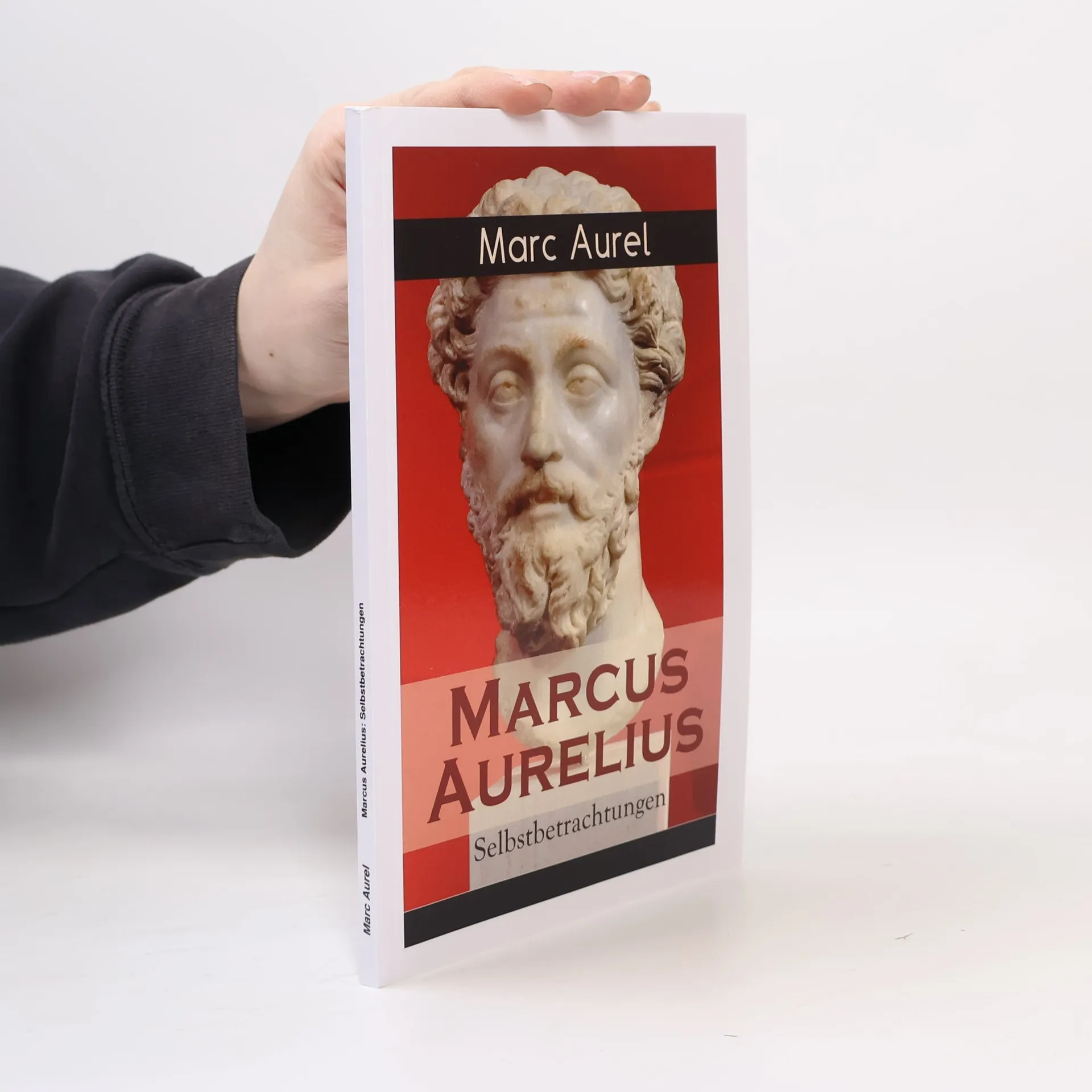
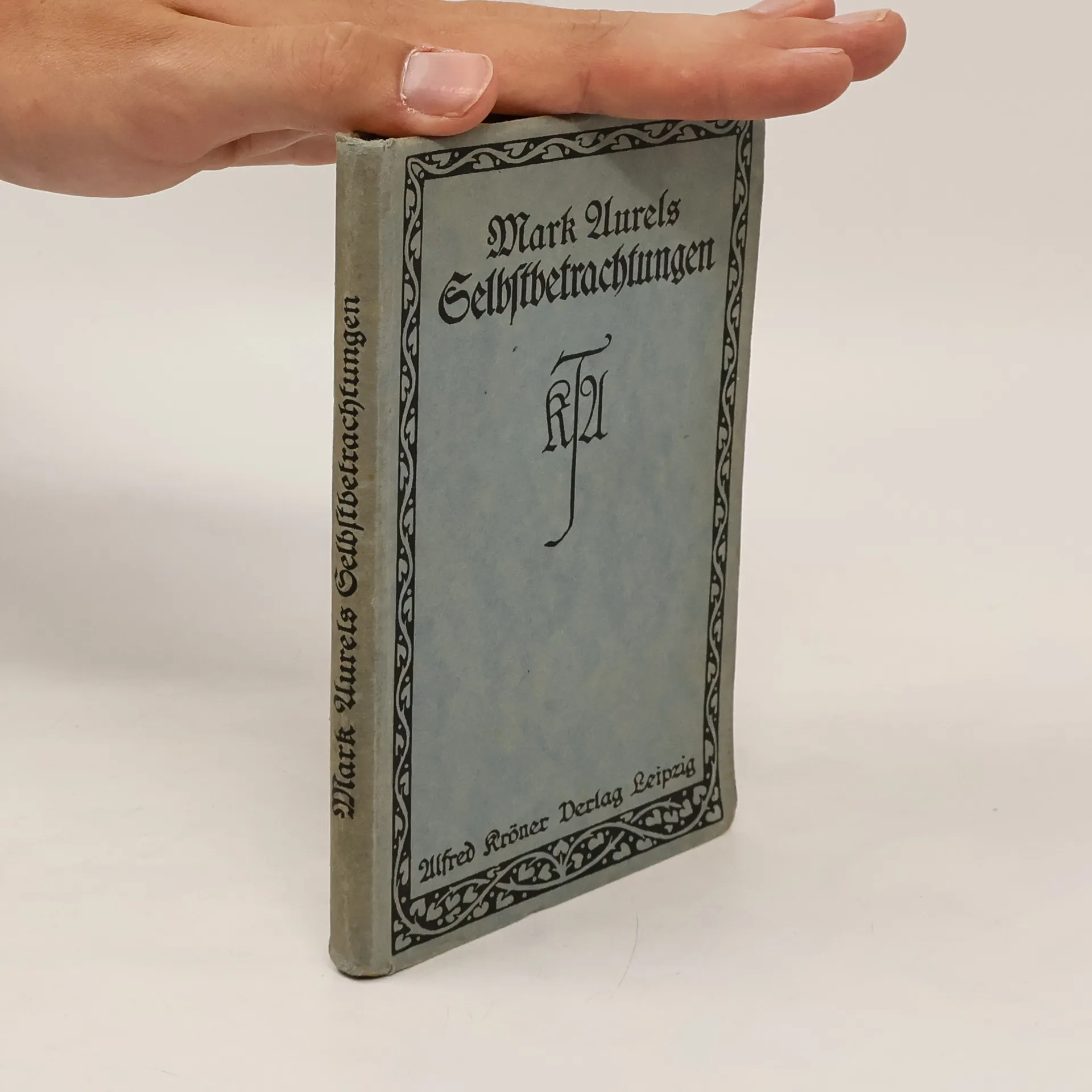
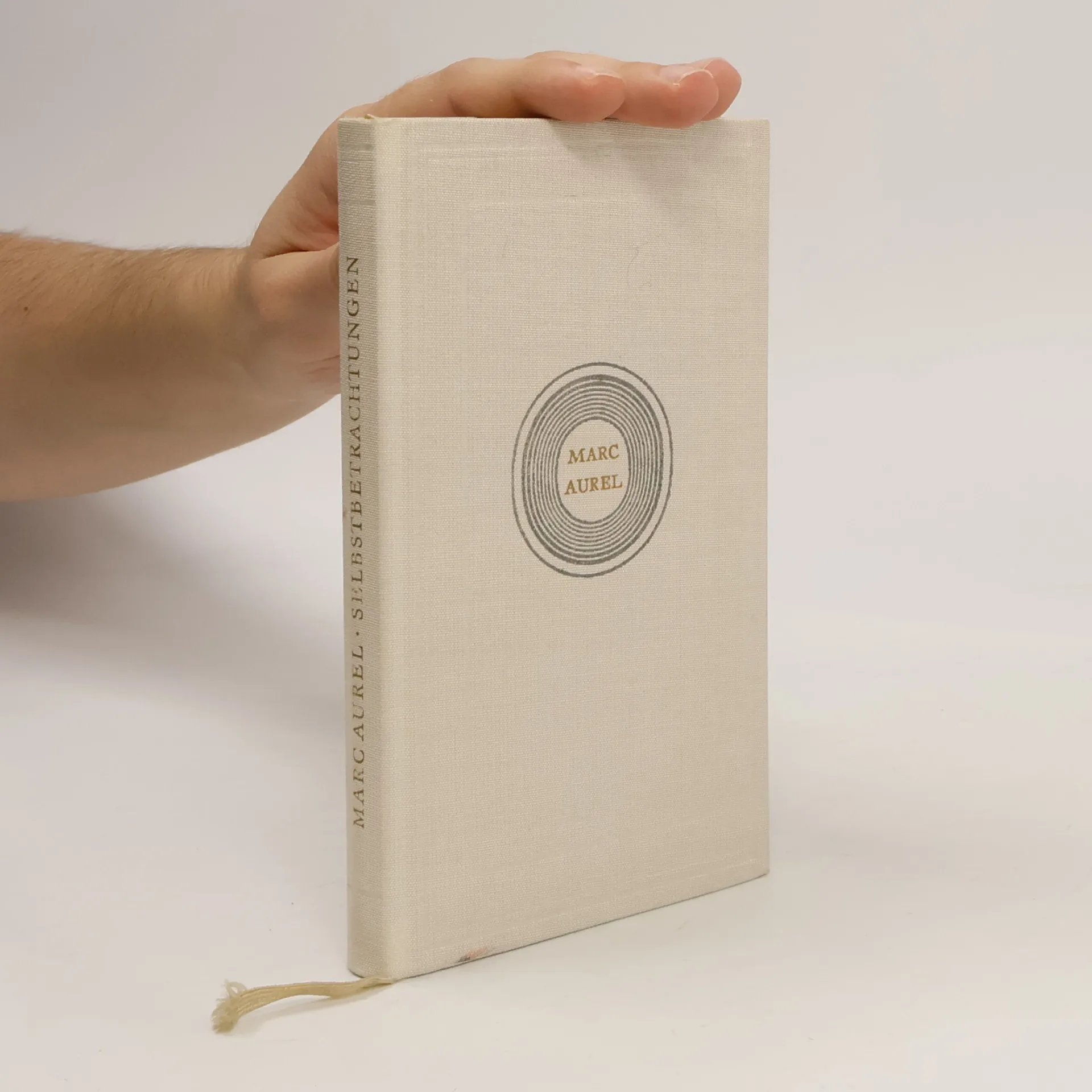
Marcus Aurelius: Selbstbetrachtungen: Selbsterkenntnisse des römischen Kaisers Marcus Aurelius
- 104pages
- 4 heures de lecture
Mark Aurel (121-180), auch Marc Aurel oder Marcus Aurelius, war von 161 bis 180 römischer Kaiser und als Philosoph der letzte bedeutende Vertreter der jüngeren Stoa. Mit seiner Regierungszeit endete in mancherlei Hinsicht eine Phase innerer und äußerer Stabilität und Prosperität für das Römische Reich, die Ära der sogenannten Adoptivkaiser. Mark Aurel war der letzte von ihnen, denn in seinem Sohn Commodus stand ein leiblicher Erbe der Herrscherfunktion bereit. Sein letztes Lebensjahrzehnt verbrachte Mark Aurel daher vorwiegend im Feldlager. Hier verfasste er die Selbstbetrachtungen, die ihn der Nachwelt als Philosophenkaiser präsentieren und die mitunter zur Weltliteratur gezählt werden. Aus dem Buch: "Wer nur das, was zur rechten Zeit geschieht, für ein Gut hält, wem es gleichgültig ist, ob er eine größere oder kleinere Zahl vernunftgemäßer Handlungen aufzuweisen habe, wer zwischen einer länger oder kürzer dauernden Betrachtung der Welt keinen Unterschied macht, für den ist auch der Tod nichts Furchtbares."
Meditations: Complete and Unabridged
- 304pages
- 11 heures de lecture
Completely unabridged, with a new foreword written by Huffington Post writer Carolyn Gregoire, this publication of Meditations is an all-encompassing collection of Marcus Aurelius’s works. “Do every deed, speak every word, think every thought in the knowledge that you may end your days any moment.” “We have body, soul, and intelligence. To the body belong the senses, to the soul the passions, to the intelligence principles.” “Think not as your insulter judges or wishes you to judge: but see things as they truly are.” “To pursue impossibilities is madness; and it is impossible that the wicked should not act in some such way as this.” “Order not your life as though you had ten thousand years to live. Fate hangs over you. While you live, while yet you may, be good.” Meditations is a collection of twelve books written by Roman Emperor Marcus Aurelius. This set of books was originally compiled in the form of private journals. Marcus Aurelius used these notes as personal guides to live by and to better himself as a ruler. He compiled these journals during his time as emperor, and while they were not intended for public consumption, there are valuable lessons to be gleaned from his wisdom. The entries include his views of stoicism—the Hellenistic philosophy devoid of “destructive emotions” that could tamper with logic—and its practical use in ruling and military tactics.
Meditations: The Annotated Edition
- 384pages
- 14 heures de lecture
With prose that is "wonderfully sober and taut" (Wall Street Journal), this definitive translation of Marcus Aurelius's Meditations offers inspiration for living today Marcus Aurelius Antoninus (121-180 CE) was the sixteenth emperor of Rome--and the most powerful man in the world. Yet he was also an intensely private person, with a rich interior life and one of the wisest minds of his generation. He collected his thoughts in notebooks that have come to be called his Meditations. Never intended for publication, the work has proved an inexhaustible source of wisdom and one of the most important Stoic texts of all time. This annotated edition offers the definitive translation of this classic and much beloved text, from world-renowned classics expert Robin Waterfield. Illuminating one of the greatest works of popular philosophy for new readers, it enriches the understanding of even the most devoted Stoic.
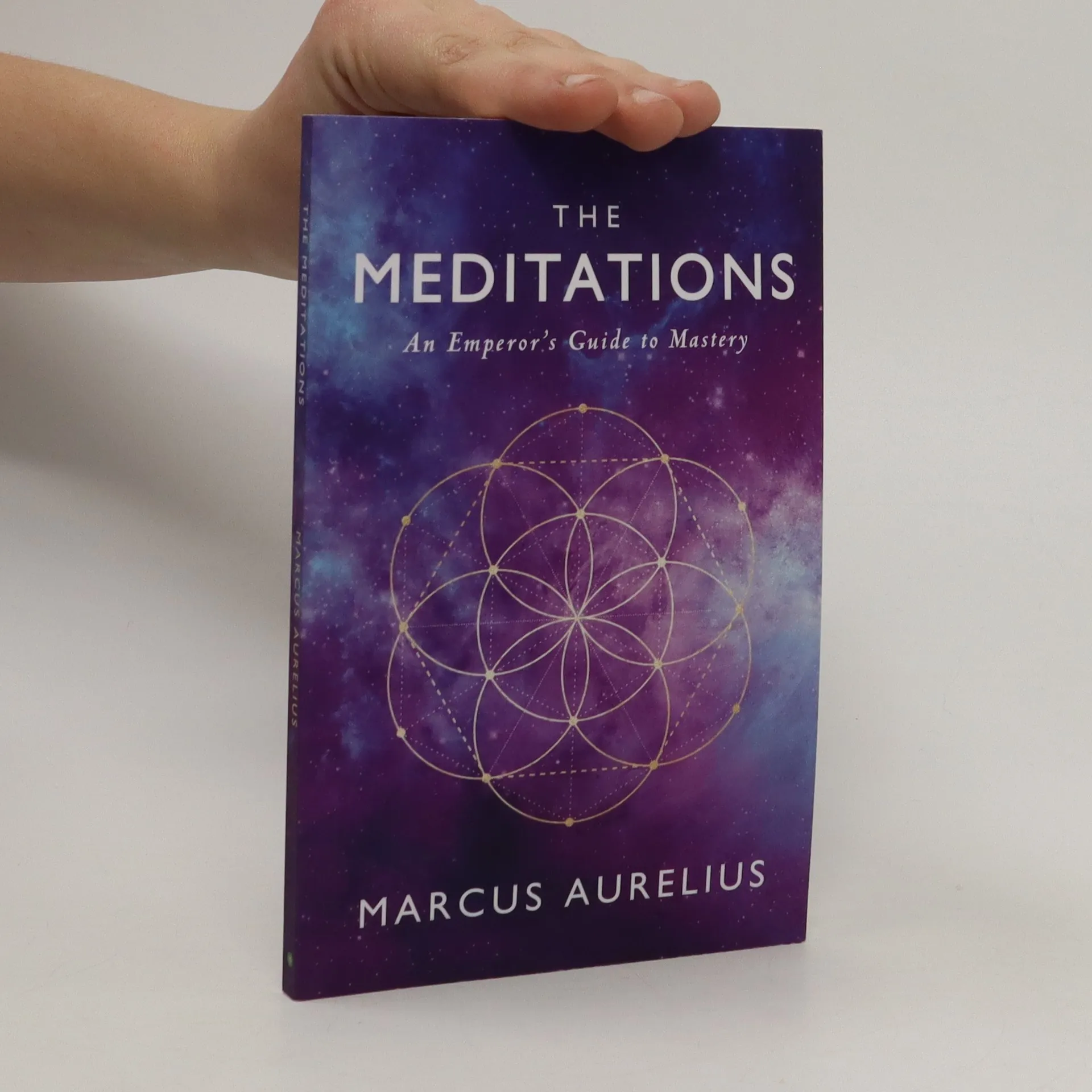
The Meditations: An Emperor's Guide to Mastery
- 114pages
- 4 heures de lecture
How to think clearly, act purposefully, overcome any obstacle, and find peace & happiness along the way. Marcus Aurelius (121-180 CE) was one of the few true philosopher-kings in history.His father died when Marcus was three. At age fifteen, he was adopted by Emperor Antoninus Pius, putting him in the line of succession; and at forty, Marcus became a reluctant emperor of the Roman Empire. Marcus was reluctant because the demands of being emperor--on top of the temptations of wealth and power--seemed incompatible with his true ambition: to be a humble student of philosophy. Over time, though, Marcus worked out a practical philosophy that kept him grounded amidst the stresses and excesses of palace life. That's why his philosophy is so relevant to us today, in the modern world. The Meditations are Marcus' personal journal entries. They were not intended for publication, but to remind Marcus himself of his principles and priorities. As a result, they are intimate, direct, and extremely useful. This new edition is rendered in contemporary English, with a foreword, by Sam Torode. A companion volume, The Manual: A Philosopher's Guide to Life, is also available from Ancient Renewal.
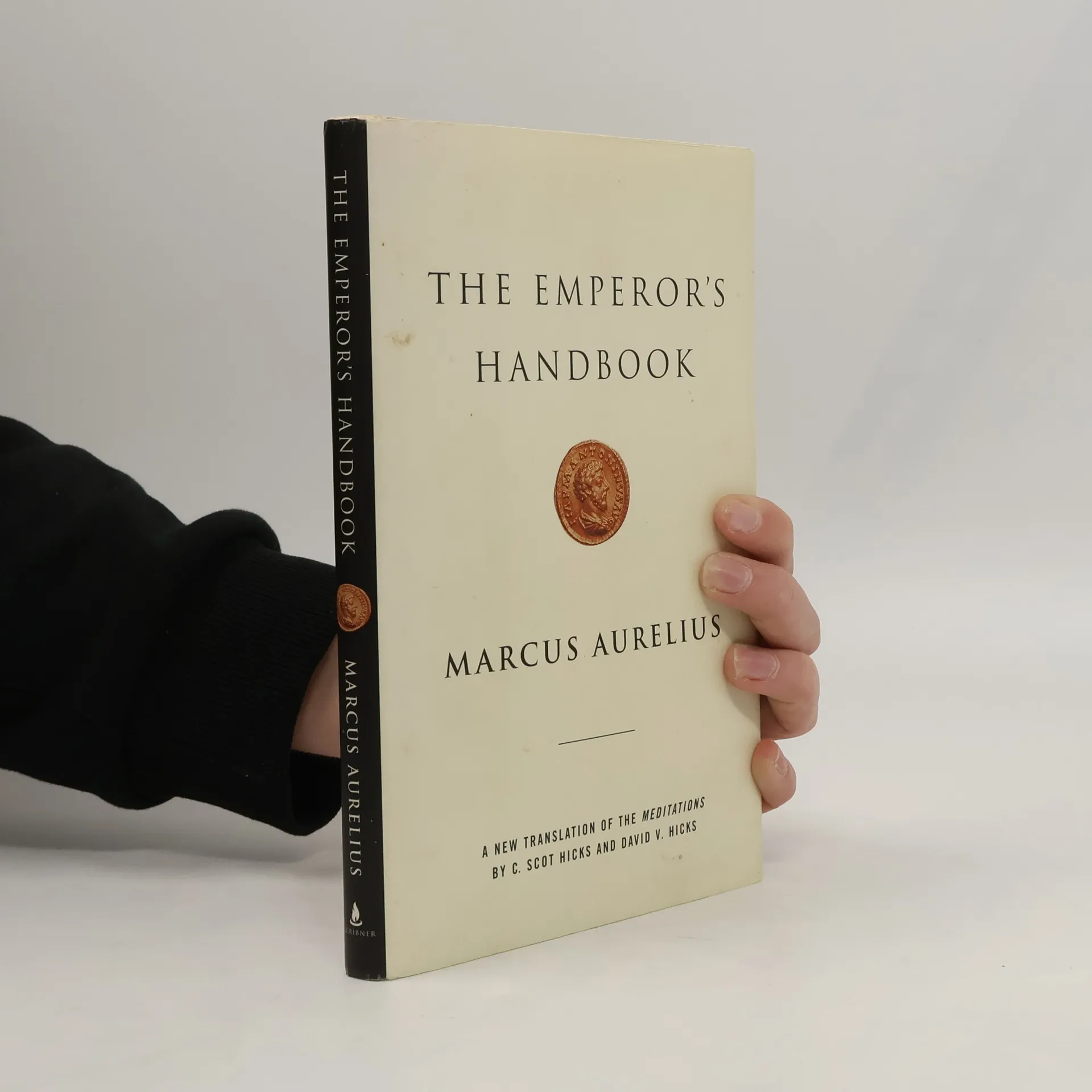
The Emperor's Handbook
- 160pages
- 6 heures de lecture
Originally written only for his personal consumption, Marcus Aurelius's Meditations has become a key text in the understanding of Roman Stoic philosophy. Written in Greek by an intellectual Roman emperor without any intention of publication, the Meditations of Marcus Aurelius offer a wide range of fascinating spiritual reflections and exercises developed as the leader struggled to understand himself and make sense of the universe. Spanning from doubt and despair to conviction and exaltation, they cover such diverse topics as the question of virtue, human rationality, the nature of the gods and Aurelius's own emotions. But while the Meditations were composed to provide personal consolation, in developing his beliefs Marcus also created one of the greatest of all works of philosophy: a series of wise and practical aphorisms that have been consulted and admired by statesmen, thinkers and ordinary readers for almost two thousand years
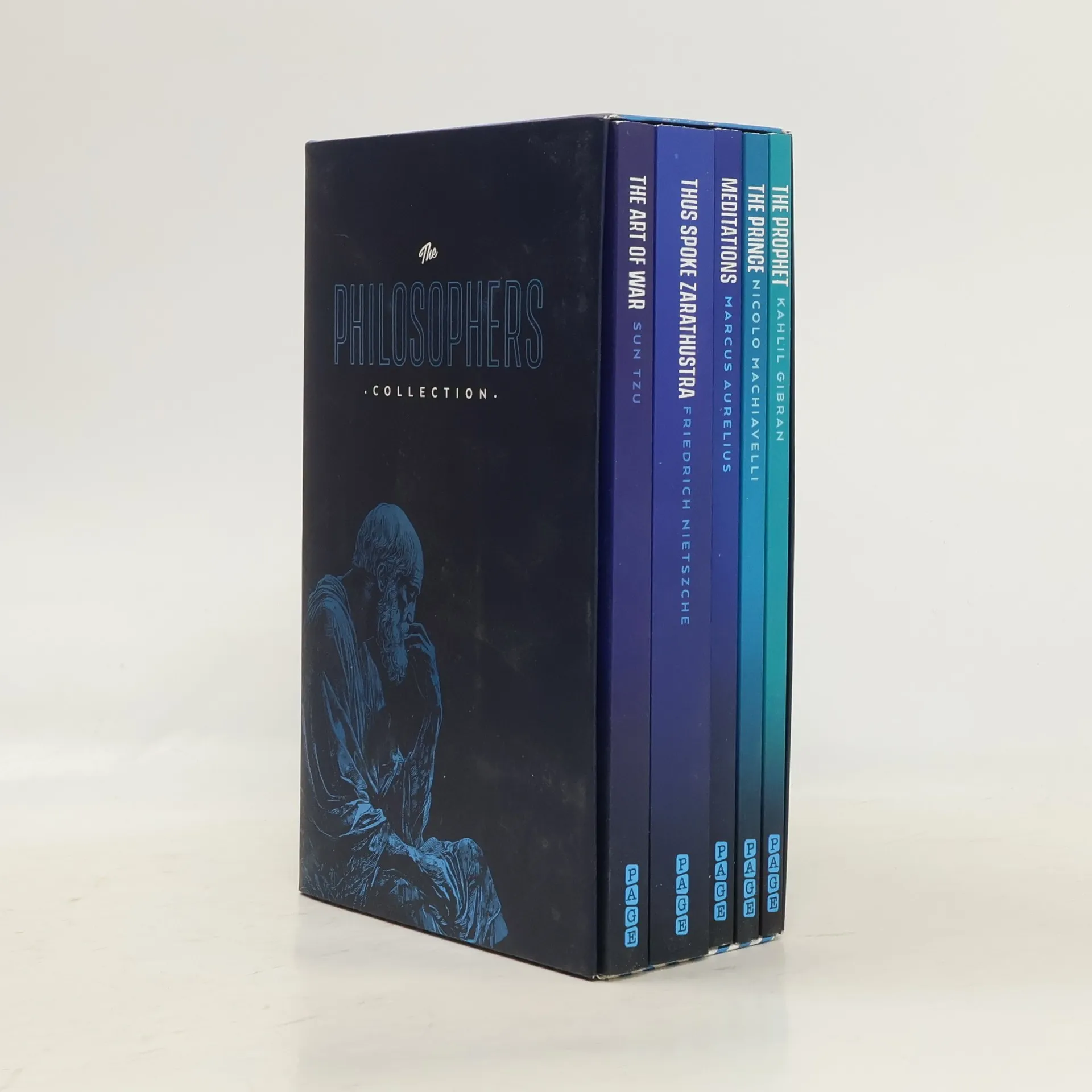
The Philosophers Collection
- 1028pages
- 36 heures de lecture
Rímska ríša sa na vrchole svojho rozmachu dostávala do búrlivých pomerov, keď čelila útokom rôznych kmeňov a vnútorným rozporom. Marcus Aurelius sa stal cisárom v týchto pohnutých časoch a väčšinu svojej vlády strávil medzi vojskom v odľahlých častiach ríše, kde bojoval za jej celistvosť a usporiadanie pomerov po rozbrojoch. Jeho životné skúsenosti mu umožnili vytvoriť si ucelený pohľad na ľudské bytie a strasti s ním spojené. Aurelius, známy svojím záujmom o filozofiu a stoicizmus, preslávil sa nielen schopnosťou udržať ríšu počas problémov, ale aj svojím filozofickým dielom, ktoré napísal v posledných rokoch života na území Kvádov, dnešného Slovenska. V diele zhŕňa svoje životné skúsenosti a zamýšľa nad podstatou sveta a jeho princípmi, pričom uvádza aj myšlienky iných autorov, čo svedčí o jeho vzdelanosti. Myšlienky Marca Aurelia sú pôsobivé a odhaľujú jeho hlboké zamyslenie nad ľudskou existenciou. Publikáciu dopĺňa úvodná štúdia Miloslava Okála o jeho živote a diele.
Mark Aurel, römischer Kaiser und bedeutender Vertreter der späten Stoa, hinterließ mit seinen Selbstbetrachtungen zeitlose Leitsätze für inneren Frieden und Ausgeglichenheit. Sein philosophisches Tagebuch, erstmals seit über 50 Jahren von Gregory Hays übersetzt, bietet ein ehrliches Zeugnis seiner Suche nach stoischer Gelassenheit.
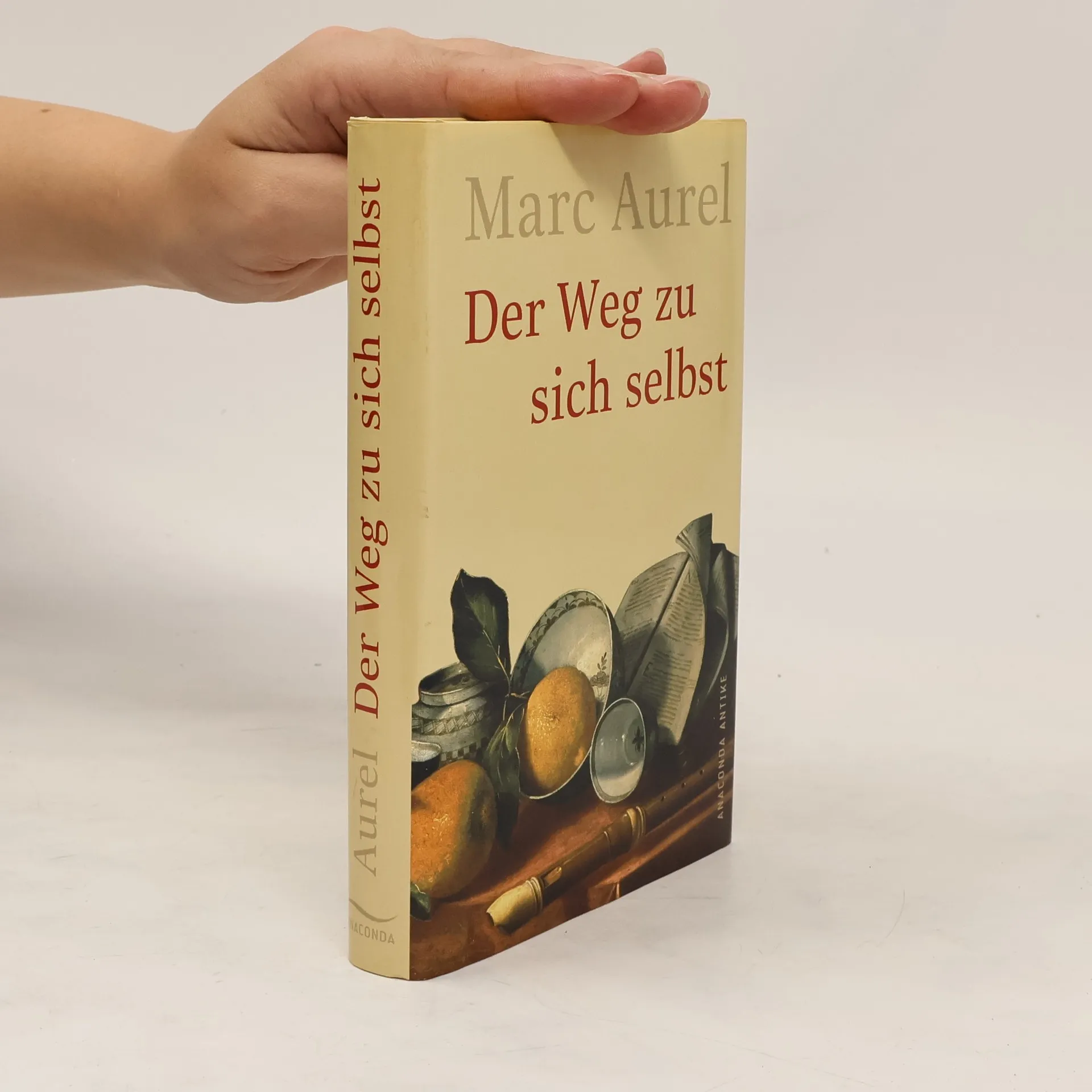
Der Weg zu sich selbst
- 185pages
- 7 heures de lecture
In den tagebuchartigen Aufzeichnungen Marc Aurels, des letzten römischen Kaisers des Goldenen Zeitalters, verschmelzen auf einzigartige Weise große Lebenserfahrung und philosophische Weitsicht. Seine Aphorismen und Reflexionen gehören zu den eindrucksvollsten Texten der Weltliteratur. In verschiedenen Feldlagern notierte er, was ihn das Leben und seine Vorbilder in der stoischen Kunst der Klugheit gelehrt haben: Menschlichkeit und Toleranz, Bescheidenheit und Respekt, Besonnenheit und Vernunft gehören zu den Tugenden, die er sich und der Nachwelt empfiehlt.
Po Athénách: Výbor z Attických nocí a z listů Marku Frontonovi
- 536pages
- 19 heures de lecture
„Krátké druhé století“, éra pěti „dobrých císařů“ (96-180), představuje stabilizovanou říši, kde se kultura obrací k soukromému životu a idealizované minulosti. Athény, politicky bezvýznamné, se stávají centrem vzdělanosti, přičemž římské elity se obracejí k řeckým profesorům. Tato „druhá sofistika“ se soustředí na praktickou etiku a vzpomínání na zlatý věk Athén, spíše než na velké filosofické koncepty. Svazek přináší dvě literární svědectví o této epoše. Prvním je výbor z Attických nocí Aula Gellia, římského studenta, který si zapisuje poznatky o klasické kultuře a akademickém životě. Gellius zobrazuje komunitu, jež se nezabývá „velkými dějinami“, ale radostí z poznávání a čtení starých textů. Jeho obraz athénské komunity ovlivnil evropský humanismus, zejména éru Erasmovu a Rabelaisovu, které důvěřovaly v sílu literárního vzdělání. Druhým svědectvím jsou dopisy mladého prince Marka Aurelia, který se liší od pozdějšího stoického myslitele. Mladý Marcus Aurelius a jeho učitel Marcus Fronto si vyměňují myšlenky o každodenním životě, jazyce a literatuře, přičemž hrají literární hru na erotickou dvojici ve stylu Platónových dialogů. Tak se žije „po Athénách“.
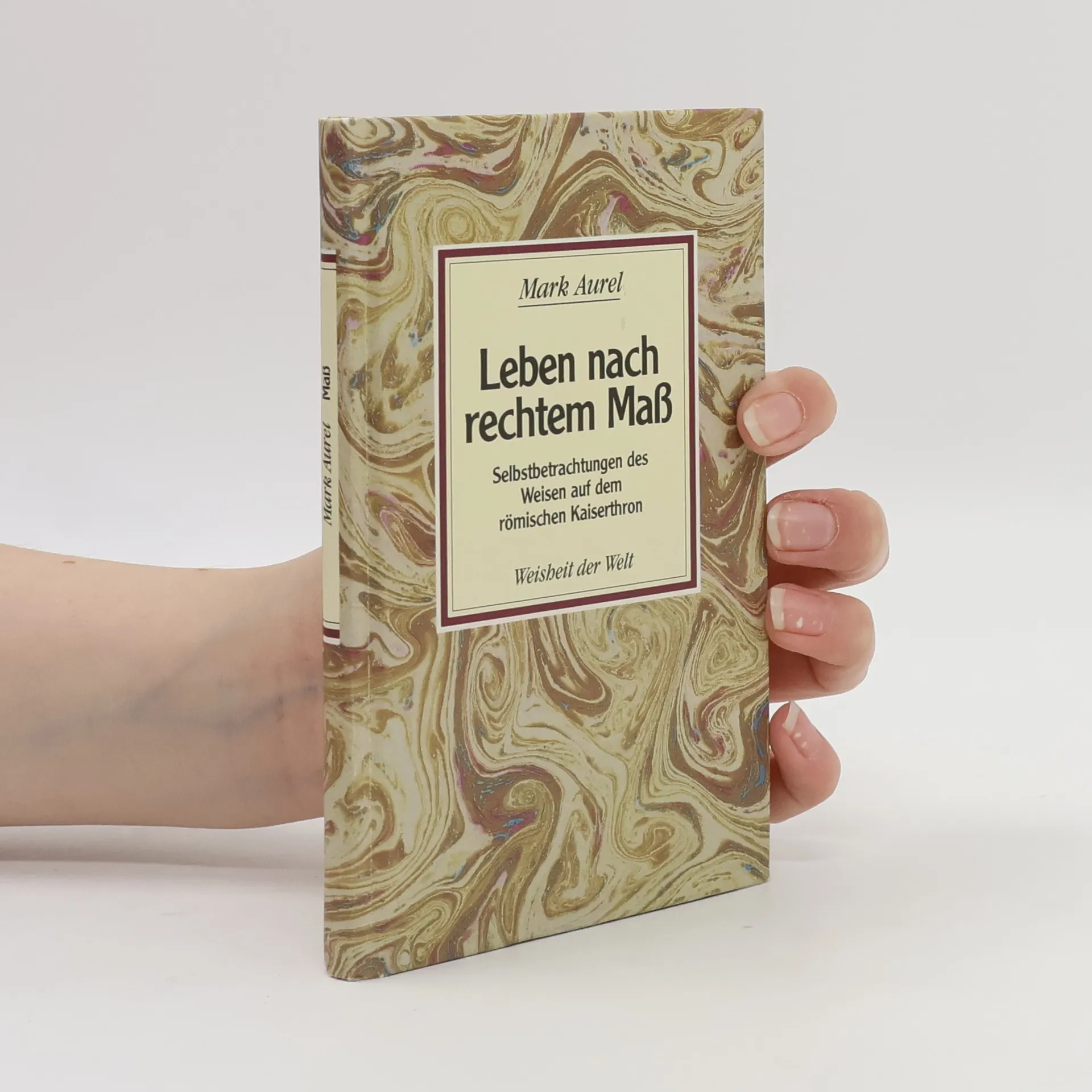
Leben nach rechtem Mass
Selbstbetrachtungen d. Weisen auf d. röm. Kaiserthron
- 77pages
- 3 heures de lecture
Happiness by Marcus Aurelius encapsulates the thinking of a time-honoured expert. Marcus Aurelius, Emperor of Rome from AD 161 until his death in AD 180, was patient, forgiving and peaceful by nature, but was forced to spend much of his reign at war. As a relief from his responsibilities, he wrote the Meditations to show how the moral life leads to tranquillity. With an introduction outlining his life and achievements, this entertaining selection of extracts presents his wisdom in an easily digestible form. Happiness will inform, delight and stimulate. In the quest for understanding and mastery of happiness, Marcus Aurelius is acknowledged as the supreme guide. 'As often as you see any man or woman do anything, say unto yourself: what is this person's underlying purpose in this action? But begin this course with yourself first of all and diligently examine yourself concerning whatsoever you do.'
Die "Meditationen" von Mark Aurel bieten einen tiefen Einblick in die stoische Philosophie und die Selbstreflexion des römischen Kaisers. In persönlichen Notizen thematisiert er die Herausforderungen des Lebens, den Umgang mit Emotionen und die Suche nach innerem Frieden. Aurel betont die Bedeutung von Tugend, Vernunft und der Akzeptanz des Schicksals. Seine Gedanken sind nicht nur philosophische Überlegungen, sondern auch praktische Ratschläge für ein erfülltes und gelassenes Leben, die auch in der modernen Welt relevant bleiben.
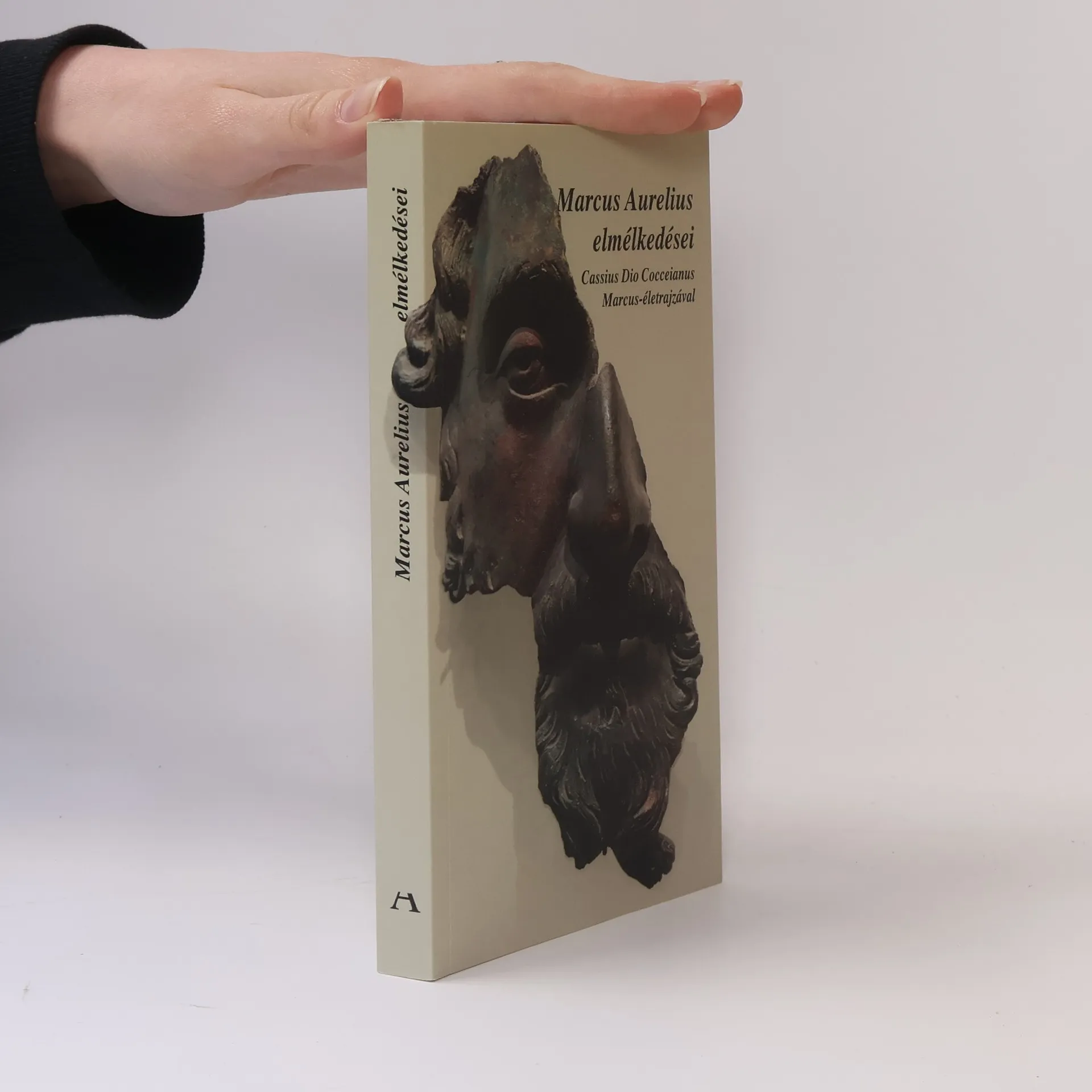
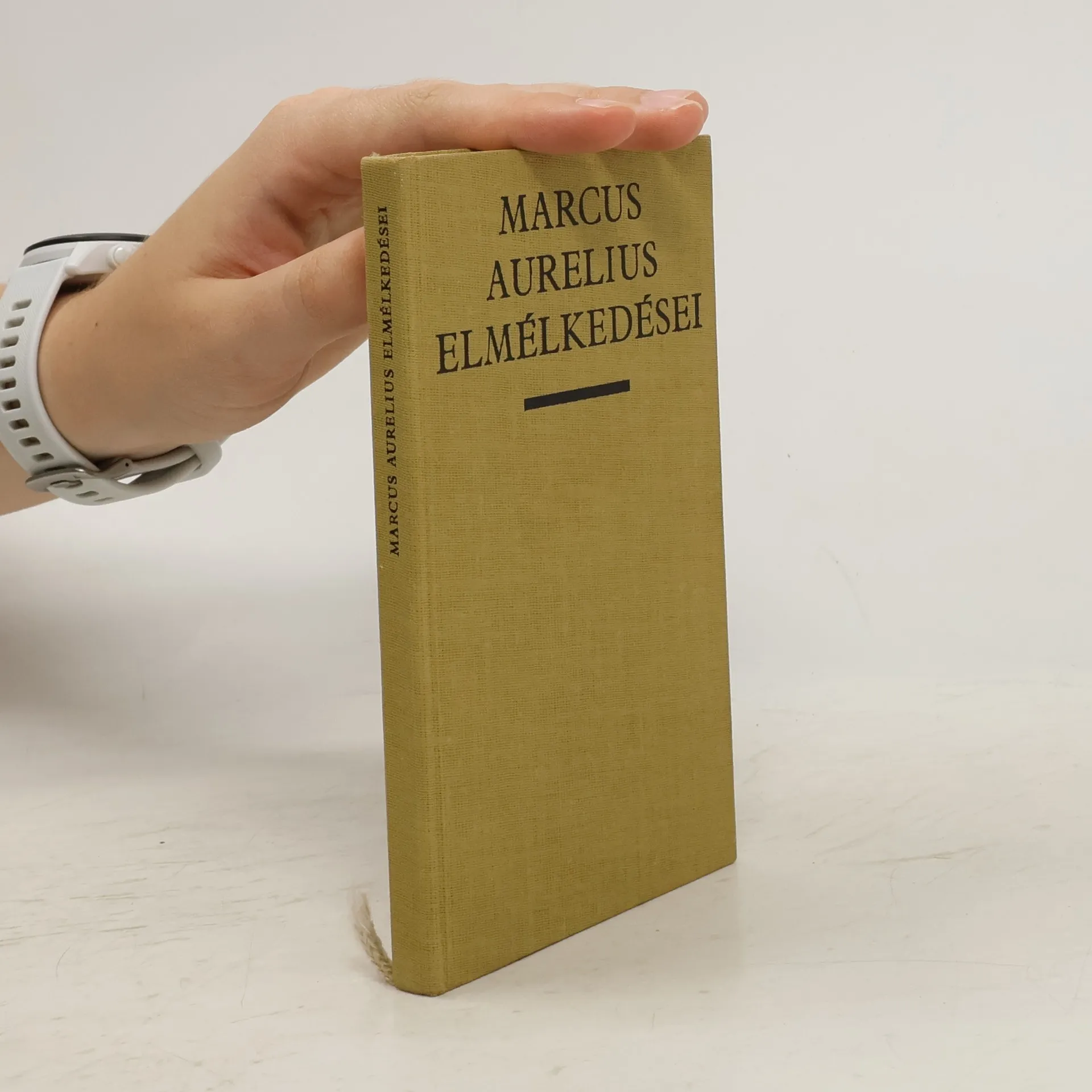
Marcus Aurelius elmélkedései - Cassius Dio Cocceianus Marcus-életrajzával
- 304pages
- 11 heures de lecture
Az Elmélkedések e fordítása a sztoikus hagyományba ágyazott filozófiaként mutatja be Marcus Aurelius császár klasszikus művét."A legjobb módja a védekezésnek, ha nem leszünk hozzájuk hasonlók.Légy, mint a szirtfok, melyet a hullámok szüntelenül ostromolnak – ő viszont rendületlenül áll, és körülötte elcsendesül a habzó forgatag."
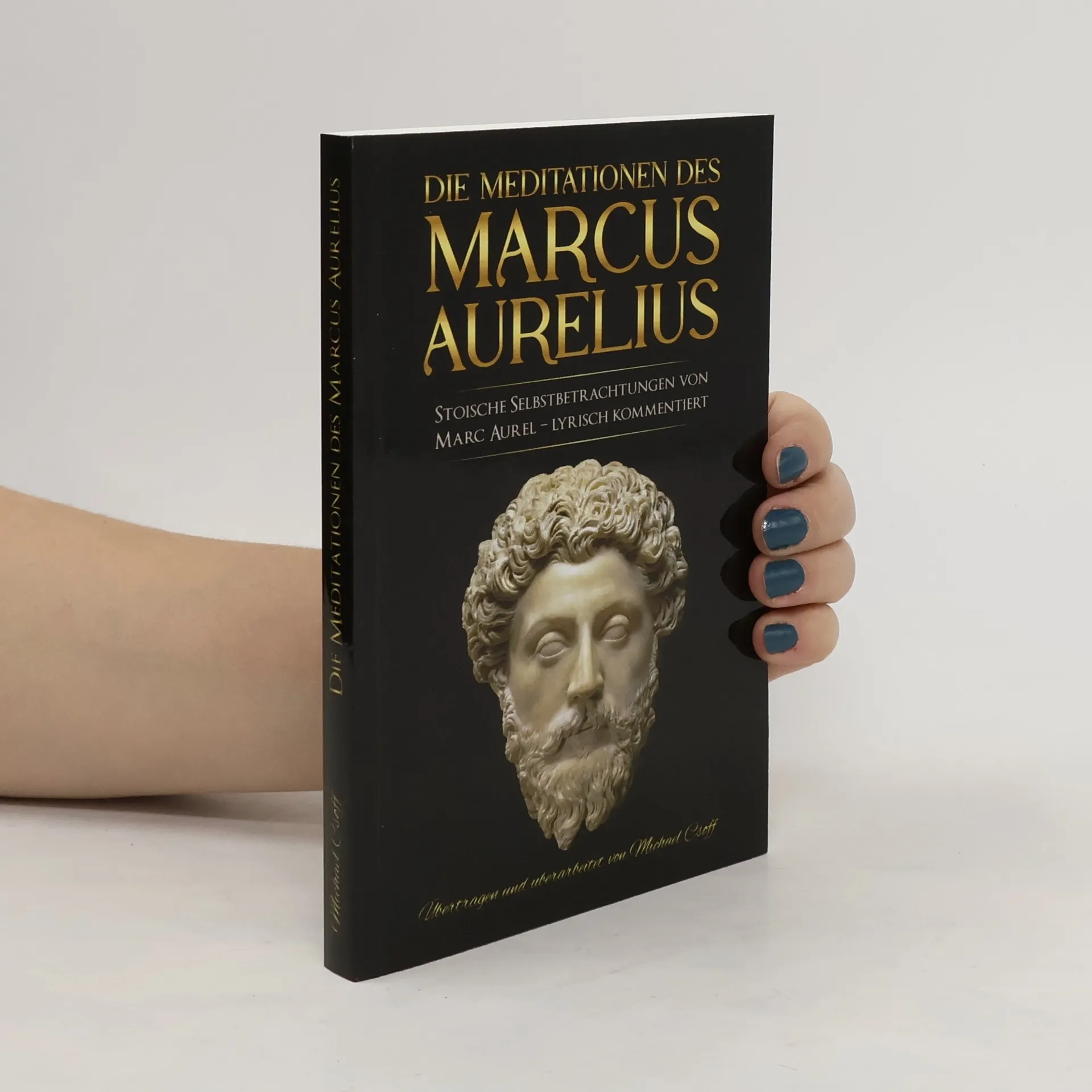
Meditationen des Marcus Aurelius
Marc Aurels stoische Selbstbetrachtungen in Deutsch - sprachlich überarbeitet und lyrisch kommentiert
- 212pages
- 8 heures de lecture
Die "Meditationen" des römischen Kaisers Marcus Aurelius bieten einen tiefen Einblick in die stoische Philosophie und reflektieren seine persönlichen Gedanken und Einsichten. Diese Selbstbetrachtungen sind nicht nur philosophische Lehren, sondern auch praktische Ratschläge für ein erfülltes und tugendhaftes Leben. Das Werk gewinnt zunehmend an Bedeutung, da es zeitlose Weisheiten enthält, die auch in der heutigen Welt relevant sind.
In den »Selbstbetrachtungen« des römischen Kaisers Marc Aurel mischen sich glanzvolle philosophische Reflexionen mit tiefen Einsichten in die menschliche Natur. Auf der Grundlage der stoischen Philosophie seiner Zeit bedenkt Marc Aurel Aspekte des Umgangs mit sich selbst und anderen, die in erster Linie auf eine nachhaltig gelungene Lebenspraxis zielen. Dieser Band enthält eine Auswahl seiner eindrucksvollsten Gedanken, lehrreich wie vor 2000 Jahren im Streben nach Ruhe und innerer Gelassenheit. »Alles ist Annahme, und diese hängt von dir ab.« Marc Aurel »Was liegt in meiner Macht? Was nicht? Und was sollte ich gelassen an mir vorüberziehen lassen?« Rebekka Reinhard über Marc Aurels Trias Zeitlos, zugänglich und handlich: ein Lehrbuch für viele Gelegenheiten und die Grundfragen menschlicher Existenz
Wie soll man leben?
- 119pages
- 5 heures de lecture
Wie soll man leben? Diese Frage hat schon die alten Römer beschäftigt. Der Philosophenkaiser Marc Aurel hat sich dazu geerdete Gedanken gemacht, die seit jeher Generationen von Menschen als Anregung dienen. Die Säulen seines Denkens – Weisheit, Stärke, Gerechtigkeit und Mäßigung – verhelfen zu Gelassenheit und Seelenfrieden
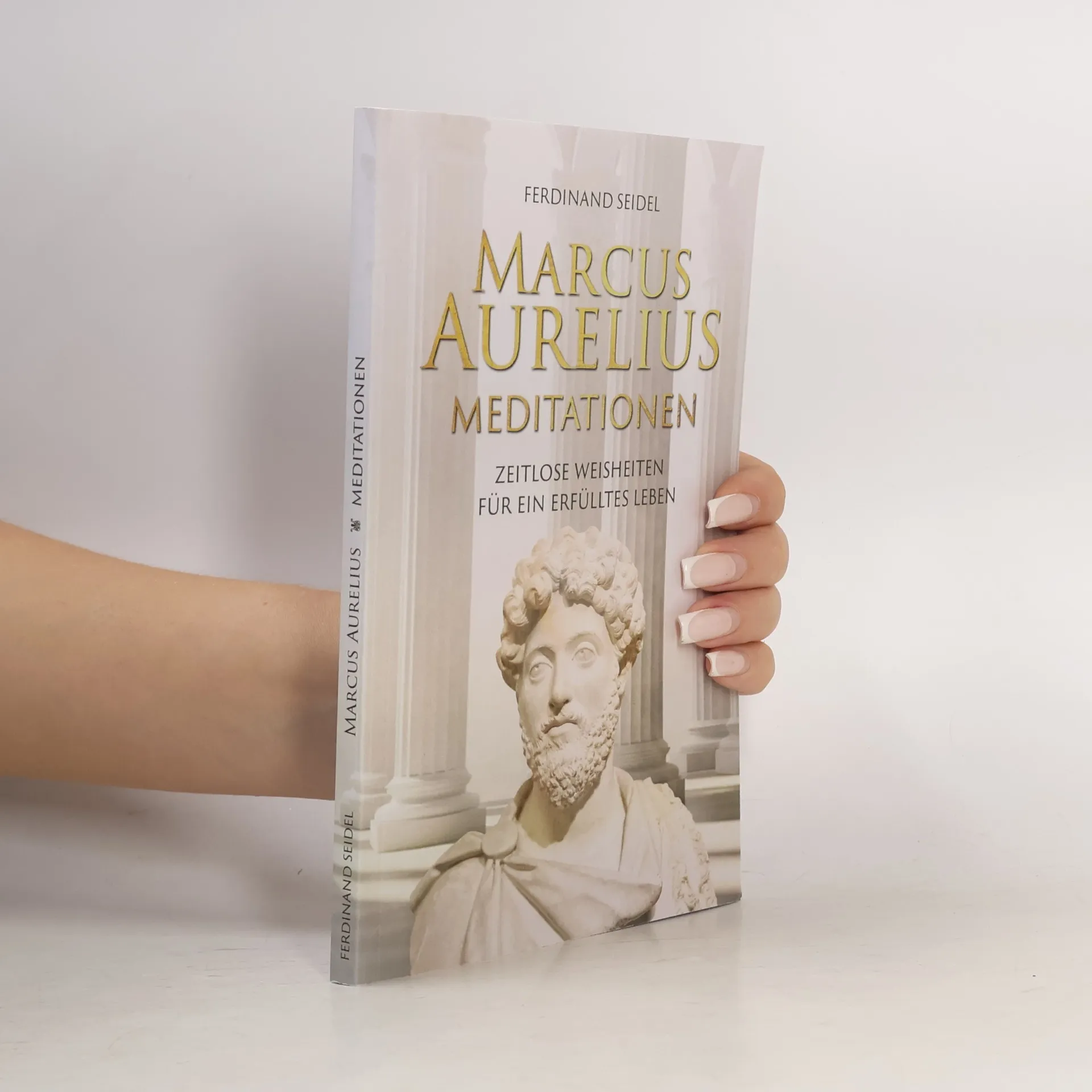
Marcus Aurelius Meditationen - Zeitlose Weisheiten für ein erfülltes Leben
- 163pages
- 6 heures de lecture
Die tiefgreifenden Gedanken und Weisheiten von Marcus Aurelius bieten einen Einblick in seine Suche nach innerem Frieden während der Herausforderungen des römischen Reiches. In Form von kurzen Notizen reflektiert er über Ethik, Tugenden, Pflichten und Selbstdisziplin. Stark geprägt von stoischer Philosophie, betont er die Wichtigkeit von Selbstbeherrschung, Gelassenheit und der Akzeptanz des Schicksals. Das Werk bewahrt die Essenz seiner Gedanken und präsentiert sie in einem modernen, verständlichen Schreibstil, der die zeitlosen Lehren für heutige Leser zugänglich macht.
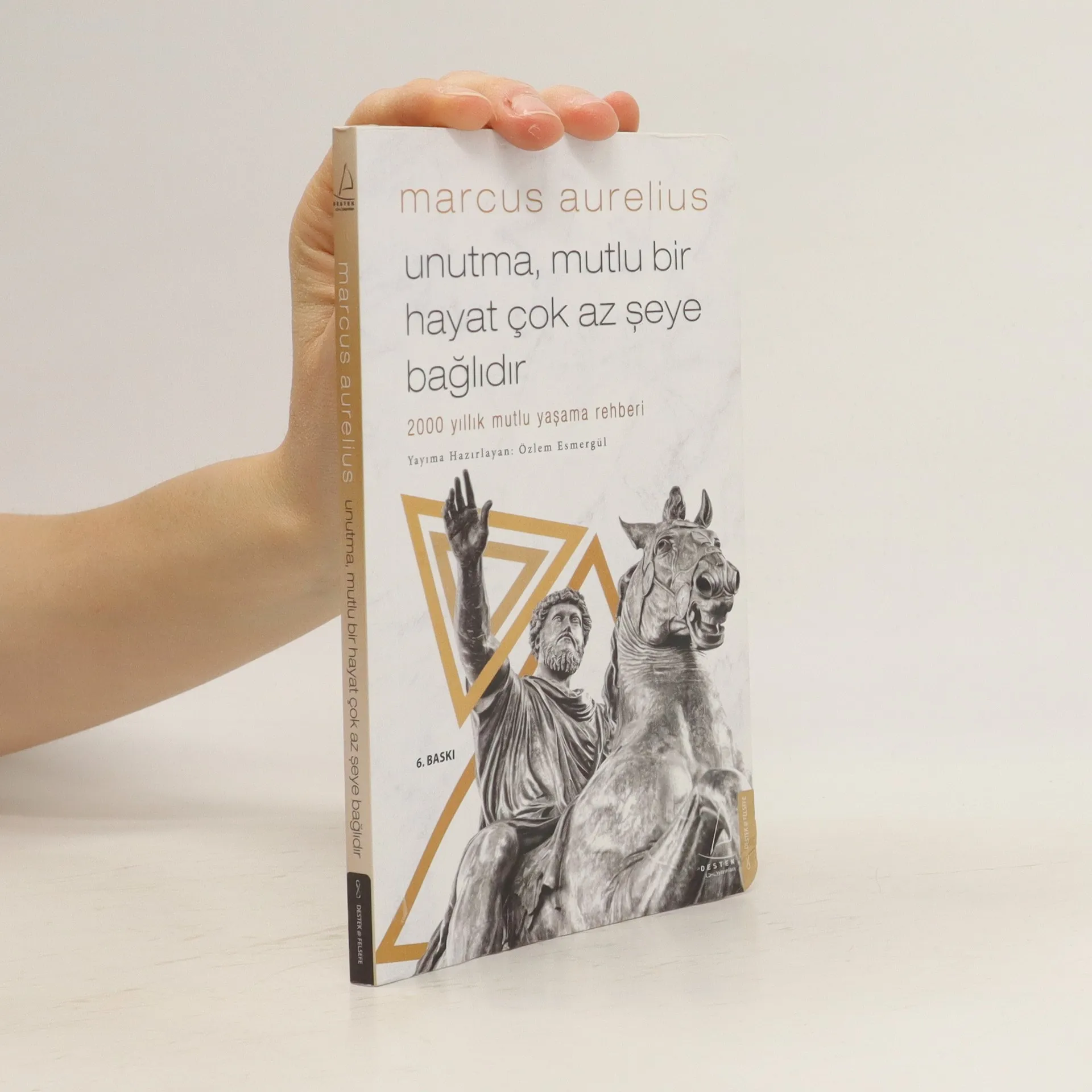
Unutma Mutlu Bir Hayat Cok Az Seye Baglidir
- 88pages
- 4 heures de lecture
Paperback. 11,00 / 18,00 cm. In Turkish. 88 p. Genel Yayin Yönetmeni : Ertürk Aksun Hazirlayan : Özlem Esmergül Ölümlü bir dünyada, insana yarasir sekilde yasamaktan daha iyi ne olabilir? Roma'yi en iyi yöneten bes imparatorun sonuncusu olarak tarihe geçen Marcus Aurelius, stoaci bir filozof olarak sadece liderligiyle degil, düsünceleriyle ölümsüzlesmistir. Mutlu bir hayatin çok az seye bagli oldugunu ve ölümlü bir dünyada insana yarasir sekilde yasamaktan daha yüksek bir amaç olamayacagini hatirlatan Aurelius'un gösteristen uzak, yalin, basit ama mutlu bir yasam üzerine insa ettigi güçlü felsefesi, insanligin binlerce yildir süregelen mutluluk arayisina isik tutmaya devam ediyor.
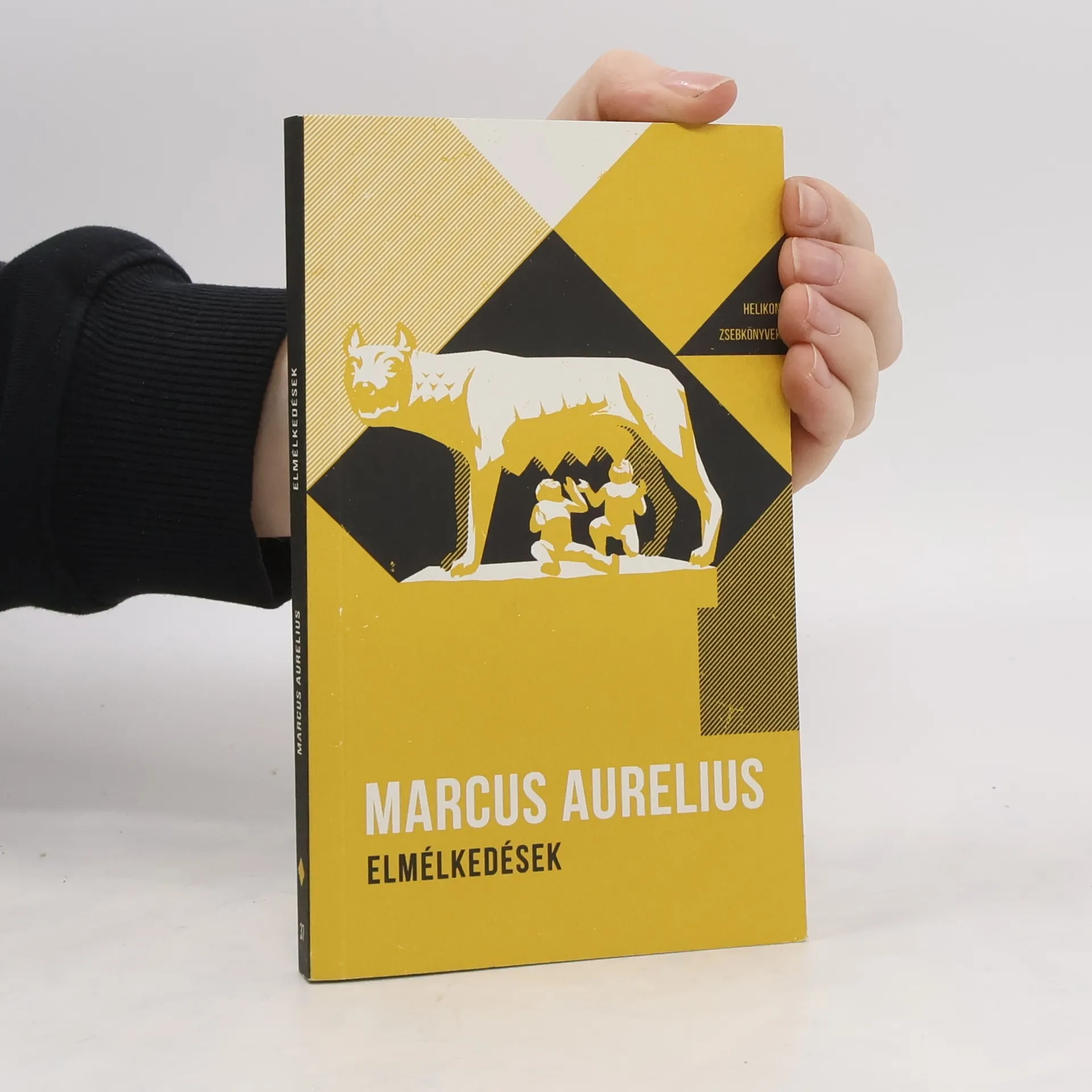
Elmélkedések
- 165pages
- 6 heures de lecture
Stoische Weisheit
Stoizismus für ein geglücktes Leben: 52 Zitate der bekanntesten Stoiker Seneca, Epiktet & Marc Aurel, pointiert kommentiert und lyrisch interpretiert. DE
- 112pages
- 4 heures de lecture
Dieses Büchlein bietet mit 52 ausgewählten stoischen Zitaten einen tiefen Einblick in die stoische Lebensweisheit. Jedes Zitat wird anregend kommentiert und mit einem klassischen Gedicht ergänzt. Die stoische Philosophie fasziniert seit über 2000 Jahren Menschen unterschiedlichster Hintergründe. Besonders in der heutigen Zeit finden Unternehmer, Führungspersönlichkeiten und Sportler großen Wert in ihrer praktischen Anwendbarkeit, die sie auch für "Nicht-Philosophen" attraktiv macht. Der Stoizismus vermittelt Ideen und Prinzipien, um mit den Herausforderungen des Lebens erfolgreich umzugehen. Die zentrale Botschaft ist: Die Lösung liegt in uns selbst. Die Kommentierungen zu den Textstellen lenken den Fokus auf wichtige Aspekte, schaffen Alltagsbezüge und regen zur Reflexion über die eigene Lebenssituation an. Als besonderer Bonus wird jedem Zitat ein kurzes, klassisch gereimtes Gedicht zugeordnet, das die jeweilige Aussage lyrisch interpretiert. Das Buch ist keine wissenschaftliche Abhandlung, sondern gehört eher zur Ratgeber- oder Selbsthilfeliteratur. Es vermittelt die stoische Idee auf einfache, kreative und unterhaltsame Weise und bietet wertvolle Hilfe zur Selbsthilfe. Die verwendeten Zitate stammen hauptsächlich aus den Schriften von Seneca, Epiktet und Marc Aurel.
Die Familie unter dem Mikroskop
Das Bürgerliche Gesetzbuch und die Eizelle 1870-1900
- 256pages
- 9 heures de lecture
"Wenn Spermium und Eizelle sich bei der Zeugung vereinigen, geben beide ihr Erbmaterial an den Embryo weiter. Dieser seinerzeit revolutionäre biologische Befund von 1875 hatte weitreichende Folgen, nicht zuletzt für das Erb- und Familienrecht. Denn aus der Erkenntnis, dass väterliche und mütterliche Anteile an die Nachkommen weitergegeben werden, resultierten politische Fragen der Gleichberechtigung und der Verteilungsgerechtigkeit. Solche Themen waren speziell im Deutschen Kaiserreich virulent, als zwischen 1870 und 1900 das Bürgerliche Gesetzbuch entstand. Das BGB legte die Grundlage für das Verständnis von Familie als biologischer Einheit, Wirtschaftsgemeinschaft und von geschlechtlicher Arbeitsteilung, wie sie bis in das 21. Jahrhundert hinein wirksam geblieben ist."--Provided by publisher
Mark Aurels Meditationen
- 200pages
- 7 heures de lecture
Mark Aurels Meditationen ist ein unveränderter, hochwertiger Nachdruck der Originalausgabe aus dem Jahr 1865. Hansebooks ist Herausgeber von Literatur zu unterschiedlichen Themengebieten wie Forschung und Wissenschaft, Reisen und Expeditionen, Kochen und Ernährung, Medizin und weiteren Genres.Der Schwerpunkt des Verlages liegt auf dem Erhalt historischer Literatur.Viele Werke historischer Schriftsteller und Wissenschaftler sind heute nur noch als Antiquitäten erhältlich. Hansebooks verlegt diese Bücher neu und trägt damit zum Erhalt selten gewordener Literatur und historischem Wissen auch für die Zukunft bei.
Meditaciones
- 176pages
- 7 heures de lecture
In griechischer Sprache, ohne die Absicht der Veröffentlichung verfasst, bieten die Selbstbetrachtungen von Marcus Aurelius (121-180 n. Chr.) eine bemerkenswerte Reihe herausfordernder spiritueller Reflexionen und Übungen, die während des Kampfes des Kaisers, sich selbst zu verstehen und das Universum zu begreifen, entwickelt wurden. Sie reichen von Zweifel und Verzweiflung bis zu Überzeugung und Erhebung und behandeln so unterschiedliche Themen wie die Natur der moralischen Tugend, menschliche Rationalität, göttliche Vorsehung und Marcus' eigene Emotionen. Während die Selbstbetrachtungen zur persönlichen Trost und Ermutigung verfasst wurden, schuf Marcus Aurelius auch eines der größten Werke der Philosophie: eine zeitlose Sammlung ausgedehnter Meditationen und kurzer Aphorismen, die über die Jahrhunderte von Staatsmännern, Denkern und Lesern konsultiert und bewundert wurde.
Meditationen
- 118pages
- 5 heures de lecture
Mark Aurel: Meditationen. Selbstbetrachtungen Lesefreundlicher Großdruck in 16-pt-Schrift Großformat, 210 x 297 mm Berliner Ausgabe, 2019 Durchgesehener Neusatz mit einer Biographie des Autors bearbeitet und eingerichtet von Theodor Borken Entstanden vermutlich zwischen 170 und 178 n. Chr. unter dem Titel Tôn eis heauton biblia (Die Bücher der Gedanken über sich selbst). Erstdruck, herausgegeben von W. Xylander: Zürich 1558 (1559?). Erste deutsche Übersetzung (in Versen) durch P. Stolte unter dem Titel Allgemeiner Tugendspiegel oder Kern moralischer Gedanken Marci Aurelii Antonini Philosophi von und an sich selbst: Rostock 1701. . Textgrundlage ist die Ausgabe: Mark Aurel's Meditationen. Aus dem Griechischen von F. C. Schneider. Dritte verbesserte Auflage, Breslau: Eduard Trewendt, 1875. Die Rechtschreibung wurde behutsam modernisiert. Aus stilistischen Gründen wurde die Großschreibung von Du, Dir usw. beibehalten. Umschlaggestaltung von Thomas Schultz-Overhage unter Verwendung des Bildes: Barnos, Kopf einer Büste des Marcus Aurelius, London, British Museum, Fotografie von 2015. Unveränderte Wiedergabe. CC-BY-SA 3.0. Das Bild ist unter der Creative-Commons-Lizenz Namensnennung - Weitergabe unter gleichen Bedingungen 3.0 Deutschland lizenziert. https: //creativecommons.org/licenses/by-sa/3.0/de/deed.de. Gesetzt aus der Minion Pro, 16 pt. Henricus Edition Deutsche Klassik UG (haftungsbeschränkt)