Blackwell Companions to Philosophy: A Companion to Bioethics
- 528pages
- 19 heures de lecture
This volume contains all that the beginning reader or student needs to soundly grasp the ideas and issues involved in the field.




This volume contains all that the beginning reader or student needs to soundly grasp the ideas and issues involved in the field.
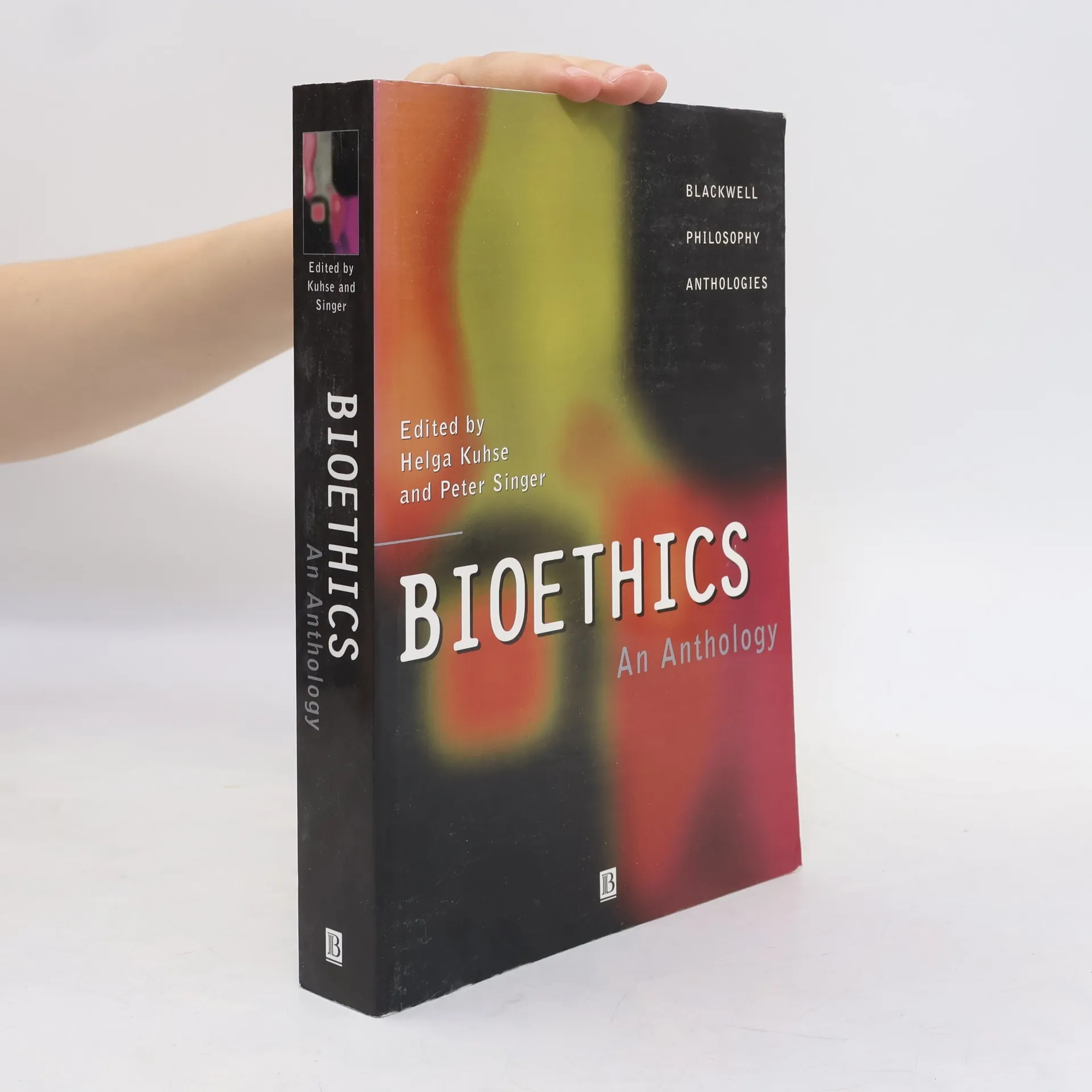
This volume is a definitive, high-qualiity, one-volume collection of key primary texts for the study of bioethics. In its structure and content, the Anthology is intended to complement the Companion to Bioethics, edited by the same scholars. The Anthology is independent of any particular approach to bioethics. Can be used as a source book to complement the Companion to Bioethics. Probes more deeply than the standard anthologies into the foundations of bioethics. More global in approach than competition.
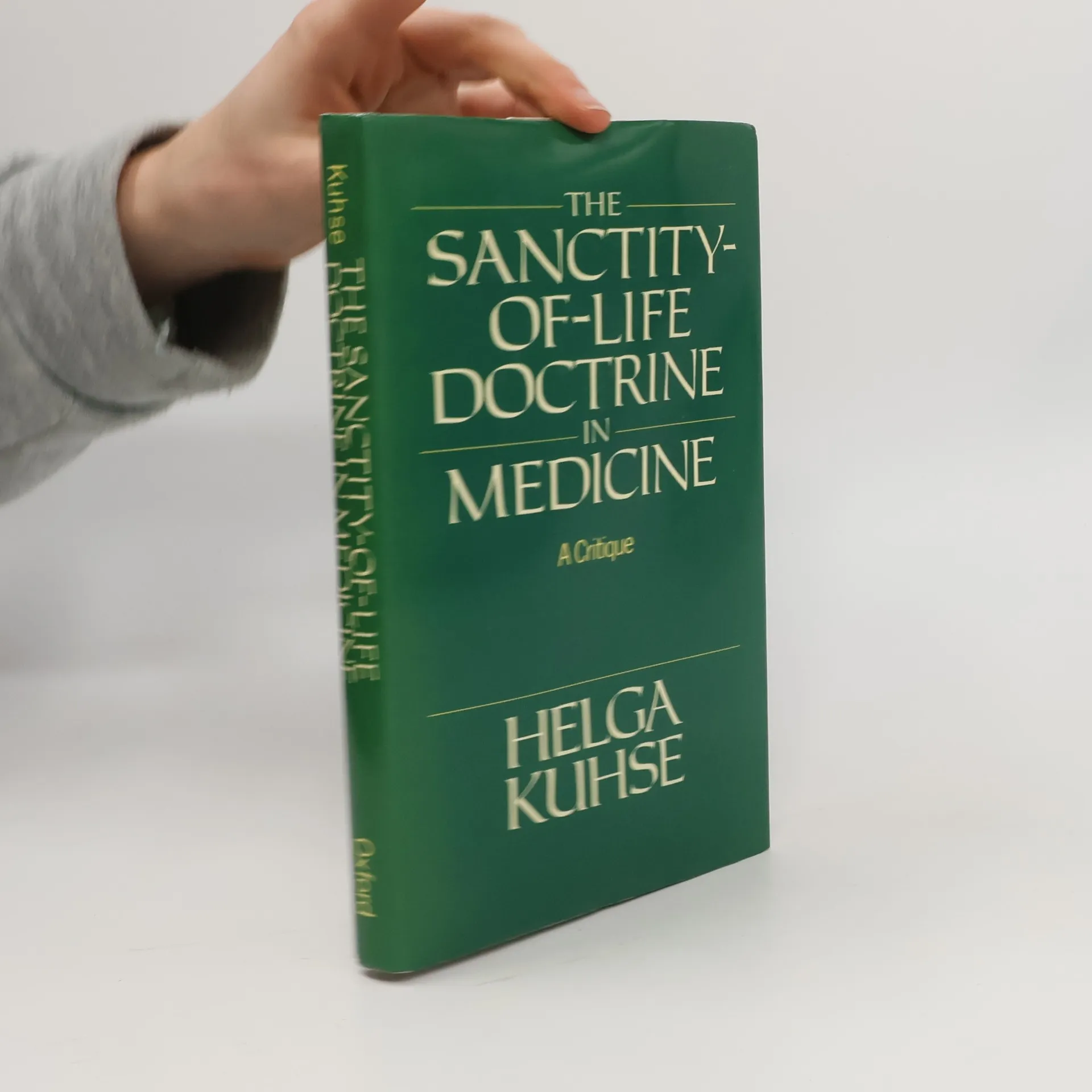
According to the sanctity-of-life view, all human lives are equally valuable and inviolable, and it would be wrong to base life-and-death medical decisions on the quality of the patient's life. Examining the ideas and assumptions behind the sanctity-of-life view, Kuhse argues against thetraditional view that allowing someone to die is morally different from killing, and shows that quality-of-life judgments are ubiquitous. Refuting the sanctity-of-life view, she provides a sketch of a quality-of-life ethics based on the belief that there is a profound difference between merelybeing alive and life being in the patient's interest.
Das Problem schwerstgeschädigter Neugeborener
Kuhse und Singer stellen in „Muß dieses Kind am Leben bleiben?“ die Frage, ob im Umgang mit schwerstgeschädigten Neugeborenen in jedem Fall alles getan werden muß, um dieses Leben zu erhalten, oder ob es auch Fälle geben kann, in denen es moralisch geboten ist, das Leben eines Neugeborenen nicht um jeden Preis und unter Einsatz aller Mittel der medizinischen Technik zu erhalten. - Und weiter: ob es in einem solchen Fall nicht humaner ist, dem Kind durch aktives Handeln zu einem schnellen und schmerzlosen Tod zu verhelfen, statt es einem langsamen und leidvollen Sterben zu überlassen.