Œuvres choisies
Poèmes et proses


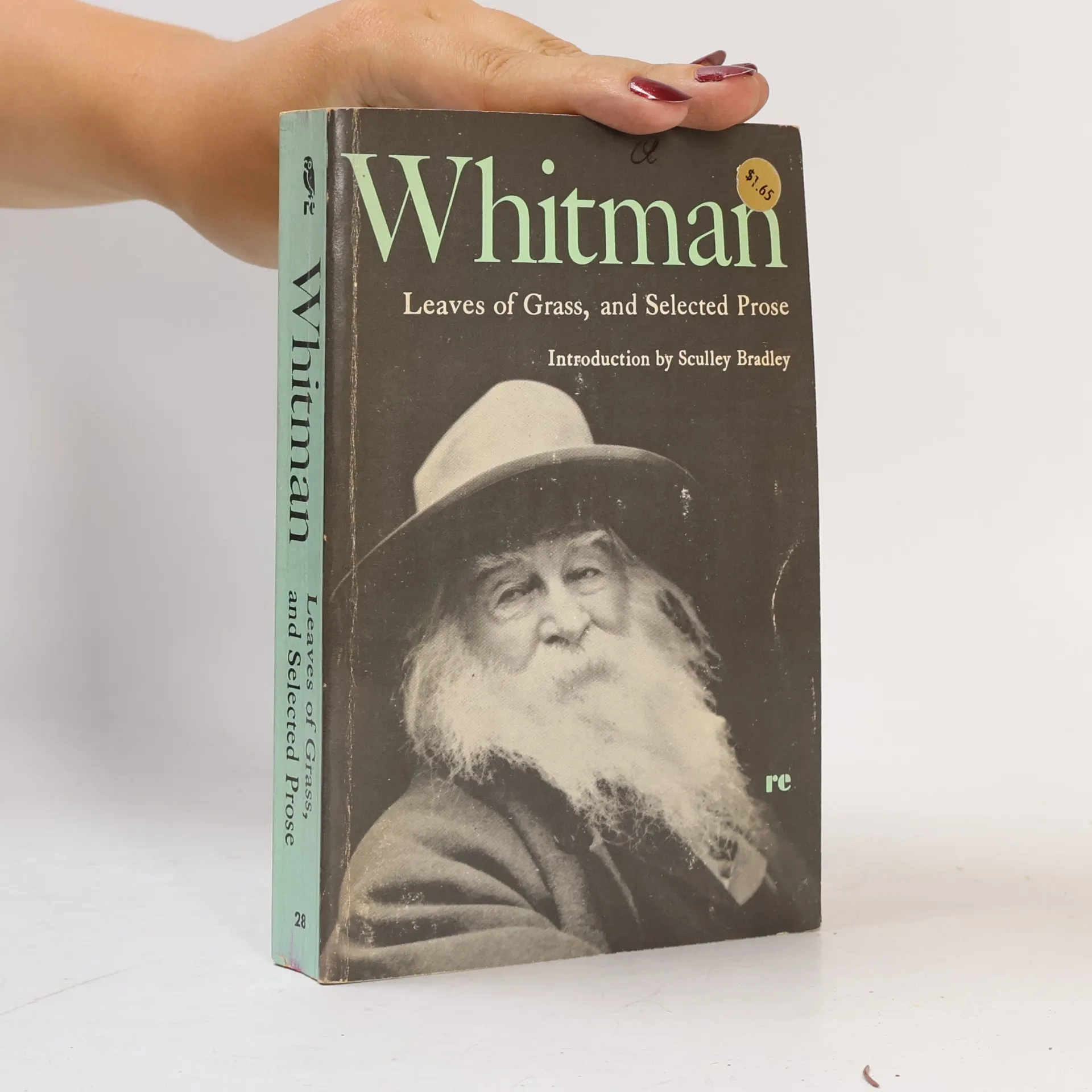
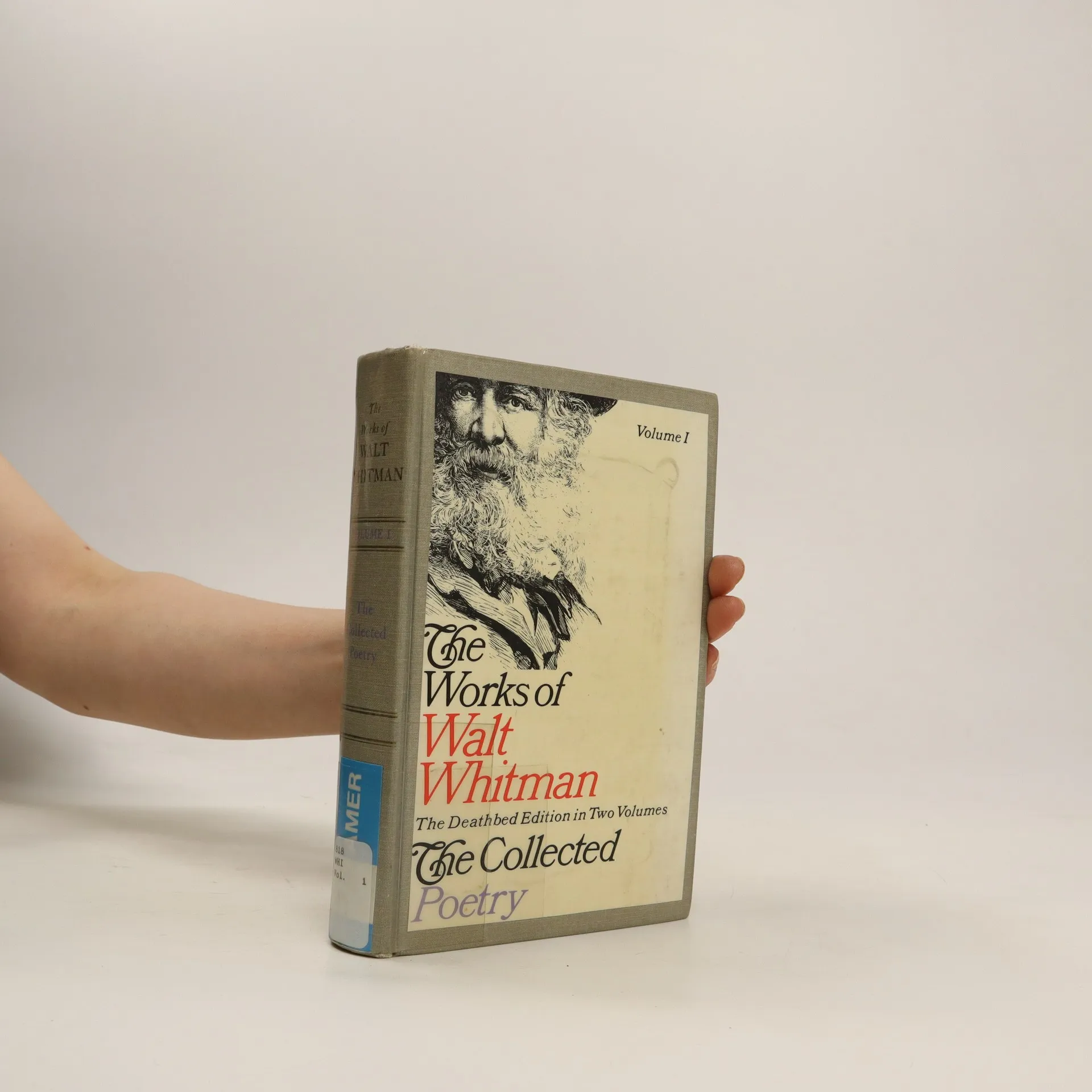
Walter Whitman, poète et essayiste américain, est devenu une figure centrale de la littérature américaine. Son œuvre, qui oscille entre transcendantalisme et réalisme, offre une célébration humaniste de l'humanité en vers libres expansifs, lui valant le titre de « père du vers libre ». Les expériences de Whitman en tant que journaliste, commis et infirmier pendant la guerre de Sécession ont profondément marqué son écriture, que les poètes pionniers ont louée pour sa voix unique et puissante. Son chef-d'œuvre est célébré comme un hymne à l'humanité, et son influence continue de résonner.




Poèmes et proses
This exploration delves into Whitman's journey of self-discovery, highlighting his profound and mystical connection with the world around him. The narrative reveals how his experiences shaped his identity and artistic expression, offering a deep understanding of his philosophical and poetic evolution.
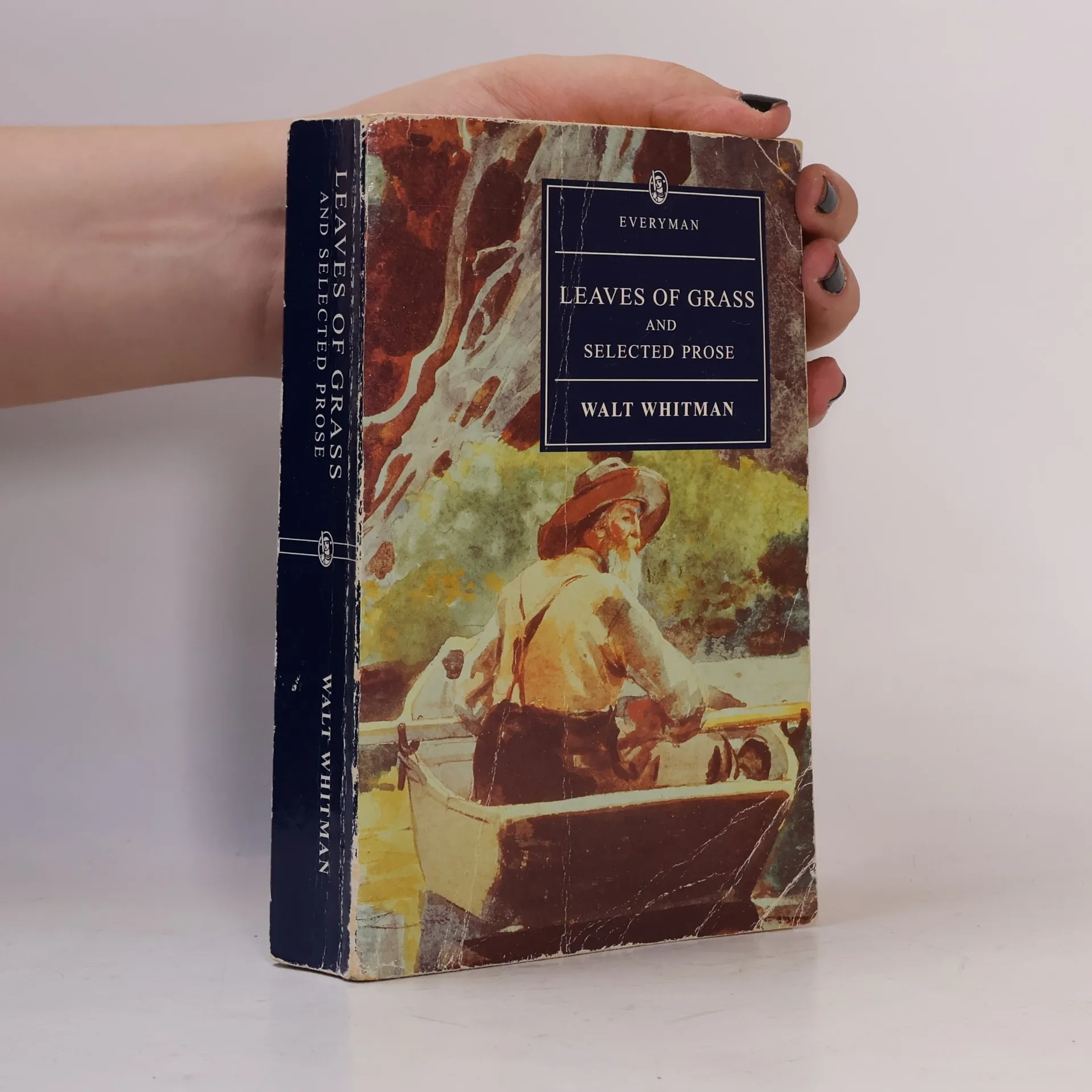
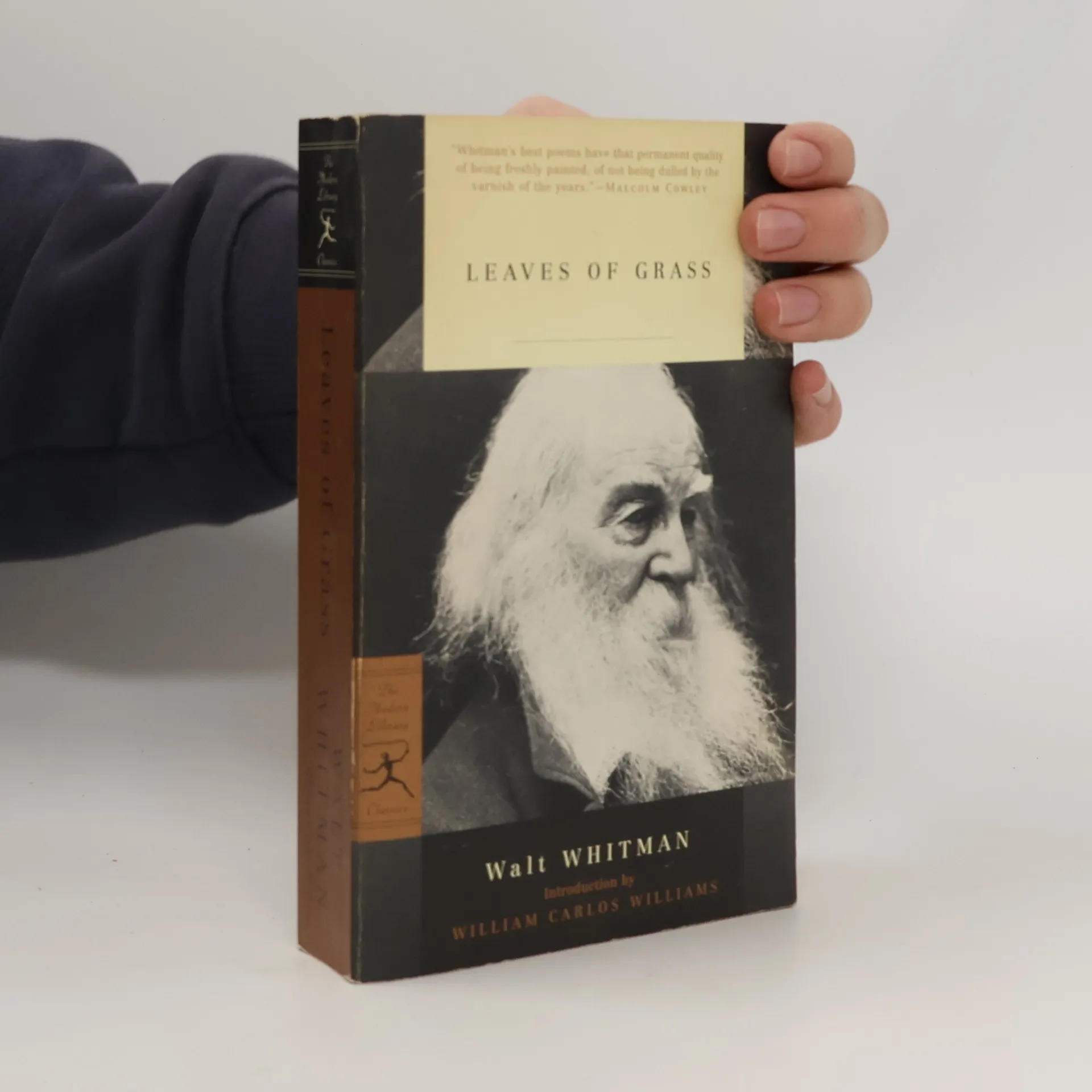
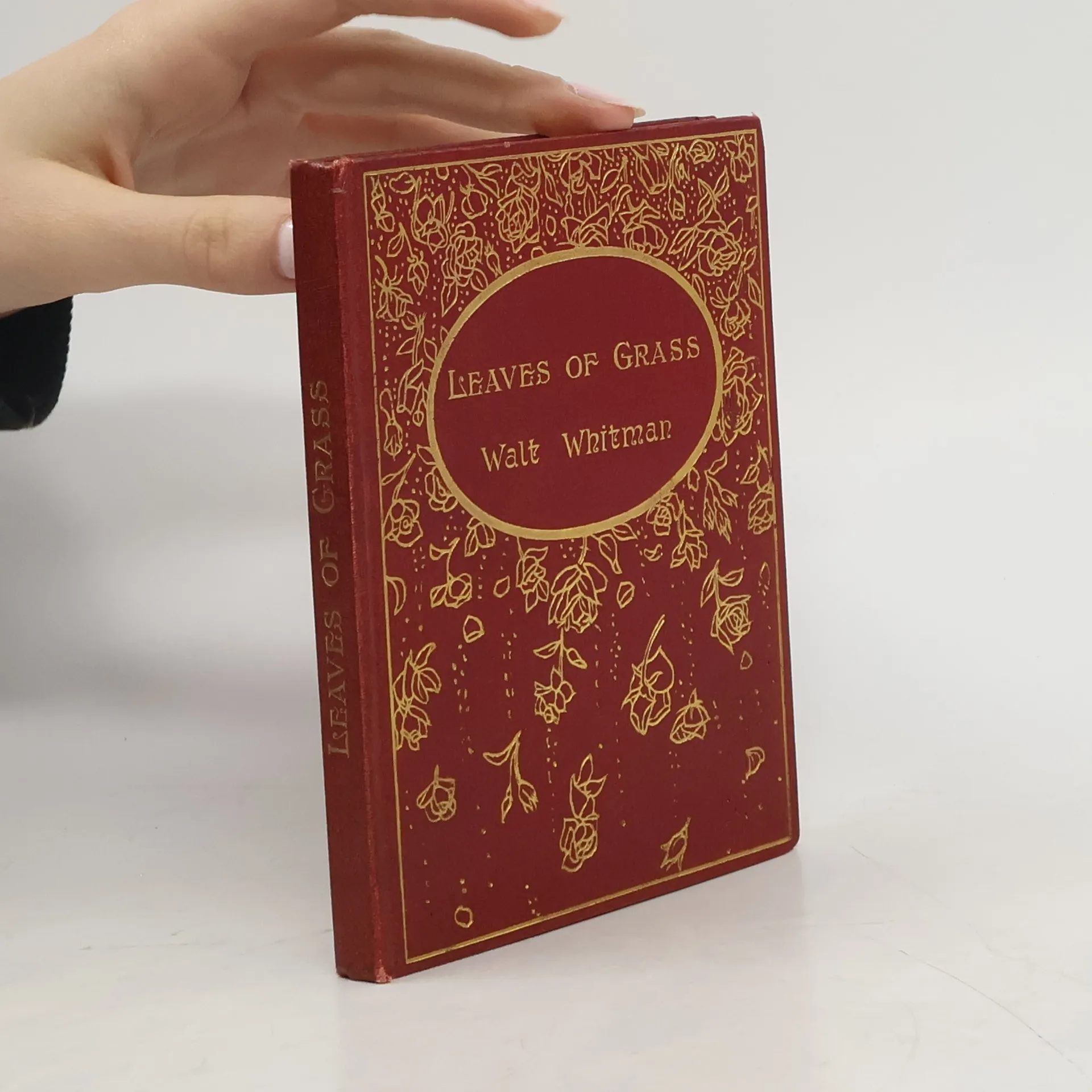
When Walt Whitman self-published Leaves of Grass in 1855 it was a slim volume of twelve poems and he was a journalist and poet from Long Island, little-known but full of ambition and poetic fire. To give a new voice to the new nation shaken by civil war, he spent his entire life revising and adding to the work, but his initial act of bravado in answering Ralph Waldo Emerson's call for a national poet has made Whitman the quintessential American writer. This rich cross-section of his work includes poems from throughout Whitman's lifetime as published on his deathbed edition of 1891 and other works.
I love thee with a love I seemed to lose With my lost saints-I love thee with the breath,Smiles, tears, of all my life!-und, if God choose,I shall but love thee better after death.Bloomsbury Poetry Classics are selections from the work of some of our greatest poets. Die Serie richtet sich eher an den allgemeinen Leser als an den Spezialisten und trägt keine kritischen oder erklärenden Geräte. Diese finden Sie anderswo. In der Serie stellen sich die Gedichte vor, auf einer übersichtlichen Seite und in einem Format, das sowohl attraktiv als auch praktisch ist. Die Auswahl wurde vom angesehenen Dichter, Kritiker und Biographen Ian Hamilton getroffen.
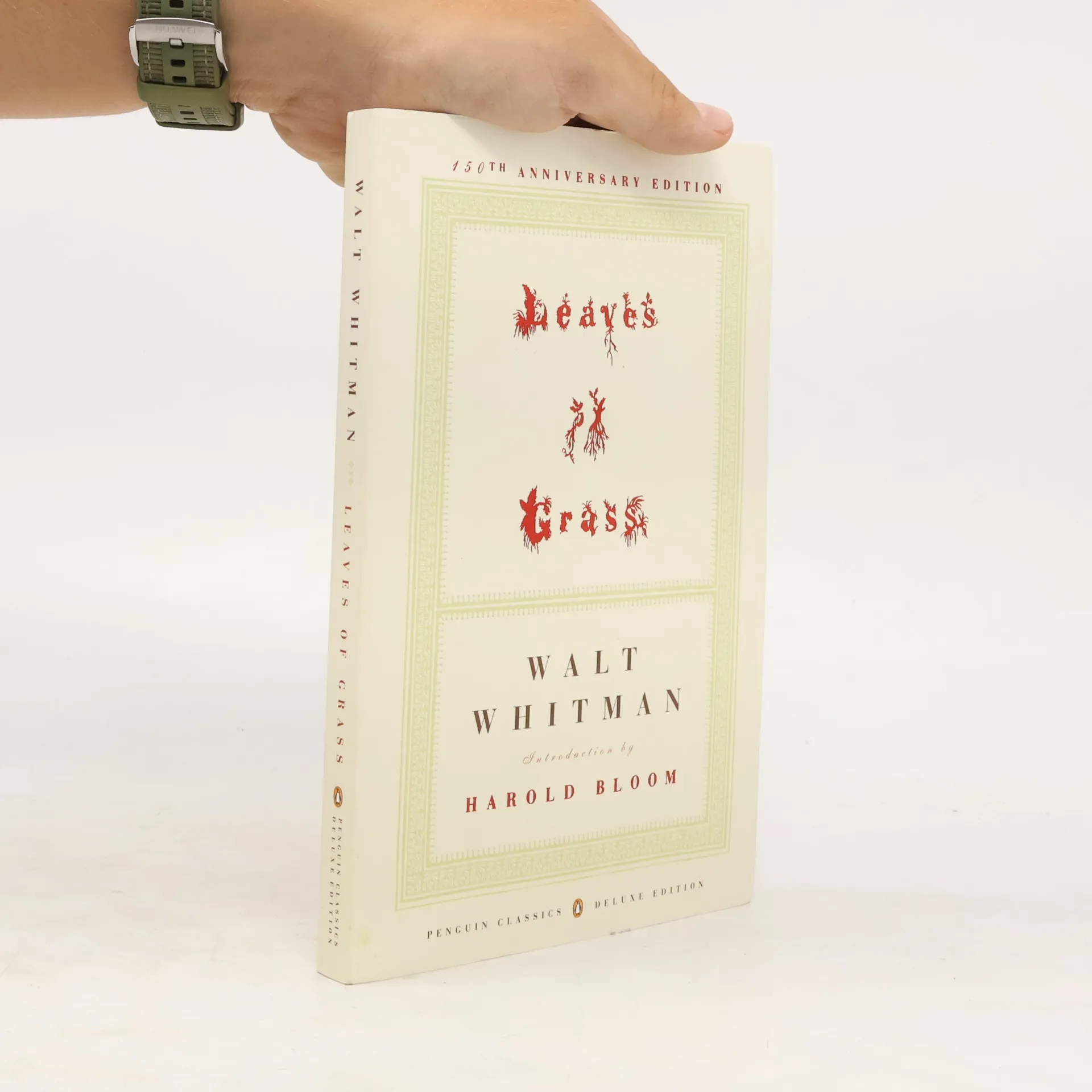
“I am large, I contain multitudes” A Penguin Classic When Walt Whitman self-published his Leaves of Grass in July 1855, he altered the course of literary history. One of the greatest masterpieces of American literature, it redefined the rules of poetry while describing the soul of the American character. Throughout his great career, Whitman continuously revised, expanded, and republished Leaves of Grass, but many critics believe that the book that matters most is the 1855 original. Penguin Classics proudly presents that text in its original and complete form, with an introductory essay by the writer and poet Malcolm Cowley. “I celebrate myself, and sing myself, And what I assume you shall assume, For every atom belonging to me as good belongs to you.” For more than seventy years, Penguin has been the leading publisher of classic literature in the English-speaking world. With more than 1,700 titles, Penguin Classics represents a global bookshelf of the best works throughout history and across genres and disciplines. Readers trust the series to provide authoritative texts enhanced by introductions and notes by distinguished scholars and contemporary authors, as well as up-to-date translations by award-winning translators.
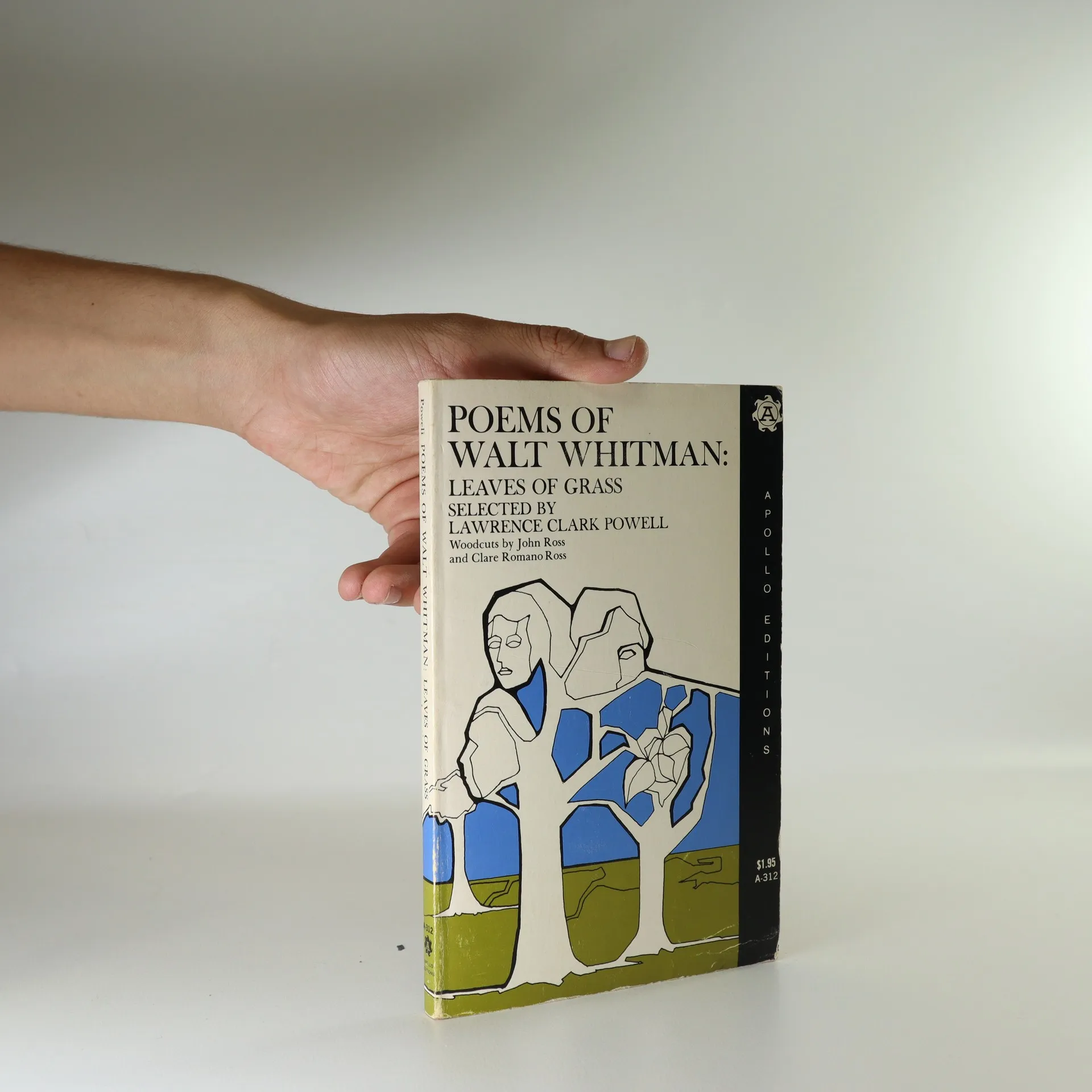
This collection contains the poetic works of Walt Whitman. These poems reflect the vitality of a new nation and the vastness of its lands. They combine autobiographical, sociological and religious themes but did not conform to previous genres.
Authoritative Texts, Other Poetry and Prose, Criticism
Presents a revision of the 1973 Norton Critical Edition of Walt Whitman's "Leaves of Grass," and includes the full text of the 1855 edition, as well as excerpts from two prose works, annotations, and commentary.
This is a collection of Whitman's sexually and emotionally daring poetry, which challenged his Victorian readers and is still as lively and potent today.
It appears that the provided text only contains the word "CONTENTS" without any further information or context about the book. Please provide a more detailed description or specific content from the book so I can assist you in summarizing it effectively.
Presents twenty-four poems from "Leaves of Grass," including "I Hear America Singing," "I Sing the Body Electric," and "O Captain! My Captain!"
Whitman threw down a challenge to the genteel readers of Tennyson's and Longfellow's work through poems of sexual and emotional daring. This book contains both text and commentary.
Presents the full text of the inspirational poem that had introduced the iconic poet to the world.
Though well-known to many Whitman scholars, Specimen Days is an underrated 'late' prose work which chronicles the life of one of the world's best loved and most influential poets.
Ahead of all poets, pioneering into the wilderness of unopened life. Whitman ... His wide, strange camp at the end of the great high-road. Donald Hall s selection of Whitman s verse contains all the essential poems. ' . . his extremely helpful introduction is both stimulating and thought-provoking and would certainly encourage a new reader. ... In general this is an excellent anthology; a poet himself, Mr Hall speaks with insight and enthusiasm of Whitman s art. Susan M. Cockcroft in the Journal of American Studies. 1979, 176 pages of poetry, 5 by 7 1/4"
This is probably the most notable of all regional books about New York and Long Island. It is the work of Walt Whitman, and its pages reveal the serious professional journalist, and not seldom the poet, writing brave things in prose.The editor comments in his introduction, "Whitman, though a native of the New York area, loved it and wrote of it with the zeal and zest usually found only in those from elsewhere who have made New York their chosen home." Indeed, he lived in the region for the first forty-two years of his life; successfuly edited newspapers in Brooklyn, Manhattan, and Long Island; and wrote for many years following. The articles collected in this volume by Henry M. Christman were conceived as a book by their author but appeared in a series entitled "Brooklyniana" that appeared in the Brooklyn Standard . All bear the impress of Whitman's humanity and show the breadth of his interest in "the great play of life and business going on around us."
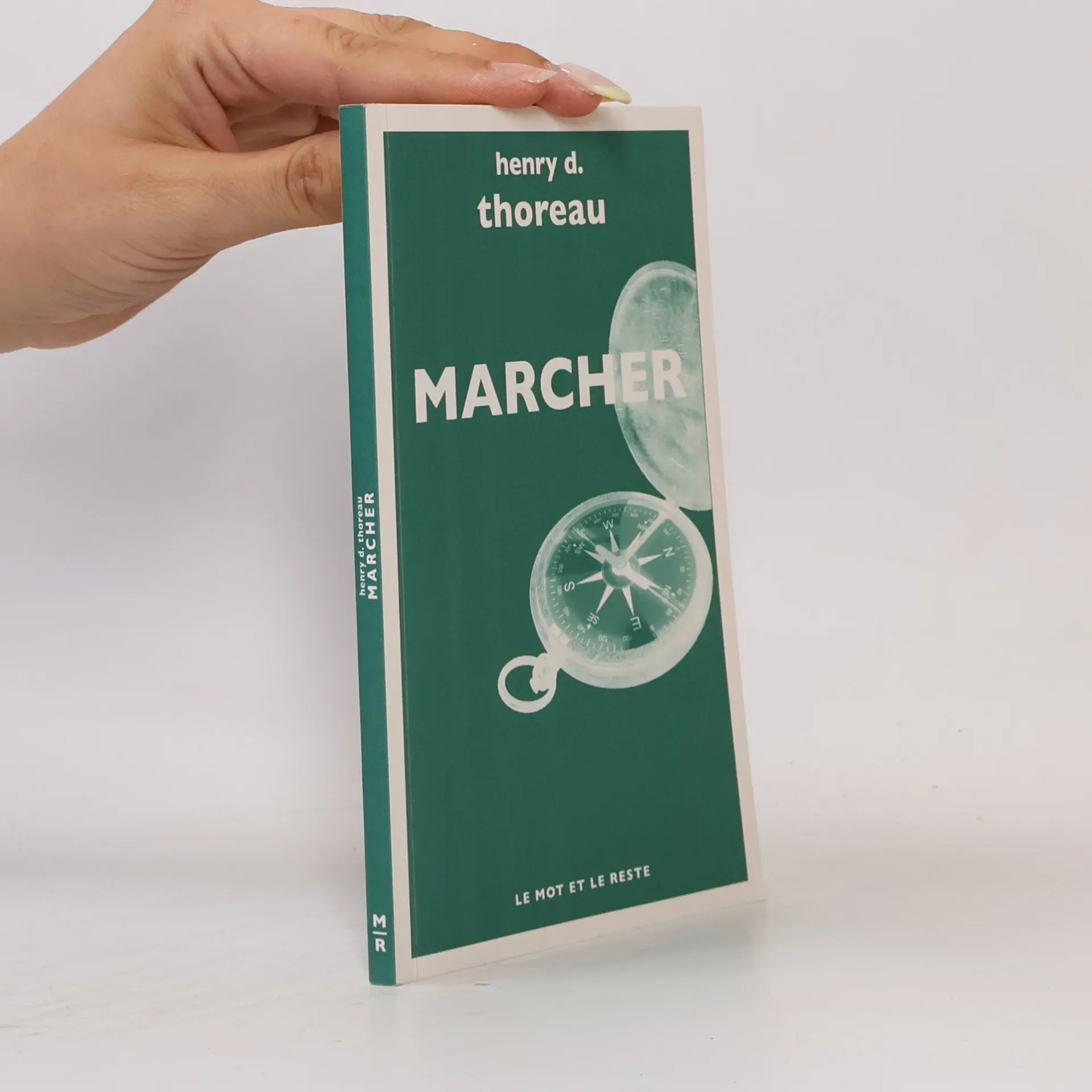
L'auteur plaide pour la valorisation de la Nature et de la vie sauvage, en opposition à une culture trop policée. Il propose de voir l'homme comme un élément de la nature plutôt que comme un membre de la société, affirmant le besoin d'une déclaration audacieuse, même exagérée, face à la multitude de défenseurs de la civilisation. Les éditions Le mot et le reste rendent accessibles les écrits de Henry D. Thoreau, grâce à un travail de réhabilitation de ses textes et à la publication en format de poche de ses essais. Après la publication inédite de l'intégralité de ses essais en 2007, suivie de la traduction de Walden en 2010 et d'une anthologie du Journal en 2014, chaque volume de cette nouvelle série sera enrichi d'un appareil critique par Michel Granger, spécialiste de Thoreau. Le premier ouvrage, Marcher, explore les deux facettes de cet écrivain : son amour pour la nature et sa critique de la société. Marcher devient ainsi un acte de liberté, une manière de se reconnecter à l'espace, d'échapper aux contraintes urbaines et de s'approprier le monde qui nous entoure.
'All nations, colors, barbarisms, civilizations, languages...' A selection taken from Walt Whitman's Leaves of Grass Introducing Little Black Classics: 80 books for Penguin's 80th birthday. Little Black Classics celebrate the huge range and diversity of Penguin Classics, with books from around the world and across many centuries. They take us from a balloon ride over Victorian London to a garden of blossom in Japan, from Tierra del Fuego to 16th century California and the Russian steppe. Here are stories lyrical and savage; poems epic and intimate; essays satirical and inspirational; and ideas that have shaped the lives of millions. Walt Whitman (1819-1892). Whitman's works available in Penguin Classics are Leaves of Grass and The Complete Poems.
Foglie d´erba
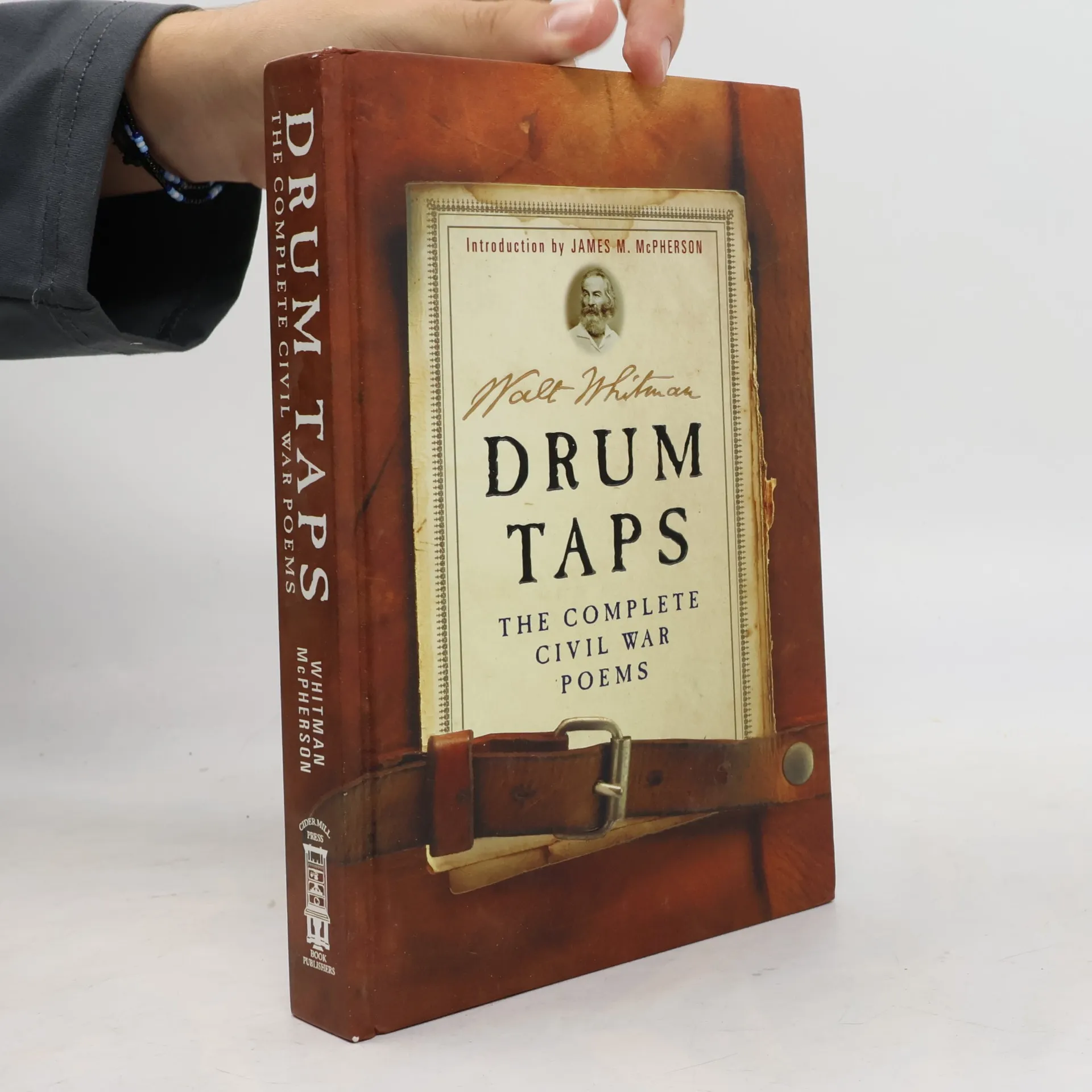
A stunning and elegant 150th Anniversary Edition of Whitman's celebrated Civil War poems, accompanied by moving photographs and artwork shedding new light on this tragic but significant chapter in American history. Drum Taps is the complete Civil War poem collection by Walt Whitman, including the celebrated Oh, Captain, My Captain! , and augmented with Whitman's essays from the period on subjects such as Secession, Abraham Lincoln, working in the Civil War hospitals, and the assassination of the president. For the first time ever, each poem is set on a single page, and augmented with stunning artwork from the period: bright, rich, full-color engravings from Currier & Ives; the brooding and detailed photography of Alexander Gardner and Matthew Brady; watercolors from the battfield by Winslow Homer and other famous artists; and classic photographs and art from America’s richest collections, including the Library of Congress, the National Gallery, the George Eastman House, and many other collections. With gorgeous, old-fashioned hot type, beautifully restored period artwork, and an authoritative introduction by Civil War historian and Pulitzer Prize-winner James McPherson, this is the richest edition of these moving and thoughtful poems by America’s greatest poet ever published.
This book is a reproduction of a historical work, produced by the publishing house Megali, which focuses on large print editions to enhance accessibility for readers with impaired vision. The initiative highlights a commitment to making literary heritage available to a broader audience, ensuring that important texts remain accessible and enjoyable for everyone.
Walt Whitman, an influential American poet and journalist, played a pivotal role in the evolution of poetry, bridging transcendentalism and realism. Known as the father of free verse, his celebrated collection, Leaves of Grass, sparked controversy due to its bold sensuality. Alongside his literary contributions, Whitman's life faced public scrutiny, particularly regarding his sexuality. His works continue to resonate, reflecting his humanist ideals and challenging societal norms of his time.
This book is a reproduction of a historical work, published by Megali, a company dedicated to making literature accessible for individuals with impaired vision through large print editions. The focus on readability ensures that important historical texts can be enjoyed by a wider audience, preserving the original content while enhancing accessibility.
This work is a reproduction of a historical text, presented in large print to enhance accessibility for individuals with impaired vision. Megali, the publishing house behind this edition, focuses on making significant historical works more readable, ensuring that a broader audience can engage with important literature.
The first edition of "Leaves of Grass" was published by Whitman in 1855, featuring twelve untitled poems. Over the decades, he revised and expanded it into a celebration of nature, love, friendship, and the New World. Ralph Waldo Emerson praised it as America's most extraordinary work of wisdom and wit.
Walt Whitman's long-forgotten poetry cycle explores love between men and the connections between humans and nature. This bilingual edition marks its first appearance in book form. "The idea of presenting this work as a unit is just great." (Walter Grünzweig)
"AMERIKA" reflects on the acceptance of the past, acknowledging its influences from politics, caste systems, and old religions. It teaches the lesson of patience, recognizing that remnants of past opinions and literature still linger as life evolves into new forms.
Provides the text of Whitman's famous collection of poetry, in addition to four selected prose works and some critical commentary
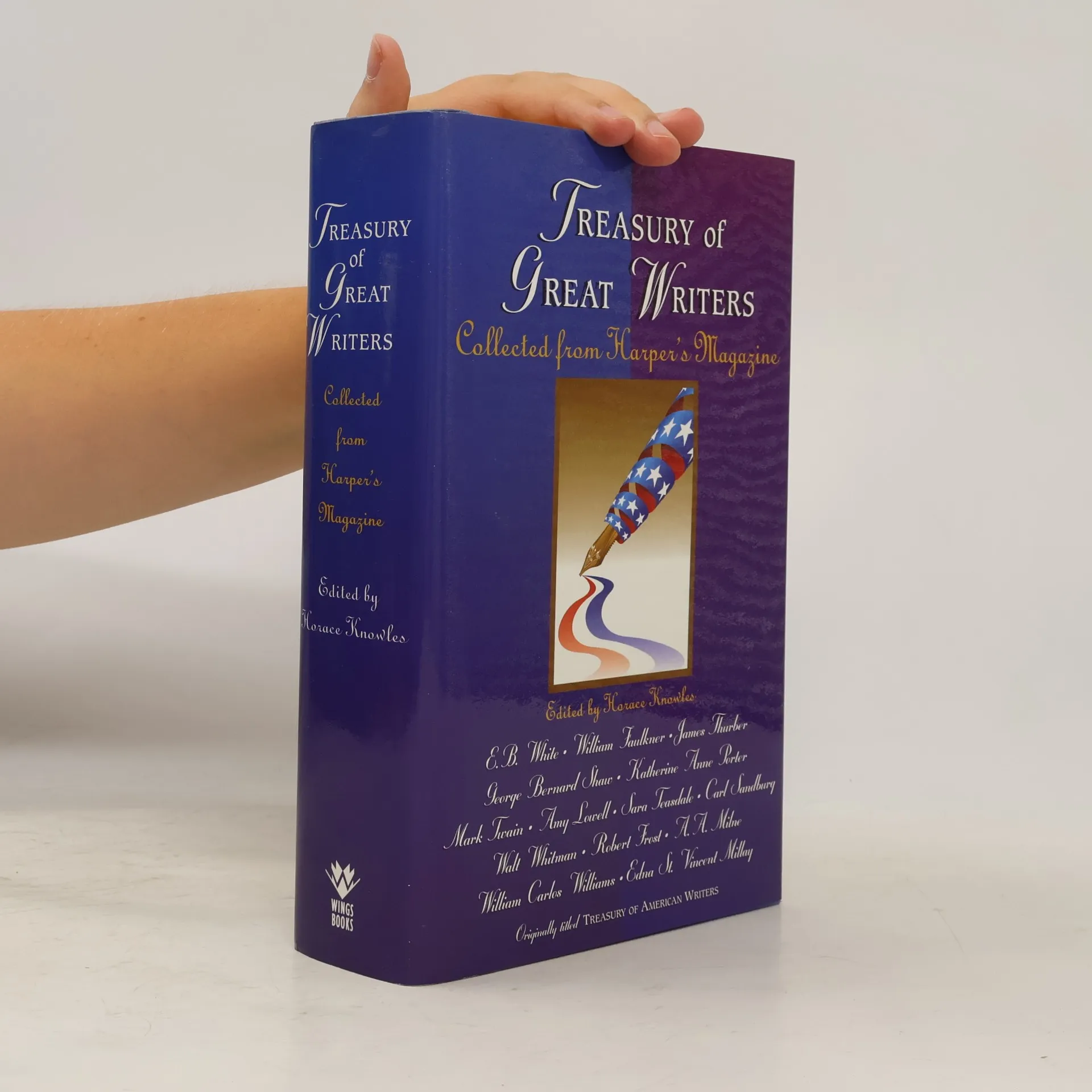
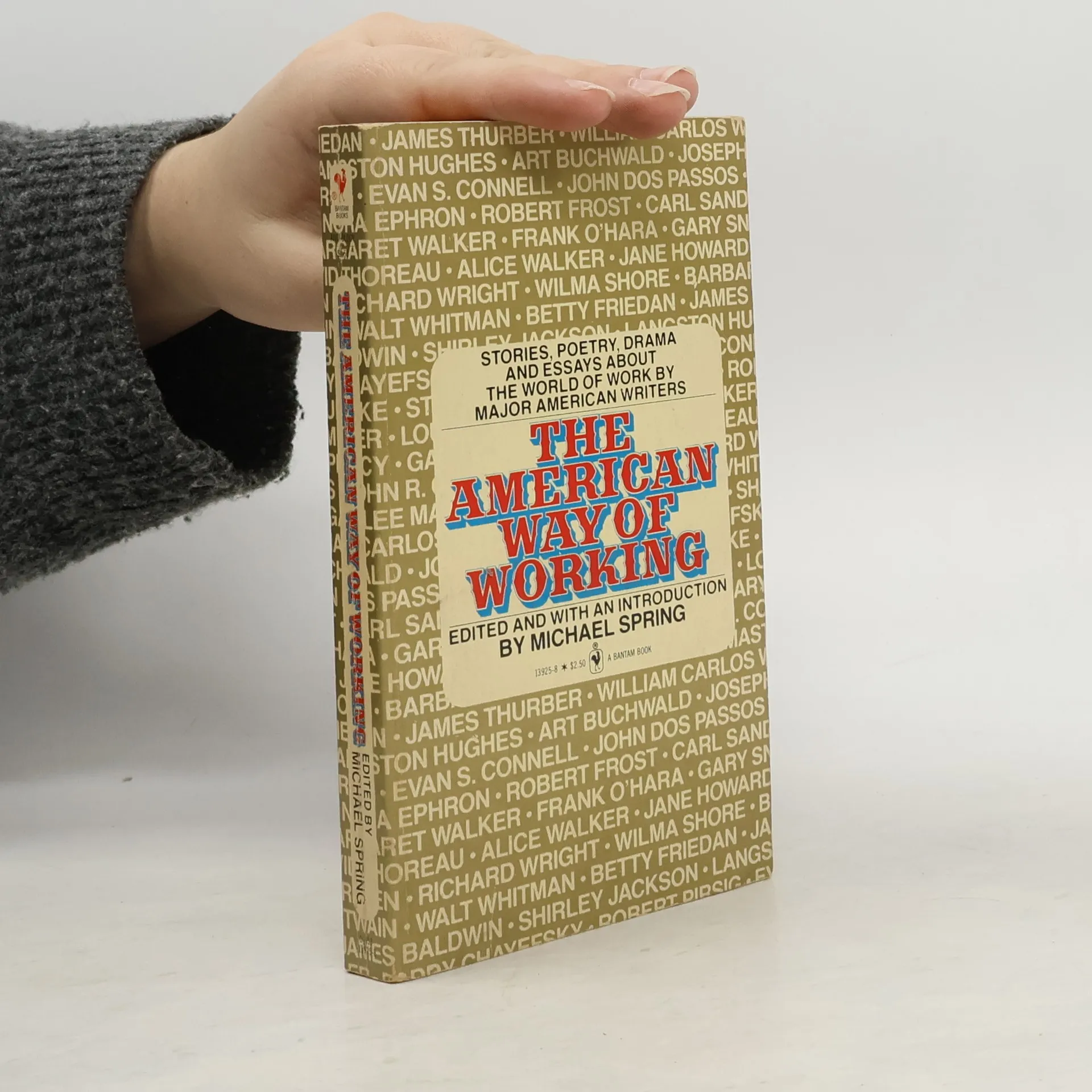
A diverse collection of essays by famous writers is culled from the pages of Harper's Magazine, and includes William Faulkner on integration, John Kenneth Galbraith on the Wall Street crash, and James Thurber on women.
The First (1855) Edition - Deluxe Edition
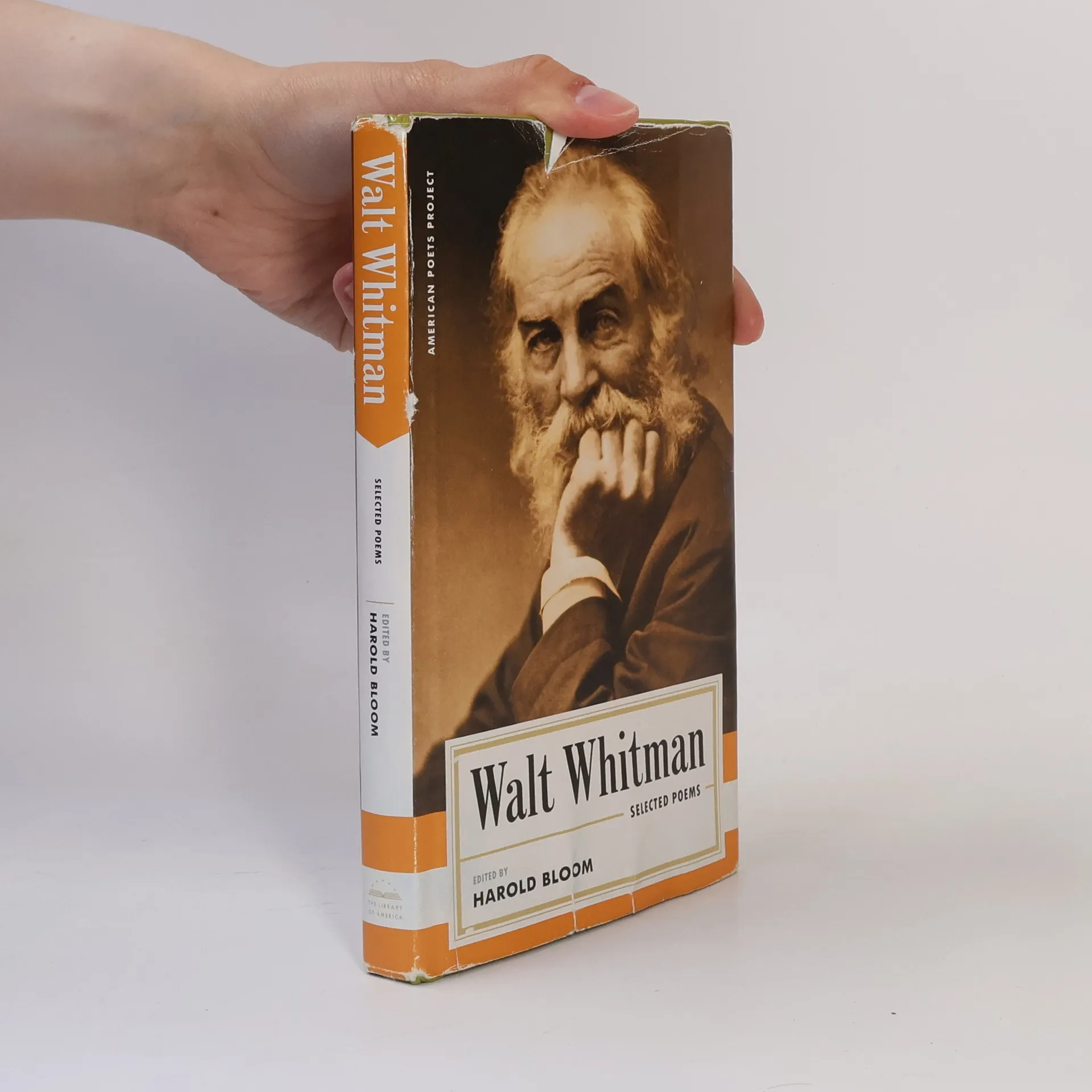
Harold Bloom, author of "The Western Canon" and one of the world's most renowned literary critics, surveys Walt Whitman's vast poetic work, from early notebook fragments of "Song of Myself" to the late poems of "Good-bye My Fancy."
Presents Whitman's classic poem celebrating himself and the American experience.
A Collection of Writings from Henry David Thoreau to Joseph Heller
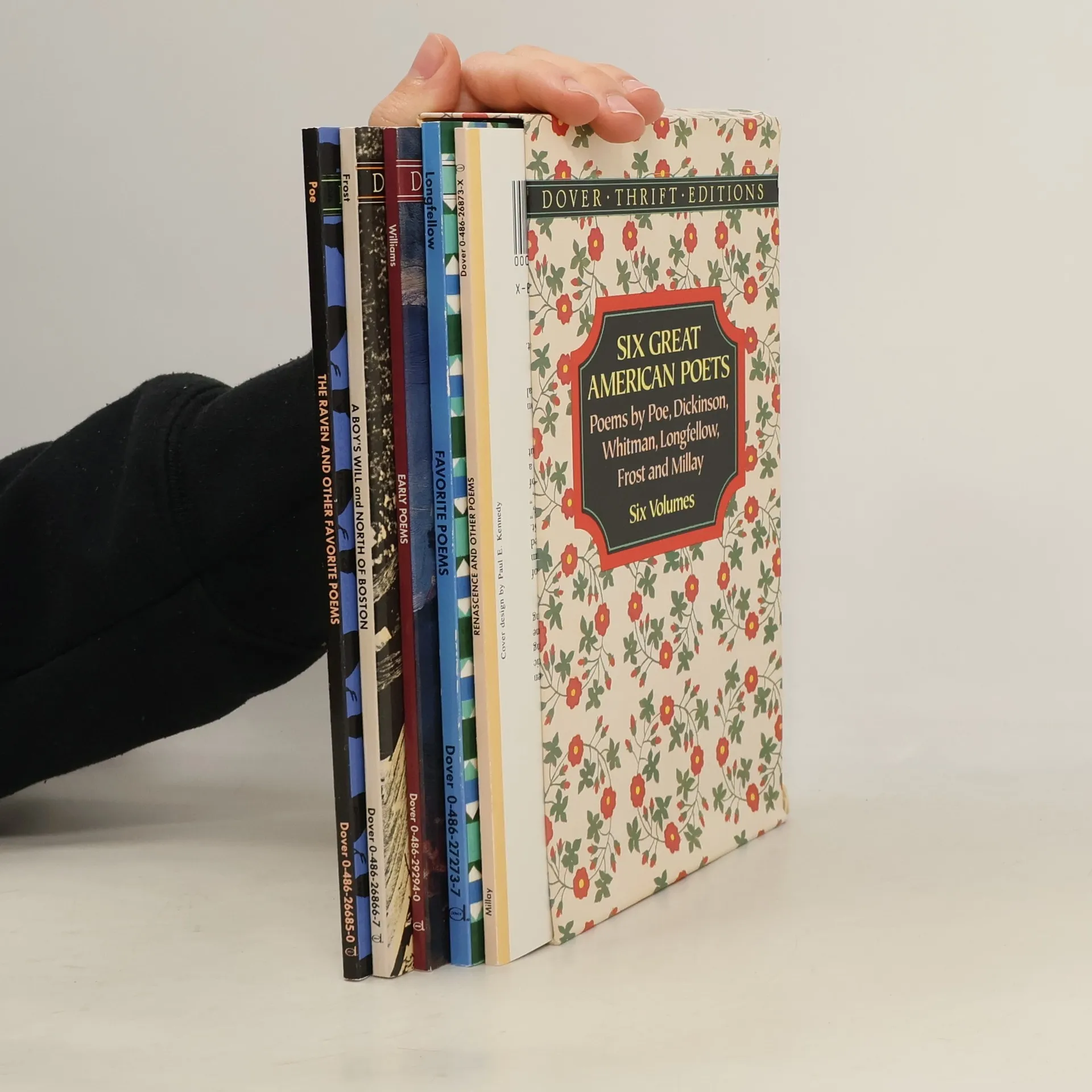
The works of 6 great American poets are represented in this attractive box set. Included are Poe's The Raven and Other Favorite Poems, Dickinson's Selected Poems, Whitman's Selected Poems , Frost's A Boy’s Will and North of Boston, Longfellow's Favorite Poems and Millay's Renascence and Other Poems . A wonderful gift for any lover of poetry.
The book is a reproduction of a historical work, produced by Megali, a publishing house dedicated to making literature accessible for individuals with impaired vision through large print editions. This initiative emphasizes inclusivity and the importance of preserving historical texts for wider audiences.
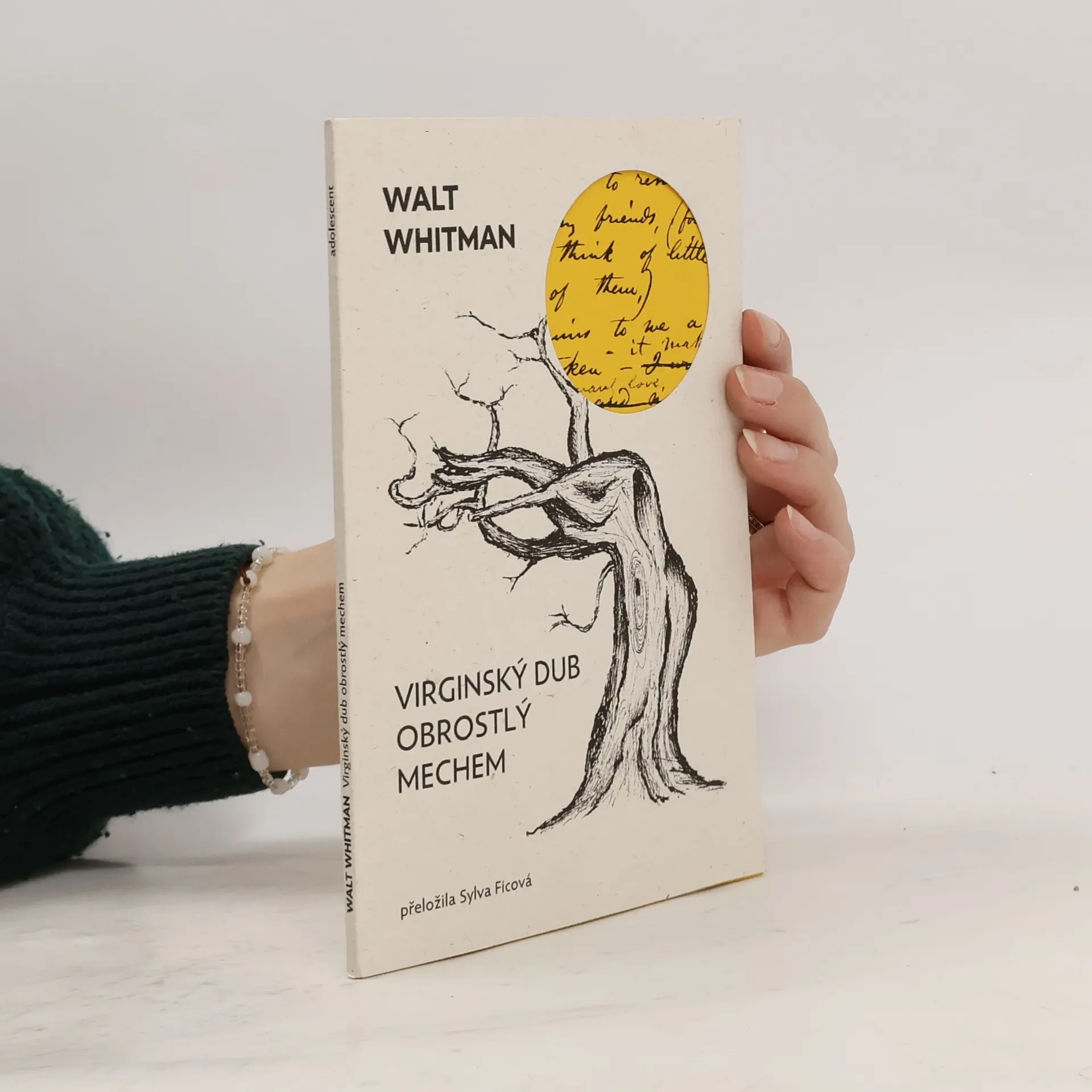
Cyklus dvanácti básní Walta Whitmana nazvaný Virginský dub obrostlý mechem vychází v původní podobě poprvé. Přeložila Sylva Ficová.
Ein berührendes, erregendes Buch, das uns spüren lässt, was es heißt, lebendig zu sein »Specimen Days«, »Besondere Tage« nannte Walt Whitman seine Sammlung autobiographischer Texte. Ihr Herzstück sind seine Erlebnisse während des Amerikanischen Bürgerkriegs. Drei Jahre lang zieht Whitman durch die Lazarette Washingtons, lauscht den Erzählungen der Verwundeten, ihren Hoffnungen und Ängsten, und gibt seelischen Zuspruch – ein erschütterndes Zeugnis jener Seite des Krieges, die nicht in die Geschichtsbücher Eingang findet. Dazu gesellen sich Erinnerungen an die Kindheit und Naturbeschreibungen. Der Duft von Heu, das sanfte Gebrumm der Hummeln, die Luftsprünge der Schwalben, die letzten Strahlen der untergehenden Sonne über dem Teich: eine Quelle des Friedens und des Glücks, worin die menschliche Existenz eingebettet erscheint. Mit einem Essay von Rainer Wieland.
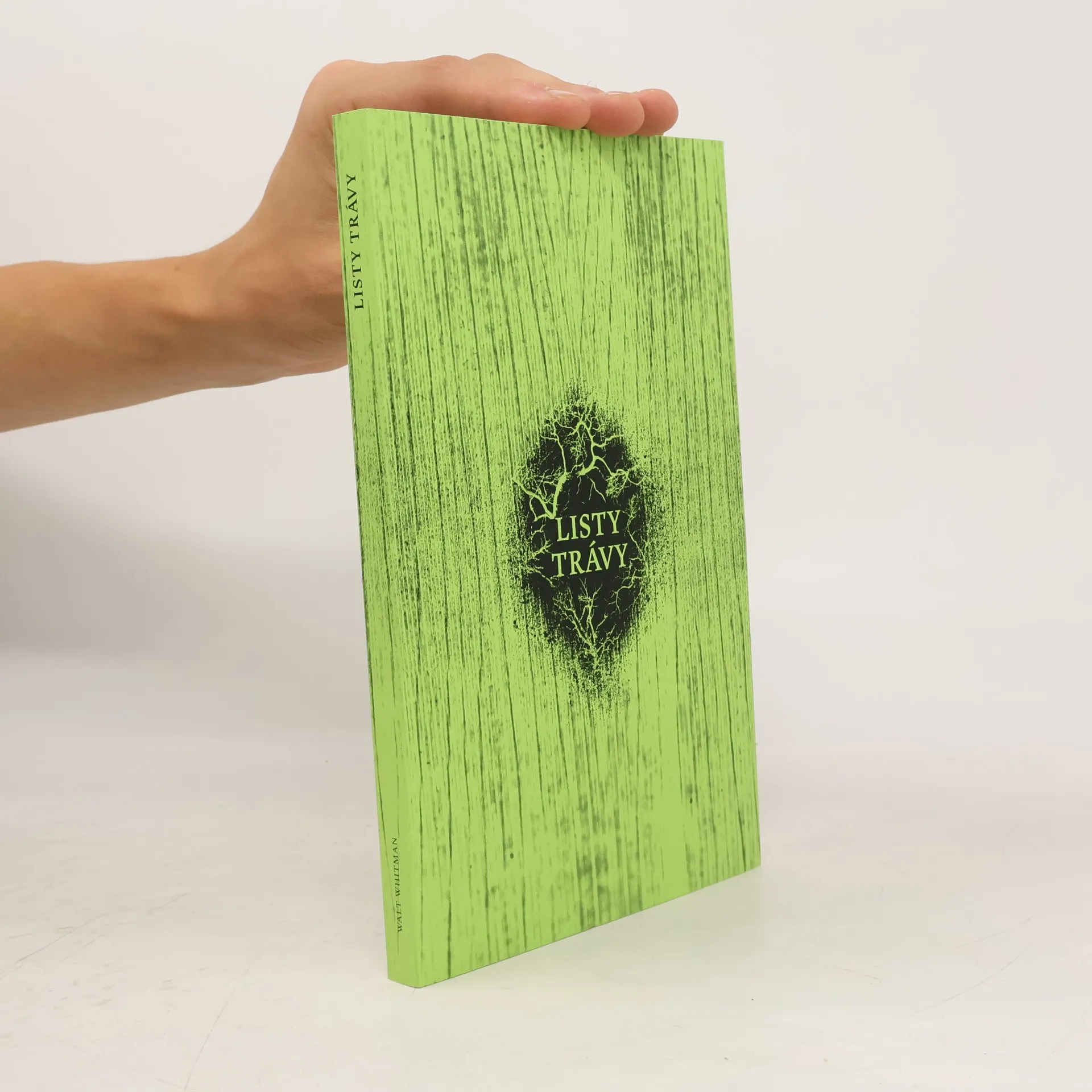
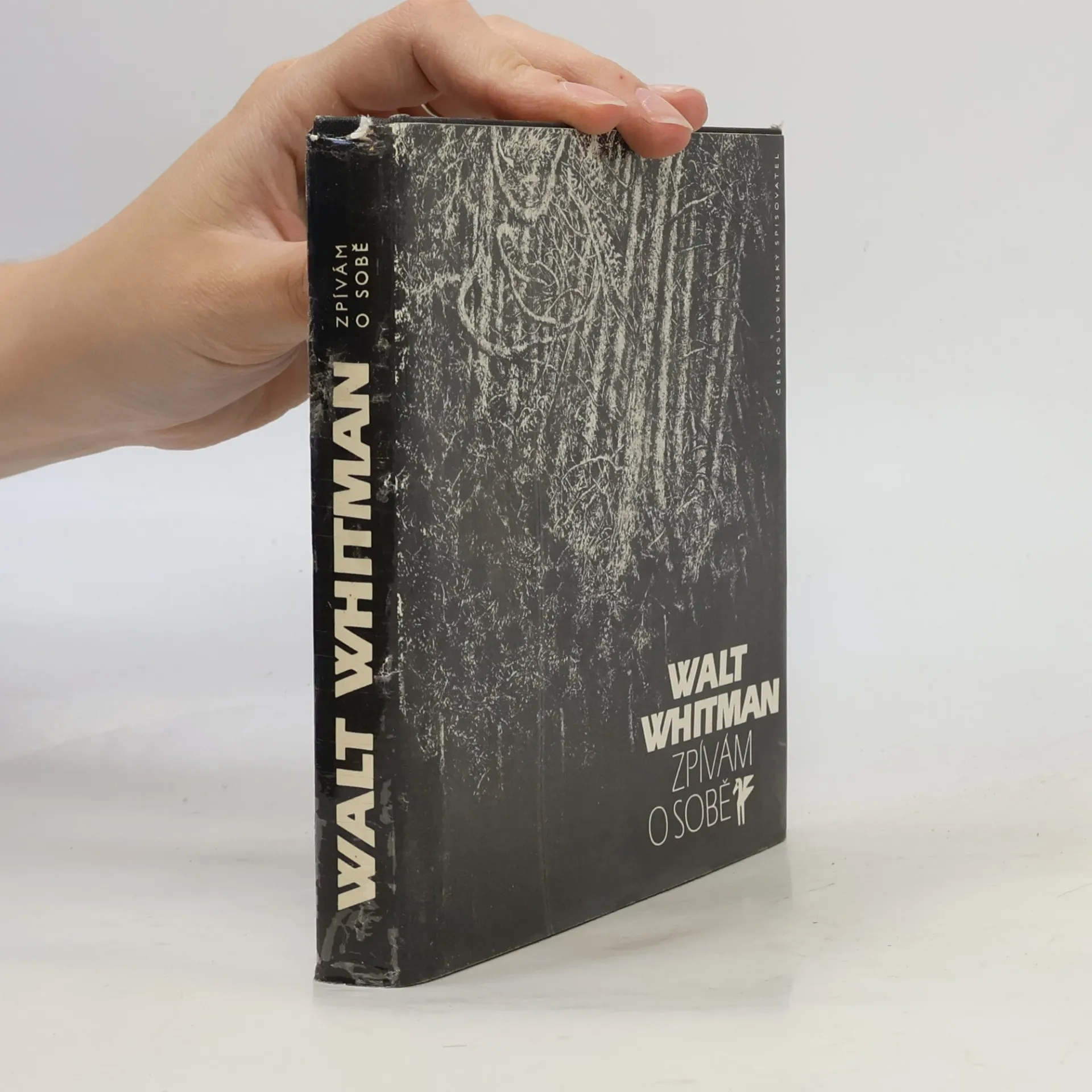
Kniha Listy trávy je první český překlad původního vydání Leaves of Grass (1855) Walta Whitmana. Obsahuje i pasáže, které v pozdějších vydáních sám básník vyškrtal nebo poupravil. Vůbec poprvé si tu český čtenář může přečíst i Whitmanovu rozsáhlou předmluvu, proslulý a vlivný poetický manifest. Samotnou básnickou sumu otevírá rozsáhlá skladba ve vydání poslední ruky pojmenovaná jako Zpěv o mně (Song of Myself), nejpoetičtější, nejpropracovanější a zároveň nejaktuálnější text Listů trávy. Následuje jedenáct dalších skladeb. Silně humanistický a všeobjímající Whitmanův étos vstupuje v době narůstající xenofobie do nových souvislostí. Současný překlad amerikanisty a písňového folkloristy Ondřeje Skovajsy a spisovatelky a muzikantky Hany Lundiakové hledá adekvátní protějšek k Whitmanovu hlasu. Snaží se zachytit lahodnost svobody a rozkoš existence. Dnes už netřeba cenzurovat spermaticky uvolněné Whitmanovy zpěvy a živelný křik, je třeba je spíše zdůraznit. Jako horizont, odkud jsme vyšli a kam směřujeme.
Nový výbor z jediné, ale rozsáhlé Whitmanovy sbírky (396 básní), kterou autor postupně vydal v sedmi edicích, přičemž do každé z nich byly přidány další nové básně. Básně v tomto výboru byly přeloženy z Complete Poetry & Selected Prose and Letters.
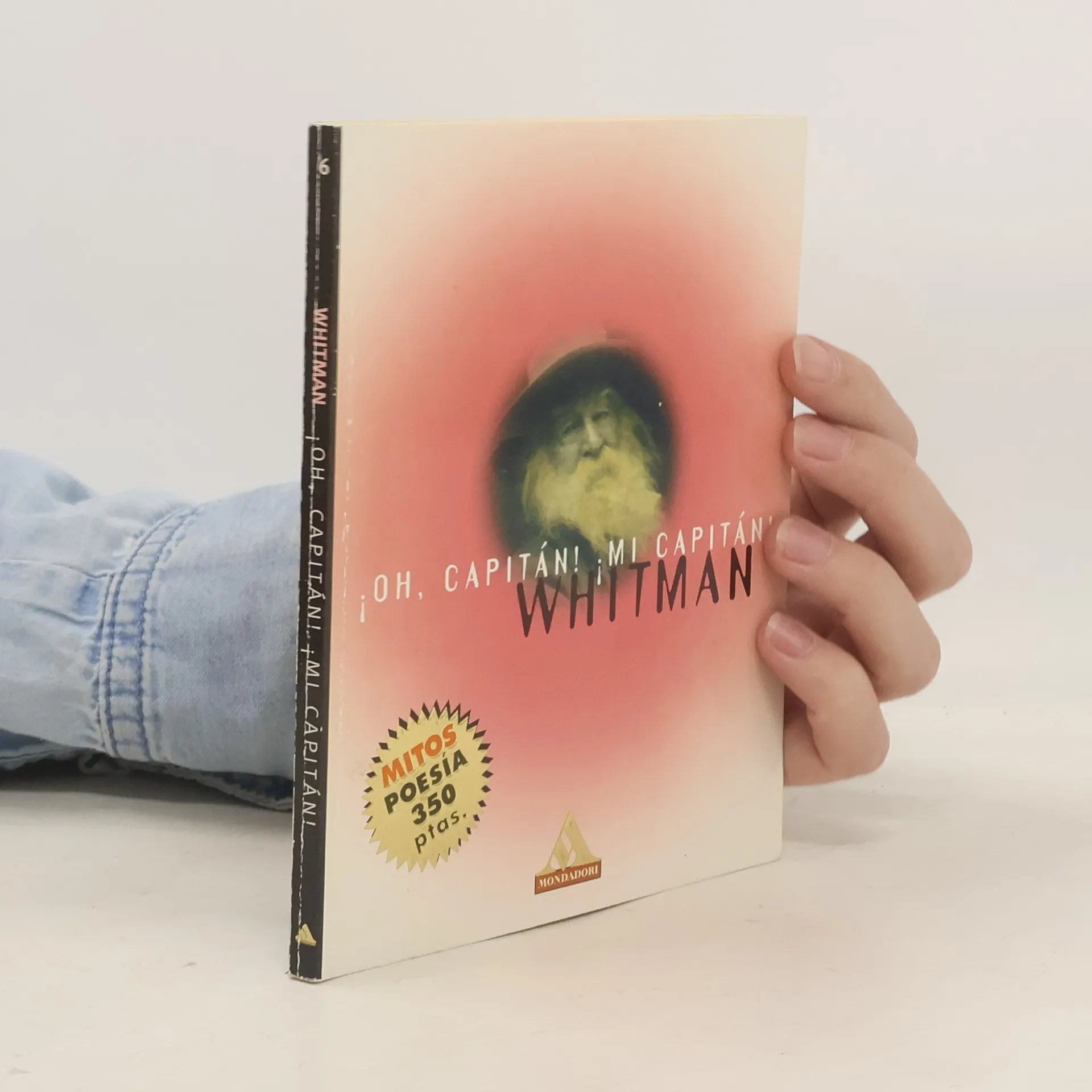
En las páginas de esta colección que contiene poesías de este gran escritor el lector puede paladear y saborear sus versos como un vino viejo, llenos de aromas y de recuerdos. La poesía viva de Whitman es como un rayo que te atraviesa el ser que la lee y deja de ser el mismo, llega tan adentro que genera un impulso al lector, trasmite energía. Agrada el comienzo de este libro con versos como Canto el yo que refleja la personalidad del escritor. El poeta se refiere temas políticos en gran parte de su obra, denunciando la extensión de la esclavitud, dedicando cantos y poemas a personalidades como Abraham Lincoln en su poema que es el título de este libro ¡Oh, capitán! ¡Mi capitán!. Otro momento singular de este libro es el bello poema Canto a mi mismo, donde se refleja la utilización de la persona narrativa del autor, el cual se vislumbra como el poeta común sensibilizado y comprometido con la sociedad. Resulta acogedora la lectura de este libro, maravilla de la poesía, que arrastra a los lectores a hacer de Whitman un poeta de cabecera.
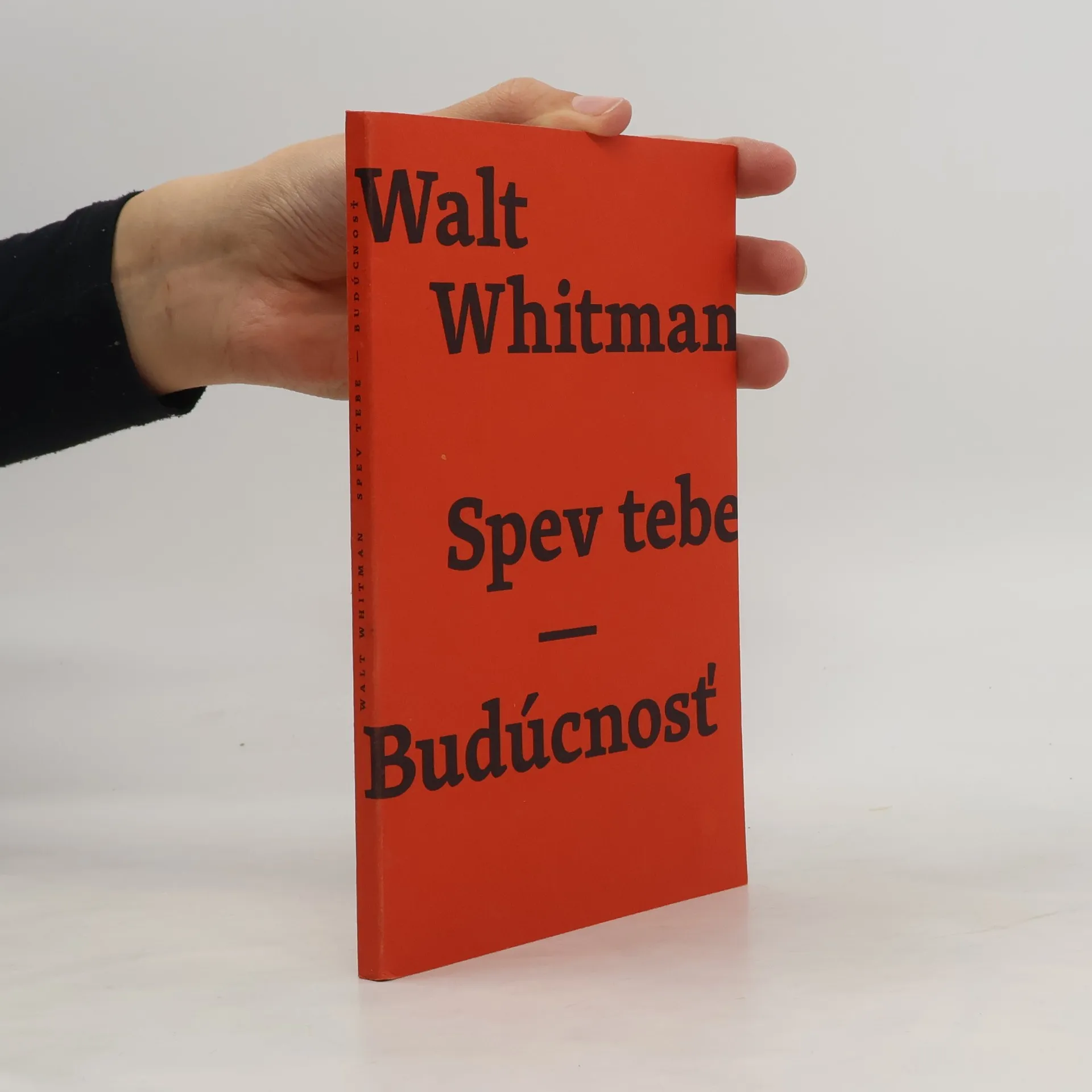
U příležitosti stodesátého výročí básníkova úmrtí představuje Mirek Kovářík Walta Whitmana jako básníka po výtce erotického.
Incluye:Hojas de hierba,Días cruciales en América
Walter Whitman gilt als einer der bedeutendsten amerikanischen Lyriker des 19. Jahrhunderts, dessen Hauptwerk "Grashalme" einen tiefgreifenden Einfluss auf die amerikanische Lyrik hatte. In diesem Werk nutzt er überwiegend freie Verse, um seine Gedanken und Gefühle auszudrücken. Die Edition gehört zur Reihe der Werke der Weltliteratur und hebt die zeitlose Relevanz von Whitmans Poesie hervor.
Gesamtausgabe
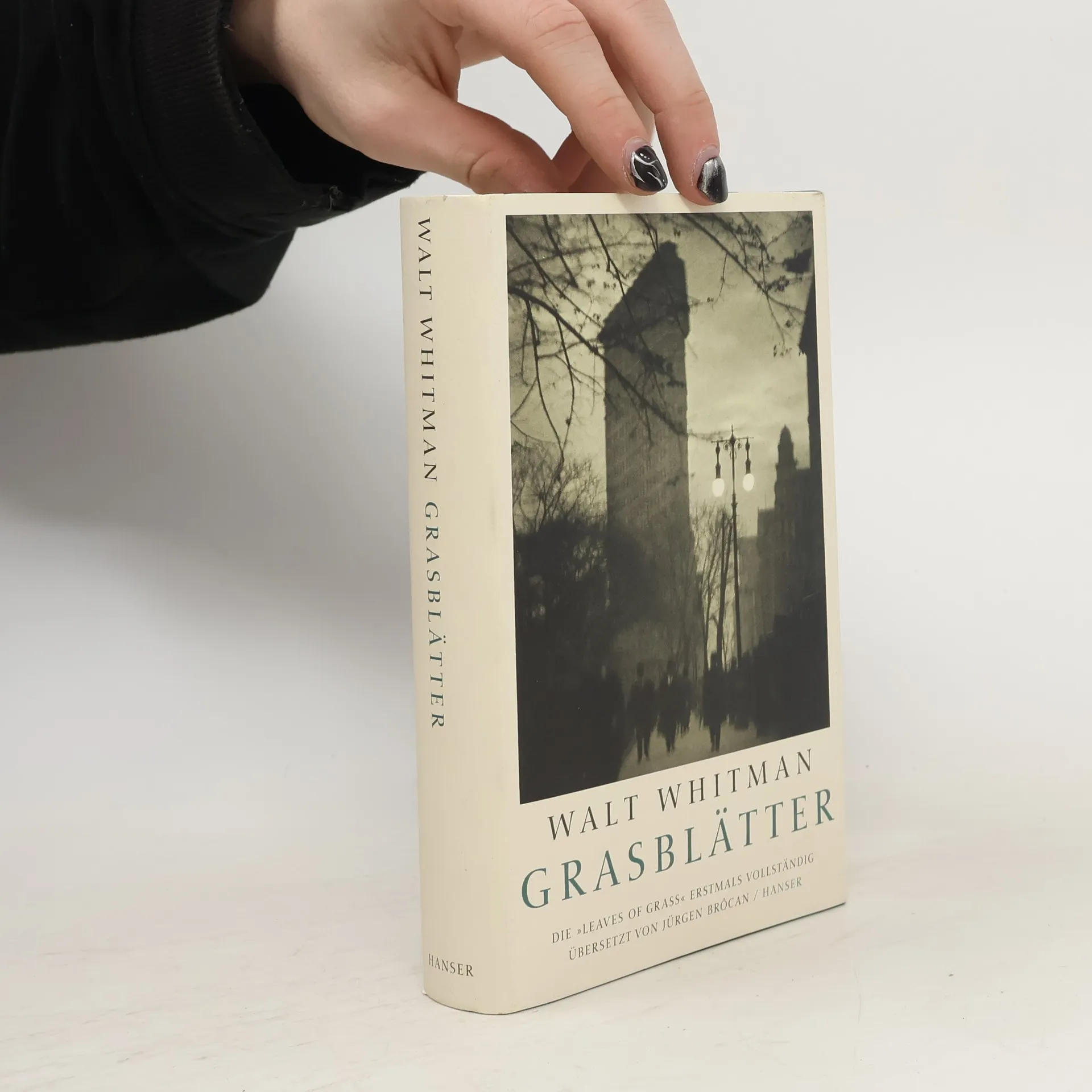
"Er ist Amerika", sagte Ezra Pound über den Dichter Walt Whitman. In seinen "Grasblättern" besingt er den Aufbruch der USA nach dem Bürgerkrieg. Der Lyriker Jürgen Brôcan hat dieses zentrale Werk der amerikanischen Literatur mehr als ein Jahrhundert nach Erscheinen erstmals vollständig auf Deutsch übersetzt und mit einem Nachwort und einem ausführlichen Kommentar versehen. Im Schmelztiegel seiner Dichtung vereint Whitman Ideen aus Kultur, Gesellschaft, Politik, Wissenschaft und Mystik seiner Zeit. Seine Gesänge sind Abbild und Vision einer modernen Nation der "Vereinigten Staaten", die Spaltungen überwinden und allen Menschen Freiheit und Gleichheit bringen soll.
Výbor z básní Walta Whitmana. Z angl. za jazykové spolupráce Mariany a Zdeňka Stříbrných přel. doslov napsal Ivan Skála. Klub přátel poezie, výběrová řada.
Spanish translation of "Leaves of grass" by the American poet.
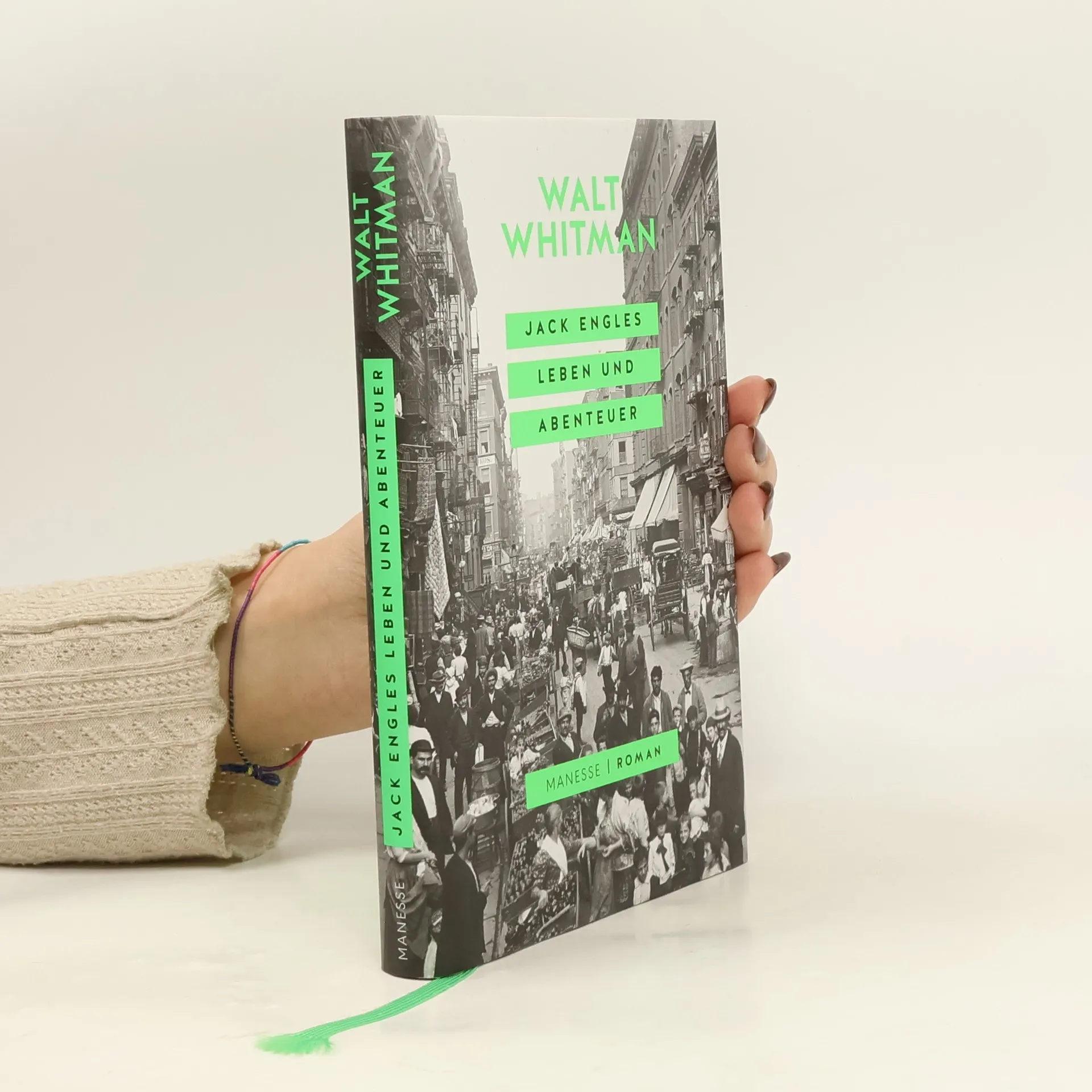
„Ein unbekannter Roman Walt Whitmans, der ein multikulturelles Amerika preist – eine Weltsensation zur rechten Zeit.“ Wieland Freund Humorvoll-lakonisch erzählt Walt Whitman eine klassische Aufstiegsgeschichte in der Tradition des großen Charles Dickens, allerdings in der Neuen Welt, mitten in New York. Er schildert die Schattenseiten der rasant wachsenden Metropole, verschweigt weder das Elend der Notleidenden noch die Korrumpierung derer, die an der Wall Street zu schnellem Geld gekommen sind. Doch vor allem feiert er in seinem „Jack Engle“ uramerikanische und urdemokratische Tugenden: den Glauben an den unveräußerbaren Glücksanspruch des Einzelnen, die Zuversicht und den Pioniergeist der kleinen Leute, ihren Mut zur Improvisation und nicht zuletzt die alles überragende Leitidee der Einwanderernation – sich gemeinsam, ohne Ansehen von Herkunft, Stand oder Religion, aufzumachen in eine bessere Zukunft.1852 als Fortsetzungsroman im „Sunday Dispatch“ erschienen und erst 165 Jahre später als Schöpfung Walt Whitmans identifiziert – ein kleines Wunder der Weltliteratur! 2017 ist sie erstmals in deutscher Übersetzung zu entdecken, die Lebensgeschichte eines Waisenjungen, der auf den Straßen New Yorks lernt, sich mit Fäusten, flinker Zunge und viel Köpfchen zu behaupten. Keine ganz gefahrlose Sache in diesem brodelnden Eldorado der Überlebenskünstler aus aller Herren Länder ...
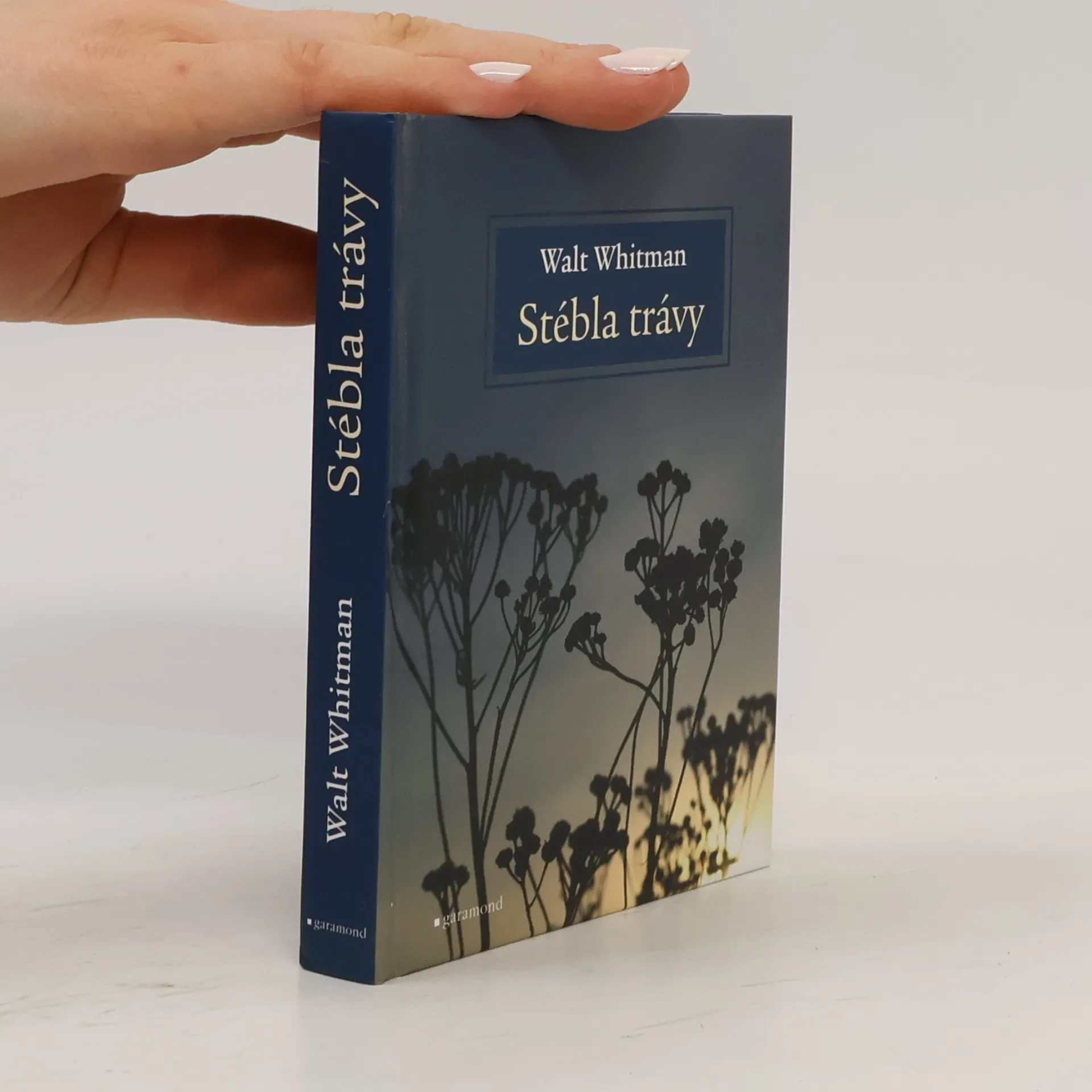
Výbor ze Stébel trávy, vybral a přeložil Pavel Eisner.
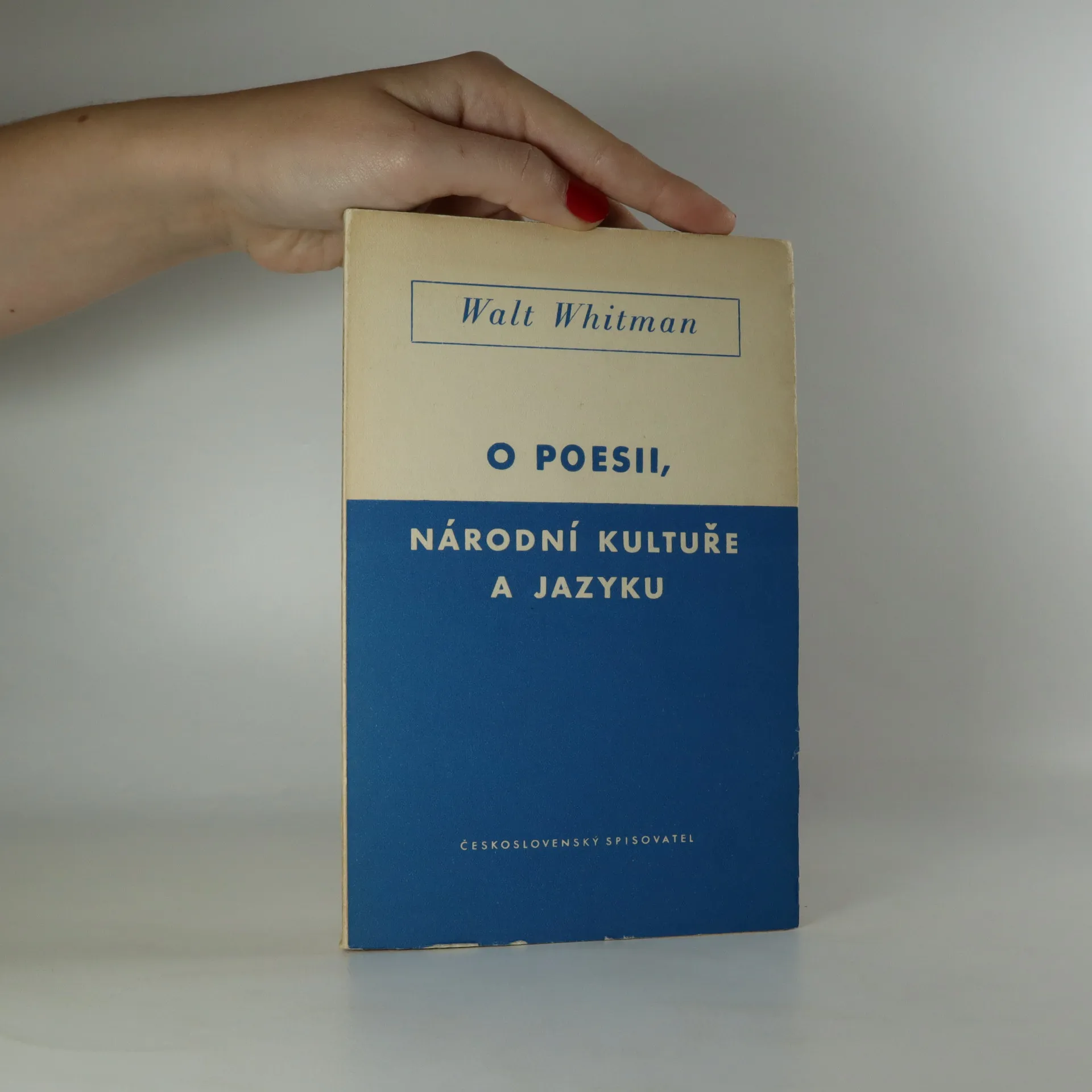
Po prvé u nás vůbec vychází sbírka Whitmanových nejdůležitějších článků o poesii, národní kultuře a jazyku. Je to výběr úryvků z jeho rukopisných záznamů, z poznámek k přednáškám, z předmluv a essayů, uspořádaný v chronologickém pořádku tak, aby podal obraz vývoje whitmanovyestetiky. Tyto kritické projevy velikého básníka svědčí o jeho úsilí probojovat se z mlh idealismu a dosáhnout břehů moderní materialistické, pokrokové a internacionalistické poesie. (Podle předmluvy) Výběr úryvků z rukopisných záznamů, předmluv a essayů uspoř. a předmluvou opatřil Abe Čapek.
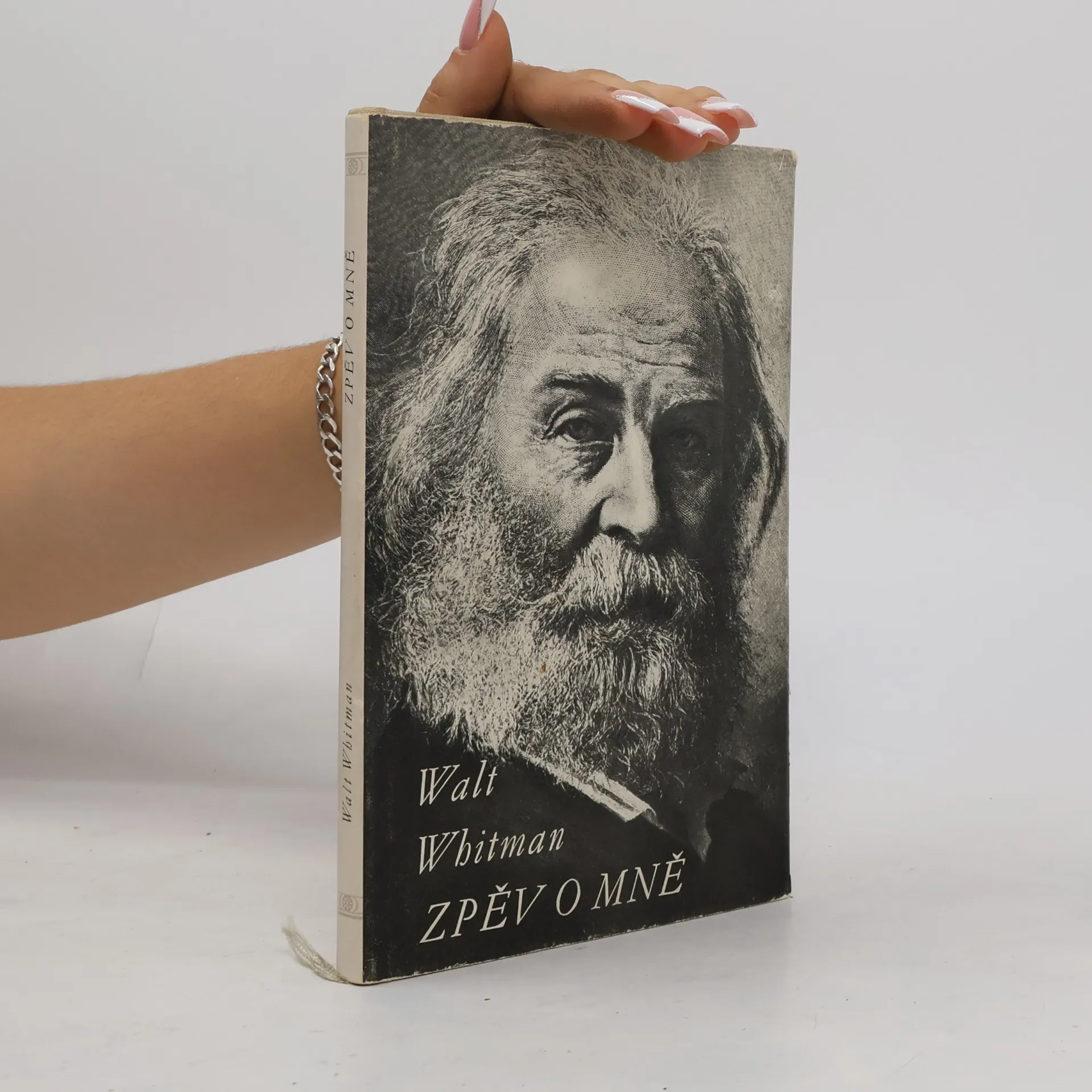
Letos uplyne celé století od prvního vydání Whitmanových Stébel trávy, tohoto širokého a všeobsáhlého zpěvu, který přinesl nové tóny celé světové poesii. A z té doby zůstalo málo básnických děl tak živých a tak mladých, tak nepřetržitě revolučních, jako je právě tento Zpěv o mně. (úryvek z doslovu - Jiří Valja, 1955)
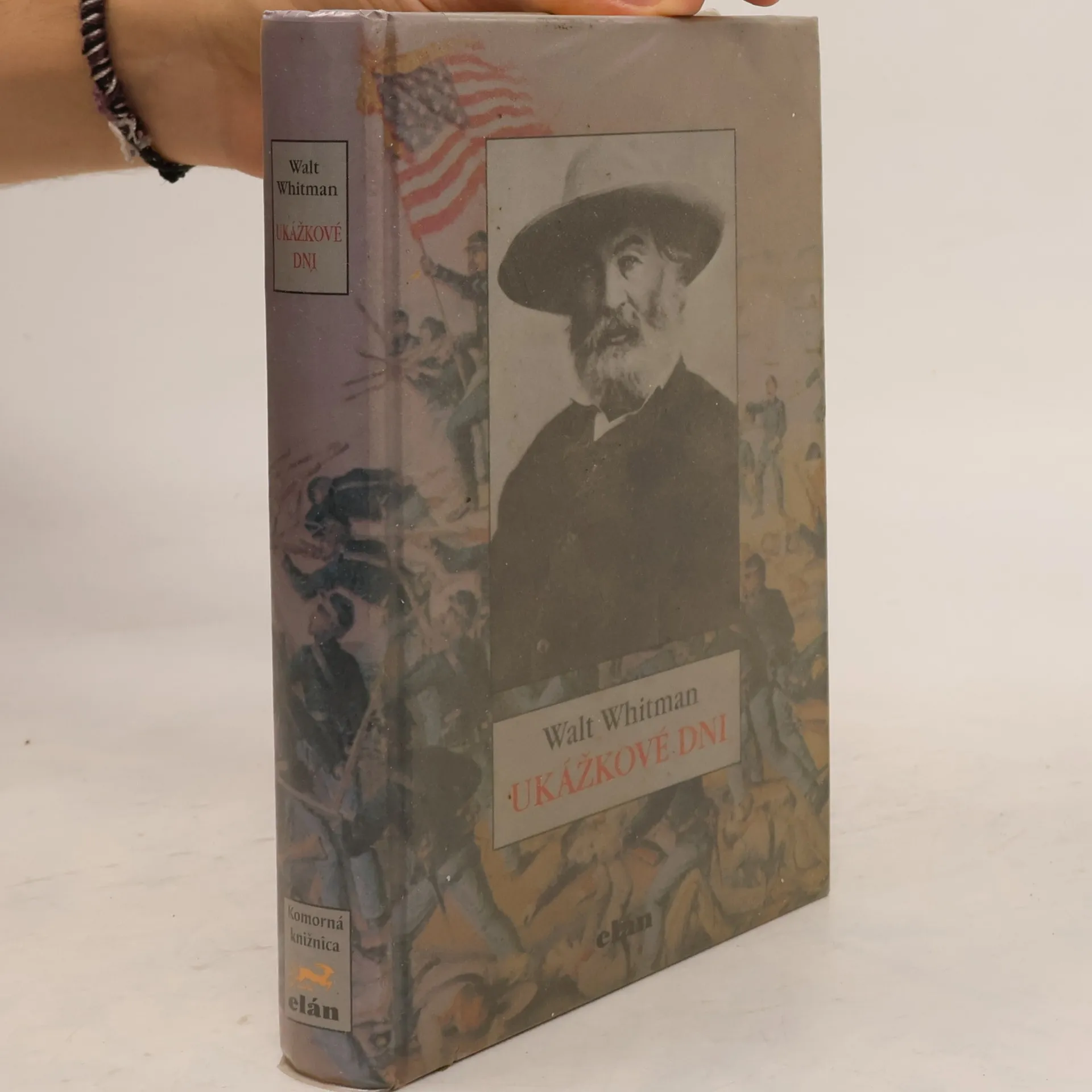
O obsahu Ukážkových dní (Whitmanov denník) možno povedať asi toľko, že je to bohatá a pestrá zmes spomienok, dojmov, zážitkov, príhod, pozorovaní, úvah, správ týkajúcich sa aj samého autora, ale i amerického života vôbec. Dominuje medzi nimi súbor zápiskov z občianskej vojny Severu proti Juhu. S otriasajúcimi vojnovými zážitkami príkro, no šťastne kontrastujú idylické obrázky prírodných zákutí. Trochu iné sú jeho cestopisné črtyz putovania po americkom Západe a po Kanade. Spolu tieto príbehy tvoria kostru akejsi biografie, ako sa to ukazuje na začiatku knihy.
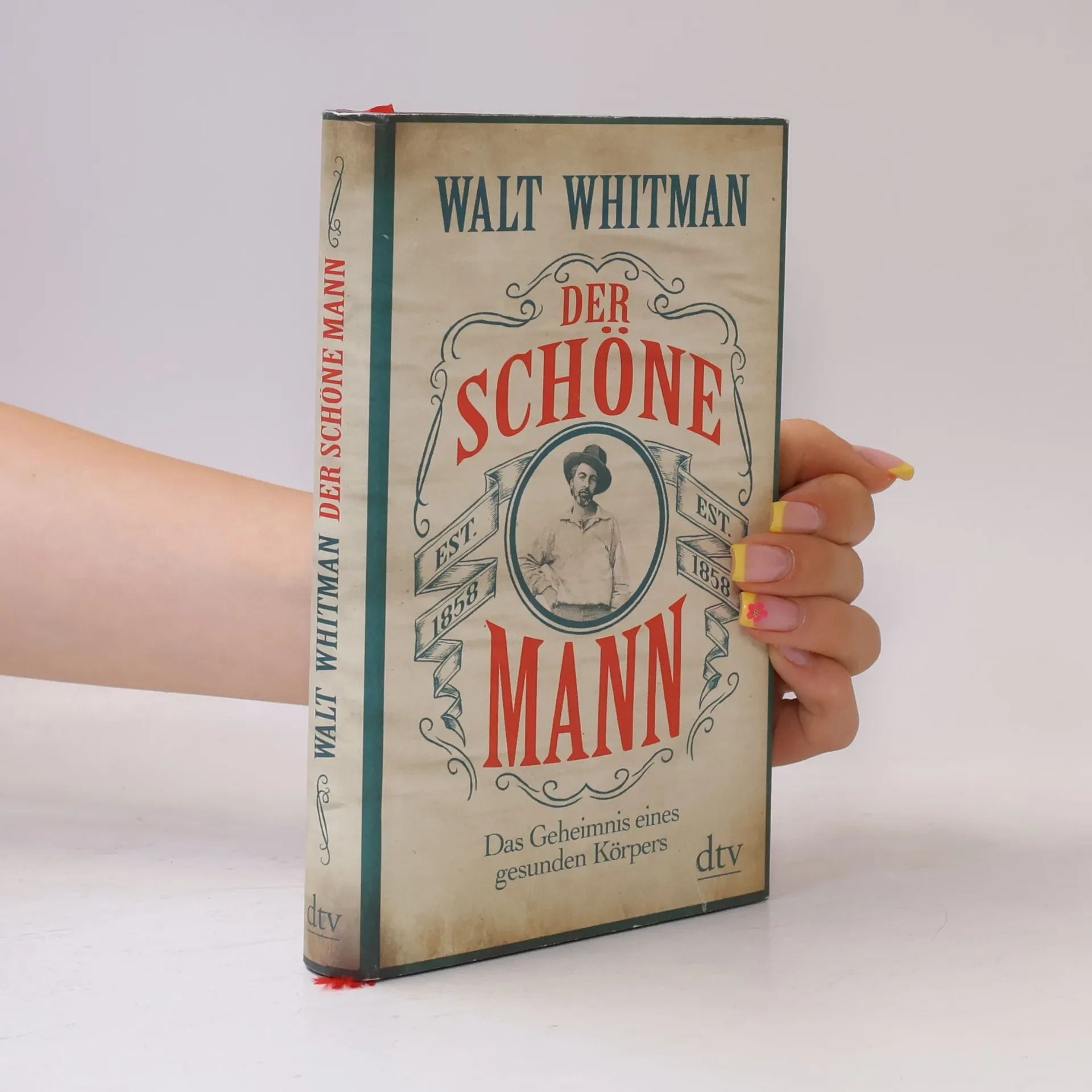
Männer sind schön! Männer denken einfach zu viel. Und sie lassen sich immer wieder einreden, Schönheit wäre eine Sache der Frauen, reine Haut, leichtfüßige Bewegungen, eine klangvolle Stimme. Walt Whitman, Begründer der modernen amerikanischen Dichtung, kannte die Wahrheit. Mit ›Der schöne Mann‹ schrieb er eine Hymne auf den männlichen Körper und einen Leitfaden, wie man seine Möglichkeiten voll ausschöpft. Das reicht von einer reinen Fleischdiät über das Rezitieren von Gedichten im Freien und sorgloses Tanzen bis zu Bare Knuckle Fights. ›Der schöne Mann‹ erschien 1858 in dreizehn wöchentlichen Kolumnen im ›New York Atlas‹ und war 150 Jahre lang verschollen. Mit dieser Ausgabe liegt Whitmans kurioser Ratgeber erstmals auf Deutsch vor. Mit zahlreichen zeitgenössischen Illustrationen und einem Nachwort von Hans Wolf.
The Everyman's Library Pocket Poets hardcover series is popular for its compact size and reasonable price which does not compromise content. Poems: Whitman contains forty-two of the American master's poems, including "Crossing Brooklyn Ferry," "Song of Myself," "I Hear America Singing," "Halcyon Days," and an index of first lines.