

The book is a reproduction of an original historical work, produced by Megali, a publishing house dedicated to making literature accessible for those with impaired vision through large print formats. This initiative highlights the importance of inclusivity in reading and preserves valuable texts for future generations.
Charles Brockden Brown Ordre des livres (chronologique)
17 janvier 1771 – 22 février 1810
Charles Brockden Brown est reconnu comme le romancier américain le plus ambitieux et accompli avant James Fenimore Cooper. Figure clé de la littérature américaine naissante, il est réputé pour la largeur et la complexité de son œuvre à travers de multiples genres. Ses écrits exhaustifs, englobant romans, nouvelles, essais et articles de périodiques, en font un intellectuel public marquant de son époque. Brown a profondément façonné la littérature et la culture américaines au tournant du XIXe siècle par sa voix singulière et sa profondeur intellectuelle.


Jane Talbot
- 234pages
- 9 heures de lecture
Set against the eerie backdrop of colonial America, the story follows the enigmatic Jane Talbot, whose secretive past leads to a gripping exploration of love, loss, and madness. As Jane's journey unfolds, it reveals a complex web of intrigue and betrayal, blurring the lines between reality and illusion. With evocative prose and atmospheric settings, the novel immerses readers in a world filled with dark forests and hidden secrets, showcasing the psychological depths of human emotion and the deceptive nature of the mind.
This book is a reproduction of a historical work, presented in large print to enhance accessibility for readers with impaired vision. Published by Megali, a house dedicated to making literature more inclusive, it aims to preserve important texts while ensuring they are readable for a wider audience.
EDGAR HUNTLY ERINNERUNGEN EINES SCHLAFWANDLERS
- 244pages
- 9 heures de lecture
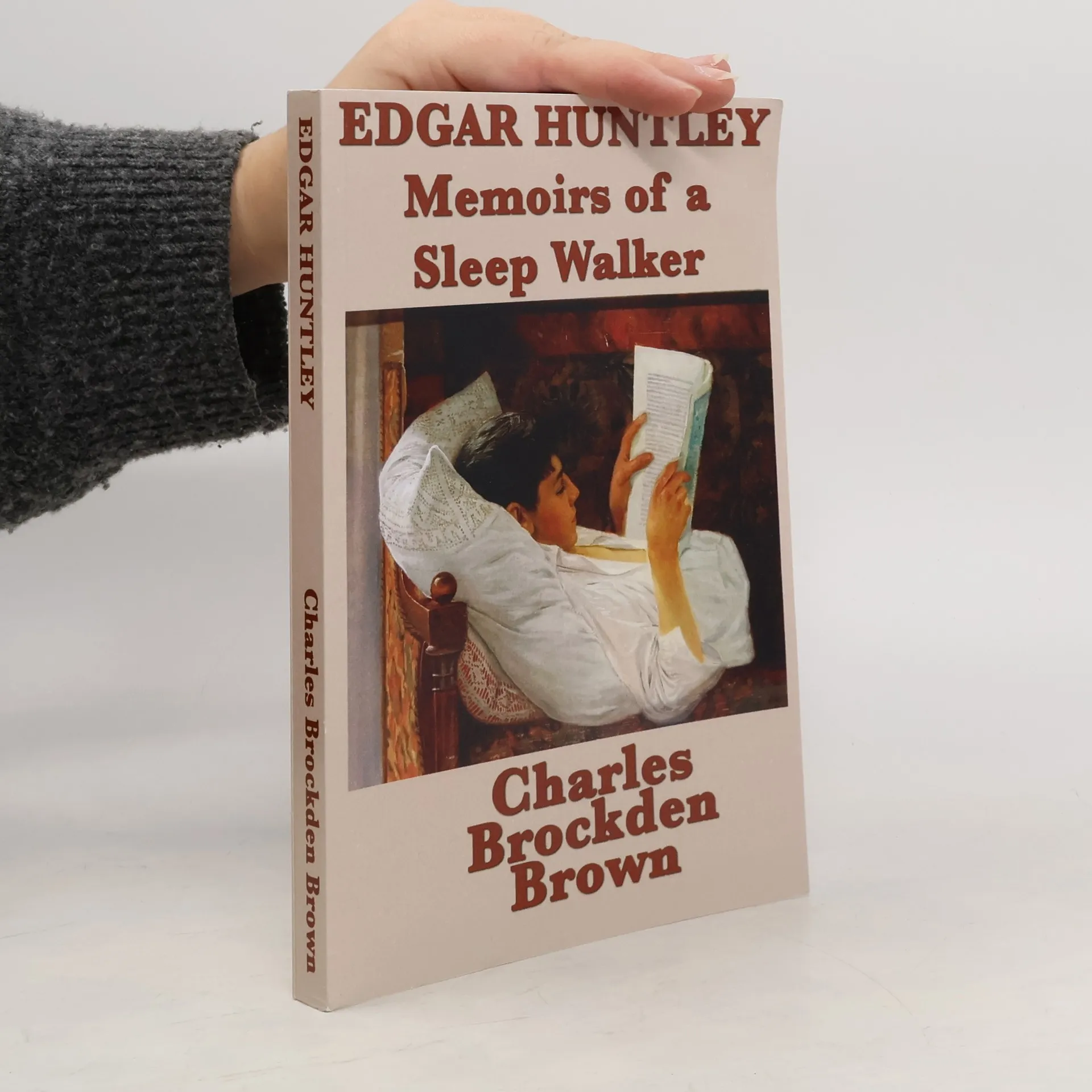
Edgar Huntley Memoirs of a Sleep Walker
- 226pages
- 8 heures de lecture
Excerpt: The ensuing day was spent, partly in sleep, and partly in languor and disquietude. I incessantly ruminated on the incidents of the last night. The scheme that I had formed was defeated. Was it likely that this unknown person would repeat his midnight visits to the Elm? If he did, and could again be discovered, should I resolve to undertake a new pursuit, which might terminate abortively, or in some signal disaster? But what proof had I that the same rout would be taken, and that he would again inter himself alive in the same spot?
Carwin the Biloquist
- 64pages
- 3 heures de lecture
The origin story of Carwin delves into the life of a master manipulator who deceives both his family and a wealthy patron. As a central figure in a Gothic narrative, Carwin's unique ability to speak in two different voices enhances the story's psychological intensity, creating a chilling atmosphere. This exploration of manipulation and identity offers a deep dive into the complexities of human nature and moral ambiguity within the Gothic tradition.
Arthur Mervyn
- 310pages
- 11 heures de lecture
Set during the yellow fever epidemic of 1793 in Philadelphia, this novel follows Arthur Mervyn as he confronts disease, poverty, and social turmoil. The narrative delves into themes of conspiracy and moral ambiguity, capturing a nation in crisis. With richly developed characters and an atmospheric setting, it explores the complexities of human nature against a backdrop of political and economic upheaval. Brown's storytelling offers a haunting reflection on survival and the human condition, making it a significant work in American literature.
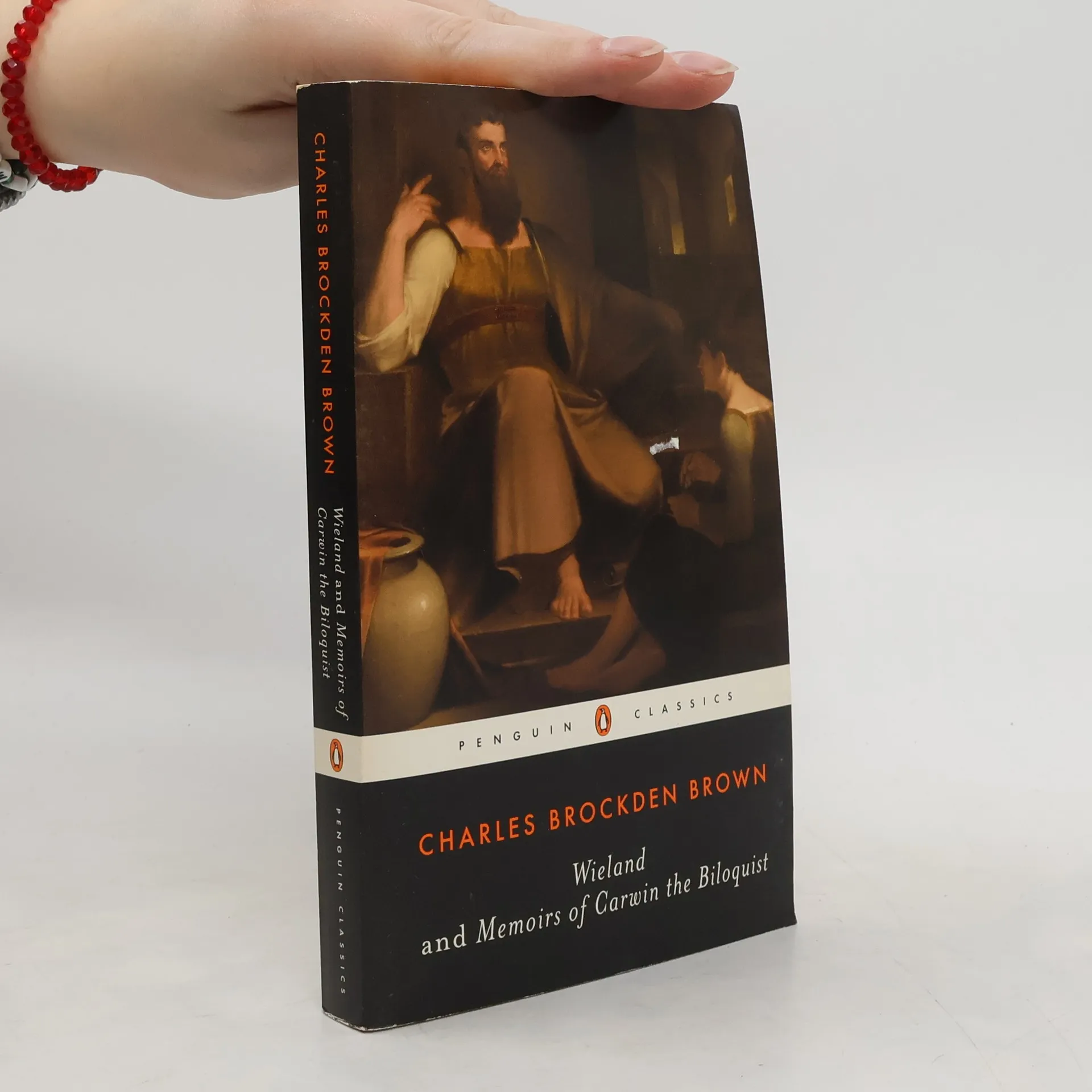
Set in rural Pennyslvania in the 1760s, this tale of horror and mystery is based on a case of a New York farmer who murdered his family. This book employs Gothic devices and features such as spontaneous combustion, ventriloquism, and religious fanaticism. It examines some issues crucial to the survival of democracy in the American republic.
A major influence on Poe and Hawthorne, this spellbinding tale of seduction, insanity, and murder represents one of America's earliest novels. Based on the true story of a religious fanatic who slaughtered his family, this proto-Gothic novel unfolds in rural Pennsylvania of the 1760s and offers compelling reflections of the era's social and political anxieties.