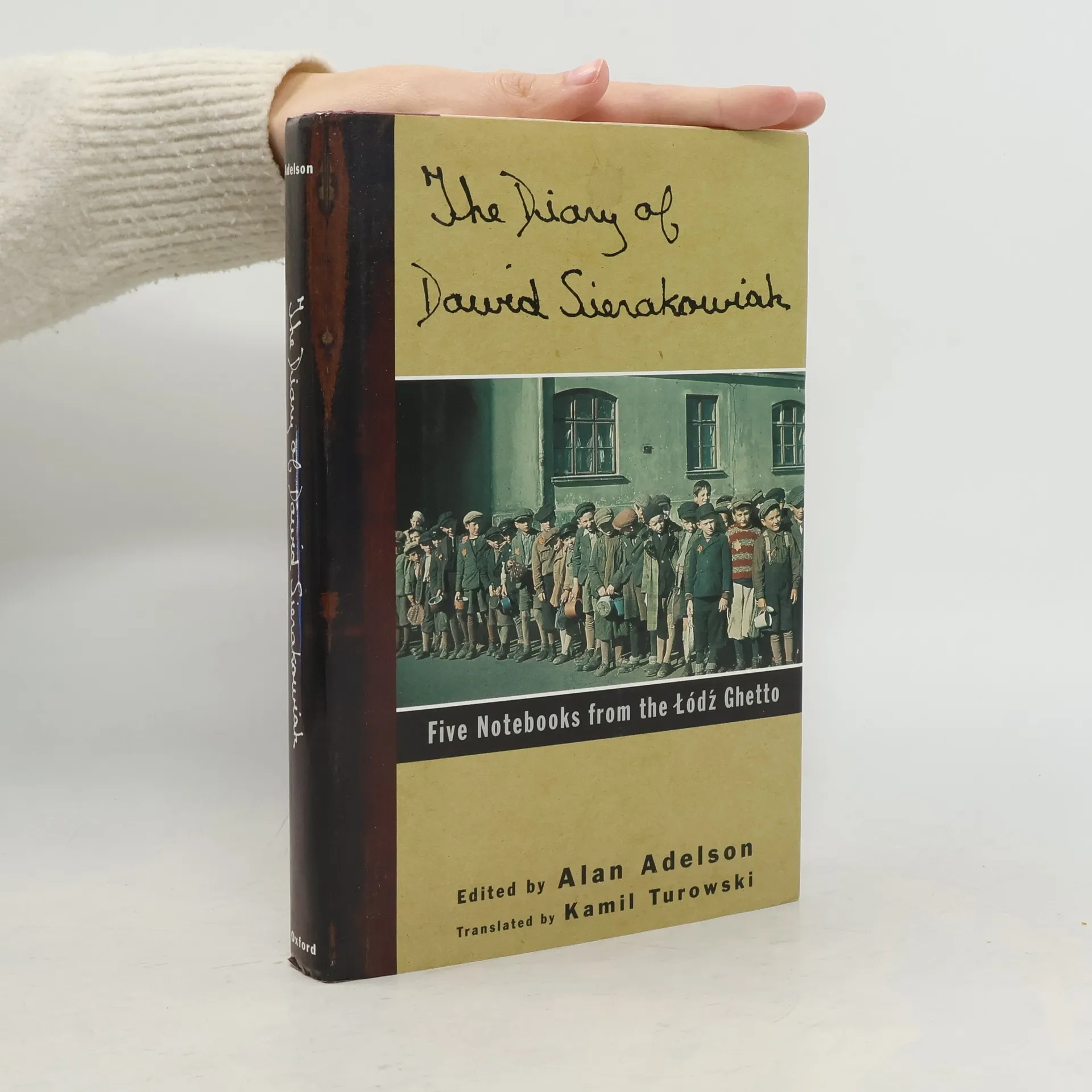
In his final diary entry, Dawid Sierakowiak expresses his exhaustion from preparing food and the despair of his situation, reflecting on the unchanging nature of politics and his growing melancholy. Shortly after writing this, he succumbed to tuberculosis, exhaustion, and starvation—conditions emblematic of the Holocaust's "ghetto disease." His notebooks were discovered after the liberation of the Lodz Ghetto, where he was one of over 60,000 Jews who perished in this urban slave camp, the longest-surviving concentration of Jews in Nazi Europe. Dawid's diary is a poignant legacy, offering one of the most detailed accounts of life in bondage. He begins with youthful enthusiasm for life, languages, and literature, but this is shattered when Lodz is occupied by Nazis, forcing his family into a sealed ghetto. With raw honesty, he chronicles the relentless horrors they face: the struggle for food, the madness surrounding them, and the constant threat of death and deportation. Despite the physical and emotional toll, he fights against fear and despair, even as hunger drives his family apart. Dawid's intellect shines through his hardships, allowing readers to intimately experience the tragic reality of the Holocaust. He understands the grim fate of deportation, referring to it as "deportation into lard." A committed communist, he advocates for the ghetto's children but ultimately refuses to join a suicide resistance squad, recogniz
Dawid Sierakowiak Livres
1 janvier 1924 – 1 janvier 1943
Le journal de Dawid Sierakowiak offre un récit poignant et de première main de la vie dans le ghetto de Lodz. Commençant à quatorze ans, ses écrits racontent les dures réalités de l'occupation, l'impact dévastateur des déportations familiales et la lutte omniprésente pour la survie. À travers sa voix captivante, les lecteurs comprennent le profond coût humain des conflits et de la persécution. Son témoignage constitue un puissant reflet de la résilience et de l'esprit durable face à une adversité inimaginable.