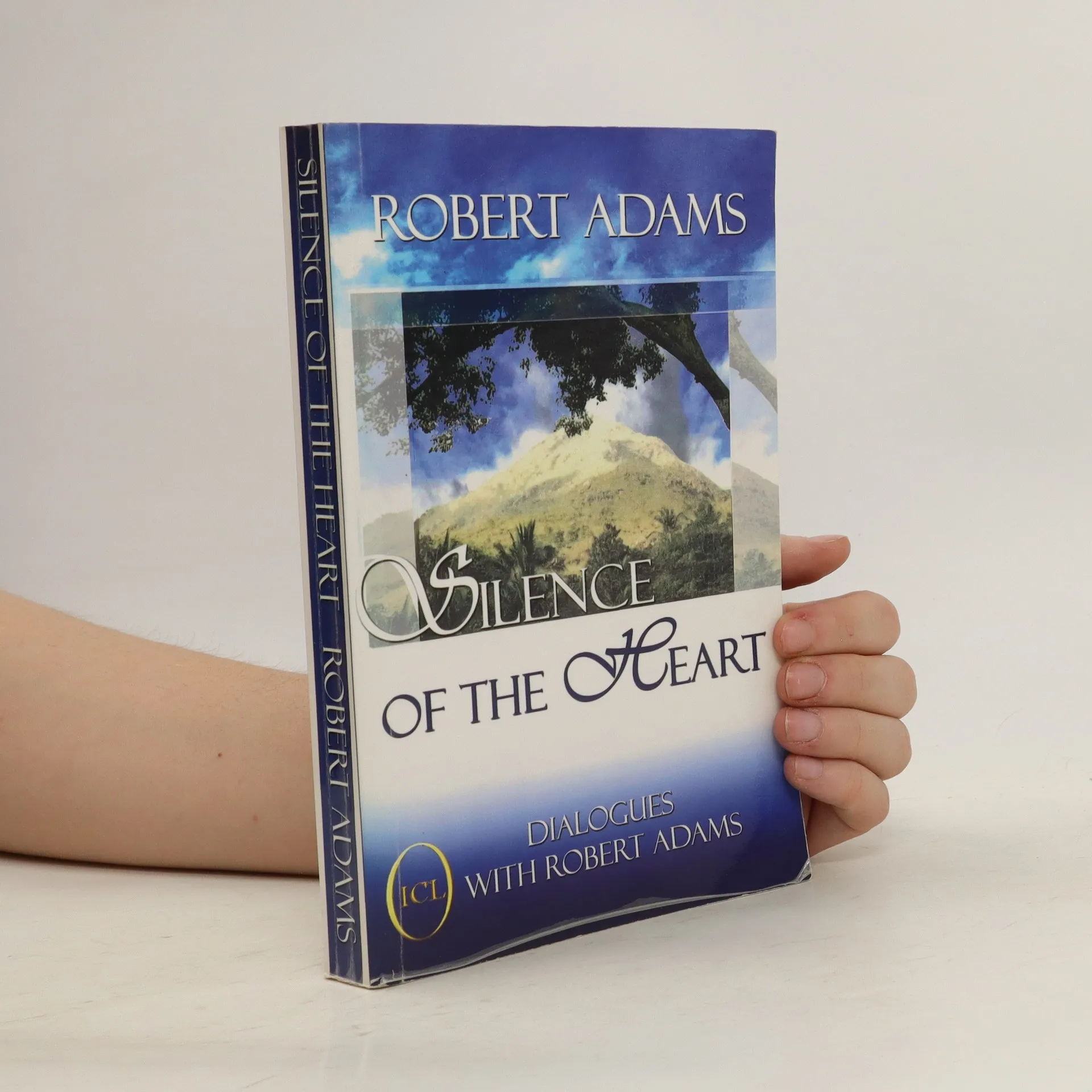
Robert Adams était un enseignant Advaita américain qui prônait principalement la voie du jñāna yoga, en mettant l'accent sur l'auto-enquête. Bien qu'il n'ait pas été très connu de son vivant, ses enseignements ont depuis largement circulé parmi les chercheurs de la philosophie Advaita et les dévots occidentaux de Sri Ramana Maharshi. Son message principal met l'accent sur la connaissance de soi et la pratique de l'investigation de la nature du soi. Ses enseignements sont rassemblés dans le livre "Silence of the Heart: Dialogues with Robert Adams".
One of the clearest presentations of India's Advaita Vedanta, the doctrine of Oneness. Adams, an American student of the great master, Ramana Maharshi, discourses with wisdom and delightful humor as he clarifies for Westerners India's teaching of Ultimate Reality.
Für seinen neuesten Band, An Old Forest Road, streifte Robert Adams durch ein abgeschiedenes Waldgebiet, unweit vom Wohnort des Fotografen im amerikanischen Nordwesten gelegen, der jenseits der Naturreservate kiometerweit von Kahlschlag geprägt ist. In der Bilderfolge spielt das Sonnenlicht eine wesentliche Rolle, dringt durch dichtes Geäst und deckt verborgene Strukturen und Formen des Waldes auf. Nicht weniger präsent sind die Schatten, die den Weg versperren, ihn zum Tor zu einem unbekannten Ort werden lassen. Robert Adams arbeitet seit fünfzig Jahren als Landschaftsfotograf. Sein besonderes Anliegen ist es, das Geheimnisvolle der Landschaft im Bild bannen und zugleich auf unser Versagen in einem stets verantwortungsvollen Umgang mit ihr hinzuweisen. Robert Adams has been a landscape photographer for fifty years, concerned to acknowledge both the landscape's mystery and our sometimes failed stewardship.
Exploring the Denver metropolitan area from 1968 to 1974, this trilogy by Robert Adams delves into the stark realities of urban development. Through his documentary photography, Adams eschews romanticism, presenting a candid view of environmental degradation. The works showcase his mastery in both capturing poignant images and sequencing them poetically, reflecting on humanity's impact on the landscape. Together, these books offer a profound commentary on the changing West and the complexities of modernity.
Exploring the evolving landscape of the Denver metropolitan area from 1968 to 1974, this trilogy showcases Robert Adams's keen eye for documentary photography. The works avoid romanticizing the American West, instead presenting a stark, honest portrayal of human impact on the environment. Adams's artistry shines through, as he masterfully sequences images to create a compelling narrative about the region's transformation, highlighting both beauty and desolation in the modern landscape.
Landscapes will soon no longer exist the way we know them. Global warming melts the Antarctic ice, slash and burn reduces the forests, rivers die of industrial pollution, grassland gives way to cities as the human population grows. How do photographic artists respond? Do they glorify nature or is it their aim to enlighten the spectator?Vanishing Landscapes provides different viewpoints from twenty internationally renowned photographers including Robert Adams, Edward Burtynsky, Hiroshi Sugimoto, Joel Sternfield, and Thomas Struth, with short commentaries by the artists, and an introduction by John Berger. About 30 of the photographs were specially commisioned for this book.
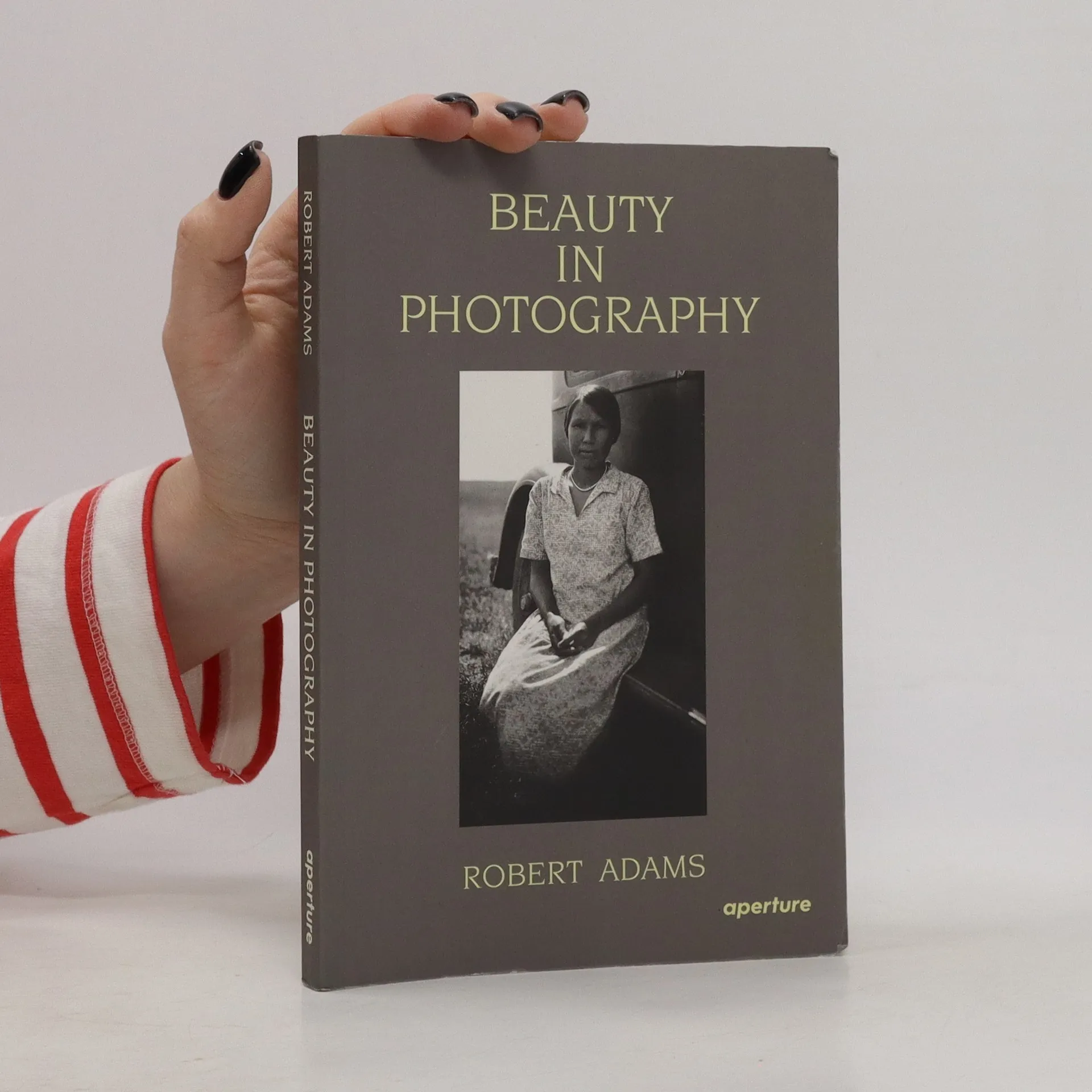
The eight essays in Beauty in Photography provide a critical appreciation of photography by one of its foremost proponents. The result is a rare book of criticism, alive to the pleasure and mysteries of true exploration.
Having lived in Southern California during his university years, Robert Adams returned to photograph the Los Angeles Basin in the late 1970s and early 1980s, concentrating on what was left of the citrus groves, eucalyptus and palm trees that once flourished in the area. The pictures, while foreboding, testify to a verdancy against the odds. Featuring sumptuous quadratone plates, this greatly expanded and revised edition of a title originally published in 1986 reinvigorates one of Adams’ most influential and admired bodies of work.
The question that this book raises is whether a romantic view of Denver and the American West was entirely wrong. We see enough of the sky, fields and mountains to believe that it was not - and perhaps is not - although the photographs catalog many ways in which we have compromised our vision. The book is about the past, bu it asks us to turn to the future, to a time when we might learn to live in harmony with the land and with each other-- Source inconnue
In the mid-1970s, Robert Adams began recording nocturnal scenes near his former home in Longmont, Colorado. Illuminated by moon- light and streetlamp, suburban houses, roads, sidewalks and fields seemed transfigured. 25 years after first publishing a sequence of these pictures in 1985 as Summer Nights, he revisited his project, amending its title and completely re-editing its contents to create a more disquieting and thus more accurate reflection of his experience. Hailed as a new classic, Summer Nights, Walking went out of print soon after it was published in 2009. This sensitively enlarged edition, printed with the same exquisite care as the original, makes this revered body of work available to a new audience.
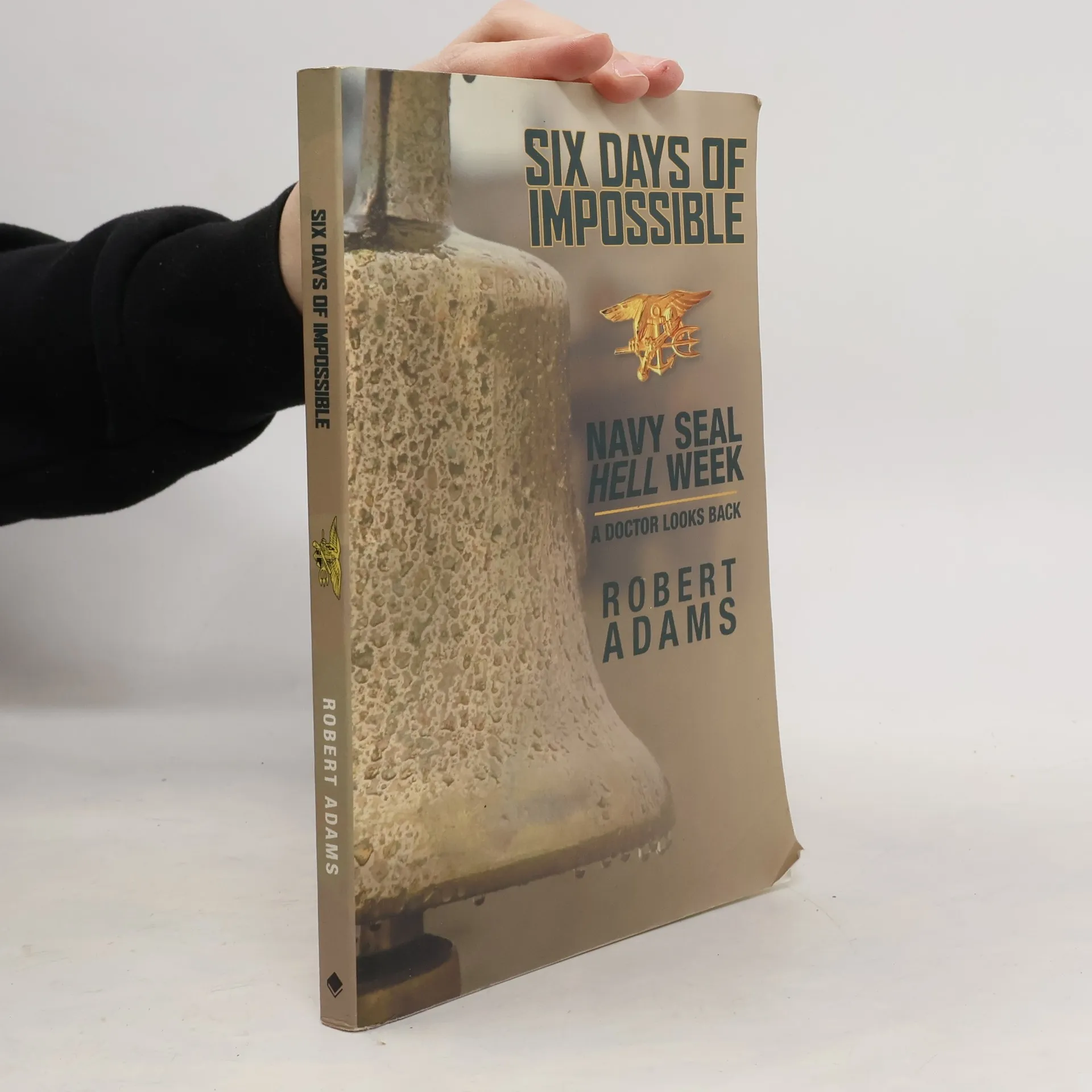
The intense challenges of Hell Week are vividly portrayed through the firsthand accounts of Robert Adams, MD, and his classmates. This gripping narrative details the harrowing experiences of SEAL candidates as they endure extreme cold, mud, and physically taxing trials. Out of seventy men, only eleven persevered to graduate and serve honorably in various SEAL and UDT teams for over four decades. Their journey reveals the mental fortitude required to overcome seemingly insurmountable obstacles, showcasing the resilience and determination that define elite warriors.
This one-stop text for new and prospective social work students is easy to
read and full of essential information and practical advice about what is
needed to qualify and practice in social work.
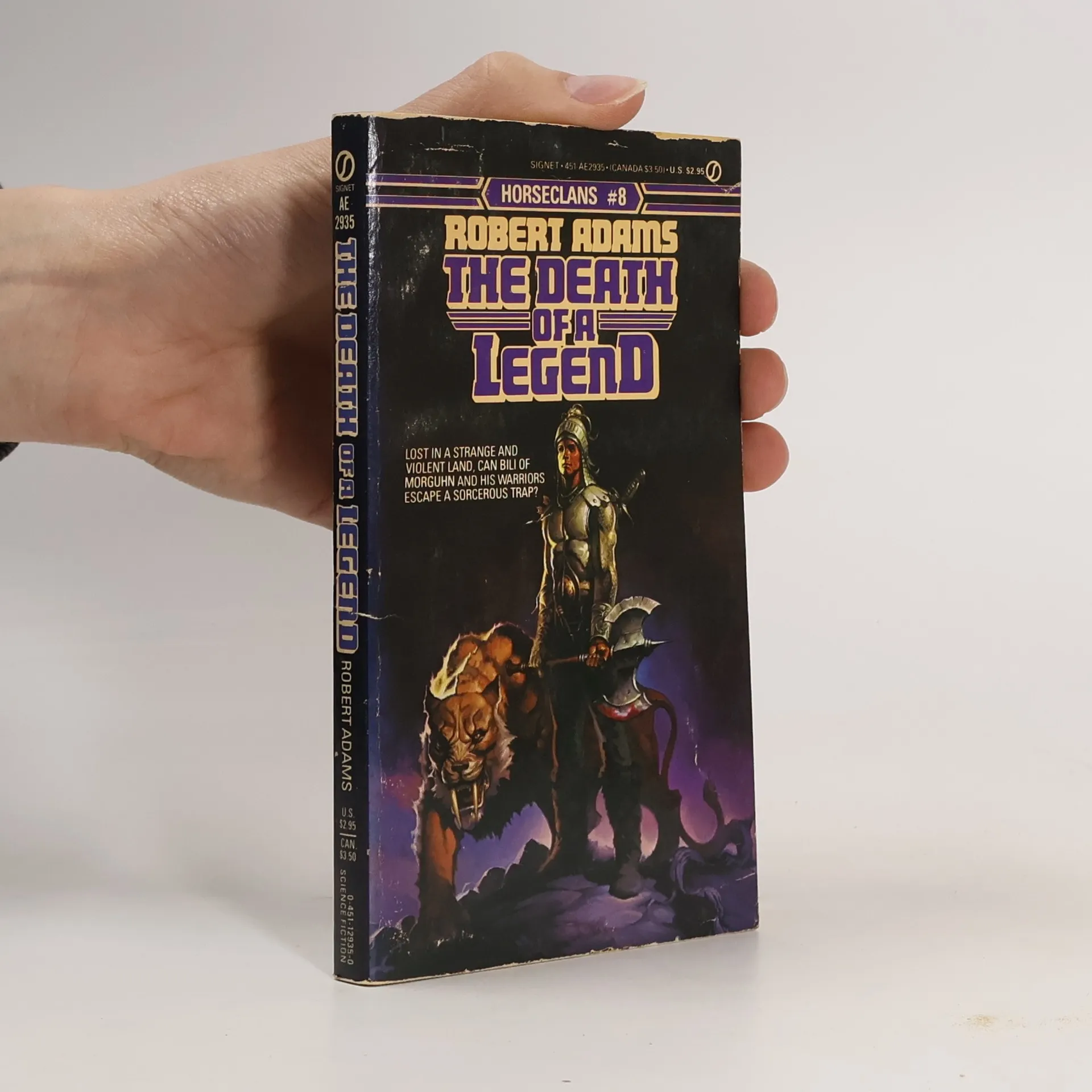
OUT OF THE JAWS OF DESTRUCTIONWhen the Witchmen caused the earth to move and called forth the fires from the mountain's inner depths, the Moon Maidens, Ahrmehnee, and Thoheeks Bili's troops barely escaped with thier lives. Driven by the flames into territory said to be peopled by monstrous half-humnas, Bili was forced to choose between braving the dangers of nature gone mad or fighting the savage natives on their own ground. But before he could decide, his troops were spotted by the beings who claimed this eerie land as their own and would use powerful spells of magic and illusion to send any intruders to their doom...Cover image Copyright Ken KellyUK variant cover from Luis Royo
The narrative follows Edwin Janes Barden, known as Ned, who joined the Union army at 26 as part of the 7th Connecticut Infantry Regiment Volunteers. This regiment, formed in New Haven on September 13, 1861, comprised 1,018 officers and men, reflecting the local commitment to the Civil War effort. The story highlights Ned's journey and experiences within this significant military unit from his hometown of Canaan, Connecticut.
Photographs Taken Near the Rocky Flats Nuclear Weapons Plant 1979–1983
One day in the early 1970s, Robert Adams and his wife saw from their home a column of smoke rise above the Rocky Flats Nuclear Weapons Plant, near Denver, Colorado. For an hour they watched the plume grow, tried without success to learn whether the fire involved the radioactive and extremely toxic plutonium, and experienced a sense of helplessness before what appeared to be a nuclear accident in progress. Ultimately it was announced that the fire was burning safely outside the plant, but as a result of their hour of uncertainty Adams decided to try to picture what of worth -- absolute worth -- stood to be lost in a nuclear catastrophe. Adams photographed Our Lives and Our Children in Denver and its suburbs; the individuals shown were within hazardous proximity of the Rocky Flats Plant. Their peril is representative, however, of a wider threat to all of us from nuclear weapons, one that continues in different forms to this day. The new Steidl edition of Our Lives and Our Children presents an expanded sequence of pictures that retains the potent compactness of the sought-after first edition (out of print for nearly three decades), while faithfully expressing the full-bodied tonalities of Adams's original prints.
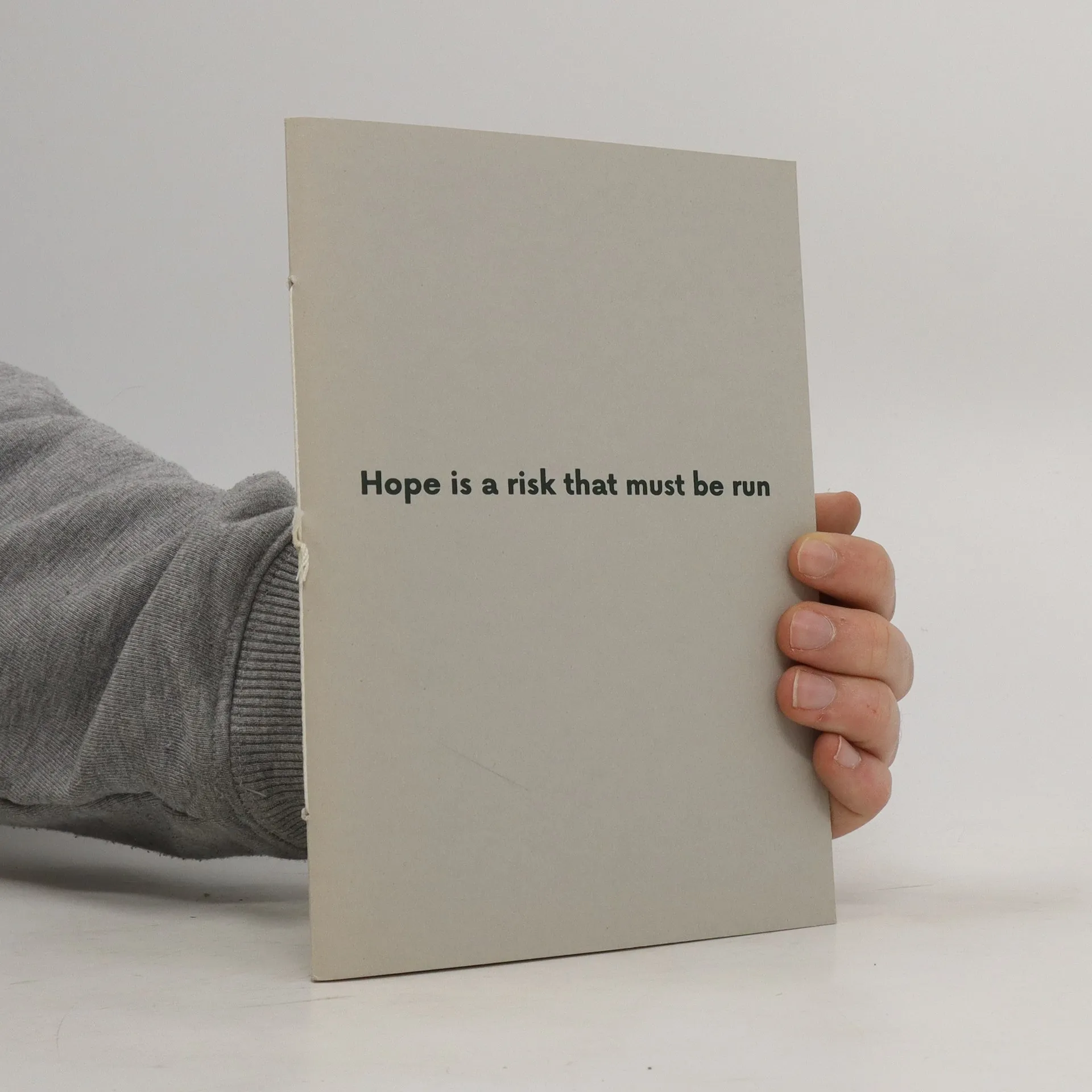
The challenge in creating this concise publication was determining what to add to the extensive body of work on Robert Adams. This booklet features a carefully curated selection of rare street photographs taken by Adams in the 1970s, capturing urban and suburban Americans near Denver, Colorado. Witnessing smoke rising from a nearby nuclear weapons plant instilled a sense of fateful helplessness in Adams, prompting him to depict his fellow citizens in their daily routines as a metaphor for the value of life amidst existential threats. Born in 1937, Adams began his photography career in the mid-1960s and is a key figure in the New Topographics movement. He has published over forty books, primarily focusing on the American landscape, and continues to live and work in northwest Oregon. This publication, developed in collaboration with the Fondation A Stichting in Brussels, aims to showcase these unique street photographs while exploring profound themes of life and vulnerability in the face of potential catastrophe.