
Bookbot

Rhode John

    Ce prolifique romancier de romans policiers a acquis une renommée principalement grâce à deux séries distinctes. L'une, sous le pseudonyme de John Rhode, présentait le scientifique légiste Dr Priestley, qui employait des méthodes scientifiques pour la détection des crimes, comme l'analyse de la boue sur les chaussures des suspects. Une seconde série, écrite sous le nom de Miles Burton, mettait en scène l'enquêteur amateur Desmond Merrion travaillant aux côtés de Scotland Yard. Les critiques ont classé cet auteur dans l'école « Humdrum » de la fiction policière, caractérisée par un accent sur les énigmes complexes et la déduction logique, analogues aux mots croisés. Son style narratif se concentrait sur la construction méticuleuse de l'intrigue et l'analyse scientifique des preuves.

    Rhode John
    The Murders in Praed Street
    Body Unidentified
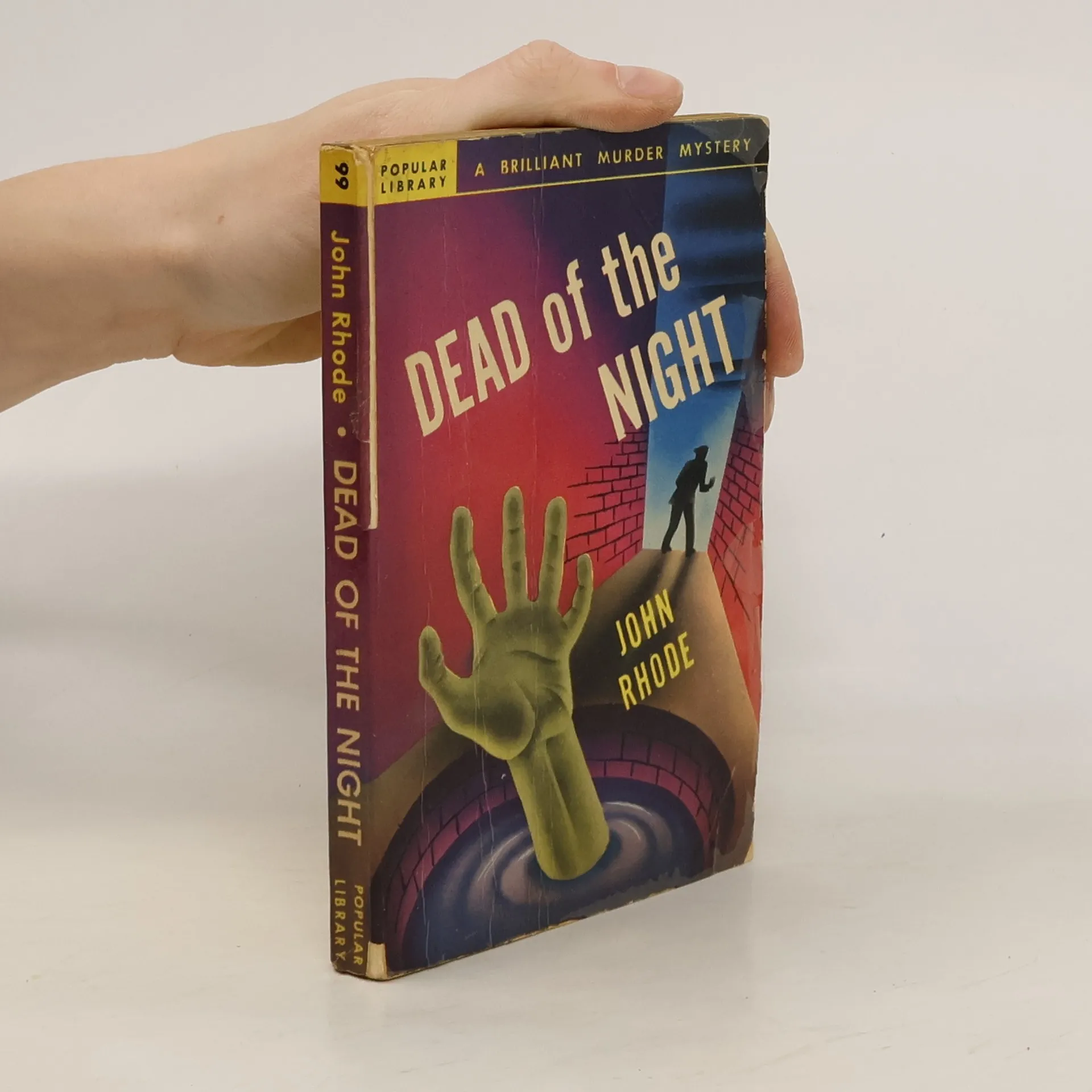
    Dead of the Night
    Poison for One
    The Anatomy of Murder
    Death Takes a Partner
    • Death Takes a Partner

      • 250pages
      • 9 heures de lecture

      Inspector Lancelot Priestley investigates a complex murder case involving a wealthy industrialist found dead in his lavish estate. As he navigates a labyrinth of secrets and deceit, the array of suspects complicates the search for the truth, making for a gripping mystery filled with intrigue and unexpected twists.

      Death Takes a Partner
      3,0
    • The Anatomy of Murder

      • 352pages
      • 13 heures de lecture

      A unique anthology for crime aficionados - seven of the world's most notorious genuine murder mysteries retold by the most accomplished classic crime writers of their generation.

      The Anatomy of Murder
      3,2
    • Body Unidentified

      • 226pages
      • 8 heures de lecture

      The story begins with Mr. Wedgwood observing what he initially believes to be a large car in his yard, only to realize with shock that it is actually a hearse. This moment sets the tone for a narrative filled with intrigue and unexpected revelations, as the presence of the hearse raises questions about its purpose and the implications it holds for Mr. Wedgwood's life. The contrast between the ordinary setting and the ominous arrival of the hearse hints at deeper themes of mortality and the unforeseen events that can disrupt daily life.

      Body Unidentified
    • The Murders in Praed Street

      • 196pages
      • 7 heures de lecture

      Set in the backdrop of the Golden Age of Detective Fiction, this 1928 novel follows the armchair detective Lancelot Priestley as he tackles a complex murder case on Praed Street. Known for his intellectual prowess, Priestley employs his analytical skills to unravel the mystery, showcasing the genre's hallmark of clever deduction and intricate plotting. This installment marks the fourth in Priestley's series, continuing to captivate readers with its engaging narrative and classic detective elements.

      The Murders in Praed Street
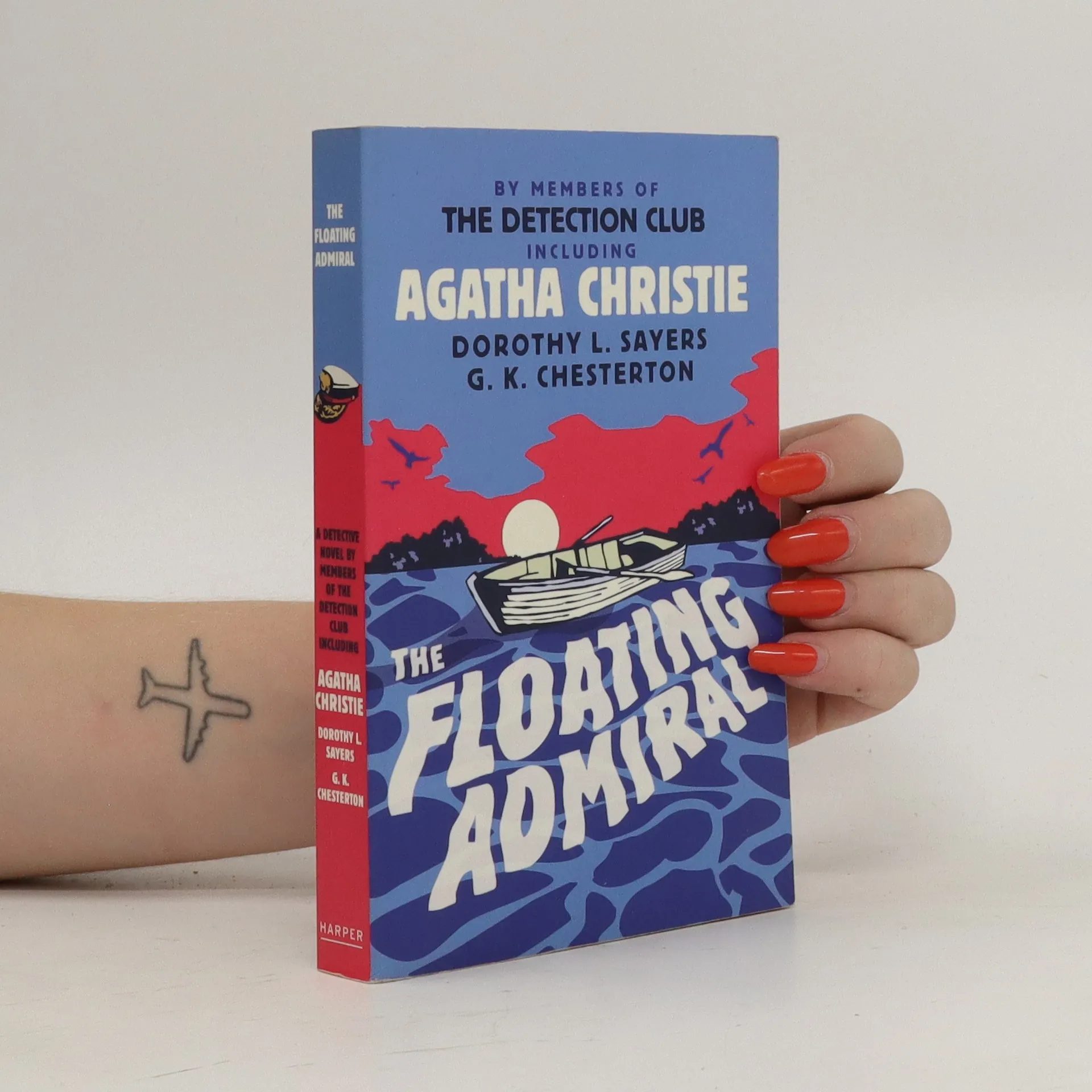
    • Detection Club: The Floating Admiral

      • 330pages
      • 12 heures de lecture

      In the quiet seaside town of Whynmouth, Inspector Rudge seldom faces murder cases. However, his routine is shattered when an old sailor arrives with a rowing boat carrying a fresh corpse, stabbed in the chest. The investigation reveals multiple challenges; the vicar, owner of the boat, seems to be hiding crucial information, and the victim's niece has mysteriously vanished. The case grows increasingly complex, raising doubts about the victim's identity and the number of people involved in this extraordinary crime. Inspector Rudge grapples with the intricacies of the situation, questioning whether he will ever uncover the truth. In 1931, a group of crime writers, including Agatha Christie and Dorothy L. Sayers, collaborated on a unique literary project under the Detection Club. Each author contributed a chapter in a game of literary consequences, with G.K. Chesterton providing a paradoxical prologue and Anthony Berkeley resolving the story. The authors also submitted their own solutions in sealed envelopes, revealed at the book's conclusion, with Agatha Christie's clever resolution noted as particularly outstanding. The contributors included notable figures such as Canon Victor Whitechurch, G.D.H. Cole, and Ronald Knox, among others.

      Detection Club: The Floating Admiral