

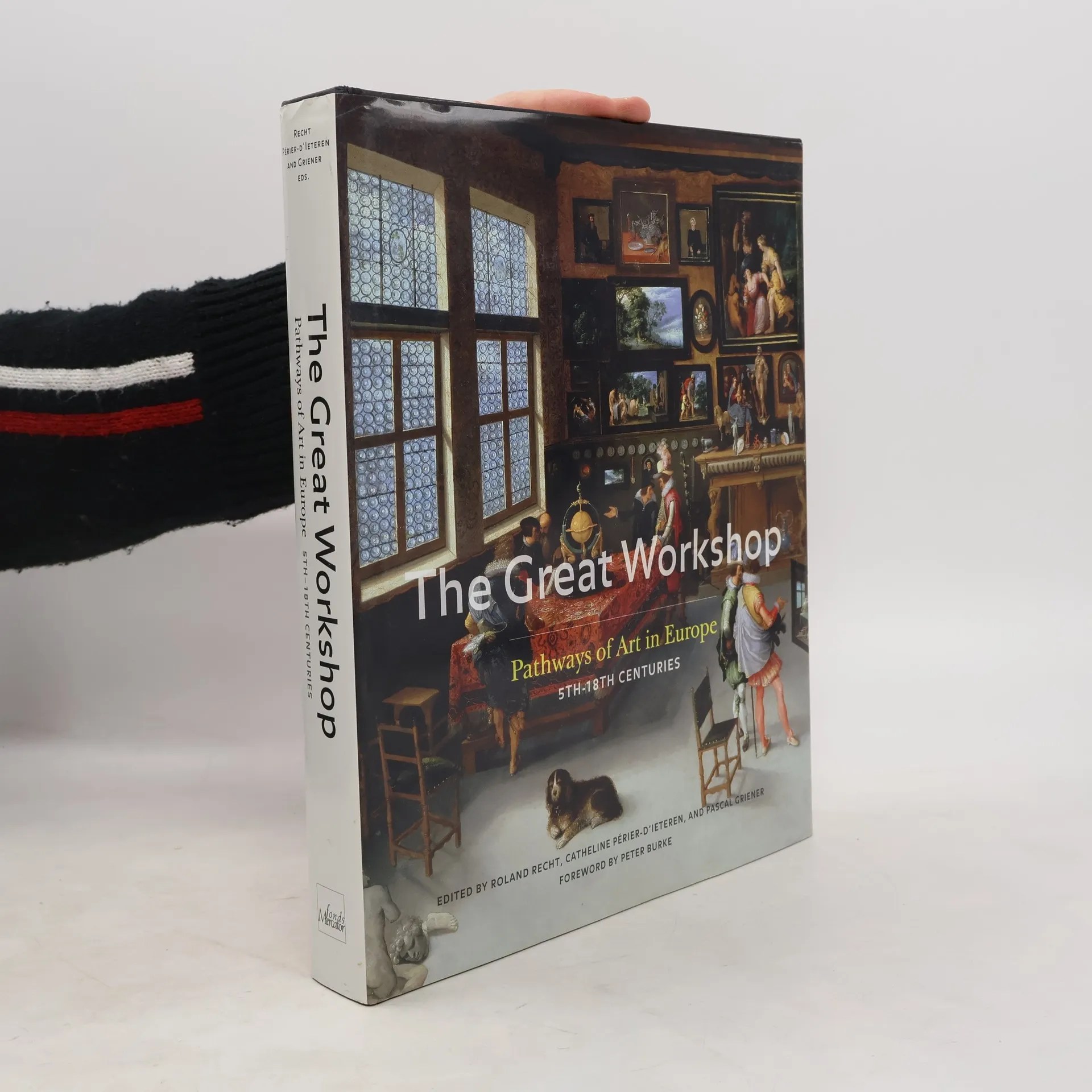
An artist's workshop serves as both a creative and educational space where ideas are transformed into tangible art forms. It functions as a classroom where skills are passed down, and apprentices strive to surpass their masters. Additionally, it acts as a salon where reputations are built, occasionally challenged by talented imitators or enthusiastic amateurs. Throughout history, Europe has been likened to a vast network of workshops, each fostering unique artistic practices and styles, facilitating collaboration among artists. Long before becoming a political entity, Europe was characterized by its vibrant exchange of goods and people. Artists, art enthusiasts, and affluent patrons undertook challenging journeys across roads and rivers to pursue beauty. This context is explored in the book, which delves into themes surrounding the circulation of art and the artistic community across a wide geographic area, including Dublin, Palermo, Cordoba, Stockholm, Rouen, and Sofia. Short essays highlight the movements of those involved in the art business, enhancing our understanding of the migration of artistic themes and motifs. Featuring 250 full-color examples from over one hundred European collections, the work showcases the intricate web of artistic exchange and production, accompanied by insightful essays from notable art historians that span from the fall of the Roman Empire to the emergence of Europe’s first major museums.
Pascal Griener Livres

Cinq cents ans après la naissance de l'artiste, l'ouvrage d'Oskar Bätschmann et Pascal Griener est une contribution majeure à la connaissance de l'art de Hans Holbein le Jeune (Augsbourg 1497 - Londres 1543), qui s'attache à l'ensemble de sa production.Formé par son père à Augsbourg, Holbein travaille pour d'importants mécènes en Suisse avant de s'établir en Angleterre à la cour du roi Henry VIII.Artiste ambitieux, Holbein a toujours cherché à se mesurer aux plus grands maîtres de l'Allemagne et de l'Italie comme Dürer et Mantegna et à ceux de l'Antiquité.Ni biographie ni catalogue raisonné, cet essai resitue Holbein dans son temps, en particulier en lui rendant sa culture et sa bibliothèque. On comprend enfin clairement l'influence de la pensée d'Érasme sur sa peinture et on découvre un artiste intellectuel, pétri d'humanisme et de classicisme.