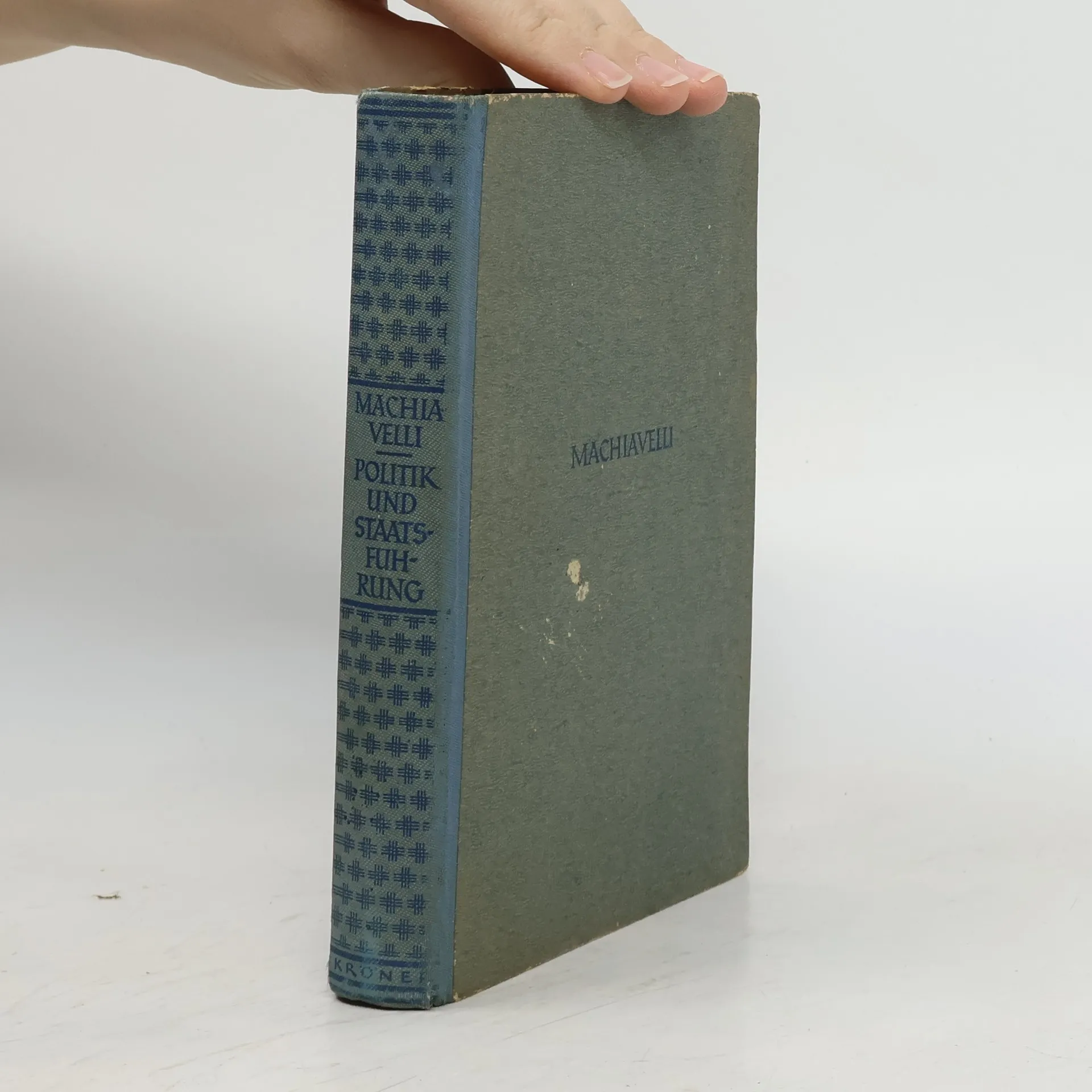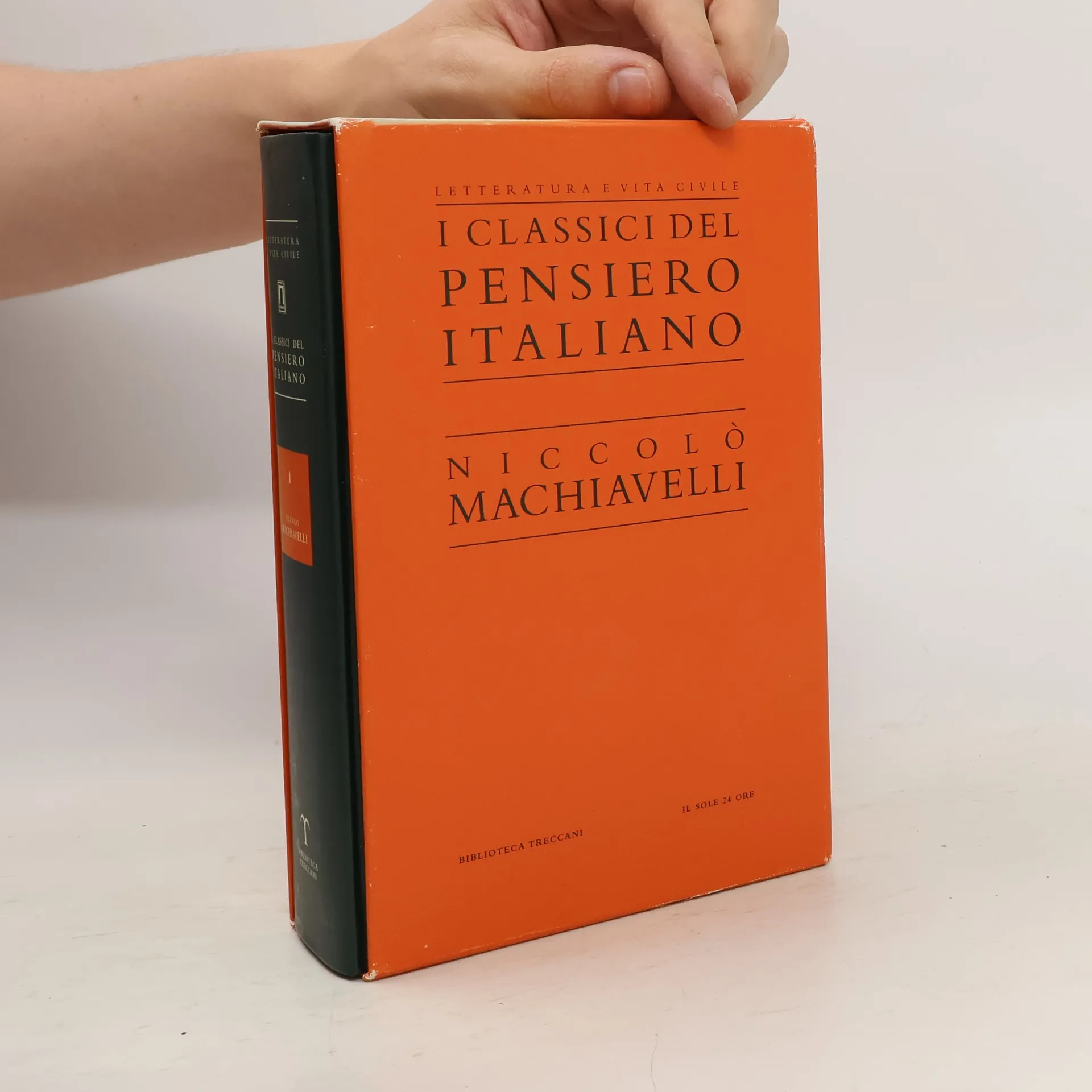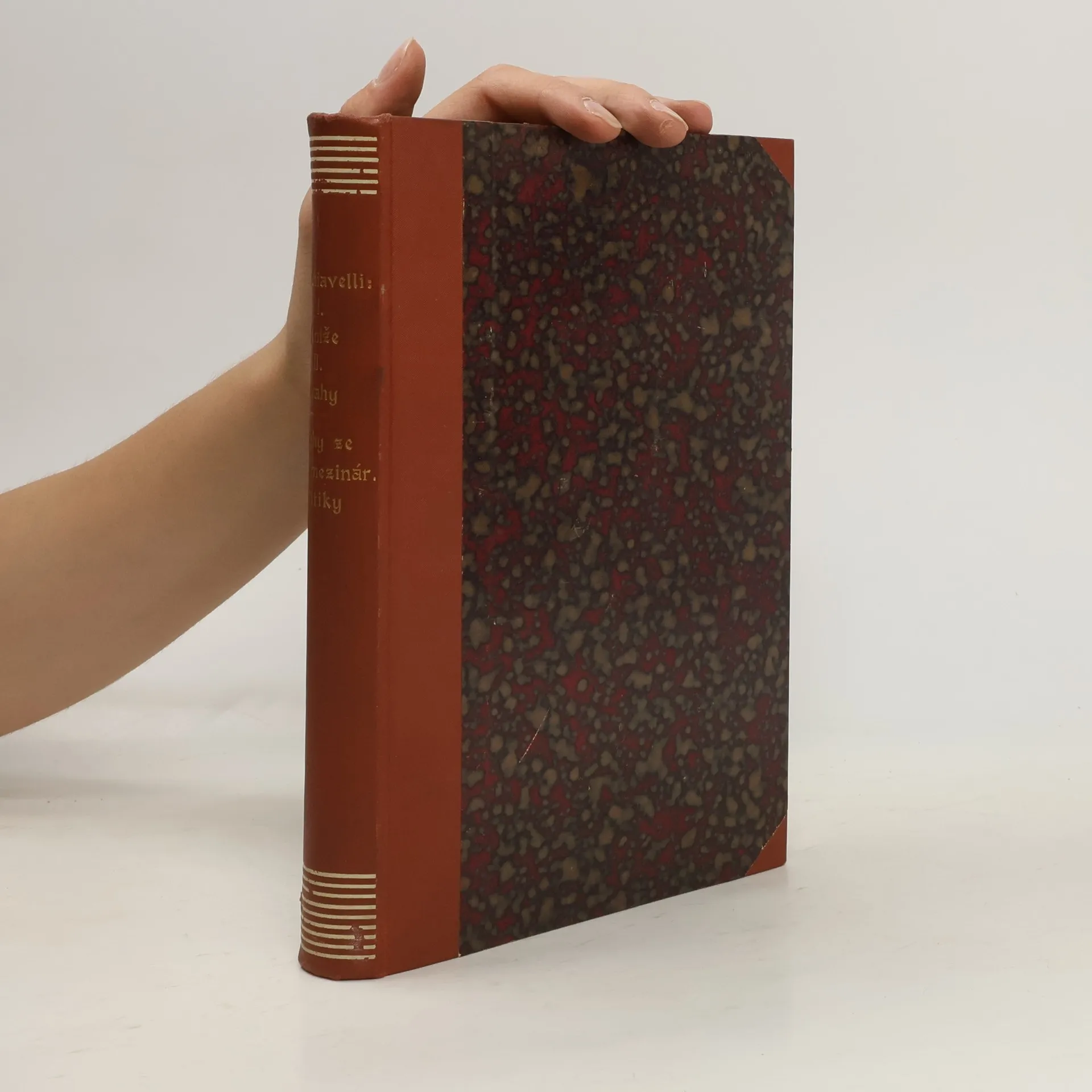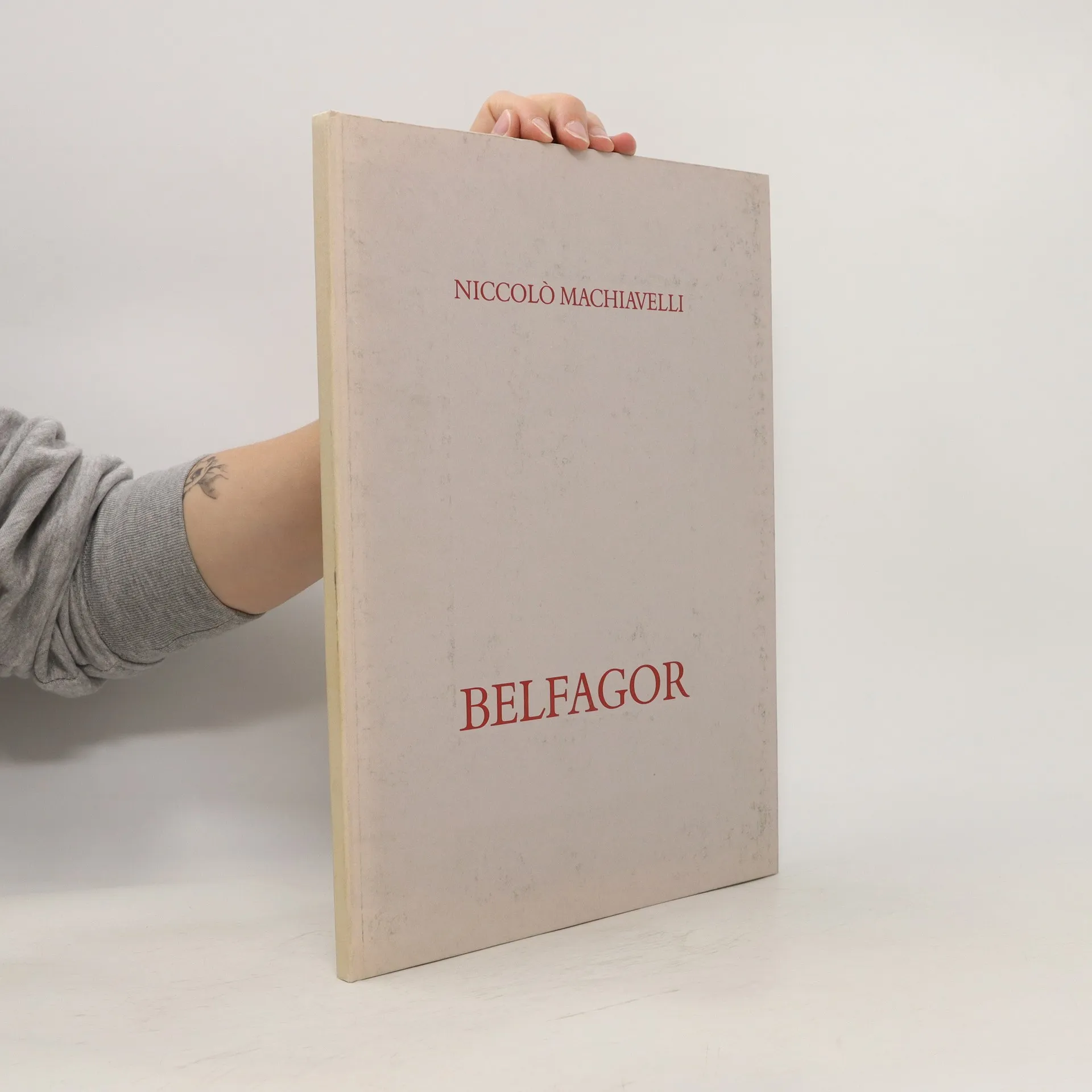

Bookbot

Niccolò Machiavelli

    3 mai 1469 – 21 juin 1527

    Ce penseur de la Renaissance italienne est célèbre pour ses traités réalistes sur la théorie politique, qui contrastent avec ses œuvres sur le républicanisme. Ses écrits influents explorent la nature du pouvoir et de la gouvernance, souvent avec une acuité intemporelle. La production philosophique et littéraire de cet artiste aux multiples facettes continue de susciter des débats sur la nature de la politique et du leadership. Son héritage réside dans son examen sans concession du monde politique.

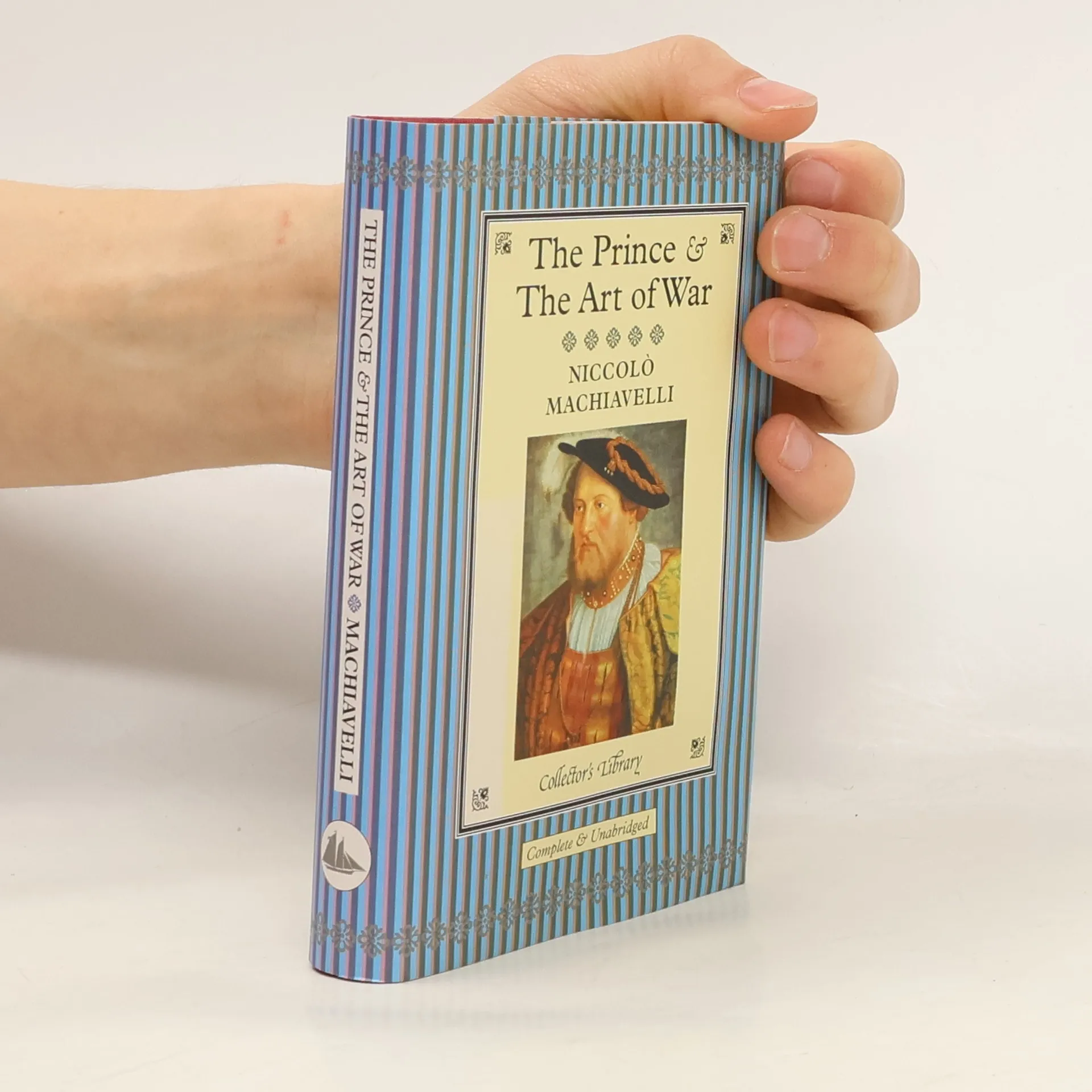
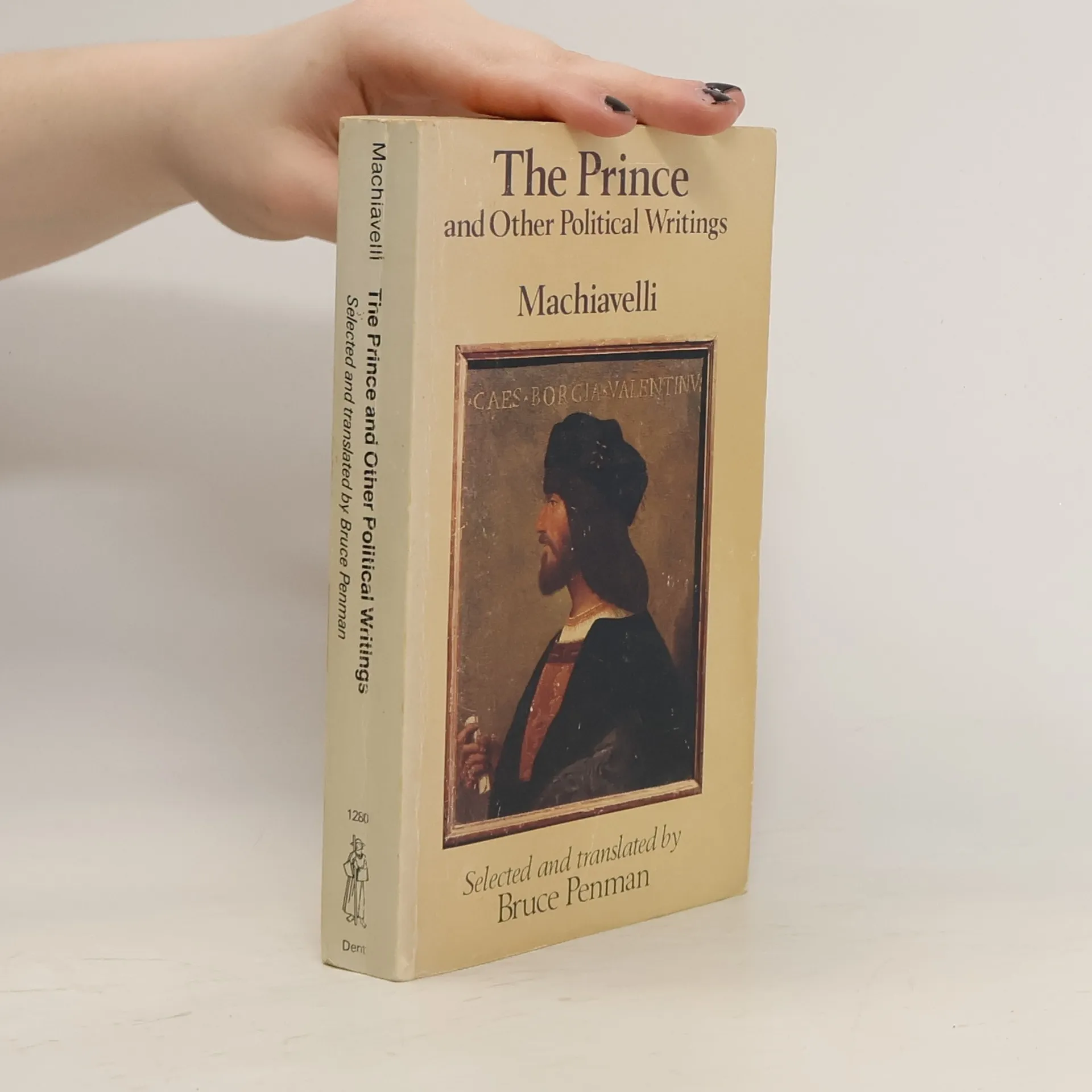
    The Prince and The Art of War
    Le prince et autres textes
    Oeuvres Completes
    Machiavel : Étude détaillée et analyse de sa pensée
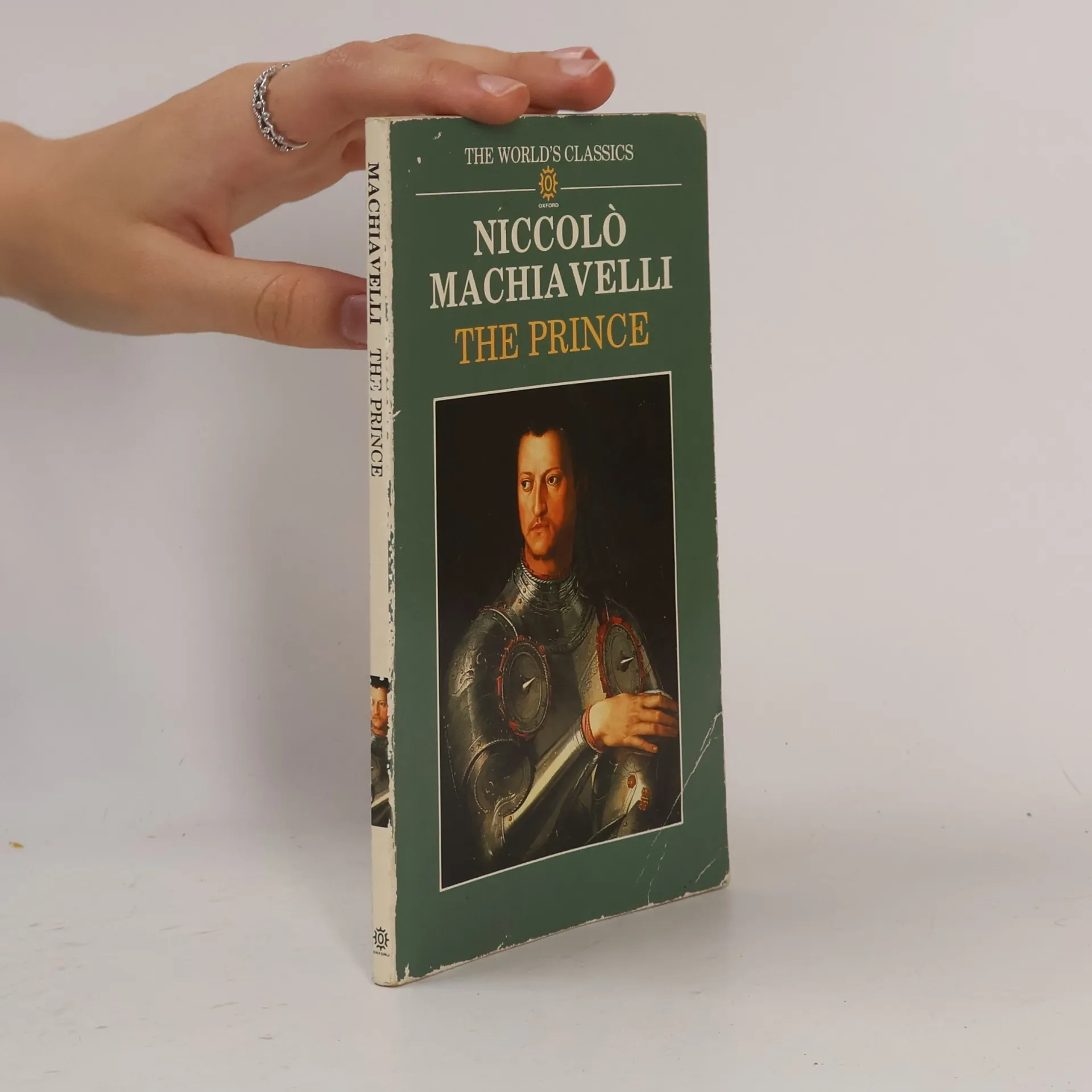
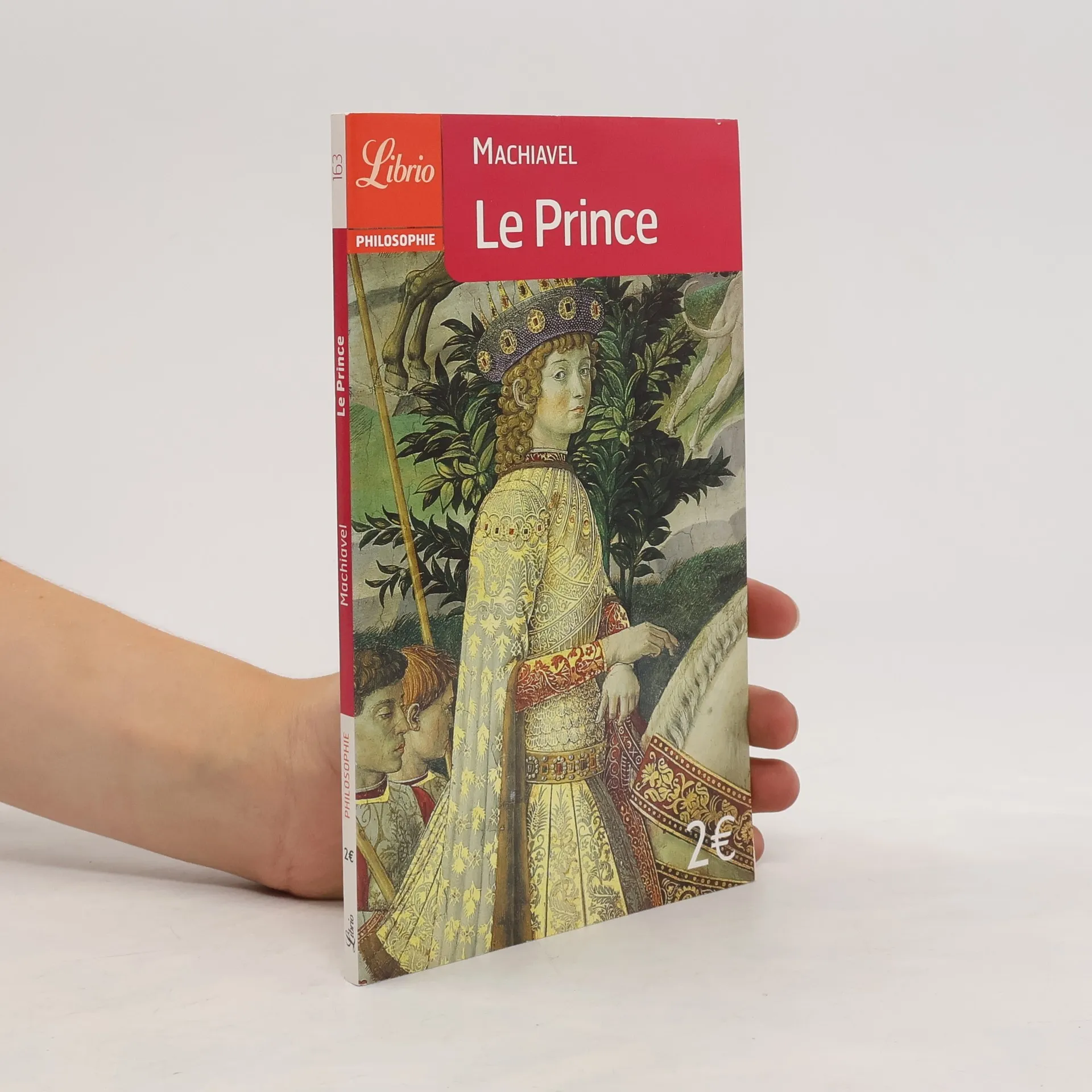
    Le Prince
    Grands Écrivains choisis par l'Académie Goncourt: Le Prince
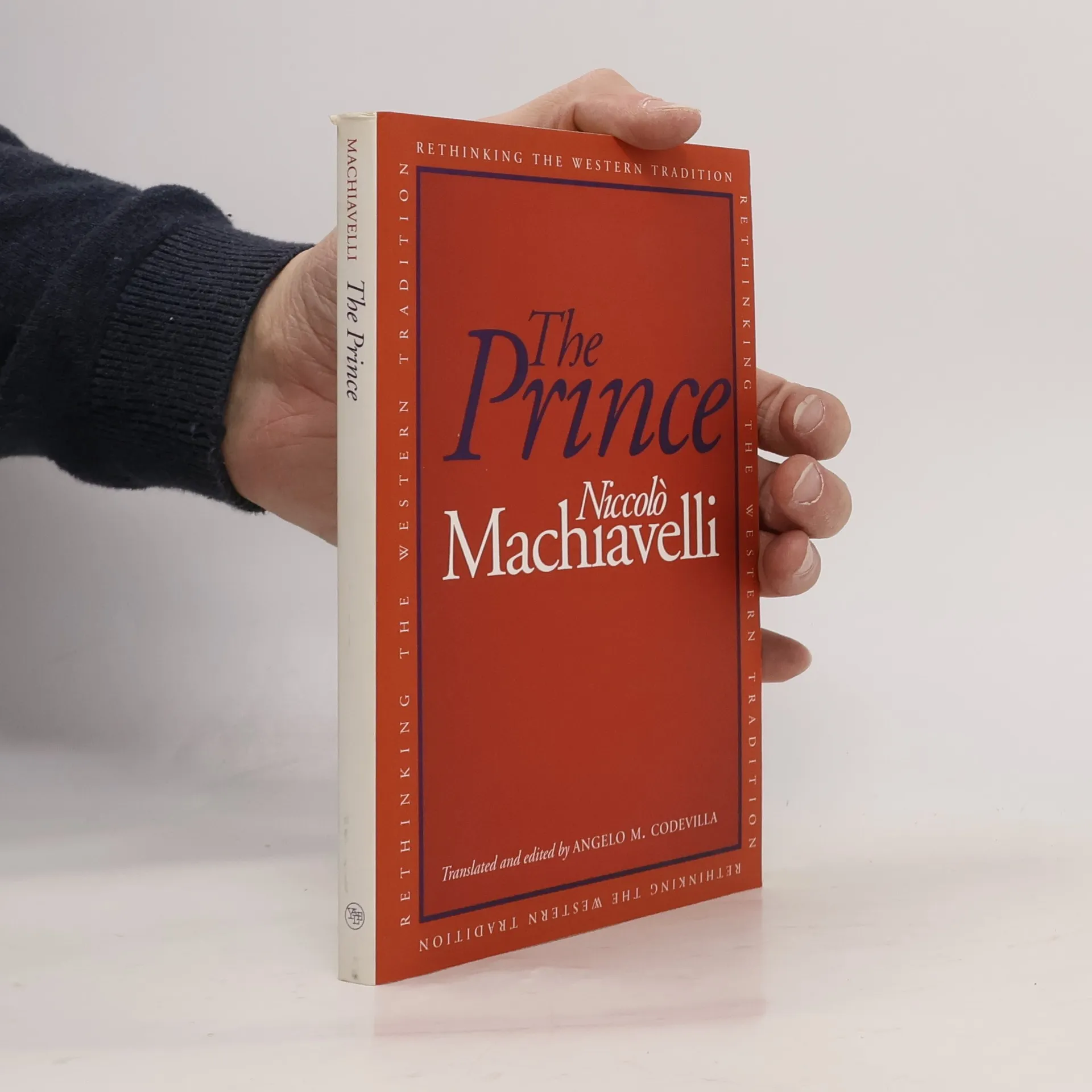
    • Here is the world's most famous master plan for seizing and holding power. Astonishing in its candor The Prince even today remains a disturbingly realistic and prophetic work on what it takes to be a prince . . . a king . . . a president. When, in 1512, Machiavelli was removed from his post in his beloved Florence, he resolved to set down a treatise on leadership that was practical, not idealistic. In The Prince he envisioned would be unencumbered by ordinary ethical and moral values; his prince would be man and beast, fox and lion. Today, this small sixteenth-century masterpiece has become essential reading for every student of government, and is the ultimate book on power politics.

      Grands Écrivains choisis par l'Académie Goncourt: Le Prince
      3,0
    • Le Prince

      • 123pages
      • 5 heures de lecture

      " Comme il serait louable chez un prince de tenir sa parole et de vivre avec droiture et non avec ruse... " Même si son amour de la patrie ne fait aucun doute, Machiavel brosse le portrait d'une Italie en proie aux complots de toutes sortes. La politique est d'ailleurs, selon lui, un jeu où s'affrontent les passions et les intérêts. Œuvre d'exil, Le Prince est écrit en 1513. Machiavel le dédie à Laurent de Médicis, l'engageant à chercher le chemin de la vérité, à s'appuyer sur les Grands, à se concilier le peuple, bref, à songer à la prospérité et au salut de tous. Mais par quels moyens ? Les lois ou la force ? Peu importe puisque " la fin justifie les moyens ". Il faut savoir être " simulateur et dissimulateur. Les hommes sont si simples que celui qui trompe trouvera toujours qui se laissera tromper "...

      Le Prince
      3,7
    • Décryptez la pensée de Machiavel avec l'analyse de Paideia éducation ! Que faut-il retenir de l'oeuvre du philosophe ? Retrouvez tout ce que vous devez savoir de Machiavel dans une analyse de référence pour comprendre rapidement le sens de sa pensée. Rédigée de manière claire et accessible par un enseignant, cette analyse propose notamment une biographie du philosophe, une étude de sa pensée et une bibliographie de ses principaux ouvrages. Une analyse philosophique complète et détaillée pour mieux comprendre le philosophe ! Paideia éducation en deux mots: Plébiscité aussi bien par les passionnés de philosophie que par les lycéens, Paideia éducation est considéré comme une référence en matière d'analyses d'oeuvres littéraires et philosophiques. Celles-ci ont été conçues pour guider les lecteurs et rendre accessible des ouvrages et philosophes de premier plan. Nos auteurs appartiennent aux milieux universitaire et de l'éducation, gage de sérieux pour vous faire découvrir les plus grands auteurs de la philosophie mondiale.

      Machiavel : Étude détaillée et analyse de sa pensée
    • The Prince and The Art of War

      With an Afterword of Oliver Francis

      • 440pages
      • 16 heures de lecture

      Written in the sixteenth century and almost immediately a subject of controversy, The Prince presents Machiavelli's advice to a ruler who would seek to maintain his power most effectively. Pragmatism and expediency are seen to be more important considerations than ethical ones, and a ruler must be prepared to take actions in the interest of public order that might conflict with purely private ethical concerns. A good ruler must avoid being hated by his subjects however. In The Art of War Machiavelli examines ancient military practices for their relevance to modern political issues, and asserts that military power is at the base of all civil order.With an Afterword by Oliver Francis.

      The Prince and The Art of War
      4,1
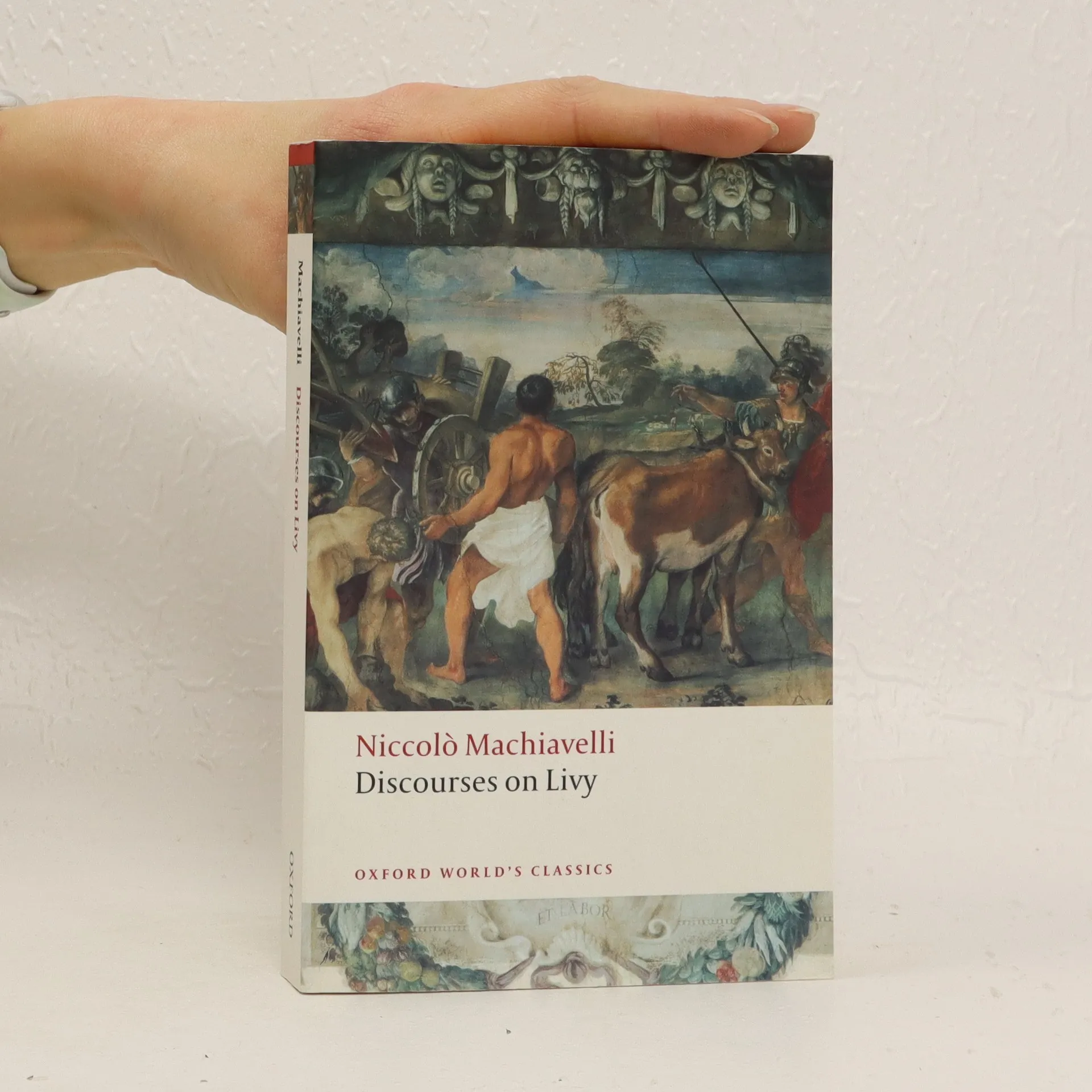
    • Discourses on Livy

      • 414pages
      • 15 heures de lecture

      Machiavelli's commentary on Livy's history of Rome sets out his fundamental preference for a republican state. This translation is richly annotated, providing the contemporary reader with sufficient historical, linguistic, and political information to understand and interpret the revolutionary affirmations Machiavelli made, based on the historical evidence he found in Livy.

      Discourses on Livy
      4,1
    • The Life of Castruccio Castracani

      • 128pages
      • 5 heures de lecture

      Written in Machiavelli's characteristically lucid and terse style, Life of Castruccio Castracani is a revealing account of the political ferment and fractious factionalism of fourteenth-century Italy.

      The Life of Castruccio Castracani
      3,8
    • Florentine Histories

      • 416pages
      • 15 heures de lecture

      The description for this book, Florentine Histories, will be forthcoming.

      Florentine Histories
      3,9
    • The Art of War

      • 178pages
      • 7 heures de lecture

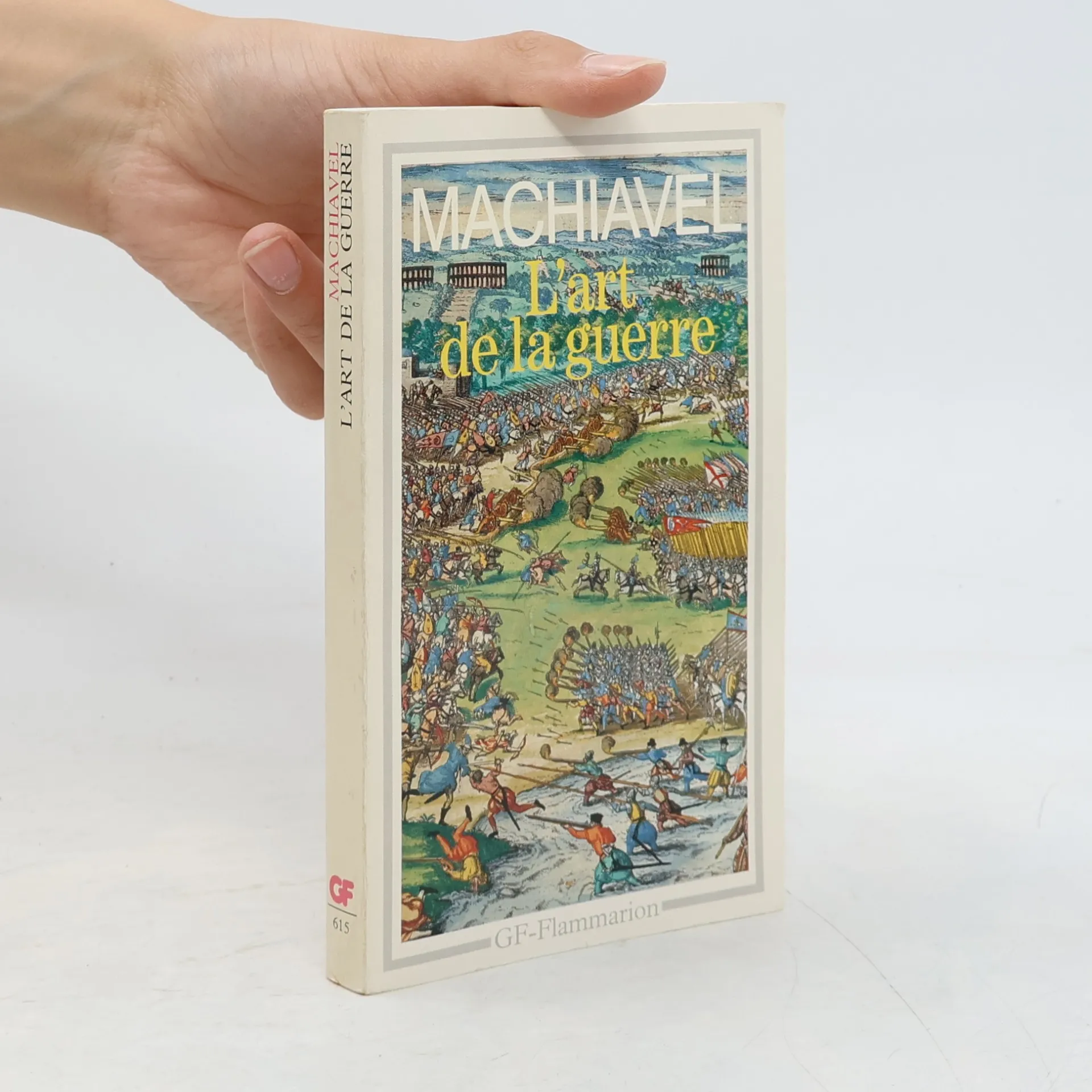
      The Art of War (Italian: Dell'arte della guerra) is a treatise by the Italian Renaissance political philosopher and historian Niccolo Machiavelli. The format of The Art of War is a socratic dialogue. The purpose, declared by Lord Fabrizio Colonna (perhaps Machiavelli's persona) at the outset, "To honor and reward virtu, not to have contempt for poverty, to esteem the modes and orders of military discipline, to constrain citizens to love one another, to live without factions, to esteem less the private than the public good." To these ends, Machiavelli notes in his preface, the military is like the roof of a palazzo protecting the contents. Written between 1519 and 1520 and published the following year, it was Machiavelli's only historical or political work printed during his lifetime, though he was appointed official historian of Florence in 1520 and entrusted with minor civil duties."

      The Art of War
      3,8
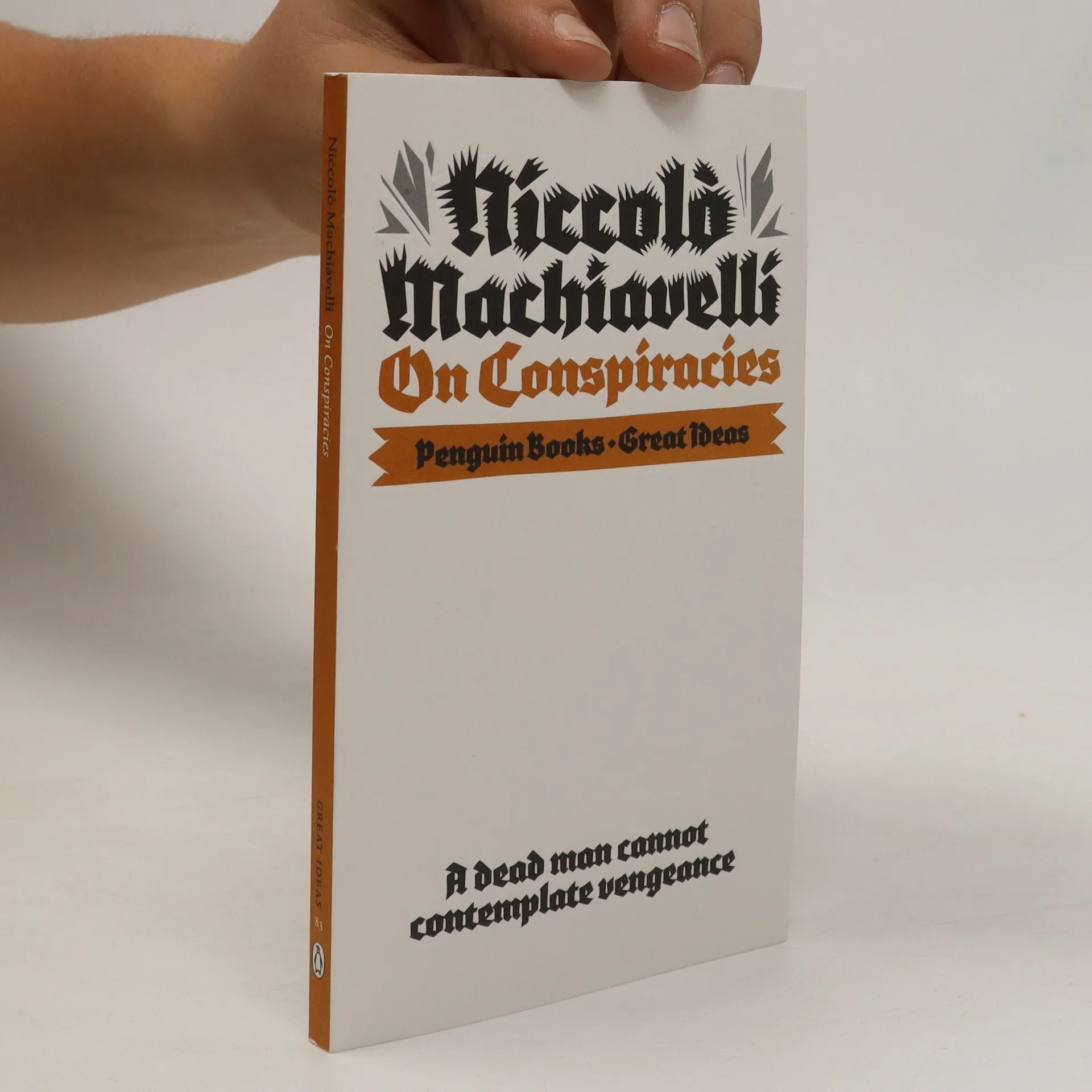
    • A collection that discusses the dangers of conspiracies and the component parts of an army. It also gives advice on tactics and discipline, and explains why promises made under force ought not to be kept.

      On Conspiracies
      3,8
    • Machiavelli: The Prince

      • 192pages
      • 7 heures de lecture

      Professor Skinner presents a lucid analysis of Machiavelli's text as a response to the world of Florentine politics.

      Machiavelli: The Prince
      3,8
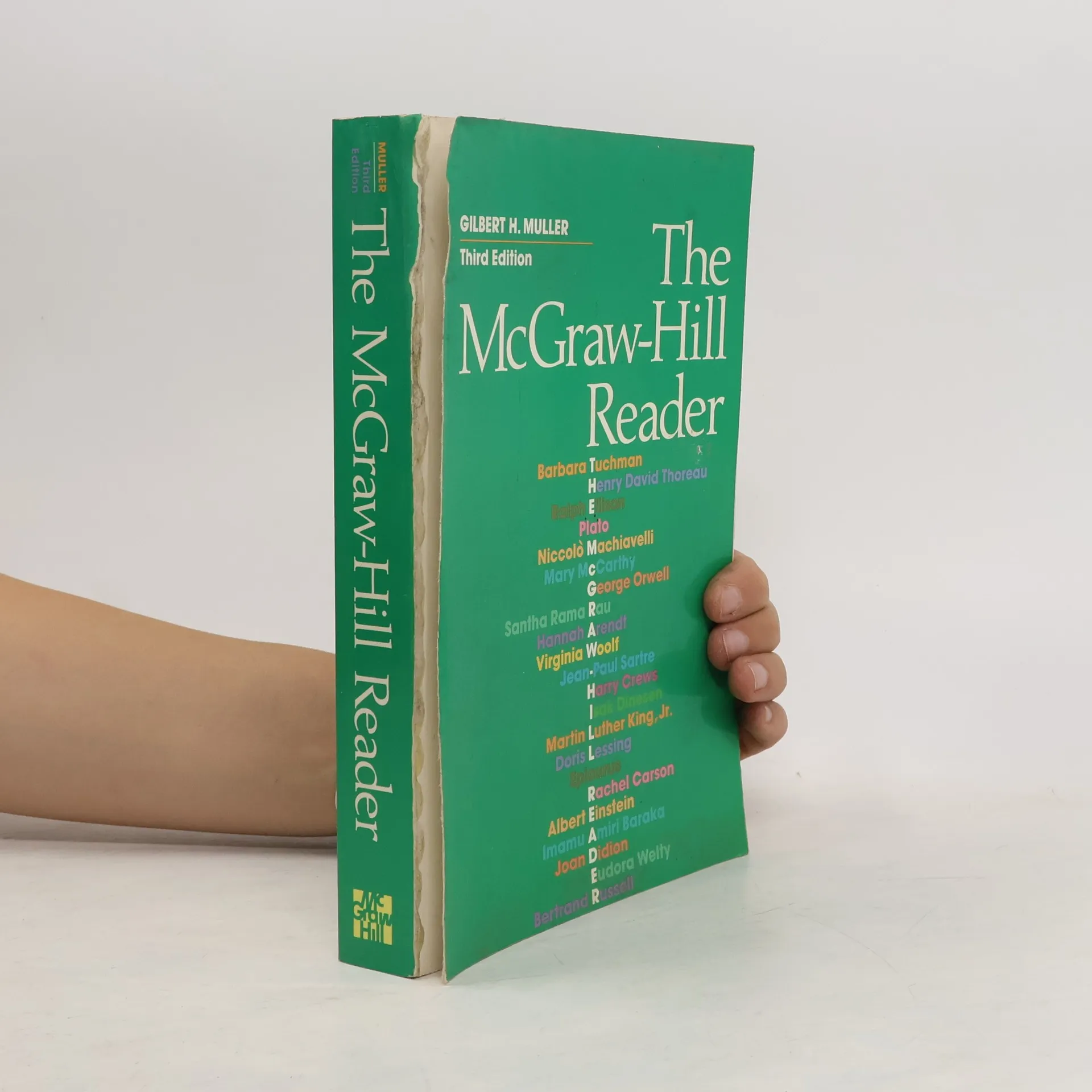
    • The McGraw-Hill Reader: Third Edition

      • 725pages
      • 26 heures de lecture

      Approaching a liberal arts tradition in the classroom, across the curriculum, and beyond, The McGraw-Hill Reader offers rich and diverse readings in education, the social sciences, business and economics, the humanities, and the sciences. This new eleventh edition offers a new focus on reading and composing across various media; it includes over 100 selections from prominent thinkers and writers; each essay was chosen to provoke critical thought and encourage effective writing.

      The McGraw-Hill Reader: Third Edition
    • Discourses On The First

      • 508pages
      • 18 heures de lecture

      A collection of speeches given by Machiavelli on the topic of government and leadership, including his famous commentary on Livy. The work provides a unique insight into the political theories of the Italian Renaissance and remains a classic of political philosophy.

      Discourses On The First
    • The Prince (1532), The Leviathan (1651), The Two Treatises of Government (1689), The Social Contract (1762), The Constitution of Pennsylvania (1776)

      The Original Texts from Machiavelli, Hobbes, Locke, Rousseau and The Founding Fathers of the United State

      • 732pages
      • 26 heures de lecture

      Exploring foundational political theories, this collection features seminal texts from influential thinkers such as Machiavelli, Hobbes, Locke, and Rousseau, alongside the Constitution of Pennsylvania. Each work delves into themes of power, governance, and social contract theory, offering insights into the evolution of political thought from the Renaissance to the Enlightenment. Readers will encounter diverse perspectives on authority, individual rights, and the role of government, reflecting the complex interplay between philosophy and the formation of modern democratic principles.

      The Prince (1532), The Leviathan (1651), The Two Treatises of Government (1689), The Social Contract (1762), The Constitution of Pennsylvania (1776)
    • The Florentine History Volume II

      • 312pages
      • 11 heures de lecture

      Exploring the cyclical nature of society, this work by Niccolò Machiavelli delves into the interplay between virtue, tranquility, and disorder. It illustrates how each state leads to the next, ultimately revealing a philosophical perspective on the rise and fall of civilizations. The text emphasizes the importance of order and virtue in achieving glory and good fortune, reflecting Machiavelli's insights into human behavior and governance. This historical analysis remains relevant in understanding the complexities of political and social dynamics.

      The Florentine History Volume II
    • Examining historical rulers and governments, Machiavelli analyzes the factors behind their successes and failures. He distills key principles that have influenced leadership throughout history, presenting insights that are challenging yet essential for any leader. His work emphasizes the complexities of power dynamics and the often harsh realities of governance, making it a critical study for understanding political strategy and leadership ethics.

      The Prince (Deluxe Library Edition) (Annotated)
    • The Prince (The Journal Edition)

      • 182pages
      • 7 heures de lecture

      Exploring the complexities of leadership and power, this edition of Machiavelli's classic invites readers to engage deeply with the text. Often viewed as a manual for tyranny, it challenges perceptions of morality in governance and suggests a more nuanced interpretation. Designed for thoughtful study, it offers ample space for notes and reflections, encouraging readers to uncover Machiavelli's potential subversive intentions. This volume aims to provoke new insights into the evolving nature of leadership and the essence of power in contemporary society.

      The Prince (The Journal Edition)
    • The Discourses (Deluxe Library Edition)

      • 428pages
      • 15 heures de lecture

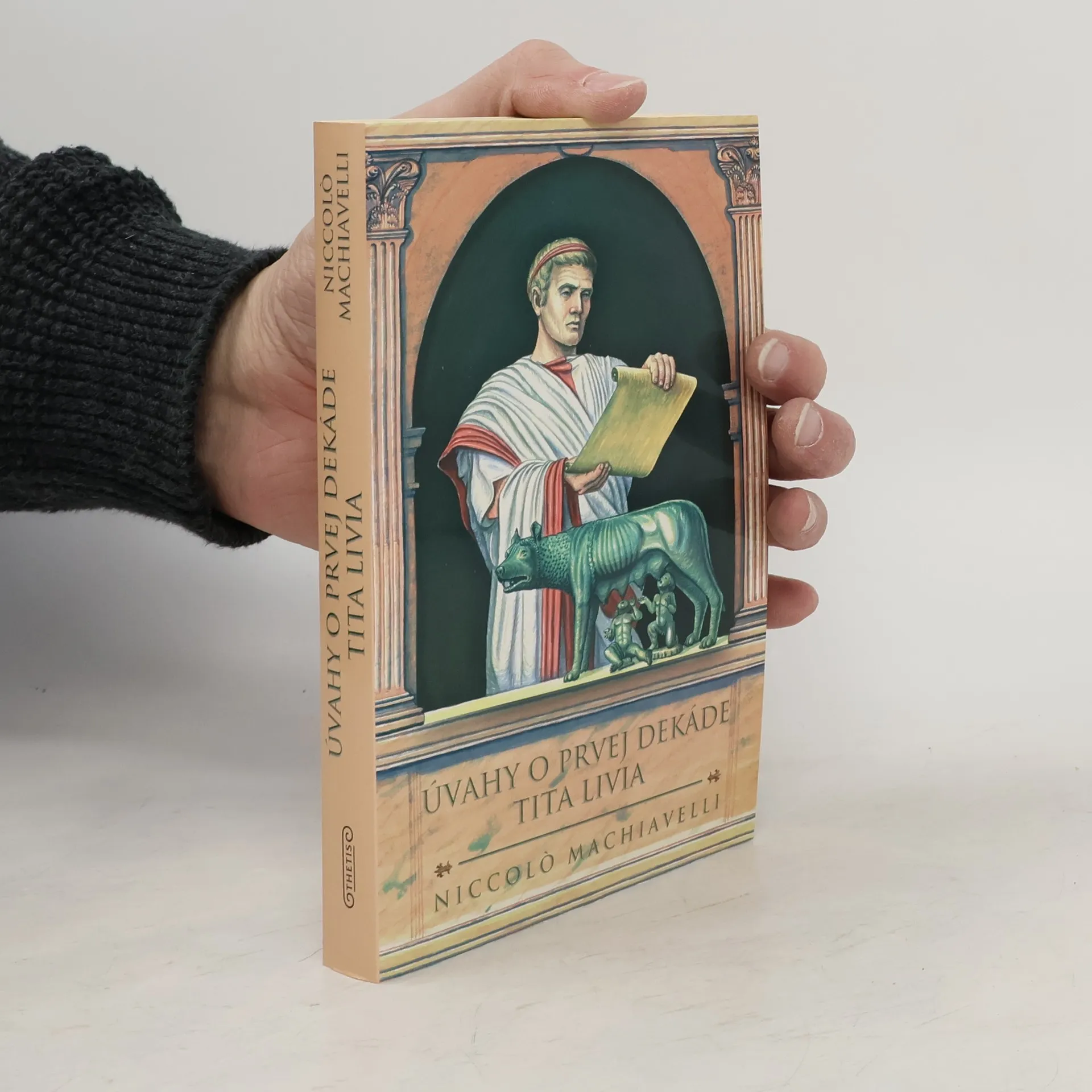
      Focusing on political history and philosophy, this work analyzes Livy's "Ab urbe condita," detailing Rome's expansion until 293 BCE. Machiavelli draws lessons from various historical periods, including his own, presenting Romans and other ancient civilizations as exemplary models. He explores the cyclical nature of political greatness, suggesting that it fluctuates among peoples over time. This examination offers insights into the dynamics of power and governance, emphasizing the relevance of historical lessons for contemporary politics.

      The Discourses (Deluxe Library Edition)
    • The Florentine History Vol. I

      • 312pages
      • 11 heures de lecture

      Exploring the cyclical relationship between virtue and ruin, this work delves into the philosophical insights of Niccolò Machiavelli. It examines how tranquility and leisure can lead to disorder, ultimately resulting in ruin, while also highlighting the potential for rebirth through order and virtue. The text reflects on the complexities of human nature and governance, offering a profound commentary on the interplay of moral principles and societal outcomes. Machiavelli's historical perspective provides a framework for understanding the dynamics of power and fortune.

      The Florentine History Vol. I
    • Exploring political history and philosophy, Machiavelli examines lessons from various eras, including contemporary politics. He articulates the concept of political greatness as a cyclical phenomenon that rises and falls among different peoples, providing insights into the nature of power and governance throughout history.

      The Discourses (Royal Collector's Edition) (Annotated) (Case Laminate Hardcover with Jacket)
    • A Box of Illuminations

      • 384pages
      • 14 heures de lecture

      A box of four books that make accessible the ideas of four of the greatest thinkers the world has known. Love by Vatsyayana, Hindu sage and author of the Kama Sutra. Power, by Niccolo Machiavelli, master of realpolitik. Happiness by Marcus Aurelius, author of Meditations. Faith by St. Paul, founding father of the Church.

      A Box of Illuminations
    • Machiavelli draws on his extensive historical knowledge and experience as a statesman to examine the reasons that Kings, Emperors, Dukes and governments have thrived or crumbled, while highlighting the principles that guided them. In each case Machiavelli suggests a set of principles that any leader would find difficult to follow, but impossible to ignore. The Prince has had a profound influence on political thought over the past 500 years, so much so that the term 'Machiavellian' is used to describe one who deceives and manipulates others. This is likely derived from Machiavelli's view that "it is often necessary to act against mercy, against faith, against humanity, against frankness, against religion, in order to preserve the state." Machiavelli continues to provide an understanding of how world leaders think, and why certain decisions are made. A must read for the politically inclined and those interested in world events and the affairs of state. This case laminate collector's edition includes a Victorian inspired dust-jacket.

      The Prince (Royal Collector's Edition) (Annotated) (Case Laminate Hardcover with Jacket)
    • The Prince (Reader's Library Classics)

      • 108pages
      • 4 heures de lecture

      The modern-day term "Machiavellian" is used to describe deception, dishonesty, and cruelty to meet a goal. The Prince by Niccolò Machiavelli was written as a guide for autocrats on how to govern using means that were meant to deceive and manipulate a government's constituency-to the extent of advocating the use of evil as a means of political expediency. In this classic work, the end justifies the means reigns paramount to Machiavelli's system of government.

      The Prince (Reader's Library Classics)
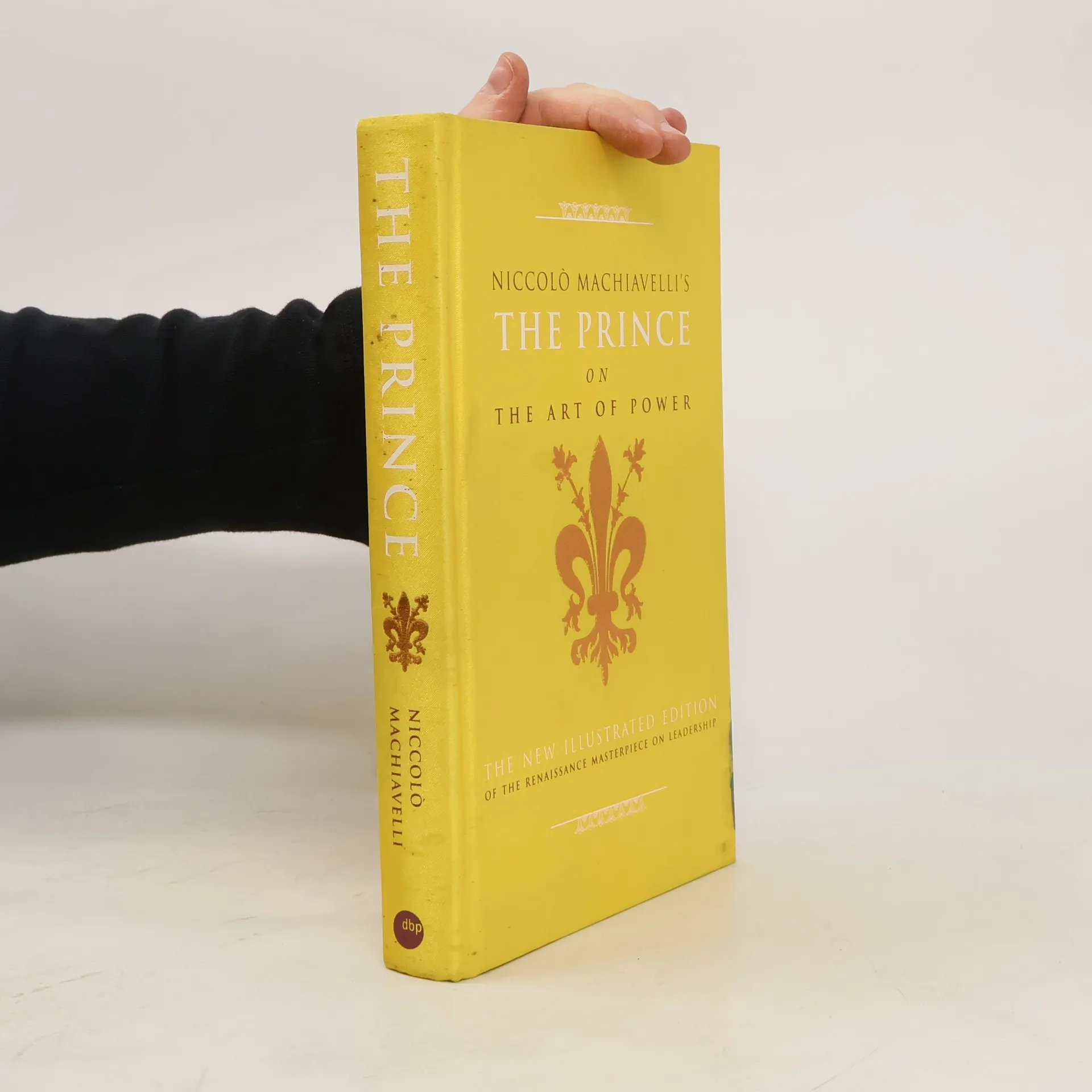
    • The Prince

      On the Art of Power - The New Illustrated Edition of the Renaissance Masterpiece on Leadership

      • 272pages
      • 10 heures de lecture

      Combining fine photographic illustrations with a translation of one of the great literary works of history, this book examines the relationship between moral goodness and legitimate authority, setting out timeless principles for pursuing power and fortune and using them to best effect in securing order and peace.

      The Prince
    • The Prince

      A New Translation, with an Introduction, by Harvey C. Mansfield, Jr.

      • 124pages
      • 5 heures de lecture

      'The Prince' is a work on what it takes to be a prince, a king, a president. When, in 1512, Machiavelli was removed from his post in his beloved Florence, he resolved to set down a treatise on leadership that was practical, not idealistic. In 'The Prince' he envisioned would be unencumbered by ordinary ethical and moral values; his prince would be man and beast, fox and lion.

      The Prince
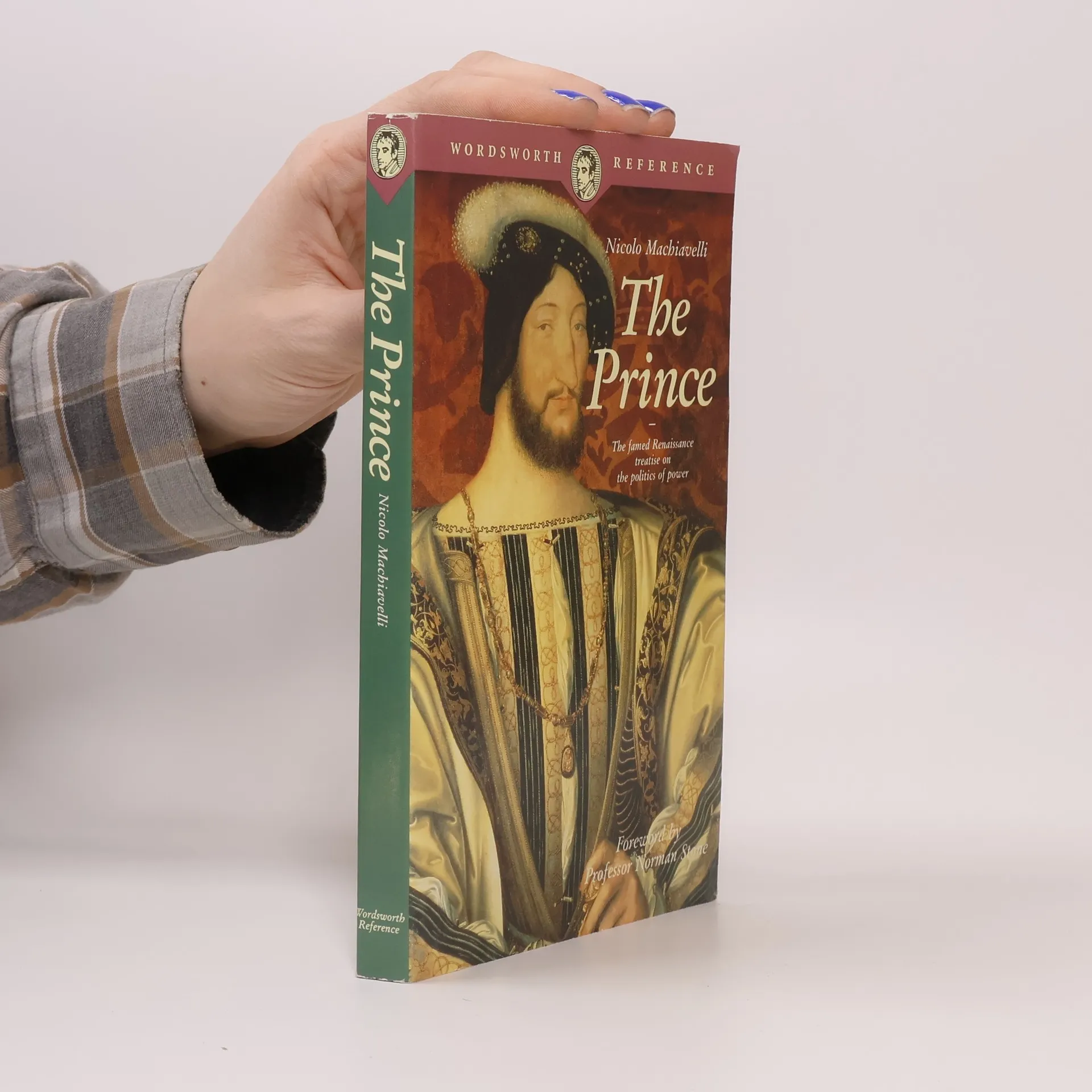
    • Wordsworth Reference: The Prince

      The Famed Renaissance Treatise on the Politics of Power

      • 320pages
      • 12 heures de lecture

      When Machiavelli's brief treatise on Renaissance statecraft and princely power was posthumously published in 1532, it generated a debate that has raged unabated until the present day. Based upon Machiavelli's first-hand experience as an emissary of the Florentine Republic to the courts of Europe, The Prince analyses the usually violent means by which men seize, retain, and lose political power. Machiavelli added a dimension of incisive realism to one of the major philosophical and political issues of his time, especially the relationship between public deeds and private morality. His book provides a remarkably uncompromising picture of the true nature of power, no matter in what era or by whom it is exercised.This fluent new translation is accompanied by an introduction that considers the true purpose of The Prince and dispels some of the myths associated with it. It has the most comprehensive explanatory and critical notes found in any currently available English translation and the most comprehensive bibliography in any edition of the work. It also contains a helpful Glossary of Proper Names, an Index and a map.

      Wordsworth Reference: The Prince
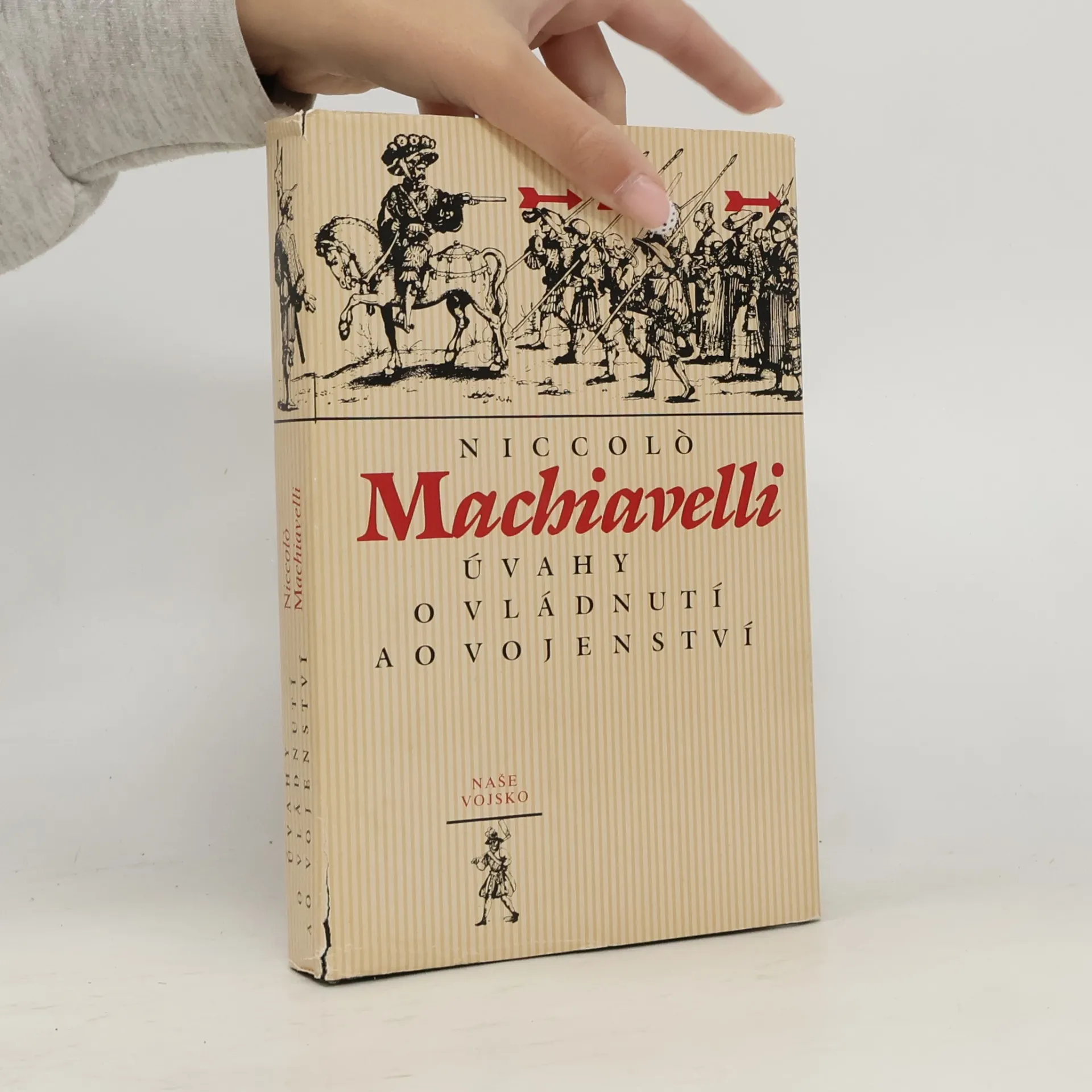
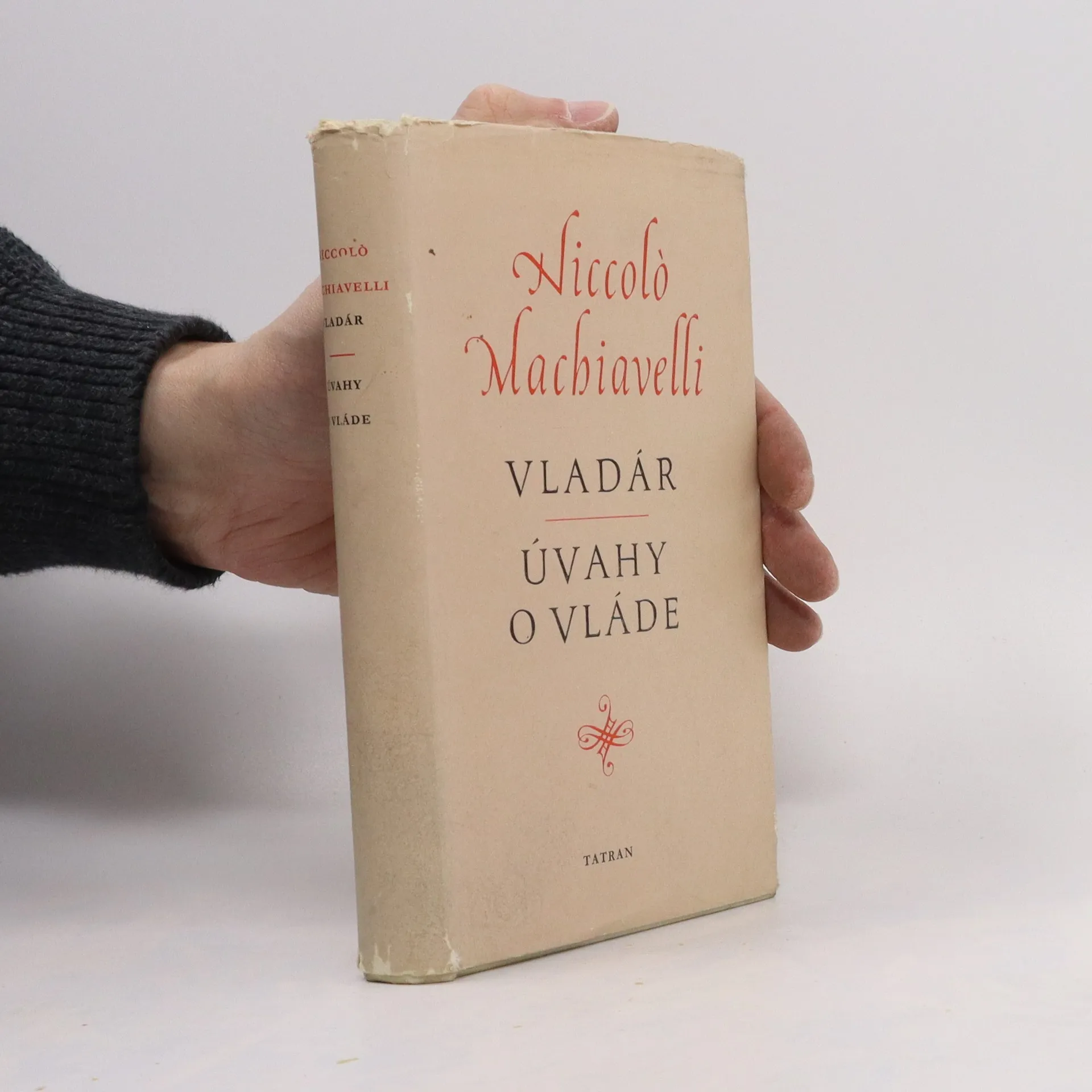
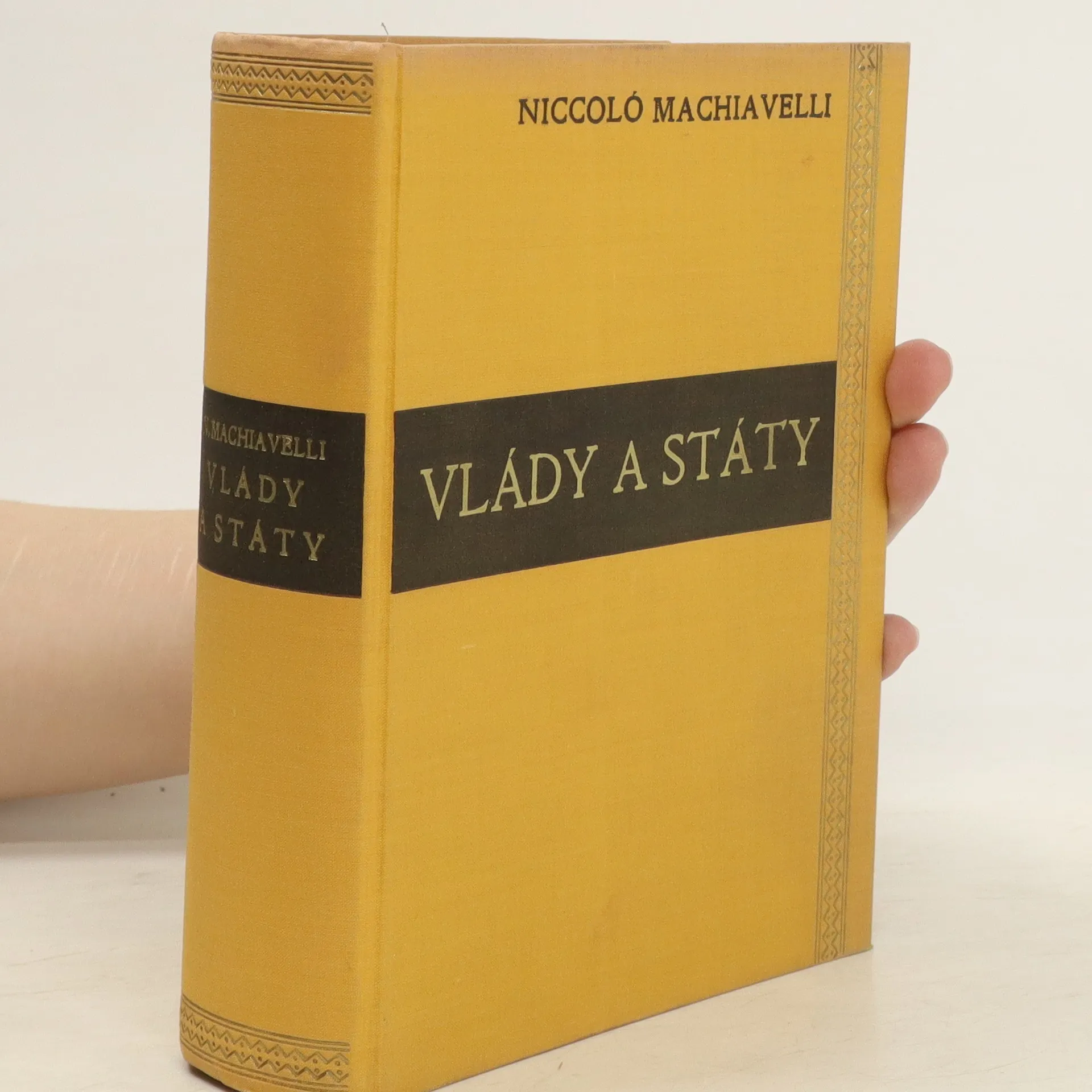
    • Vojensko-politické úvahy duchovního otce "machiavelismu", tj. politiky prováděné bez ohledu na použité prostředky v zájmu vyššího cíle. Svazek obsahuje tři knihy - Vladař. Úvahy o vladnutí a vojenství a Rozpravy o prvních deseti knihách Tita Livia.

      Úvahy o vládnutí a o vojenství
      4,6
    • V osmi kapitolách Florentských letopisů, psaných v letech 1523-1525, zpracovává Machiavelli vedle dějinného vývoje Florencie do r. 1492 i stručné dějiny Itálie. Letopisy, jež Marx charakterizoval jako "mistrovské dílo", jsou Machiavellimu především příležitostí k obecným úvahám a komentářům, v nichž dochází k překvapivě moderním závěrům o významu historie, o poznatelnosti minulosti, o stranickosti historiků, o vztahu náhody a obecných podmínek společenského života apod.

      Florentské letopisy
      4,5
    • Una divertentissima storia d’amore e una critica spietata all’ipocrisia. Un marito sciocco, una moglie bellissima e fedele, un giovane innamorato e… una pianta magica ma mortale: la mandragola! Con questi elementi, Machiavelli costruisce una storia divertentissima, dove ognuno cerca la propria felicita… a danno di qualcun altro! Una commedia comica, capolavoro della letteratura italiana del Cinquecento, da sempre rappresentata in tutto il mondo.

      Letture Graduate ELI Giovani Adulti 2/A2: Mandragola + Downloadable Multimedia
      5,0
    • Historie florenckie

      • 440pages
      • 16 heures de lecture

      Aby przewidzieć przyszłość, należy poznać przeszłość, ponieważ wszystko, co się dzieje, ma swój odpowiednik w minionych czasach. Niccolo Machiavelli, surowo oceniany przez potomnych, w swoim dziele nie odkrył nowych doktryn, lecz odważył się opisać praktyki stosowane przez innych w celu skutecznego rządzenia i przetrwania państwa. Zasady zawarte w jego Księciu obowiązują do dziś, gdzie konflikt moralności i polityki często kończy się triumfem tej drugiej. Historie florenckie, napisane w latach 1521-1525 i dedykowane papieżowi Klemensowi VII, to jedno z najważniejszych dzieł Machiavellego. W pierwszej księdze przedstawia kluczowe wydarzenia z przeszłości Italii, a w drugiej koncentruje się na historii Florencji. Dzieło charakteryzuje się logiczną narracją, która utrzymuje zainteresowanie czytelnika. To nie tylko historia, ale także traktat o polityce, kulturze i społeczeństwie. Machiavelli zawarł w nim refleksje dotyczące konfliktów społecznych i politycznych, oparte na sytuacji średniowiecznej i renesansowej Florencji. Jego przemyślenia o władzy i jej wpływie na zamożność państwa pozostają aktualne, ukazując, że polityczny konflikt to gra o wolność, godność i dobrobyt. Historie florenckie pokazują, że czasami należy oceniać dobro jako mniejsze zło.

      Historie florenckie
      5,0
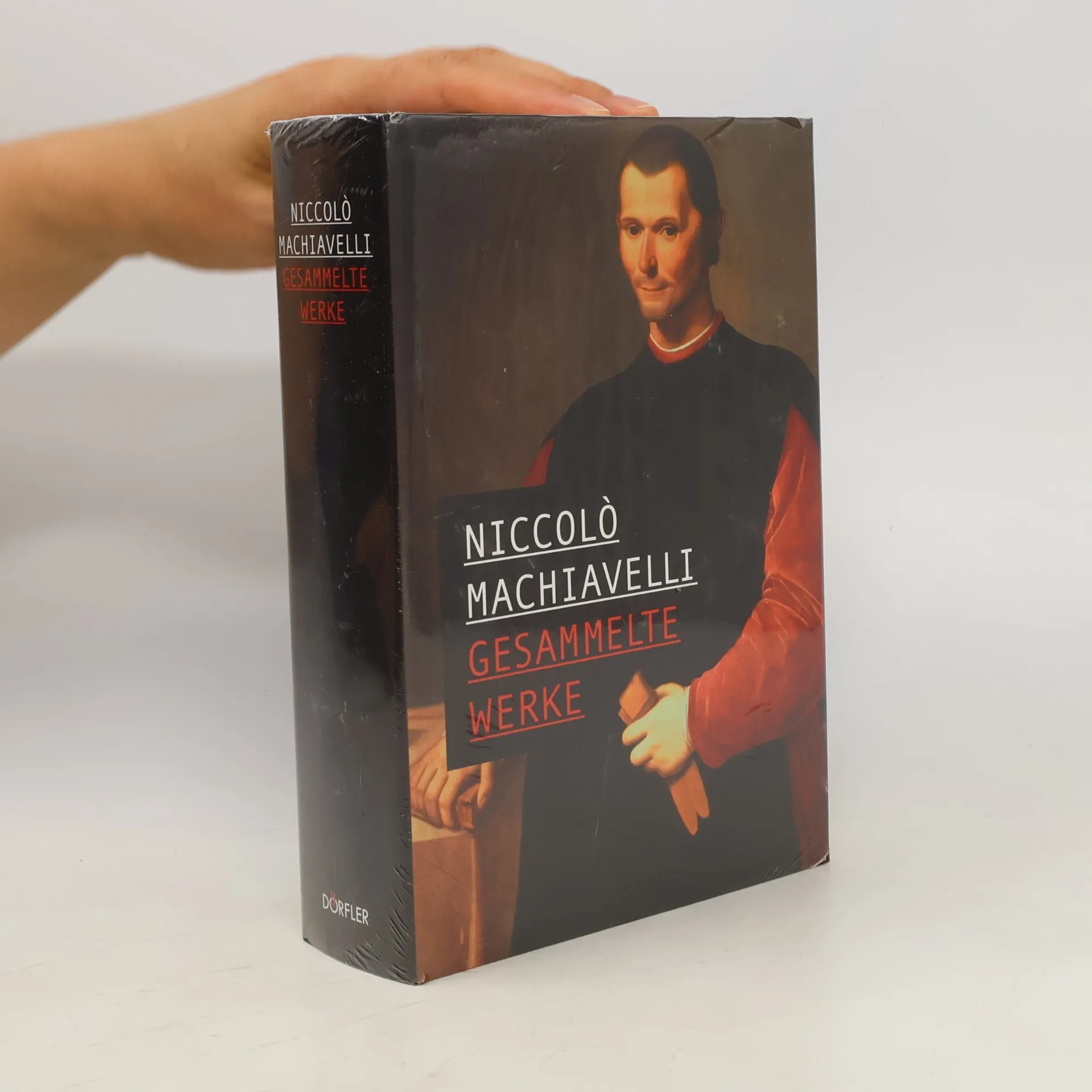
    • Kein politischer Denker ist so umstritten wie der Florentiner Niccolò Machiavelli: Während die einen in ihm den fortschrittlichen Denker und vorbildlichen Republikaner sehen, der Politik losgelöst von der doppelten Vormundschaft von Religion und Moral zu denken wagte und damit das Profil eines neu entstehenden Politikertyps umriss und die Trennung von Kirche und Staat vorwegnahm, wollen andere in ihm den Meisterdenker der Skrupellosigkeit erkennen, einen zynischen Machttechniker, dem der Zweck die Mittel heilige. Doch nur wenige sind tatsächlich mit dem Denken des humanistischen Gelehrten vertraut, der in einer Epoche der Erschütterungen und Umwälzungen die Moderne heraufziehen sah und nach Wegen suchte, wie den Herausforderungen der neuen Zeit zu begegnen sei. In diesem Band ist mit den Schriften „Vom Fürsten“, „Vom Staate“, „Von der Kriegskunst“ und der „Geschichte von Florenz“ Machiavellis politisches Vermächtnis zu entdecken. Dass der Florentiner aber nicht nur ein brillanter politischer Denker sondern auch ein talentierter satirischer Schriftsteller und Erzähler war, wird bei Lektüre seiner literarischen Werke deutlich, die zusammen mit kleineren Schriften und Abhandlungen die vorliegende Auswahl ergänzen, darunter die meisterhafte Novelle „Das Leben des Castruccio Castracani“, das literarische Seitenstück zum „Fürsten“, in dem Machiavelli den neuen Herrschertyp wie in einer Fallstudie porträtiert.

      Gesammelte Werke
      5,0
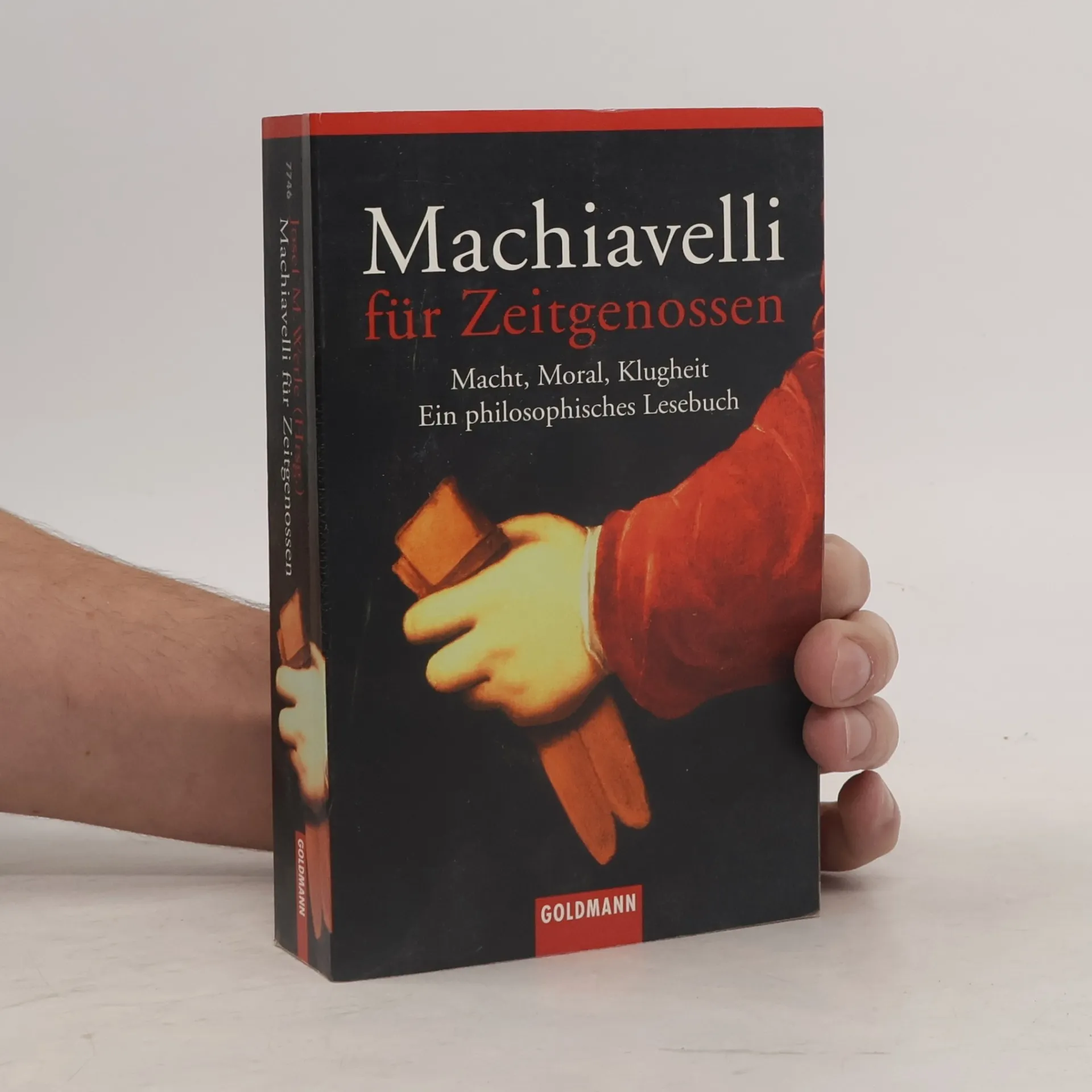
    • Machiavelli hat als einer der Ersten eine höchst aktuelle Problematik thematisiert: die Frage nach dem Selbstverständnis des Menschen. Wie soll man mit sich und seinesgleichen umgehen? Antworten zu dieser und anderen Fragen des Philosophen finden sich auch bei Denkern in seiner Nachfolge wie Guicciardini und Montaigne, die in diesem Band ebenfalls zu Wort kommen.

      Machiavelli für Zeitgenossen
      5,0
    • Vojenské umenie

      • 184pages
      • 7 heures de lecture

      V dobe Niccola Machiavelliho sa na politickej scéne diali neustále zmeny, ktoré prinášali jeho mestu a štátu Florencii mnohokrát pokoru. Počas svojho života sa Machiavelli snažil o zveľadenie svojho mesta a samostatnosť a nezávislosť Florencie od iných mocností. Vo svojich snahách poukazoval na to, že každý štát musí mať schopné vojsko, armádu, ktorá dokáže odolávať nepriateľským tlakom a zabezpečí ochranu vlastného územia. Bol si vedomý, že úplatné žoldnierske armády, ktoré stoja raz na strane jedného, raz iného panovníka, nie sú riešením pri budovaní nezávislého štátu v Taliansku a že armáda by sa mala utvárať inak. Príklady na vybudovanie spoľahlivej armády, ktorá by dokázala ochrániť štát pred nepriateľskými vpádmi, Machiavelli nachádzal najmä v období starovekého Ríma. Svoje názory ucelene predkladá v diele Vojenské umenie. Systematicky v ňom prechádza všetky oblasti vojenstva a podáva nám obraz o tom, ako by sa malo vybudovať silné vojsko schopné plniť si svoje úlohy. Dielo nám poskytuje veľa informácií o vojenských otázkach obdobia renesancie a o pomeroch, ktoré v tých časoch vládli najmä vo Florencii. Súčasťou knihy je odborná štúdia Pavla Koprdu pod názvom Machiavelliho vzťah k vojenstvu. Prierezovo skúma celé Machiavelliho dielo a približuje nám jeho postoj k otázkam vojenstva.

      Vojenské umenie
      5,0
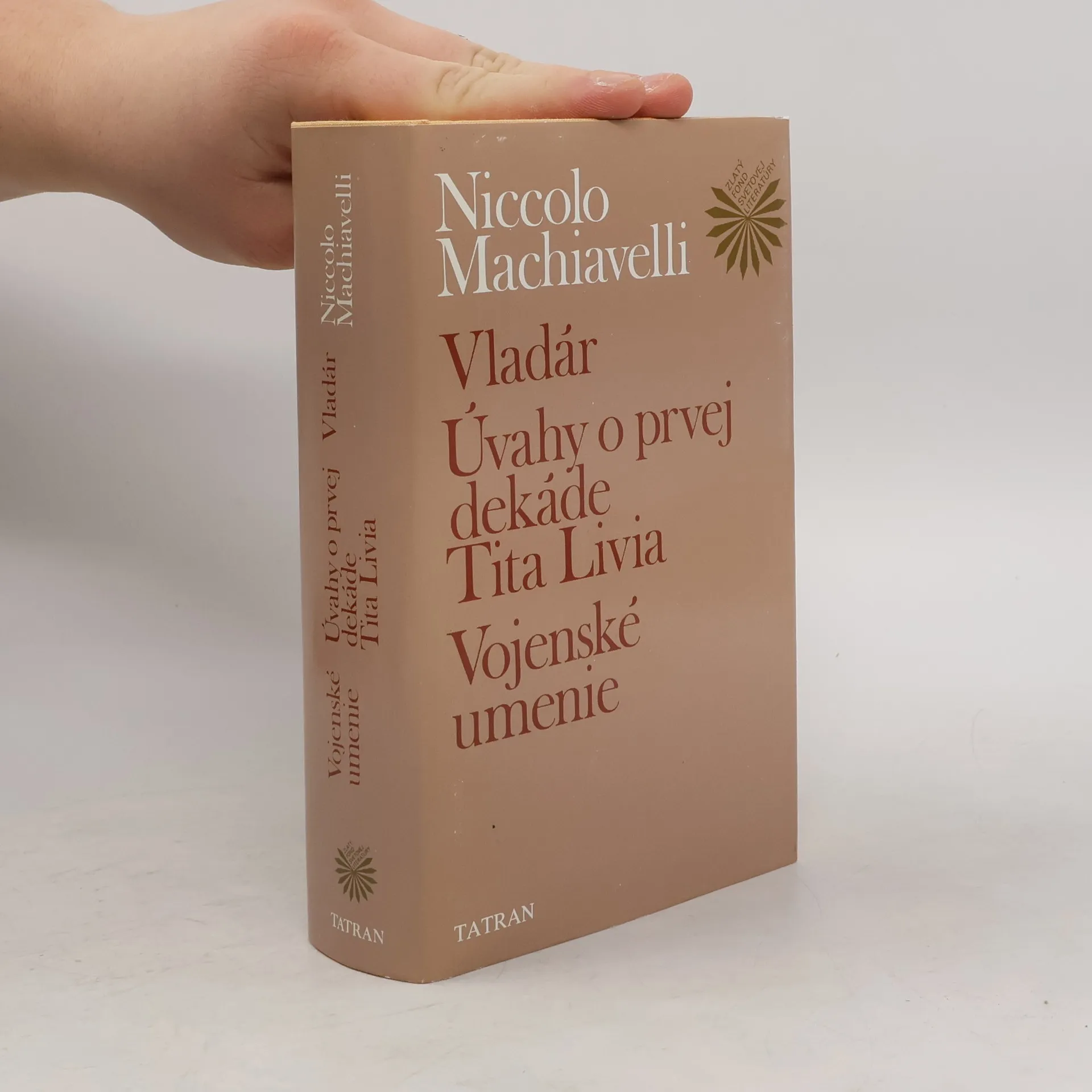
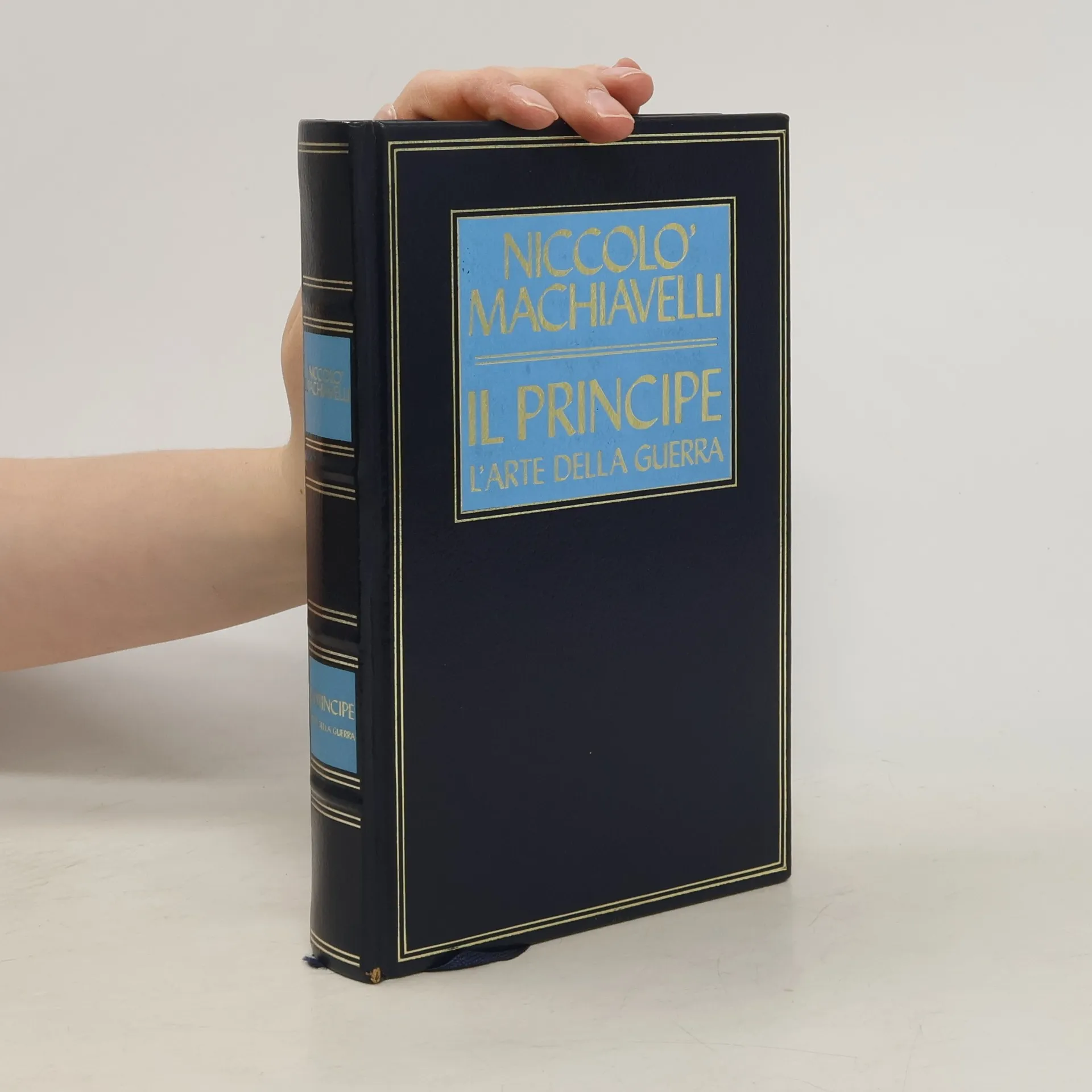
    • Na prelome šestnásteho storočia vrcholí renesancia v Taliansku, kde sa vedľa seba stretáva množstvo vynikajúcich osobností. Intrigy, vášne a nenávisti tvoria zložitú sieť, v ktorej mocnárstva zanikajú a umelci sú zabudnutí. V tejto dobe sa narodil Niccolo Machiavelli, ambiciózny mladý muž túžiaci po kariére diplomata. Paradoxne, teoretik štátu a geniálny mysliteľ musel čeliť finančným problémom, aby mohol reprezentovať svoju vlasť. Napriek dôležitým misiám nikdy nebol oficiálne vymenovaný za vyslanca. Pri jednej z politických misií sa stretáva s Cesarem Borgiom, ktorý zásadne ovplyvní jeho život a stane sa predobrazom vladára v Machiavelliho slávnom diele. Autor v ňom predstavuje ideálny štát pod vládou ideálneho vládcu, pričom zdôrazňuje nezávislosť politiky od morálky a náboženstva. Toto presvedčenie viedlo k nepravdivej legendárnej predstave o Machiavelliho amorálnosti. Termín machiavellizmus sa stal synonymom pre ľstivosť a zradnosť. V tomto výbere, ktorý ponúka komplexný pohľad na Machiavelliho, sú zahrnuté aj jeho ďalšie dôležité diela, ako Úvahy o prvej dekáde Tita Livia, Vojenské umenie, Mandragora a výber z jeho súkromnej korešpondencie.
      Vladár. Úvahy o prvej dekáde Tita Livia. Vojenské umenie
      5,0
    • Dievča z Andru, Mandragora, Clizia

      • 192pages
      • 7 heures de lecture

      Machiavelli sa stal známym vďaka svojim filozofickým a historickým dielam, v ktorých sa zaoberá najmä štátno-politickými záležitosťami. No priťahovala ho aj iná literárna tvorba, kde mohol prejaviť i inú stránku svojej osobnosti a rozptýliť ňou ťarchu svojho nepriaznivého osudu po návrate Medicejovcov k moci vo Florencii. V tom mu priestor poskytla komédia, ktorá mu dovoľovala rozvíjať jeho myšlienky jednoduchým, zrozumiteľným a hlavne veselým spôsobom. Vo svojich komédiách dáva voľnosť svojmu rozletu, predstavám smerujúcim k pobaveniu mysle a odpútaniu sa od obvyklého života, zvieraného zaužívanými mravmi a dogmami. Nebojí sa zahrýzať v citlivých spoločenských témach do vecí, ktoré na povrchu všedného života nevidno, no kde pohľady ľudí nesiahajú, sa možno i dejú. Ústrednou postavou jeho komédií býva vznešená žena so zmyslom pre počestnosť, no i krásna, ktorá sa v súlade so spoločenskými konvenciami nemôže nechať unášať svojimi citmi a láskou a ktorá nemá núdzu o priazeň mužov. Tri Machiavelliho komédie sú doplnené štúdiou Pavla Koprdu Začiatky renesančných komédií a Machiavelliho divadelná tvorba a úvody ku komédiám, podávajúce obraz o vývoji komédie v období renesancie i hlavné črty drám.

      Dievča z Andru, Mandragora, Clizia
      5,0
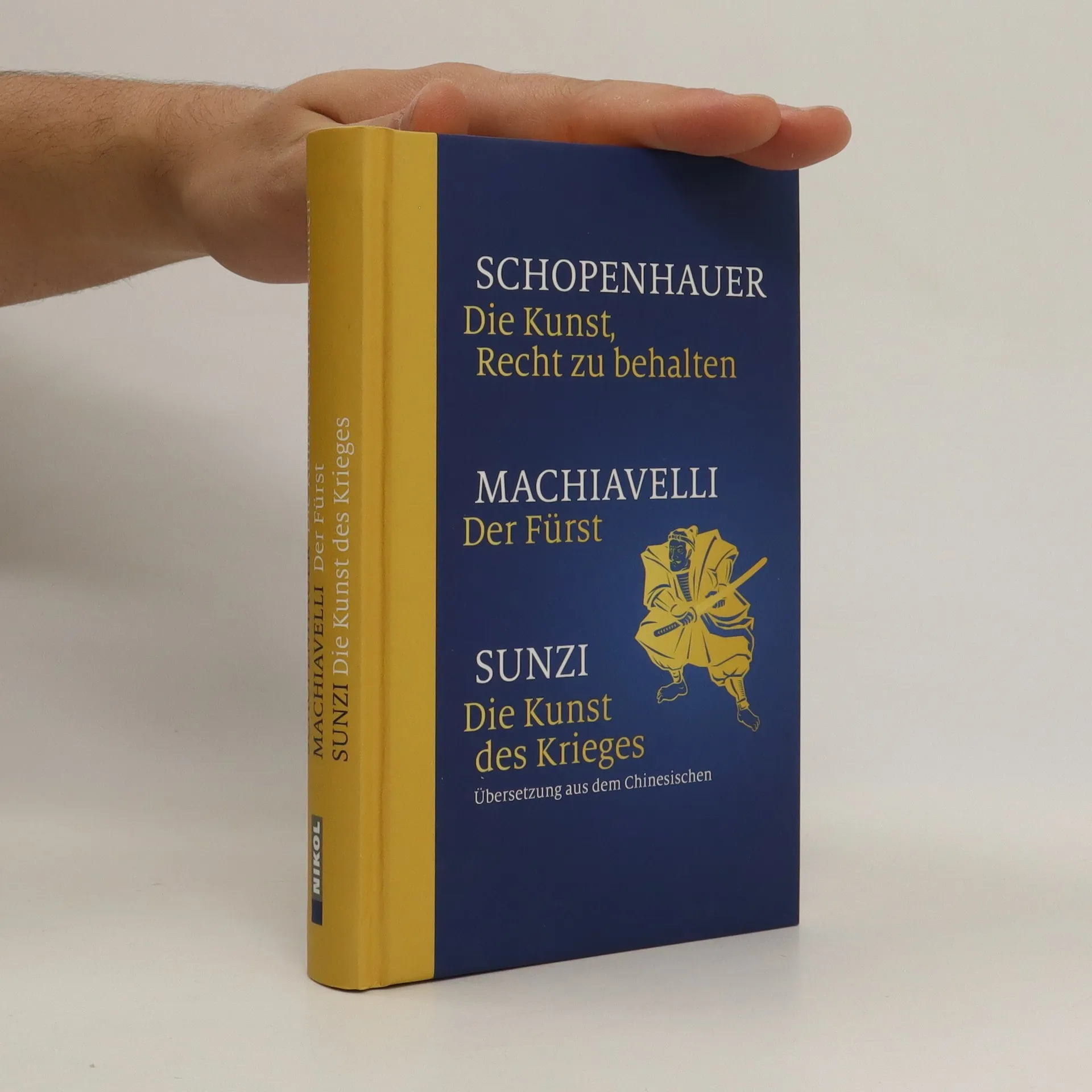
    • Machiavelli: Der Fürst

      • 100pages
      • 4 heures de lecture

      Die Analyse von Machiavelli bietet eine universelle Führungstheorie, die über monarchische Strukturen hinausgeht und sich an alle Herrscher und Anführer richtet, unabhängig von Staatsform oder politischer Ausrichtung. Diese weitreichende Perspektive hat das Werk zu einem Klassiker gemacht, der nicht nur in der Politik, sondern auch in der Wirtschaft und anderen Machtbereichen von Bedeutung ist. Die aktualisierte Neuauflage 2021 bringt frische Rechtschreibung und einen zeitgemäßen Zugang zu den zeitlosen Strategien und Einsichten des Autors.

      Machiavelli: Der Fürst
      4,0
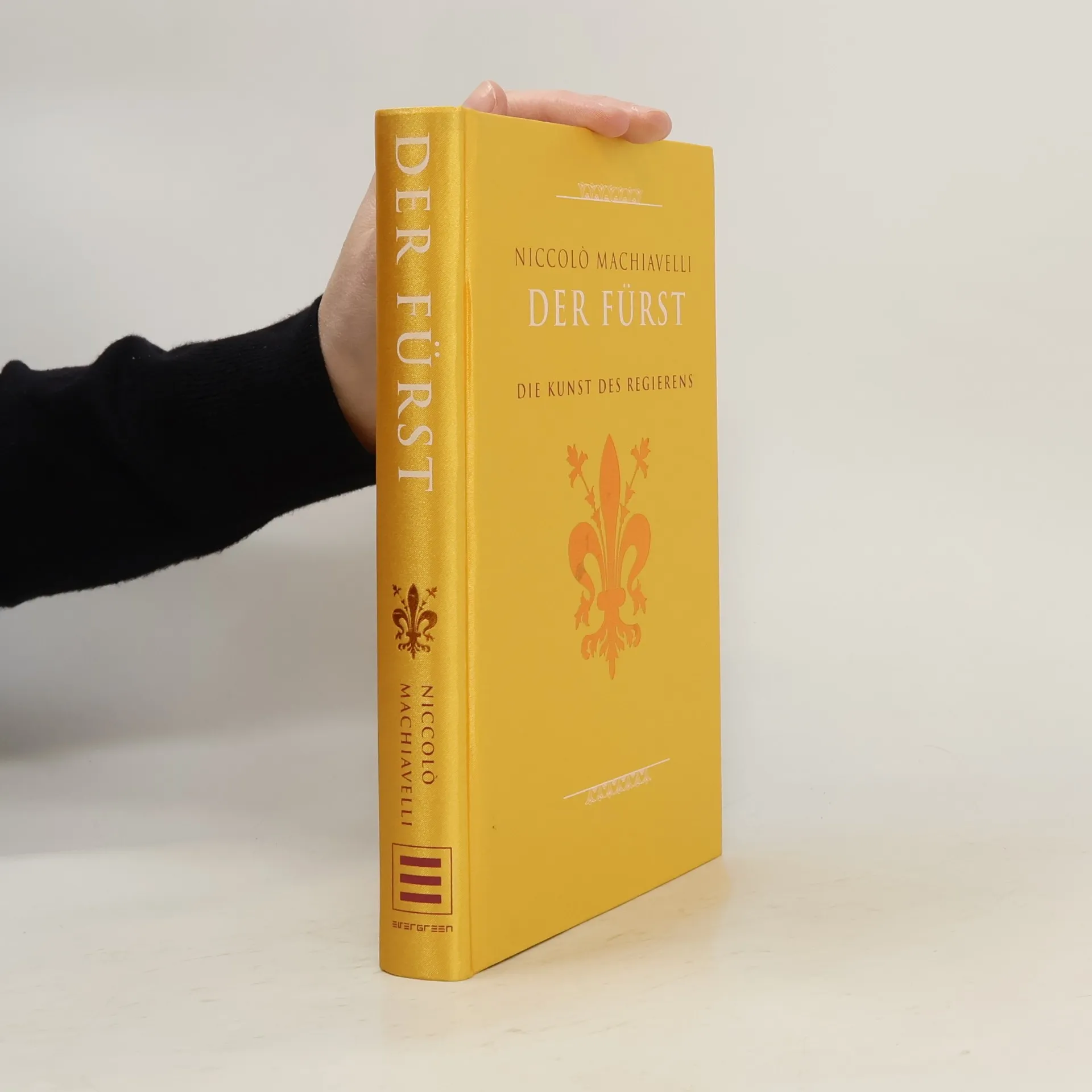
    • Der Fürst

      Gebundene Ausgabe

      • 124pages
      • 5 heures de lecture

      Machiavellis Il Principe stellt die Frage, ob ein Regent moralische Grenzen überschreiten darf, um den Staat zu erhalten. Verfasst um 1513, wird das Werk sowohl zur Rechtfertigung von Staatsraison als auch von Tyrannei genutzt. Während einige es als grundlegendes Lehrbuch für Fürsten schätzen, plädieren andere für ein Verbot, um die Jugend zu schützen. Die Vielzahl an widersprüchlichen Interpretationen fordert die Leser dazu auf, sich selbst eine Meinung zu bilden und die komplexen moralischen und politischen Fragen zu erkunden.

      Der Fürst
      4,0
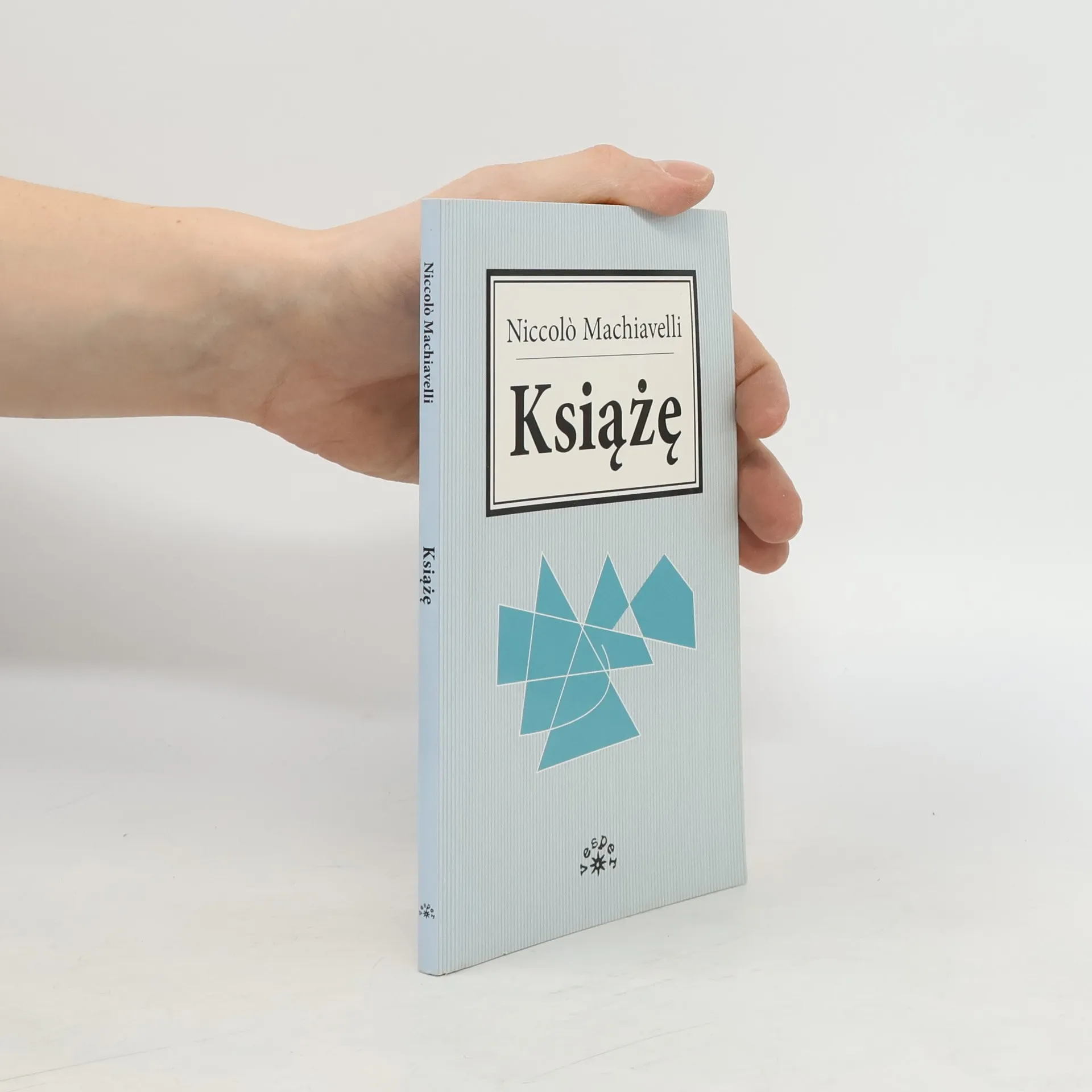
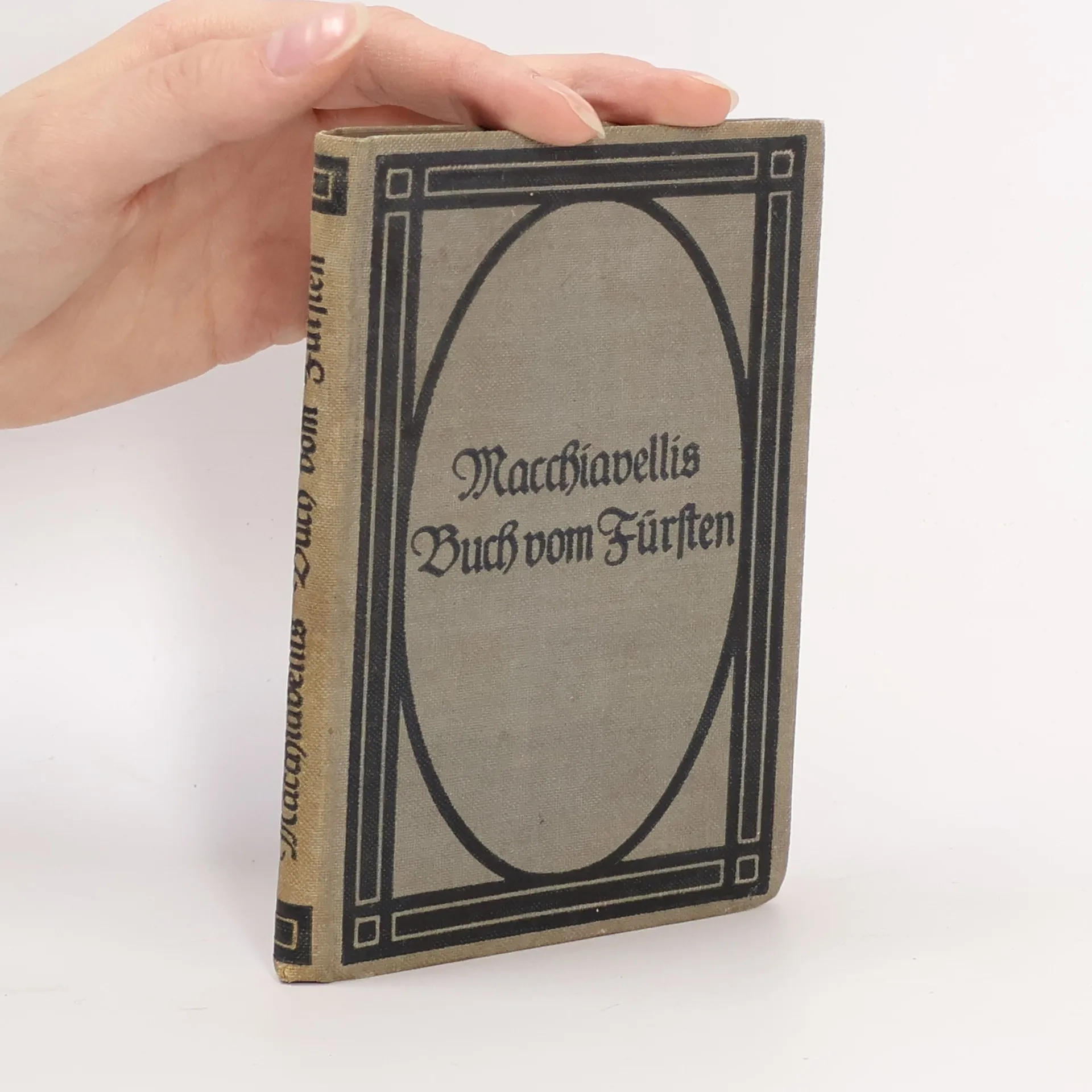
    • W 1512 roku Lorenzo de Medici, odzyskując władzę w Republice Florenckiej, przeprowadził czystkę, w wyniku której Niccolo Machiavelli stracił posadę po czternastu latach służby. Po utracie pracy Machiavelli, podobnie jak wielu współczesnych emerytowanych polityków, stał się komentatorem politycznym i napisał książkę, która stała się kontrowersyjna z powodu maksymy, że "cel uświęca środki". Dzieło to, rewolucyjne w epoce renesansu, głosi, że w polityce nie ma miejsca na moralne imperatywy. Machiavelli stwierdza, że książę nie musi posiadać wszystkich cnot, ale powinien sprawiać wrażenie, że je ma. Niezbędna jest umiejętność działania wbrew zasadom, gdy zajdzie taka potrzeba. Współczesne paralele między makiawelicznym księciem a politykami są oczywiste. Machiavelli w swoim dziele podkreśla, że ofiarowuje swoją wiedzę jako cenny dar, mając nadzieję, że pomoże zrozumieć złożoność rządzenia. Jego pragnieniem jest, aby władca osiągnął wielkość, a jednocześnie dostrzegł, jak niesprawiedliwie znosi on ciężary losu. Autor unika ozdobnych słów, stawiając na prawdziwość treści, co czyni jego przesłanie jeszcze bardziej wymownym.
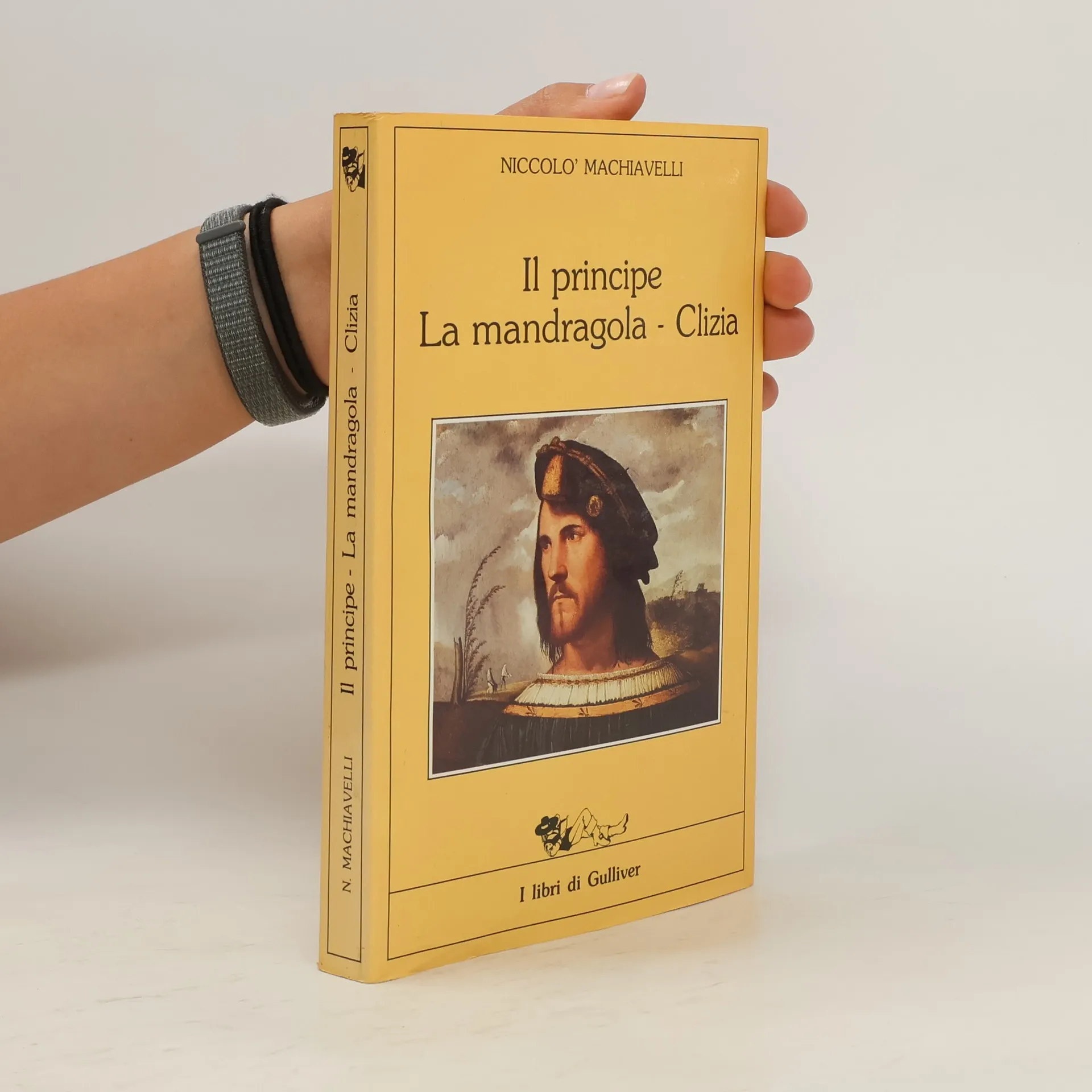
      Książę
      4,0
    • Katechizmus

      • 74pages
      • 3 heures de lecture

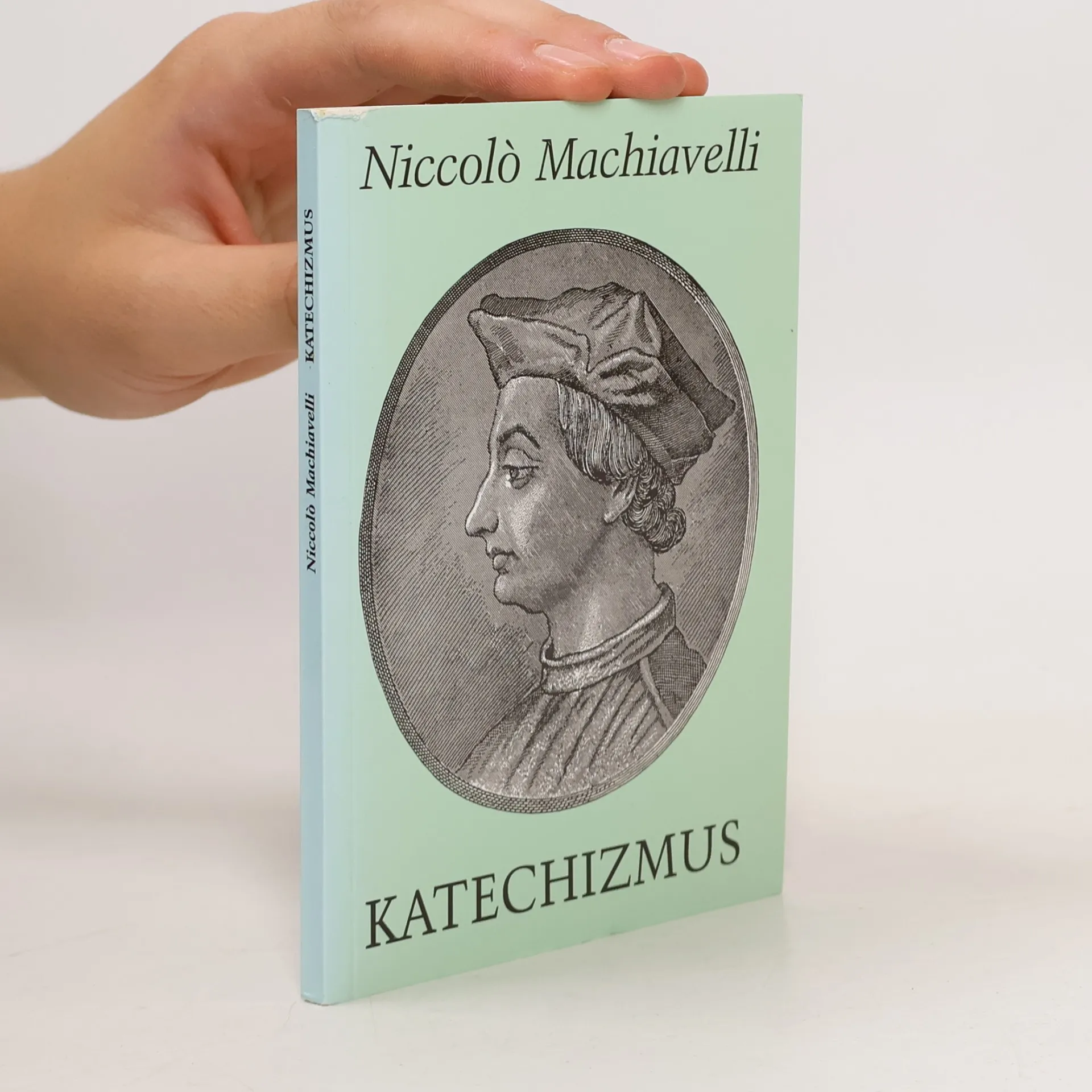
      Posielam Vám darček. Toto je najlepšie, čo Vám môže poslať Niccolo Machiavelli. Vyjadrujem v ňom všetko, čo viem a čo som si osvojil dlhoročnými skúsenosťami a neprestajným čítaním o udalostiach vo svete.

      Katechizmus
      4,0
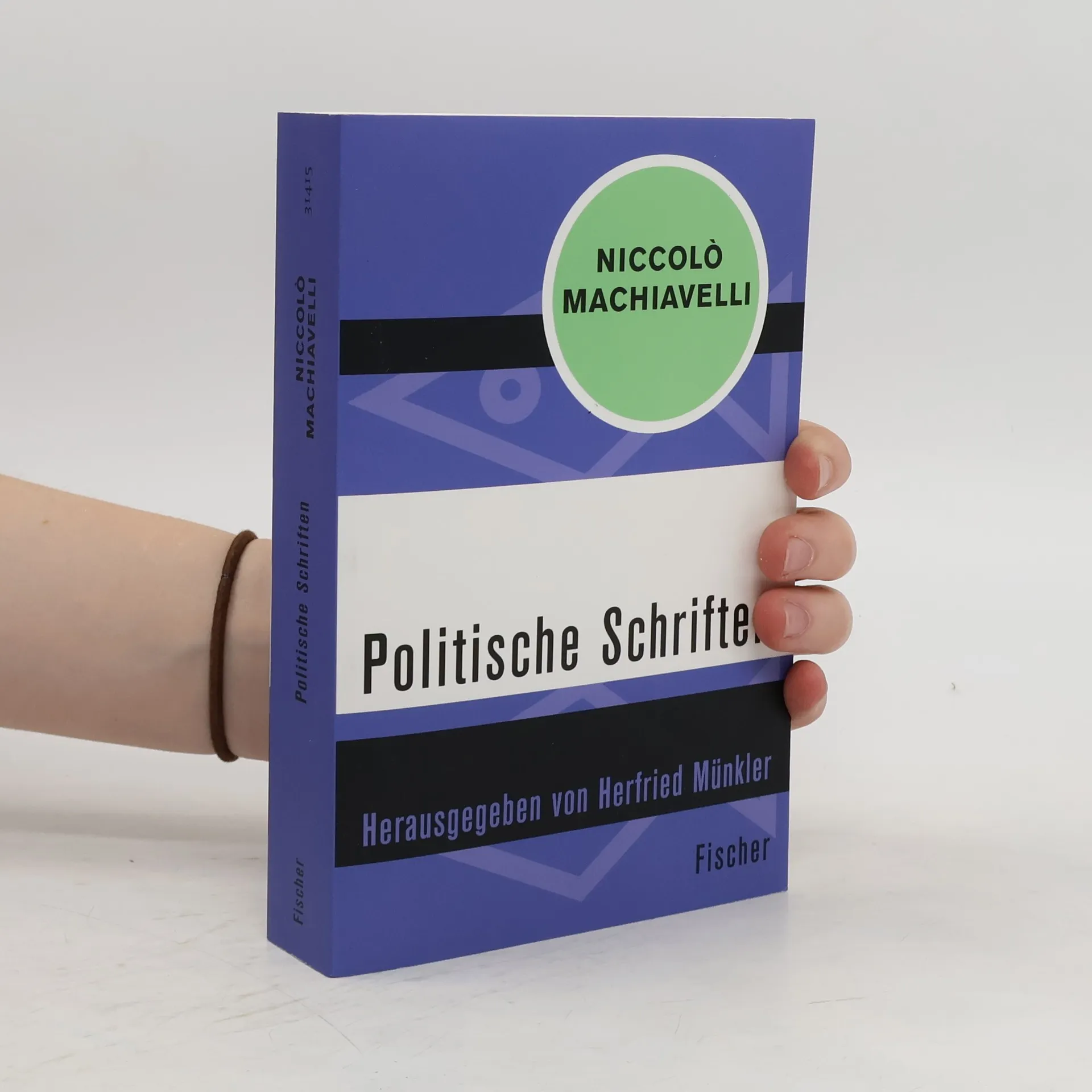
    • Die gängigen Urteile über die politischen Theorien Machiavellis sind - vor allem in Deutschland - so einseitig geprägt von seinem bekanntesten Werk Der Fürst, daß eine breitere Rezeption auch der übrigen Schriften endlich geboten scheint. Es gab nicht nur den zynischen Technokraten der Macht, sondern auch den Verfechter der republikanischen Staatsform. Und es gab den scharfsinnigen, unvoreingenommenen Beobachter der Mächtigen und ihres Publikums. Die vorliegende Studienausgabe enthält - neben dem Fürst - die zentralen Kapitel der Discorsi und der Geschichte von Florenz. Darüber hinaus wird eine Fülle von politischen Denkschriften, Berichten und Kurzbiographien erstmals seit Jahrzehnten wieder in deutscher Übertragung vorgelegt, ergänzt durch einige wichtige Briefe. Die Einleitung des Herausgebers skizziert den politischen und biographischen Hintergrund von Machiavellis Werk. Hinweise zur Entstehungsgeschichte der Schriften sowie zum heutigen Forschungsstand sind in gesonderten Anmerkungen verzeichnet.

      Politische Schriften
      4,0
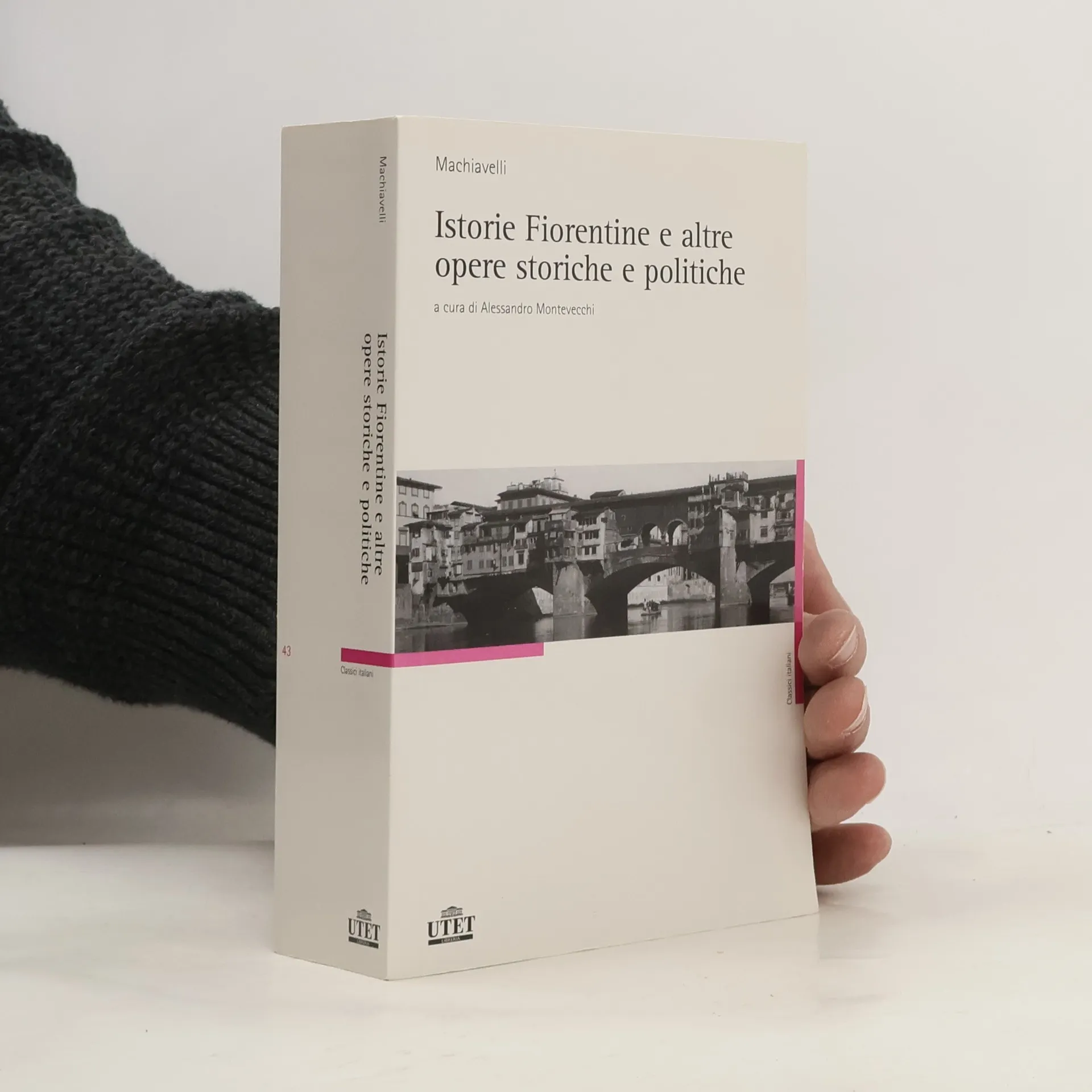
    • "Avevano ancora, per magnificenza delle loro imprese, una campana detta Martinella, la quale uno mese continuamente, prima che traessero fuora della città gli eserciti, sonava, acciò che il nimico avesse tempo alle difese: tanta virtù era allora in quegli uomini, e con tanta generosità d'animo si governavano, che dove oggi lo assaltare il nimico imprevisto si reputa generoso atto e prudente, allora vituperoso e fallace si reputava."

      Classici Italiani - 43: Istorie Fiorentine e altre opere storiche e politiche
      4,0
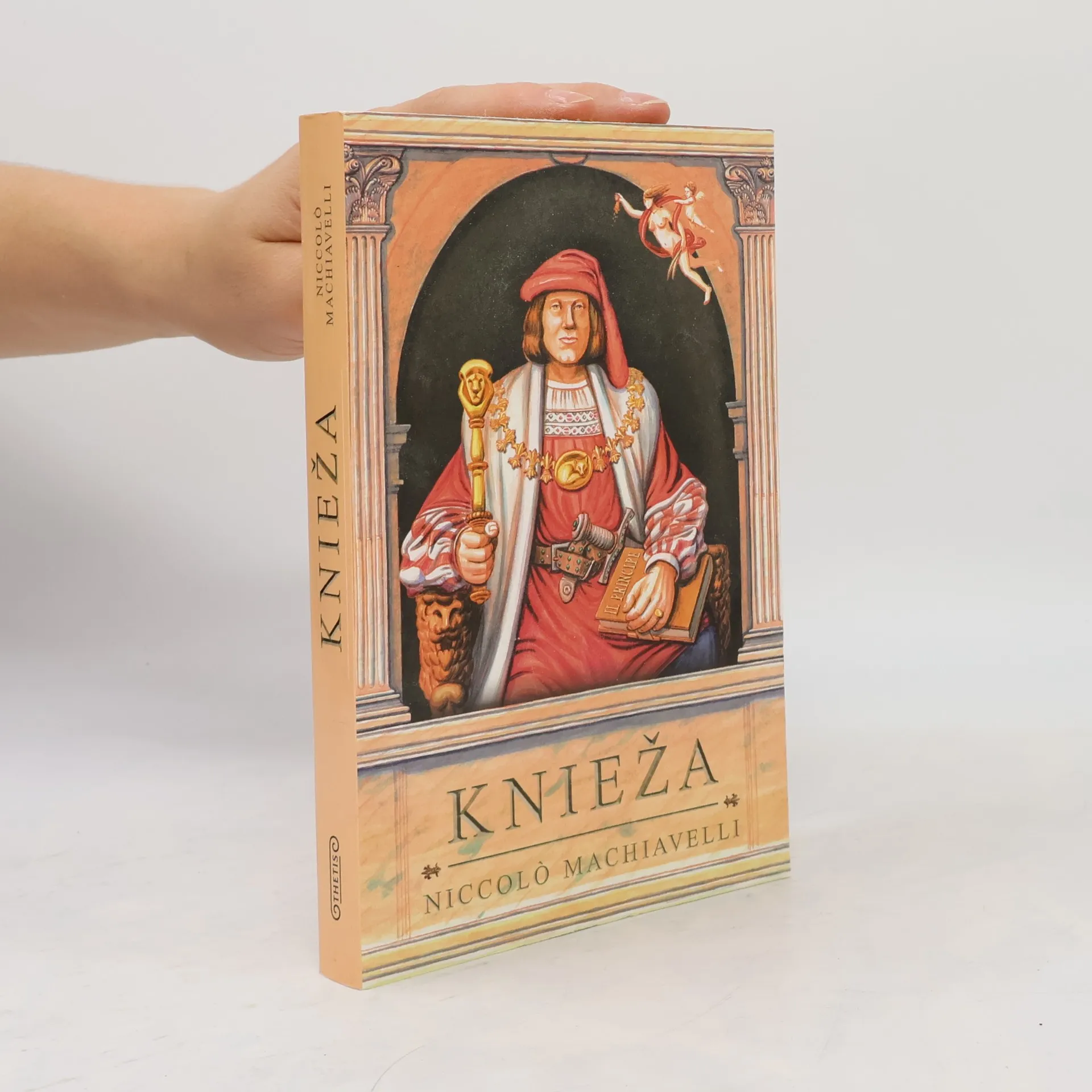
    • Knieža

      • 312pages
      • 11 heures de lecture

      Dielo Niccola Machiavelliho sa zaoberá rôznymi formami vlády a fenoménom moci, ktorý ovplyvňuje existenciu a fungovanie štátov. Autor skúma, ako získať a udržať mocenské postavenie, význam vojenských síl a vlastnosti ľudí, ktoré by mal vládca posudzovať. Machiavelli sa pýta, ako využiť moc a chrániť sa pred nepriateľmi, pričom jeho teória moci sa stala základom politickej vedy a jedným z najčítanejších diel v histórii. Publikácia obsahuje Politické diela, ktoré predstavujú Machiavelliho kratšie práce a poskytujú cenné informácie o jeho dobe. Tieto dielo, spolu so Súkromnou korešpondenciou, ponúkajú pohľad na život florentského kancelára, jeho politické myslenie a osudy, ktoré formovali jeho tvorbu. Kniha obsahuje aj dve odborné štúdie Pavla Koprdu. Prvá sa zaoberá Machiavelliho prameňmi a analyzuje vývoj jeho politického myslenia a dielo. Druhá štúdia sa sústreďuje na Machiavelliho život a literárnu činnosť, pričom prehľadne uvádza všetky podstatné udalosti a dielo tohto významného mysliteľa.

      Knieža
      4,2
    • Der Fürst

      Vollständige Neuausgabe

      • 125pages
      • 5 heures de lecture

      Niccolò Machiavelli Der Fürst Das italienische Original wurde um 1513 verfasst. Die päpstliche Druckgenehmigung stammt vom 4. Januar 1532, im Jahr 1557 ließ die Kirche dieses Buch auf den Index der verbotenen Bücher setzen. Taschenbuch-Neuausgabe, in gut lesbarer Schriftgröße, frisch aufgelegt. Durchgesehener Neusatz, der Text dieser Ausgabe folgt: Macchiavelli's Buch vom Fürsten. Nach A. W. Rehberg's Übersetzung mit Einleitung und Erläuterung neu herausgegeben von Dr. Max Oberbreyer, Reclam, Leipzig. Vollständige Neuausgabe, LIWI Verlag, Göttingen 2022. LIWI Literatur- und Wissenschaftsverlag

      Der Fürst
      3,0
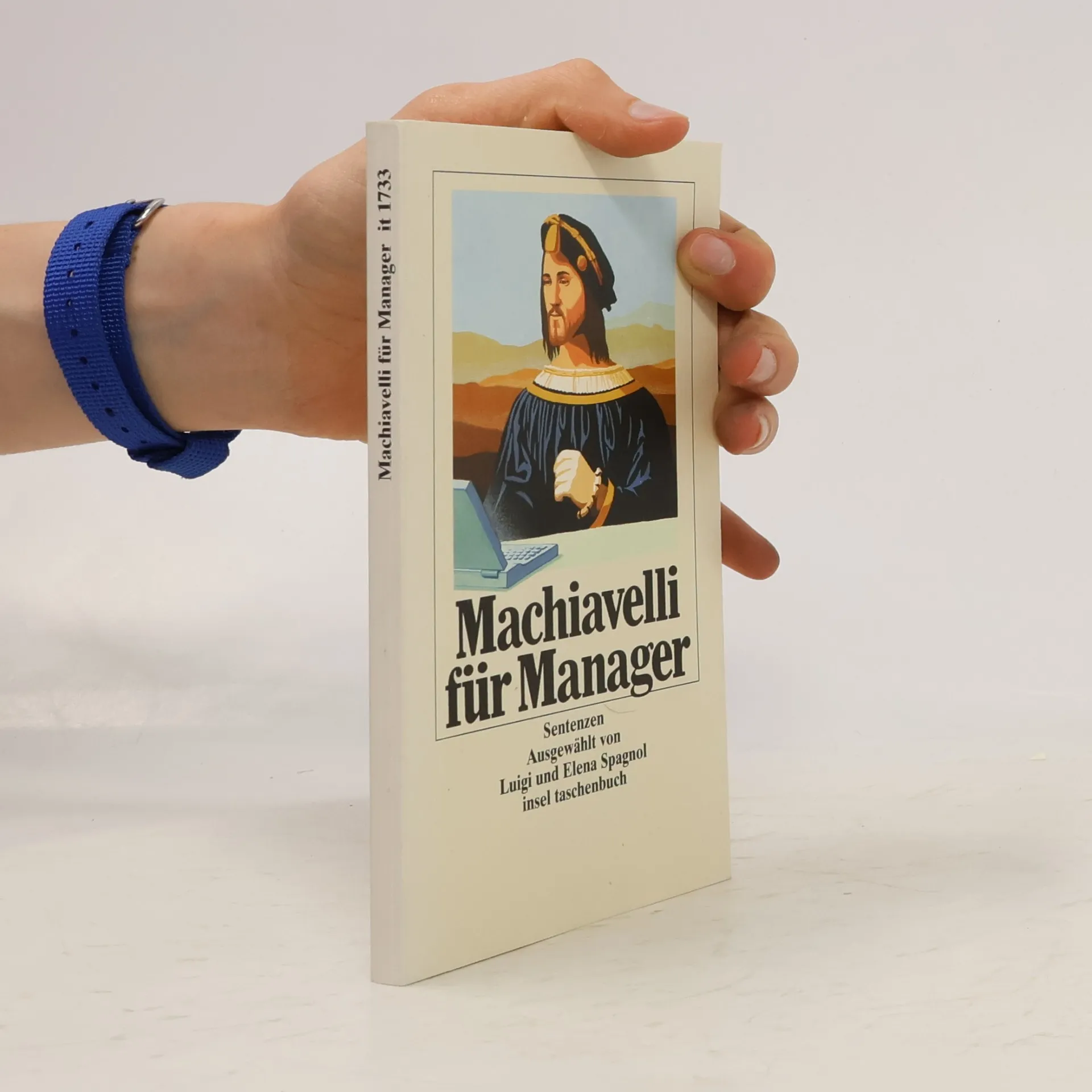
    • Machiavelli für Manager

      • 109pages
      • 4 heures de lecture

      Wer heute in der freien Wirtschaft, in Industrie und Politik Verantwortung übernimmt und Entscheidungen fallen muß, dem bleibt es nicht erspart, sich die ausgeklügelten Machtspiel-Gesetze anzueignen.

      Machiavelli für Manager
      3,0
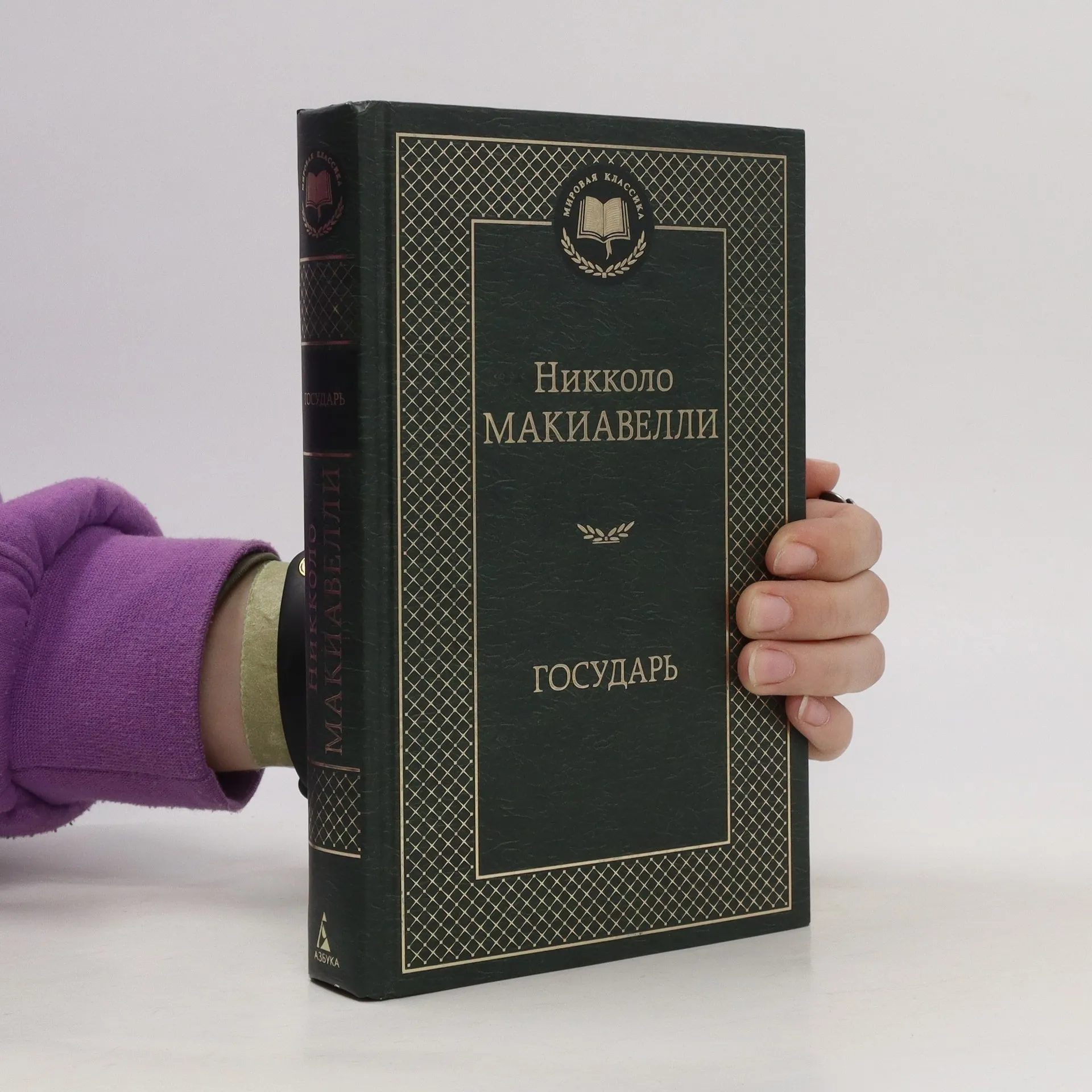
    • Государь (Gosudar)

      • 448pages
      • 16 heures de lecture

      "Государь" - самая значительная и неоднозначная работа флорентийского государственного деятеля эпохи Возрождения Никколо Макиавелли. Долгие годы эта книга ассоциировалась с политикой яда и кинжала. После выхода в свет "Государя" появился термин "макиавеллизм", обозначающий цинизм, вседозволенность, двуличие в политике. Однако сегодня многие положения автора воспринимаются не столь однозначно, найдя свое воплощение в истории ХХ века. Помимо "Государя" в данном издании публикуется другая знаменитая работа Макиавелли "Рассуждения о первой декаде Тита Ливия", дополняющая и проясняющая многие моменты основного труда автора. Оба текста представлены в наиболее современном на сегодняшний день переводе и снабжены примечаниями.

      Государь (Gosudar)
      3,7
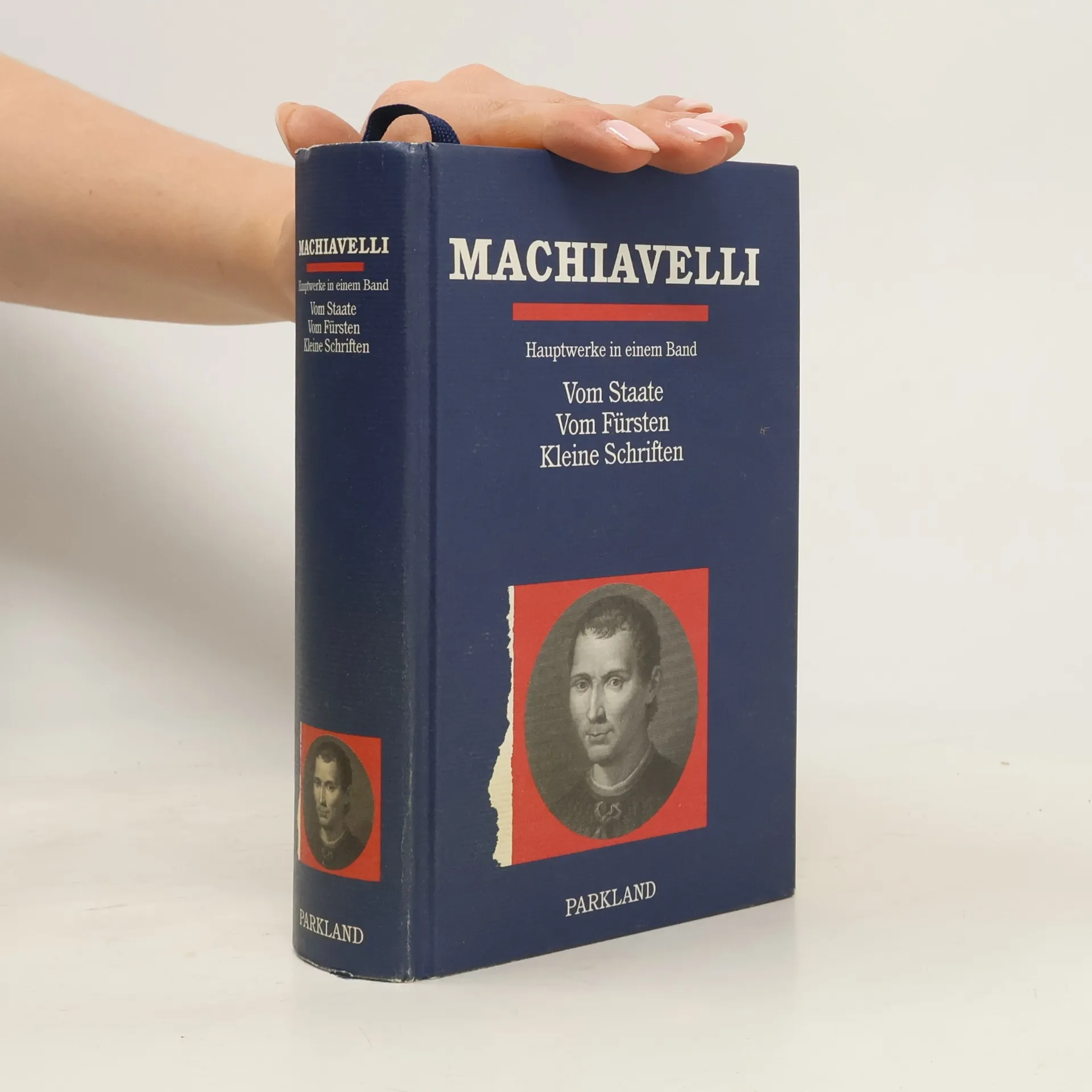
    • Vom Staate

      • 779pages
      • 28 heures de lecture

      Niccolò Machiavelli gehört zu den bedeutendsten Universaldenkern der Renaissance. Als Philosoph und Staatstheoretiker erkannte er grundlegende Strukturen des politischen Denkens und Handelns, als Diplomat und Berater vermochte er das theoretisch Erkannte in die konkrete politische Praxis umzusetzen. Anhand der hier veröffentlichen Hauptwerke Machiavellis wird deutlich, wie tiefgreifend unser heutiges Politik-Verständnis von seinen Überlegungen und Auffassungen beeinflusst ist.

      Vom Staate
      3,8
    • Die Kunst des Krieges

      Leinen mit Goldprägung

      • 240pages
      • 9 heures de lecture

      Niccolò Machiavellis »Kunst des Krieges« entstand ca. 1519/20 und ist eine militärisch-taktische sowie politische Abhandlung. Machiavelli selbst hielt sie für seine wichtigste Arbeit. Er beschreibt Taktiken und Strategien des Militärwesens während Friedens- und Kriegszeiten und seine Aussagen stützen sich dabei auf zahlreiche Philosophen und Strategen der Antike. Seine politischen Thesen in diesem Werk entsprechen im Wesentlichen denen seiner anderen Hauptwerke »Discorsi« und »Der Fürst«.

      Die Kunst des Krieges
      3,4
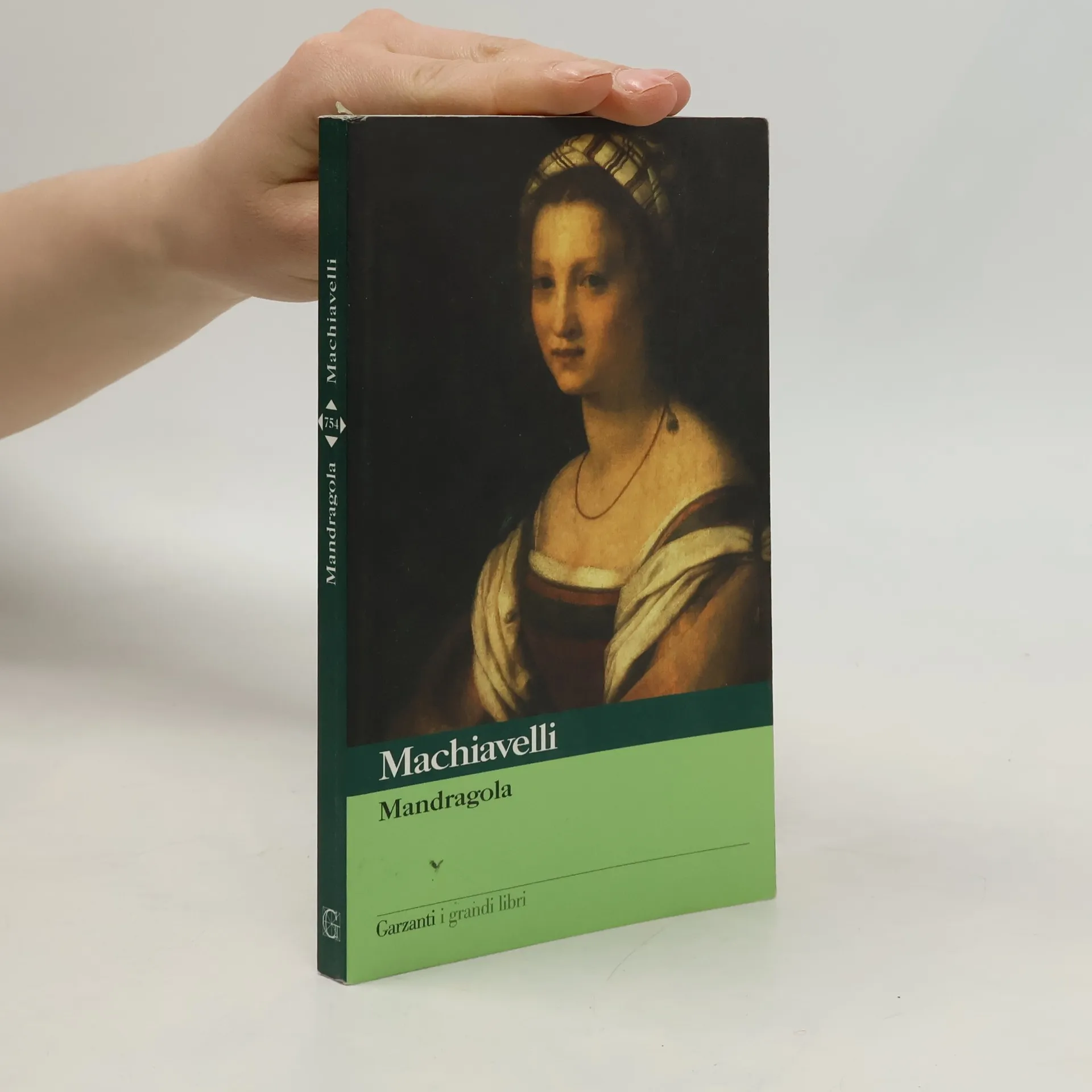
    • La mandragola

      • 220pages
      • 8 heures de lecture

      Capolavoro della commedia rinascimentale, la Mandragola fu composta da Machiavelli dopo il suo allontanamento forzoso dalla politica. La vicenda ruota intorno alla beffa giocata da un giovane fiorentino a un marito sciocco per possederne la moglie di cui si era invaghito. Un ruolo determinante nel convincimento della donna ha il suo confessore, corrotto dai denari dell'amante. Nella commedia il tema realistico della beffa, di matrice boccacciana, si rapprende in una perfetta macchina teatrale, rispettosa fin nei particolari più minuti delle regole della commedia antica (Plauto e Terenzio). Attraverso il format della commedia Machiavelli tenta di definire un'antropologia della vita quotidiana, analogamente a come nelle opere politiche veniva descrivendo l'antropologia del potere. Si scopre così che non c'è differenza tra una sfera e l'altra: sono sempre e soltanto l'utile e il piacere a muovere gli uomini. Quando però il simulare e il dissimulare dell'agire politico si trasferiscono nella quotidianità, la realtà si fa doppia o tripla, nascono situazioni paradossali che sono di per sé comiche. Il paradosso tocca i valori della famiglia, della morale privata, della religione. Prendono forma le prime creature fredde e amorali della letteratura moderna, senza che nulla venga sottratto alla vivacità e al divertimento. La Mandragola è presentata qui in un nuovo testo critico e con un commento per la prima volta esauriente.

      La mandragola
      3,7
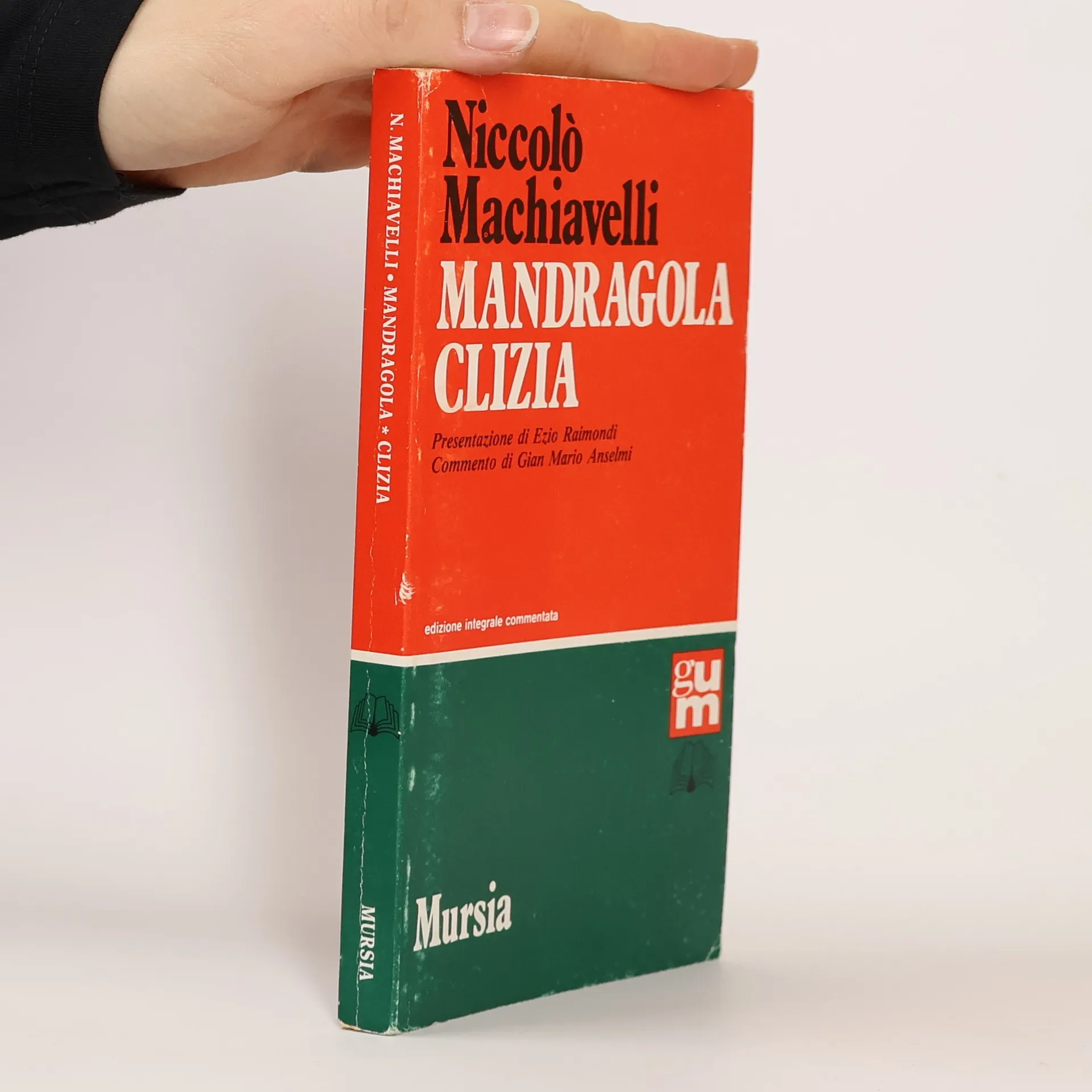
    • Mandragola. Clizia

      • 178pages
      • 7 heures de lecture

      Nella storia del teatro rinascimentale e nella storia del teatro di tutti i tempi il teatro di Machiavelli riveste certamente un posto primario: per la lucida e beffarda caratterizzazione di vicende e personaggi, per la sapienza con cui è condotta la "macchina" scenica dell'intreccio e dei dialogati, per lo spaccato spietato su un mondo che, anche nei suoi risvolti "privati", sembra mostrare dimensioni inquietanti che il riso "comico" non basta a occultare. Sicché il Machiavelli "a teatro" può davvero leggersi con il controcanto delle sue famose pagine politiche: senza che però questo possa togliere nulla alla grande originalità e specificità dell'invenzione teatrale in quanto tale.

      Mandragola. Clizia
      3,4
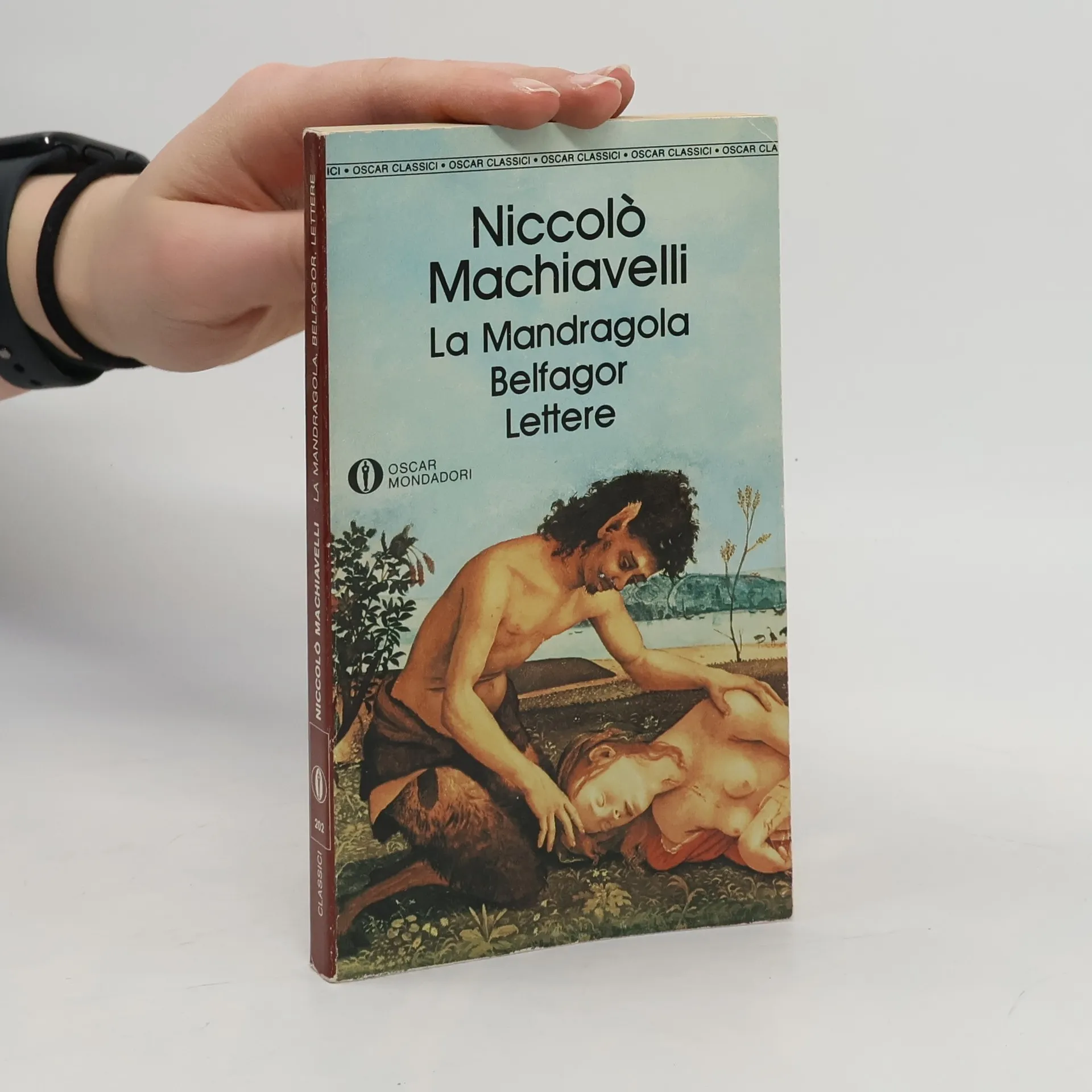
    • Massima espressione della commedia italiana del Rinascimento e composta da Machiavelli nel periodo del forzato esilio da Firenze, La Mandragola ruota attorno al tema della beffa. Tema essenzialmente rinascimentale, che qui si fa spietata condanna dell'ipocrisia e della corruzione di una società in cui sembra non esservi spazio per l'innocenza. Costruita come una perfetta macchina teatrale, come un impeccabile congegno di comicità libertina, la commedia si muove in realtà in una luce di livida amarezza in cui la comicità si fa sarcasmo, aspra accusa, spietata irrisione. Di ciò è mirabile espressione Lucrezia, personaggio femminile di singolare modernità, la donna innocente corrotta dalla sensualità di Callimaco, dallo sciocco e spietato egoismo del marito, dall'ipocrisia del confessore, e che finirà per assumere, come una rivendicazione di indipendenza, la colpa a cui è stata costretta.

      Oscar Classici - 202: La Mandragola, Belfagor e Lettere
      3,4
    • Mandragola

      Italienisch/Deutsch

      • 200pages
      • 7 heures de lecture

      Callimaco ist besessen von Lucrezia und plant, ihren Ehemann zu verdrängen. Lucrezia, die an ihren moralischen Werten festhält, sieht sich jedoch mit einem vermeintlichen Heilmittel für die Kinderlosigkeit konfrontiert, das einen Ehebruch erfordert. Diese Wendung bringt Callimaco in eine entscheidende Rolle, während er versucht, Lucrezia für sich zu gewinnen. Die Geschichte thematisiert die Konflikte zwischen Verlangen, Moral und den Konsequenzen von Entscheidungen in Beziehungen.

      Mandragola
    • Machiavelli: Gesammelte Werke

      • 608pages
      • 22 heures de lecture

      Niccolò Machiavelli (1469-1527) war ein bedeutender Florentiner Denker. In "Der Fürst" und "Die Discorsi" untersucht er die Prinzipien der Staatsräson und die Notwendigkeit, traditionelle Moral für das Wohl des Staates zu verletzen. Sein Werk beleuchtet seine republikanischen Ideen und Ansichten über Politik und Führung.

      Machiavelli: Gesammelte Werke
    • Il Principe. Der Fürst

      • 255pages
      • 9 heures de lecture

      Einer Klassiker der italienischen Literatur auf eine zweisprachige Ausgabe.

      Il Principe. Der Fürst
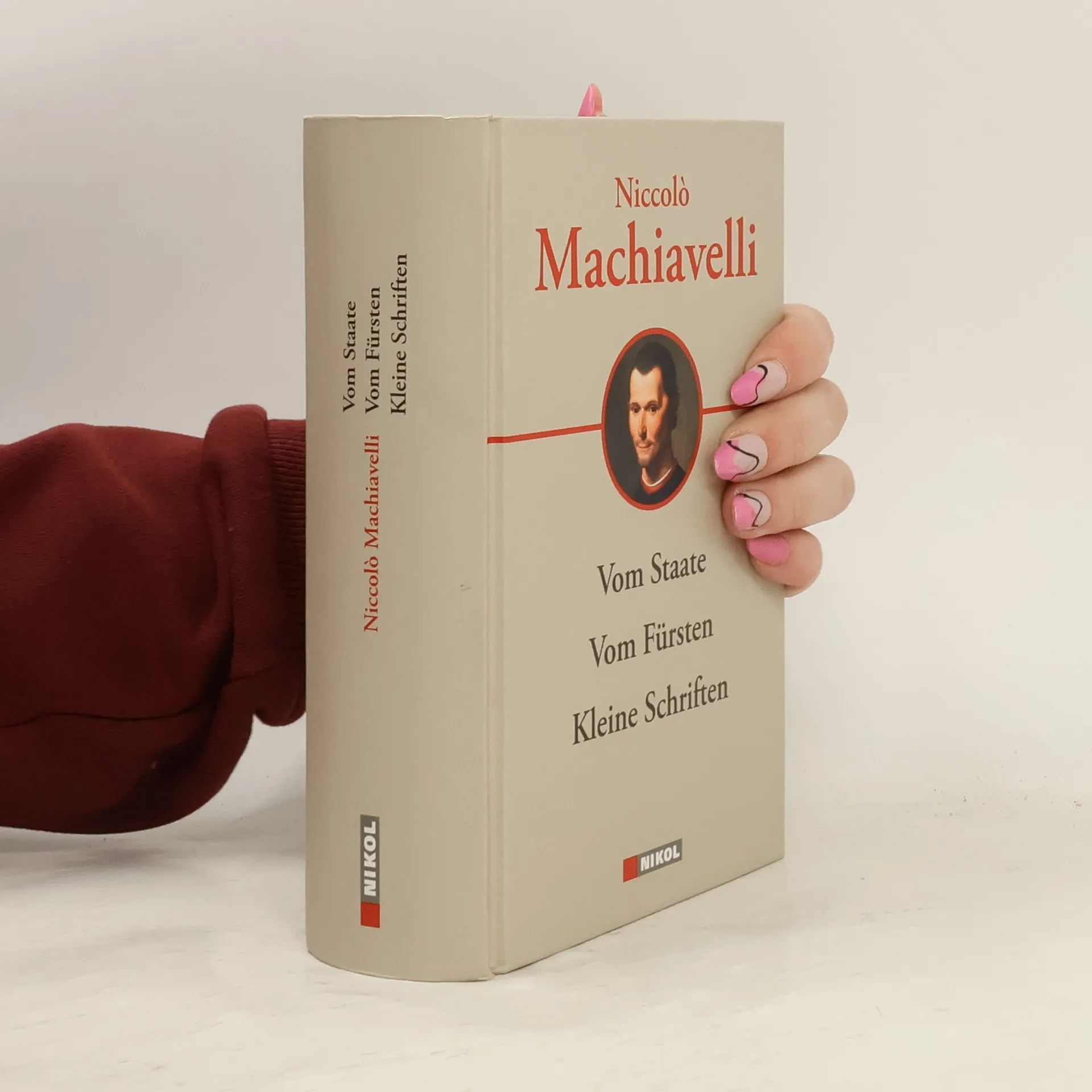
    • Niccolo Machiavelli: Hauptwerke

      Vom Staate, Der Fürst, Kleine Schriften

      • 784pages
      • 28 heures de lecture

      Niccolò Machiavelli gehört zu den bedeutendsten Universaldenkern der Renaissance. Als Philosoph und Staatstheoretiker erkannte er grundlegende Strukturen des politischen Denkens und Handelns, als Diplomat und Berater vermochte er das theoretisch Erkannte in die konkrete politische Praxis umzusetzen. Anhand der hier veröffentlichen Hauptwerke Machiavellis wird deutlich, wie tiefgreifend unser heutiges Politik-Verständnis von seinen Überlegungen und Auffassungen beeinflusst ist.

      Niccolo Machiavelli: Hauptwerke