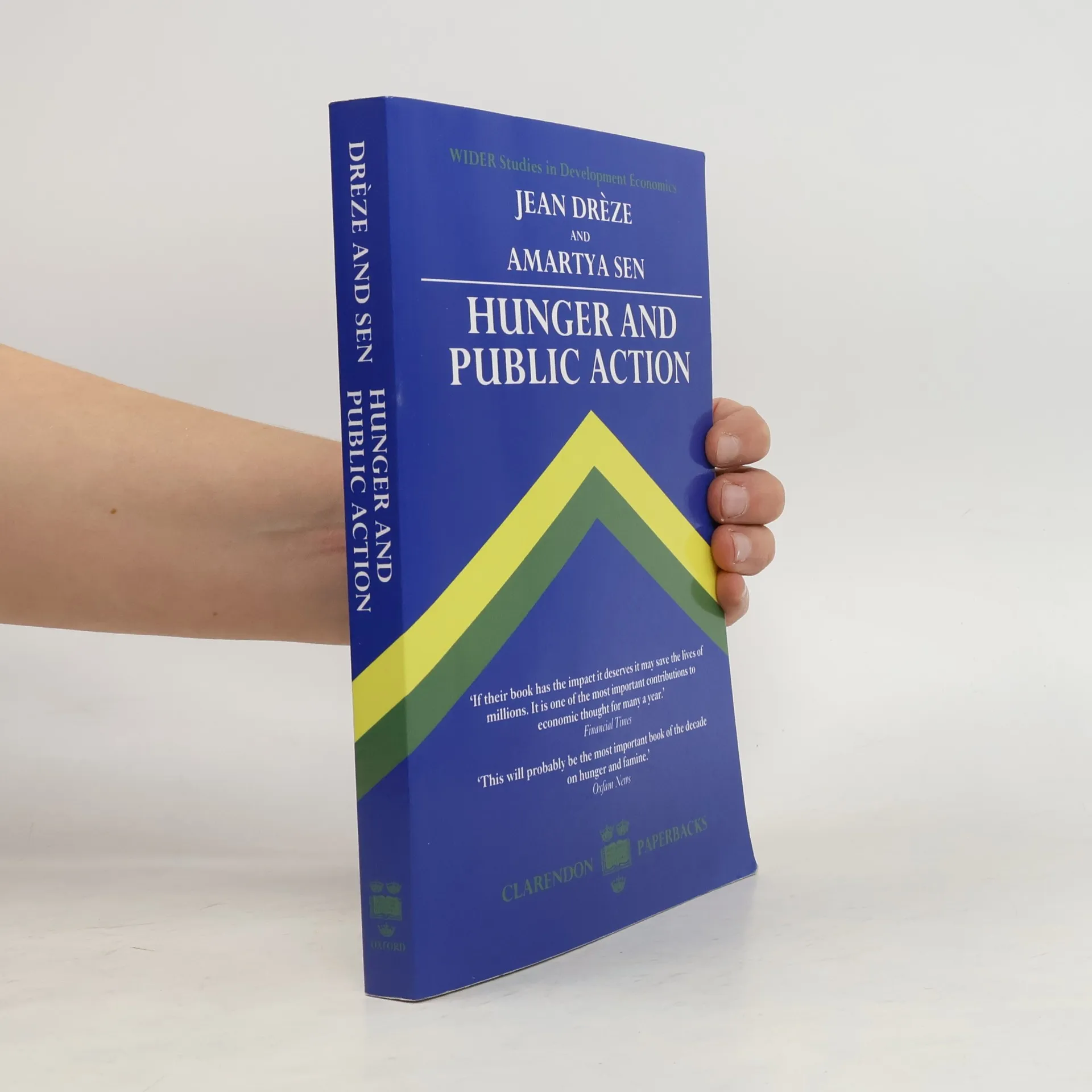
Examining the problem of hunger in the modern world and the role public opinion might play in combating it, Drèze and Sen here provide a coherent perspective on the complex nutritional, economic, social, and political issues involved in the analysis of hunger. They explore famine prevention through a series of case studies in Africa and elsewhere, and discuss the problem of chronic undernourishment. Sen was awarded the second Agnelli Prize for the Ethical Dimension in Advanced Societies in March 1990 in recognition of his outstanding contribution to the understanding of the ethical dimension in modern society.
Sen Amartya Livres
3 novembre 1933
Amartya Sen est un économiste indien distingué dont le travail explore des questions sociales cruciales, lui valant une reconnaissance mondiale. Il est particulièrement réputé pour ses recherches novatrices sur les causes de la famine, qui ont conduit au développement de stratégies pratiques pour la sécurité alimentaire. Les contributions intellectuelles de Sen se concentrent principalement sur l'économie du bien-être et les défis auxquels sont confrontés les membres les plus défavorisés de la société. Ses profondes perspectives relient l'économie et la philosophie, offrant une perspective unique sur la justice sociale et le développement humain.




Where is 'home'? For Amartya Sen, home encompasses various places: Dhaka in modern Bangladesh, Santiniketan where he was raised by his grandparents, Calcutta where he studied economics and engaged in student movements, and Trinity College, Cambridge, where he arrived at nineteen. He vividly recreates the atmosphere of each location. Central to his development was the intellectually stimulating school in Santiniketan, founded by Rabindranath Tagore, who bestowed upon him the name Amartya. Engaging conversations in the renowned Coffee House on College Street in Calcutta further shaped his thinking. As an undergraduate at Cambridge, he interacted with many leading intellectuals of the time. This narrative intertwines ideas—particularly those of Marx, Keynes, and Arrow—with personal experiences. In a memorable chapter, Sen reflects on 'the rivers of Bengal' that he traveled with his parents between Dhaka and their ancestral villages. The book explores Bengal's rich culture and the political tensions of Hindu-Muslim relations, alongside Sen's firsthand experience of the devastating 1943 Bengal famine. The imprisonment of some family members for opposing British rule highlights the complex relationship between Britain and India, another central theme. Remarkably, forty-five years after his arrival at Trinity, Sen became its Master.
California Series in Public Anthropology - 4: Pathologies of Power
Health, Human Rights, and the New War on the Poor
- 402pages
- 15 heures de lecture
Pathologies of Power uses harrowing stories of life—and death—in extreme situations to interrogate our understanding of human rights. Paul Farmer, a physician and anthropologist with two decades of experience in Haiti, Peru, and Russia, argues that promoting the social and economic rights of the world’s poor is the most crucial human rights struggle of our times. Through passionate eyewitness accounts from Russian prisons and the beleaguered villages of Haiti and Chiapas, the book connects individual victims' experiences to a broader analysis of structural violence. Farmer challenges conventional human rights thinking, revealing the links between political and economic injustice and the suffering of the powerless. He demonstrates that the same social forces leading to epidemic diseases like HIV and tuberculosis also increase the risk of human rights violations. Racism and gender inequality in the U.S. are shown to manifest as disease and death. However, the book is not a mere catalog of abuse; Farmer's examples are tied to a guarded optimism that new medical and social technologies can evolve alongside a more informed sense of social justice. He warns that failing to address structural violence will result in merely managing social inequality. Farmer’s urgent call to view human rights through the lens of global public health and to prioritize quality and access for the world’s poor is critical in a world marked by stark contra
Reversing his parent's immigrant path, a young American-born writer returns to India and discovers an old country making itself new.
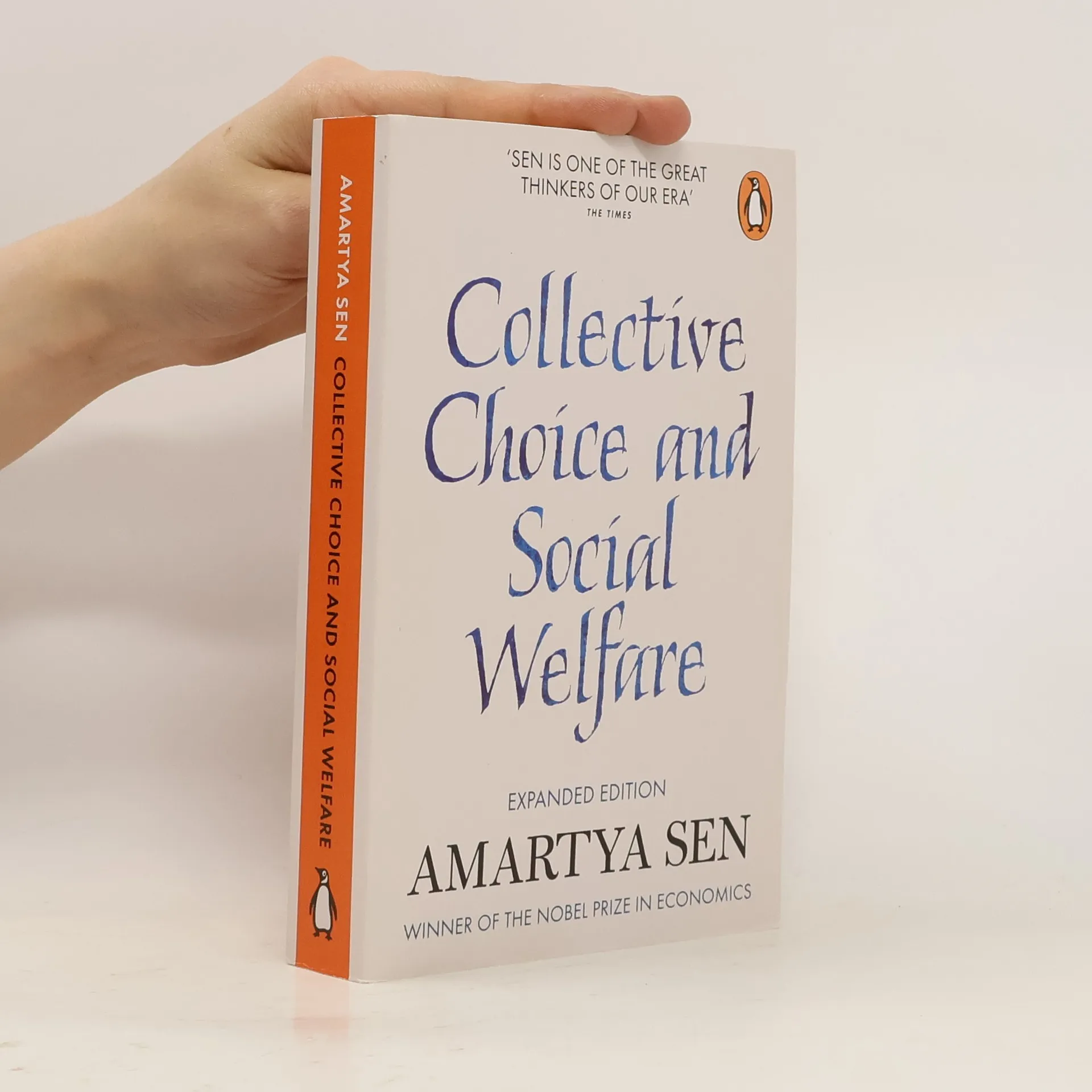
Collective Choice and Social Welfare
- 640pages
- 23 heures de lecture
With his masterly prose, ease of erudition and ironic humour, Sen is one of the few great world intellectuals on whom we may rely to make sense out of our existential confusion Nadime Gordimer
In this deft analysis, Amartya Sen argues that the dictum all men are created equal serves largely to deflect attention from the fact that we differ in age, gender, talents, physical abilities as well as in material advantages and social background. He argues for concentrating on higher and more basic values: individual capabilities and freedom to achieve objectives.
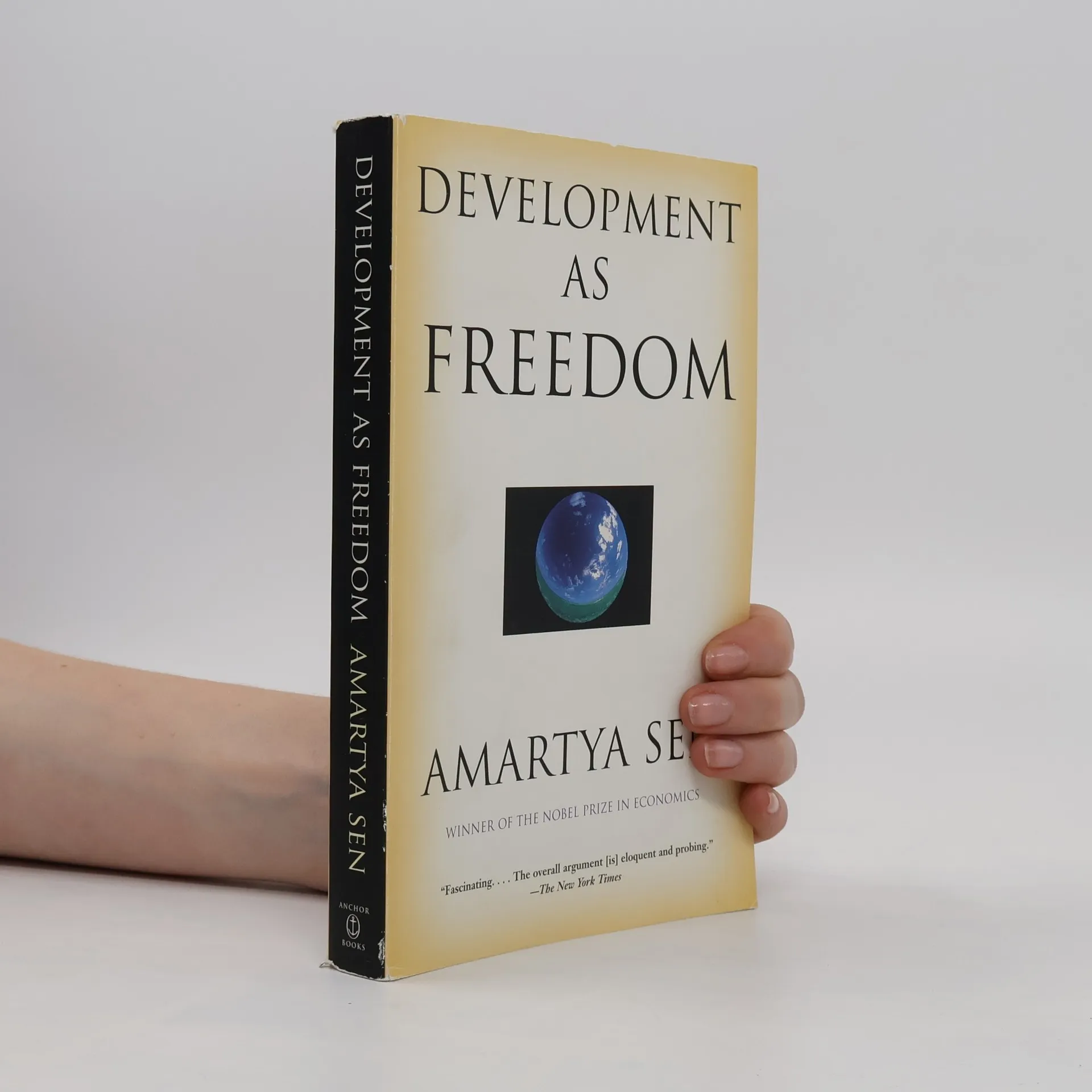
The 1998 winner of the Nobel Prize in Economics states that freedom is the most efficient means of sustaining economic life and securing welfare throughout the world, explaining how his theories can be applied today. Reprint. 20,000 first printing.
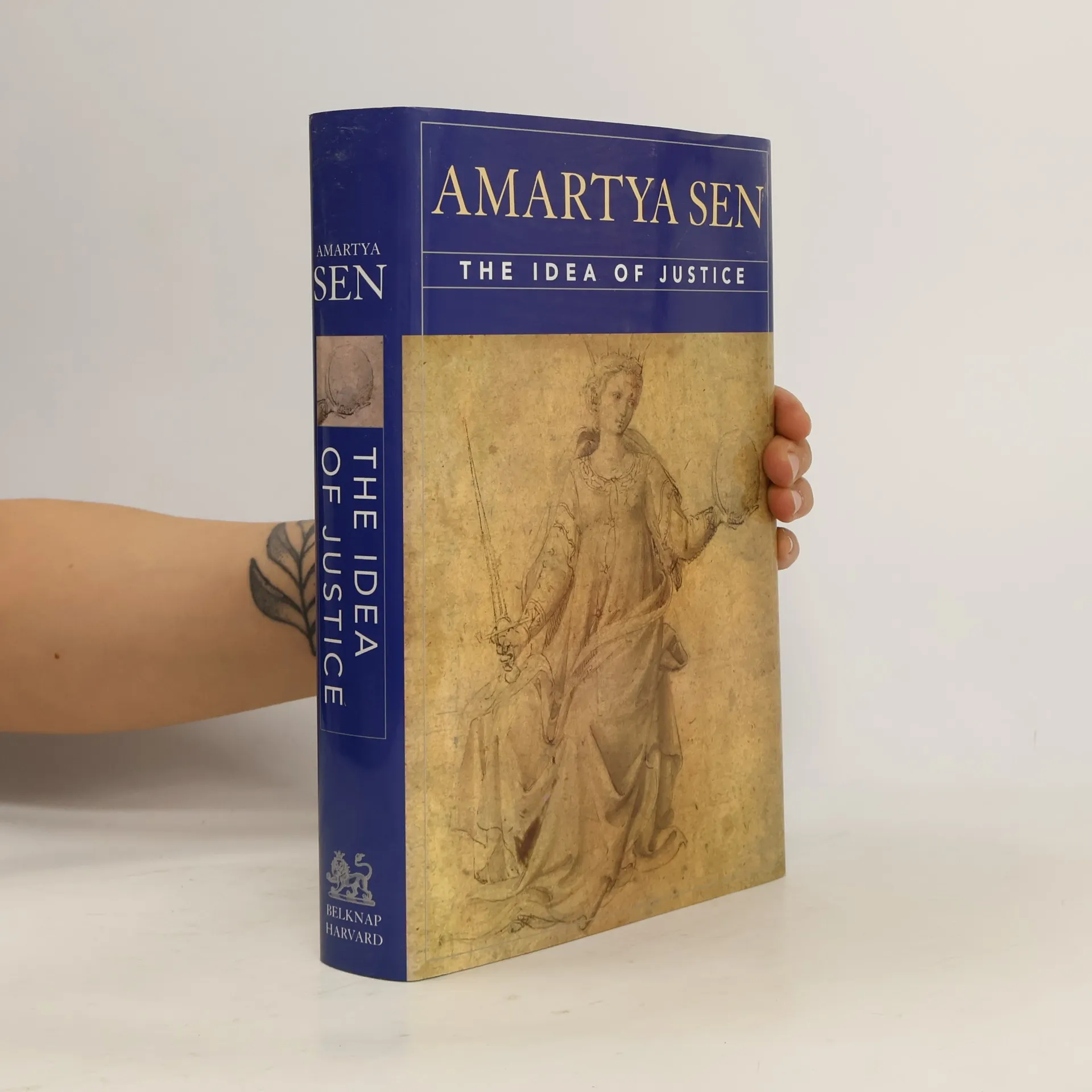
The most important contribution to the subject since John Rawls' A Theory of Justice. Sen argues that what we urgently need in our troubled world is not a theory of an ideally just state, but a theory that can yield judgments as to comparative justice, judgments that tell us when and why we are moving closer to or farther away from realizing justice in the present globalized world.
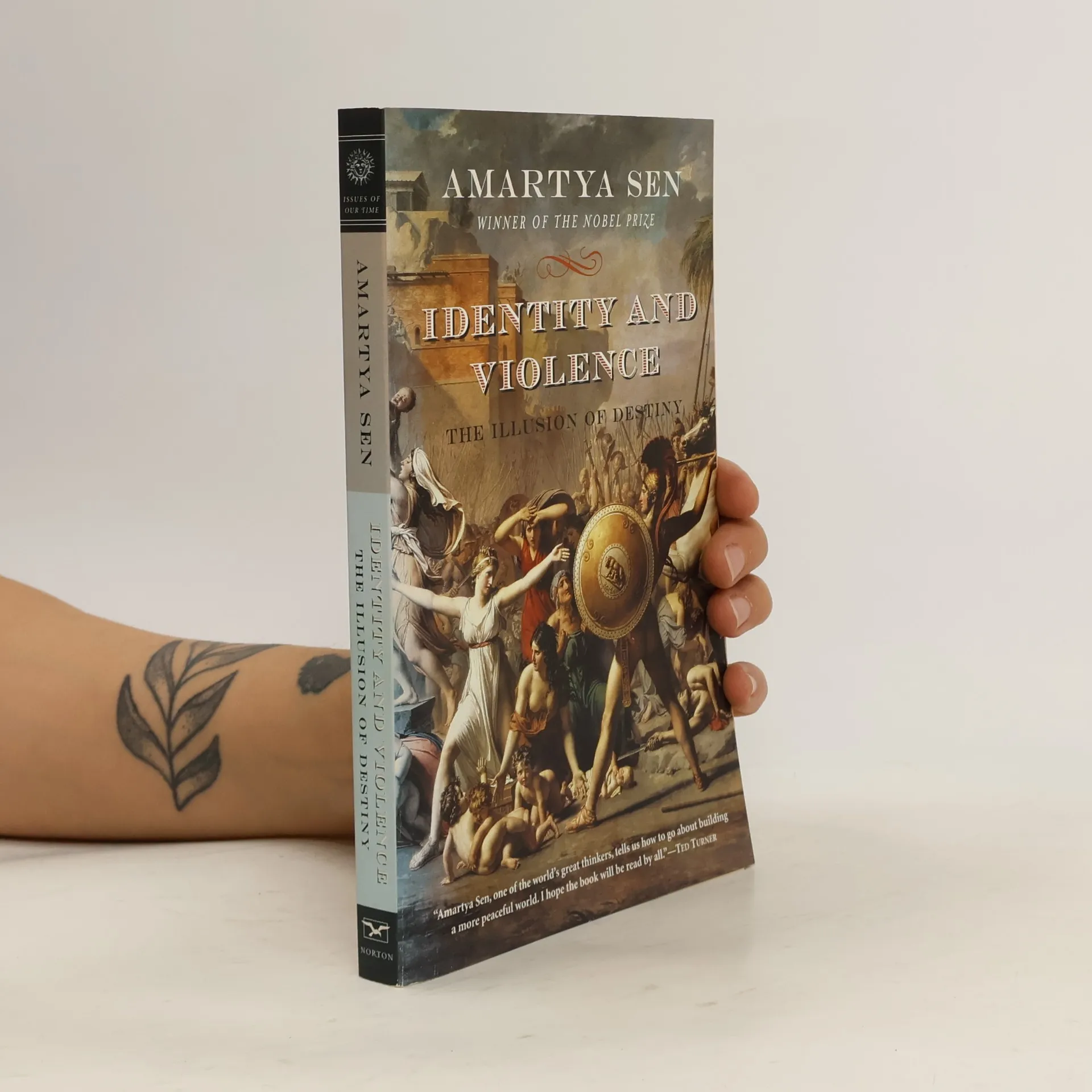
“One of the few world intellectuals on whom we may rely to make sense out of our existential confusion.”―Nadine Gordimer In this sweeping philosophical work, Amartya Sen proposes that the murderous violence that has riven our society is driven as much by confusion as by inescapable hatred. Challenging the reductionist division of people by race, religion, and class, Sen presents an inspiring vision of a world that can be made to move toward peace as firmly as it has spiraled in recent years toward brutality and war.
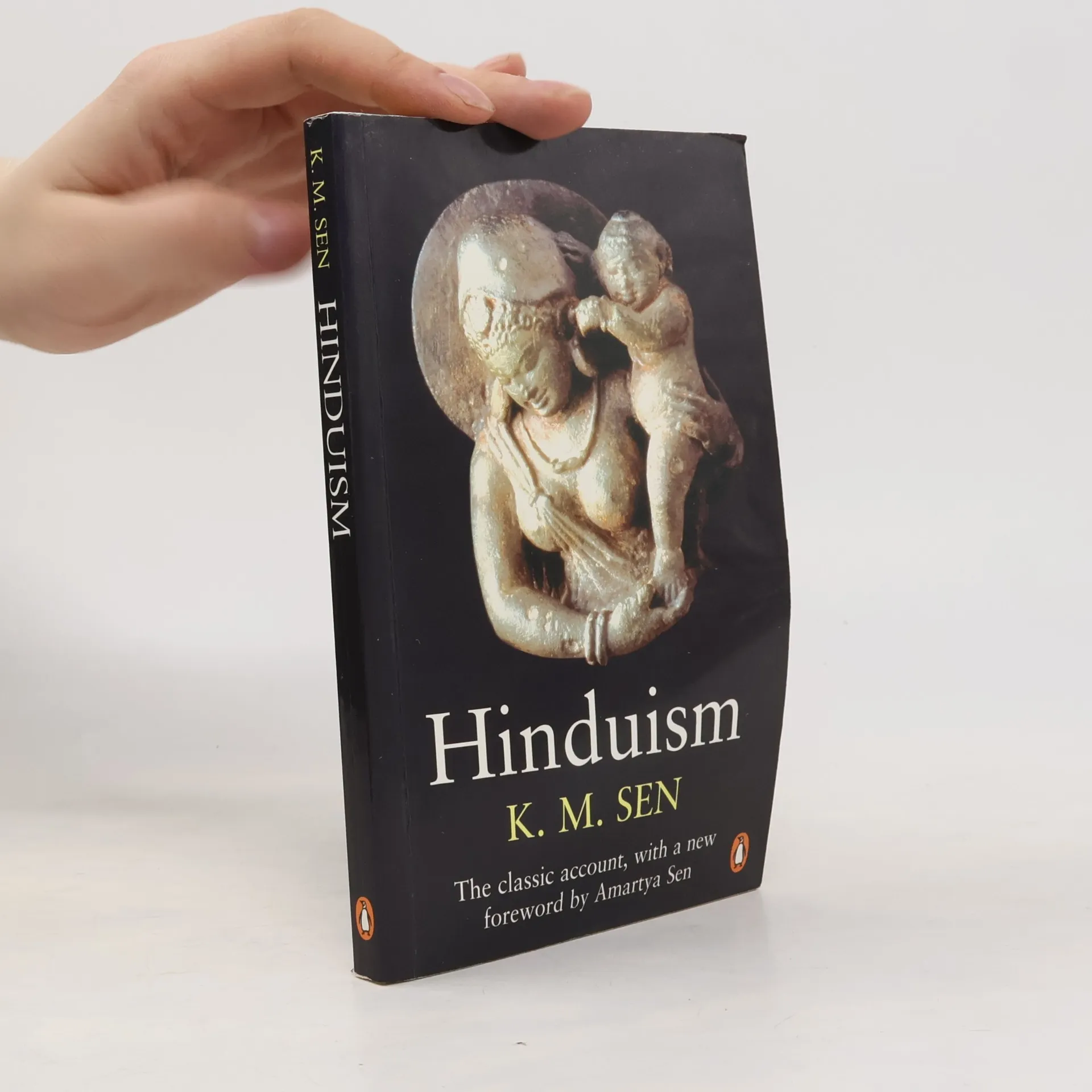
K. M. Sen recounts the history of Hinduism from the Indus Valley civilization and the Vedic age in the third and second millennia BCE, and the births of Buddhism, Jainism and ancient agnosticism. Along with the influence of other religions that came to India, such as the establishment of Christianity by the fourth century, the book looks in detail at the arrival of Islam and its impact on Hinduism. Sen also examines customs, festivals and rituals; the caste system and its exponents as well as detractors and the spread of Hinduism and outside India, as in Indonesia and Indo-China. In a new foreword, the author's grandson Amartya Sen discusses the intellectual background of the book and the interactive nature of Hinduism in a multicultural India.
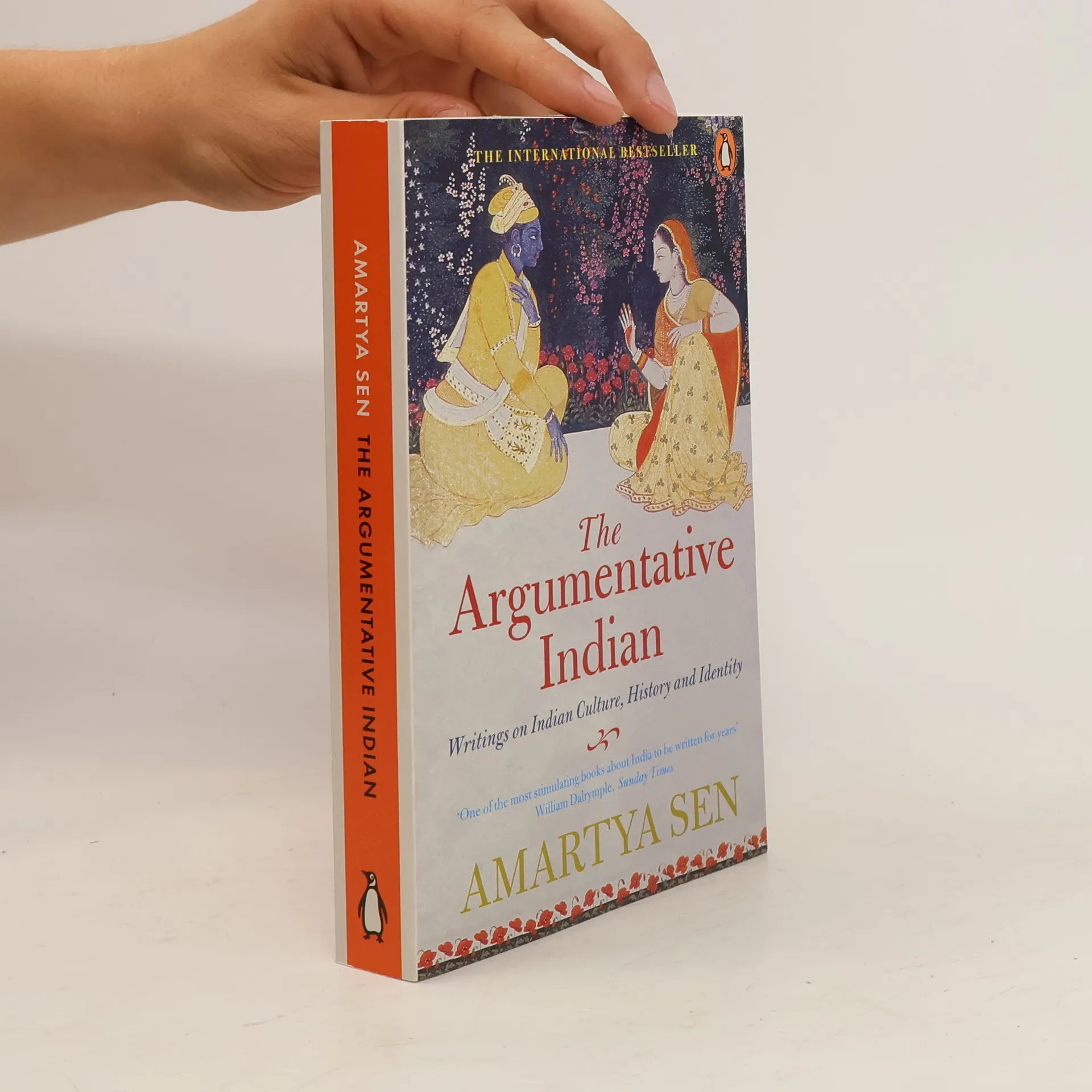
The Argumentative Indian
Writings on Indian History, Culture and Identity
- 432pages
- 16 heures de lecture
India is a very diverse country with many distinct pursuits, vastly different convictions, widely divergent customs, and a veritable feast of viewpoints. The Argumentative Indian brings together an illuminating selection of writings from Nobel prize-winning economist Amartya Sen that outline the need to understand contemporary India in the light of its long argumentative tradition. The understanding and use of this rich argumentative tradition are critically important, Sen argues, for the success of India's democracy, the defence of its secular politics, the removal of inequalities related to class, caste, gender and community, and the pursuit of sub-continental peace.
On Ethics and Economics
- 148pages
- 6 heures de lecture
In this elegant critique, Amartya Sen argues that welfare economics can be enriched by paying more explicit attention to ethics, and that modern ethical studies can also benefit from a closer contact with economies. He argues further that even predictive and descriptive economics can be helped by making more room for welfare-economic considerations in the explanation of behaviour.
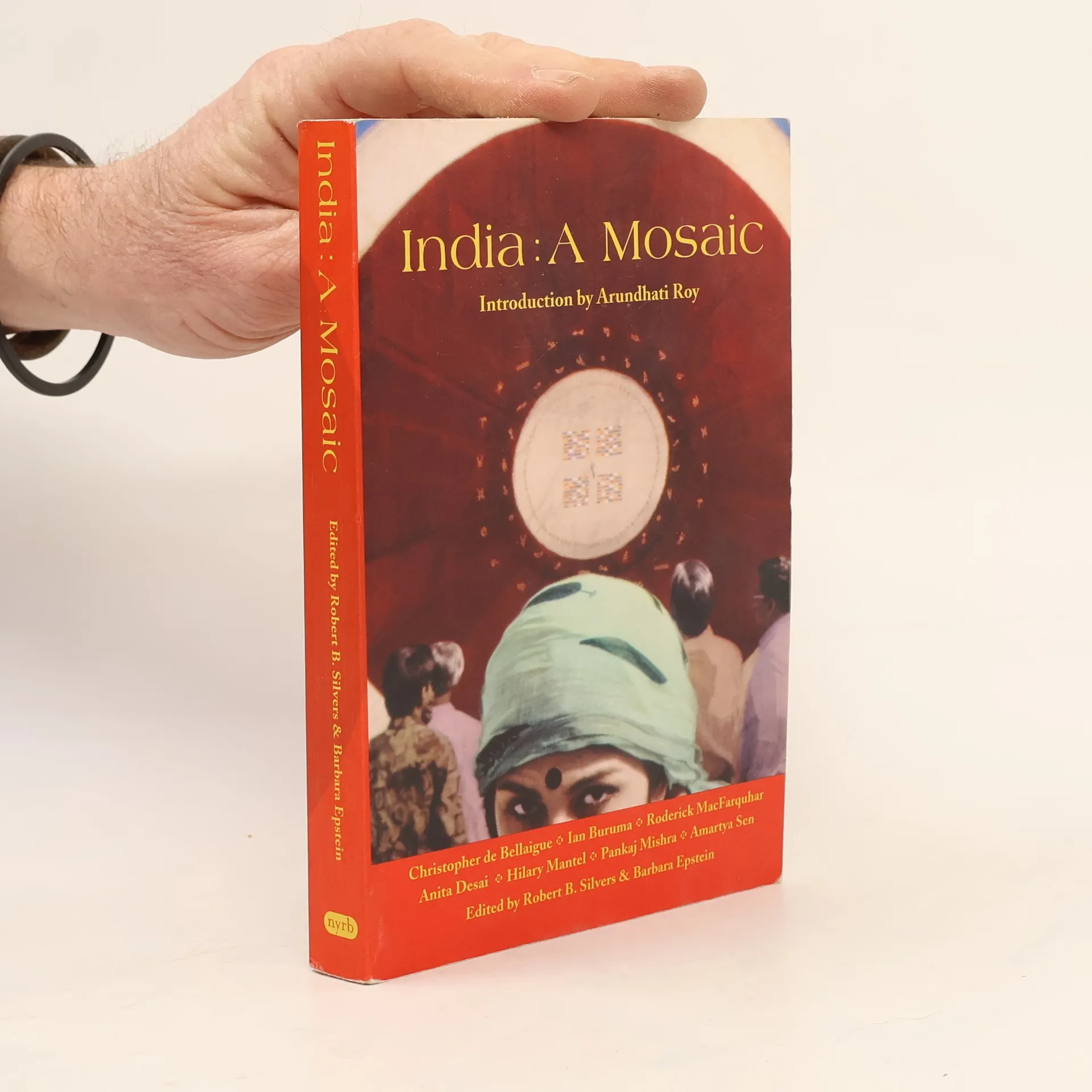
How can we understand India today, fifty years after Independence and only months after its nuclear tests outraged the world? The novelist Arundhati Roy has written, specially for this collection, a fierce denunciation of the Indian nuclear program, which serves as an introduction to nine essays on India, all originally published in The New York Review of Books . In this volume, seven distinguished writers offer penetrating insights into the complexities of the subcontinent. Roderick MacFarquhar reflects on the legacy of Empire and Partition, Ian Buruma considers secularism and Indian democracy, Pankaj Mishra remembers life in Benares, and Christopher de Bellaigue writes on a violent Bombay. But the volatile intersections of history, politics, and culture on which they focus haunt Indian literature too, as shown in essays by Nobel Prize-winner Amartya Sen on Rabindranath Tagore, Hilary Mantel on Rohinton Mistry, and Anita Desai on Indian women's writing.
Choice, Welfare and Measurement
- 469pages
- 17 heures de lecture
Choice, Welfare and Measurement contains many of Amartya Sen's most important contributions to economic analysis and methods, including papers on choice, preference, rationality, aggregation, and measurement. A substantial introductory essay interrelates his diverse concerns, and also analyzes discussions generated by the original papers, focusing on the underlying issues.
From Subsistence to Exchange and Other Essays
- 153pages
- 6 heures de lecture
Peter Bauer, a pioneer in development economics, remains an influential thinker across various fields, including political science, history, and anthropology. As noted by Nobel Laureate Amartya Sen in the introduction, Bauer's writings are characterized by originality and extensive impact. This collection of his essays showcases the depth of his thought and highlights a central concern: the effects of individual behavior, cultural institutions, and government policies on economic progress. The essays tackle significant and controversial topics, such as the transition from a subsistence to an exchange economy, the relationship between poverty and population density, the West's perceived role in Third World poverty, the often negative outcomes of foreign aid, and the implications of egalitarian policies on personal freedoms. Bauer approaches these issues with clarity, wit, and a profound understanding of economic theory, while also offering insights into human nature. This work provides a compelling exploration of how to foster a prosperous economy within a free and fair society, serving as an engaging introduction to the contributions of a key figure in political economy. Readers will gain valuable insights into the intricate analysis and understanding that Bauer has contributed to the study of developing economies and their connections to other social sciences.
The authors have proposed a perspective broader than the more standard economic analysis of development by focusing on the complementarities between economic advancement and social opportunities. Professors Sen and Dreze have produced an excellent book. Development economists, social and political scientists, moral philosophers. Policy-makers and activists interested in India's development experience.
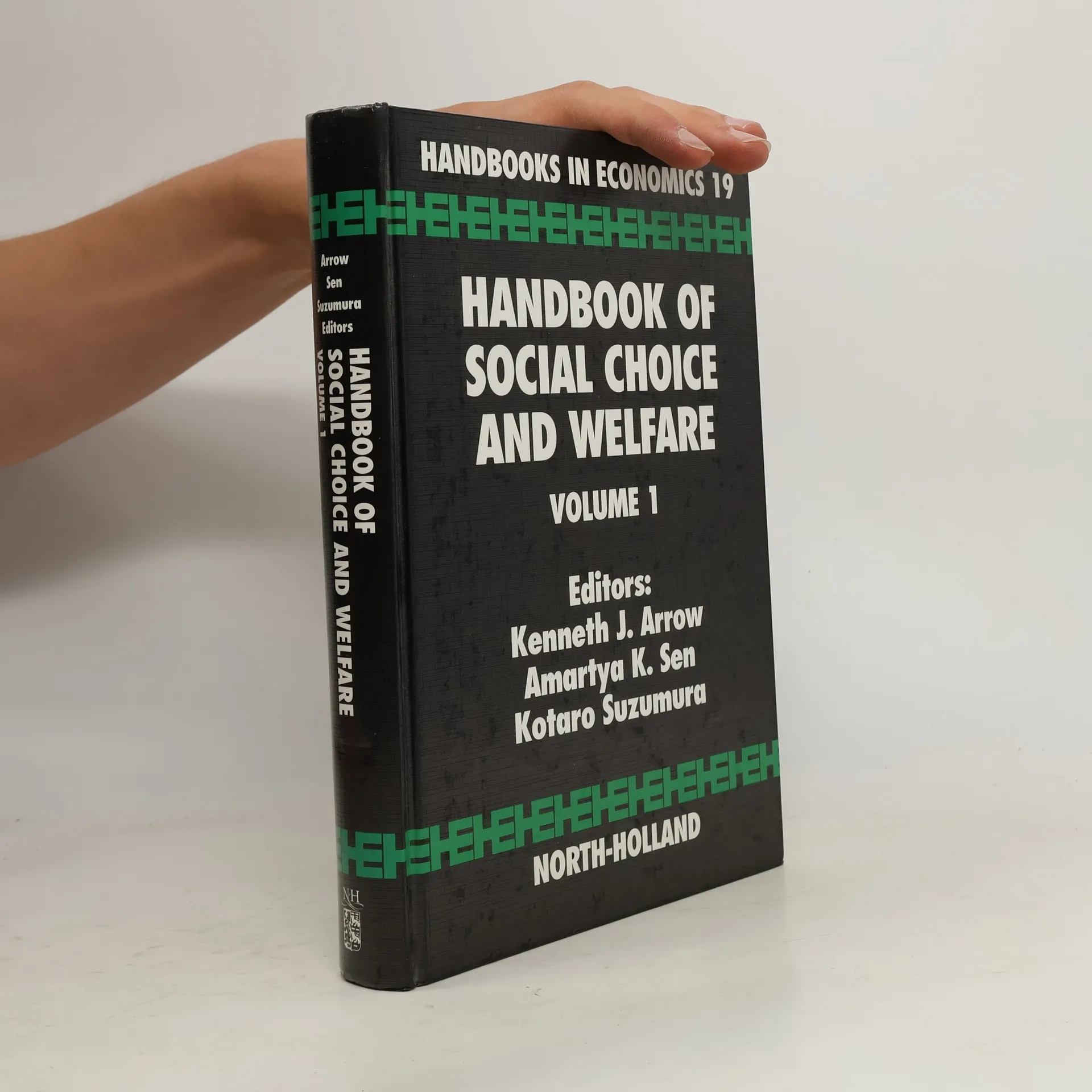
Handbooks in Economics - 19: Handbook of Social Choice and Welfare
- 680pages
- 24 heures de lecture
The Handbook of Social Choice and Welfare, in two volumes, features essays on social choice theory and welfare economics. The first volume is divided into four parts. Part 1 focuses on Arrovian impossibility theorems, exploring the implications of the majority cycle identified by Condorcet and surveying various escape routes from such results. Part 2 examines the operation and performance of voting schemes and cost-sharing mechanisms, alongside modern theories of incentives and mechanism design. Part 3 delves into the structure of social choice rules, discussing positional rules of collective decision-making, game-theoretic aspects of committee voting, and the implications of interpersonal comparisons of welfare. It critically assesses utilitarianism as a theory of justice and surveys the foundations of measuring inequality and poverty. An extensive introduction by Kotaro Suzumura contextualizes these topics within the historical background of social choice theory, highlighting the impact of Arrow's work and the socialist planning controversy. The Handbook aims to provide an accessible overview of contemporary social choice theory and welfare economics, offering insights into human well-being and collective decision-making, while serving as a resource for evaluating new scholarship and synthesizing existing research.
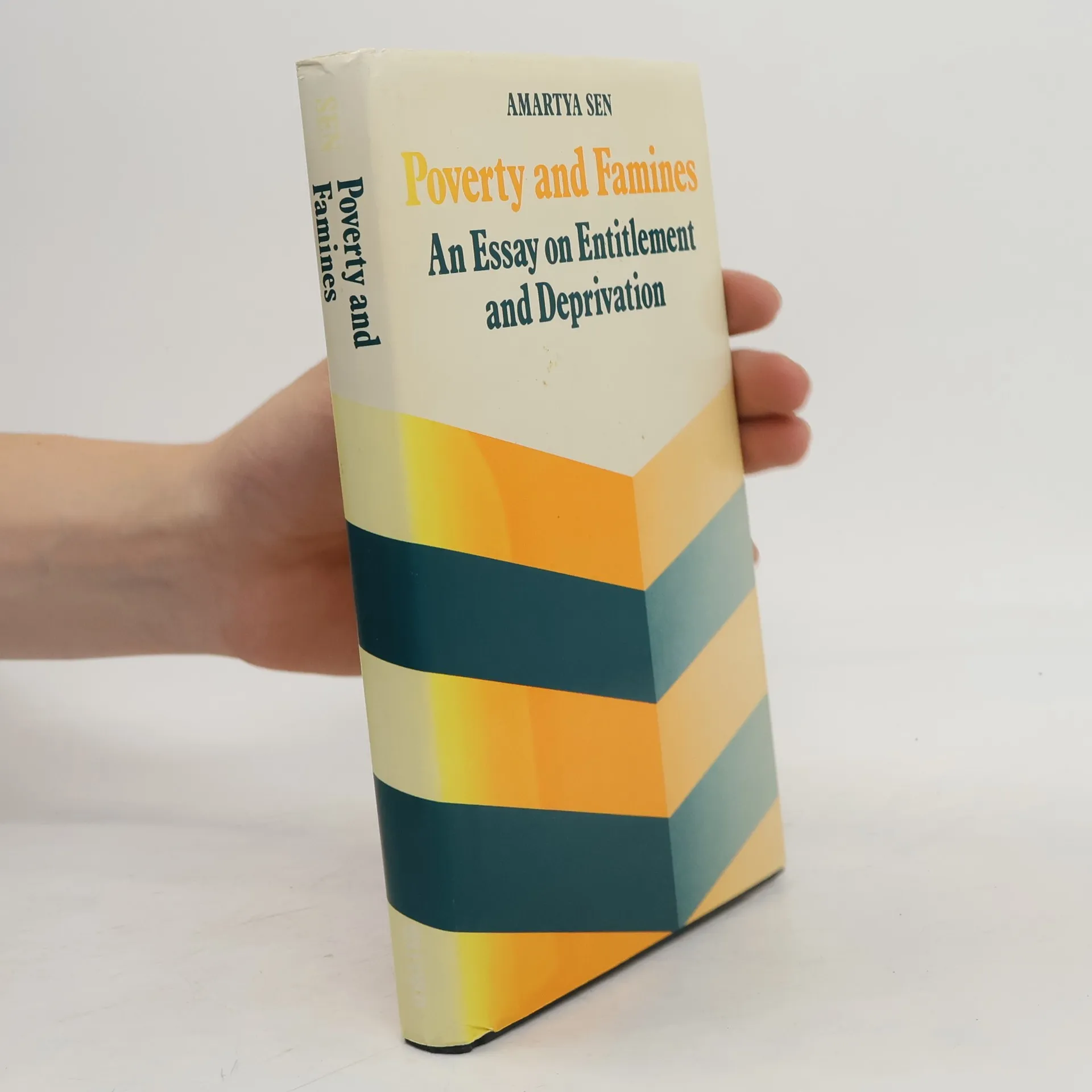
This book focuses on the causes of starvation in general and famines in particular. The traditional analysis of famines is shown to be fundamentally defective, and the author develops an alternative analysis.
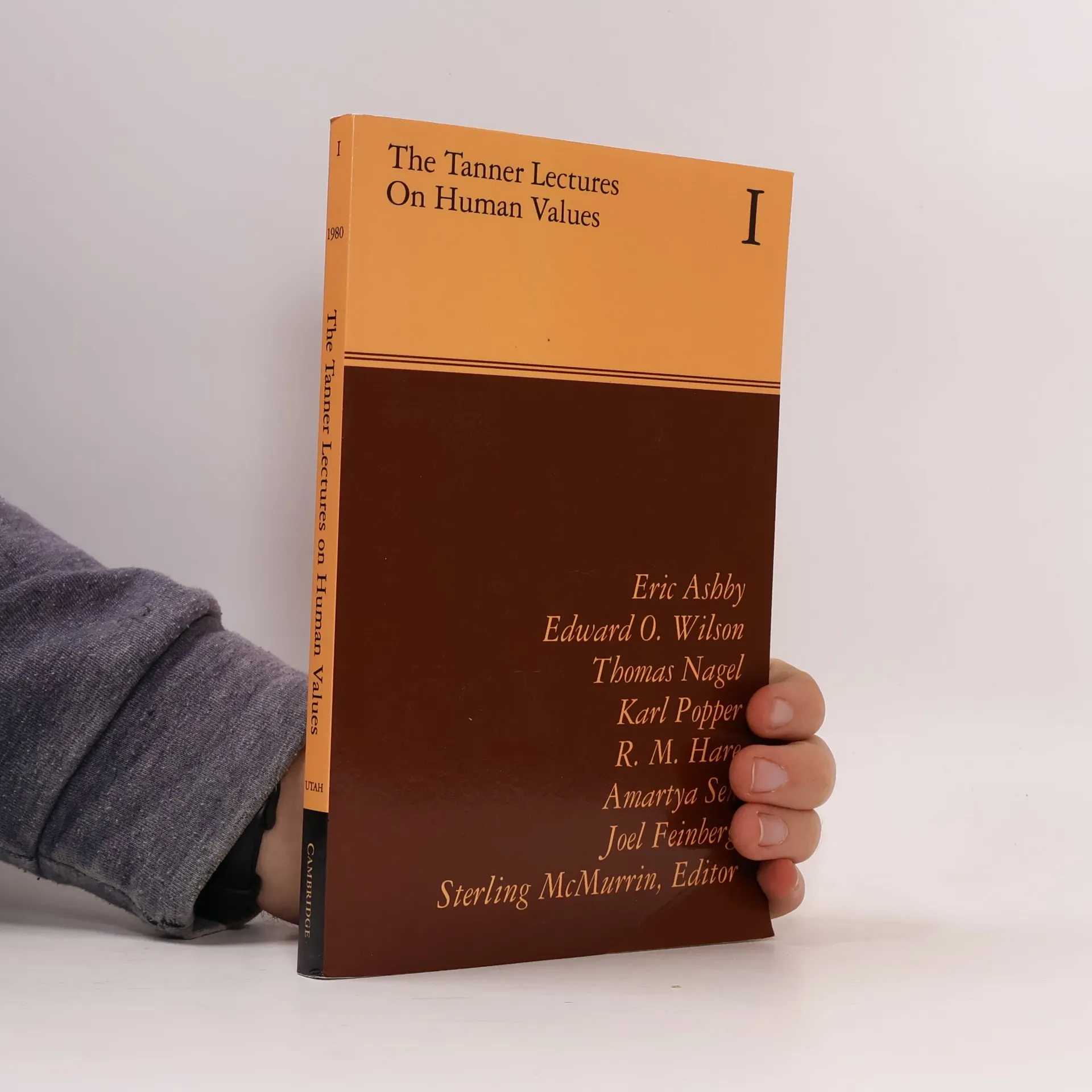
The Tanner Lectures on Human Values
- 270pages
- 10 heures de lecture
A prestigious series of lectures that are international and intercultural, and transcend ethnic, national, religious, and ideological distinctions.
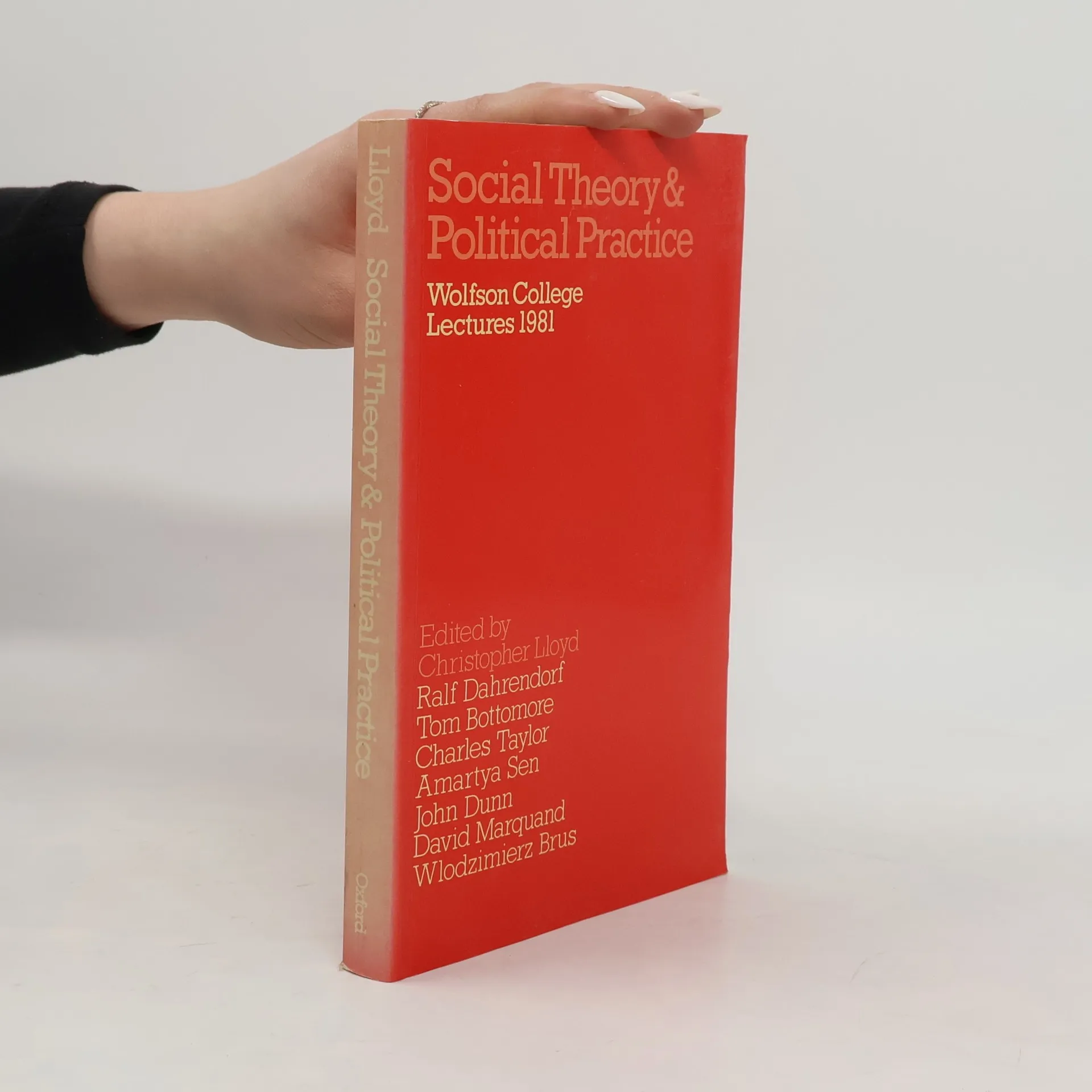
Wolfson College Lectures: Social Theory and Political Practice
Wolfson College Lectures 1981
- 182pages
- 7 heures de lecture
Wolfson College Lectures 1981: • Reflections on social theory and political practice — by Ralf Dahrendorf • Social theory and politics in the history of social theory — by Tom Bottomore • Political theory and practice — by Charles Taylor • Accounts, actions, and values : objectivity of social science — by Amartya Sen • Social theory, social understanding, and political action — by John Dunn • The collapse of consensus : ideology in British politics — by David Marquand • Marxism and Communism — by Wlodzimierz Brus
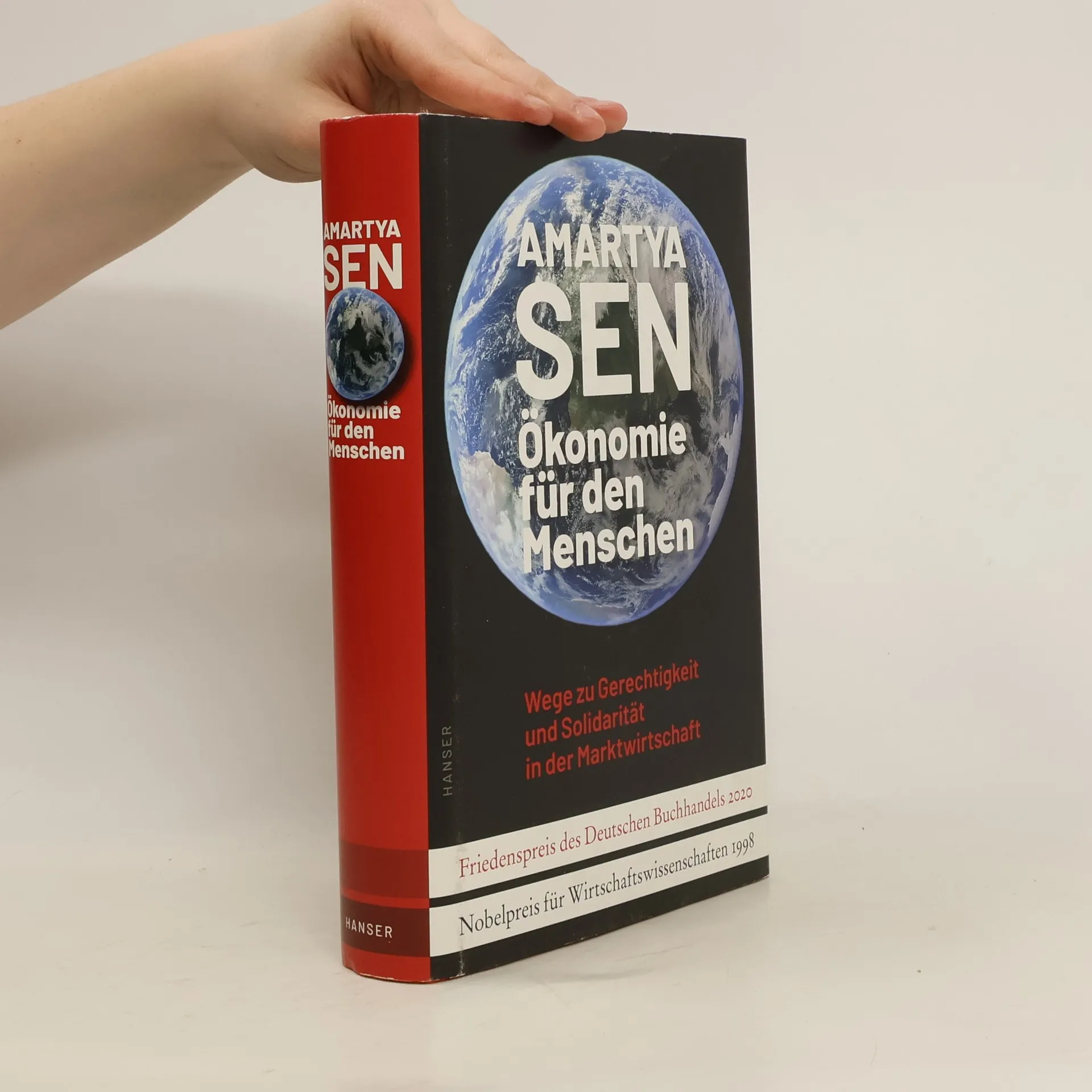
Ökonomie für den Menschen
Wege zu Gerechtigkeit und Solidarität in der Marktwirtschaft
- 424pages
- 15 heures de lecture
Im Jahr 2020 erhält er für sein Lebenswerk den Friedenspreis des Deutschen Buchhandels. Bereits 1998 wurde er mit dem Nobelpreis für Wirtschaftswissenschaften ausgezeichnet. „Ökonomie für den Menschen“, erstmal im Jahr 2000 auf deutsch erschienen, ist das Hauptwerk Amartya Sens. Es zeigt: Ökonomische Vernunft, politischer Realismus und soziale Verantwortung müssen keine Widersprüche sein – denn nicht an unserem Wohlstand, sondern an unserer Freiheit zeigt sich wirklicher wirtschaftlicher Fortschritt.„Die Armen und Besitzlosen dieser Welt könnten unter den Ökonomen keinen klareren und kenntnisreicheren Fürsprecher haben als Amartya Sen.“ Kofi Annan„Ein großer Intellektueller und engagierter Humanist, der sich nie gescheut hat, Mögliches zu wagen und seine Überlegungen einem Praxistest zu unterziehen.“ Alexandra Kemmerer, Frankfurter Allgemeine Zeitung
Wenn politisches Engagement und Einsatz für Menschenrechte nicht zu blindem Aktionismus führen sollen, ist es nötig, gelegentlich innezuhalten und sich auf die Theorie der Menschenrechte zu besinnen. Menschenrechte, so Amartya Sen, sind erst einmal moralische Forderungen, die sich auf wichtige und sozial beeinflussbare Freiheiten beziehen. Nicht nur auf bürgerliche und politische Freiheiten, sondern auch auf ökonomische und soziale.Doch wie kann sich die Menschheit weltweit und dauerhaft auf dieselben Forderungen einigen – trotz all der kulturellen Unterschiede und extrem unterschiedlicher Rechtssysteme? Was kann eine Theorie der Menschenrechte leisten und was nützt sie in der Praxis?Sen entwirft in seinem Essay ein inklusives und zukunftsweisendes Verständnis der Menschenrechte, das einen Beitrag leisten soll, die Welt zu einem besseren Ort zu machen.
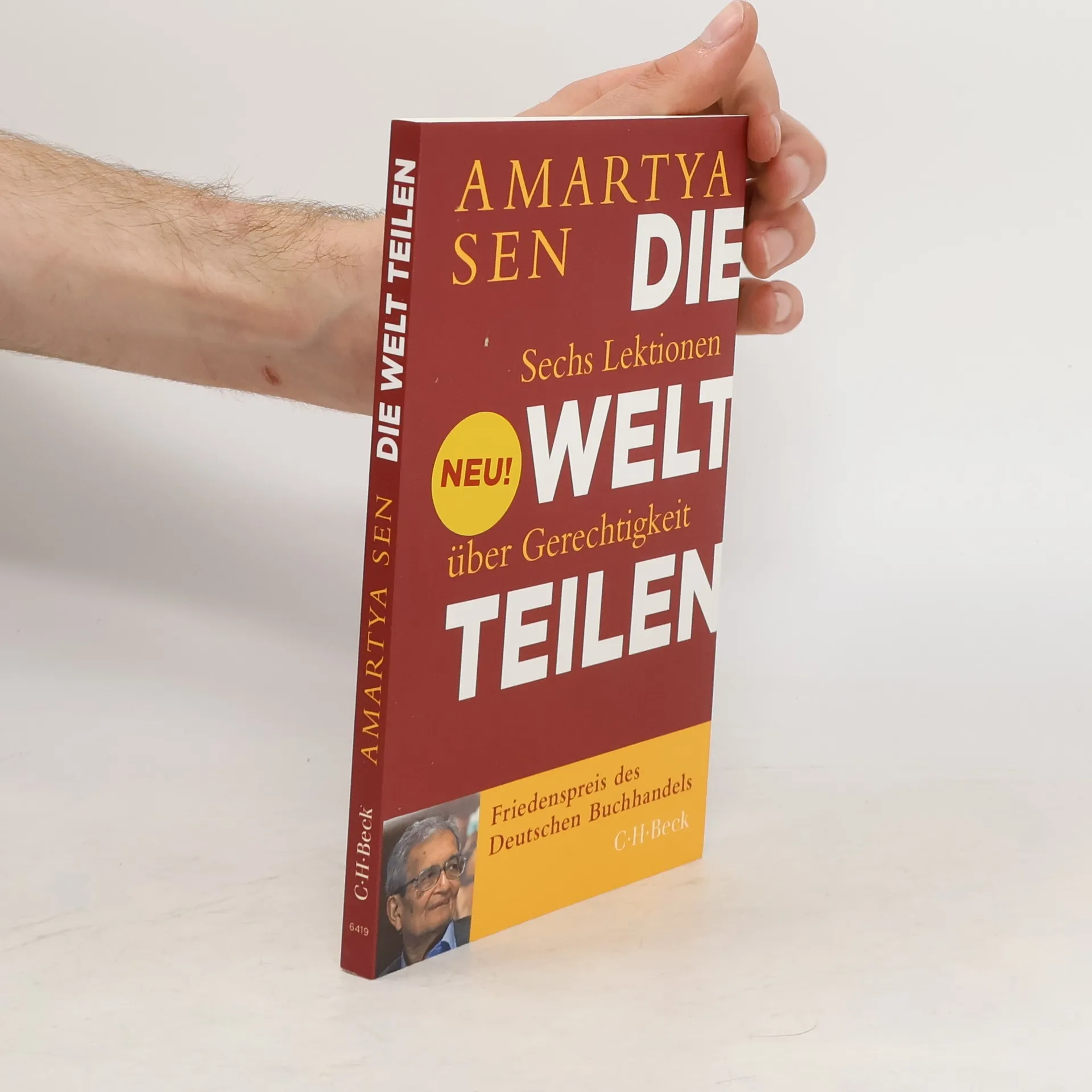
Die Welt teilen
Sechs Lektionen über Gerechtigkeit
Der indische Ökonom und Philosoph Amartya Sen hat die Welt verändert wie nur wenige andere Intellektuelle unserer Zeit. Vor allem wenn es um Fragen der Gerechtigkeit in einer globalisierten Welt geht, ist der Nobelpreis- und Friedenspreisträger eine Instanz. Dieser Band stellt in sechs prägnanten Lektionen unterschiedliche Dimensionen seines Denkens vor. Wer sie liest, der bekommt nicht nur einen Begriff von den gewaltigen Aufgaben, die noch vor uns liegen, er schöpft zugleich auch die Zuversicht, dass sie – wenn wir es nur wollen – bewältigt werden können.
Amartya Sens einflussreichster Aufsatz kritisiert die ökonomische Theorie, die Menschen auf Gier und Egoismus reduziert. Er argumentiert, dass Menschen oft vielschichtige, uneigennützige Motive verfolgen, die für das Funktionieren politischer und wirtschaftlicher Systeme unerlässlich sind. Sens zeigt die schädlichen Folgen dieser Vereinfachungen auf.
Der spätere Nobelpreisträger, indische Wirtschaftswissenschaftler und Philosoph Amartya Sen hielt in Stanford – im Rahmen der berühmten »Tanner Lectures« – einen Vortrag, der unser Denken über Entwicklungshilfe und Verteilungsgerechtigkeit nachhaltig erschüttern sollte: Mit Bezug auf die Gerechtigkeitstheorie des Philosophen John Rawls führte er seine These aus, dass es nicht um die Verteilung von Gütern oder Geld (z. B. in der Entwicklungshilfe), sondern um die Chancen gehen solle, die jeder einzelne zur Verwirklichung seiner Lebensträume vorfindet. Dieser einflussreiche klassische Aufsatz wird hier erstmals in deutscher Übersetzung mit Kommentar und einem einführenden Nachwort veröffentlicht.
Zuhause in der Welt
Erinnerungen
Amartya Sen argumentiert, dass "der Lebensstandard" schlecht verstanden und eng definiert wurde; er ist nicht nur eine Funktion von Opulenz und kann nicht als Nutzen betrachtet werden. Er schlägt vor, dass es sich um die "Fähigkeiten" handelt, die in bestimmten Situationen angeboten werden. In seinen Kommentaren betrachtet Bernard Williams die konzeptionellen Verbindungen zwischen Sens Fähigkeiten, wirtschaftlichem Wohlstand und dem breiteren Begriff des "Wohlergehens" und fragt, ob dieser Begriff Fragen der Gerechtigkeit aufwirft. Ravi Kanbur erörtert die Implikationen der Unsicherheit bei der Wahl, die als eine wünschenswerte Fähigkeit angesehen werden könnte. John Muellbauer bietet eine Spezifikation der Wahl an und diskutiert die Bedeutung der Beziehung zwischen Präferenzen und Einschränkungen sowie zwischen den Präferenzen selbst für die Bewertung von Fähigkeiten. Keith Hart untersucht das Thema für Gesellschaften, in denen das wirtschaftliche Leben nicht vollständig "kommodifiziert" ist und in denen es daher nicht immer sinnvoll ist, Dinge auf einen Preis zu reduzieren. Sen schließt mit Antworten auf diese Kommentare.
La libertà individuale come impegno sociale
- 63pages
- 3 heures de lecture