Bookbot

Pater Walter

    4 août 1839 – 30 juillet 1894
    Pater Walter
    Marius the Epicurean and Other Short Works
    Marius the Epicurean
    Marius the Epicurean
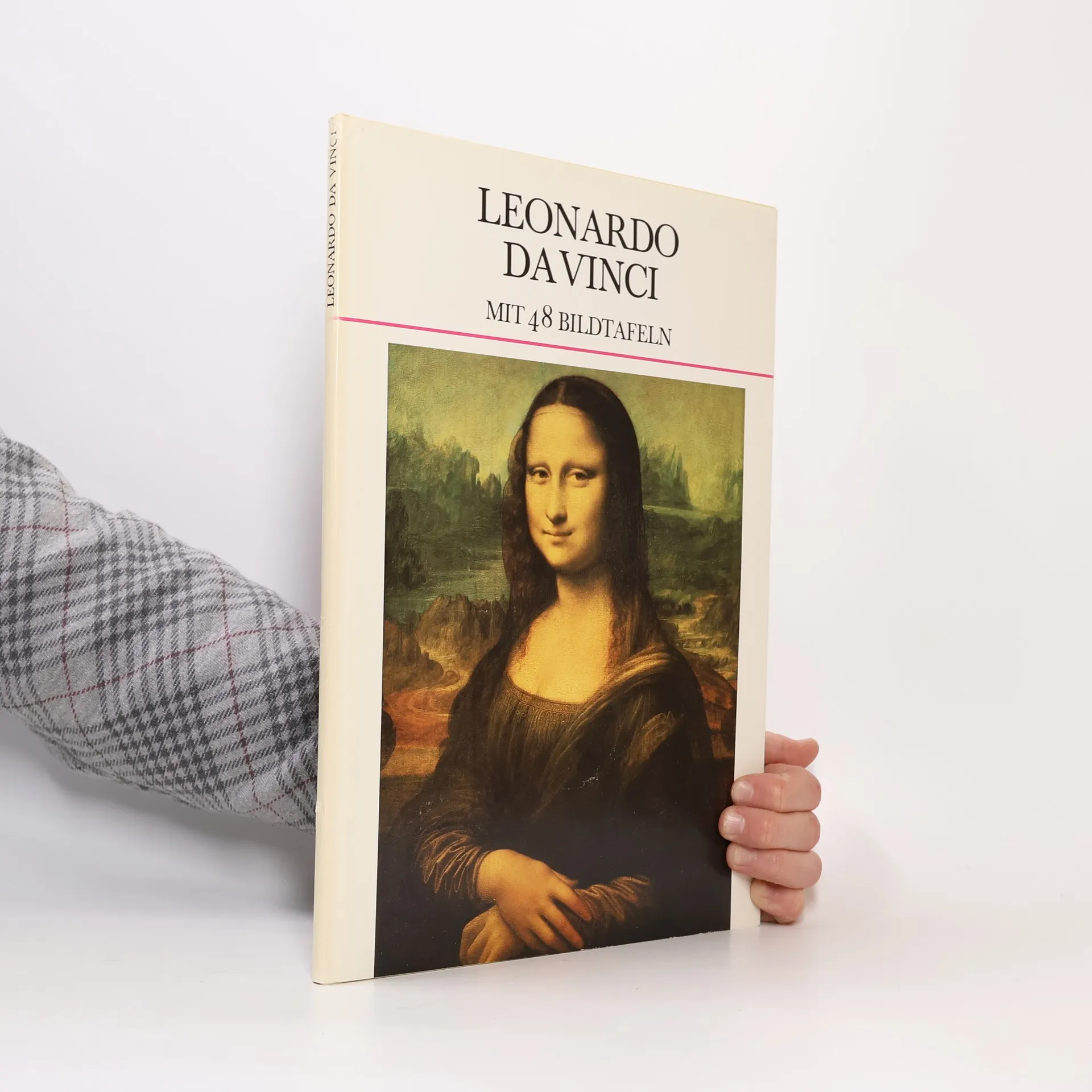
    Leonardo Da Vinci
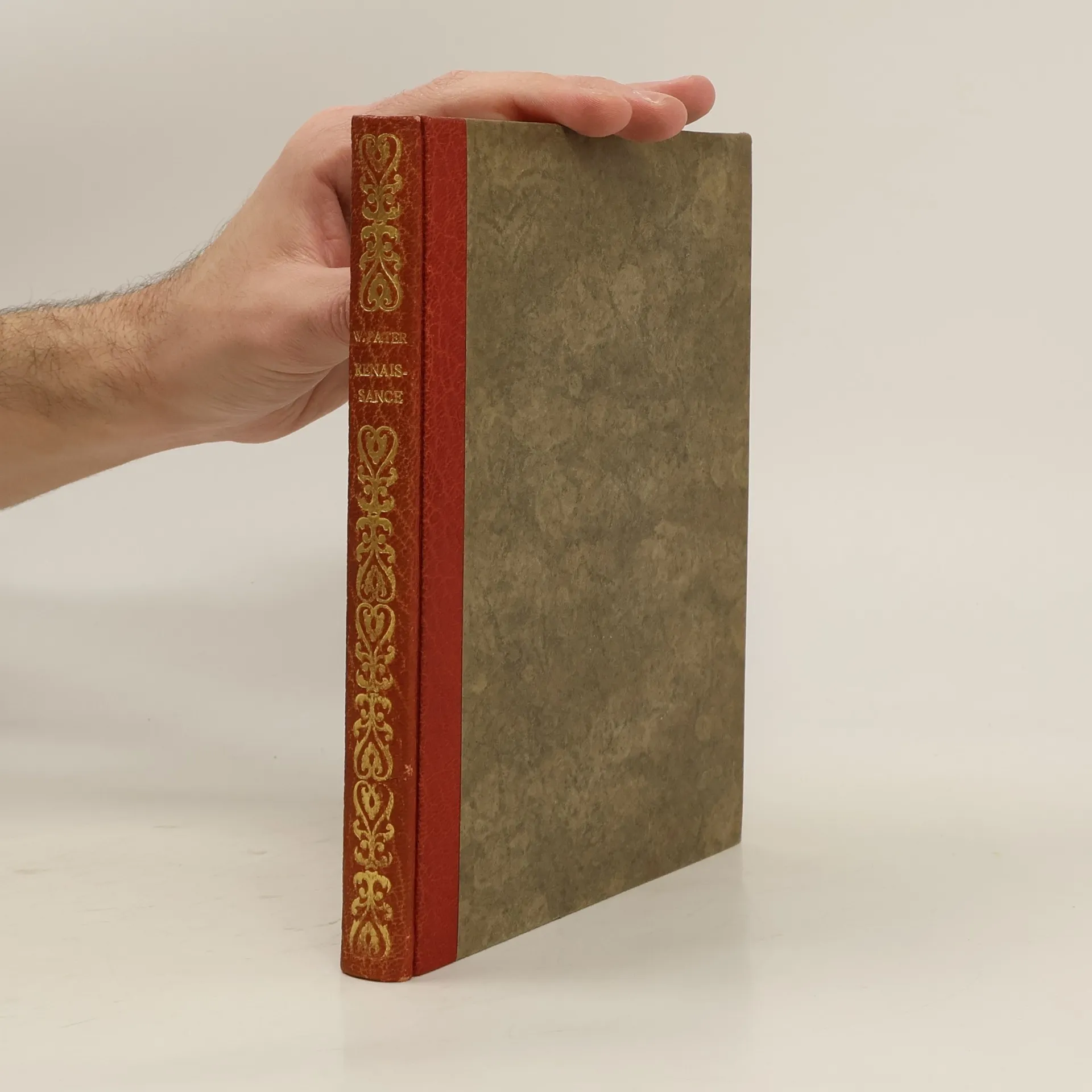
    The Renaissance
    The Renaissance (World's Classics)
    • Oscar Wilde called this collection of essays the "holy writ of beauty." Published to great acclaim in 1837, it examines the work of Renaissance artists such as Winckelmann and the then neglected Botticelli, and includes a celebrated discussion of the Mona Lisa in a study of Da Vinci. The book strongly influenced art students and aesthetes of the day and is still valuable for the insights it offers and the beauty of the writing.

      The Renaissance (World's Classics)
      3,8
    • The Renaissance

      Studies in Art and Poetry

      • 160pages
      • 6 heures de lecture

      "The golden book of spirit and sense, the holy writ of beauty." — Oscar Wilde Published to equal parts scandal and acclaim in 1873, The Renaissance inspired a generation of Oxford undergraduates, who adapted its credo of "arts for art's sake" for their Aesthetic Movement. Combining the skepticism of empirical philosophy, the materialism of 19th-century science, and the determinism of evolutionary theory, this book defies categorization and endures as an innovative example of cultural criticism. An Oxford don who led a quiet scholarly life, Walter Pater was shocked at the reactions his writings provoked. ("I wish they would not call me a hedonist," he remarked, "it gives such a wrong impression to those who do not know Greek.") His essays on the individuals he viewed as embodiments of the Renaissance spirit encompass artists whose careers span the Middle Ages through the 18th century. Pater's elegant, fluid prose examines the works of Pico della Mirandola, Leonardo, Michelangelo, Botticelli, and others. He crowns his compendium of reflections with his notorious Conclusion, in which he asserts that "to burn always with this hard, gemlike flame, to maintain this ecstasy, is success in life." One of Victorian England's most talked about books, The Renaissance exerted a crucial influence on the art criticism of the past century, and it remains a work of unusual importance to those interested in art history and English literature.

      The Renaissance
      3,8
    • Marius the Epicurean

      Philosophical novel ancient Rome and spiritual journey

      • 400pages
      • 14 heures de lecture

      Marius the Epicurean by Walter Pater is a philosophical novel set in the Roman Empire during the second century. The story follows Marius, a thoughtful and sensitive young man, as he embarks on a spiritual and intellectual journey through the landscapes of ancient Rome. Through his experiences, Marius explores the teachings of Epicureanism and Stoicism, gradually encountering the emerging Christian community and its vision of life and death. This book appeals to readers interested in philosophical novels, historical fiction, or Victorian literature. It offers a unique perspective on the challenges of living a thoughtful life and the importance of seeking truth and beauty in a changing world. Book categories such as philosophical novel, historical fiction, and Victorian literature are naturally highlighted in this classic work.

      Marius the Epicurean
    • Marius the Epicurean

      A philosophical journey through Epicureanism and early Christianity in the aesthetic heart of Ancient Rome

      • 402pages
      • 15 heures de lecture

      In Marius the Epicurean, Walter Pater presents a deeply introspective philosophical novel set in second-century Ancient Rome. The protagonist, Marius, a young Roman of refined sensibility, embarks on a spiritual and intellectual odyssey in pursuit of a life grounded in truth, beauty, and meaning. Beginning with Epicureanism, Marius is drawn to a life of calm contemplation and sensory harmony. Yet he soon discovers the limitations of this doctrine in offering deeper fulfillment. His journey leads him to the stoic teachings of Marcus Aurelius, whose disciplined wisdom fascinates but does not fully satisfy Marius's longing for spiritual resonance. Revered for its introspective tone and aesthetic precision, Marius the Epicurean became a cornerstone of Victorian literature and greatly influenced later writers such as Oscar Wilde. With its blend of historical fiction, philosophical speculation, and spiritual development, this novel remains a timeless study of intellectual transformation and the search for meaning.

      Marius the Epicurean
    • Marius the Epicurean

      Volume II

      • 120pages
      • 5 heures de lecture

      Set in ancient Rome, the novel follows Marius, a young nobleman, on his philosophical journey. Through his encounters with mentors and the intricacies of Roman society, he confronts profound questions about morality, meaning, and happiness. The narrative delves into themes of beauty and spirituality, prompting readers to reflect on their own values. Pater's elegant prose and philosophical depth create a timeless exploration of the human condition and the quest for an ideal life.

      Marius the Epicurean
    • Gaston de Latour; An unfinished romance

      in large print

      • 160pages
      • 6 heures de lecture

      The publishing house Megali focuses on making historical works accessible by producing them in large print, specifically designed for individuals with impaired vision. This approach aims to enhance the reading experience for those who may struggle with standard text sizes.

      Gaston de Latour; An unfinished romance
    • Marius the Epicurean; His Sensations and Ideas; Volumes I & II

      in large print

      • 420pages
      • 15 heures de lecture

      The book features a faithful reproduction of an original work, preserving its content and essence. It offers readers a chance to experience the text as it was initially intended, maintaining the authenticity and historical significance of the original publication. This reproduction aims to provide a valuable resource for those interested in the original material, allowing for a deeper appreciation of its context and themes.

      Marius the Epicurean; His Sensations and Ideas; Volumes I & II
    • The Renaissance; studies in art and poetry

      in large print

      • 240pages
      • 9 heures de lecture

      This publication focuses on making historical works accessible to individuals with impaired vision through large print reproduction. Megali, the publishing house behind this initiative, emphasizes the importance of preserving and sharing classic literature while enhancing readability for all.

      The Renaissance; studies in art and poetry
    • Marius the Epicurean; His Sensations and Ideas

      Volume 2 - in large print

      • 212pages
      • 8 heures de lecture

      This book is a faithful reproduction of the original text, preserving the authenticity and nuances of the initial work. Readers can expect an unaltered experience that captures the essence and style of the original author. Ideal for those interested in historical literature or seeking a classic reading experience, this edition offers a glimpse into the past while maintaining the integrity of the original content.

      Marius the Epicurean; His Sensations and Ideas
    • Plato and Platonism

      in large print

      • 320pages
      • 12 heures de lecture

      Focusing on accessibility, this publication is a reproduction of a historical work, presented in large print to cater to individuals with impaired vision. Megali, the publishing house behind this initiative, is dedicated to making historical texts more readable and inclusive for all.

      Plato and Platonism
    • Essays from 'The Guardian'

      in large print

      • 108pages
      • 4 heures de lecture

      Focusing on accessibility, this publishing house specializes in reproducing historical works in large print, catering specifically to individuals with impaired vision. By enhancing readability, it ensures that a wider audience can engage with important historical texts.

      Essays from 'The Guardian'
    • Marius the Epicurean; His Sensations and Ideas

      Volume 1 - in large print

      • 228pages
      • 8 heures de lecture

      This book is a reproduction of a historical work, published in large print to enhance accessibility for readers with impaired vision. The focus on readability reflects the commitment of the publishing house Megali to make literature more inclusive.

      Marius the Epicurean; His Sensations and Ideas
    • Marius the Epicurean

      Volume I

      • 128pages
      • 5 heures de lecture

      Set in ancient Rome, the novel follows Marius, a young nobleman on a philosophical journey that delves into themes of beauty, spirituality, and the pursuit of an ideal life. As he interacts with various mentors and faces the complexities of Roman society, Marius wrestles with profound questions about morality, meaning, and happiness. Pater's eloquent prose and philosophical depth encourage readers to reflect on their own values, making this work a timeless exploration of the human condition and the quest for fulfillment.

      Marius the Epicurean
    • Appreciations, with an Essay on Style

      in large print

      • 272pages
      • 10 heures de lecture

      The book is a reproduction of a historical work, presented in large print to enhance accessibility for readers with impaired vision. Published by Megali, a company dedicated to making historical texts available to a wider audience, this edition aims to preserve the original content while ensuring it is easier to read.

      Appreciations, with an Essay on Style
    • Miscellaneous Studies; A series of essays

      in large print

      • 248pages
      • 9 heures de lecture

      Focusing on accessibility, this work is a reproduction of an original text published by Megali, a house dedicated to producing historical works in large print. This initiative aims to enhance readability for individuals with impaired vision, ensuring that important historical literature remains accessible to a wider audience.

      Miscellaneous Studies; A series of essays
    • Imaginary Portraits

      in large print

      • 136pages
      • 5 heures de lecture

      The book is a reproduction of a historical work, specifically designed to cater to readers with impaired vision by using large print. Published by Megali, which focuses on making classic texts more accessible, this edition aims to preserve the original content while enhancing readability for those who may struggle with standard-sized print.

      Imaginary Portraits
    • Greek Studies; A Series of Essays

      in large print

      • 292pages
      • 11 heures de lecture

      The publishing house Megali focuses on reproducing historical works in large print, catering specifically to individuals with impaired vision. This initiative enhances accessibility and ensures that important texts remain available to a broader audience, allowing readers to engage with historical literature comfortably.

      Greek Studies; A Series of Essays
    • Gaston De Latour An Unfinished Romance

      • 86pages
      • 4 heures de lecture

      Set against the backdrop of the Renaissance, this posthumously published novel explores the life of Gaston de Latour, a young Frenchman navigating a world rich in cultural and artistic ferment. Walter Pater's lyrical prose weaves philosophical reflections throughout Gaston's intellectual and emotional journey, emphasizing themes of aesthetics, the tension between worldly pleasures and spiritual aspirations, and the transformative power of art. As an unfinished work, it invites readers to engage thoughtfully with its narrative, appealing to those interested in philosophical fiction and historical contexts.

      Gaston De Latour An Unfinished Romance
    • Classics: Marius the Epicurean

      His Sensations and Ideas - Both Volumes of the Philosophic Novel, Complete

      • 202pages
      • 8 heures de lecture

      Marius is born into a patrician family in the second-century Roman Empire. After the death of his parents, he is sent to boarding school, where he absorbs the rituals and beliefs of his homeland. As he matures, he explores various philosophies until he becomes the amanuensis to Emperor Marcus Aurelius, a prominent Stoic thinker. Marius engages with Stoicism but soon becomes intrigued by Christianity. His quest for meaning allows Pater to explore key themes, such as the impact of childhood experiences on adult personality and the value of an aesthetic life balanced with modest pleasures, distinguishing it from hedonism's destructive excess. The narrative emphasizes Marius's inner conflict regarding religion, mirroring Pater's own longing for the simplicity of his youthful faith. Marius's journey takes him through paganism, philosophy, and Christianity, as he seeks the comfort of lost rituals. Ultimately, he finds peace elusive. The work stands as a significant milestone in 19th-century explorations of religion and philosophy, employing a complex structure of frame narratives, epistolary fragments, orations, and dialogues. This innovative approach foreshadows the modernism that would characterize 20th-century literature, earning it recognition as a remarkable fictional experiment of its time.

      Classics: Marius the Epicurean
    • Historický román z dob starověkého Říma. S filosofickými rozbory, názory a postoji tehdejší doby, nástup křesťanství a ústup pohanství. Edice: Knihy dobrých autorů svazek č. 80–82.

      Dojmy a myšlenky Maria Epikurejce: Román