Bookbot

Konfucius

    Cet auteur explore de profondes questions éthiques et philosophiques, en mettant l'accent sur le développement moral et l'harmonie sociale. Ses écrits se caractérisent par leur sagesse et leurs conseils pratiques pour la vie. L'œuvre se concentre sur la gouvernance, la famille et l'intégrité personnelle. Il reste une figure influente de la pensée éthique.

    Konfucius
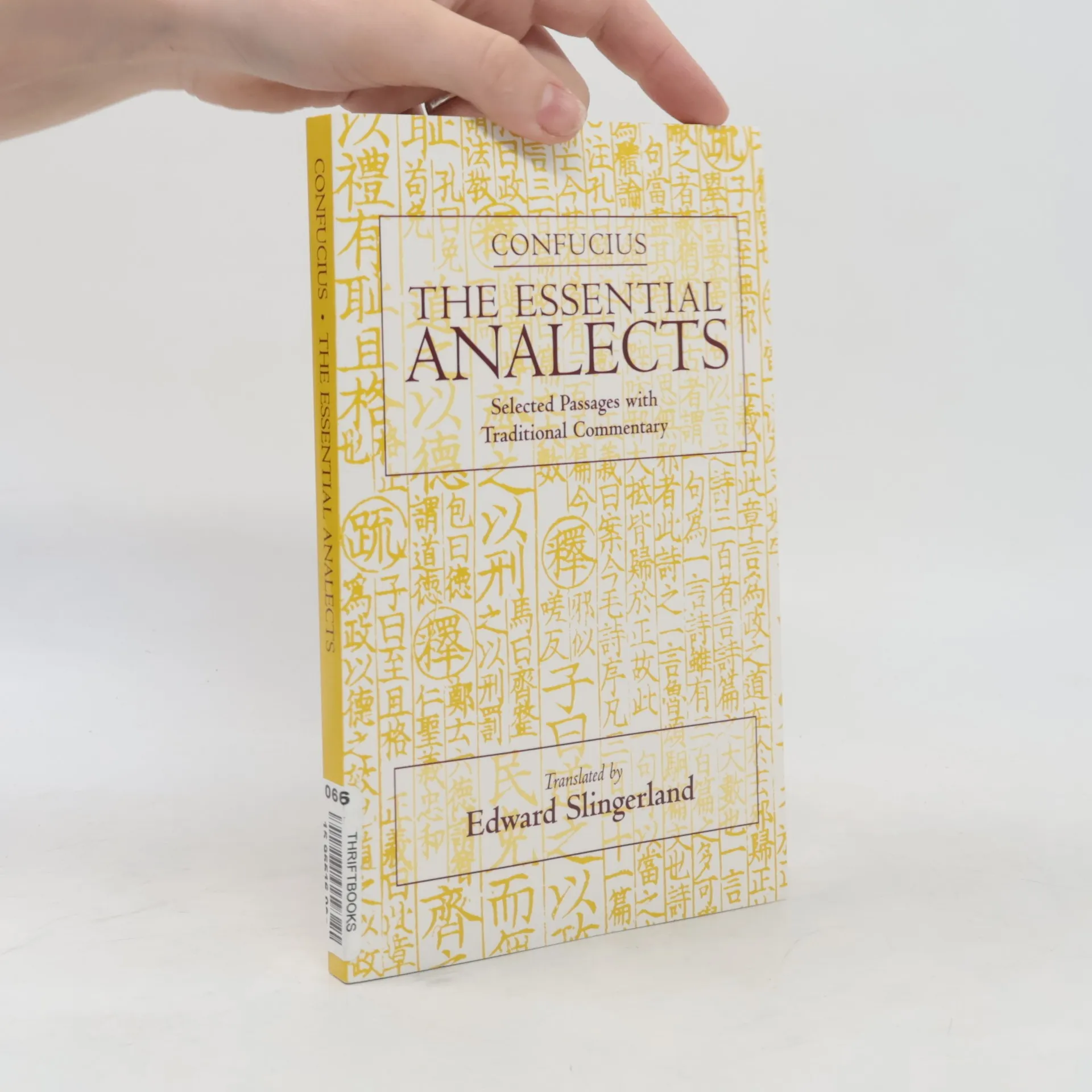
    The Essential Confucius
    The Most Venerable Book (Shang Shu)
    Art of War and Other Eastern Classics
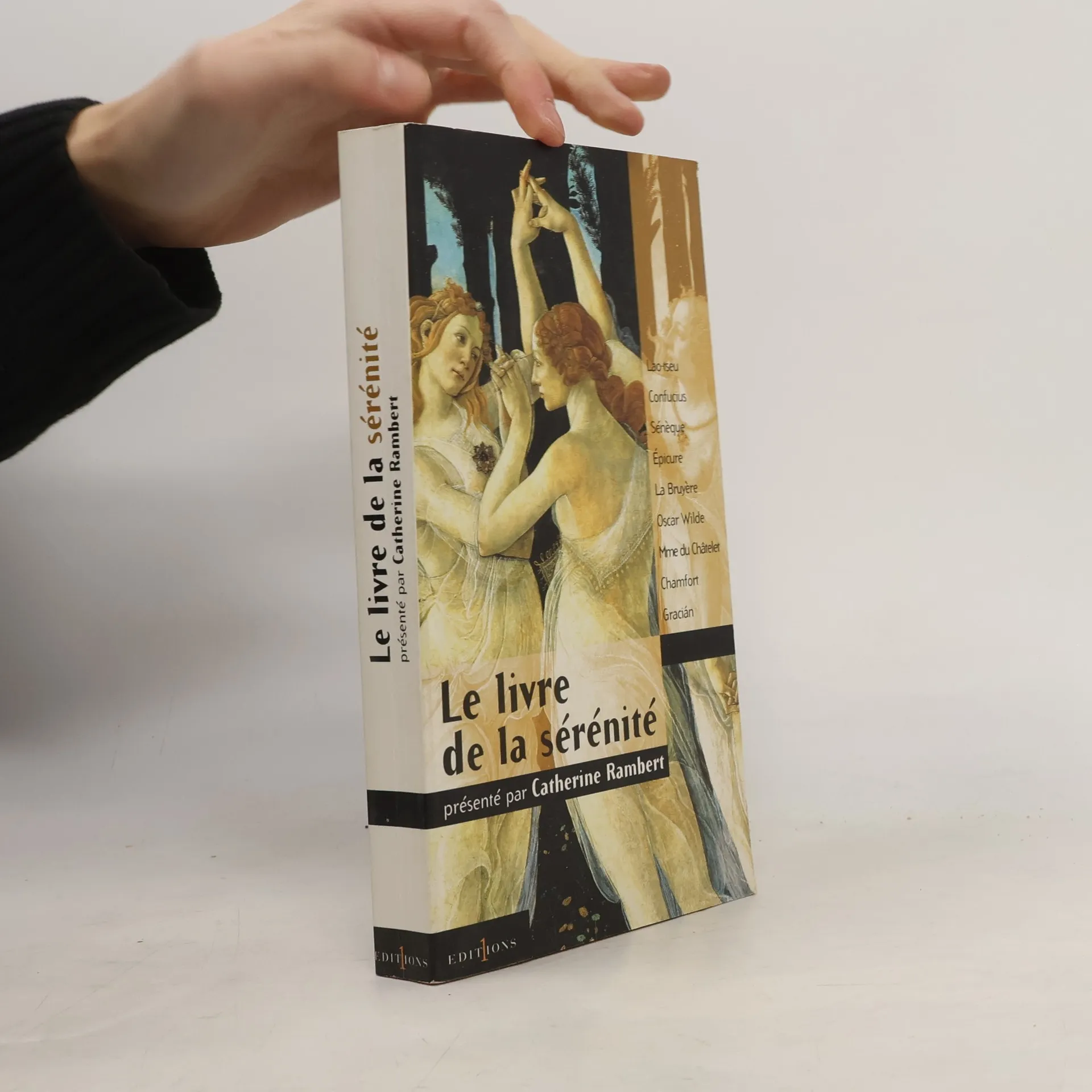
    Le livre de la sérénité
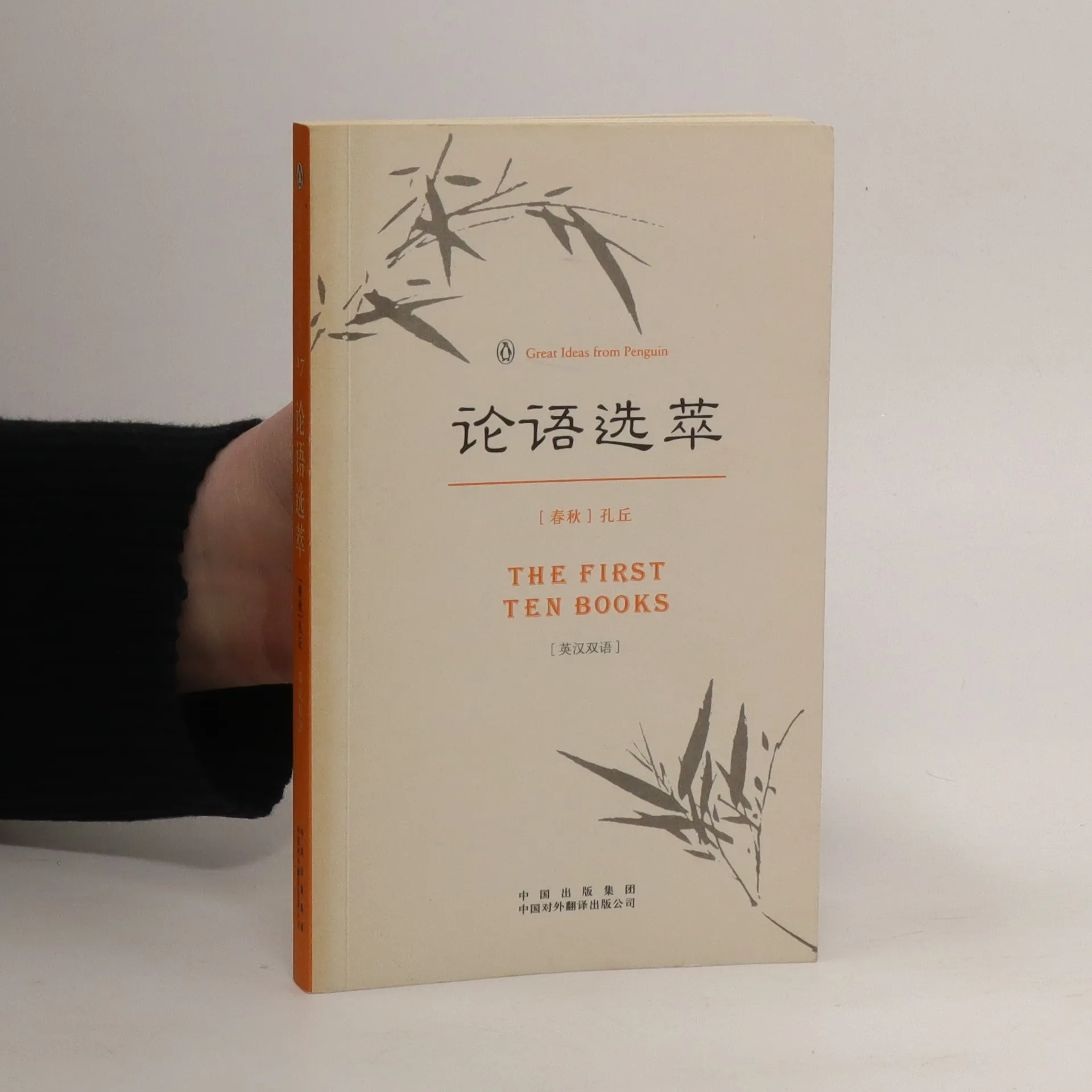
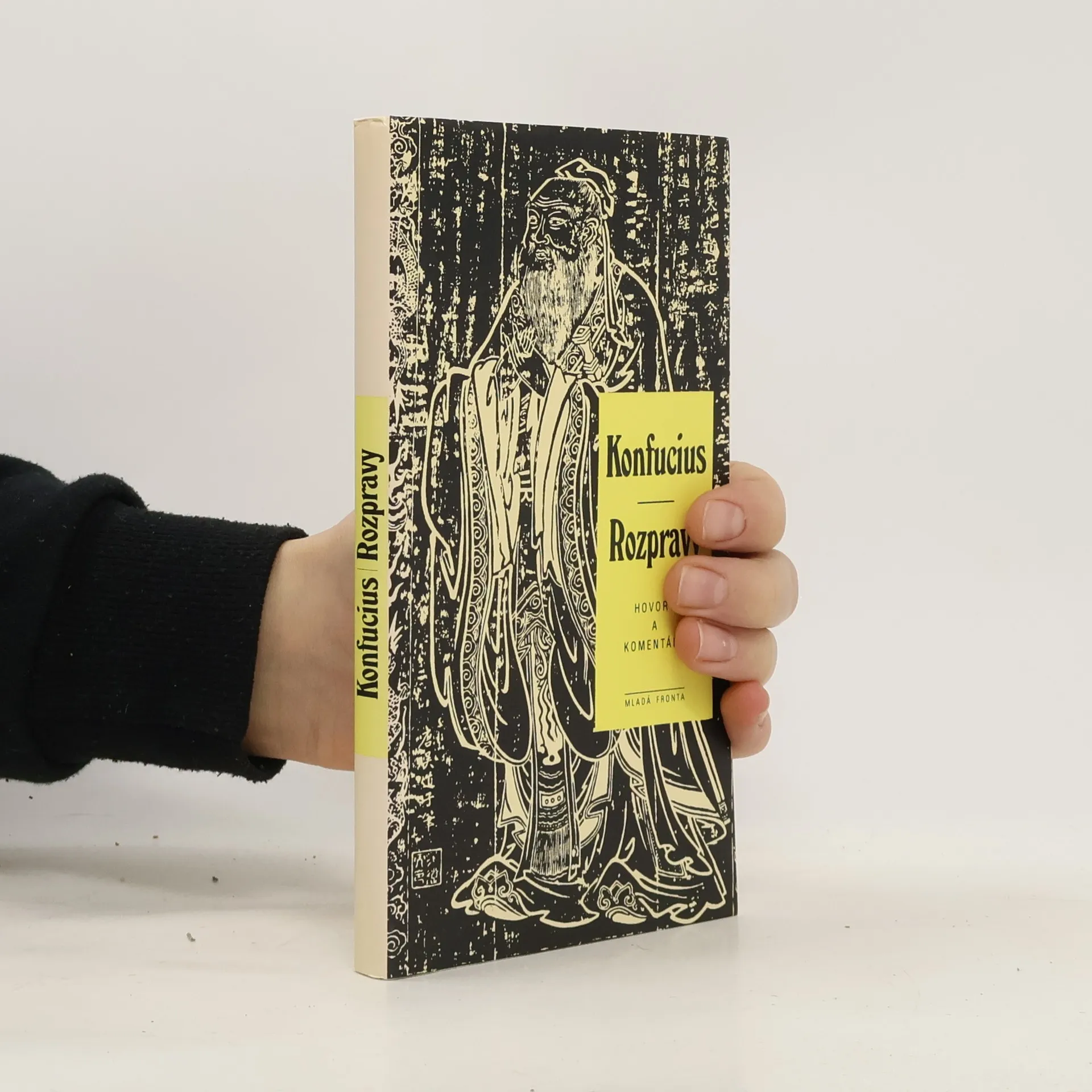
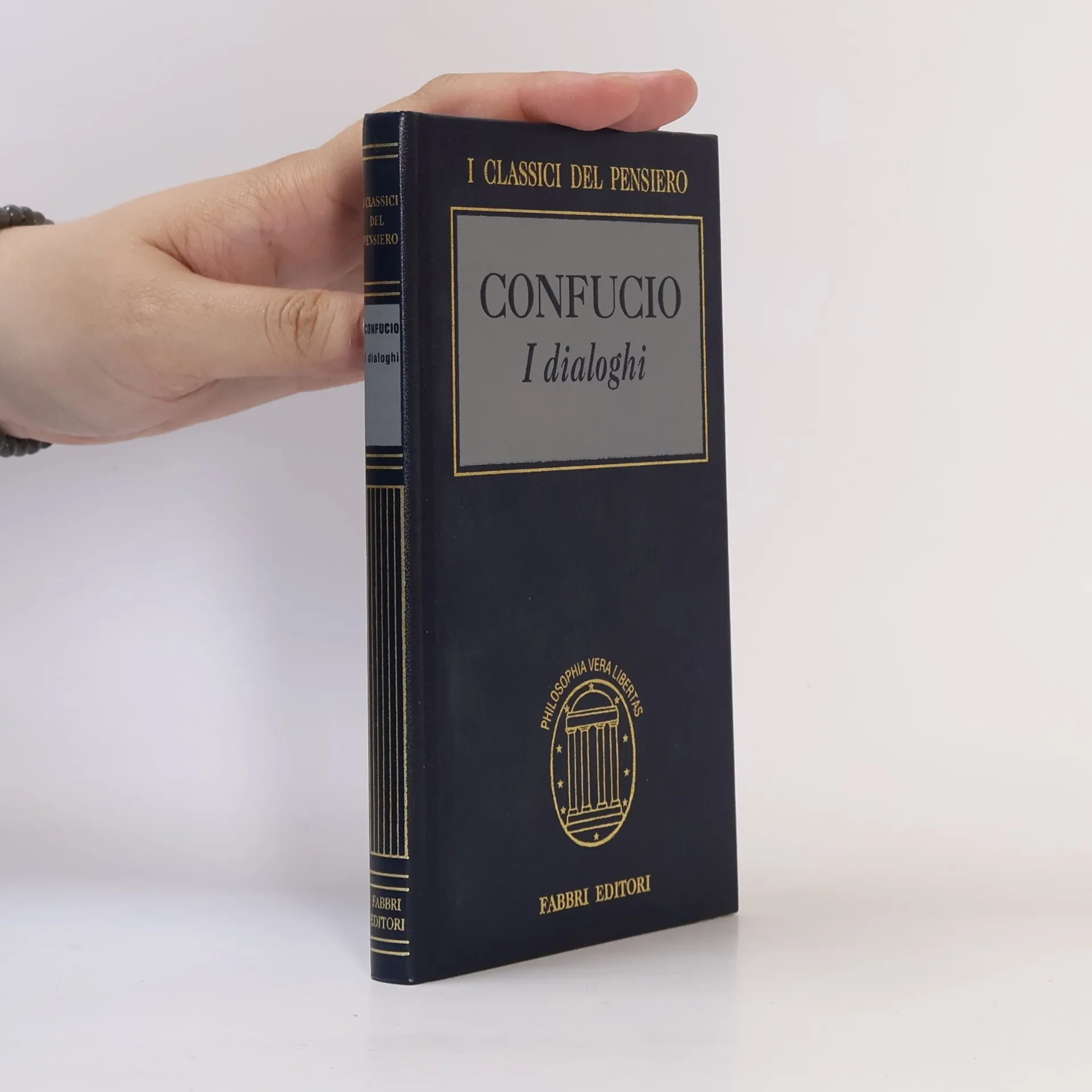
    Les Entretiens de Confucius
    Sagesse: Le livre de la piété filiale - Inédit
    • " La Piété filiale n'est pas seulement le sentiment naturel des devoirs des enfants envers les parents ; c'est ce sentiment cultivé, réglé, canalisé dans son expression, et étendu à toute la vie morale. Il y a un code de la Piété filiale qui impose strictement certains actes envers les parents vivants ou morts, mais ce n'est pas l'essentiel ; l'essentiel est que tous les actes du fils pieux, l'action de la Piété filiale dépasse l'horizon de la famille dans tous les sens : elle s'étend aux relations des inférieurs avec les supérieurs, des sujets avec le souverain et même en général des hommes entre eux [...] ; elle atteint son point suprême dans le perfectionnement de soi-même. "
      Sagesse: Le livre de la piété filiale - Inédit
      2,8
    • Les Entretiens de Confucius

      • 132pages
      • 5 heures de lecture

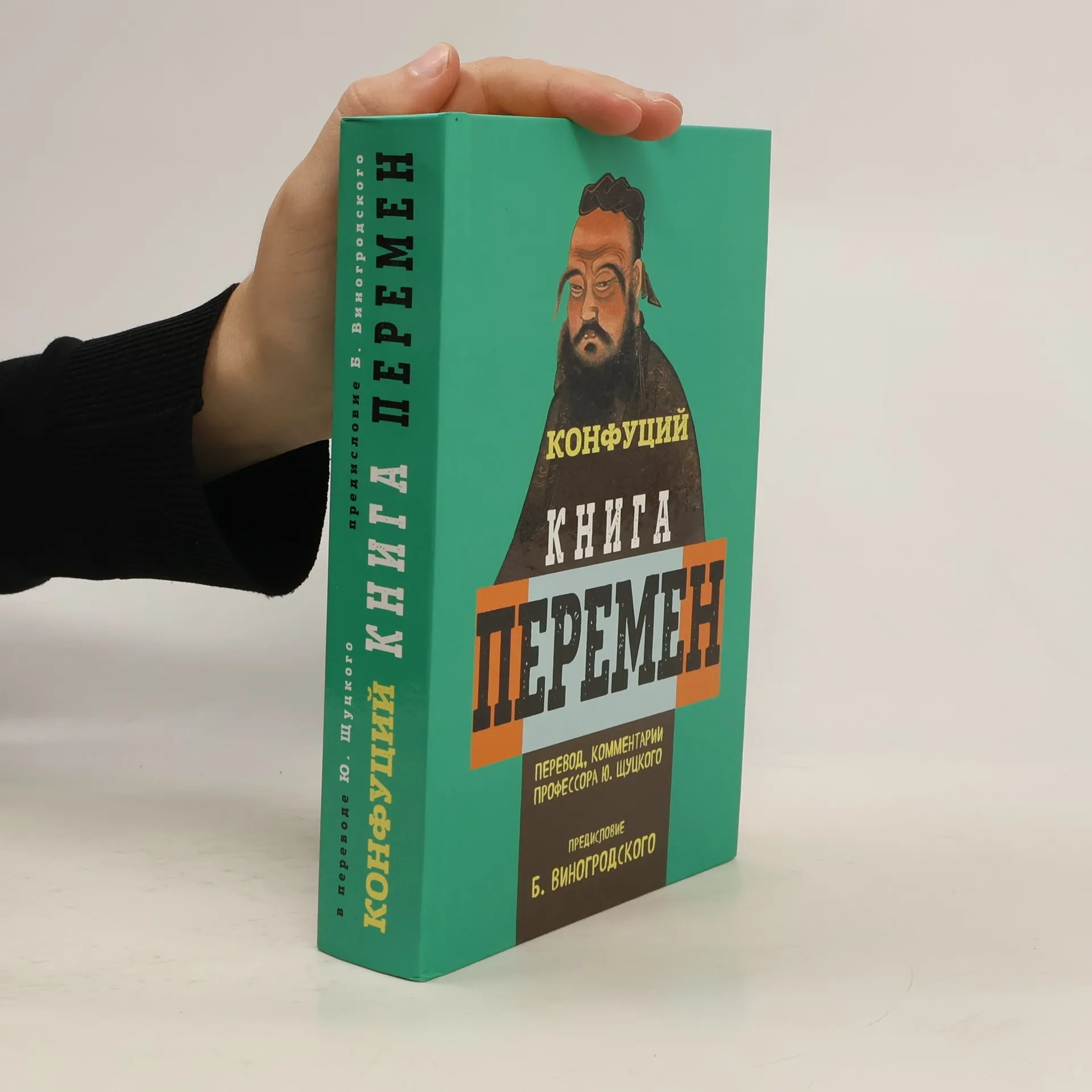
      Les Entretiens de Confucius ont été rassemblés aux alentours de 400 avant J.-C. Il s'agit d'un texte dont l'influence considérable s'exerce encore de manière durable sur la plus grande partie de l'humanité. Les Entretiens sont, après deux millénaires, le livre central de l'histoire de la Chine. Confucius séduit par sa bonne humeur, sa générosité, sa bonhomie, et réussit à concilier la vigueur des principes moraux et les faiblesses des humains. Les Entretiens proposent un art de vivre qui demeure un modèle pour le monde moderne.

      Les Entretiens de Confucius
    • Le livre de la sérénité

      • 280pages
      • 10 heures de lecture

      Vivre en accord avec soi-même, être calme, apprendre à relativiser, chercher le bonheur en toute chose... au fil des textes rassemblés dans ce livre on découvre que la sérénité est une quête intemporelle. Depuis l'Antiquité jusqu'à nos jours, les penseurs et les philosophes n'ont cessé de réfléchir à son propos. Dans la sagesse chinoise, la sérénité découle d'une existence simple, en conformité avec la nature. Chez les Stoïciens grecs, elle passe par le renoncement et l'acceptation des choses. Les Epicuriens la lient davantage à la douceur de vivre et au plaisir. Au XVIIIe siècle, Madame du Châtelet l'associait à la connaissance de soi, tandis qu'au XIXe, Rilke affirmait qu'il fallait la chercher dans la solitude... Autant de préceptes philosophiques que chacun est libre d'appliquer pour devenir plus serein, et plus heureux...

      Le livre de la sérénité
    • The Most Venerable Book (Shang Shu)

      • 256pages
      • 9 heures de lecture

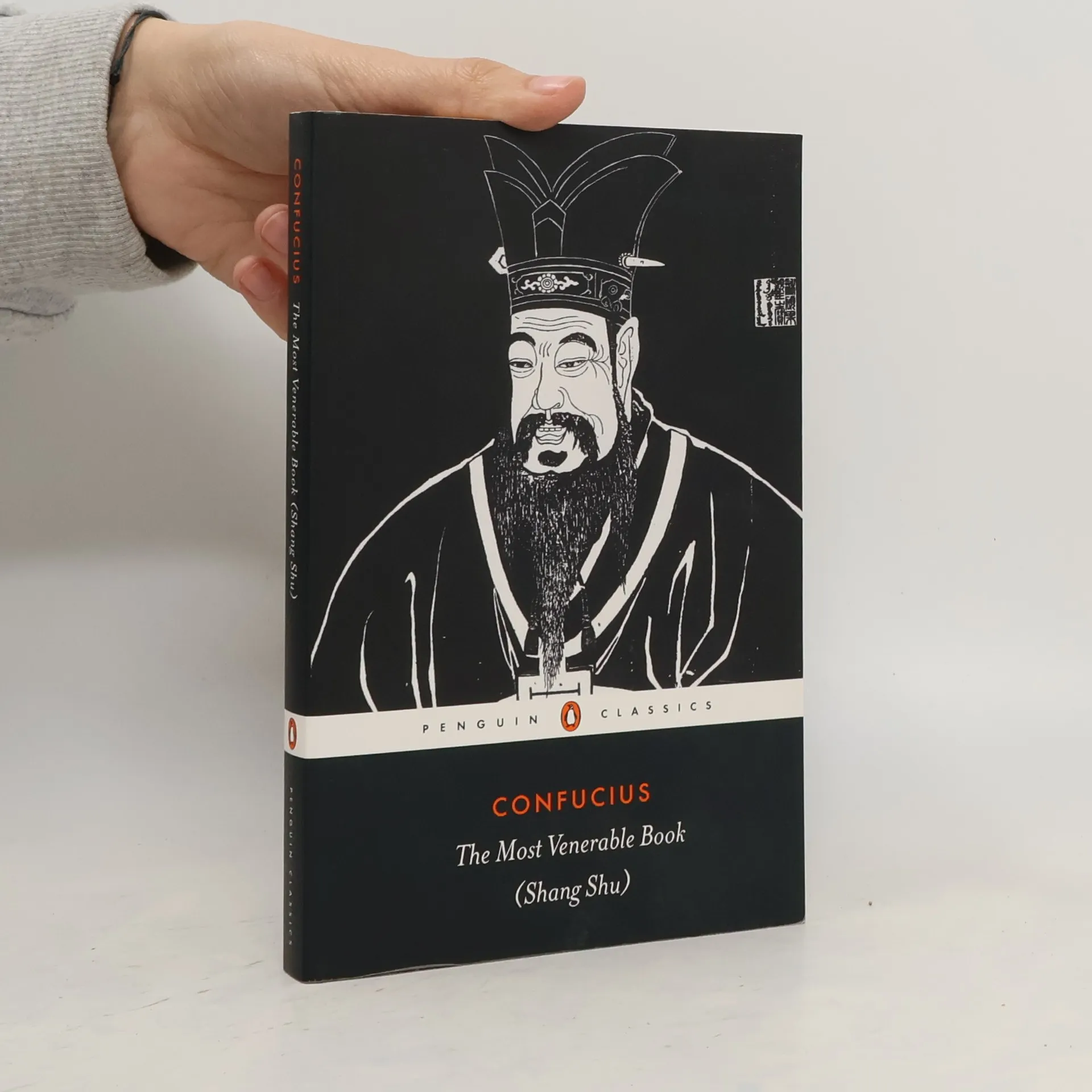
      A wonderfully enjoyable storehouse of ancient Chinese history and legends, which also has an important role in understanding 21st century. China 'And remember: Heaven's blessing will cease forever if there's despair and poverty in your lands.' This book deals with this topic.

      The Most Venerable Book (Shang Shu)
      3,9
    • The Essential Confucius

      • 179pages
      • 7 heures de lecture

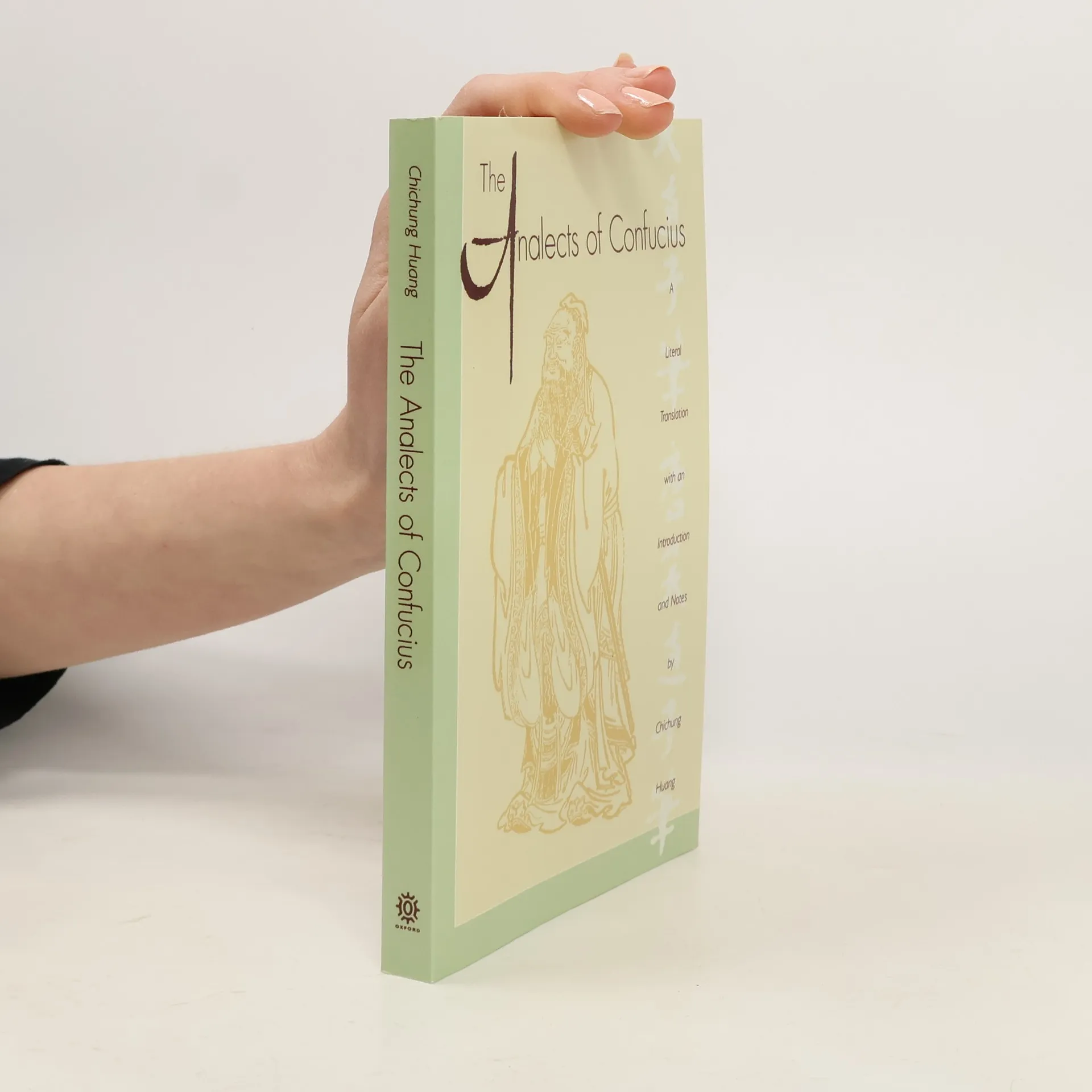
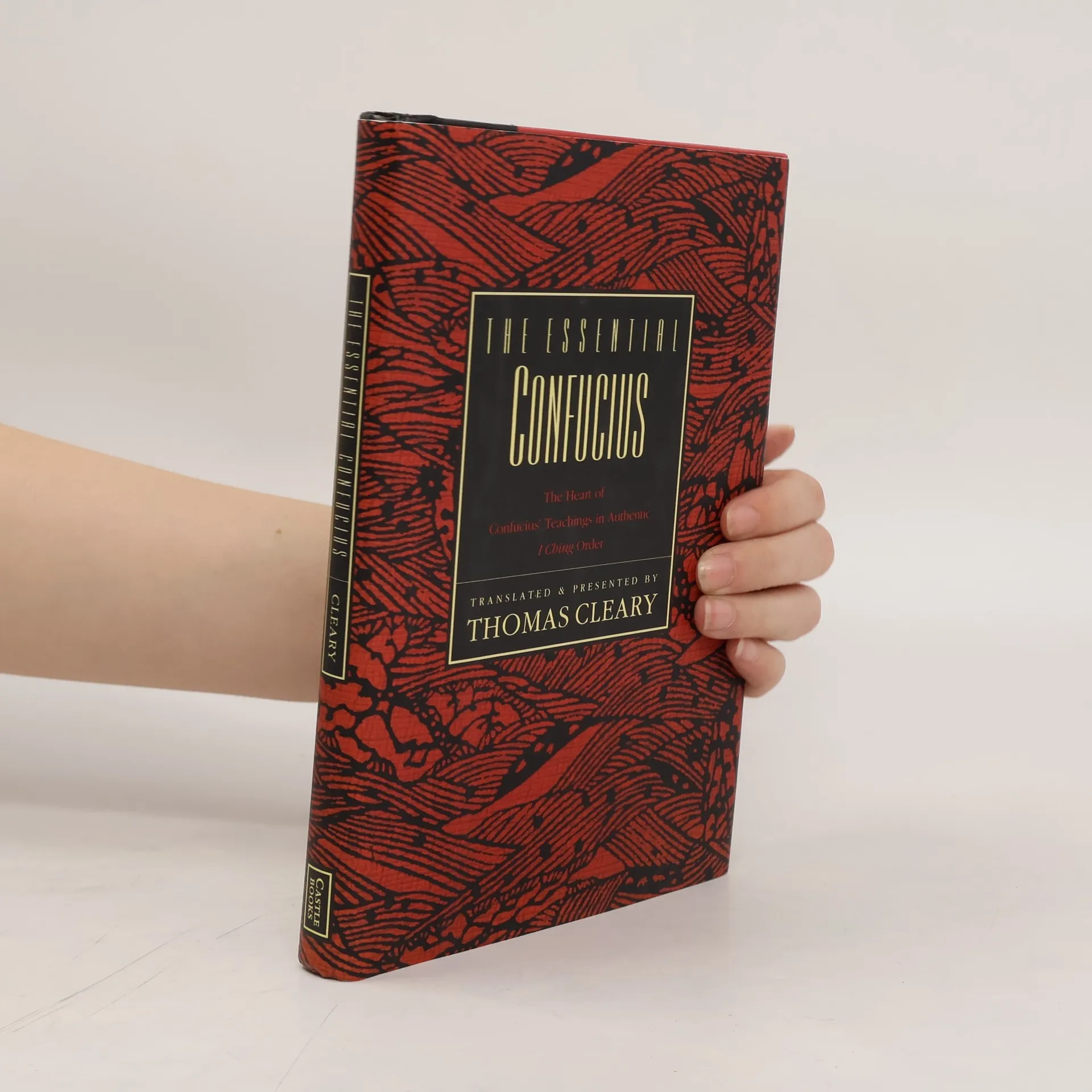
      Confucius is one of the great figures in the history of human thought, a pioneering educator, social critic, and political scientist. As a philosopher and teacher, he addressed core human issues with such precision and clarity that his sayings have been preserved and studied over thousands of years. The Analects of Confucius are a basic source for a wide range of advice on human affairs from governing nations and managing enterprises to dealing with society and getting along with others. This new presentation of the ever-popular sayings of Confucius is designed to bring the wisdom of a great teacher to another generation of readers. In his brilliant text, Thomas Cleary has arranged the sayings of Confucius in the order of the sixty-four classic I Ching hexagrams, which Confucius not only made available in their present form but also supplemented with his own written commentaries. Widely recognized for his linguistic and technical mastery in the translation of ancient Chinese texts, Tho

      The Essential Confucius
      3,9
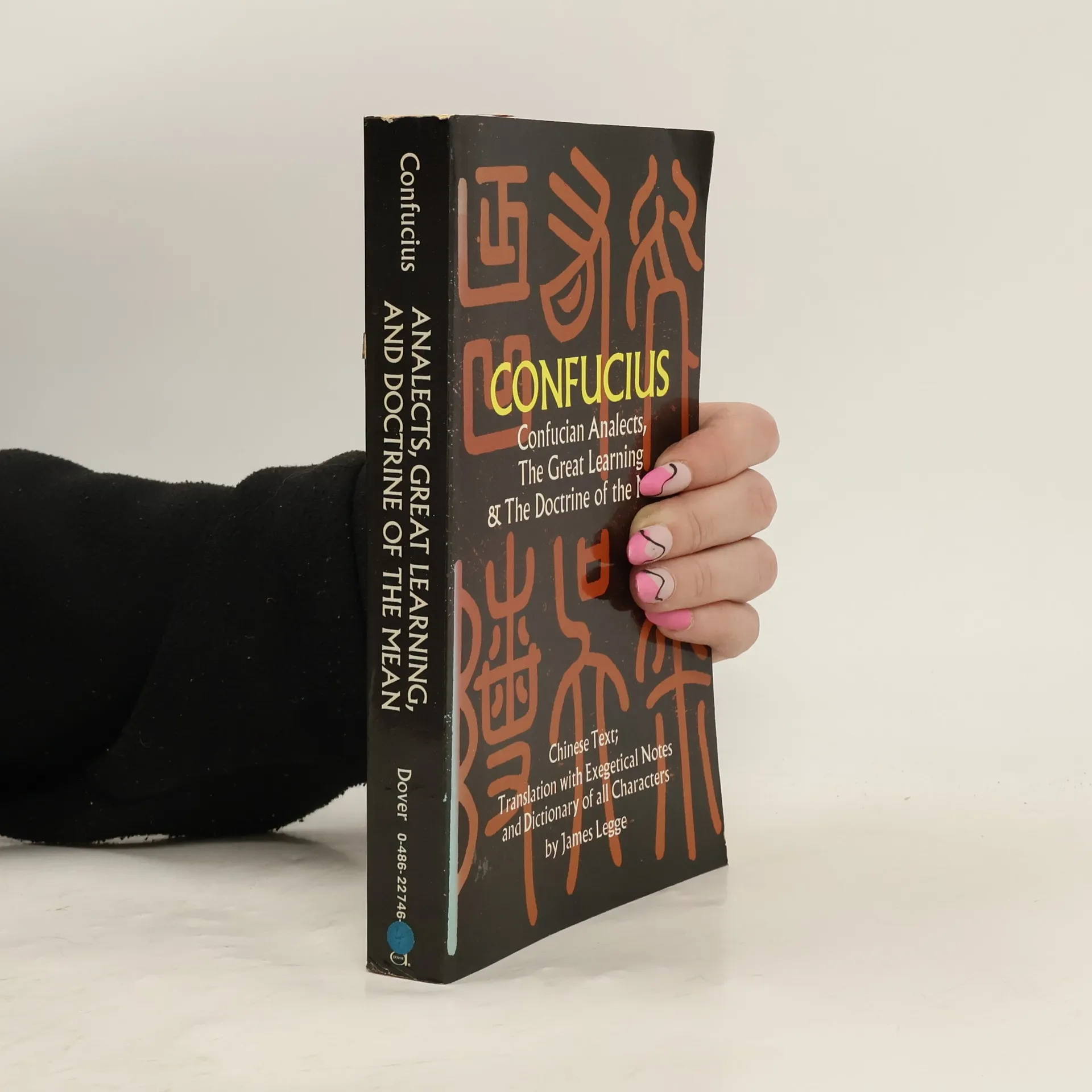
    • Entire text of the Analects of Confucius in large, readable characters, and beneath this Legge's full translation, which has been accepted as the definitive, standard English version. Full chinese text, standard English translation on same page. Finest edition anywhere of one of world's finest thinkers.

      Confucian Analects, the Great Learning & the Doctrine of the Mean
      3,9
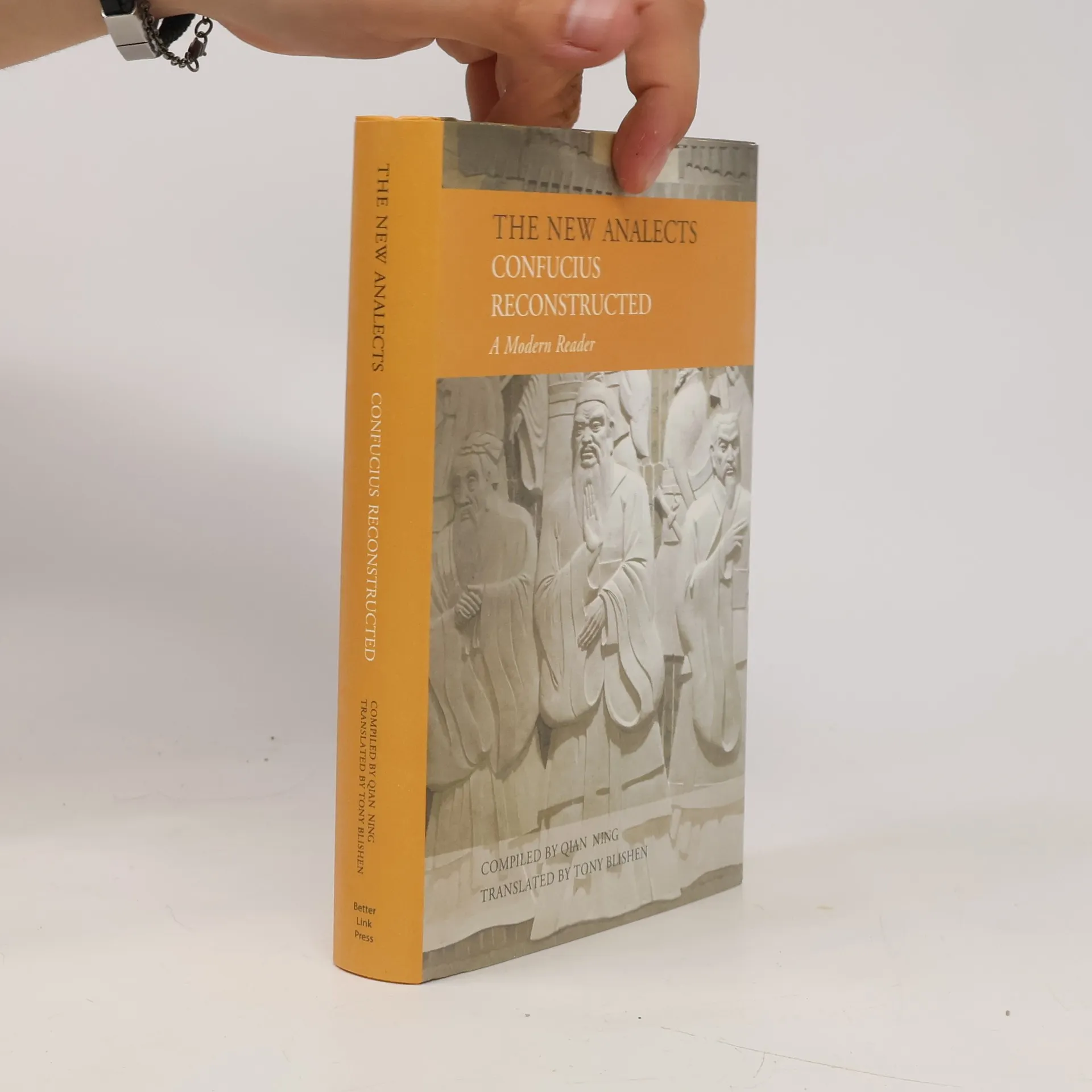
    • This is the first time that both the logic and profundity of Confucian theory has sprung so directly from the text. Without the loss or addition of a single character the New Analects display an appearance that is utterly different from that of the past--the arguments are fresh, the themes coherent, the ideas clearly differentiated and the exposition lucid. The author believes that Confucius, in his old age, was prevented from editing his sayings into a coherent whole because of the early death of his favorite pupil and that The Analects remained an unsorted collection of lecture notes. The result has been to present Confucian thought in a haphazard way that he believes has left generations of Western scholars with the impression that The Analects are illogical and lack profundity. The author has reconstructed and rearranged the text thematically and distinguishes between what Confucius himself said and what his pupils said. He has also added a commentary which vividly illustrates the philosophical strands of thought that go to make up Confucianism as a whole.

      The New Analects: Confucius Reconstructed, A Modern Reader
      3,0
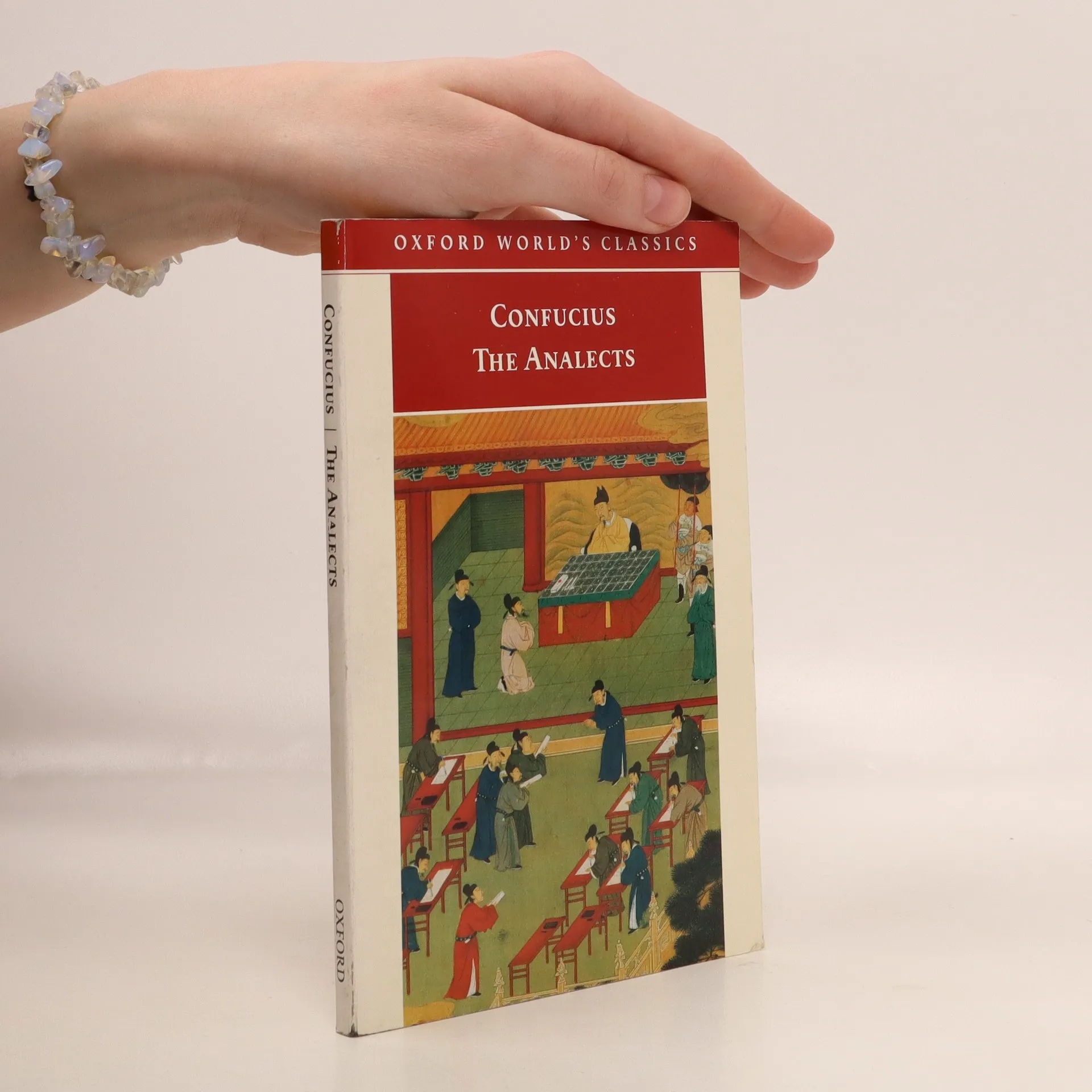
    • The Analects

      • 399pages
      • 14 heures de lecture

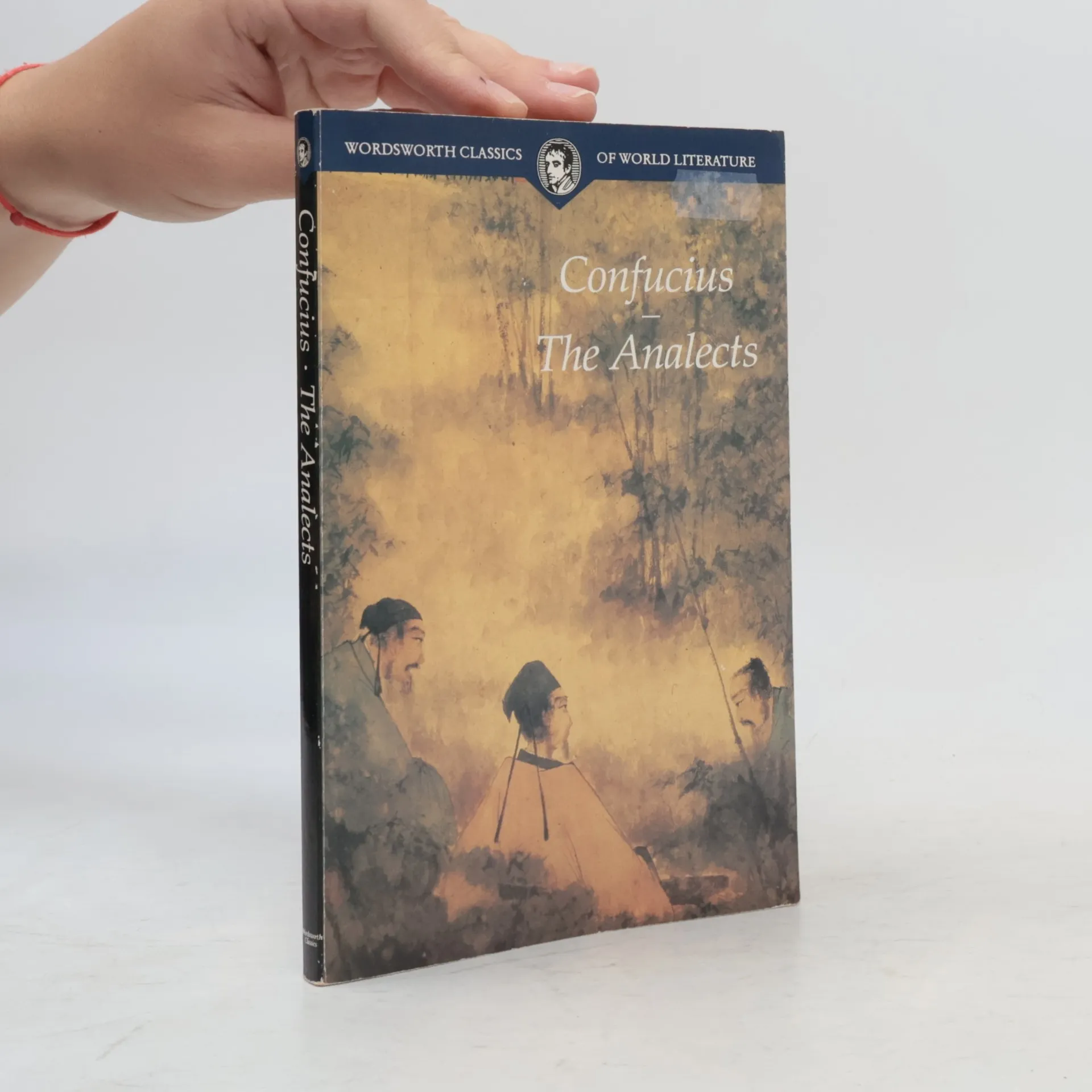
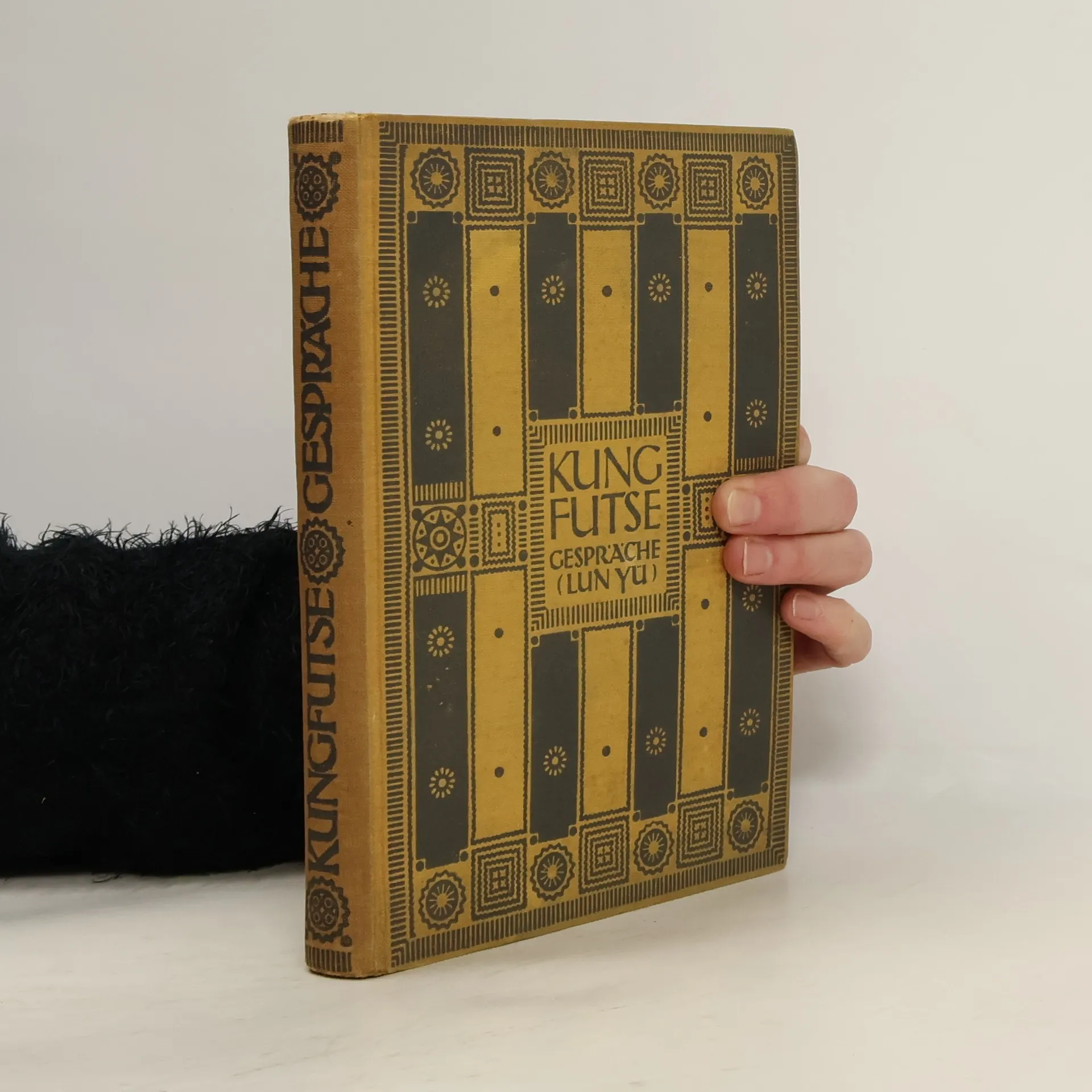
      The Analects was compiled by the disciples of Confucius, China s earliest teacher and moral thinker, from his remarks and his conversations with rulers, political operators, and people he happened to meet. It laid the foundation of the Chinese idea of what is moral and what is politically viable, what is a good government and who has integrity.

      The Analects
      3,7
    • Dialogues, stories, and anecdotes of Confucius reveal the Chinese teacher's perpective on the state, leadership, virtue, and the proper relationship between humankind and nature.

      The Analects 论语