

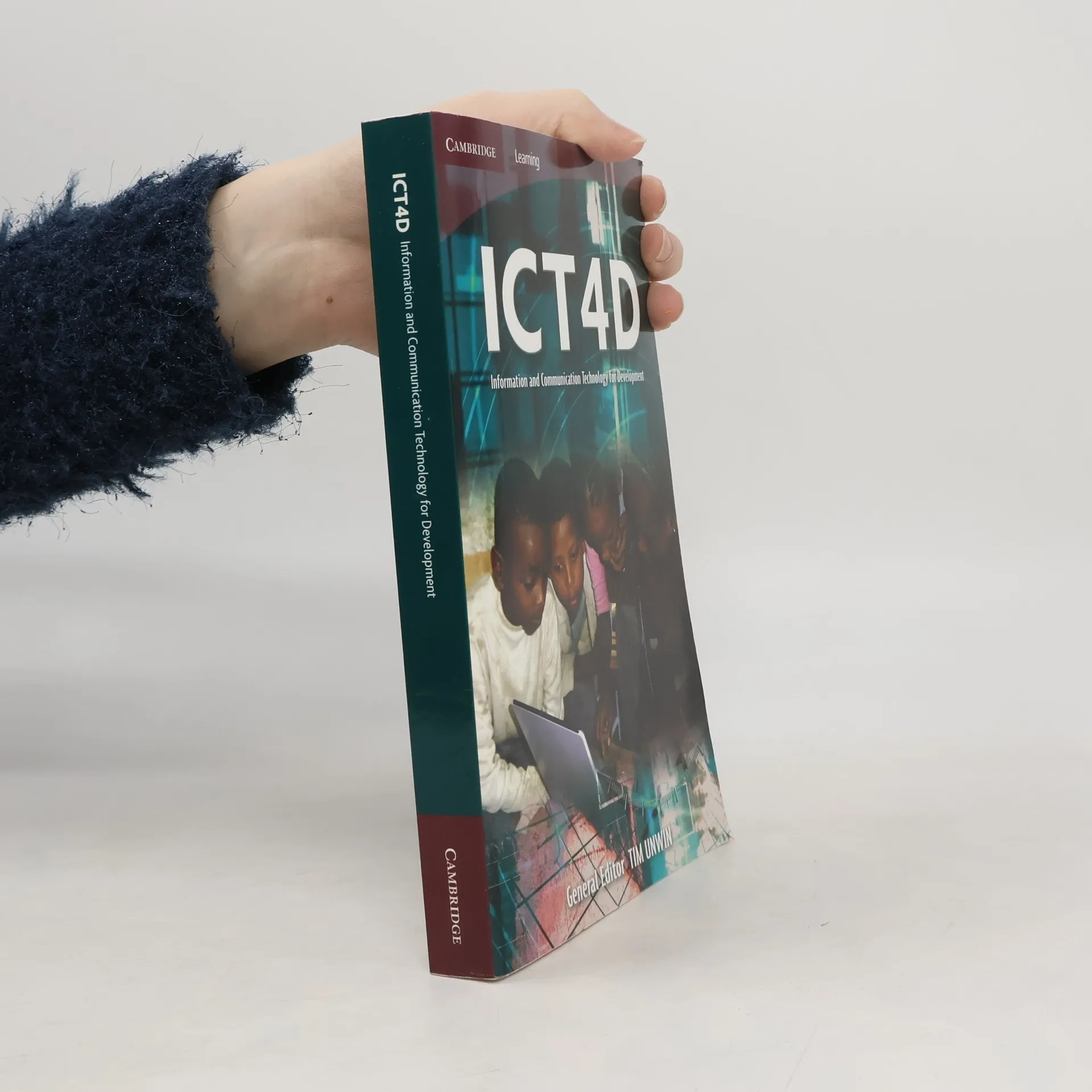
ICT4D provides an authoritative account of the use of Information and Communication Technologies (ICTs) in contemporary development practice. It combines theory with practical guidance – including both a conceptual framework for understanding the rapid development of ICT4D. Case studies provide detailed examples of issues and initiatives from a variety of countries and organisations. ICTs are becoming increasingly significant in improving the impacts of development practice. However, ICT4D projects in Africa, Asia and Latin America have not always been as effective as their proponents had hoped. This book explores both the successes and the challenges facing such initiatives, and provides clear recommendations for how they can be developed in more sustainable ways for the benefit of poor people and marginalised communities. ICT4D is essential reading for anyone involved in planning, designing or implementing ICT4D initiatives. N.B. Not endorsed by CIE, but can offer support material for CIE centres.
Timothy A. Unwin Livres
Cet auteur se penche sur la littérature française du XIXe siècle, en se concentrant particulièrement sur le roman et l'impact des voyages et de la technologie à cette époque. Son travail explore des auteurs clés et des techniques littéraires, telles que la réflexivité, offrant une compréhension profonde de la pensée littéraire de la période. Fort d'une vaste connaissance du XIXe siècle, il offre aux lecteurs des perspectives riches et éclairées.
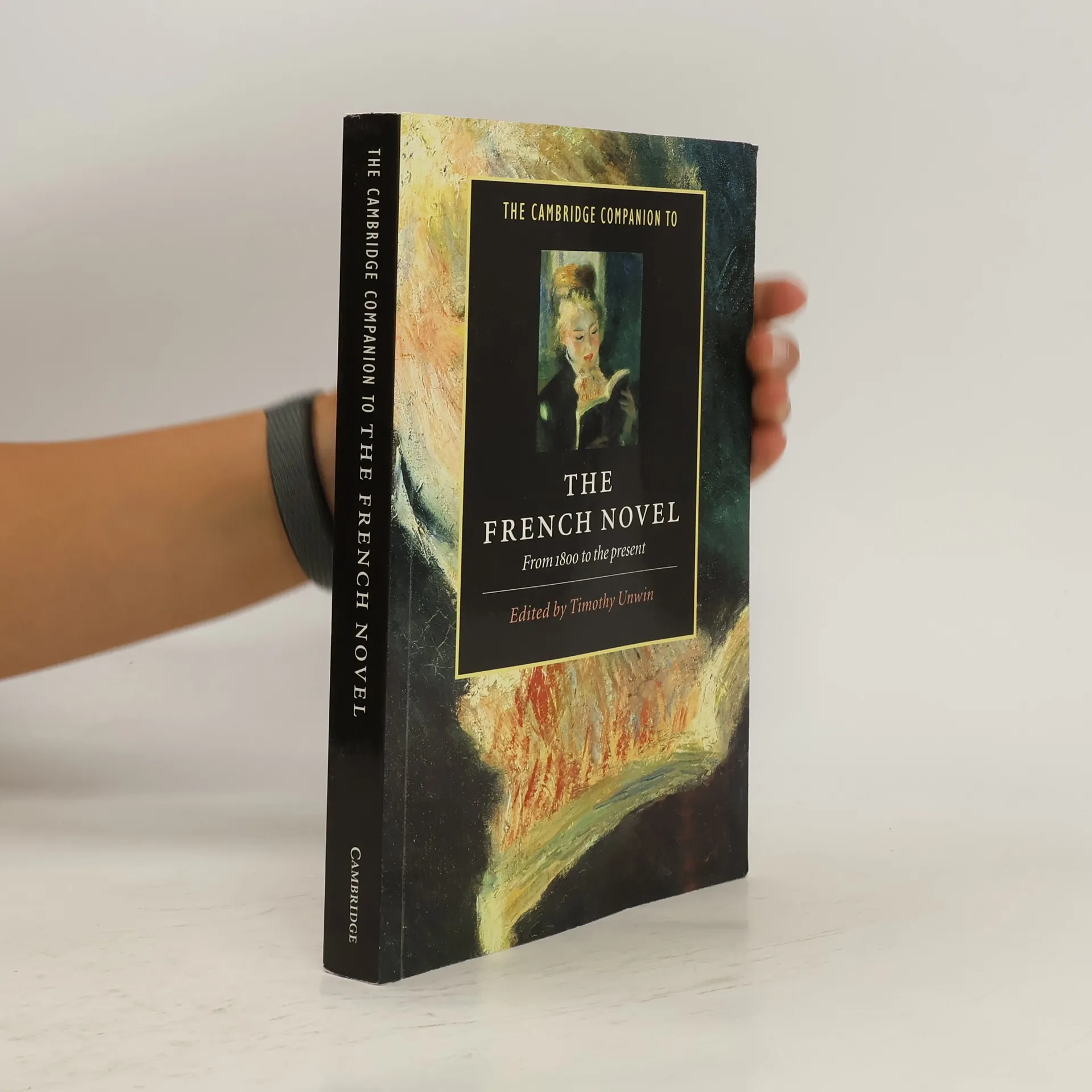
This volume offers a unique and valuable insight into the novel in French over the past two centuries. In a series of essays, acknowledged experts discuss a variety of topics including nineteenth-century realism, women and fiction, popular fiction, experiment and innovation, war and the Holocaust, the Francophone novel, and postmodern fiction. They offer a challenging reassessment of major figures, while deliberately reading traditional views of literary history against the grain. Theoretical discussion is combined with close reading of texts and exploration of context, comparison with other genres and other literatures, and reference to novels from earlier periods. This companionable introduction includes a chronology and guide to further reading. From it emerges a strong sense of the vitality and energy of the modern French novel, and of the debates surrounding it.