
Bookbot

Rob DeSalle

    1 janvier 1954

    Rob DeSalle est conservateur d'entomologie à l'American Museum of Natural History. Son travail explore fréquemment l'intersection entre la science et la vie quotidienne, abordant des sujets allant de la biologie du cerveau à l'histoire du vin. S'appuyant sur sa vaste expertise en entomologie et en biologie évolutive, DeSalle rend les concepts scientifiques complexes accessibles et attrayants pour les lecteurs. Son écriture encourage une appréciation plus profonde du monde naturel et de notre place en son sein.

    Brain. Il cervello. Istruzioni per l'uso
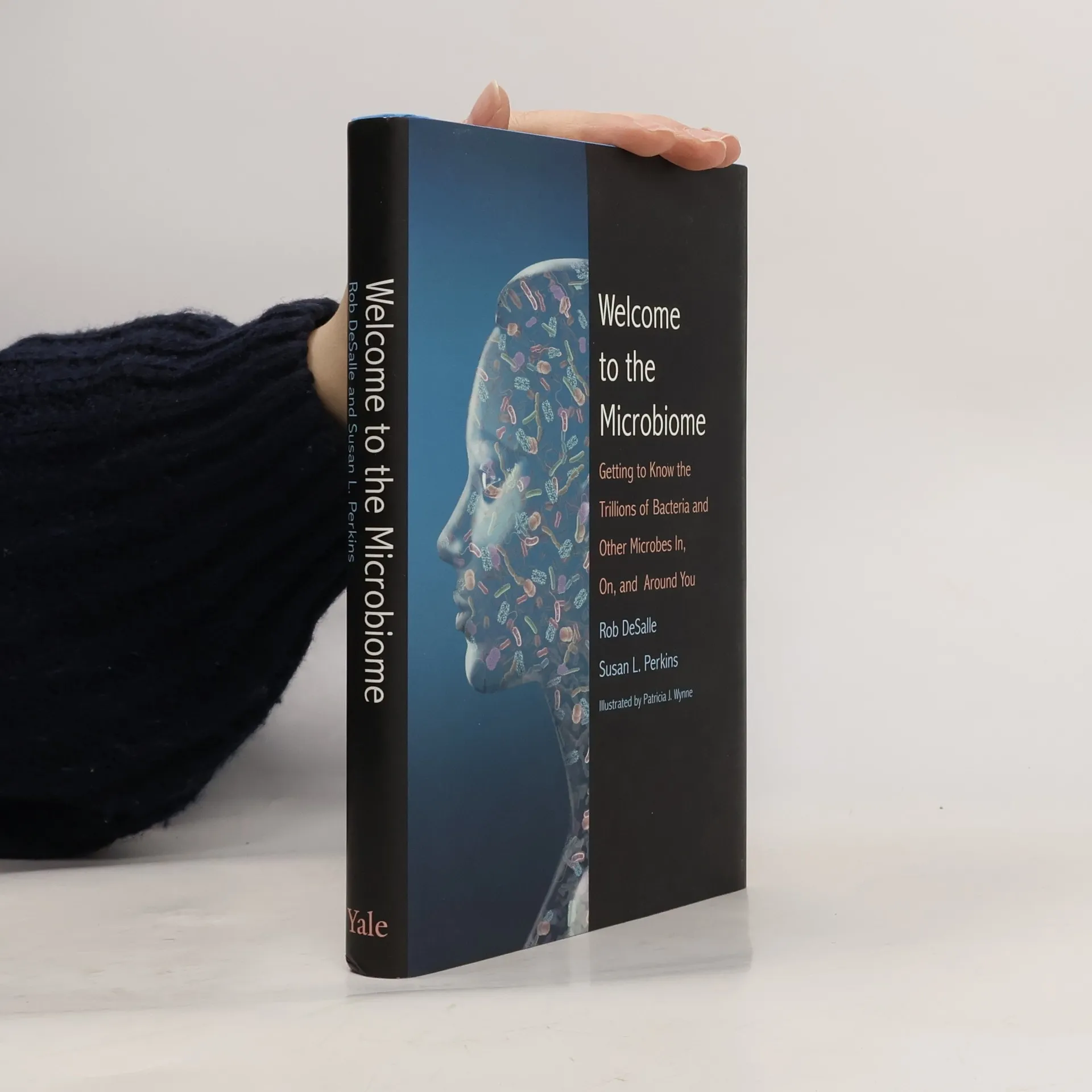
    Welcome to the Microbiome
    Distilled
    A Natural History of Color
    A Natural History of Beer
    Understanding Race
    • While notions of human race have created some of the most profound and destructive divisions in modern western societies, this book argues that from a biological point of view races do not exist. It outlines that races are purely social constructs and addresses common misunderstandings for the general reader.

      Understanding Race
    • A celebration of beer--its science, its history, and its impact on human culture "Curatorial eminences Rob DeSalle and Ian Tattersall serve up a potent scientific brew. . . . A marvellous paean to the pint, and to the researchers probing its depths." -- Barbara Kiser, Nature "Forced to choose between this book and a pint of hazy IPA, I would be at a loss. Better to consume them at the same time--both will go down easily, and leave you in an improved condition."--Bill McKibben What can beer teach us about biology, history, and the natural world? From ancient Mesopotamian fermentation practices to the resurgent American craft brewery, Rob DeSalle and Ian Tattersall peruse the historical record and traverse the globe for engaging and often surprising stories about beer. They explain how we came to drink beer, what ingredients combine to give beers their distinctive flavors, how beer's chemistry works at the molecular level, and how various societies have regulated the production and consumption of beer. Drawing from such diverse subject areas as animal behavior, ecology, history, archaeology, chemistry, sociology, law, genetics, physiology, neurobiology, and more, DeSalle and Tattersall entertain and inform with their engaging stories of beer throughout human history and the science behind it all. Readers are invited to grab a beer and explore the fascinating history of its creation.

      A Natural History of Beer
    • A Natural History of Color

      • 272pages
      • 10 heures de lecture
      3,1(113)Évaluer

      A star curator at the American Museum of Natural History widens the palette and shows how the physical, natural, and cultural context of color are inextricably tied to what we see right before our eyes.

      A Natural History of Color
    • An imaginative natural history survey of the wide world of spirits, from whiskey and gin to grappa and moonshine

      Distilled
    • Welcome to the Microbiome

      Getting to Know the Trillions of Bacteria and Other Microbes In, On, and Around You

      • 243pages
      • 9 heures de lecture

      Suddenly, research findings require a paradigm shift in our view of the microbial world. The Human Microbiome Project at the National Institutes of Health is well under way, and unprecedented scientific technology now allows the censusing of trillions of microbes inside and on our bodies as well as in the places where we live, work, and play. This intriguing, up-to-the-minute book for scientists and nonscientists alike explains what researchers are discovering about the microbe world and what the implications are for modern science and medicine. Rob DeSalle and Susan Perkins illuminate the long, intertwined evolution of humans and microbes. They discuss how novel DNA sequencing has shed entirely new light on the complexity of microbe-human interactions, and they examine the potential benefits to human health: amazing possibilities for pinpoint treatment of infections and other illnesses without upsetting the vital balance of an individual microbiome. This book has been inspired by an exhibition, The Secret World Inside You: The Microbiome, at the American Museum of Natural History, which will open in New York in early November 2015 and run until August 2016. It will then travel to other museums in the United States and abroad.

      Welcome to the Microbiome