

Épuisé, mais très demandé!

Vous l'avez dans votre bibliothèque ?Gagnez de l'argent entre 8,02 € et 10,58 € en vendant ce livre.
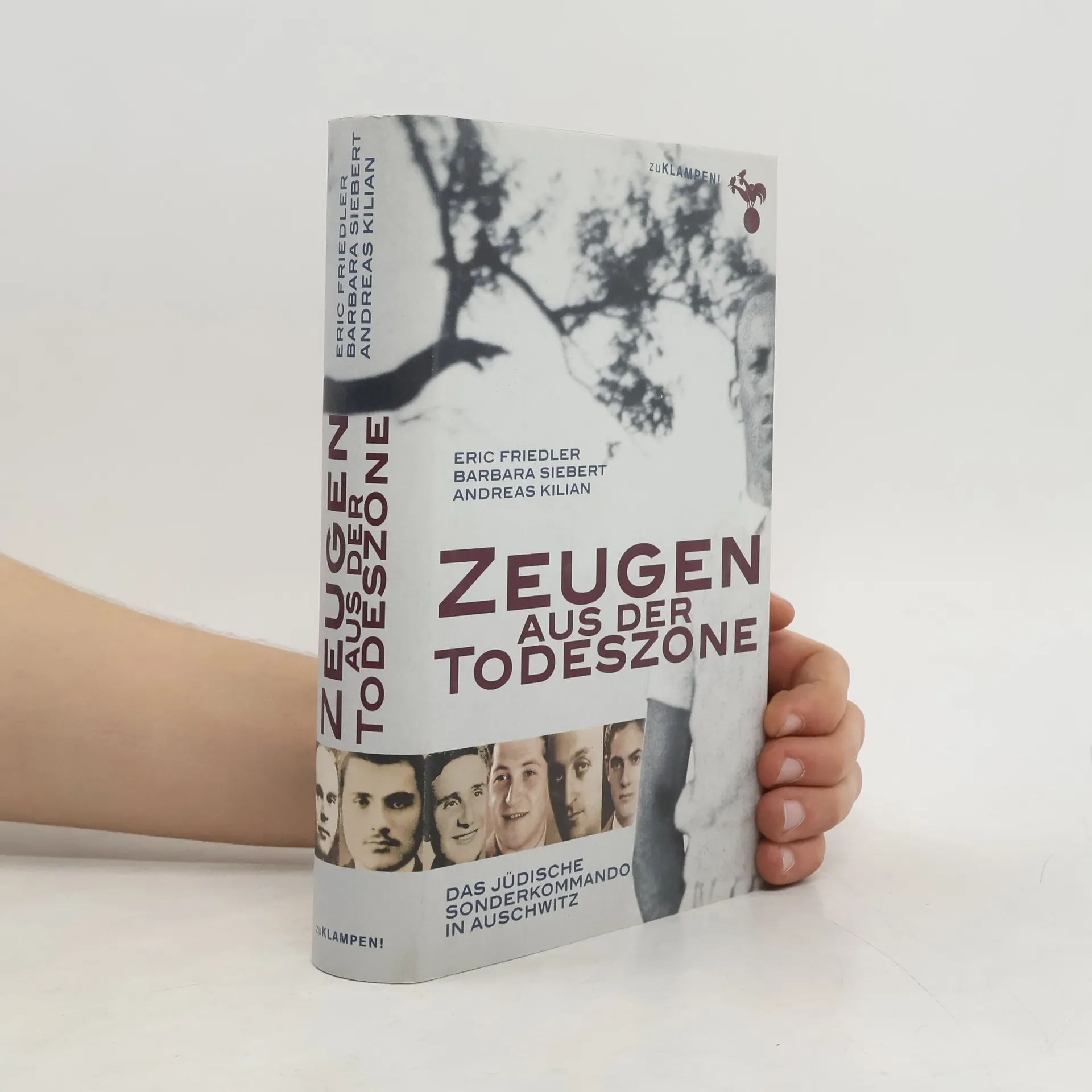
Vendre des livresZeugen aus der Todeszone
Das jüdische Sonderkommando in Auschwitz
Évaluation du livre
Paramètres
- 412pages
- 15 heures de lecture
En savoir plus sur le livre
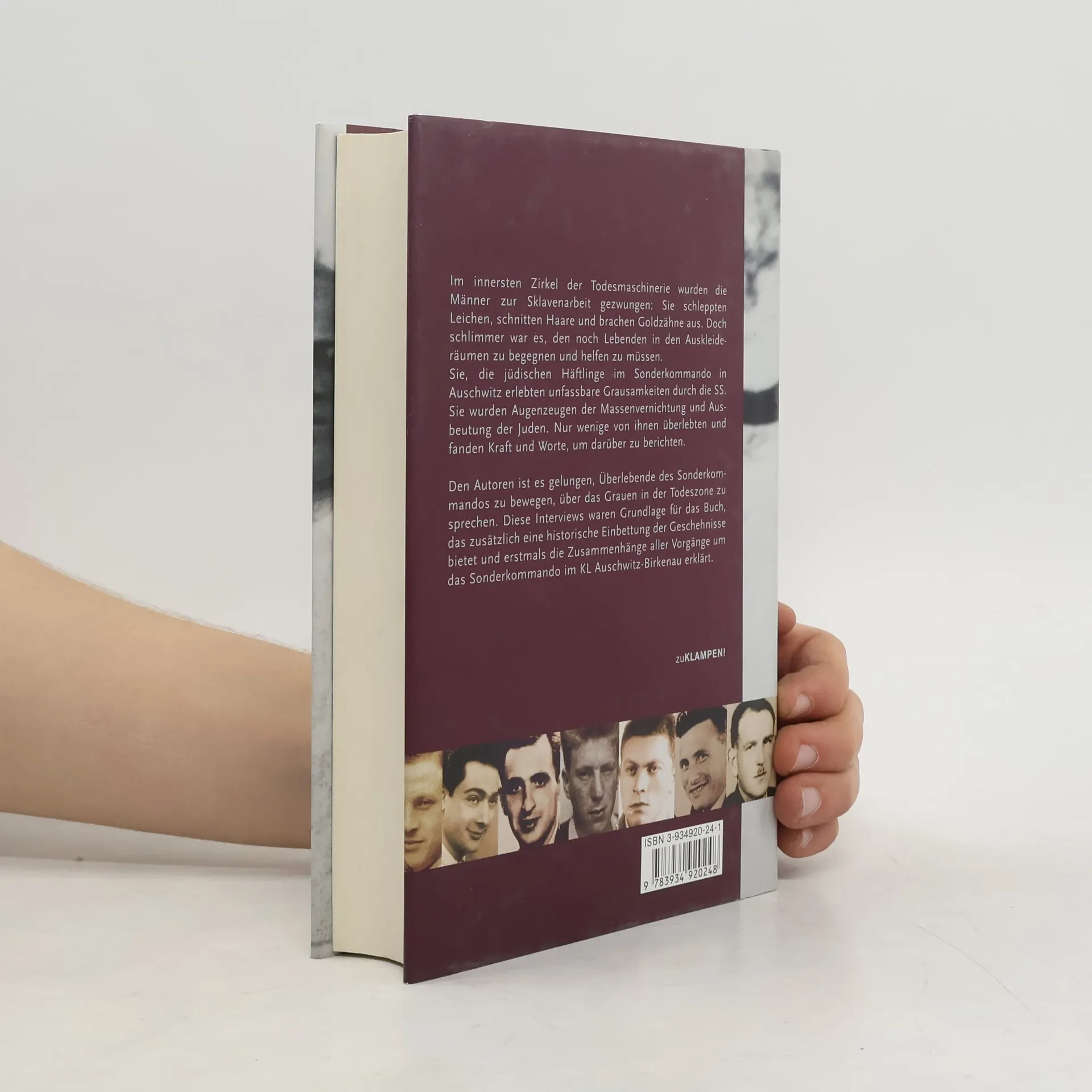
The Sonderkommando was established in Auschwitz in 1942 by the SS. Ca. 2,100 prisoners worked in the unit at various times; 100 of them survived. These prisoners became robot-like creatures who received the victims in the gas chambers and helped them undress, then searched the cadavers and burned them. They learned that, in order to survive, a human being is capable of unimaginable acts. After the war, like other survivors, they feared a confrontation with traumatic memory; however, unlike them, they remained silent due to a deep feeling of guilt.

Édition

Achat du livre
Zeugen aus der Todeszone, Andreas Kilian, Barbara Siebert, Eric Friedler
- Langue

- Année de publication
- 2002
- Reliure
- (rigide)
Nous vous informerons par e-mail dès que nous l’aurons retrouvé.
Modes de paiement
4,7
Excellent
99+ Évaluations
Il manque plus que ton avis ici.
- Titre
- Zeugen aus der Todeszone
- Sous-titre
- Das jüdische Sonderkommando in Auschwitz
- Langue
- Allemand
- Auteurs
- Andreas Kilian, Barbara Siebert, Eric Friedler
- Éditeur
- Bleicher
- Publié
- 2002
- Format
- rigide
- Pages
- 412
- ISBN10
- 3934920241
- ISBN13
- 9783934920248
- Séries
- Mots clés
- Thème historique, Journalisme littéraire, Prose de guerre, Seconde Guerre mondiale, Guerres, Mort, Juifs, Nazisme, Holocauste, Camps de concentration, Adolf Hitler, Persécution, Génocide, Auschwitz (camp de concentration)
- Première publication
- 2005
- Titre original
- Zeugen aus der Todeszone
- Évaluation
- 4,65 sur 5
- Description
- The Sonderkommando was established in Auschwitz in 1942 by the SS. Ca. 2,100 prisoners worked in the unit at various times; 100 of them survived. These prisoners became robot-like creatures who received the victims in the gas chambers and helped them undress, then searched the cadavers and burned them. They learned that, in order to survive, a human being is capable of unimaginable acts. After the war, like other survivors, they feared a confrontation with traumatic memory; however, unlike them, they remained silent due to a deep feeling of guilt.