

En savoir plus sur le livre
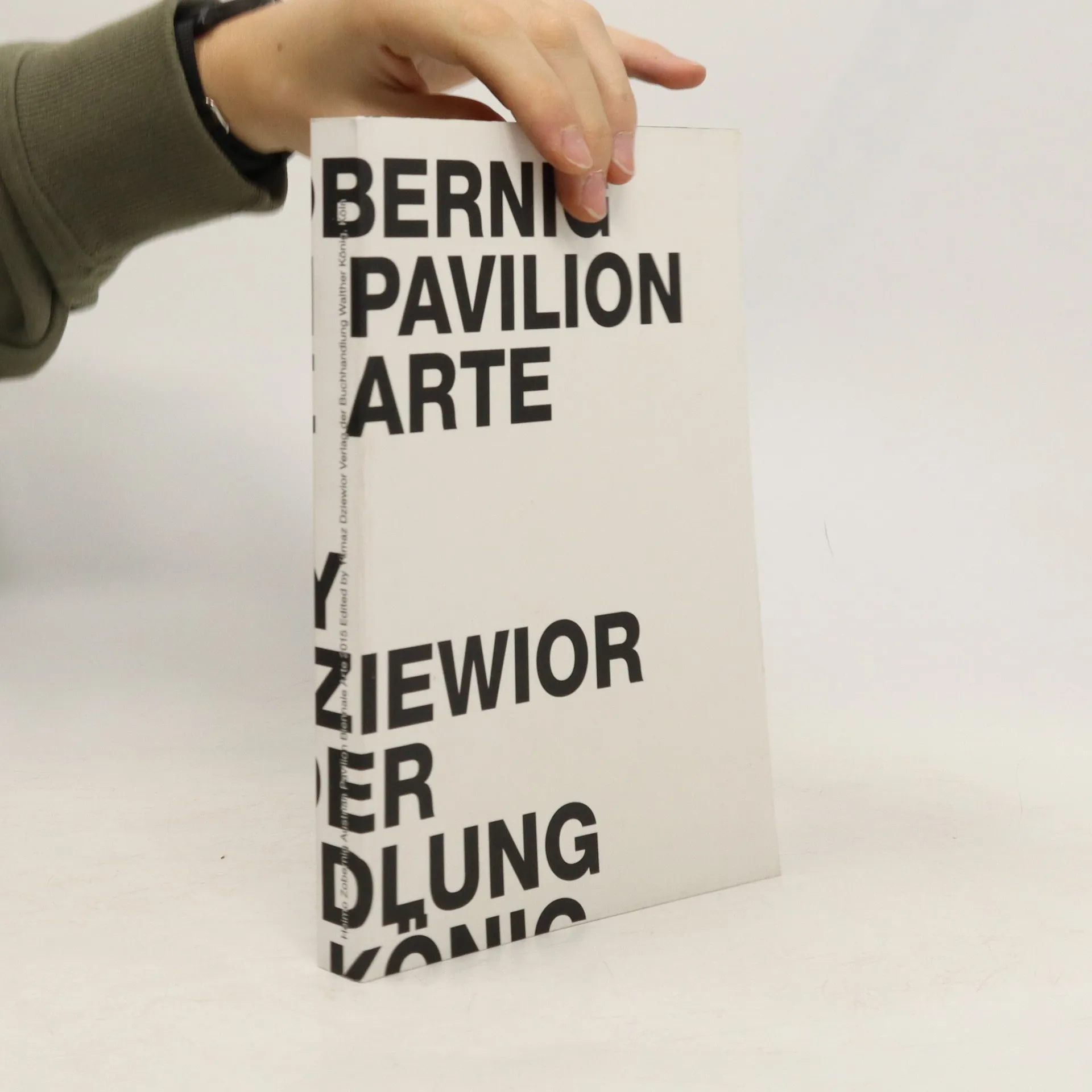
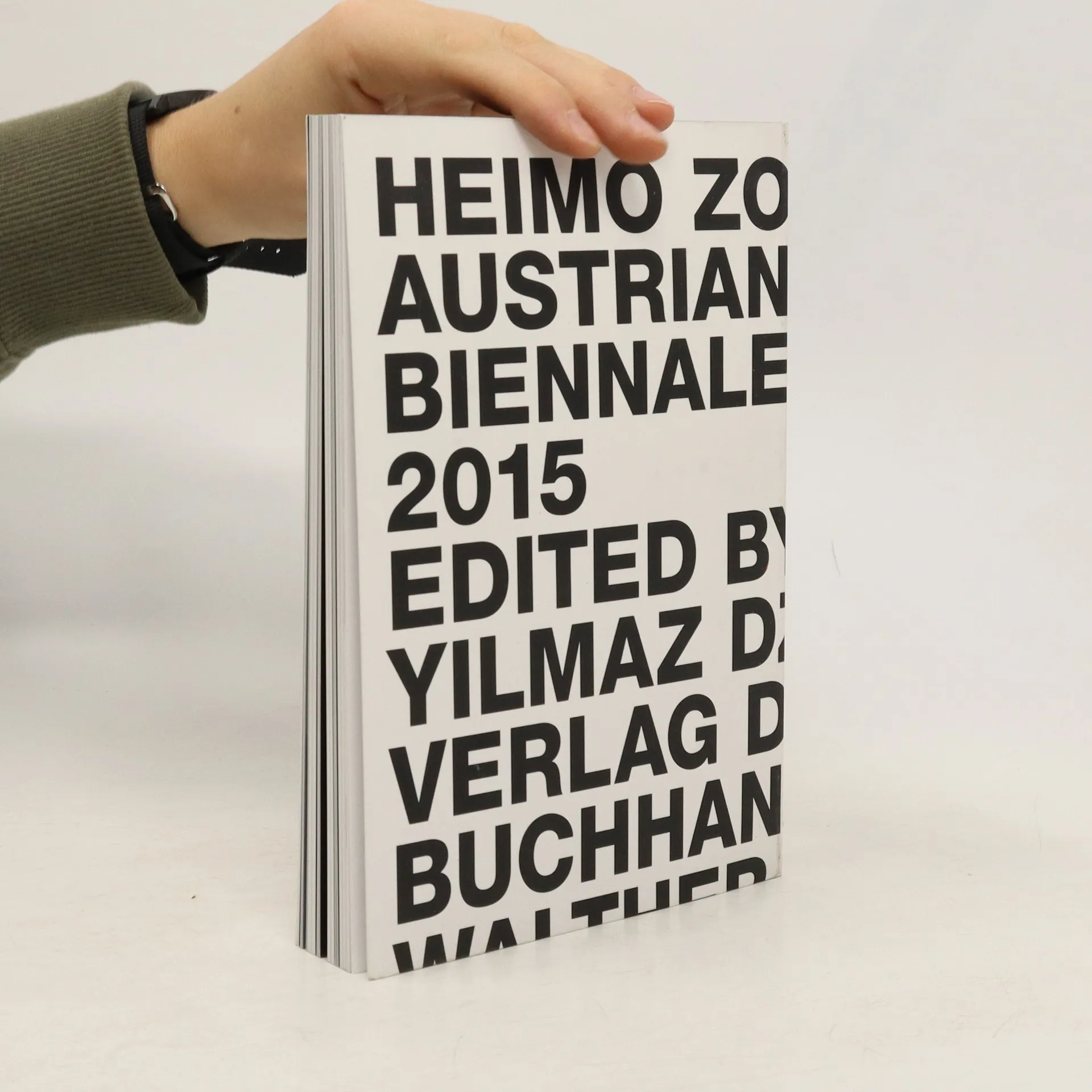
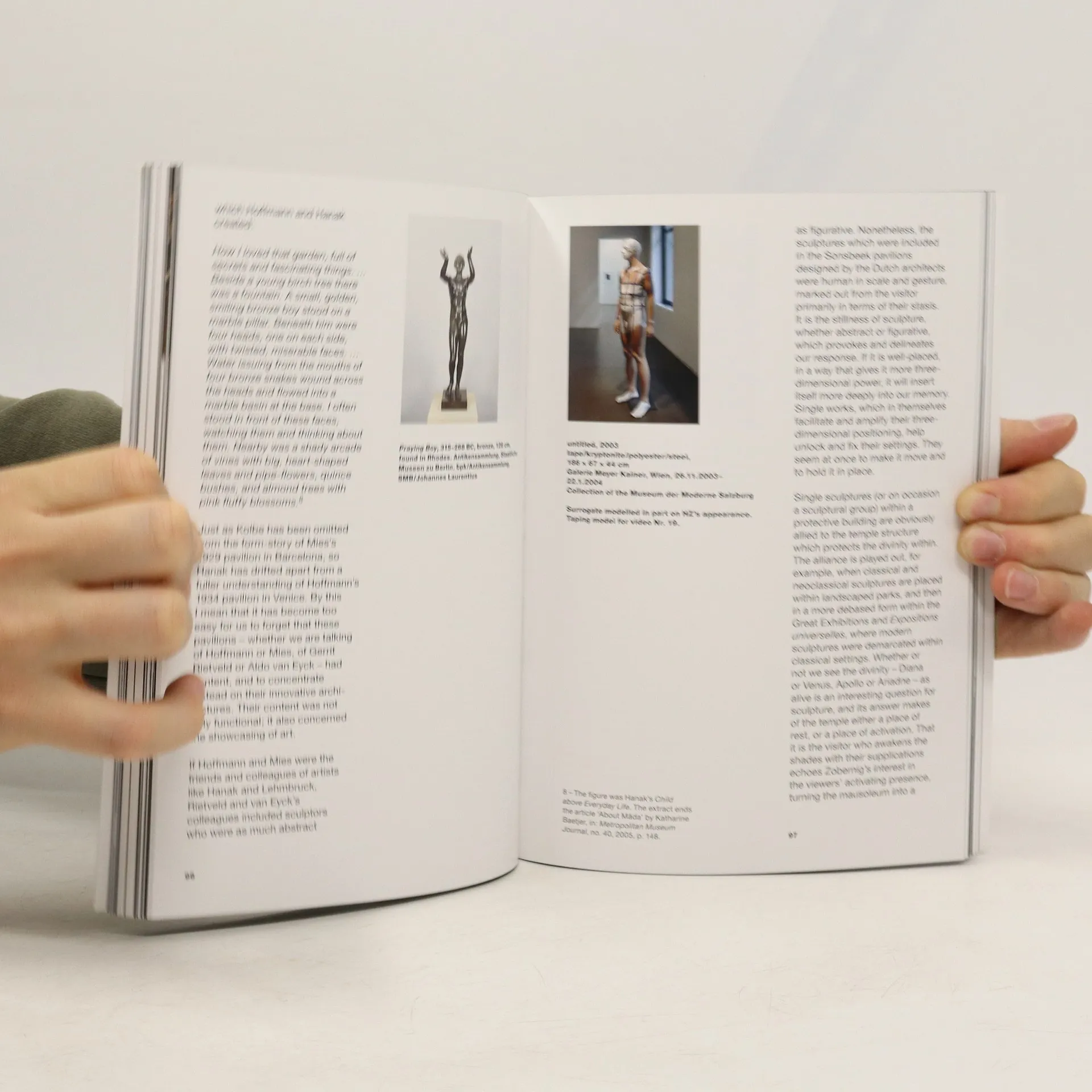
Mit seinem Biennale-Beitrag reagiert Heimo Zobernig unmittelbar auf die Ausstellungssituation in dem 1934 nach Plänen von Josef Hoffmann und Robert Kramreiter gebauten Österreichischen Pavillon, der mit klassischen Rundbögen und hoheitsvoll anmutenden Blickachsen einerseits sowie streng rationalen Formen und modernen Baustoffen andererseits zwischen Historizität und Moderne laviert. Gleichzeitig vereint Zobernig Innen und Außen und schafft auf diese Weise einen Ort, der zum Verweilen und zur Reflexion über die menschliche Präsenz im Raum einlädt. Heimo Zobernig’s contribution to the Venice Biennial responds directly to the existing exhibition situation in the Austrian Pavilion, built in 1934 based on plans by Josef Hoffmann and Robert Kramreiter. The Pavilion’s structure, with its rounded classical arches and majestic visual axes, on the one hand, and clear, rational forms and modern construction materials, on the other, moves between the poles of historicism and modernism. At the same time, Zobernig’s intervention connects inside and outside, to create an enclosed site where one can linger and reflect on human presence in space.

Achat du livre
Heimo Zobernig, Penelope Curtis
- Langue

- Année de publication
- 2015
- Reliure
- (souple)
Modes de paiement
Il manque plus que ton avis ici.
- Titre
- Heimo Zobernig
- Langue
- Italien
- Auteurs
- Penelope Curtis
- Éditeur
- König
- Publié
- 2015
- Format
- souple
- Pages
- 192
- ISBN10
- 3863357469
- ISBN13
- 9783863357467
- Séries
- Catégories
- Mots clés
- Catalogues d'expositions
- Évaluation
- 5 sur 5
- Description
- Mit seinem Biennale-Beitrag reagiert Heimo Zobernig unmittelbar auf die Ausstellungssituation in dem 1934 nach Plänen von Josef Hoffmann und Robert Kramreiter gebauten Österreichischen Pavillon, der mit klassischen Rundbögen und hoheitsvoll anmutenden Blickachsen einerseits sowie streng rationalen Formen und modernen Baustoffen andererseits zwischen Historizität und Moderne laviert. Gleichzeitig vereint Zobernig Innen und Außen und schafft auf diese Weise einen Ort, der zum Verweilen und zur Reflexion über die menschliche Präsenz im Raum einlädt. Heimo Zobernig’s contribution to the Venice Biennial responds directly to the existing exhibition situation in the Austrian Pavilion, built in 1934 based on plans by Josef Hoffmann and Robert Kramreiter. The Pavilion’s structure, with its rounded classical arches and majestic visual axes, on the one hand, and clear, rational forms and modern construction materials, on the other, moves between the poles of historicism and modernism. At the same time, Zobernig’s intervention connects inside and outside, to create an enclosed site where one can linger and reflect on human presence in space.