



En savoir plus sur le livre
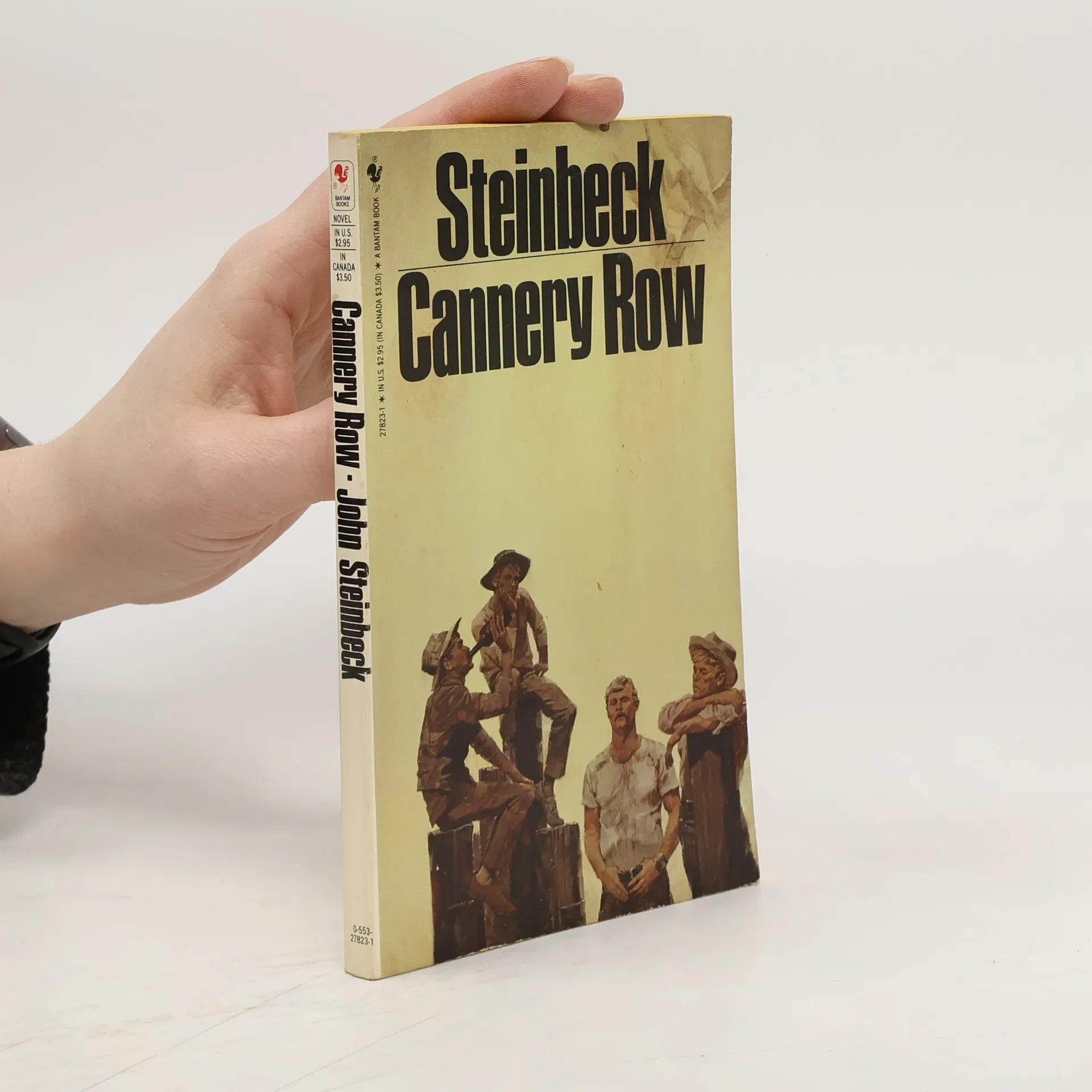
Unburdened by the material necessities of the more fortunate, the denizens of Cannery Row discover rewards unknown in more traditional society. Henri the painter sorts through junk lots for pieces of wood to incorporate into the boat he is building, while the girls from Dora Flood’s bordello venture out now and then to enjoy a bit of sunshine. Lee Chong stocks his grocery with almost anything a man could want, and Doc, a young marine biologist who ministers to sick puppies and unhappy souls, unexpectedly finds true love. Cannery Row is just a few blocks long, but the story it harbors is suffused with warmth, understanding, and a great fund of human values. First published in 1945, Cannery Row focuses on the acceptance of life as it is—both the exuberance of community and the loneliness of the individual. John Steinbeck draws on his memories of the real inhabitants of Monterey, California, and interweaves their stories in this world where only the fittest survive—creating what is at once one of his most humorous and poignant works. In Cannery Row, John Steinbeck returns to the setting of Tortilla Flat to create another evocative portrait of life as it is lived by those who unabashedly put the highest value on the intangibles—human warmth, camaraderie, and love.


Édition


- 2024


- 2020


- 2017




- 2014
- 2012




- 2009
- 2009


























- 1993









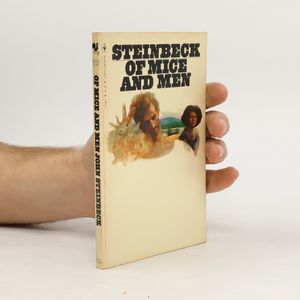





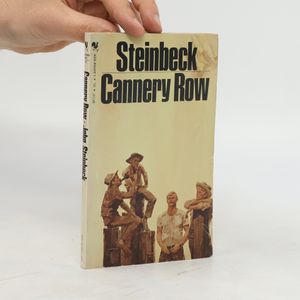

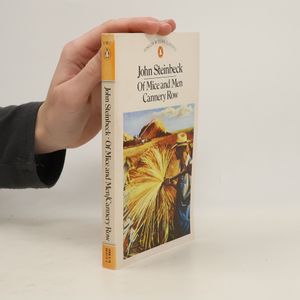





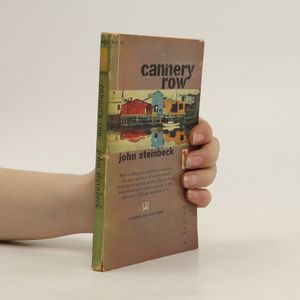






Achat du livre
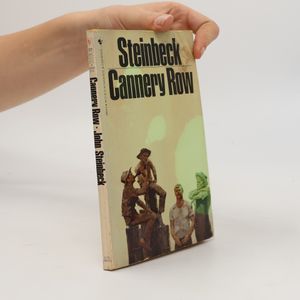
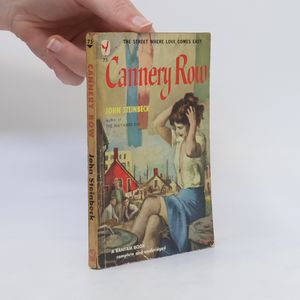
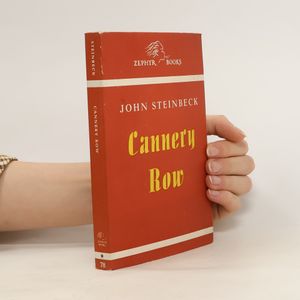
Cannery Row, John Steinbeck
- Langue

- Année de publication
- 1982
- product-detail.submit-box.info.binding
- (souple)
Modes de paiement
Il manque plus que ton avis ici.
- Titre
- Cannery Row
- Langue
- Anglais
- Auteurs
- John Steinbeck
- Éditeur
- Bantam
- Publié
- 1982
- Format
- souple
- Pages
- 128
- ISBN10
- 0553278231
- ISBN13
- 9780553278231
- Séries
- La Rue aux herbes
- Mots clés
- Fiction, Romans historiques, Classiques, Amitié, États-Unis, 20e siècle, Roman social, Littérature américaine, L'école, Mort, Société, Cadeaux pour les messieurs, Adapté au cinéma, Romans courts, Jeunes, Amérique, Rêves, Intrigues, Lectures obligatoires, Campagne, Hommes, Frères, Propriétés, fermes, Californie, Tragédie, Célébrations, Personnes handicapées, Triste, Entre-deux-guerres, Paria, Années 1930, Travailleurs, La génération perdue, Futilité
- Première publication
- 1937
- Titre original
- Of Mice and Men
- Évaluation
- 3,9 sur 5
- Description
- Unburdened by the material necessities of the more fortunate, the denizens of Cannery Row discover rewards unknown in more traditional society. Henri the painter sorts through junk lots for pieces of wood to incorporate into the boat he is building, while the girls from Dora Flood’s bordello venture out now and then to enjoy a bit of sunshine. Lee Chong stocks his grocery with almost anything a man could want, and Doc, a young marine biologist who ministers to sick puppies and unhappy souls, unexpectedly finds true love. Cannery Row is just a few blocks long, but the story it harbors is suffused with warmth, understanding, and a great fund of human values. First published in 1945, Cannery Row focuses on the acceptance of life as it is—both the exuberance of community and the loneliness of the individual. John Steinbeck draws on his memories of the real inhabitants of Monterey, California, and interweaves their stories in this world where only the fittest survive—creating what is at once one of his most humorous and poignant works. In Cannery Row, John Steinbeck returns to the setting of Tortilla Flat to create another evocative portrait of life as it is lived by those who unabashedly put the highest value on the intangibles—human warmth, camaraderie, and love.