

En savoir plus sur le livre
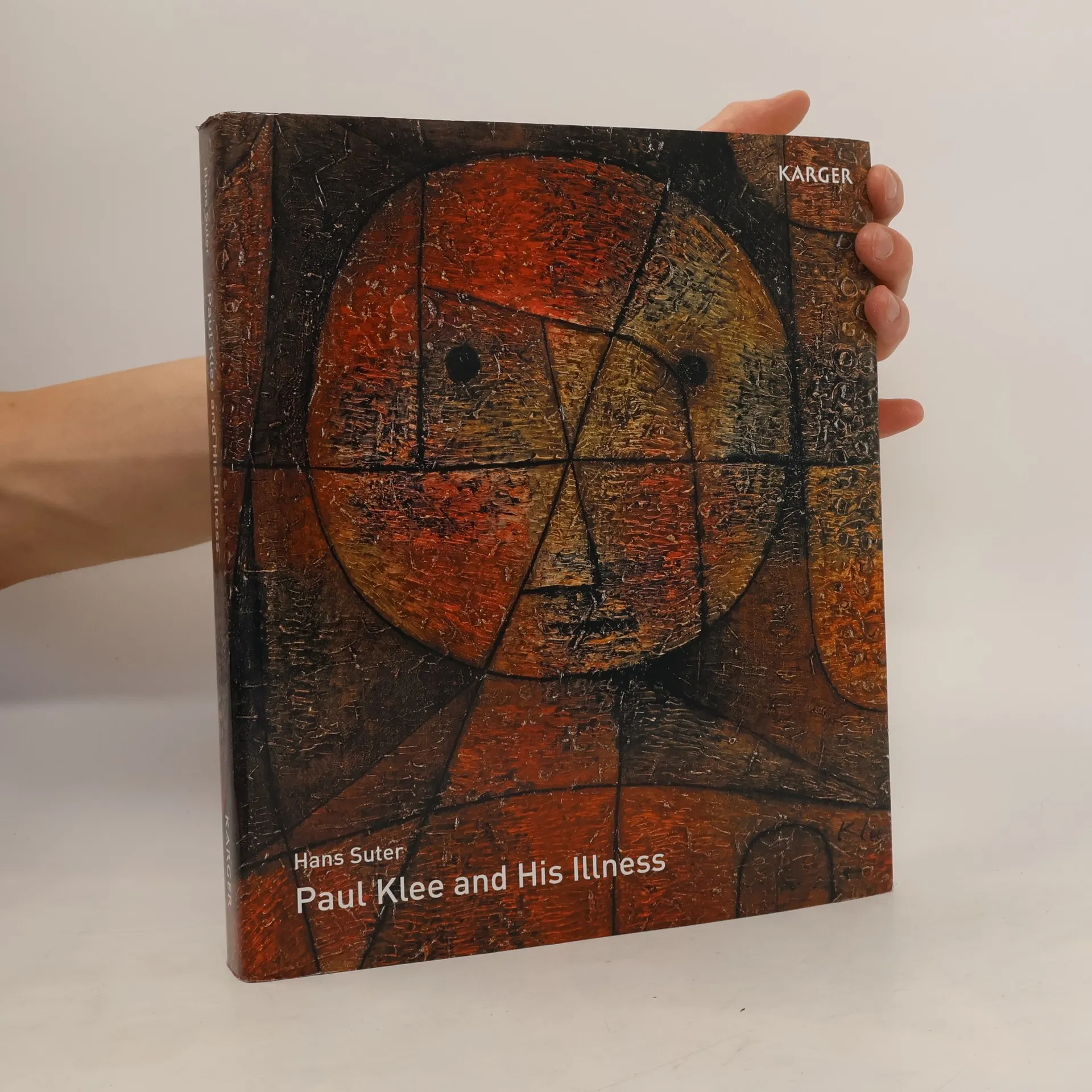
In 1933, Paul Klee's art was labeled ‘Entartete Kunst’ (Degenerate Art) by the National Socialists, leading to his dismissal from the Düsseldorf Academy of Fine Arts. This forced Klee and his wife Lily to return to Bern, where his avant-garde style was largely unappreciated, resulting in his isolation. By 1935, Klee began experiencing a mysterious illness characterized by skin changes and internal organ issues. He passed away in 1940, but it wasn't until a decade later that his condition was identified as ‘scleroderma,’ though the diagnosis remained speculative. Dr. Hans Suter, a dermatologist and venereologist, has been captivated by Klee and his art since adolescence. Over 30 years ago, this interest led him to research the illness and its impact on Klee's later works. Through meticulous investigation, Dr. Suter defined Klee's condition as ‘diffuse systemic sclerosis.’ The author compiles his findings, presenting the complex disease in an accessible manner while empathetically interpreting over 90 of Klee's late works. His perspective as a dermatologist offers unique insights into medical practices at the University of Bern in the 1930s, appealing to both medical professionals and local historians, while also revealing new connections between Klee's art and his illness for art historians and enthusiasts.
Achat du livre
Paul Klee and his illness, Hans Suter
- Langue

- Année de publication
- 2010
Modes de paiement
Il manque plus que ton avis ici.