

En savoir plus sur le livre
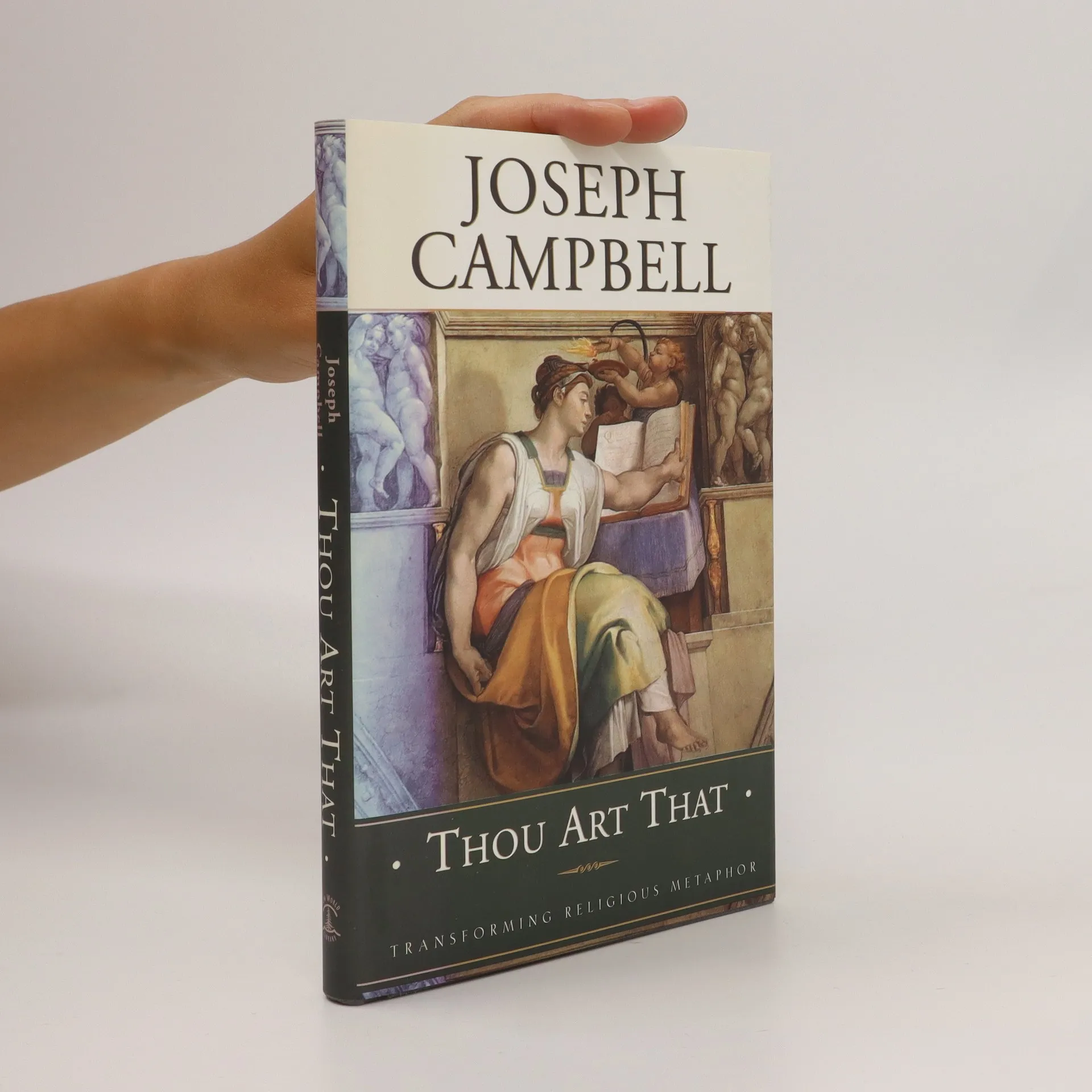
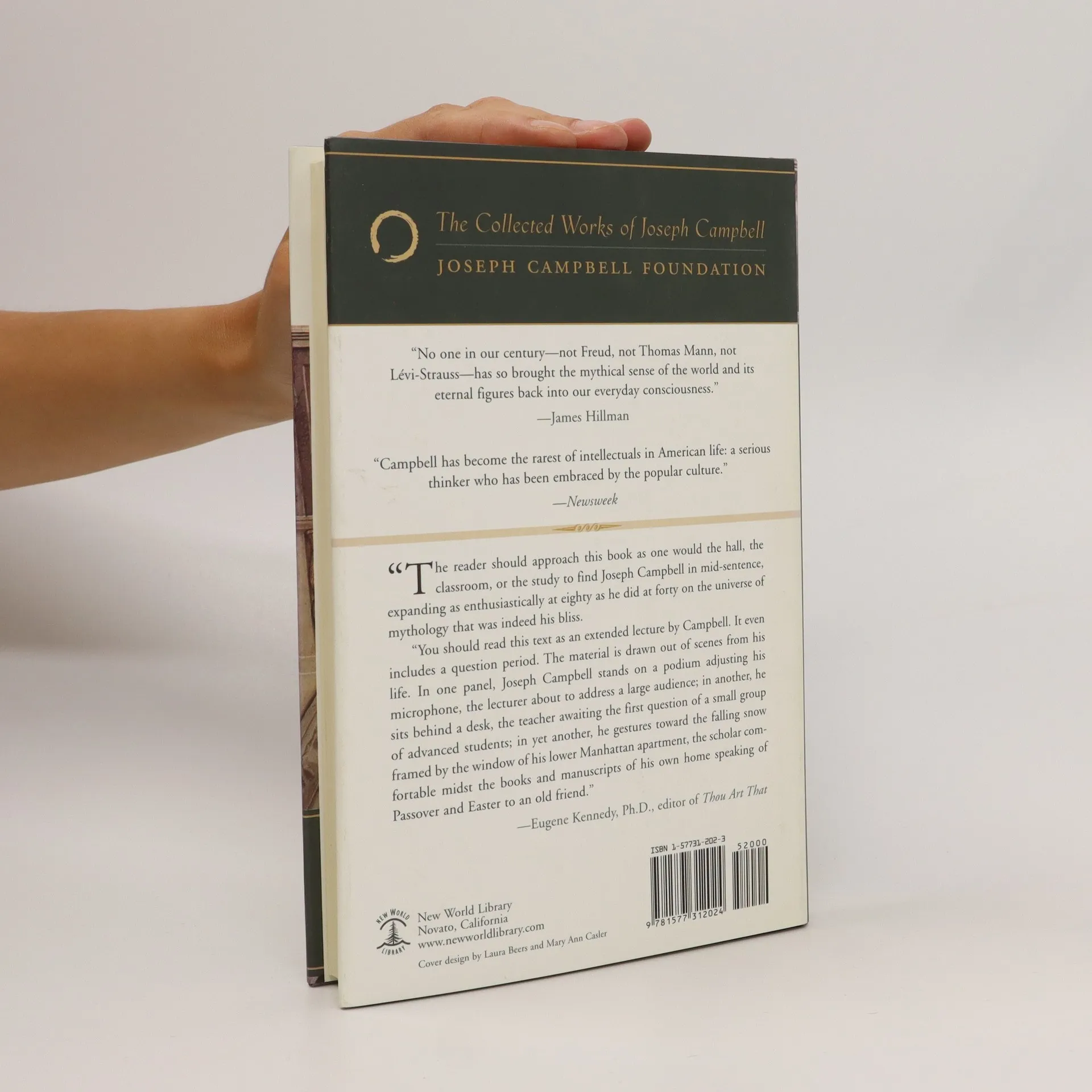
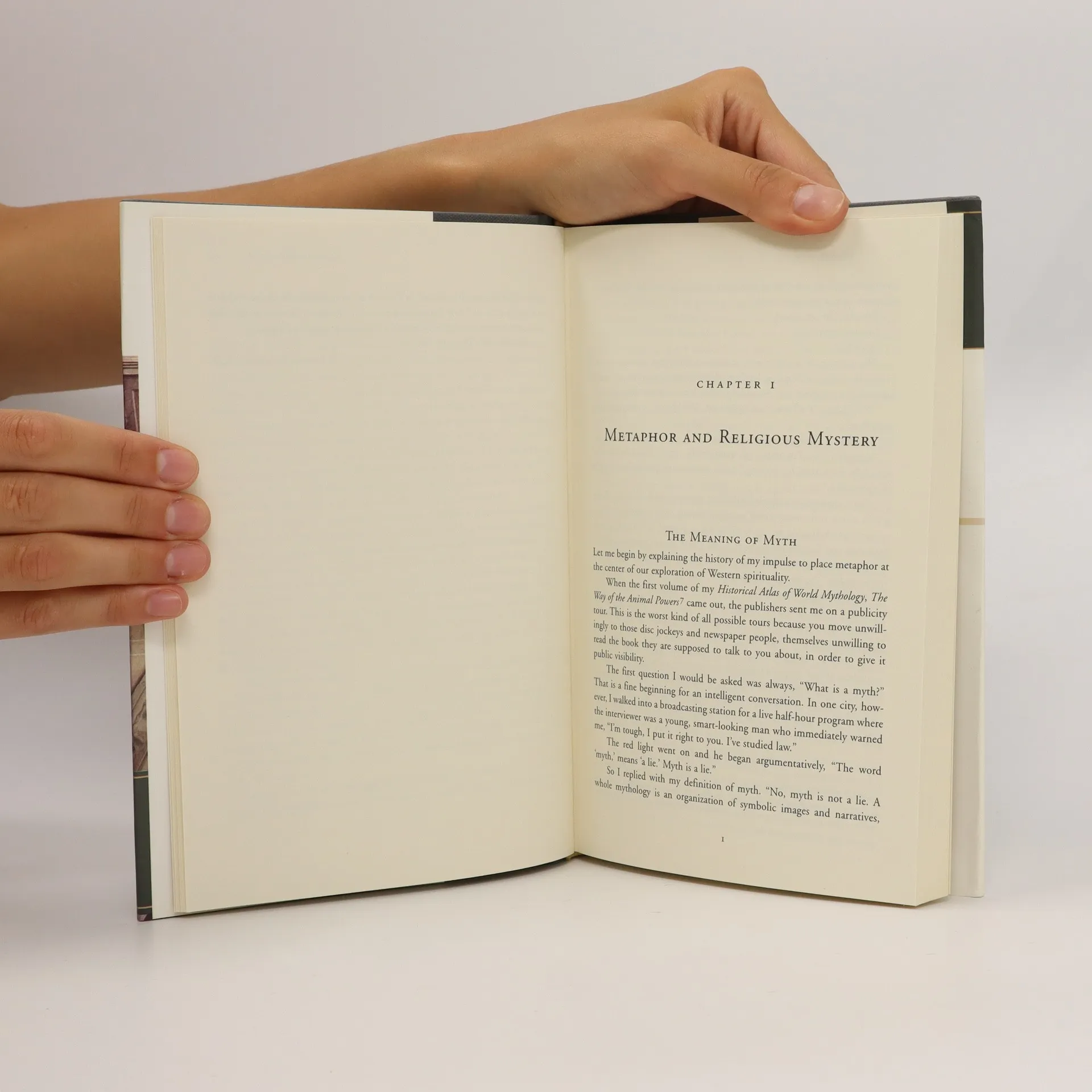
Thou Art That is a compilation of previously uncollected essays and lectures by Joseph Campbell that focus on the Judeo-Christian tradition. Here Campbell explores common religious symbols, reexamining and reinterpreting them in the context of his remarkable knowledge of world mythology. According to Campbell, society often confuses the literal and metaphorical interpretations of religious stories and symbols. In this collection, he eloquently reestablishes these metaphors as a means to enhance spiritual understanding and mystical revelation. With characteristic verve, he ranges from rich storytelling to insightful comparative scholarship. Included is editor Eugene Kennedy’s classic interview with Campbell in The New York Times Magazine, which brought the scholar to the public’s attention for the first time.


Achat du livre
Thou Art that, Joseph Campbell
- Langue

- Année de publication
- 2001
- Reliure
- (rigide)
Modes de paiement
Il manque plus que ton avis ici.
- Titre
- Thou Art that
- Langue
- Anglais
- Auteurs
- Joseph Campbell
- Éditeur
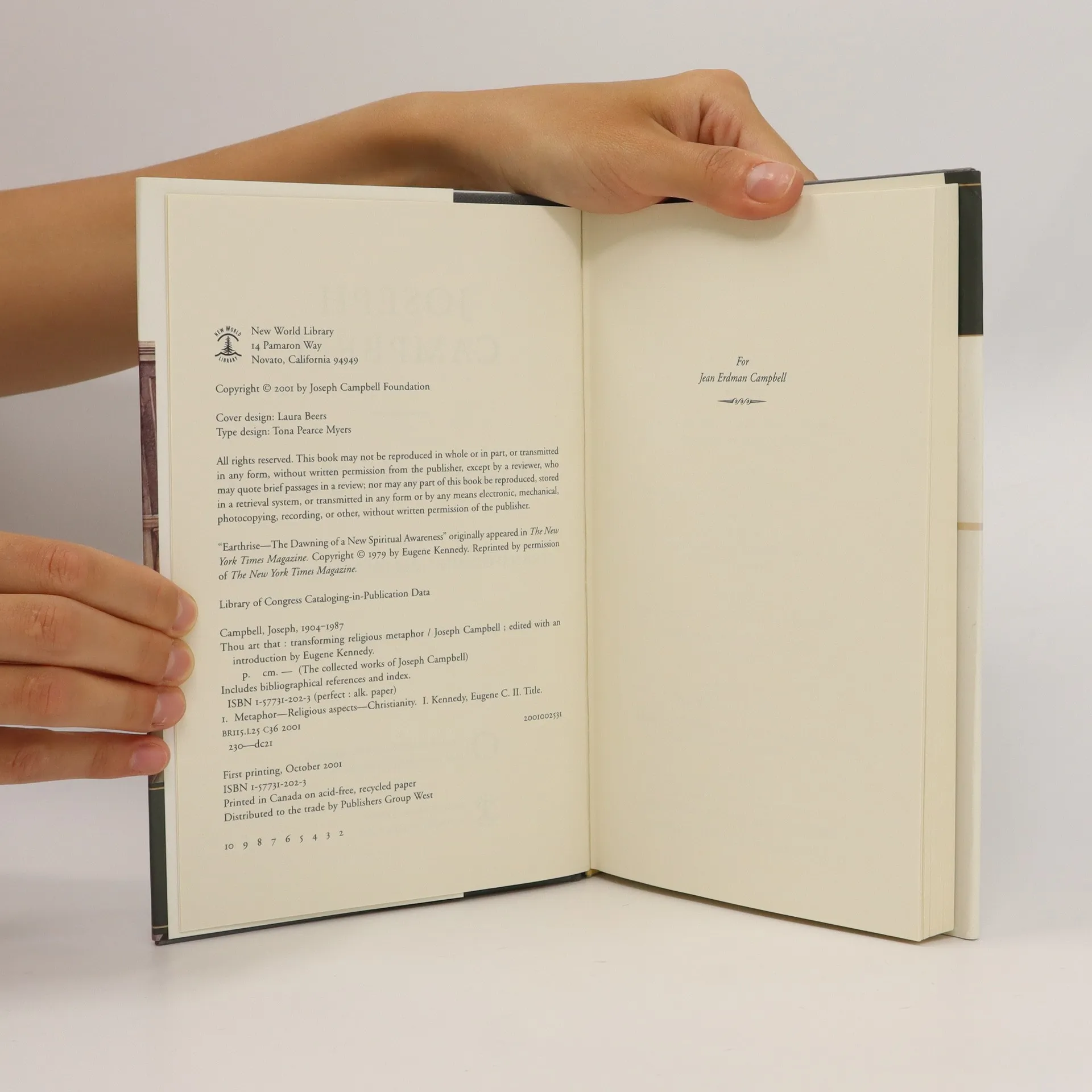
- New World Library
- Publié
- 2001
- Format
- rigide
- Pages
- 192
- ISBN10
- 1577312023
- ISBN13
- 9781577312024
- Séries
- Mots clés
- Thèmes psychologiques, Thèmes religieux, Thématique philosophique, Spiritualité et spiritualisme, Mythologie
- Évaluation
- 4,3 sur 5
- Description
- Thou Art That is a compilation of previously uncollected essays and lectures by Joseph Campbell that focus on the Judeo-Christian tradition. Here Campbell explores common religious symbols, reexamining and reinterpreting them in the context of his remarkable knowledge of world mythology. According to Campbell, society often confuses the literal and metaphorical interpretations of religious stories and symbols. In this collection, he eloquently reestablishes these metaphors as a means to enhance spiritual understanding and mystical revelation. With characteristic verve, he ranges from rich storytelling to insightful comparative scholarship. Included is editor Eugene Kennedy’s classic interview with Campbell in The New York Times Magazine, which brought the scholar to the public’s attention for the first time.