



En savoir plus sur le livre
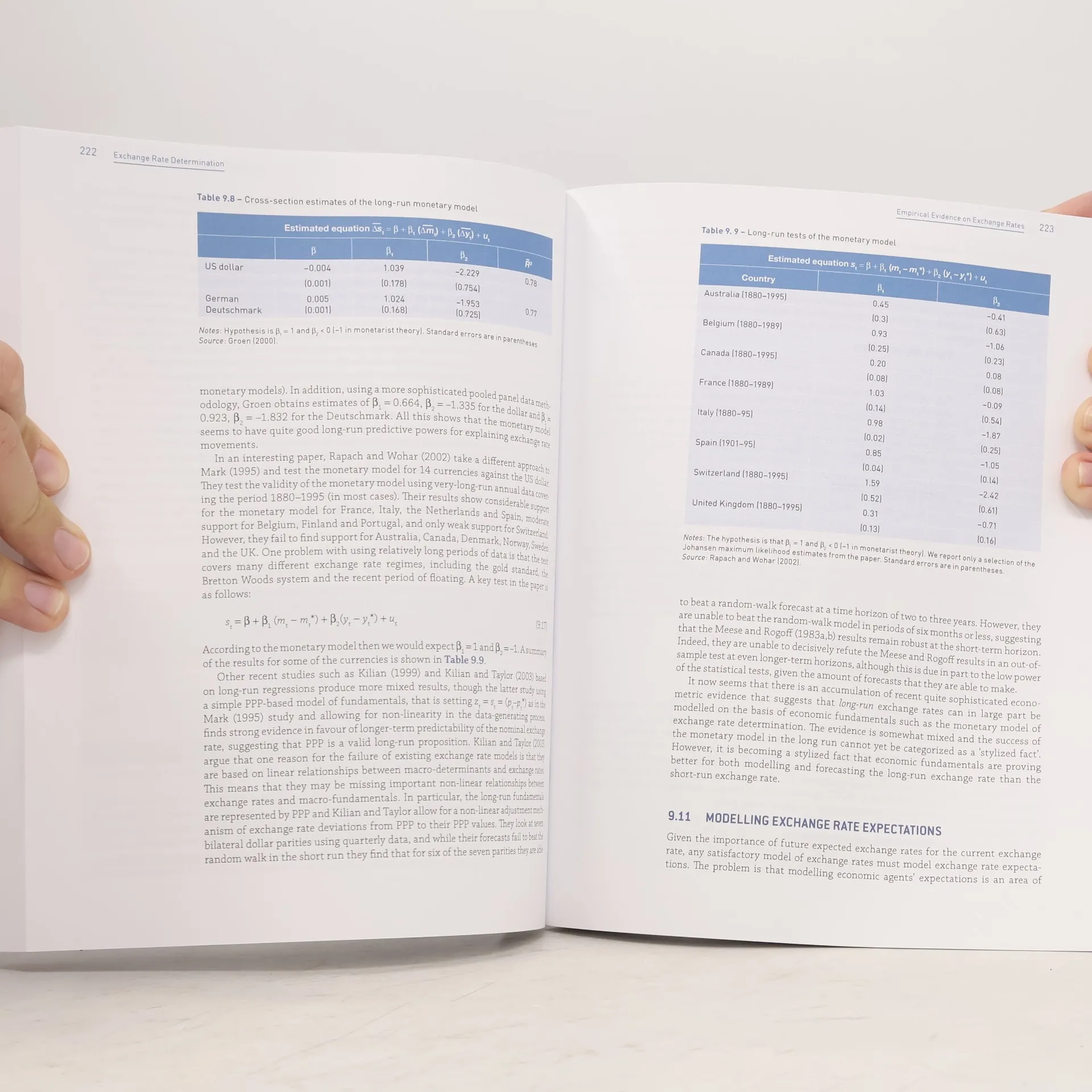
International Finance is a well-established and internationally renowned introduction to the subject for both undergraduate and postgraduate students. It provides comprehensive coverage of both traditional and modern theories relating to the balance of payments, exchange rate determination and the international monetary system. There is extensive use of data and empirical evidence to illustrate the relevance of theories and concepts discussed. The third edition has been fully updated to include key theoretical and real world developments and details the Eurocurrency and Eurobond markets and derivative instruments such as futures, options and swaps. Major international economic issues, such as international policy co-ordination, the record United States current account deficits and Economic and Monetary Union in the European Union are given full coverage. A new chapter on currency and financial crises provides the basis for a study of the 2001 economic collapse in Argentina and the South East Asian crises of the late 1990s.



Achat du livre
International Finance, Keith Pilbeam
- Langue

- Année de publication
- 2013
- Reliure
- (souple),
- État du livre
- Très bon
- Prix
- 5,99 €
Modes de paiement
Il manque plus que ton avis ici.
- Sous-titre
- Fourth Edition
- Langue
- Anglais
- Auteurs
- Keith Pilbeam
- Éditeur
- Red Globe Press
- Publié
- 2013
- Format
- souple
- Pages
- 545
- ISBN10
- 0230362893
- ISBN13
- 9780230362895
- Séries
- Mots clés
- Nonfiction, Commerce, Affaires & Gestion, Économie, Finance
- Évaluation
- 3,85 sur 5
- Description
- International Finance is a well-established and internationally renowned introduction to the subject for both undergraduate and postgraduate students. It provides comprehensive coverage of both traditional and modern theories relating to the balance of payments, exchange rate determination and the international monetary system. There is extensive use of data and empirical evidence to illustrate the relevance of theories and concepts discussed. The third edition has been fully updated to include key theoretical and real world developments and details the Eurocurrency and Eurobond markets and derivative instruments such as futures, options and swaps. Major international economic issues, such as international policy co-ordination, the record United States current account deficits and Economic and Monetary Union in the European Union are given full coverage. A new chapter on currency and financial crises provides the basis for a study of the 2001 economic collapse in Argentina and the South East Asian crises of the late 1990s.