



En savoir plus sur le livre
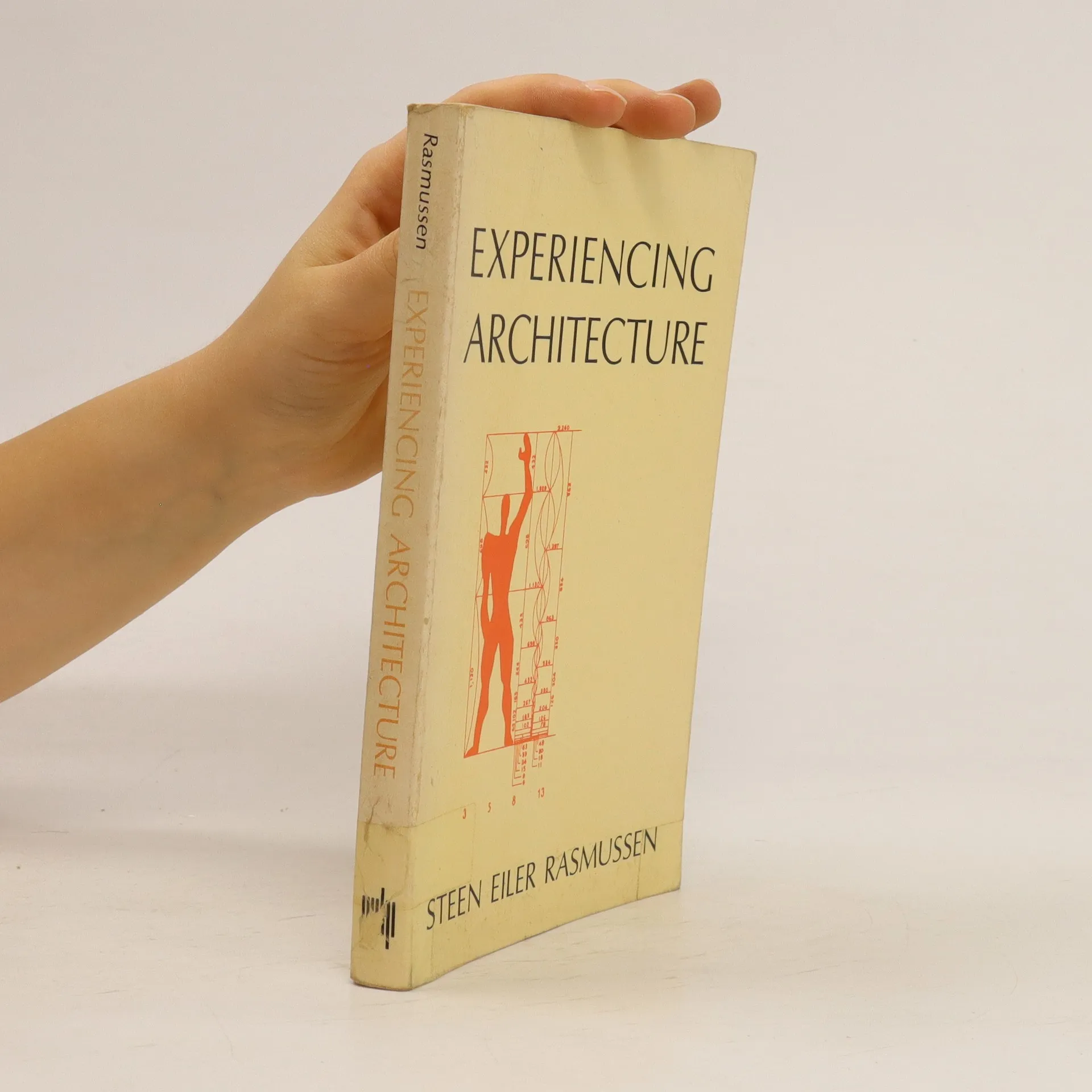
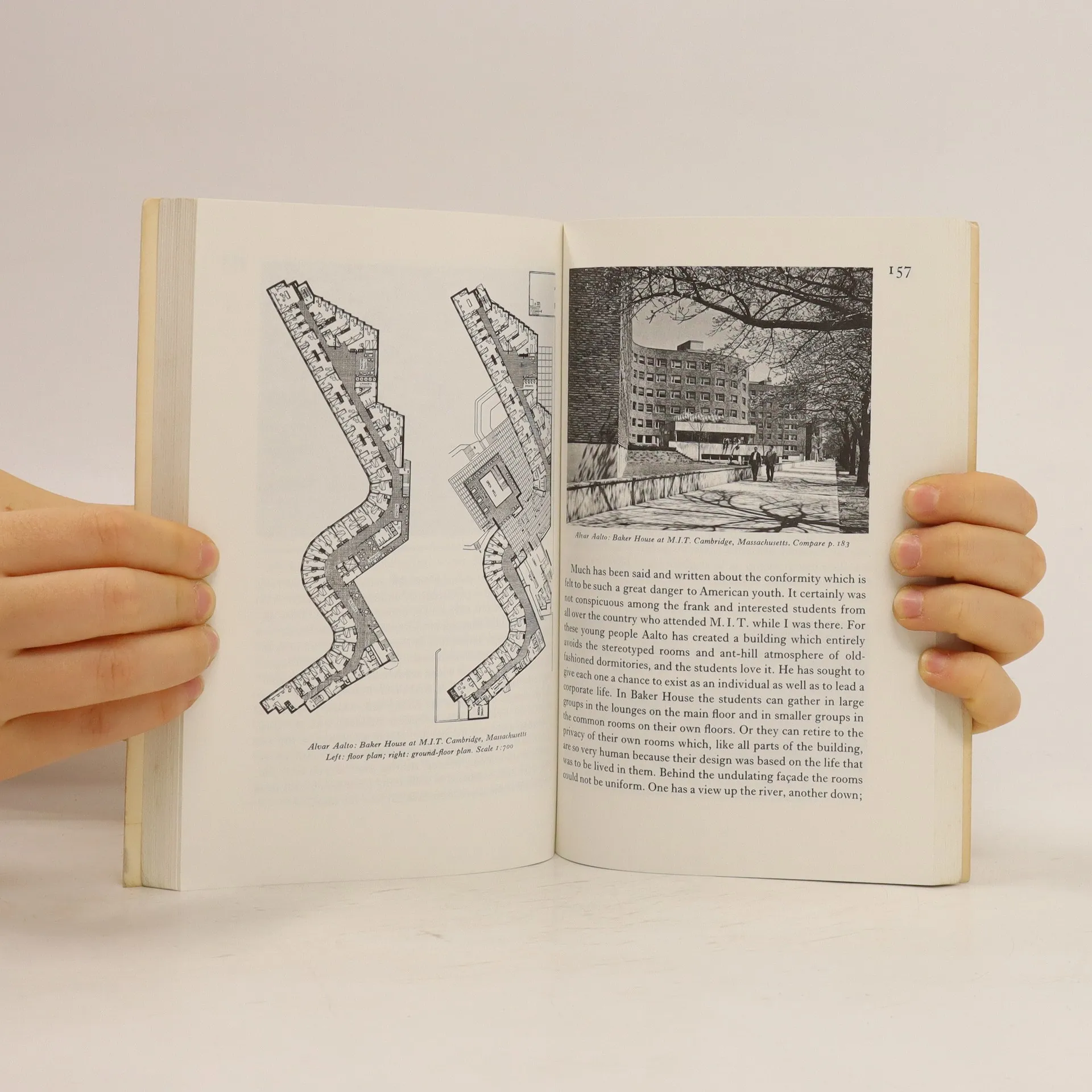
This classic examination of design through the ages explores the history and significance of good architecture. Richly illustrated with examples from teacups to Palladio's villas and Beijing's Winter Palace, the guide encourages appreciation of architecture as both a profession and an art that influences daily life. Rasmussen emphasizes that architecture was historically a communal effort, with buildings reflecting a deep connection to place, materials, and purpose, resulting in a harmonious beauty. While we cannot revert to past practices, he suggests we can still create beautiful and functional spaces by viewing architecture as an experiential art form. Understanding good design emerges not just from professional insights but also from our shared, everyday interactions with architecture—its light, color, shape, scale, texture, rhythm, and sound. This work serves as a reminder of the achievements of good architectural design throughout history, its potential for the future, and its enduring value. It is an accessible read for anyone curious about the role of the architect and the impact of design on our lives.




Achat du livre
Experiencing Architecture, Steen Eiler Rasmussen
- Langue

- Année de publication
- 1992
- Reliure
- (souple)
Modes de paiement
Il manque plus que ton avis ici.
- Langue
- Anglais
- Auteurs
- Steen Eiler Rasmussen
- Éditeur
- MIT Press
- Publié
- 1992
- Format
- souple
- Pages
- 245
- ISBN10
- 0262680025
- ISBN13
- 9780262680028
- Séries
- Mots clés
- Nonfiction, Art / Culture, Sciences sociales, Thème historique, Histoire, Thématique philosophique, Art, Architecture, Architecture et urbanisme, Philosophie, Urbanisme, urbanisation
- Évaluation
- 4,05 sur 5
- Description
- This classic examination of design through the ages explores the history and significance of good architecture. Richly illustrated with examples from teacups to Palladio's villas and Beijing's Winter Palace, the guide encourages appreciation of architecture as both a profession and an art that influences daily life. Rasmussen emphasizes that architecture was historically a communal effort, with buildings reflecting a deep connection to place, materials, and purpose, resulting in a harmonious beauty. While we cannot revert to past practices, he suggests we can still create beautiful and functional spaces by viewing architecture as an experiential art form. Understanding good design emerges not just from professional insights but also from our shared, everyday interactions with architecture—its light, color, shape, scale, texture, rhythm, and sound. This work serves as a reminder of the achievements of good architectural design throughout history, its potential for the future, and its enduring value. It is an accessible read for anyone curious about the role of the architect and the impact of design on our lives.