

En savoir plus sur le livre
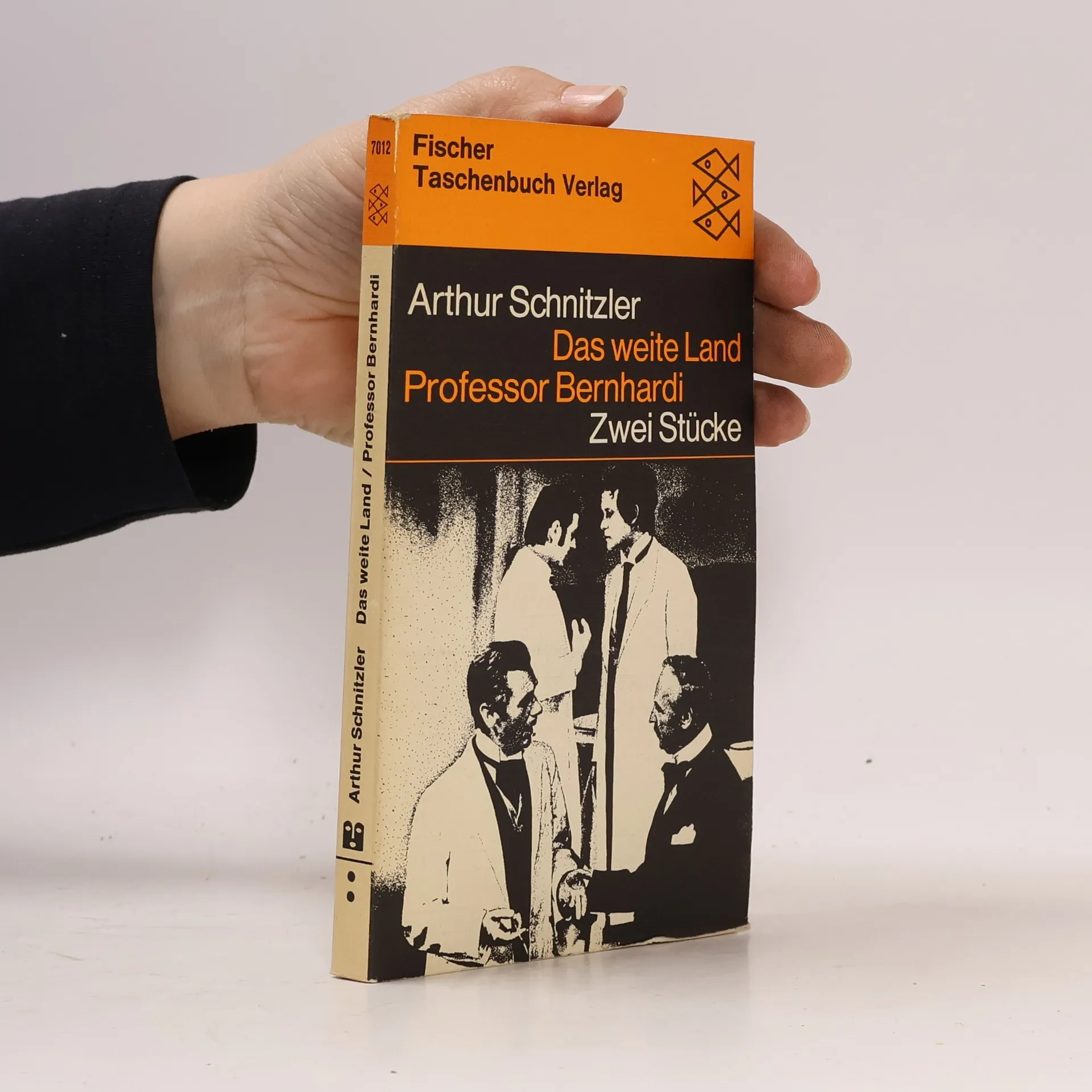
Arthur Schnitzler, born in 1862 into a wealthy Jewish family in Vienna, initially studied medicine and ran a private practice while increasingly focusing on literature. He became acquainted with Sigmund Freud, whose theories on the unconscious captivated him. Alongside Hugo von Hofmannsthal, Schnitzler emerged as a central figure of the "Wiener Moderne" and a prominent critic of his time. His novella "Leutnant Gustl" introduced the inner monologue to German literature, allowing characters to express associative reactions to their surroundings. His innovative montage technique blends clichés with seemingly individual responses, creating a universal character type. Central themes in his work include the selfish evasion of responsibility and fear of commitment. After a scandal surrounding his play "Reigen" led to a ban on performances in 1921, he was appointed president of the Austrian PEN Club in 1923. Three years later, he received the Burgtheater Ring and became one of the most frequently performed playwrights on German stages. Schnitzler's life ended in 1931 when he died in Vienna from a brain hemorrhage. This edition includes a biography of the author and follows the pagination of the 1962 edition of his dramatic works, featuring a cover design by Thomas Schultz-Overhage.






Achat du livre
Das weite Land, Arthur Schnitzler
- Langue

- Année de publication
- 1972
- Reliure
- (souple)
Modes de paiement
Il manque plus que ton avis ici.
- Titre
- Das weite Land
- Langue
- Allemand
- Auteurs
- Arthur Schnitzler
- Éditeur
- Fischer-Taschenbuch-Verlag
- Publié
- 1972
- Format
- souple
- Pages
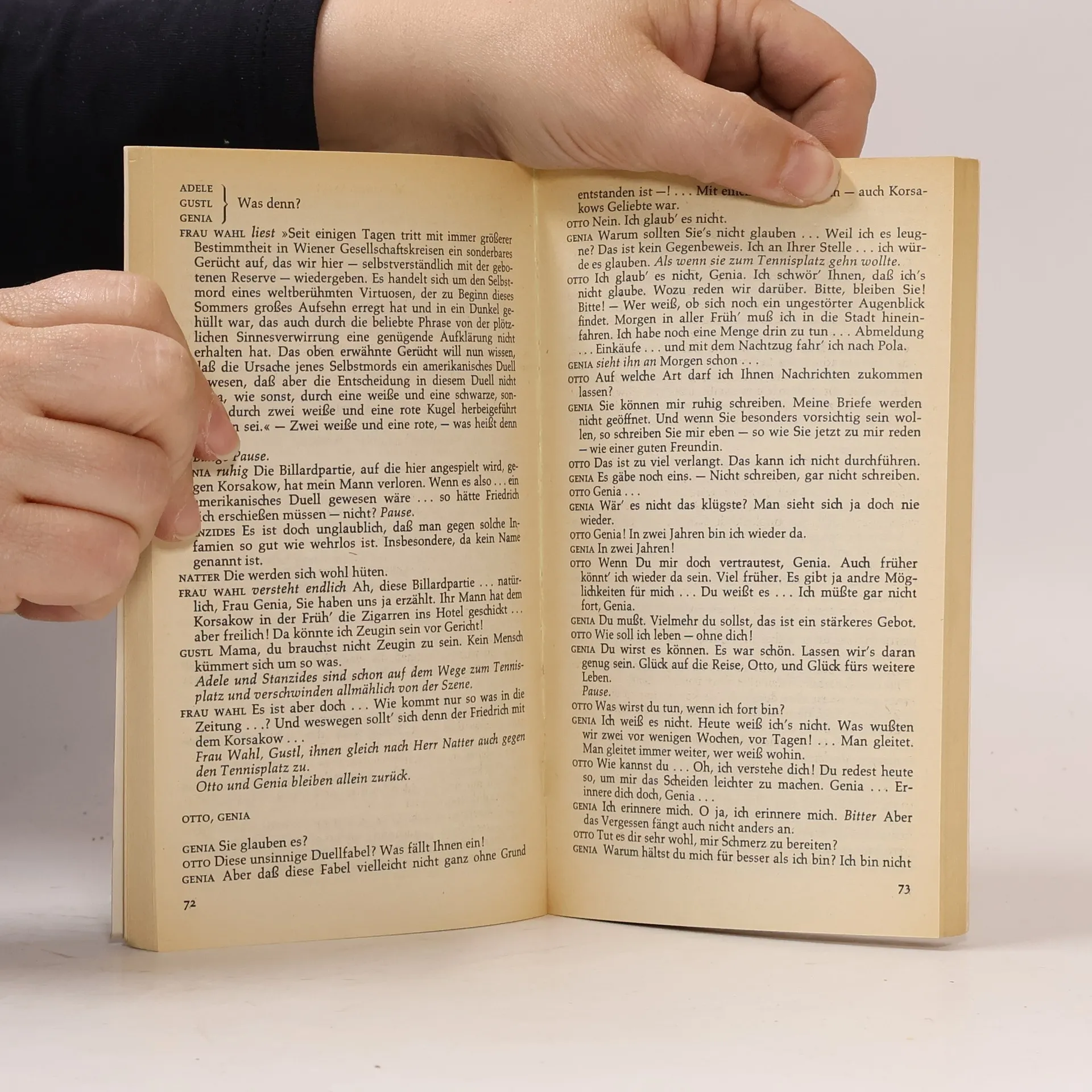
- 207
- ISBN10
- 3436015385
- ISBN13
- 9783436015381
- Séries
- Mots clés
- Fiction, Classiques, Pièces de théâtre, Comédies, Vienne, Littérature autrichienne, Dramaturges, Tragédie-Comédie
- Première publication
- 1911
- Titre original
- Das weite Land
- Évaluation
- 3,7 sur 5
- Description
- Arthur Schnitzler, born in 1862 into a wealthy Jewish family in Vienna, initially studied medicine and ran a private practice while increasingly focusing on literature. He became acquainted with Sigmund Freud, whose theories on the unconscious captivated him. Alongside Hugo von Hofmannsthal, Schnitzler emerged as a central figure of the "Wiener Moderne" and a prominent critic of his time. His novella "Leutnant Gustl" introduced the inner monologue to German literature, allowing characters to express associative reactions to their surroundings. His innovative montage technique blends clichés with seemingly individual responses, creating a universal character type. Central themes in his work include the selfish evasion of responsibility and fear of commitment. After a scandal surrounding his play "Reigen" led to a ban on performances in 1921, he was appointed president of the Austrian PEN Club in 1923. Three years later, he received the Burgtheater Ring and became one of the most frequently performed playwrights on German stages. Schnitzler's life ended in 1931 when he died in Vienna from a brain hemorrhage. This edition includes a biography of the author and follows the pagination of the 1962 edition of his dramatic works, featuring a cover design by Thomas Schultz-Overhage.