

En savoir plus sur le livre
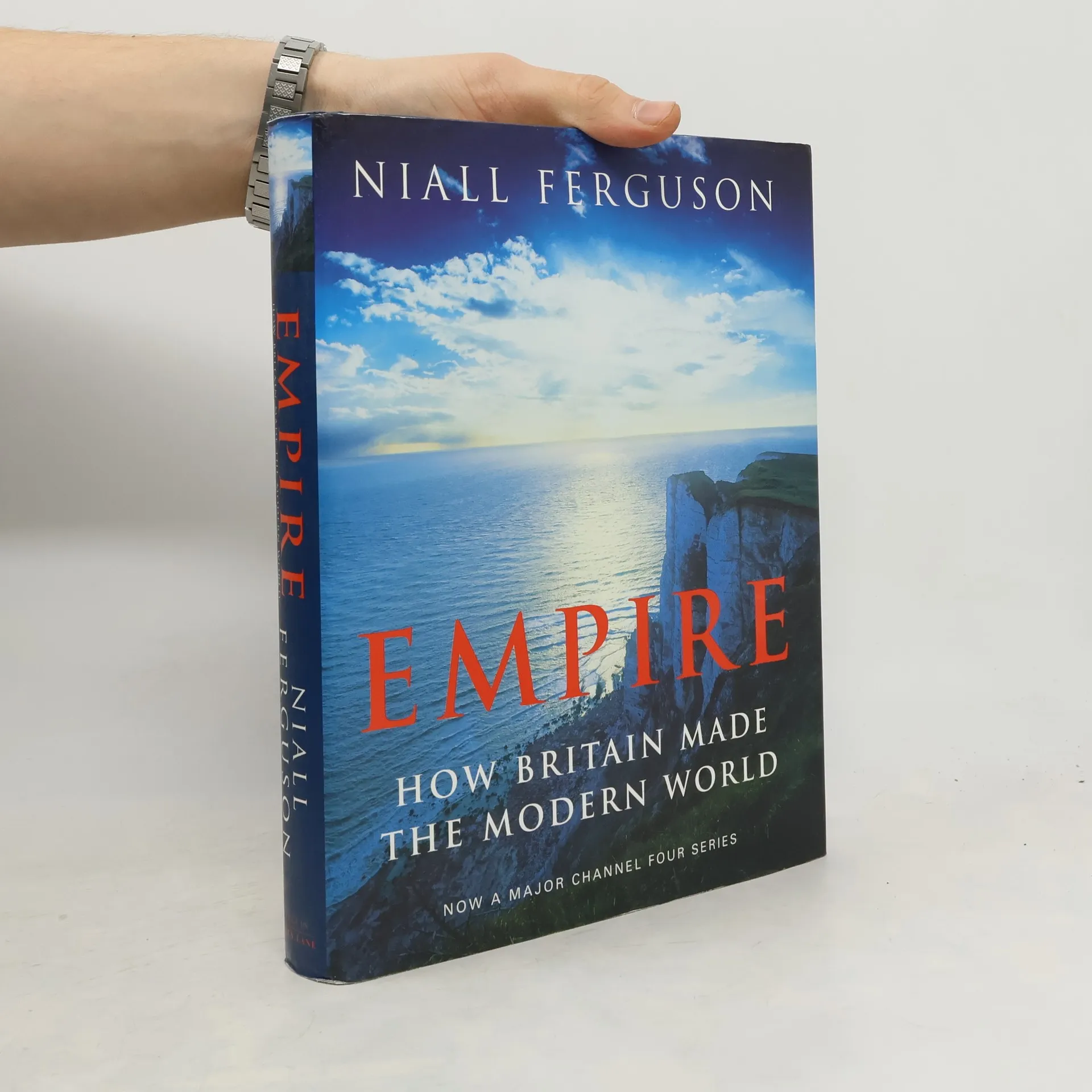
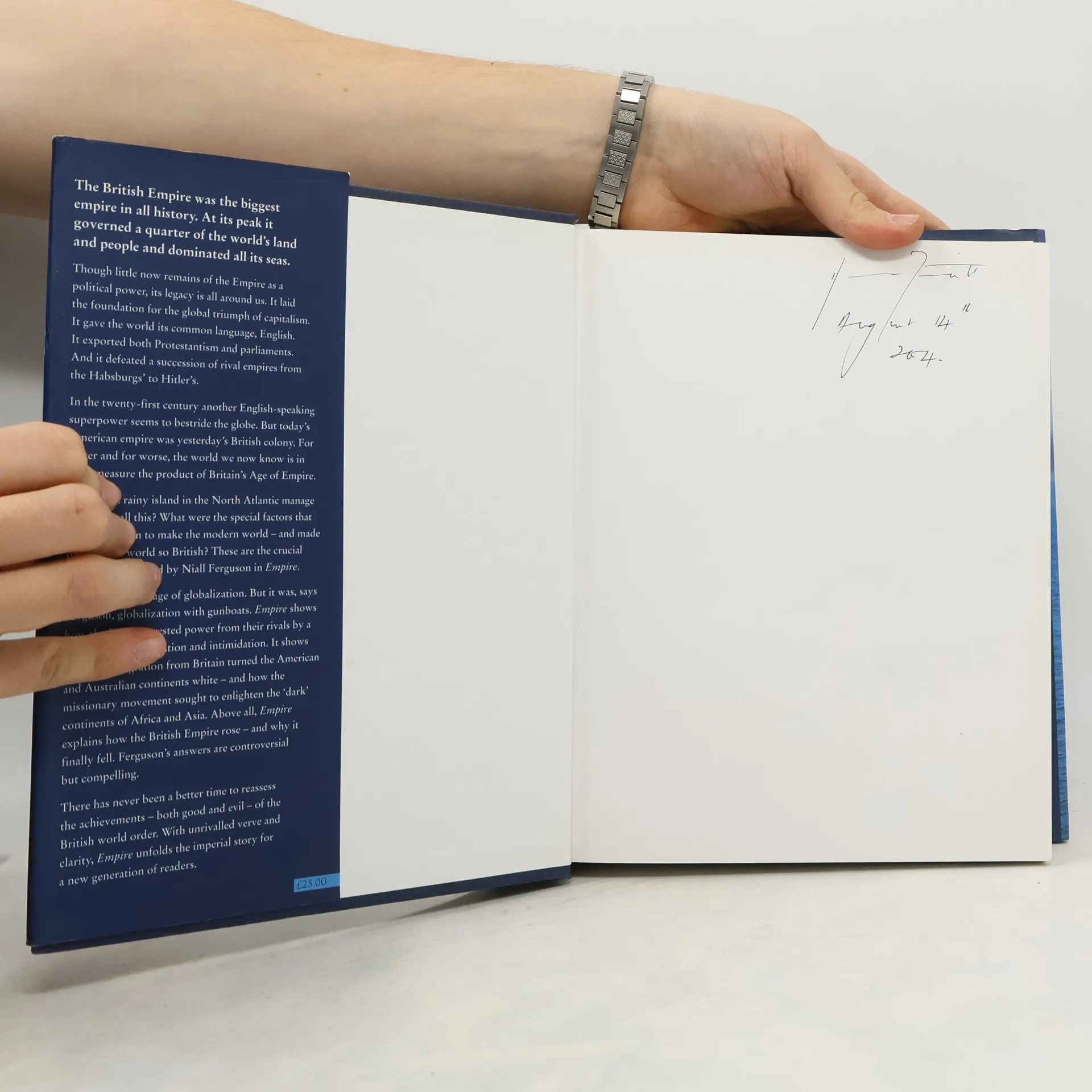
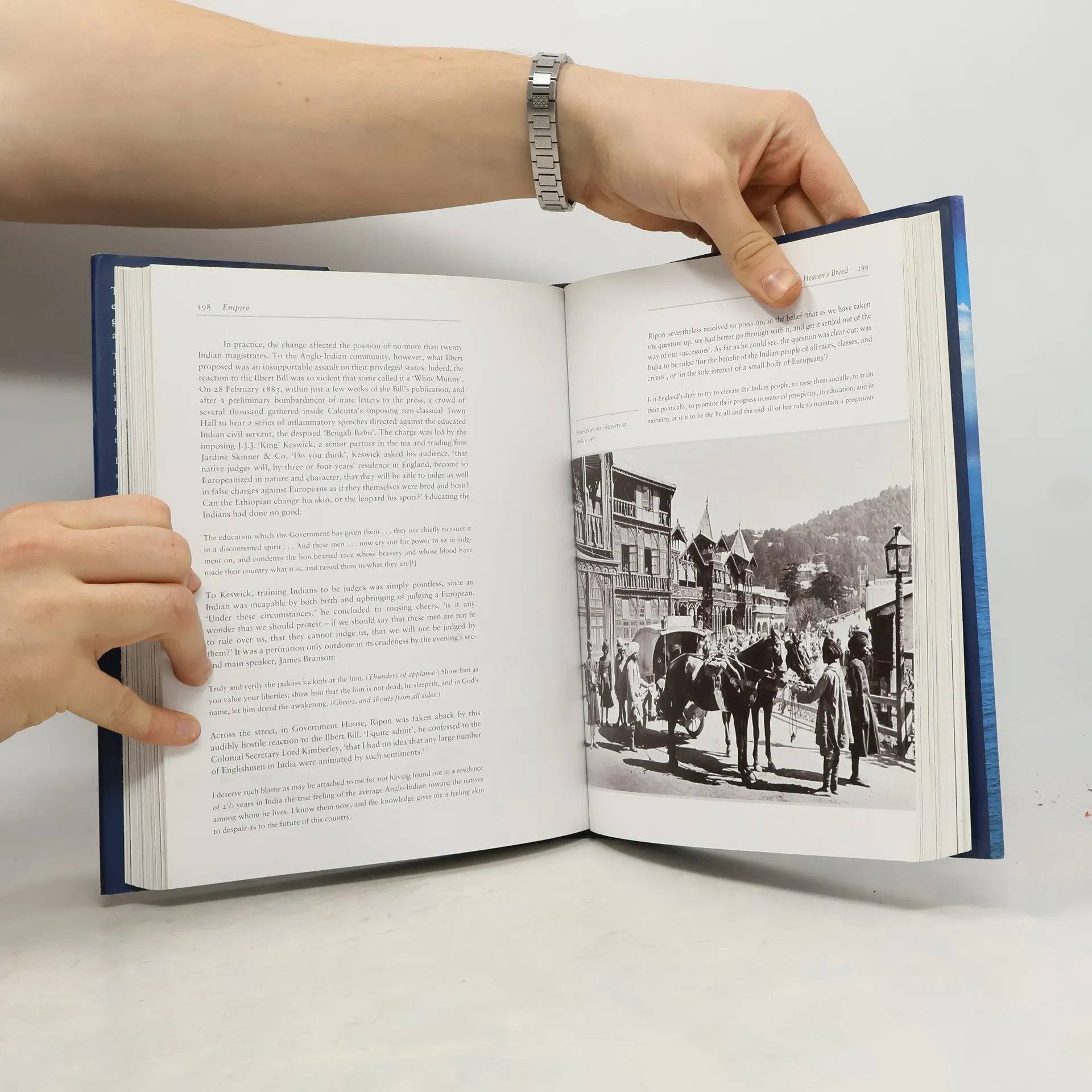
At its peak in the nineteenth century, the British Empire governed about a quarter of the world's population, making it the largest empire ever known. Niall Ferguson explores how this "archipelago of rainy islands" came to dominate globally, weighing the costs and benefits of British imperialism. While the book is not a comprehensive history, Ferguson aims to extract lessons for current and future empires, particularly the United States, which he describes as an "empire in denial." He challenges America to consider whether it should "shed or shoulder the imperial load it has inherited," presenting compelling arguments for both perspectives. Ferguson highlights that the achievements of empire are often overlooked compared to its sins, noting that the British did contribute positively to humanity through the promotion of free trade, capital movement, and a common rule of law. He questions whether a less violent path to modernity was possible. The U.S. faces the challenge of using its power for positive global change while avoiding the pitfalls of its predecessor. Covering diverse topics like consumerism, mass migration, the role of missionaries, capitalism's rise, the spread of English, and globalization, this work offers a brilliant synthesis and is highly engaging.




Achat du livre
Empire, Niall Ferguson
- Langue

- Année de publication
- 2003
- Reliure
- (rigide)
Modes de paiement
Il manque plus que ton avis ici.
- Titre
- Empire
- Sous-titre
- How Britain Made the Modern World - Now a Major Channel Four Series
- Langue
- Anglais
- Auteurs
- Niall Ferguson
- Éditeur
- Allen Lane
- Publié
- 2003
- Format
- rigide
- Pages
- 392
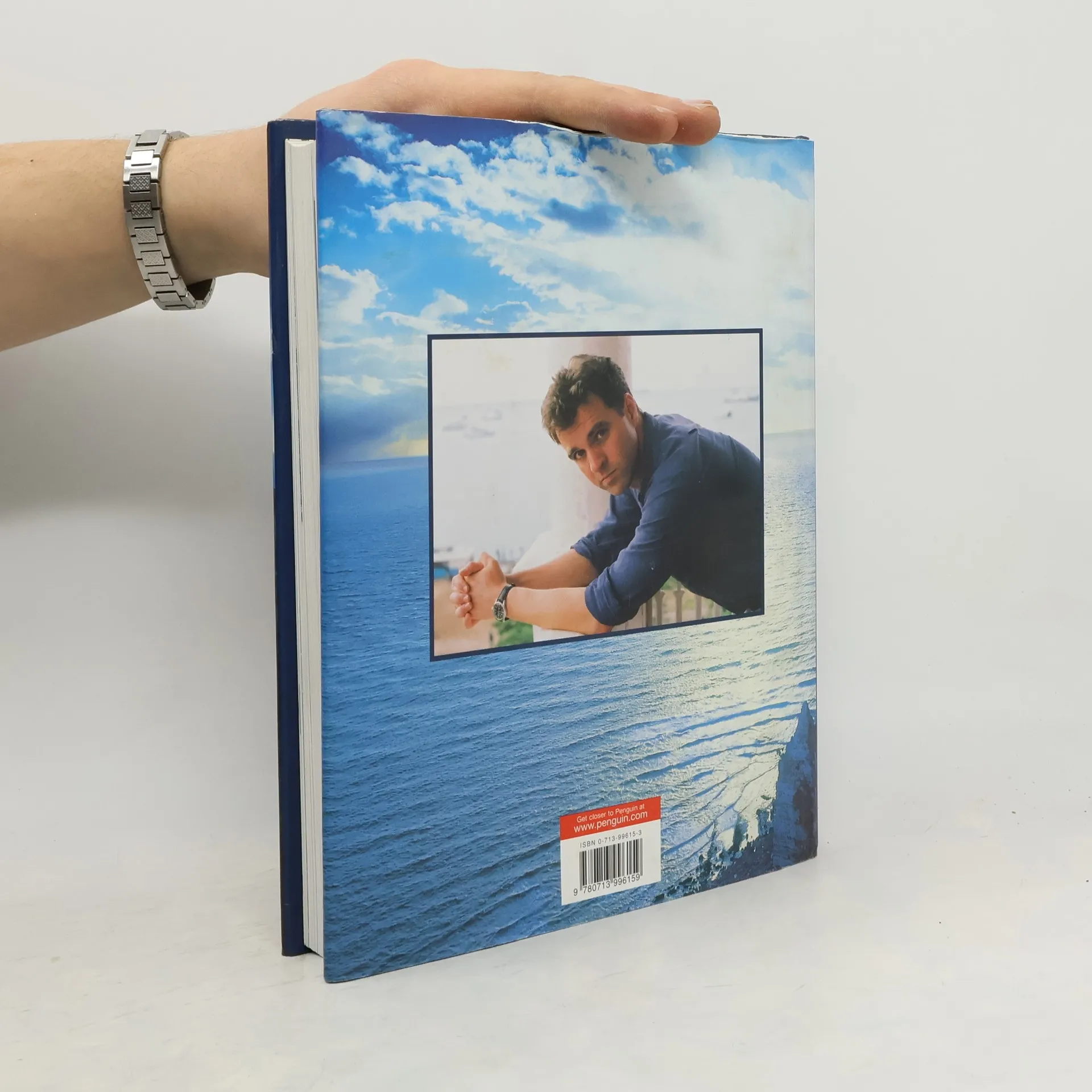
- ISBN10
- 0713996153
- ISBN13
- 9780713996159
- Séries
- Mots clés
- Nonfiction, Sciences sociales, Thème historique, Histoire, Commerce, Affaires & Gestion, Sciences politiques & Politique, Politique, Économie, Littérature britannique, Cadeaux pour papy, Grande-Bretagne, Colonialisme, Impérialisme, Empire britannique, 16e-20e siècle
- Première publication
- 2003
- Titre original
- Empire
- Évaluation
- 3,9 sur 5
- Description
- At its peak in the nineteenth century, the British Empire governed about a quarter of the world's population, making it the largest empire ever known. Niall Ferguson explores how this "archipelago of rainy islands" came to dominate globally, weighing the costs and benefits of British imperialism. While the book is not a comprehensive history, Ferguson aims to extract lessons for current and future empires, particularly the United States, which he describes as an "empire in denial." He challenges America to consider whether it should "shed or shoulder the imperial load it has inherited," presenting compelling arguments for both perspectives. Ferguson highlights that the achievements of empire are often overlooked compared to its sins, noting that the British did contribute positively to humanity through the promotion of free trade, capital movement, and a common rule of law. He questions whether a less violent path to modernity was possible. The U.S. faces the challenge of using its power for positive global change while avoiding the pitfalls of its predecessor. Covering diverse topics like consumerism, mass migration, the role of missionaries, capitalism's rise, the spread of English, and globalization, this work offers a brilliant synthesis and is highly engaging.