

Paramètres
En savoir plus sur le livre
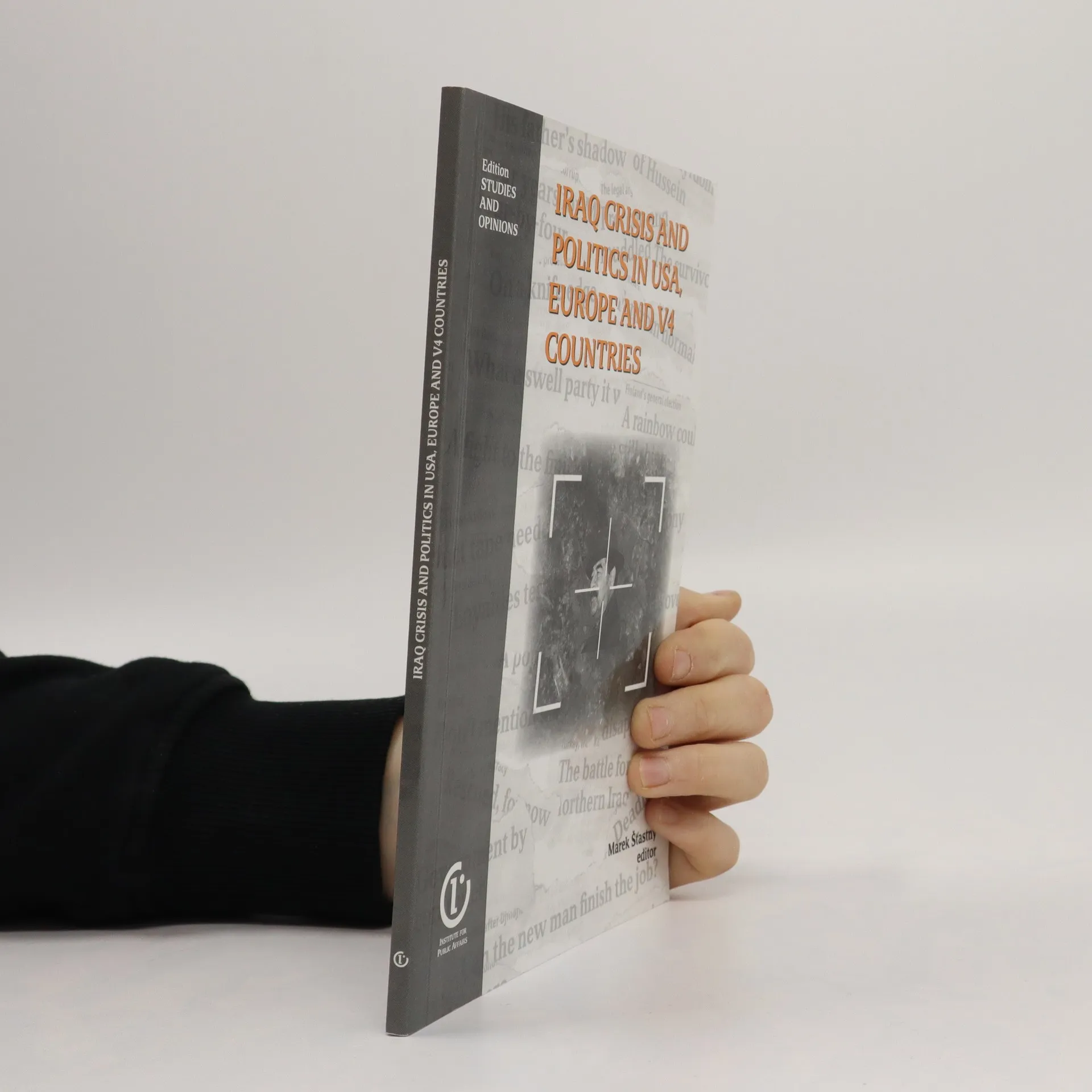
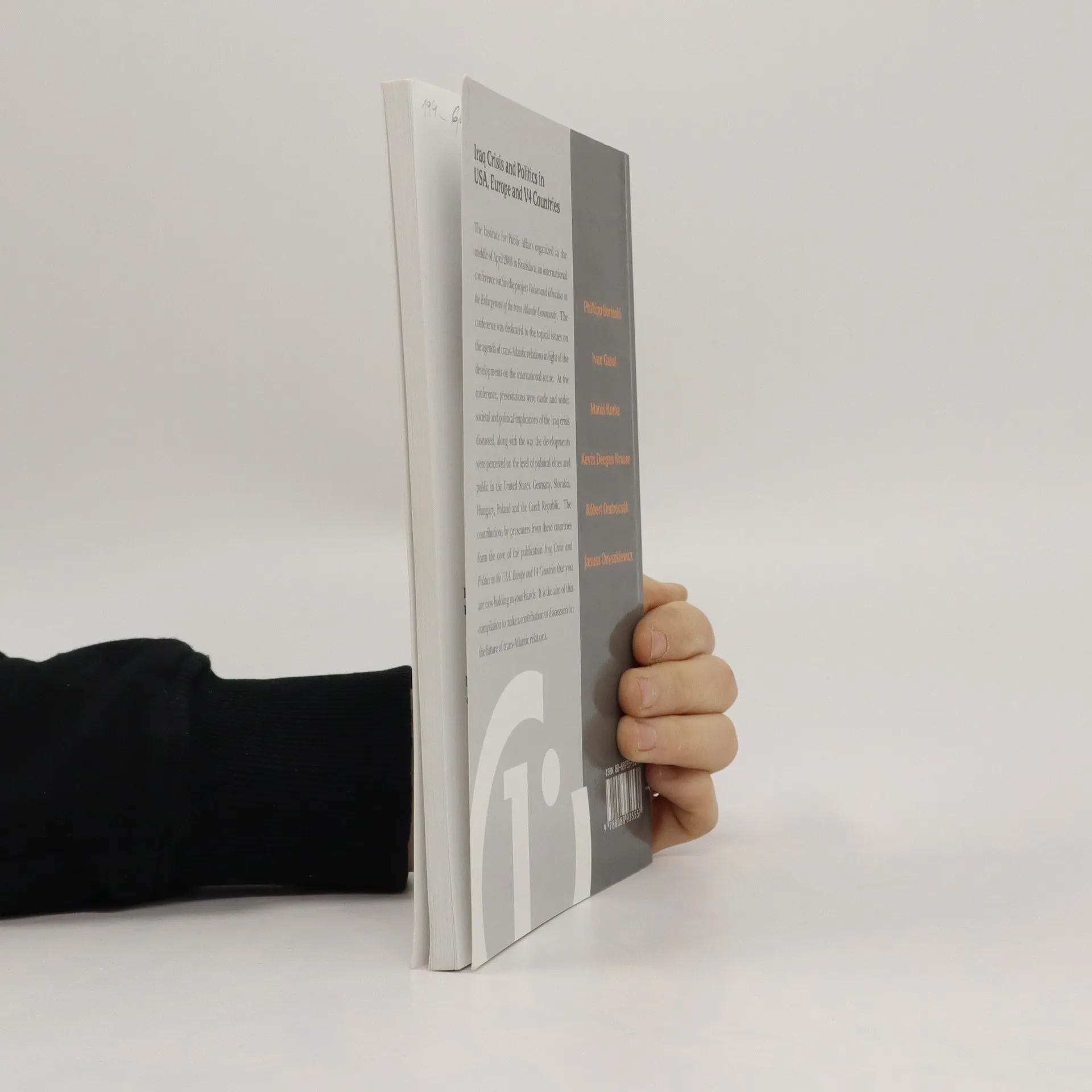
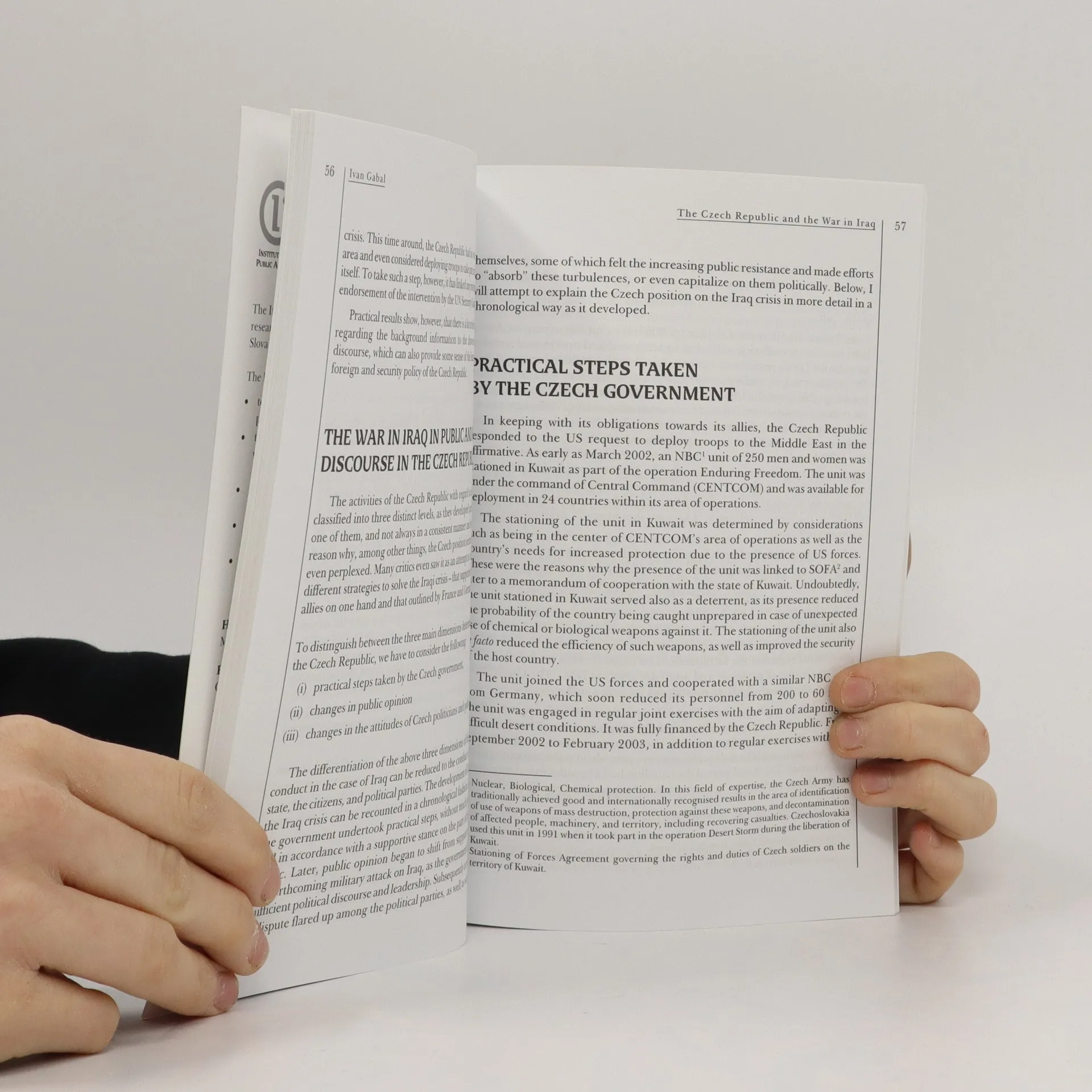
The publication is a unique analysis of the positions of political elites in the United States and the Visegrad Group countries regarding the Iraqi crisis. The authors from Germany, the United States, Slovakia, Poland, and the Czech Republic analyze the developments surrounding the Iraqi crisis at both the highest political levels and public opinion, as well as its impact on transatlantic relations. Phillipp Borinski offers a structured view of the war conflict, while Kevin Deegan Krause examines the positions of key presidential candidates and members of the Bush administration regarding the Iraqi crisis, based on their foreign policy schools and the degree of U.S. engagement in global affairs they advocate. Authors Matúš Korba, Ivan Gabal, Janusz Onyszkiewicz, and Róbert Ondrejcsák reveal the often complex position of the Visegrad Group countries during an unprecedented transatlantic conflict since the Cold War, which they had to defend against criticism from opposition parties. In their chapters, these authors describe the unenviable role of balancing the V4 countries between their interests, which are defined on one hand by the anticipated membership in the European Union and on the other hand by the effort to maintain strong ties with the United States.
Achat du livre
Iraq crisis and politics in USA, Europe and V4 countries, Marek Šťastný, Phillipp Borinski
- Langue

- Année de publication
- 2003
- Reliure
- (souple)
Modes de paiement
Personne n'a encore évalué .
- Titre
- Iraq crisis and politics in USA, Europe and V4 countries
- Langue
- Anglais
- Auteurs
- Marek Šťastný, Phillipp Borinski
- Éditeur
- Inštitút pre verejné otázky
- Publié
- 2003
- Format
- souple
- ISBN10
- 8088935539
- ISBN13
- 9788088935537
- Séries
- Catégories
- Mots clés
- Thème historique
- Description
- The publication is a unique analysis of the positions of political elites in the United States and the Visegrad Group countries regarding the Iraqi crisis. The authors from Germany, the United States, Slovakia, Poland, and the Czech Republic analyze the developments surrounding the Iraqi crisis at both the highest political levels and public opinion, as well as its impact on transatlantic relations. Phillipp Borinski offers a structured view of the war conflict, while Kevin Deegan Krause examines the positions of key presidential candidates and members of the Bush administration regarding the Iraqi crisis, based on their foreign policy schools and the degree of U.S. engagement in global affairs they advocate. Authors Matúš Korba, Ivan Gabal, Janusz Onyszkiewicz, and Róbert Ondrejcsák reveal the often complex position of the Visegrad Group countries during an unprecedented transatlantic conflict since the Cold War, which they had to defend against criticism from opposition parties. In their chapters, these authors describe the unenviable role of balancing the V4 countries between their interests, which are defined on one hand by the anticipated membership in the European Union and on the other hand by the effort to maintain strong ties with the United States.