

En savoir plus sur le livre
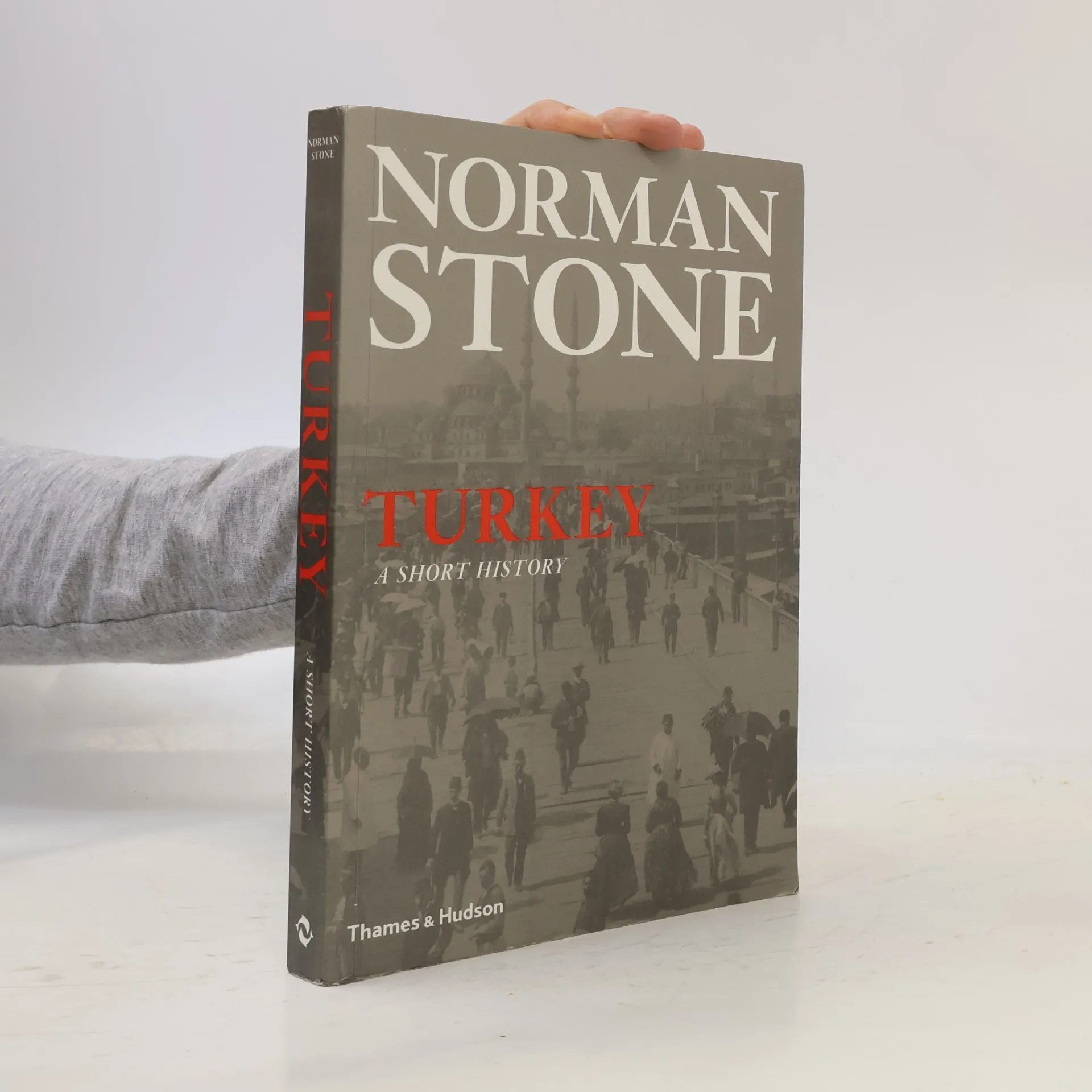
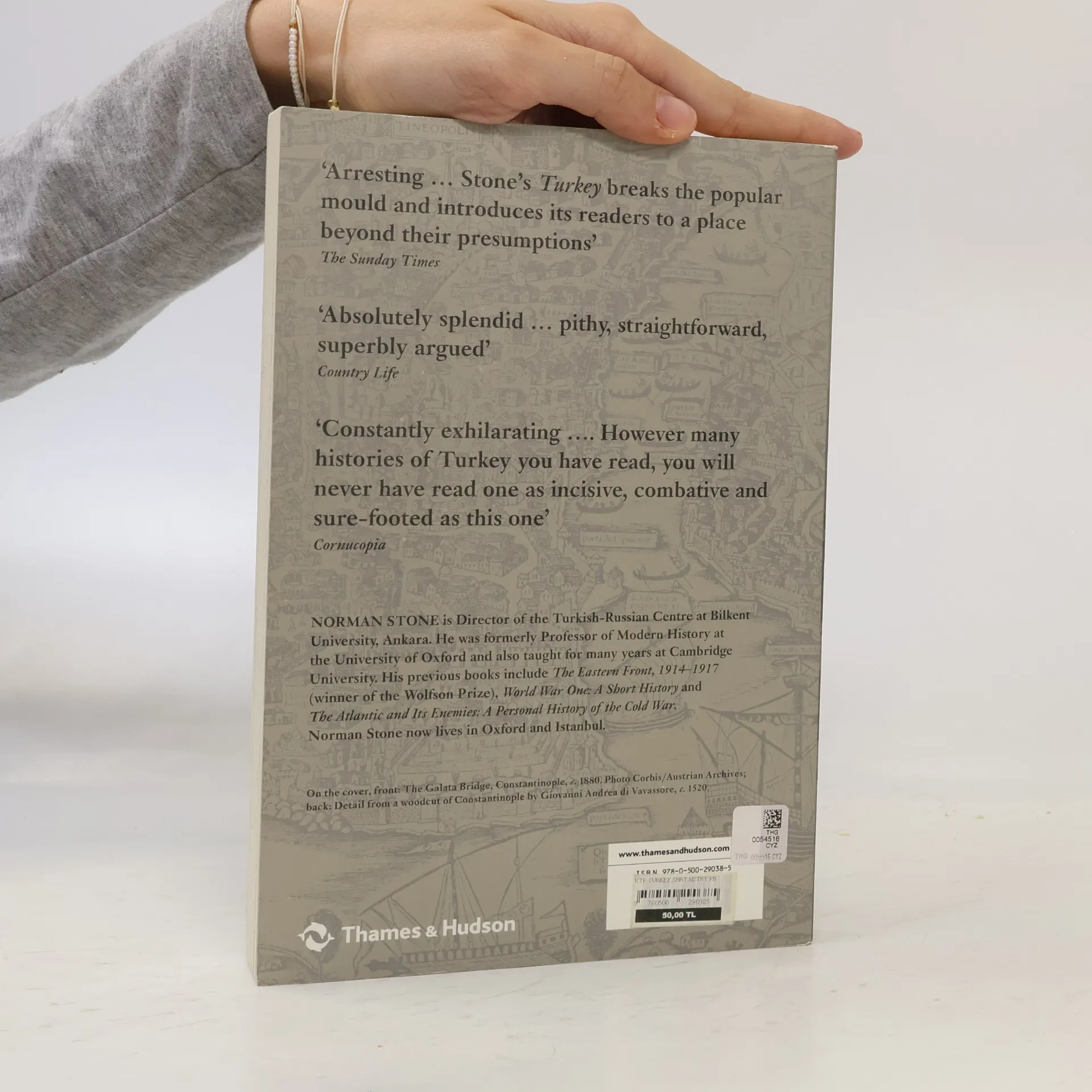
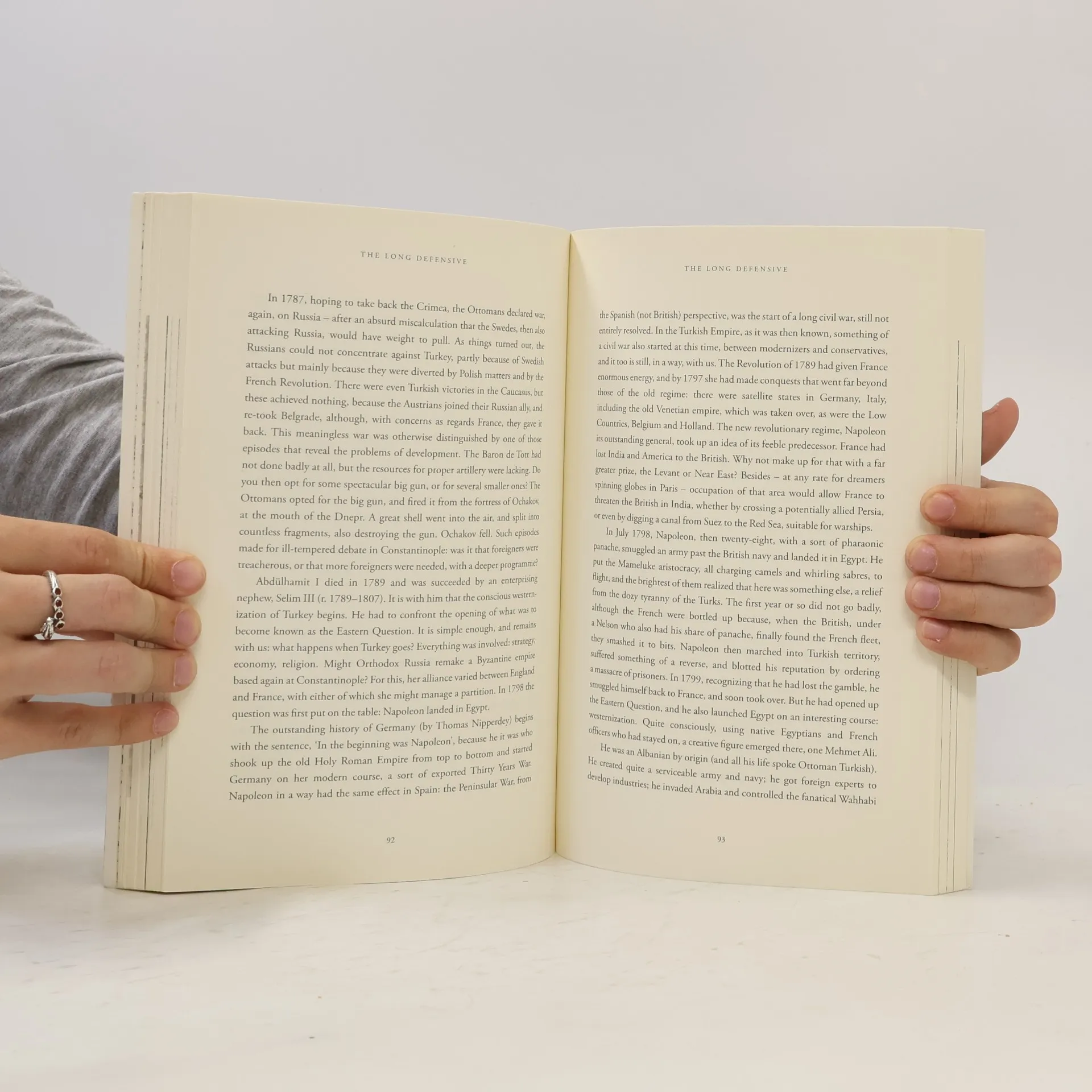
For six hundred years Turkey was at the heart of the Ottoman Empire, a superpower that brought Islam to the gates of Vienna and stretched to North Africa, the Persian Gulf and the river Volga. Stone examines the reasons for the astonishing rise and the long decline of this world empire and how for its last hundred years it became the centre of the Eastern Question, as the Great Powers argued over a regime in its death throes. Then, as now, the position of Turkey--a country balanced between two continents--provoked passionate debate. Norman Stone concludes the book with a trenchant examination of the Turkish republic created in the aftermath of the First World War, where East and West, religion and secularism, tradition and modernization are vibrant and sometimes conflicting elements of national identity.--


Achat du livre
Turkey, Norman Stone
- Langue

- Année de publication
- 2014
- Reliure
- (souple),
- État du livre
- Bon
- Prix
- 1,59 €
Modes de paiement
Il manque plus que ton avis ici.
- Titre
- Turkey
- Sous-titre
- A Short History
- Langue
- Anglais
- Auteurs
- Norman Stone
- Éditeur
- Thames & Hudson
- Publié
- 2014
- Format
- souple
- Pages
- 192
- ISBN10
- 0500290385
- ISBN13
- 9780500290385
- Séries
- Catégories
- Mots clés
- Thème historique, Voyage, Thèmes religieux, 20e siècle, Langue turque
- Évaluation
- 3,45 sur 5
- Description
- For six hundred years Turkey was at the heart of the Ottoman Empire, a superpower that brought Islam to the gates of Vienna and stretched to North Africa, the Persian Gulf and the river Volga. Stone examines the reasons for the astonishing rise and the long decline of this world empire and how for its last hundred years it became the centre of the Eastern Question, as the Great Powers argued over a regime in its death throes. Then, as now, the position of Turkey--a country balanced between two continents--provoked passionate debate. Norman Stone concludes the book with a trenchant examination of the Turkish republic created in the aftermath of the First World War, where East and West, religion and secularism, tradition and modernization are vibrant and sometimes conflicting elements of national identity.--