

En savoir plus sur le livre
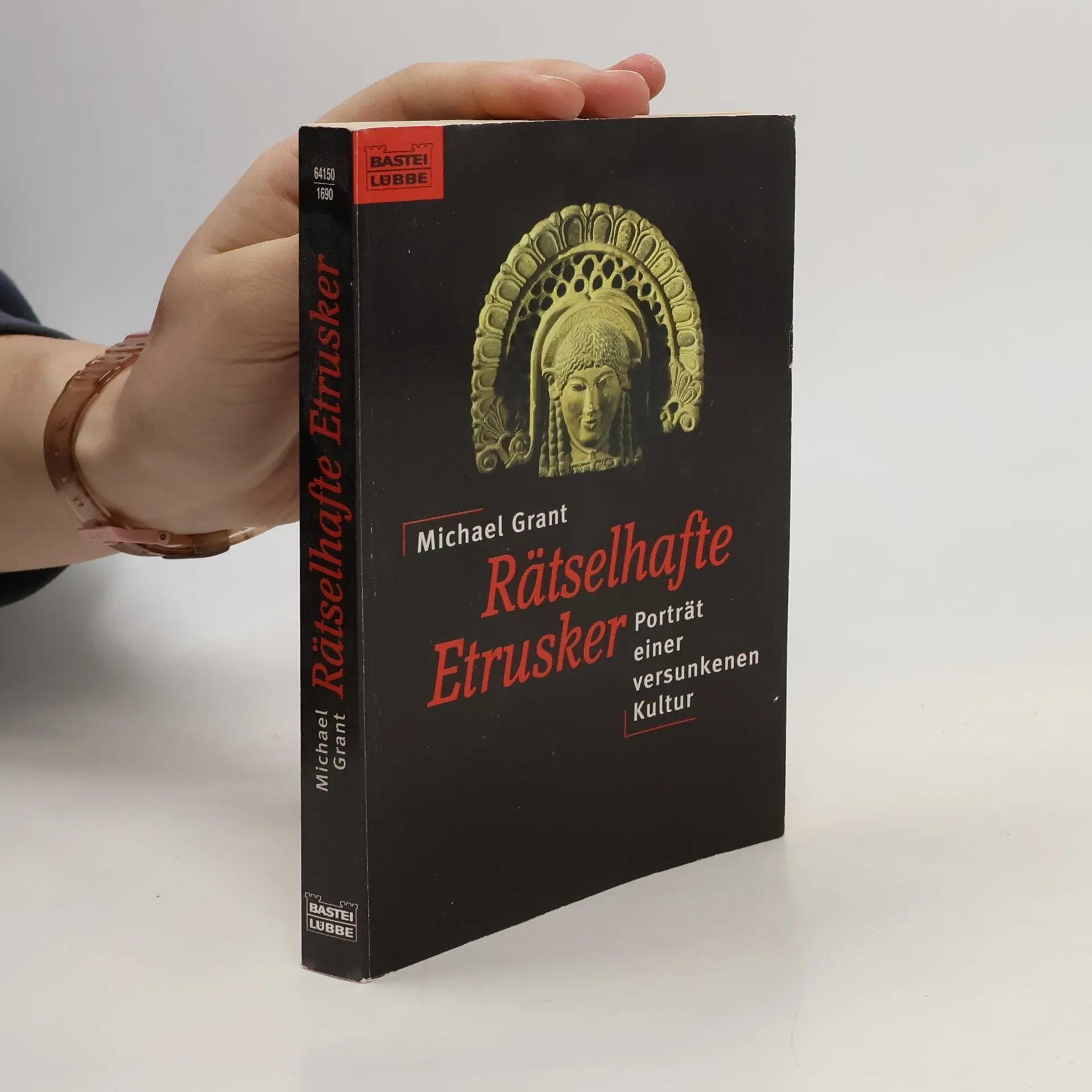
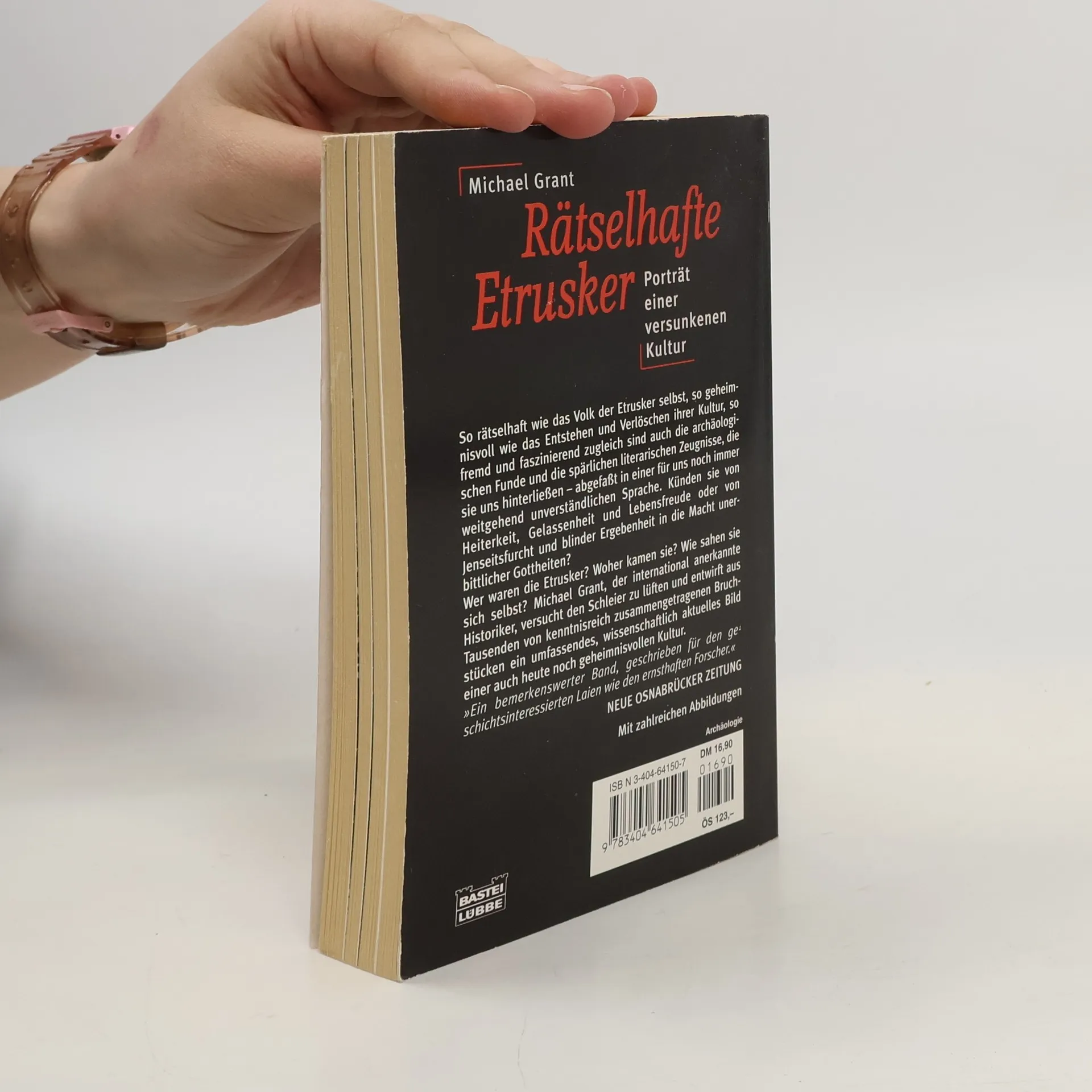
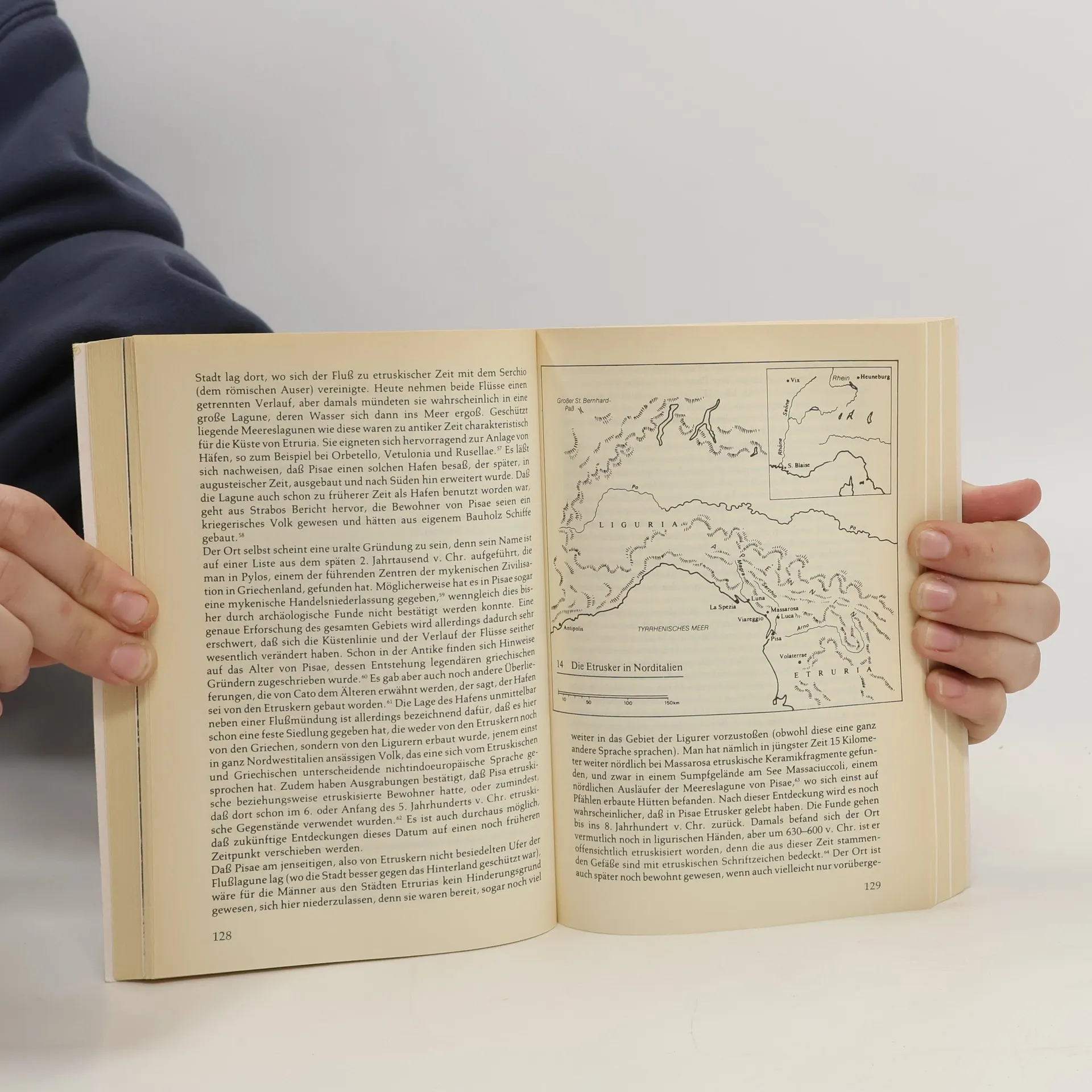
At the height of their achievement, between the eighth and fifth centuries B.C., the Etruscans of west-central Italy, enjoyed a civilization comparable to that of the Greeks or the Romans. But despite the Etruscans’ ready absorption of these cultures and more eastern influences, they attained a true and distinctive originality. Michael Grant takes account of the most recent advances in Etruscology—excavations and research have transformed our knowledge of the Etruscans—and he describes in detail the civiIization’s economic, cultural, and social developments. He considers the controversial question of the Etruscans’ origins and underscores the very marked individualities of their powerful, often mutually hostile, city-states. These differences are reflected in their diverse artistic achievements, as illustrated. In addition, the author demonstrates that Etruscan expansionist activities to the north and south of Italy, whether aggressive or peaceful, were the work of specific Etruscan cities and individuals. With the aid of twenty-four maps, Grant also relates ways of life in different Etruscan cities to the particular features of their geographical settings. Having lived in Tuscany for a number of years, he brings to this study a special warmth and authority.

Achat du livre
Rätselhafte Etrusker, Michael Grant
- Langue

- Année de publication
- 1997
- Reliure
- (souple)
Modes de paiement
Il manque plus que ton avis ici.
- Titre
- Rätselhafte Etrusker
- Langue
- Anglais
- Auteurs
- Michael Grant
- Éditeur
- Lübbe
- Publié
- 1997
- Format
- souple
- Pages
- 336
- ISBN10
- 3404641507
- ISBN13
- 9783404641505
- Séries
- Mots clés
- Thème historique, Europe du Sud, Italie, Époque antique
- Titre original
- The Etruscans
- Évaluation
- 4 sur 5
- Description
- At the height of their achievement, between the eighth and fifth centuries B.C., the Etruscans of west-central Italy, enjoyed a civilization comparable to that of the Greeks or the Romans. But despite the Etruscans’ ready absorption of these cultures and more eastern influences, they attained a true and distinctive originality. Michael Grant takes account of the most recent advances in Etruscology—excavations and research have transformed our knowledge of the Etruscans—and he describes in detail the civiIization’s economic, cultural, and social developments. He considers the controversial question of the Etruscans’ origins and underscores the very marked individualities of their powerful, often mutually hostile, city-states. These differences are reflected in their diverse artistic achievements, as illustrated. In addition, the author demonstrates that Etruscan expansionist activities to the north and south of Italy, whether aggressive or peaceful, were the work of specific Etruscan cities and individuals. With the aid of twenty-four maps, Grant also relates ways of life in different Etruscan cities to the particular features of their geographical settings. Having lived in Tuscany for a number of years, he brings to this study a special warmth and authority.