



Paramètres
- 302pages
- 11 heures de lecture
En savoir plus sur le livre
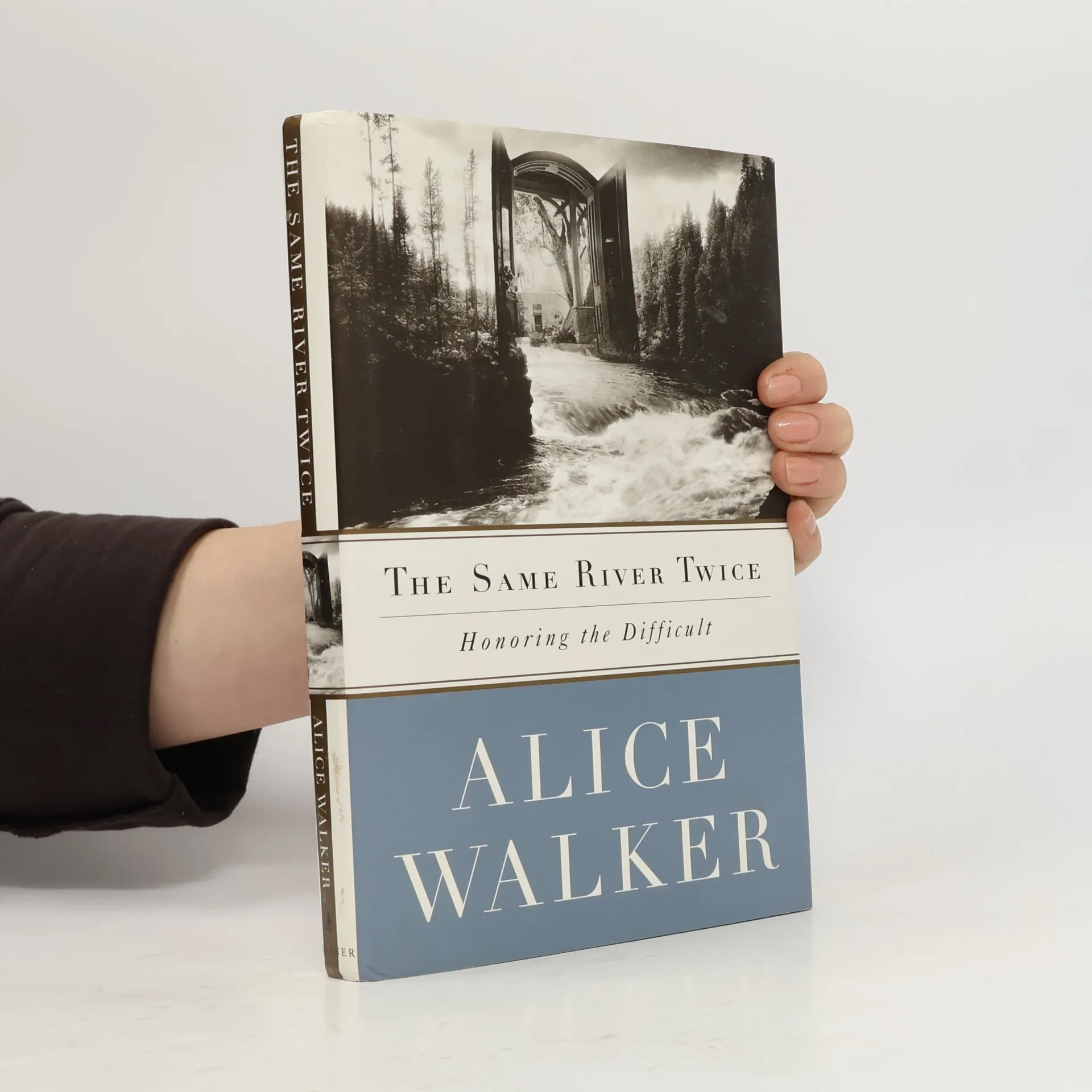
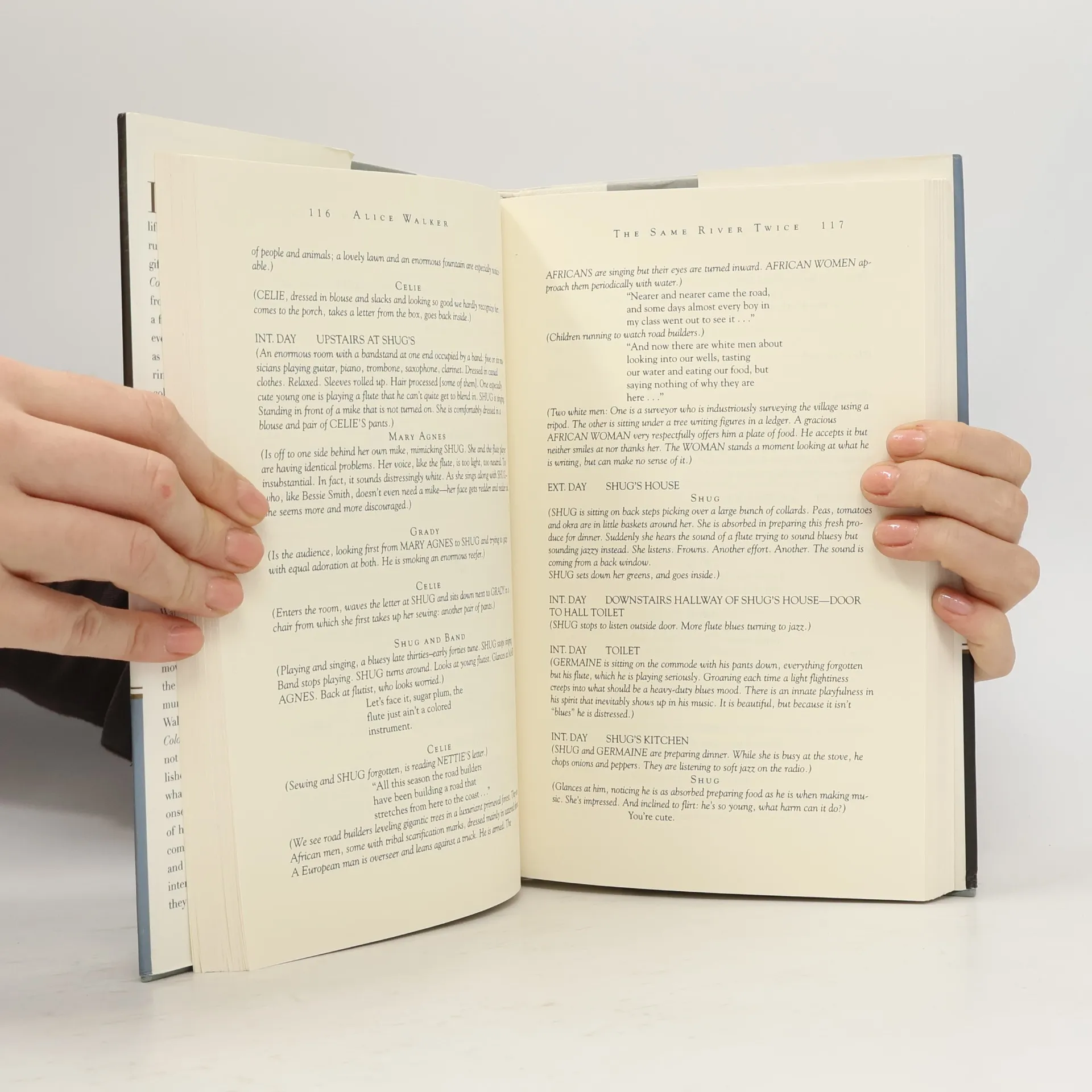
In the early eighties, poet and writer Alice Walker's tranquil life was transformed by three remarkable gifts: a best-selling novel, the Pulitzer Prize, and an offer from Steven Spielberg to adapt her work into a film. This "knock at the door" thrust Walker into an unfamiliar realm of creative collaboration with Spielberg and Quincy Jones, revealing both the enchantment and challenges of filmmaking. The narrative chronicles her transition from reclusive artist to public figure, prompting reflection on the true meaning of extraordinary gifts, particularly when accompanied by harsh criticism and hostility from her community. The book features entries from Walker's journals, correspondence—including letters to Spielberg, Jones, and Danny Glover—and essays that capture the controversy surrounding the film's release within the African-American community. It also includes Walker's original screenplay for The Color Purple, which was ultimately not used. In three new essays, Walker revisits the tumultuous events of that period, including her struggle with illness, her mother's declining health, and a painful betrayal. She explores the interplay between her private and public life during times of intense creativity and stress, questioning how these aspects influence one another.


Achat du livre
The Same River Twice, Alice Walker
- Langue

- Année de publication
- 1996
- Reliure
- (rigide),
- État du livre
- Abîmé
- Prix
- 4,49 €
Modes de paiement
Il manque plus que ton avis ici.
- Titre
- The Same River Twice
- Sous-titre
- Honoring the Difficult
- Langue
- Anglais
- Auteurs
- Alice Walker
- Éditeur
- Scribner
- Publié
- 1996
- Format
- rigide
- Pages
- 302
- ISBN10
- 0684814196
- ISBN13
- 9780684814193
- Séries
- Catégories
- Mots clés
- Femmes
- Évaluation
- 3,5 sur 5
- Description
- In the early eighties, poet and writer Alice Walker's tranquil life was transformed by three remarkable gifts: a best-selling novel, the Pulitzer Prize, and an offer from Steven Spielberg to adapt her work into a film. This "knock at the door" thrust Walker into an unfamiliar realm of creative collaboration with Spielberg and Quincy Jones, revealing both the enchantment and challenges of filmmaking. The narrative chronicles her transition from reclusive artist to public figure, prompting reflection on the true meaning of extraordinary gifts, particularly when accompanied by harsh criticism and hostility from her community. The book features entries from Walker's journals, correspondence—including letters to Spielberg, Jones, and Danny Glover—and essays that capture the controversy surrounding the film's release within the African-American community. It also includes Walker's original screenplay for The Color Purple, which was ultimately not used. In three new essays, Walker revisits the tumultuous events of that period, including her struggle with illness, her mother's declining health, and a painful betrayal. She explores the interplay between her private and public life during times of intense creativity and stress, questioning how these aspects influence one another.