



Paramètres
- 259pages
- 10 heures de lecture
En savoir plus sur le livre
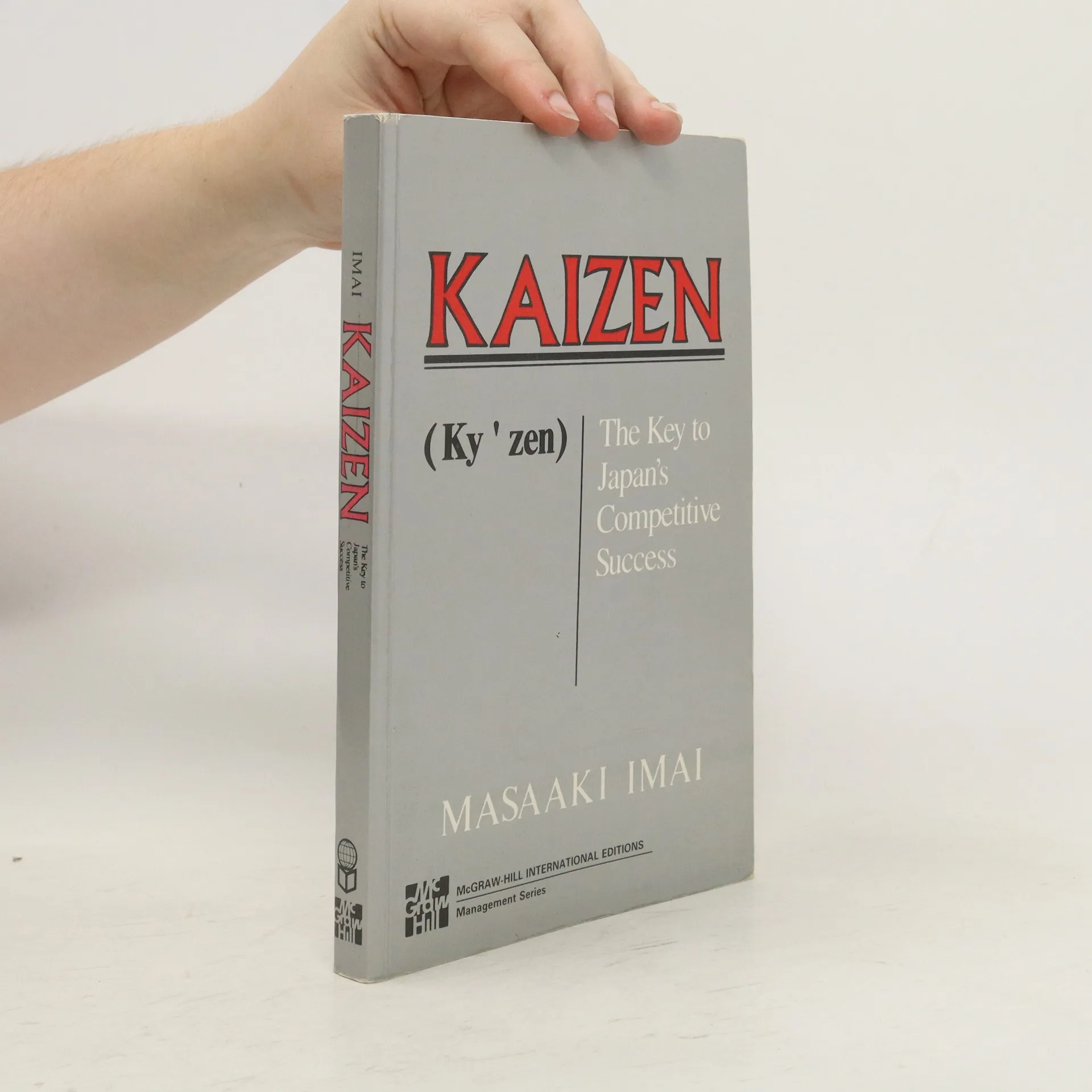
KAIZEN is a practical guide that presents a different perspective on Japanese management. It emphasizes the importance of continuous improvement and challenges the notion of complacency. The core message of KAIZEN is to strive for better processes, higher quality production, and to enhance even areas that may seem satisfactory, as failing to do so risks being outpaced by competitors who embrace change. This comprehensive manual outlines 16 KAIZEN management practices that can be applied in real-world scenarios. It includes over 100 examples, 15 case studies, and 50 charts and illustrations. The author explores the role of KAIZEN in various aspects, including profit planning, customer satisfaction, total quality management programs, innovation systems, small group activities, just-in-time production, system improvements, cross-functional management, the implementation of new practices, quality assurance, supplier relationships, corporate culture, and problem-solving in workforce management.




Achat du livre
Kaizen (Ky'zen), Masaaki Imai
- Langue

- Année de publication
- 1991
Modes de paiement
Il manque plus que ton avis ici.
- Titre
- Kaizen (Ky'zen)
- Langue
- Anglais
- Auteurs
- Masaaki Imai
- Publié
- 1991
- Pages
- 259
- ISBN10
- 0071126473
- ISBN13
- 9780071126472
- Séries
- Mots clés
- Nonfiction, Commerce, Affaires & Gestion, Gestion & Ressources humaines, Japon, Leadership, Amélioration de la production, kaizen
- Première publication
- 1986
- Titre original
- Kaizen, the key to Japan’s competitive success
- Évaluation
- 4,05 sur 5
- Description
- KAIZEN is a practical guide that presents a different perspective on Japanese management. It emphasizes the importance of continuous improvement and challenges the notion of complacency. The core message of KAIZEN is to strive for better processes, higher quality production, and to enhance even areas that may seem satisfactory, as failing to do so risks being outpaced by competitors who embrace change. This comprehensive manual outlines 16 KAIZEN management practices that can be applied in real-world scenarios. It includes over 100 examples, 15 case studies, and 50 charts and illustrations. The author explores the role of KAIZEN in various aspects, including profit planning, customer satisfaction, total quality management programs, innovation systems, small group activities, just-in-time production, system improvements, cross-functional management, the implementation of new practices, quality assurance, supplier relationships, corporate culture, and problem-solving in workforce management.