



En savoir plus sur le livre
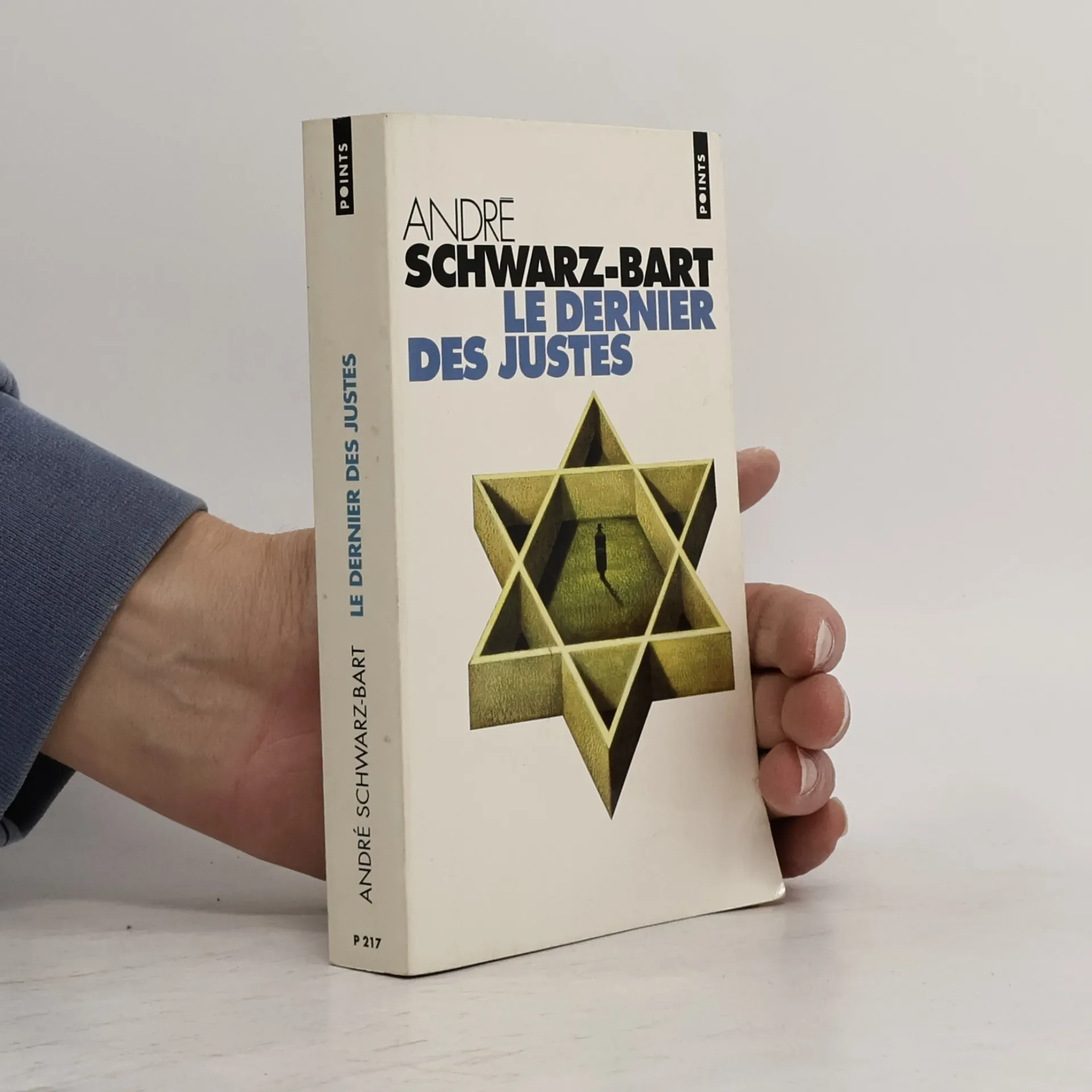
In every generation, Jewish tradition holds that thirty-six "just men" bear the world's suffering. This powerful novel recounts the life of Ernie Levy, the last of the just, who perished at Auschwitz in 1943. Written by a largely self-educated young man, the book became an immediate literary sensation upon its release, praised by French critics as a "great novel" and one of the most significant works of its time. The public's response was overwhelming, with sales surpassing 400,000 copies in France within five months. The jury for the Prix Goncourt even expedited their award process to ensure this remarkable work received the recognition it deserved. The narrative, a poignant exploration of Jewish suffering, martyrdom, and transformation, spans from a twelfth-century pogrom to a gas chamber, captivating readers with its narrative strength, warmth, simplicity, humor, and deep understanding of humanity. Often described as an epic, the book's translation into various languages suggests it may achieve lasting significance. Like other renowned works such as The Wall and The Diary of Anne Frank, this novel is poised to be read, discussed, and remembered by many for years to come.




Achat du livre
Points: Le Dernier des justes, André Schwarz-Bart
- Langue

- Année de publication
- 1996
- Reliure
- (souple),
- État du livre
- Bon
- Prix
- 6,09 €
Modes de paiement
Il manque plus que ton avis ici.
- Titre
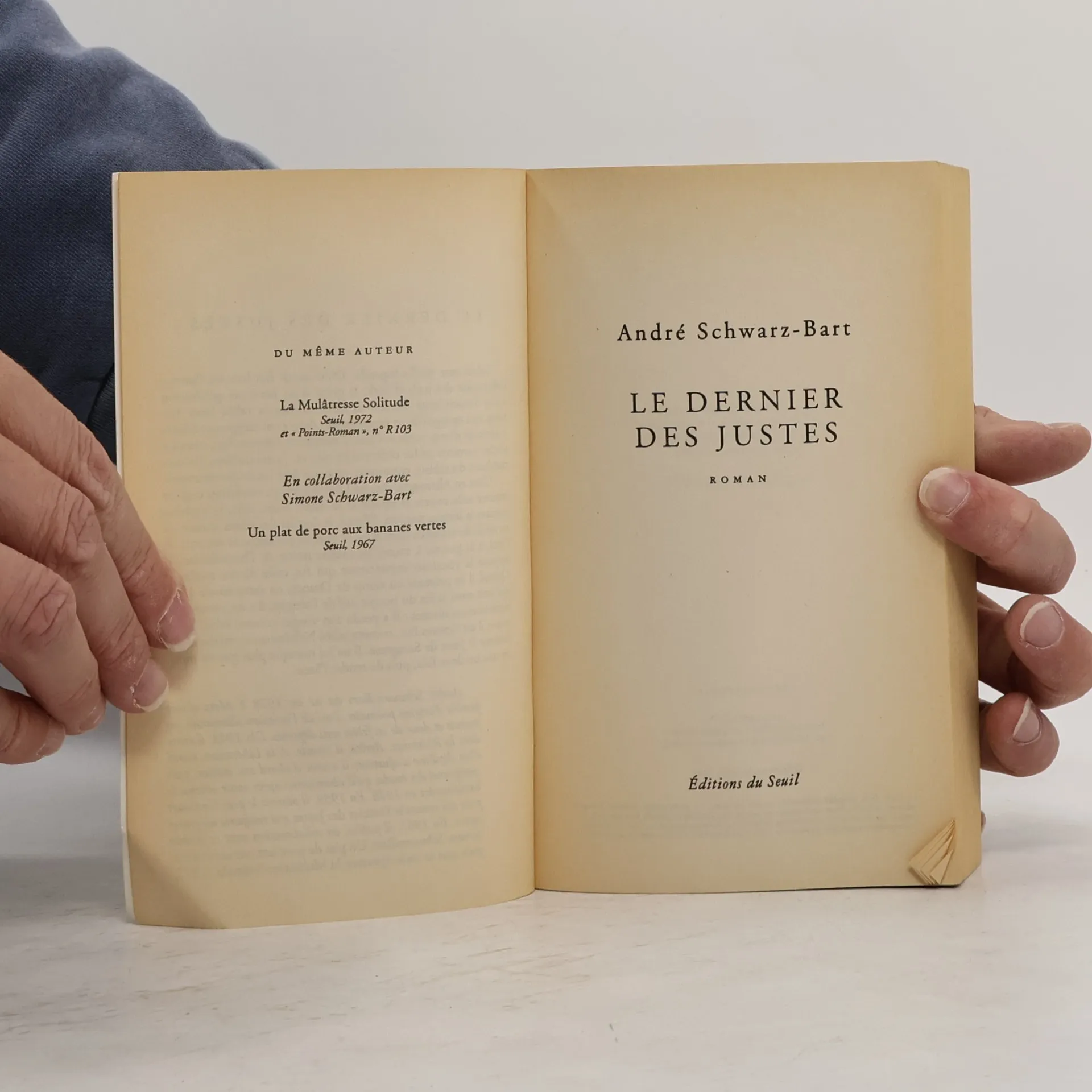
- Points: Le Dernier des justes
- Langue
- Français
- Auteurs
- André Schwarz-Bart
- Éditeur
- POINTS
- Publié
- 1996
- Format
- souple
- Pages
- 432
- ISBN10
- 202028314X
- ISBN13
- 9782020283144
- Séries
- Mots clés
- France, Littérature française, Juifs, Holocauste, Littérature juive, Prix Goncourt
- Première publication
- 1959
- Titre original
- Le Dernier des Justes
- Évaluation
- 4,35 sur 5
- Description
- In every generation, Jewish tradition holds that thirty-six "just men" bear the world's suffering. This powerful novel recounts the life of Ernie Levy, the last of the just, who perished at Auschwitz in 1943. Written by a largely self-educated young man, the book became an immediate literary sensation upon its release, praised by French critics as a "great novel" and one of the most significant works of its time. The public's response was overwhelming, with sales surpassing 400,000 copies in France within five months. The jury for the Prix Goncourt even expedited their award process to ensure this remarkable work received the recognition it deserved. The narrative, a poignant exploration of Jewish suffering, martyrdom, and transformation, spans from a twelfth-century pogrom to a gas chamber, captivating readers with its narrative strength, warmth, simplicity, humor, and deep understanding of humanity. Often described as an epic, the book's translation into various languages suggests it may achieve lasting significance. Like other renowned works such as The Wall and The Diary of Anne Frank, this novel is poised to be read, discussed, and remembered by many for years to come.