

En savoir plus sur le livre
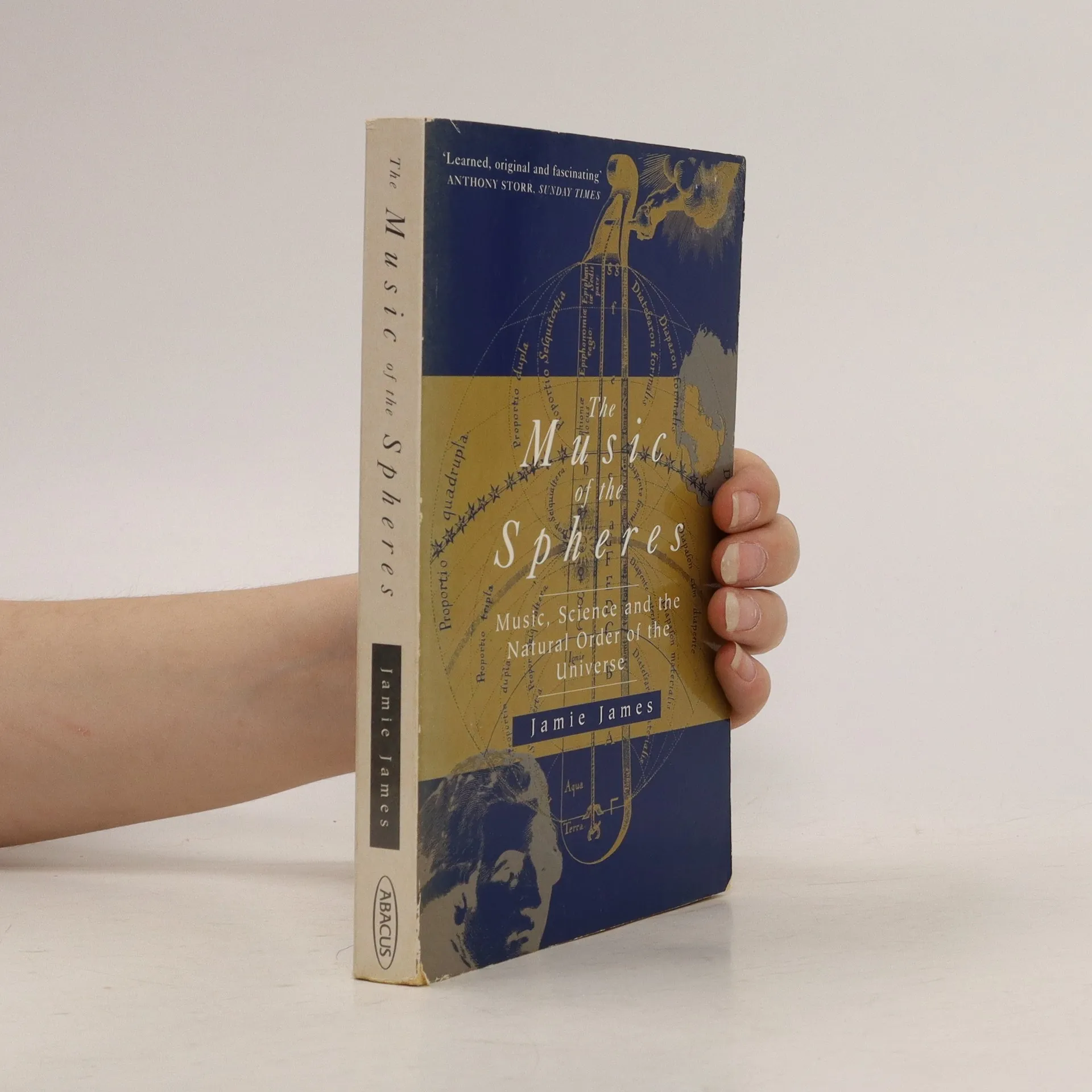
From the 5th century BC, when Pythagoras first composed his laws of Western music and science, until the flowering of Romanticism over 2000 years later, scientists and philosophers perceived the cosmos musically, as an ordered mechanism whose smooth operation created a celestial harmony - the music of the spheres. The separation of science and music began with the scientific revolution during the Renaissance, and reached a peak with Romanticism, which celebrated what was human, individual and local. 20th-century science and music, argues Jamie James in this book, have rejected the Romantic ideal and placed the ultimate focus outside the reach of human reason once again. The book provides a survey of the history of science and music, a reassessment of Romanticism and the modernist reaction to it, and a radical intellectual journey.


Achat du livre
The Music of the Spheres, Jamie James
- Langue

- Année de publication
- 1995
- product-detail.submit-box.info.binding
- (souple)
Modes de paiement
Il manque plus que ton avis ici.
- Langue
- Anglais
- Auteurs
- Jamie James
- Éditeur
- Little Brown
- Publié
- 1995
- Format
- souple
- Pages
- 262
- ISBN10
- 0349105421
- ISBN13
- 9780349105420
- Séries
- Mots clés
- Nonfiction, Art / Culture, Thème historique, Histoire, La nature, Art, Thématique musicale, Musique, Science, Recherche
- Évaluation
- 3,85 sur 5
- Description
- From the 5th century BC, when Pythagoras first composed his laws of Western music and science, until the flowering of Romanticism over 2000 years later, scientists and philosophers perceived the cosmos musically, as an ordered mechanism whose smooth operation created a celestial harmony - the music of the spheres. The separation of science and music began with the scientific revolution during the Renaissance, and reached a peak with Romanticism, which celebrated what was human, individual and local. 20th-century science and music, argues Jamie James in this book, have rejected the Romantic ideal and placed the ultimate focus outside the reach of human reason once again. The book provides a survey of the history of science and music, a reassessment of Romanticism and the modernist reaction to it, and a radical intellectual journey.