

Paramètres
- 286pages
- 11 heures de lecture
En savoir plus sur le livre
Since Nelson Mandela's release from prison in 1990 after twenty-seven years, South Africa has experienced a profound transformation. The apartheid system was dismantled, ending laws that enforced racial segregation and reuniting a nation previously divided into prosperous areas for whites and desolate regions for blacks. The oppressive security forces that had tortured and harassed people of color were also disbanded. However, the challenge remained: how could this beautiful country confront its painful past and foster reconciliation among its divided people? To initiate healing, Mandela established the Truth and Reconciliation Commission in 1995, led by Archbishop Desmond Tutu. This commission undertook the monumental task of hearing testimonies from both victims and perpetrators of apartheid, offering amnesty to those who confessed their crimes. Antjie Krog, a South African journalist and poet, chronicles this pivotal period, sharing gripping personal stories from victims and notable figures, including Winnie Mandela and former president P. W. Botha. Her narrative captures the complexity of the commission's work, revealing traumatic and vivid accounts that engage readers in a mosaic of insights. Krog's compelling prose offers a profound literary exploration of a nation striving for healing and transformation.





Achat du livre
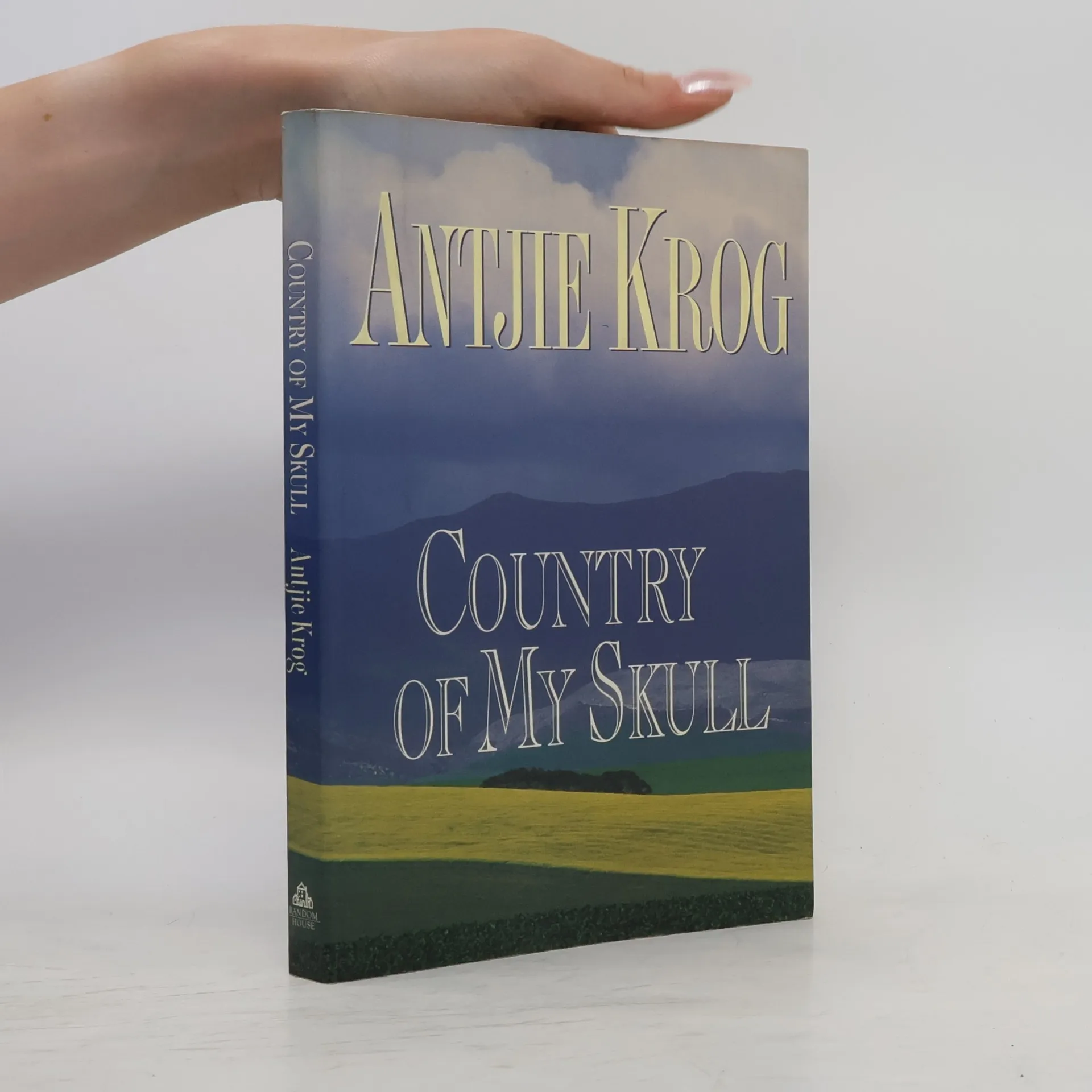
Country of My Skull, Antjie Krog
- Langue

- Année de publication
- 1998
- Reliure
- (souple)
Modes de paiement
Il manque plus que ton avis ici.
- Titre
- Country of My Skull
- Langue
- Anglais
- Auteurs
- Antjie Krog
- Éditeur
- Random House Trade
- Publié
- 1998
- Format
- souple
- Pages
- 286
- ISBN10
- 0958419515
- ISBN13
- 9780958419512
- Séries
- Catégories
- Mots clés
- Thème historique, Politique, Afrique, République d'Afrique du Sud
- Évaluation
- 4,1 sur 5
- Description
- Since Nelson Mandela's release from prison in 1990 after twenty-seven years, South Africa has experienced a profound transformation. The apartheid system was dismantled, ending laws that enforced racial segregation and reuniting a nation previously divided into prosperous areas for whites and desolate regions for blacks. The oppressive security forces that had tortured and harassed people of color were also disbanded. However, the challenge remained: how could this beautiful country confront its painful past and foster reconciliation among its divided people? To initiate healing, Mandela established the Truth and Reconciliation Commission in 1995, led by Archbishop Desmond Tutu. This commission undertook the monumental task of hearing testimonies from both victims and perpetrators of apartheid, offering amnesty to those who confessed their crimes. Antjie Krog, a South African journalist and poet, chronicles this pivotal period, sharing gripping personal stories from victims and notable figures, including Winnie Mandela and former president P. W. Botha. Her narrative captures the complexity of the commission's work, revealing traumatic and vivid accounts that engage readers in a mosaic of insights. Krog's compelling prose offers a profound literary exploration of a nation striving for healing and transformation.