

Épuisé, mais très demandé!

En savoir plus sur le livre
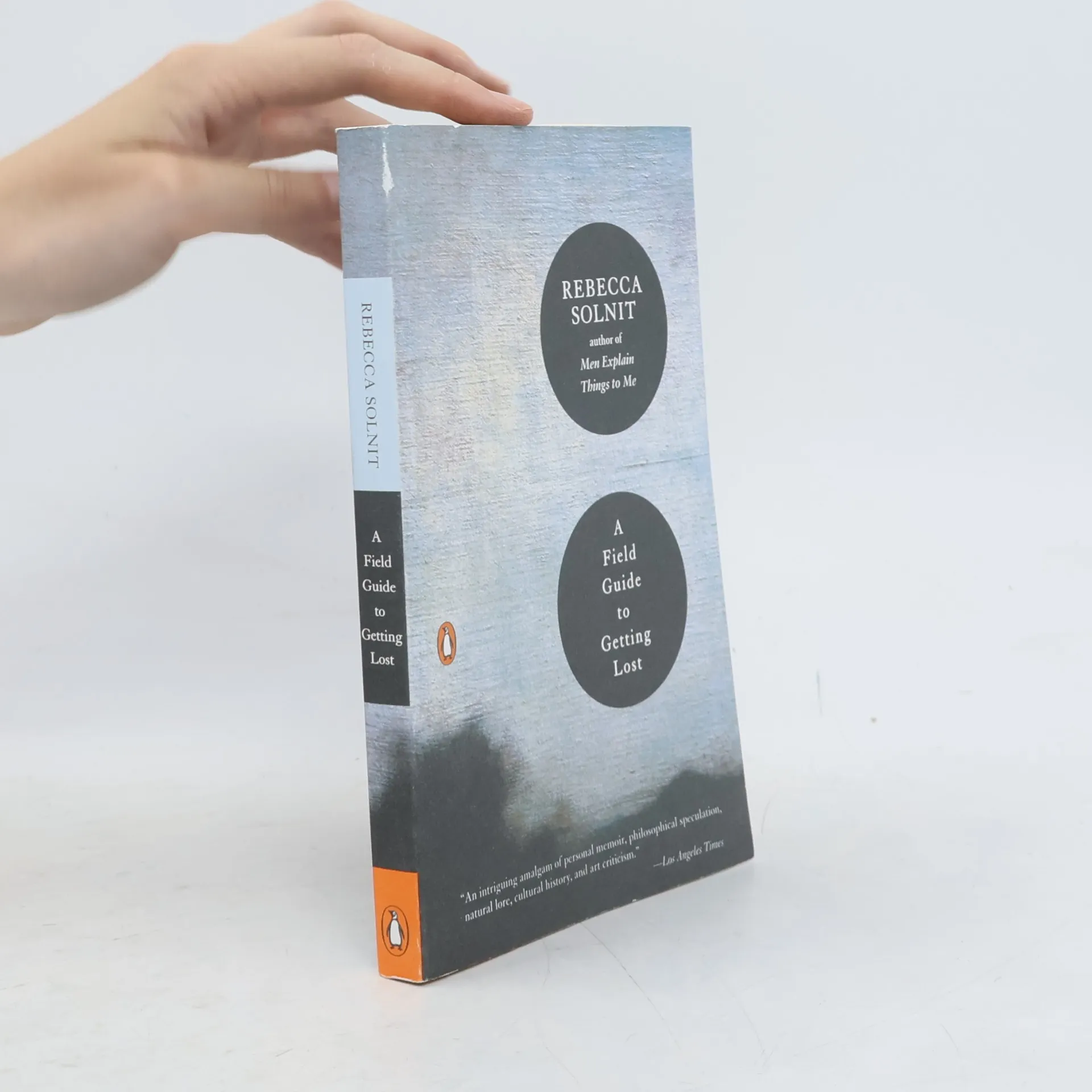
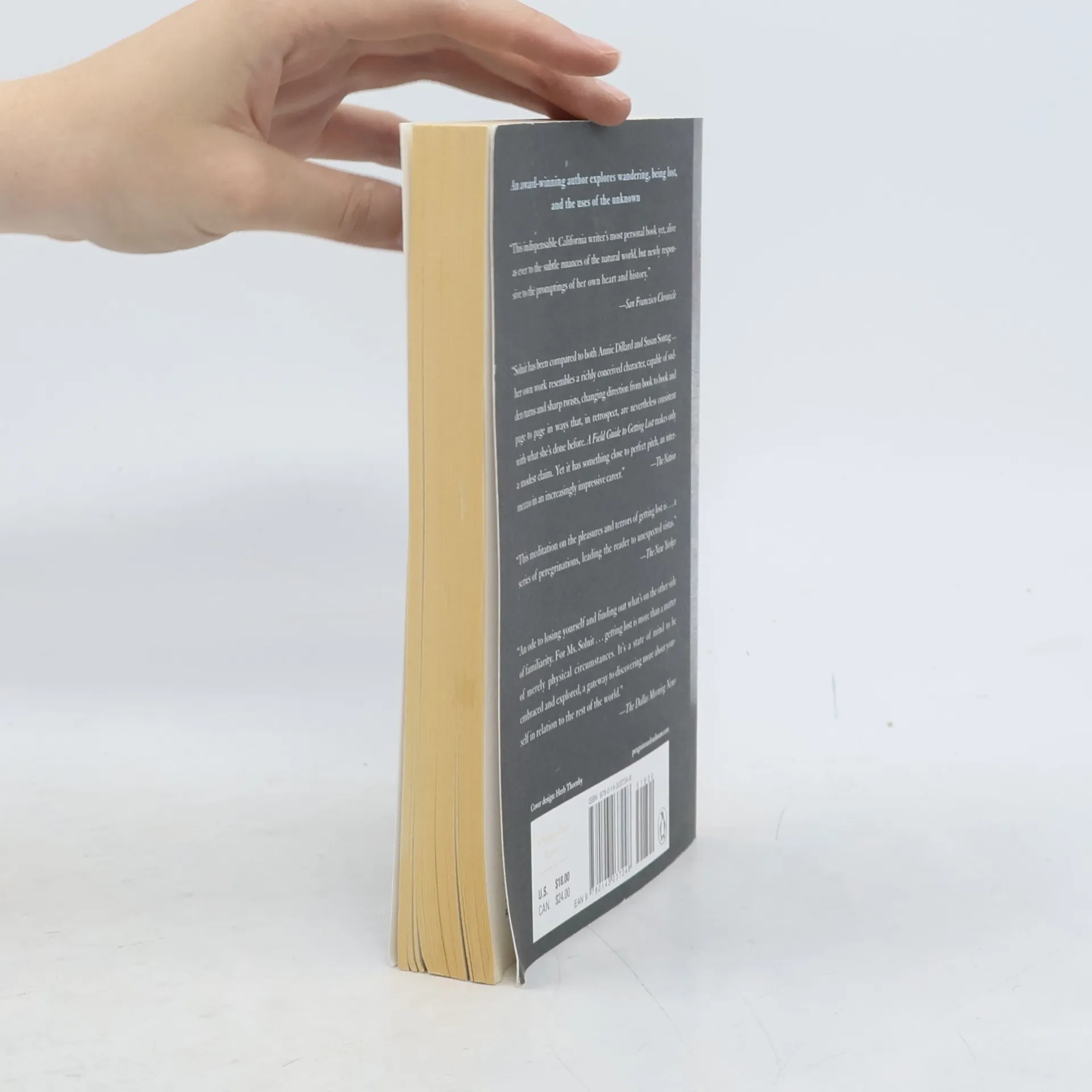
Whether she is contemplating the history of walking as a cultural and political experience over the past two hundred years (Wanderlust), or using the life of photographer Eadweard Muybridge as a lens to discuss the transformations of space and time in late nineteenth-century America (River of Shadows), Rebecca Solnit has emerged as an inventive and original writer whose mind is daring in the connections it makes. A Field Guide to Getting Lost draws on emblematic moments and relationships in Solnit's own life to explore the issues of wandering, being lost, and the uses of the unknown. The result is a distinctive, stimulating, and poignant voyage of discovery.




Achat du livre
A Field Guide to Getting Lost, Rebecca Solnit
- Langue

- Année de publication
- 2006
- Reliure
- (souple)
Nous vous informerons par e-mail dès que nous l’aurons retrouvé.
Modes de paiement
Il manque plus que ton avis ici.
- Langue
- Anglais
- Auteurs
- Rebecca Solnit
- Éditeur
- Penguin Books
- Publié
- 2006
- Format
- souple
- Pages
- 209
- ISBN10
- 0143037242
- ISBN13
- 9780143037248
- Séries
- Mots clés
- Nonfiction, Sciences sociales, Thème historique, Histoire, Cartes et voyages, Histoires vraies, Biographies, La nature, Voyage, Thématique philosophique, Philosophie, Autobiographies et mémoires, Guides touristiques, Presse d'opinion & Essais
- Première publication
- 2005
- Titre original
- A Field Guide to Getting Lost
- Évaluation
- 3,95 sur 5
- Description
- Whether she is contemplating the history of walking as a cultural and political experience over the past two hundred years (Wanderlust), or using the life of photographer Eadweard Muybridge as a lens to discuss the transformations of space and time in late nineteenth-century America (River of Shadows), Rebecca Solnit has emerged as an inventive and original writer whose mind is daring in the connections it makes. A Field Guide to Getting Lost draws on emblematic moments and relationships in Solnit's own life to explore the issues of wandering, being lost, and the uses of the unknown. The result is a distinctive, stimulating, and poignant voyage of discovery.