

En savoir plus sur le livre
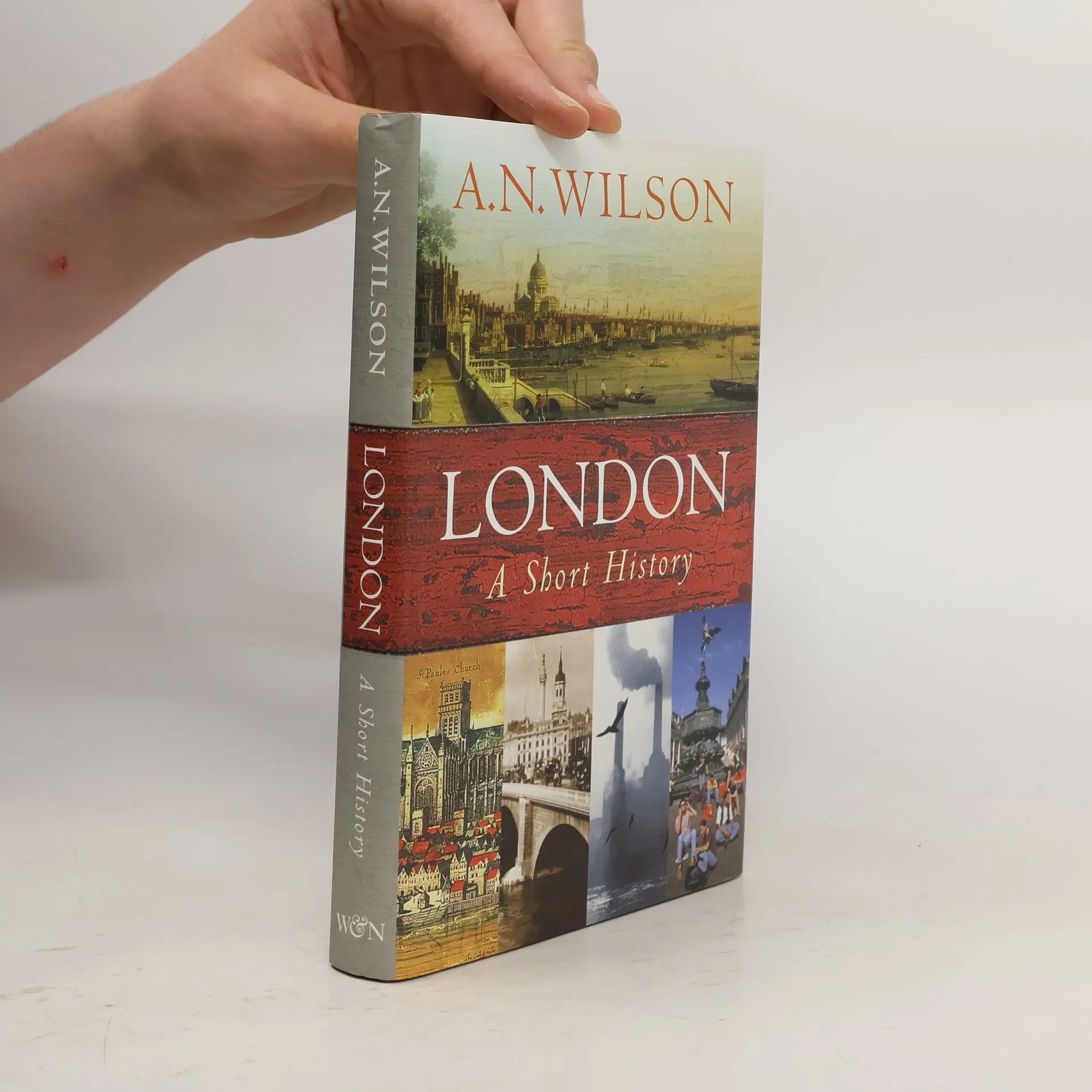
The structure of the book is chronological, with digressions. From Roman and then Norman London, we move on to Chaucer's London - the city of the Peasants Revolt, Dick Whittington and the great Livery Companies. In Tudor and Stuart London many believed the city was being wrecked by over-population, over-building and the greed of speculators. Eighteenth-century London witnessed the South Sea Bubble, gin, highwaymen and the Gordon riots; but also banking, hospitals, and the elegant design of everyday things. In the nineteenth century, expanding vigorously, the city resisted any overall make-over. With Queen Victoria came the Railway Age, which made and unmade the city. Chartism, anti-semitism, overcrowding and cholera. But engineering triumphs too. If the First World War was a nightmare happening elsewhere, the amazing six years of 1939-45 were the city's finest hour. Post-1945, property developers took over, with disastrous results. The author celebrates the cosmopolitan city that mobility and immigration have created, while deploring the `moronization' of the city, exemplified by the Millennium Dome and Ken Livingstone's 2002 London Plan.


Achat du livre
London, Wison
- Langue

- Année de publication
- 2004
- Reliure
- (rigide)
Modes de paiement
Il manque plus que ton avis ici.
- Titre
- London
- Langue
- Anglais
- Auteurs
- Wison
- Publié
- 2004
- Format
- rigide
- Pages
- 166
- ISBN10
- 0297607154
- ISBN13
- 9780297607151
- Séries
- Mots clés
- Nonfiction, Sciences sociales, Thème historique, Histoire, Cartes et voyages, Voyage, Sciences politiques & Politique, Politique, Littérature britannique, Villes
- Évaluation
- 3,25 sur 5
- Description
- The structure of the book is chronological, with digressions. From Roman and then Norman London, we move on to Chaucer's London - the city of the Peasants Revolt, Dick Whittington and the great Livery Companies. In Tudor and Stuart London many believed the city was being wrecked by over-population, over-building and the greed of speculators. Eighteenth-century London witnessed the South Sea Bubble, gin, highwaymen and the Gordon riots; but also banking, hospitals, and the elegant design of everyday things. In the nineteenth century, expanding vigorously, the city resisted any overall make-over. With Queen Victoria came the Railway Age, which made and unmade the city. Chartism, anti-semitism, overcrowding and cholera. But engineering triumphs too. If the First World War was a nightmare happening elsewhere, the amazing six years of 1939-45 were the city's finest hour. Post-1945, property developers took over, with disastrous results. The author celebrates the cosmopolitan city that mobility and immigration have created, while deploring the `moronization' of the city, exemplified by the Millennium Dome and Ken Livingstone's 2002 London Plan.