

En savoir plus sur le livre
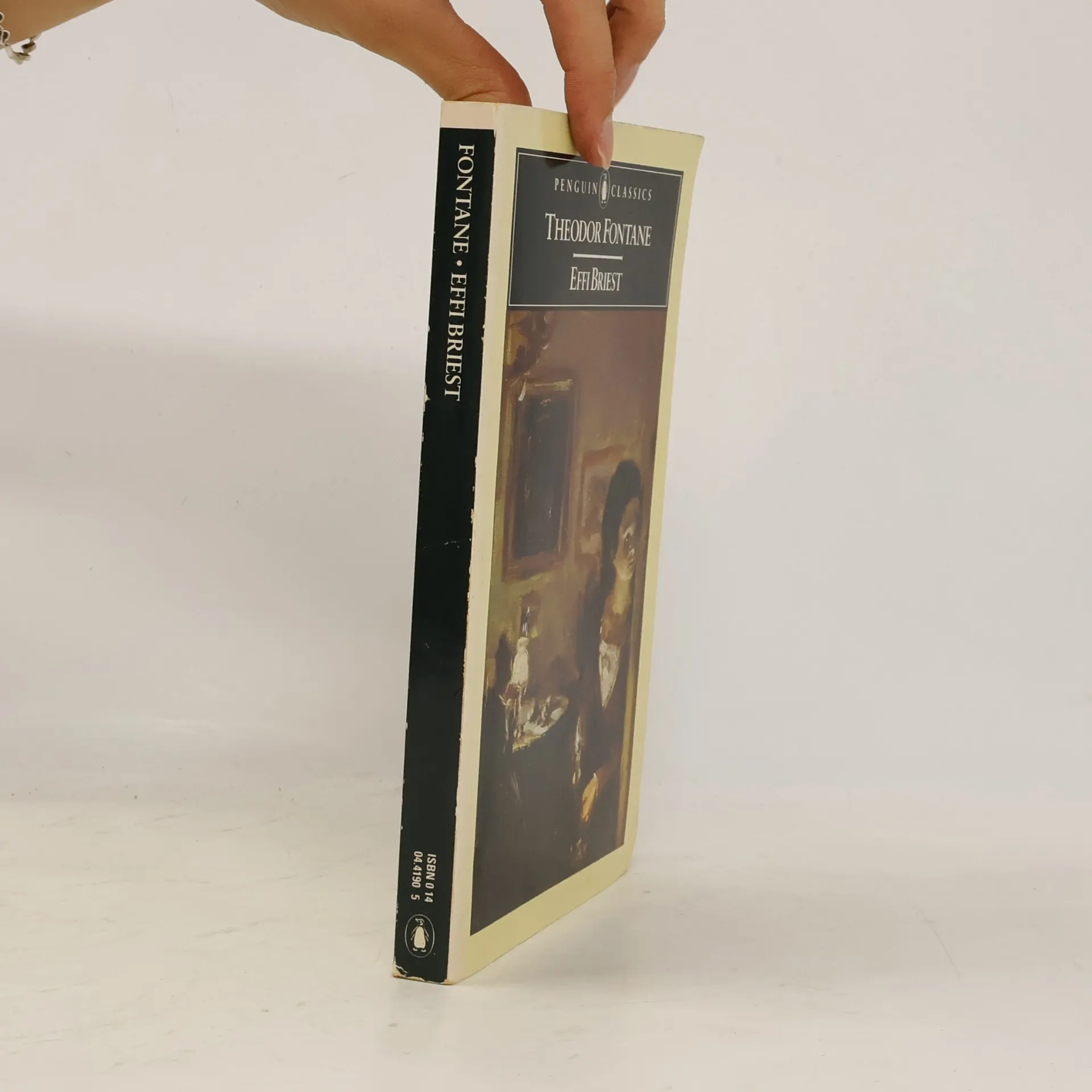
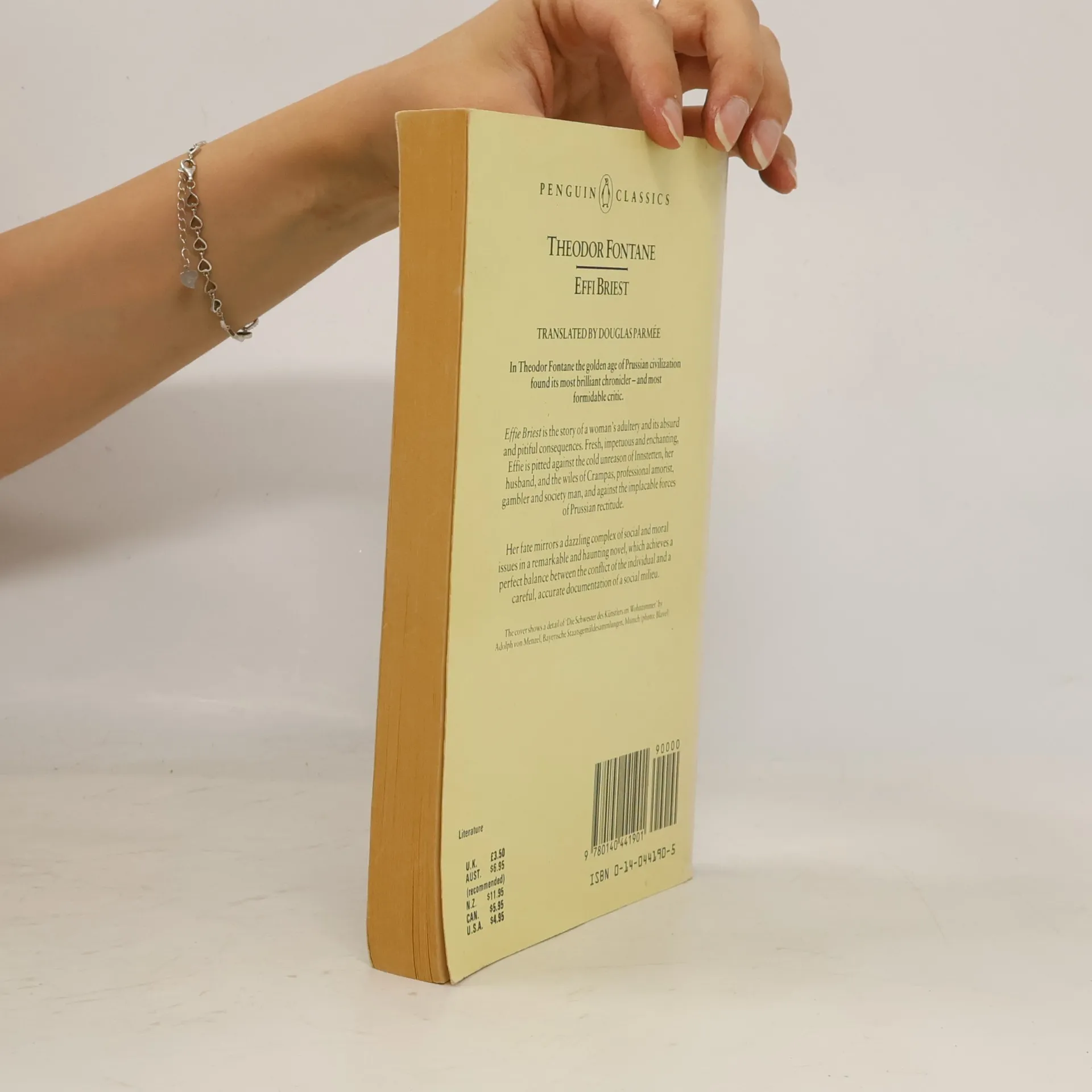
Telling the tragic tale of a socially advantageous but emotionally ruinous match, Theodor Fontane's novel, translated by Hugh Rorrison with an introduction by Helen Chambers, explores the life of young Effi Briest. Married to the austere and ambitious Baron von Innstetten, who is twice her age, Effi feels isolated and bored. Seeking comfort, she engages in a brief affair with the married Major Crampas, whose dangerous reputation intrigues her. Years later, as Effi has nearly forgotten her indiscretion, the secret resurfaces, leading to devastating consequences. Fontane's taut, ironic prose reveals a world where the joys of life and sexuality are suppressed by societal pretenses and obligations. This humane, unsentimental portrayal captures a young woman's struggle between her roles as a wife and mother and her own desires. Rorrison's modern translation is complemented by Chambers' introduction, which draws parallels between Effi and other literary heroines like Emma Bovary and Anna Karenina. Fontane (1819-98) is also known for his critique of middle-class hypocrisy in works such as Frau Jenny Treibel. Readers who appreciate this novel may also find resonance in Tolstoy's Anna Karenina. Hermione Lee from the Sunday Times reflects on the haunting quality of the narrative, suggesting its emotional depth.






Achat du livre
Effi Briest, Theodor Fontane, Douglas Parmée
- Langue

- Année de publication
- 1985
- Reliure
- (souple),
- État du livre
- Bon
- Prix
- 5,19 €
Modes de paiement
Il manque plus que ton avis ici.
- Titre
- Effi Briest
- Langue
- Anglais
- Auteurs
- Theodor Fontane, Douglas Parmée
- Éditeur
- Penguin Books Ltd
- Publié
- 1985
- Format
- souple
- Pages
- 272
- ISBN10
- 0140441905
- ISBN13
- 9780140441901
- Séries
- Mots clés
- Fiction, Thème historique, Poésie, Thématique philosophique, Amour, Littérature allemande, Classiques, Allemagne, 19e siècle
- Première publication
- 1872
- Titre original
- Бесы
- Évaluation
- 3,05 sur 5
- Description
- Telling the tragic tale of a socially advantageous but emotionally ruinous match, Theodor Fontane's novel, translated by Hugh Rorrison with an introduction by Helen Chambers, explores the life of young Effi Briest. Married to the austere and ambitious Baron von Innstetten, who is twice her age, Effi feels isolated and bored. Seeking comfort, she engages in a brief affair with the married Major Crampas, whose dangerous reputation intrigues her. Years later, as Effi has nearly forgotten her indiscretion, the secret resurfaces, leading to devastating consequences. Fontane's taut, ironic prose reveals a world where the joys of life and sexuality are suppressed by societal pretenses and obligations. This humane, unsentimental portrayal captures a young woman's struggle between her roles as a wife and mother and her own desires. Rorrison's modern translation is complemented by Chambers' introduction, which draws parallels between Effi and other literary heroines like Emma Bovary and Anna Karenina. Fontane (1819-98) is also known for his critique of middle-class hypocrisy in works such as Frau Jenny Treibel. Readers who appreciate this novel may also find resonance in Tolstoy's Anna Karenina. Hermione Lee from the Sunday Times reflects on the haunting quality of the narrative, suggesting its emotional depth.