


Paramètres
- 572pages
- 21 heures de lecture
En savoir plus sur le livre
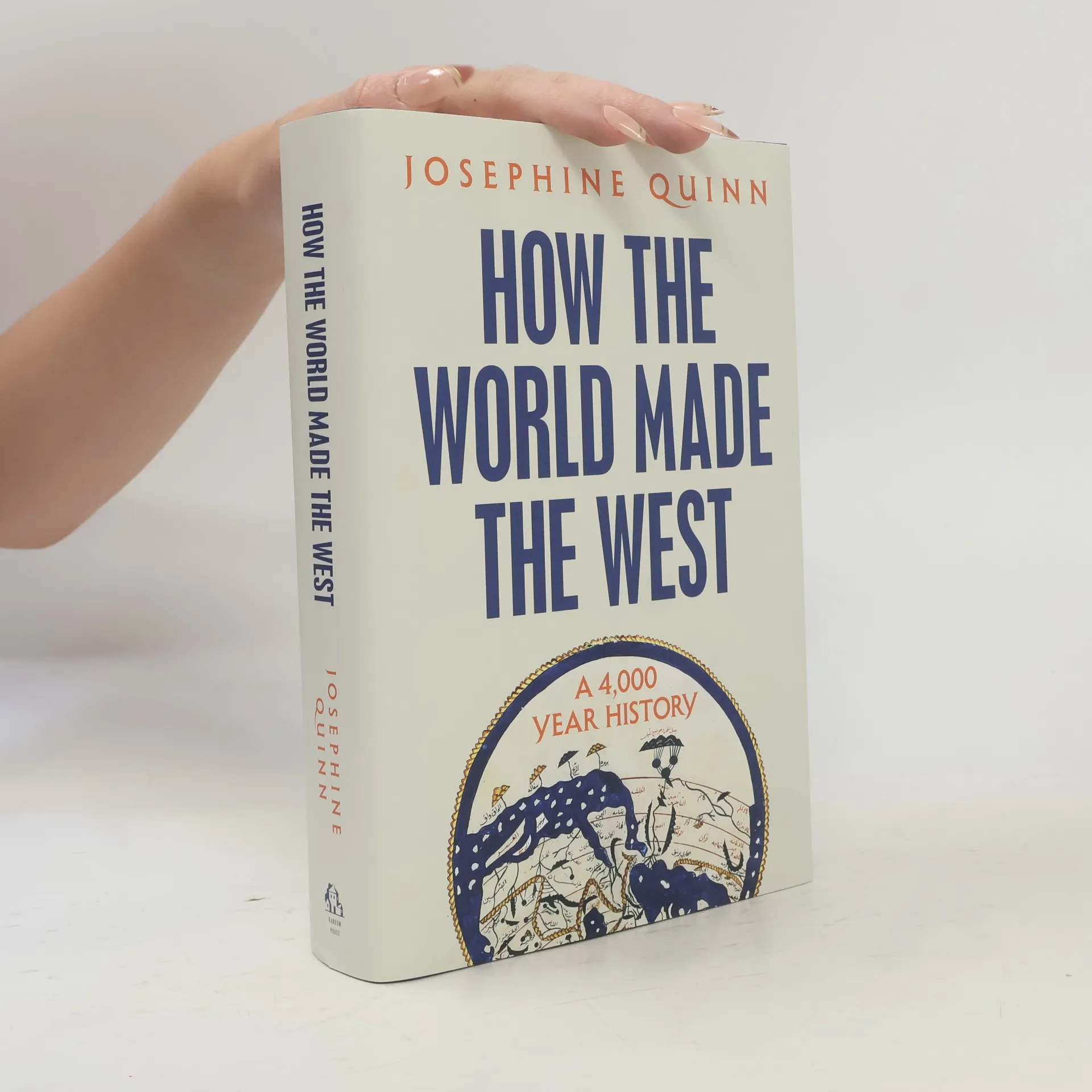
An award-winning Oxford history professor challenges the West's self-perception by tracing its innovations and traditions to global influences, asserting that the West has always been interconnected. Josephine Quinn confronts the notion of “civilizational thinking,” which suggests that civilizations developed independently, by demonstrating that the roots of modern Western culture are deeply entwined with various global societies. She highlights influences from Babylonian law codes, Assyrian irrigation, Phoenician sailing, Indian literature, Arabic scholarship, and Steppe metalworking, among others. Quinn argues that a narrow focus on Greece and Rome diminishes our understanding of history, a perspective that would have been foreign to ancient Greeks and Romans, who recognized their cultural exchanges. By analyzing ancient literary sources, including the epic of Gilgamesh and newly discovered records, she reveals the interconnectedness of civilizations. This work combines rich scholarship with insights from art, artifacts, and scientific advancements like carbon dating and genetics, effectively debunking the myth of a self-made modern West. Through engaging prose, vivid maps, and illustrations, Quinn redefines the narrative of Western civilization, situating it within a broader, cosmopolitan context.




Achat du livre
How the World Made the West, Josephine C. Quinn
- Langue

- Année de publication
- 2024
- product-detail.submit-box.info.binding
- (rigide)
Modes de paiement
Il manque plus que ton avis ici.
- Sous-titre
- A 4,000 Year History
- Langue
- Anglais
- Auteurs
- Josephine C. Quinn
- Éditeur
- Random House
- Publié
- 2024
- Format
- rigide
- Pages
- 572
- ISBN10
- 059372979X
- ISBN13
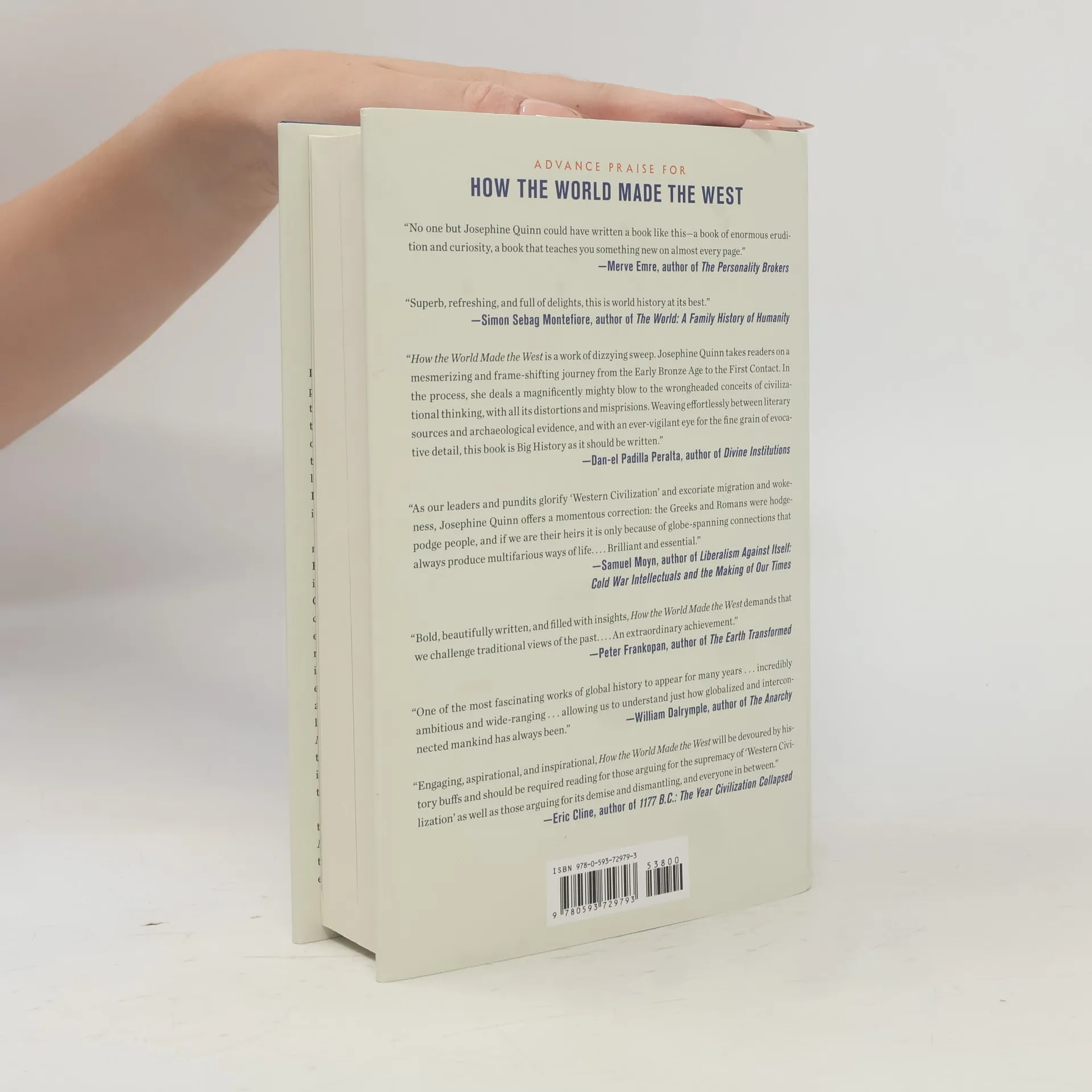
- 9780593729793
- Séries
- Mots clés
- Nonfiction, Sciences sociales, Thème historique, Manuels, Histoire, Thématique philosophique, Manuels universitaires, Philosophie
- Évaluation
- 4,1 sur 5
- Description
- An award-winning Oxford history professor challenges the West's self-perception by tracing its innovations and traditions to global influences, asserting that the West has always been interconnected. Josephine Quinn confronts the notion of “civilizational thinking,” which suggests that civilizations developed independently, by demonstrating that the roots of modern Western culture are deeply entwined with various global societies. She highlights influences from Babylonian law codes, Assyrian irrigation, Phoenician sailing, Indian literature, Arabic scholarship, and Steppe metalworking, among others. Quinn argues that a narrow focus on Greece and Rome diminishes our understanding of history, a perspective that would have been foreign to ancient Greeks and Romans, who recognized their cultural exchanges. By analyzing ancient literary sources, including the epic of Gilgamesh and newly discovered records, she reveals the interconnectedness of civilizations. This work combines rich scholarship with insights from art, artifacts, and scientific advancements like carbon dating and genetics, effectively debunking the myth of a self-made modern West. Through engaging prose, vivid maps, and illustrations, Quinn redefines the narrative of Western civilization, situating it within a broader, cosmopolitan context.