

En savoir plus sur le livre
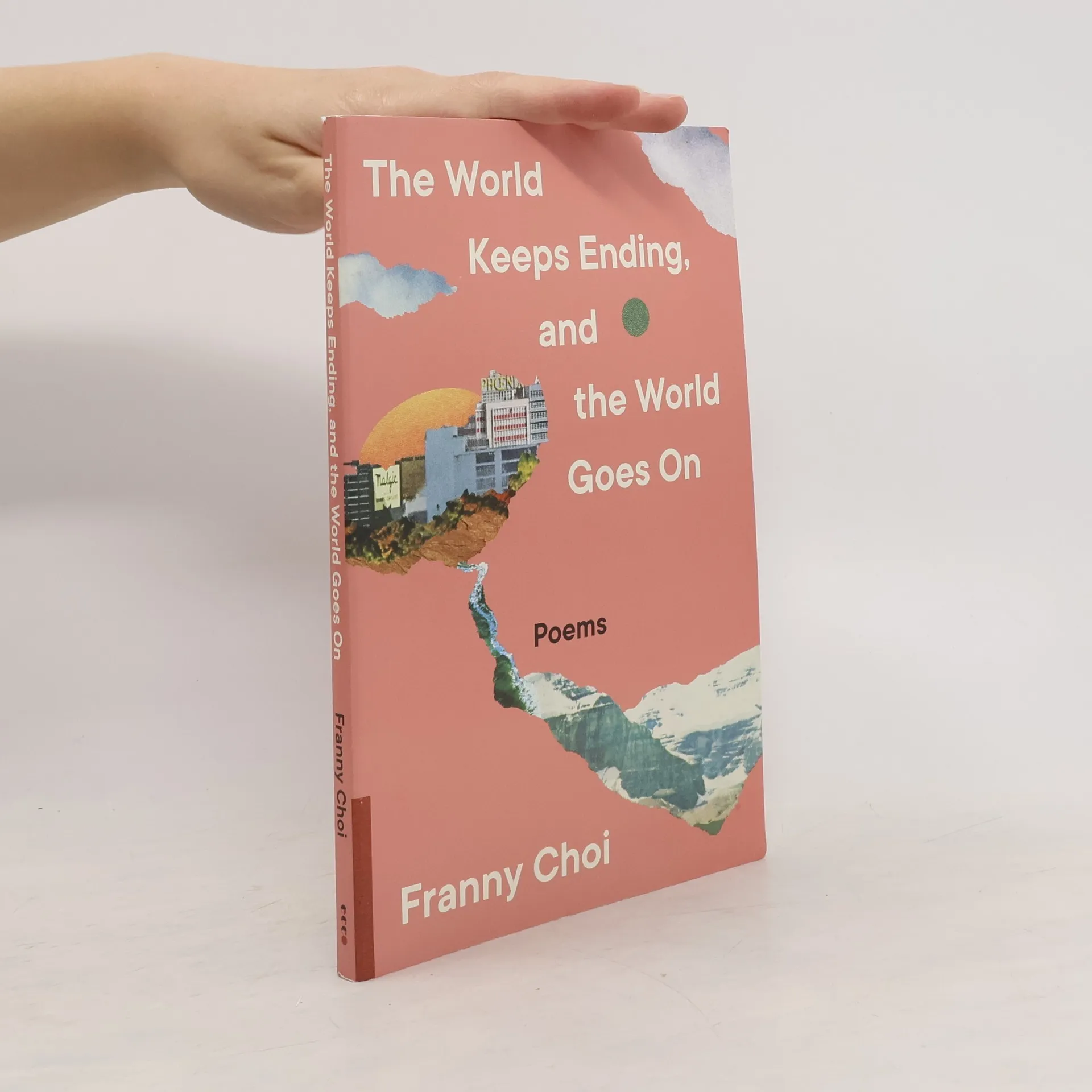
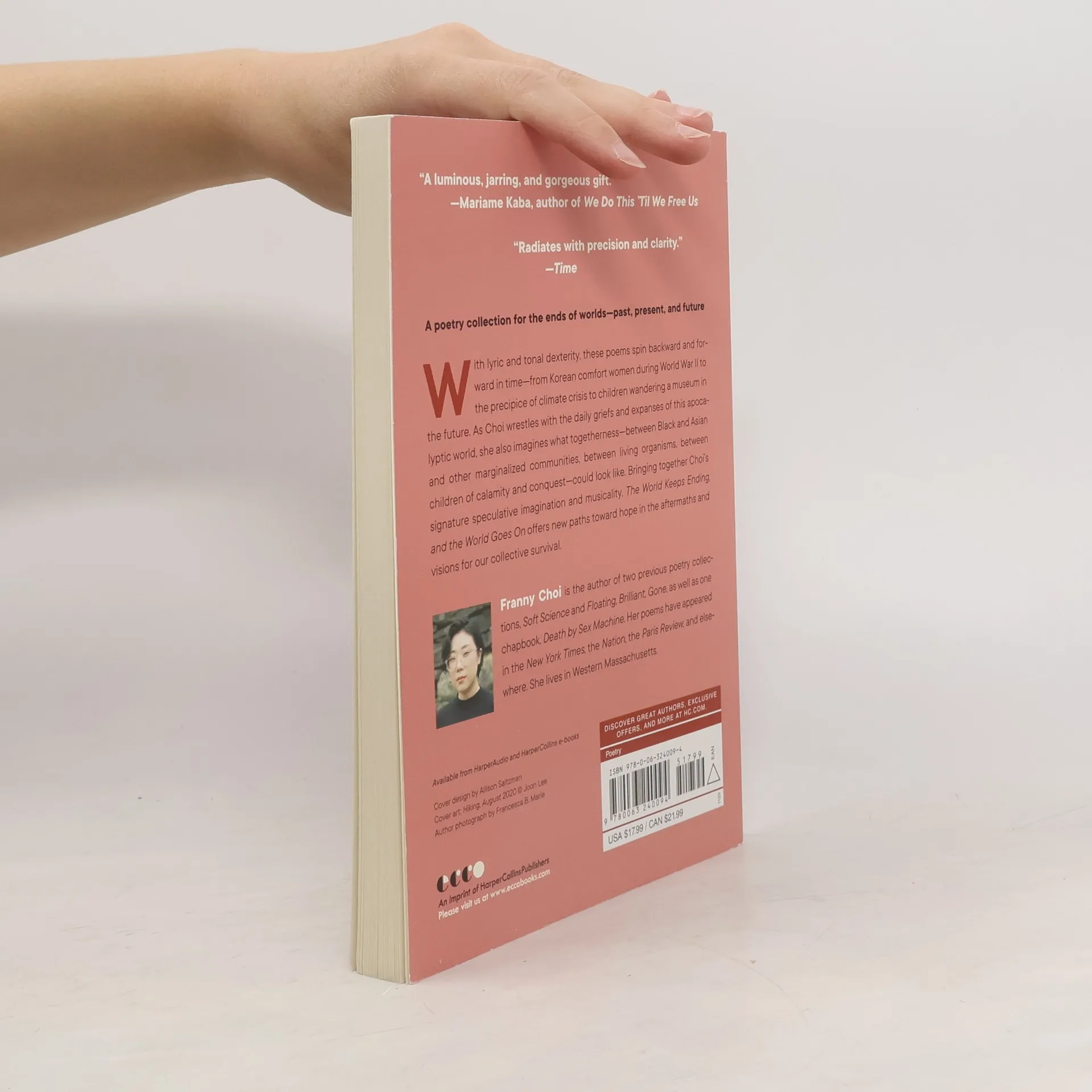
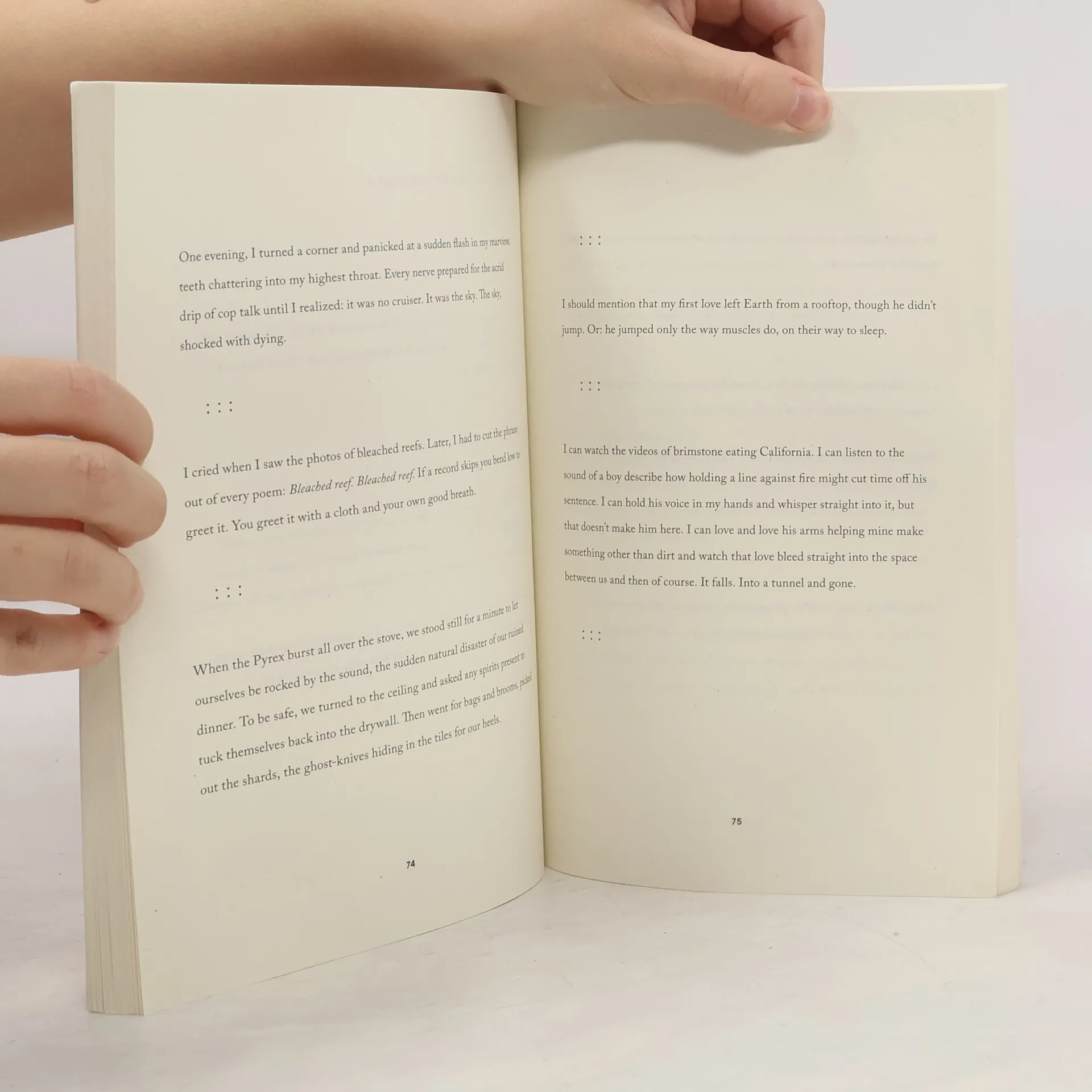
Named a Most Anticipated Book by LitHub, Vulture, Time, and a PW 2022 Holiday Gift Pick, this poetry collection by acclaimed poet Franny Choi delves into the themes of historical and impending apocalypses while reflecting on our responsibilities to one another. Many view our current era as dystopian, yet the collection emphasizes that various forms of apocalypse have long affected marginalized communities. With lyrical and tonal dexterity, Choi's poems traverse time—from the experiences of Korean comfort women during World War II to the looming climate crisis and children exploring a future museum. The work examines narrative distances and queer linearity, shifting from intimate details to universal themes. As Choi grapples with the grief and distances of this apocalyptic reality, she envisions what solidarity might look like among Black, Asian, and other marginalized groups, as well as between all living beings and the children shaped by calamity. Combining her signature speculative imagination with heightened musicality, this collection ultimately forges new paths toward hope and envisions possibilities for collective survival amidst the aftermaths of history.


Achat du livre
The World Keeps Ending, and the World Goes On, Franny Choi
- Langue

- Année de publication
- 2024
- Reliure
- (souple)
Modes de paiement
Il manque plus que ton avis ici.
- Titre
- The World Keeps Ending, and the World Goes On
- Langue
- Anglais
- Auteurs
- Franny Choi
- Éditeur
- HarperCollins Publishers Inc
- Publié
- 2024
- Format
- souple
- Pages
- 144
- ISBN10
- 0063240092
- ISBN13
- 9780063240094
- Séries
- Mots clés
- Littérature contemporaine, LGBTQ+
- Évaluation
- 4 sur 5
- Description
- Named a Most Anticipated Book by LitHub, Vulture, Time, and a PW 2022 Holiday Gift Pick, this poetry collection by acclaimed poet Franny Choi delves into the themes of historical and impending apocalypses while reflecting on our responsibilities to one another. Many view our current era as dystopian, yet the collection emphasizes that various forms of apocalypse have long affected marginalized communities. With lyrical and tonal dexterity, Choi's poems traverse time—from the experiences of Korean comfort women during World War II to the looming climate crisis and children exploring a future museum. The work examines narrative distances and queer linearity, shifting from intimate details to universal themes. As Choi grapples with the grief and distances of this apocalyptic reality, she envisions what solidarity might look like among Black, Asian, and other marginalized groups, as well as between all living beings and the children shaped by calamity. Combining her signature speculative imagination with heightened musicality, this collection ultimately forges new paths toward hope and envisions possibilities for collective survival amidst the aftermaths of history.