

Paramètres
- 333pages
- 12 heures de lecture
En savoir plus sur le livre
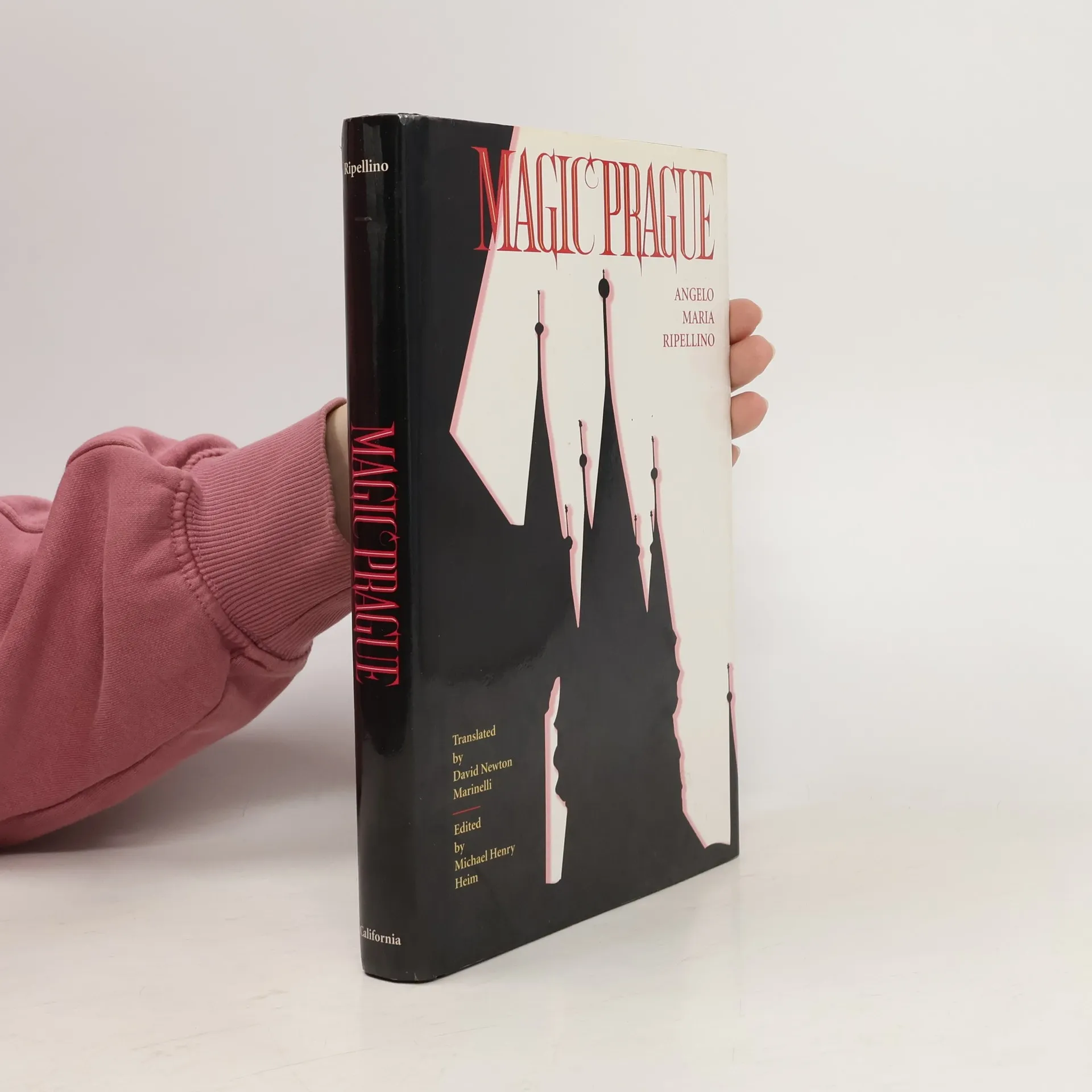
This unusual, distinctive book is a glowing, theatrical blend of history, travelogue, fictional sketch, art and literary criticism, and personal essay. Angelo Ripellino goes beyond the tourist cliché of Prague and brings out the mystery, ambiguity, gloom, lethargy, and hidden fascination of the city of the Vltava. He uses melodrama and ghost stories, as well as tales from the enchanted road and the risqué barroom to relate the sorcery of the Bohemian capital in a wonderful mix of fact and fiction. As the book opens, Kafka and Hasek are still stalking the streets of the Old Town. In the second section we are in the seventeenth century, with its emphasis on the occult. Traveling on, we move through Prague's bordellos, theaters, ghetto, alchemists' laboratories, and cafés, accompanied by Rudolph II, Apollinaire, and Czech dadaists. The result of this imaginary guided tour is a deeper knowledge of the city than any ordinary guidebook can provide as well as an exhilarating introduction to Czech culture.




Achat du livre
Magic Prague, Анджело Мария Рипеллино, David Newton Marinelli, Michael Henry Heim
- Langue

- Année de publication
- 1993
- Reliure
- (rigide)
Modes de paiement
Il manque plus que ton avis ici.
- Titre
- Magic Prague
- Langue
- Anglais
- Publié
- 1993
- Format
- rigide
- Pages
- 333
- ISBN10
- 0520073525
- ISBN13
- 9780520073524
- Séries
- Mots clés
- Thème historique, Voyage, Littérature tchèque, Magie, Littérature italienne, Mystèrieux, Prague, Occultisme, Mystique, Villes, Pragologie, Littérature compatriotique et d'exil, Exil, Franz Kafka, 1883-1924, Karel Čapek, 1890-1938, Bohumil Hrabal, 1914–1997, Jaroslav Hašek, 1883-1923, Vítězslav Nezval, 1900-1958
- Première publication
- 1973
- Titre original
- Praga magica
- Évaluation
- 4,1 sur 5
- Description
- This unusual, distinctive book is a glowing, theatrical blend of history, travelogue, fictional sketch, art and literary criticism, and personal essay. Angelo Ripellino goes beyond the tourist cliché of Prague and brings out the mystery, ambiguity, gloom, lethargy, and hidden fascination of the city of the Vltava. He uses melodrama and ghost stories, as well as tales from the enchanted road and the risqué barroom to relate the sorcery of the Bohemian capital in a wonderful mix of fact and fiction. As the book opens, Kafka and Hasek are still stalking the streets of the Old Town. In the second section we are in the seventeenth century, with its emphasis on the occult. Traveling on, we move through Prague's bordellos, theaters, ghetto, alchemists' laboratories, and cafés, accompanied by Rudolph II, Apollinaire, and Czech dadaists. The result of this imaginary guided tour is a deeper knowledge of the city than any ordinary guidebook can provide as well as an exhilarating introduction to Czech culture.