


Paramètres
- 294pages
- 11 heures de lecture
En savoir plus sur le livre
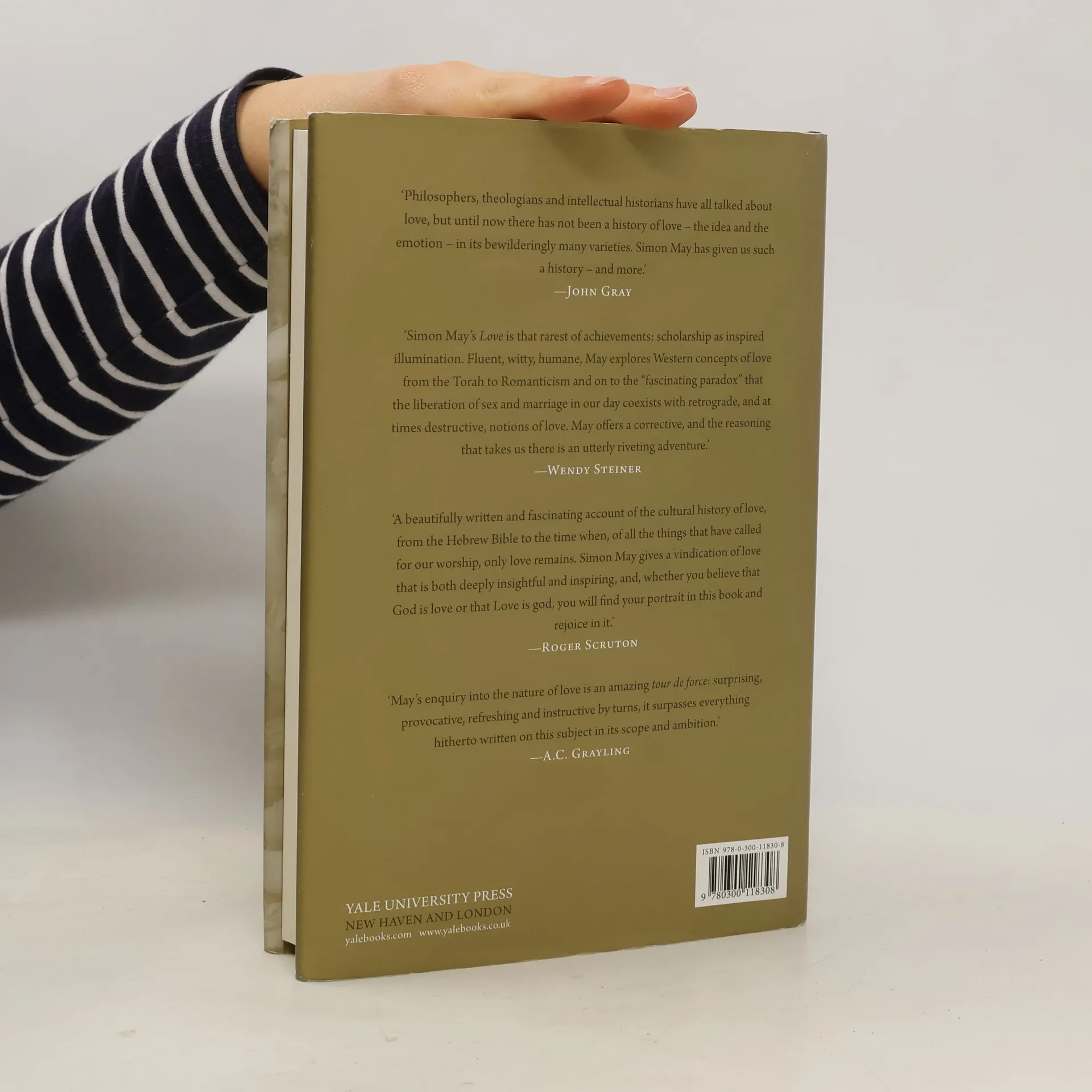
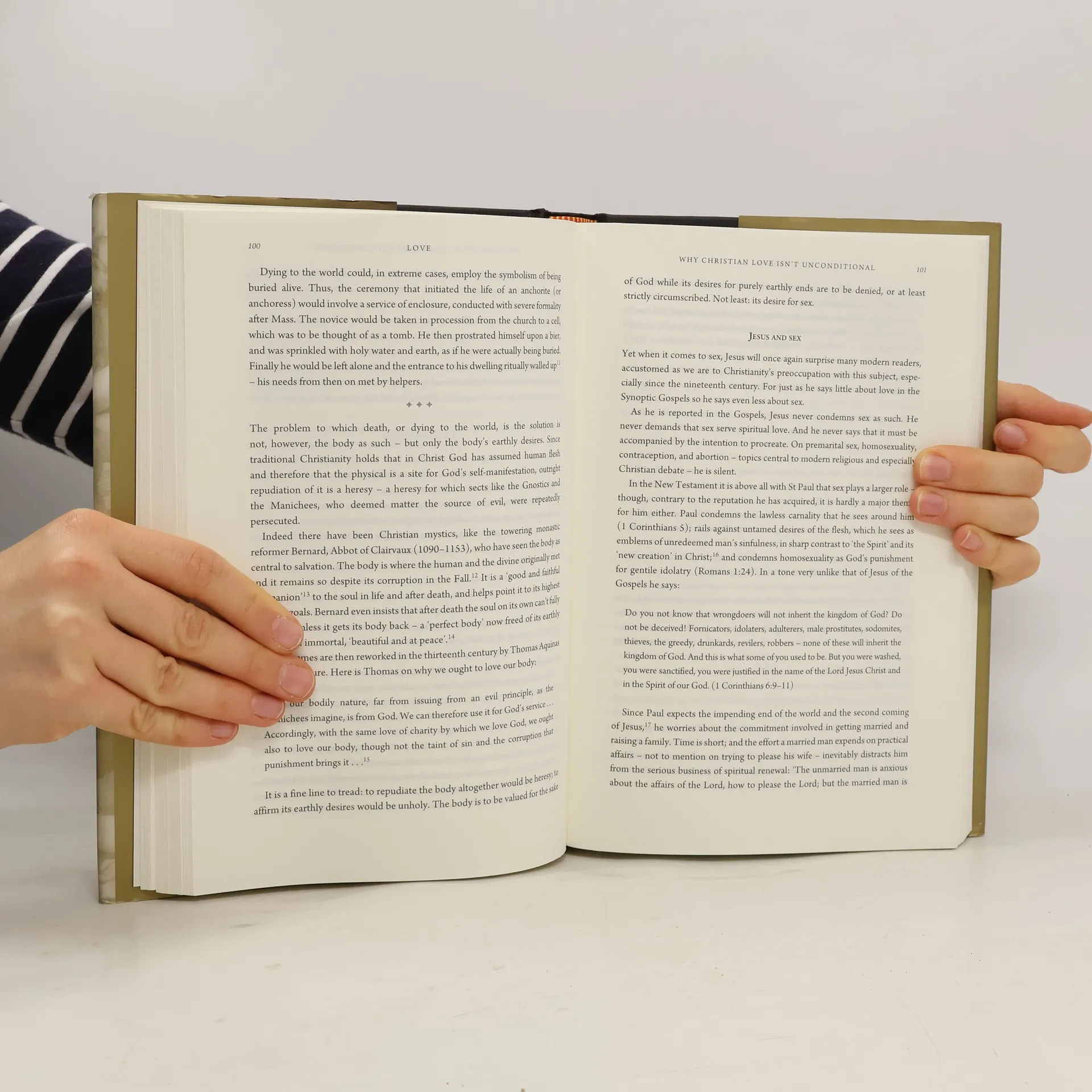
Love—unconditional, selfless, and totally accepting—is revered in the West as the ultimate universal religion, making any challenge to it a significant taboo. In this groundbreaking work, philosopher Simon May dissects our prevailing notions of love, revealing their roots in a rich cultural heritage spanning over 2,500 years. He traces the evolution of love from its Hebraic and Greek origins through Christianity, illustrating how the phrase "God is love" transformed into "love is God" over the past two centuries. This shift, he argues, has created unrealistic expectations in relationships. May examines a range of thinkers, from Aristotle's concept of perfect friendship to Ovid's celebration of romance, Rousseau's emphasis on authenticity, Nietzsche's affirmations, Freud's insights on loss, and Proust's reflections on boredom. He challenges the belief that love is the ultimate source of meaning, security, and happiness, clarifying that love is fundamentally the intense desire for someone who can affirm our existence. Ultimately, the feeling that "makes the world go round" serves as a harbinger of home and, in that sense, the sacred.



Achat du livre
Love, Simon May
- Langue

- Année de publication
- 2011
- Reliure
- (rigide)
Modes de paiement
Il manque plus que ton avis ici.
- Titre
- Love
- Sous-titre
- A History
- Langue
- Anglais
- Auteurs
- Simon May
- Éditeur
- Yale University Press
- Publié
- 2011
- Format
- rigide
- Pages
- 294
- ISBN10
- 0300118309
- ISBN13
- 9780300118308
- Séries
- Mots clés
- Nonfiction, Thématique philosophique
- Évaluation
- 3,85 sur 5
- Description
- Love—unconditional, selfless, and totally accepting—is revered in the West as the ultimate universal religion, making any challenge to it a significant taboo. In this groundbreaking work, philosopher Simon May dissects our prevailing notions of love, revealing their roots in a rich cultural heritage spanning over 2,500 years. He traces the evolution of love from its Hebraic and Greek origins through Christianity, illustrating how the phrase "God is love" transformed into "love is God" over the past two centuries. This shift, he argues, has created unrealistic expectations in relationships. May examines a range of thinkers, from Aristotle's concept of perfect friendship to Ovid's celebration of romance, Rousseau's emphasis on authenticity, Nietzsche's affirmations, Freud's insights on loss, and Proust's reflections on boredom. He challenges the belief that love is the ultimate source of meaning, security, and happiness, clarifying that love is fundamentally the intense desire for someone who can affirm our existence. Ultimately, the feeling that "makes the world go round" serves as a harbinger of home and, in that sense, the sacred.