

Paramètres
- 213pages
- 8 heures de lecture
En savoir plus sur le livre
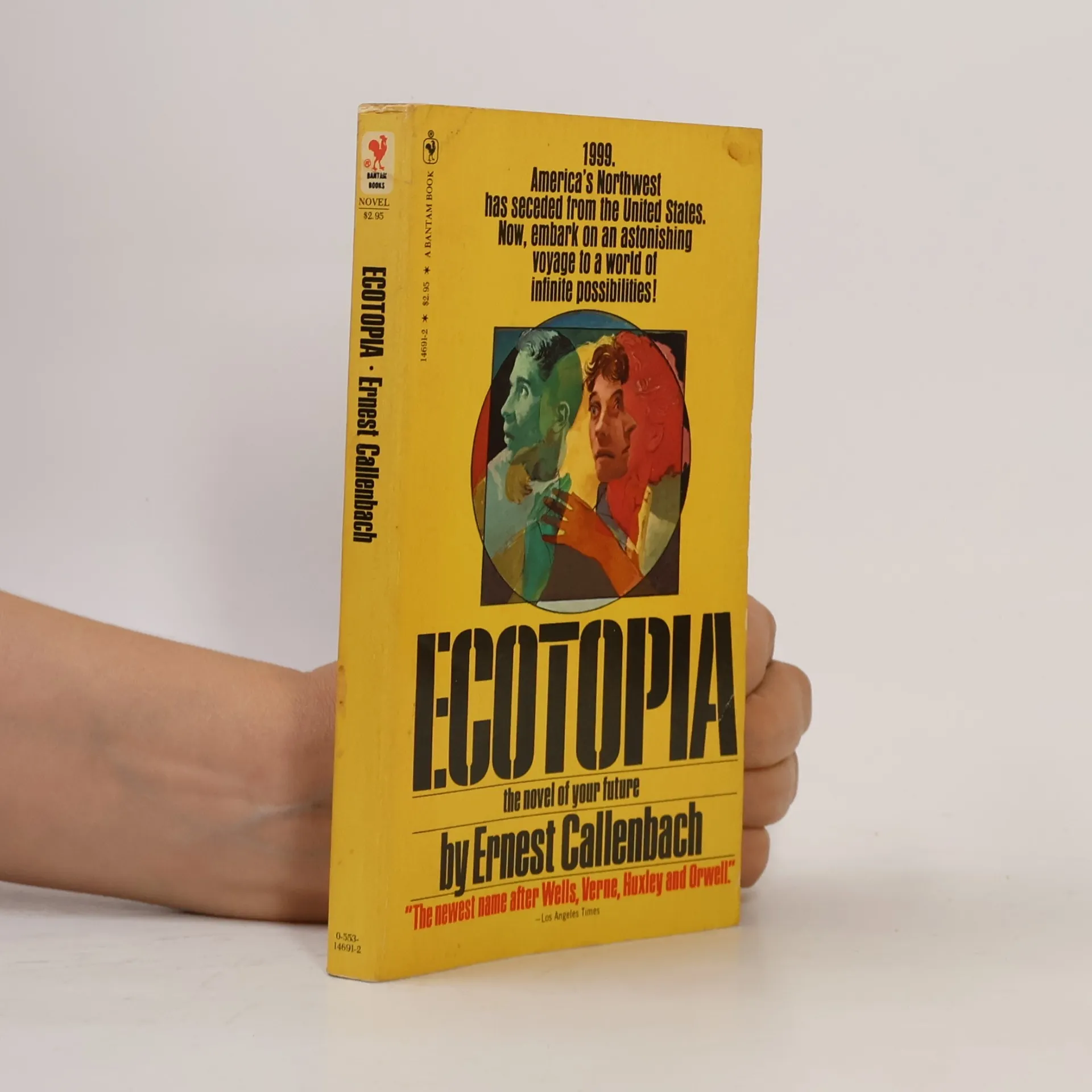
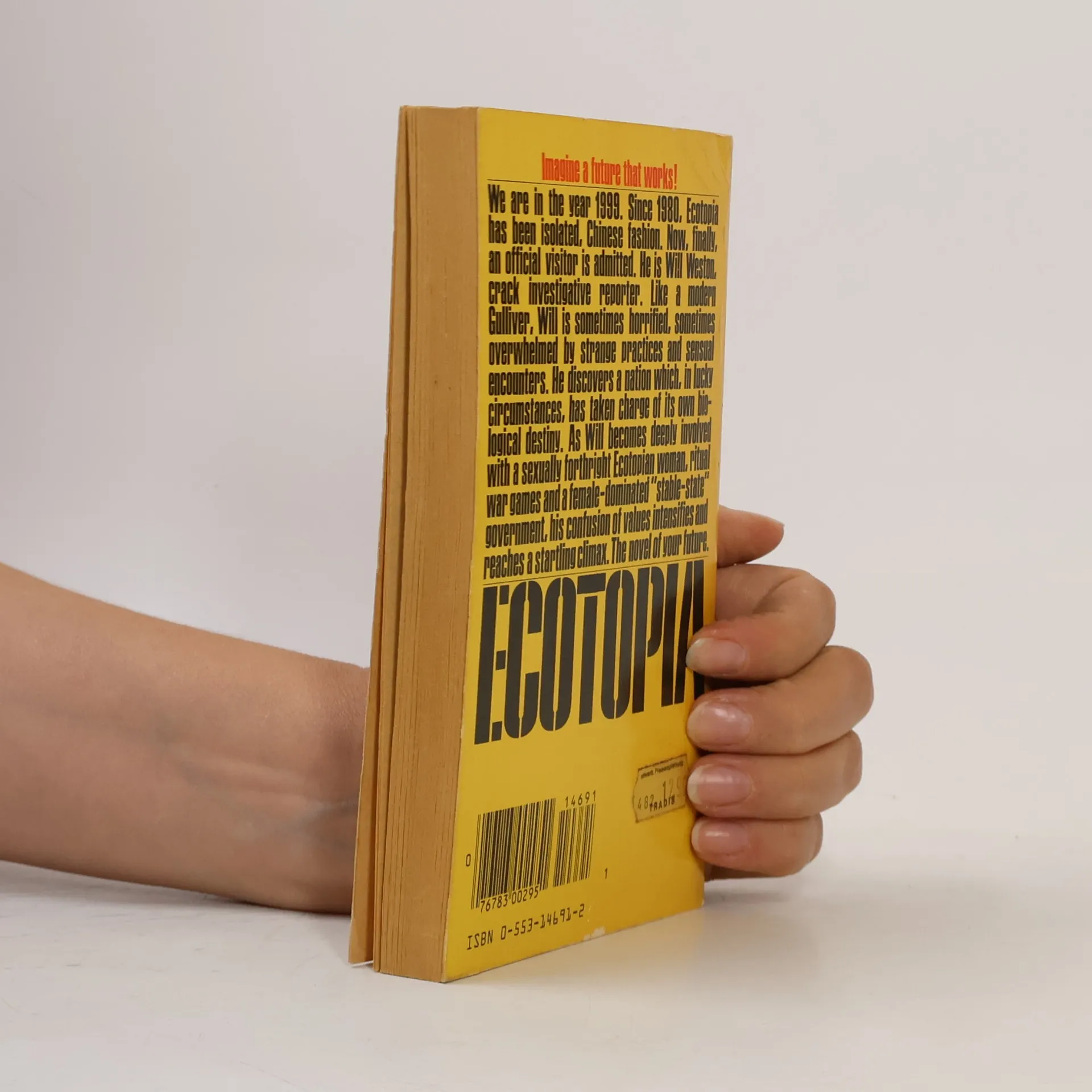
The premise of a Pacific Northwest secession from the USA may seem far-fetched, yet the vivid portrayal of a society grounded in a stable-state ecosystem is thought-provoking. This aligns with economist Herman Daly's steady-state economics and Robert Costanza's work in Ecological Economics, presenting a viable alternative to outdated neoclassical theories. Central to this social model is the principle that resource consumption must not exceed sustainable limits, with pollution and waste treated as integral costs in economic decision-making. Recycling is prioritized, and low-technology solutions are favored over high-tech alternatives. The philosophy embraced by Ecotopians reflects a deep reverence for nature, akin to James Lovelock's Gaia hypothesis and Edward O. Wilson's Biophilia concept. The characters are engaging, with women often taking on dominant roles, and their passionate, quirky nature adds depth. A neomalthusian approach to population regulation highlights the critical issue of overpopulation and resource scarcity. The intriguing chapter on ritual war games raises questions about competitive aggression in males. While some creative solutions to social issues may seem impractical, they provoke thought. For further exploration, consider works like Joseph Tainter's "The Collapse of Complex Societies" and Thomas Homer-Dixon's "Environment, Scarcity & Violence." The unsustainable nature of contemporary American culture





Achat du livre
Ecotopia, Ernest Callenbach
- Langue

- Année de publication
- 1981
- Reliure
- (souple)
Modes de paiement
Il manque plus que ton avis ici.
- Titre
- Ecotopia
- Langue
- Anglais
- Auteurs
- Ernest Callenbach
- Éditeur
- Bantam Books
- Publié
- 1981
- Format
- souple
- Pages
- 213
- ISBN10
- 0553146912
- ISBN13
- 9780553146912
- Séries
- Catégories
- Mots clés
- Politique, Thématique écologique, Cadeaux pour les dames, Cadeaux pour les messieurs, Durabilité, Utopie, Recyclage
- Évaluation
- 3,6 sur 5
- Description
- The premise of a Pacific Northwest secession from the USA may seem far-fetched, yet the vivid portrayal of a society grounded in a stable-state ecosystem is thought-provoking. This aligns with economist Herman Daly's steady-state economics and Robert Costanza's work in Ecological Economics, presenting a viable alternative to outdated neoclassical theories. Central to this social model is the principle that resource consumption must not exceed sustainable limits, with pollution and waste treated as integral costs in economic decision-making. Recycling is prioritized, and low-technology solutions are favored over high-tech alternatives. The philosophy embraced by Ecotopians reflects a deep reverence for nature, akin to James Lovelock's Gaia hypothesis and Edward O. Wilson's Biophilia concept. The characters are engaging, with women often taking on dominant roles, and their passionate, quirky nature adds depth. A neomalthusian approach to population regulation highlights the critical issue of overpopulation and resource scarcity. The intriguing chapter on ritual war games raises questions about competitive aggression in males. While some creative solutions to social issues may seem impractical, they provoke thought. For further exploration, consider works like Joseph Tainter's "The Collapse of Complex Societies" and Thomas Homer-Dixon's "Environment, Scarcity & Violence." The unsustainable nature of contemporary American culture