

En savoir plus sur le livre
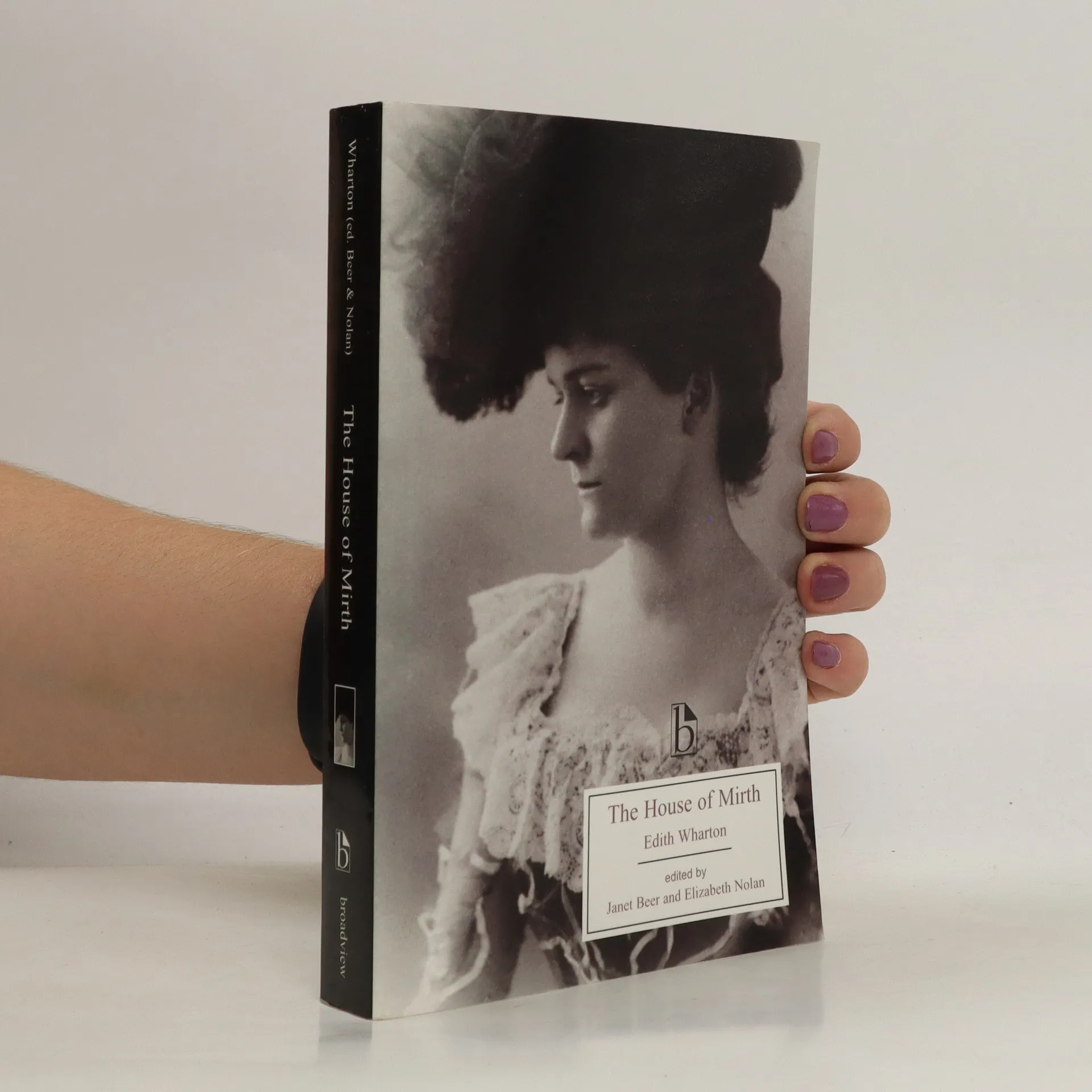
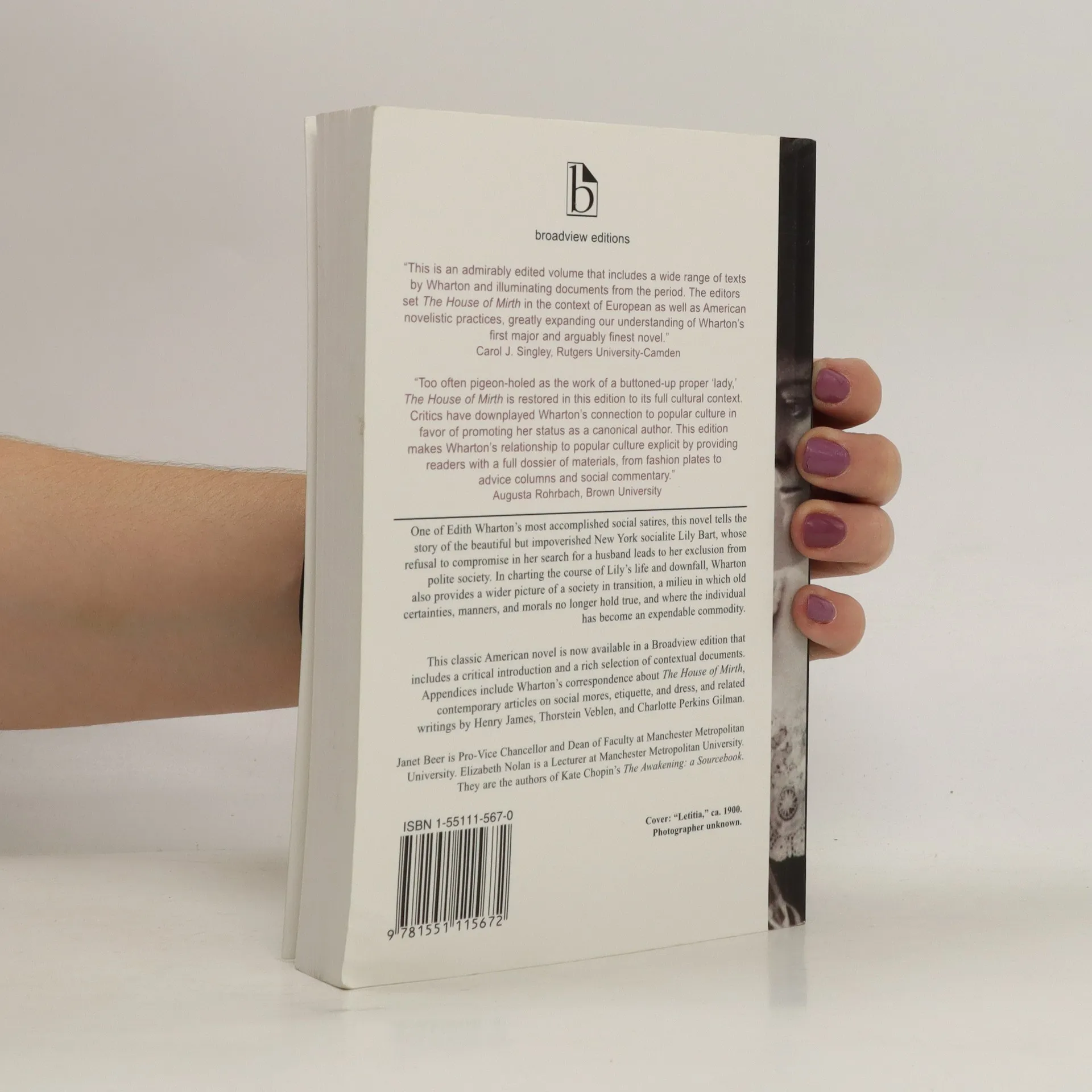
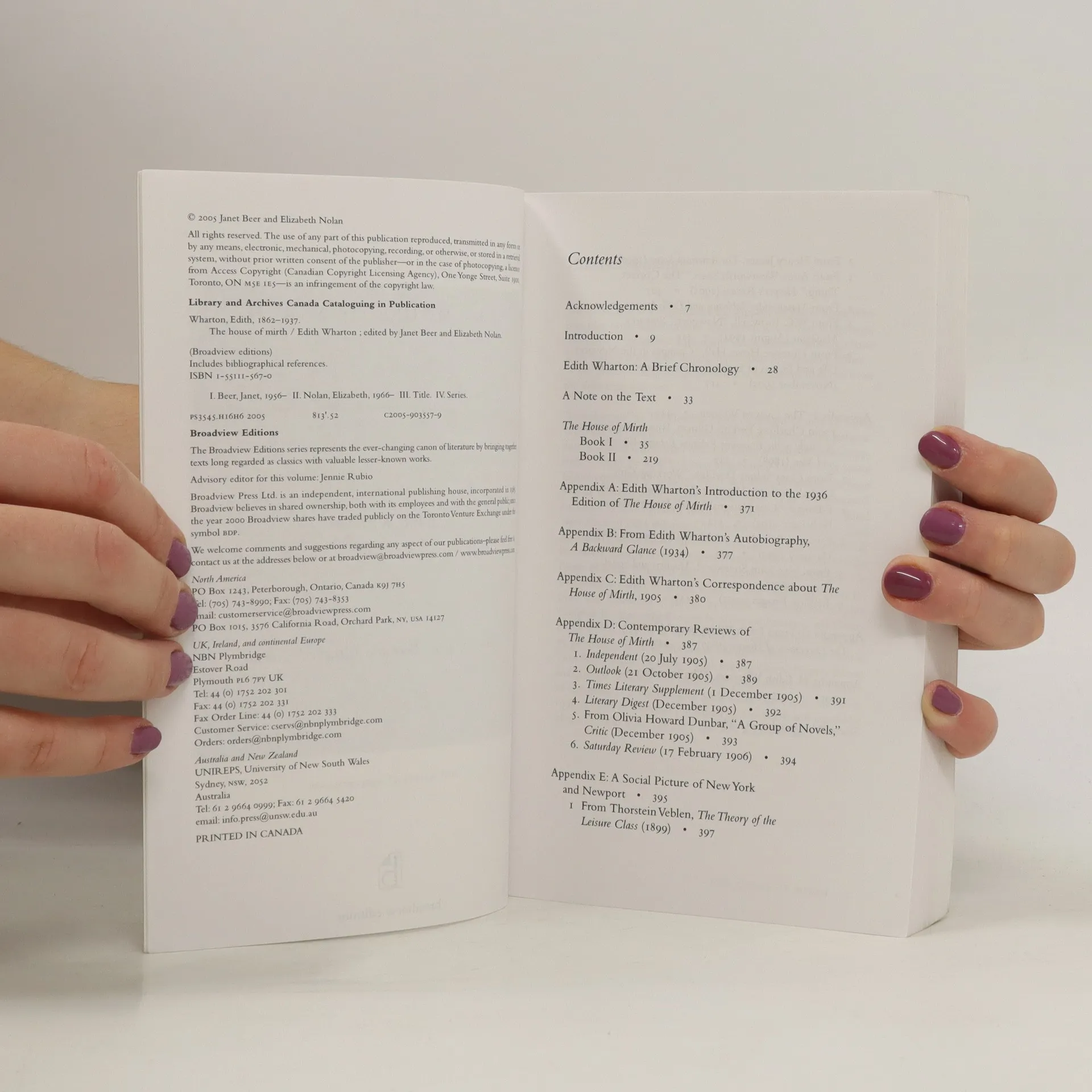
One of Edith Wharton’s most accomplished social satires, this novel tells the story of the beautiful but impoverished New York socialite Lily Bart, whose refusal to compromise in her search for a husband leads to her exclusion from polite society. In charting the course of Lily’s life and downfall, Wharton also provides a wider picture of a society in transition, a milieu in which old certainties, manners, and morals no longer hold true, and where the individual has become an expendable commodity. This classic American novel is now available in a Broadview edition that includes a critical introduction and a rich selection of contextual documents. Appendices include Wharton’s correspondence about The House of Mirth, contemporary articles on social mores, etiquette, and dress, and related writings by Henry James, Thorstein Veblen, and Charlotte Perkins Gilman.





Achat du livre
The House of Mirth, Edith Wharton
- Langue

- Année de publication
- 2005
- Reliure
- (souple)
Modes de paiement
Il manque plus que ton avis ici.
- Titre
- The House of Mirth
- Langue
- Anglais
- Auteurs
- Edith Wharton
- Éditeur
- Broadview Press Ltd
- Publié
- 2005
- Format
- souple
- Pages
- 483
- ISBN10
- 1551115670
- ISBN13
- 9781551115672
- Séries
- Mots clés
- Fiction, Thème historique, Femmes, Classiques, États-Unis, 20e siècle, Société, Critique sociale, New York, Voyage, Monnaie, Intrigues, Aristocratie, noblesse, Pauvreté, Déclin
- Première publication
- 1905
- Titre original
- The House of Mirth
- Évaluation
- 4,8 sur 5
- Description
- One of Edith Wharton’s most accomplished social satires, this novel tells the story of the beautiful but impoverished New York socialite Lily Bart, whose refusal to compromise in her search for a husband leads to her exclusion from polite society. In charting the course of Lily’s life and downfall, Wharton also provides a wider picture of a society in transition, a milieu in which old certainties, manners, and morals no longer hold true, and where the individual has become an expendable commodity. This classic American novel is now available in a Broadview edition that includes a critical introduction and a rich selection of contextual documents. Appendices include Wharton’s correspondence about The House of Mirth, contemporary articles on social mores, etiquette, and dress, and related writings by Henry James, Thorstein Veblen, and Charlotte Perkins Gilman.