

Épuisé, mais très demandé!



Paramètres
- 408pages
- 15 heures de lecture
En savoir plus sur le livre
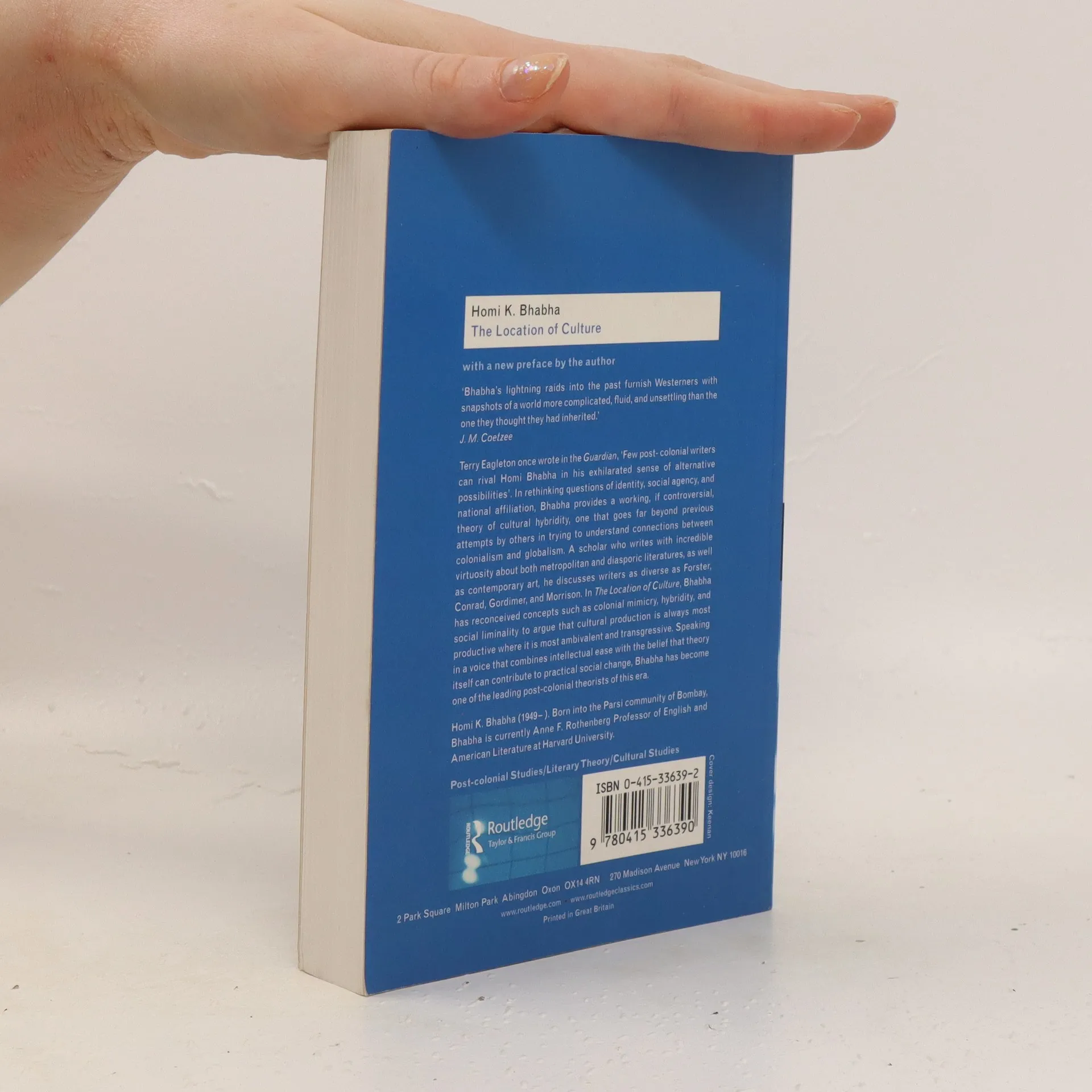
Rethinking questions of identity, social agency and national affiliation, Bhabha provides a working, if controversial, theory of cultural hybridity - one that goes far beyond previous attempts by others. In The Location of Culture , he uses concepts such as mimicry, interstice, hybridity, and liminality to argue that cultural production is always most productive where it is most ambivalent. Speaking in a voice that combines intellectual ease with the belief that theory itself can contribute to practical political change, Bhabha has become one of the leading post-colonial theorists of this era.




Achat du livre
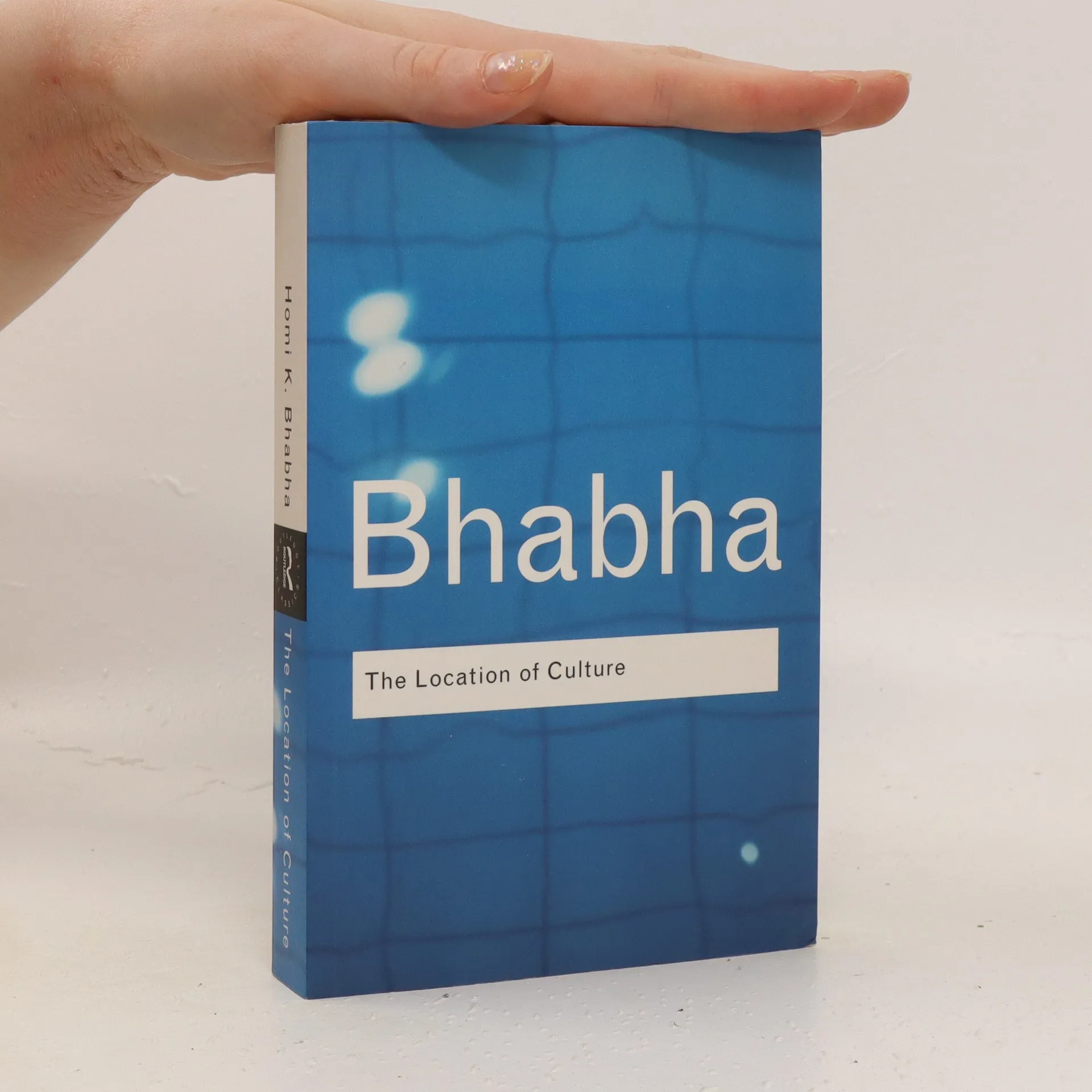
The location of culture, Homi K. Bhabha
- Langue

- Année de publication
- 2008
- Reliure
- (souple)
Nous vous informerons par e-mail dès que nous l’aurons retrouvé.
Modes de paiement
Il manque plus que ton avis ici.
- Titre
- The location of culture
- Langue
- Anglais
- Auteurs
- Homi K. Bhabha
- Éditeur
- Routledge
- Publié
- 2008
- Format
- souple
- Pages
- 408
- ISBN10
- 0415336392
- ISBN13
- 9780415336390
- Séries
- Pensée Postcoloniale
- Recueil
- Routledge classics
- Première publication
- 1994
- Titre original
- The Location of Culture
- Évaluation
- 3,85 sur 5
- Description
- Rethinking questions of identity, social agency and national affiliation, Bhabha provides a working, if controversial, theory of cultural hybridity - one that goes far beyond previous attempts by others. In The Location of Culture , he uses concepts such as mimicry, interstice, hybridity, and liminality to argue that cultural production is always most productive where it is most ambivalent. Speaking in a voice that combines intellectual ease with the belief that theory itself can contribute to practical political change, Bhabha has become one of the leading post-colonial theorists of this era.