

En savoir plus sur le livre
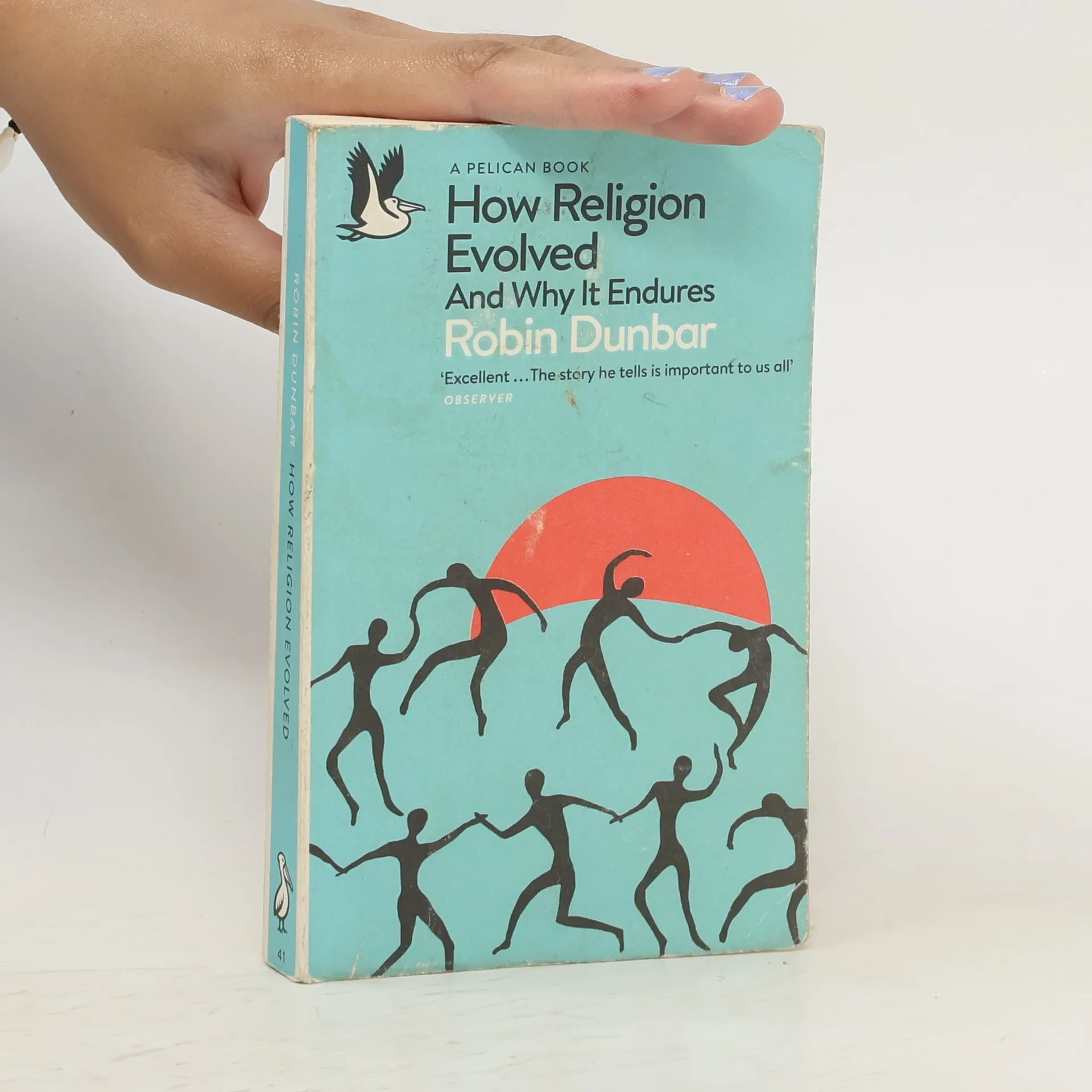
When did humans develop spiritual thought? What is religion's evolutionary purpose? And why has it endured in our increasingly secular world? Every society throughout history has engaged with religion. In this exploration, evolutionary psychologist Professor Robin Dunbar traces its origins to the 'mystical stance'—a facet of human psychology that predisposes belief in a transcendent world and enables spiritual encounters. Analyzing various world religions and the experiential practices of hunter-gatherer societies, Dunbar argues that this instinct is not merely a human quirk but serves significant evolutionary benefits. Religion enhances individual health and well-being and, crucially, fosters social bonding on a large scale, helping to unify fractious societies. He proposes that these aspects could form a comprehensive theory explaining why and how humans are religious, potentially unifying the diverse strands within this field. Drawing on groundbreaking research, clinical case studies, and global fieldwork, along with narratives of charismatic cult leaders and lost faiths, this work offers a captivating analysis of the intrinsic human impulse to believe.
Achat du livre
How Religion Evolved, Robin Ian MacDonald Dunbar
- Langue

- Année de publication
- 2023
- Reliure
- (souple)
Modes de paiement
Il manque plus que ton avis ici.
- Titre
- How Religion Evolved
- Langue
- Anglais
- Auteurs
- Robin Ian MacDonald Dunbar
- Éditeur
- Penguin Books Ltd (UK)
- Publié
- 2023
- Format
- souple
- Pages
- 352
- ISBN10
- 0241431794
- ISBN13
- 9780241431795
- Séries
- Catégories
- Mots clés
- Thème historique, Thèmes psychologiques, Thèmes religieux, Thématique philosophique, Science
- Évaluation
- 3,85 sur 5
- Description
- When did humans develop spiritual thought? What is religion's evolutionary purpose? And why has it endured in our increasingly secular world? Every society throughout history has engaged with religion. In this exploration, evolutionary psychologist Professor Robin Dunbar traces its origins to the 'mystical stance'—a facet of human psychology that predisposes belief in a transcendent world and enables spiritual encounters. Analyzing various world religions and the experiential practices of hunter-gatherer societies, Dunbar argues that this instinct is not merely a human quirk but serves significant evolutionary benefits. Religion enhances individual health and well-being and, crucially, fosters social bonding on a large scale, helping to unify fractious societies. He proposes that these aspects could form a comprehensive theory explaining why and how humans are religious, potentially unifying the diverse strands within this field. Drawing on groundbreaking research, clinical case studies, and global fieldwork, along with narratives of charismatic cult leaders and lost faiths, this work offers a captivating analysis of the intrinsic human impulse to believe.