



En savoir plus sur le livre
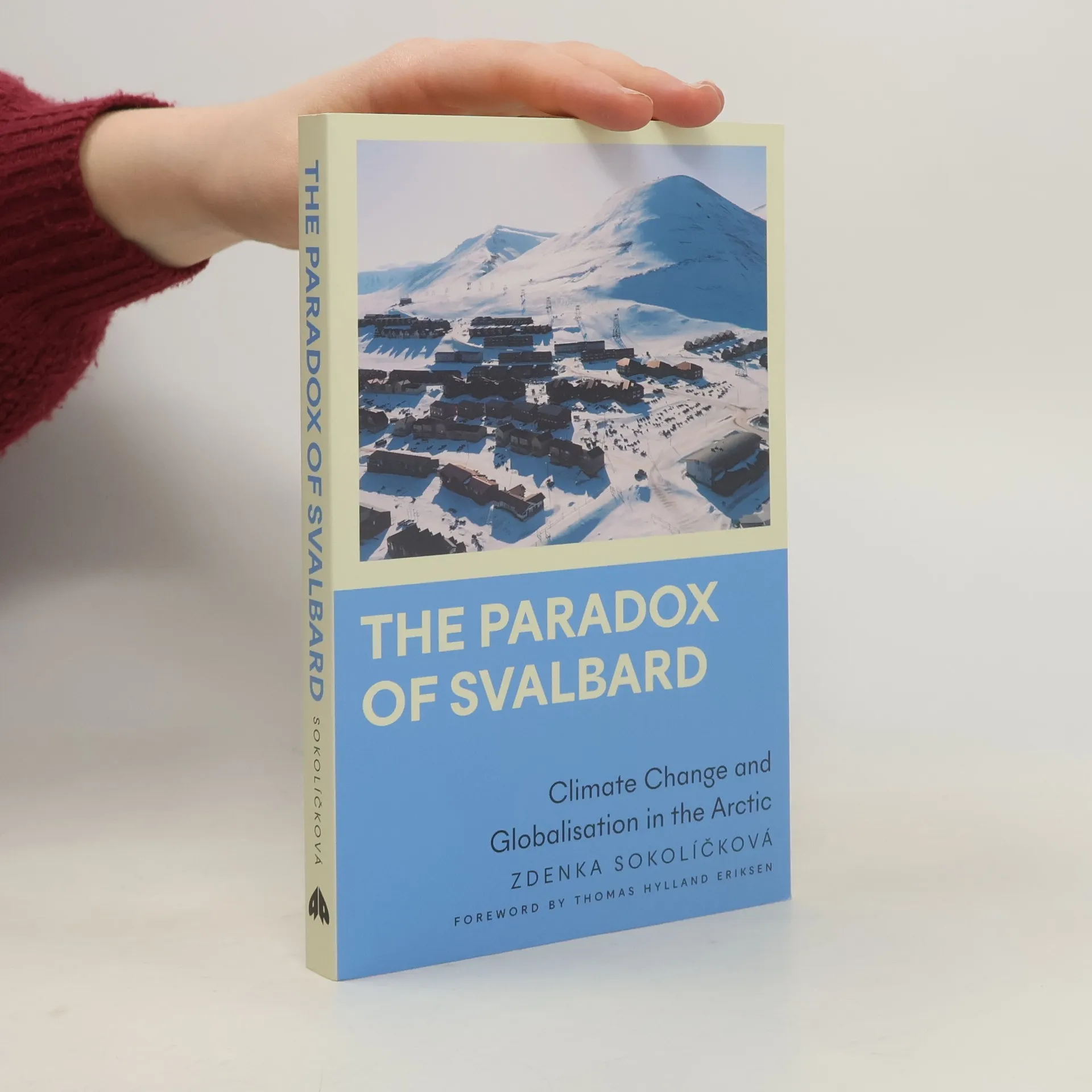
The town of Longyearbyen in the high Arctic is the world's northernmost settlement. Here, climate change is happening fast. It is clearly seen and sensed by the locals; with higher temperatures, more rain and permafrost thaw. At the same time, the town is shifting from state-controlled coal production to tourism, research, and development, rapidly globalizing, with numerous languages spoken, cruise ships sounding the horn in the harbor, and planes landing and taking off. Zdenka Sokolickova lived here between 2019-2021, and her research in the community uncovered a story about the conflict between sustainability and the driving forces of politics and economy in the rich global North. A small town of 2,400 inhabitants at 78 degrees latitude north on the Norwegian archipelago of Svalbard, Longyearbyen provided a unique view into the unmistakable relationship between global capitalism and climate change. The Paradox of Svalbard looks at both local and global trends to access a deep understanding of the effects of tourism, immigration, labor, and many other elements on the trajectory of the climate crisis, and whether anything can be done to reverse them.
Achat du livre
The Paradox of Svalbard, Zdenka Sokolíčková
- Langue

- Année de publication
- 2023
- Reliure
- (souple)
Modes de paiement
Il manque plus que ton avis ici.
- Titre
- The Paradox of Svalbard
- Langue
- Anglais
- Auteurs
- Zdenka Sokolíčková
- Éditeur
- Pluto Press
- Publié
- 2023
- Format
- souple
- Pages
- 232
- ISBN10
- 0745347401
- ISBN13
- 9780745347400
- Séries
- Catégories
- Mots clés
- Évaluation
- 3,5 sur 5
- Description
- The town of Longyearbyen in the high Arctic is the world's northernmost settlement. Here, climate change is happening fast. It is clearly seen and sensed by the locals; with higher temperatures, more rain and permafrost thaw. At the same time, the town is shifting from state-controlled coal production to tourism, research, and development, rapidly globalizing, with numerous languages spoken, cruise ships sounding the horn in the harbor, and planes landing and taking off. Zdenka Sokolickova lived here between 2019-2021, and her research in the community uncovered a story about the conflict between sustainability and the driving forces of politics and economy in the rich global North. A small town of 2,400 inhabitants at 78 degrees latitude north on the Norwegian archipelago of Svalbard, Longyearbyen provided a unique view into the unmistakable relationship between global capitalism and climate change. The Paradox of Svalbard looks at both local and global trends to access a deep understanding of the effects of tourism, immigration, labor, and many other elements on the trajectory of the climate crisis, and whether anything can be done to reverse them.