

Épuisé, mais très demandé!
Paramètres
- 144pages
- 6 heures de lecture
En savoir plus sur le livre
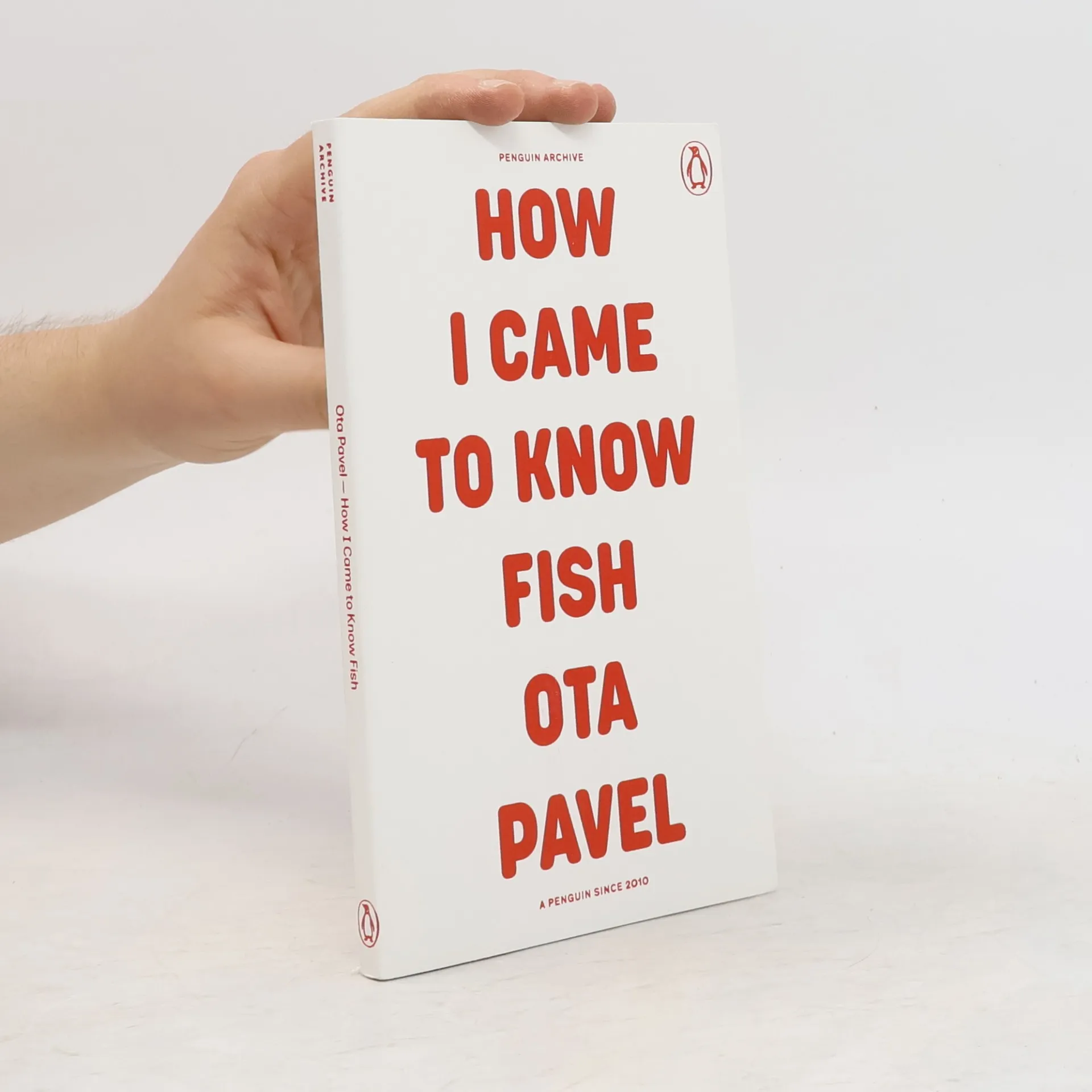
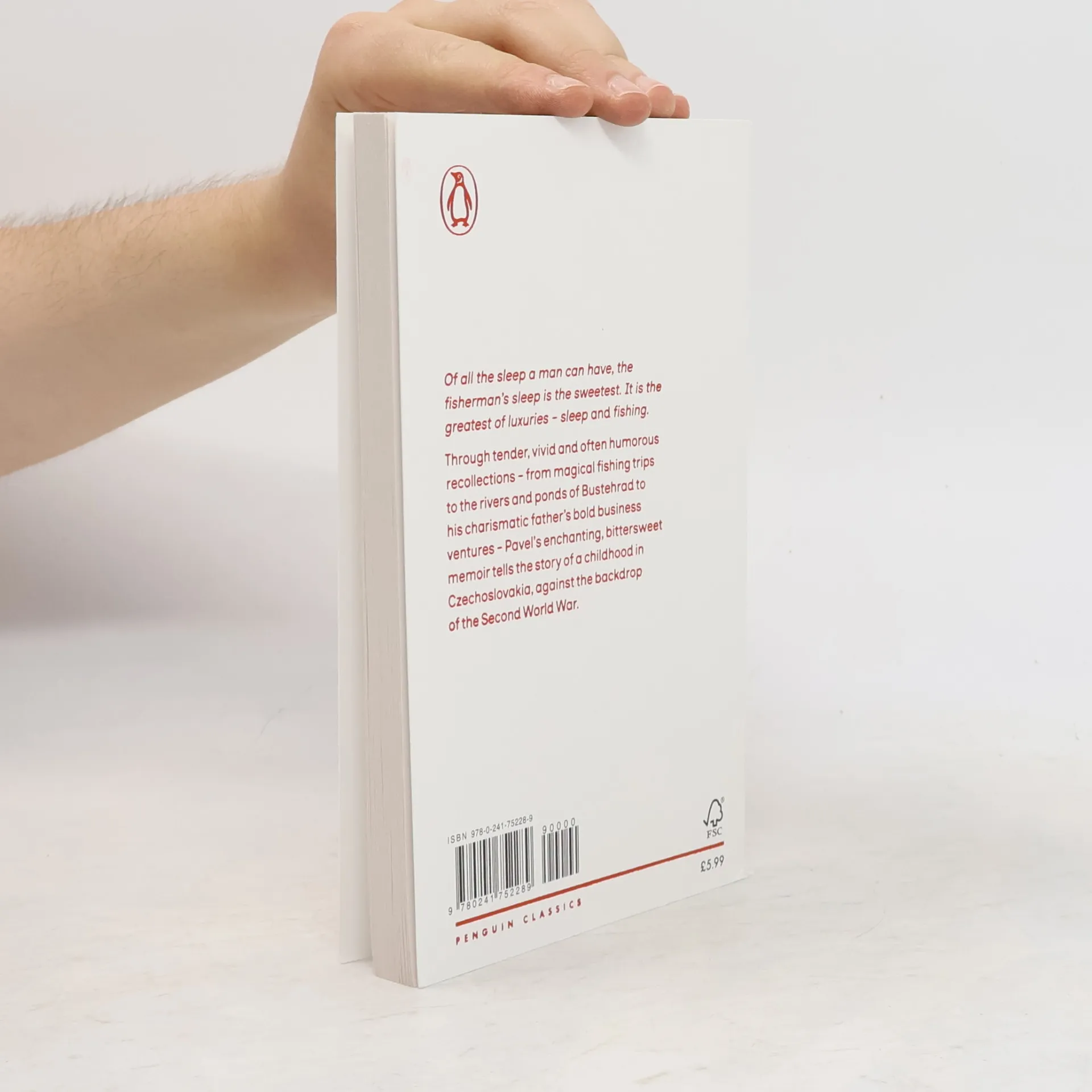
'Of all the sleep a man can have, the fisherman's sleep is the sweetest. It is the greatest of luxuries - sleep and fishing.' Through tender, vivid, and often humorous recollections - from magical fishing trips to the rivers and ponds of Bustehrad to his charismatic father's eccentric business ventures - this bittersweet memoir tells the story of a childhood in Czechoslovakia, against the backdrop of World War II.




Achat du livre
How I Came to Know Fish, Ota Pavel
- Langue

- Année de publication
- 2025
- Reliure
- (souple)
Nous vous informerons par e-mail dès que nous l’aurons retrouvé.
Modes de paiement
Il manque plus que ton avis ici.
- Titre
- How I Came to Know Fish
- Langue
- Anglais
- Auteurs
- Ota Pavel
- Éditeur
- Penguin Classics
- Publié
- 2025
- Format
- souple
- Pages
- 144
- ISBN10
- 0241752280
- ISBN13
- 9780241752289
- Séries
- Souvenirs d'enfance
- Mots clés
- Thèmes psychologiques, Littérature tchèque, Famille, Relations, Seconde Guerre mondiale, Histoires, Cadeaux pour papy, Holocauste, Littérature juive, Poissons, Pêche sportive, Région de Beroun, Ota Pavel, 1930-1973
- Évaluation
- 4,3 sur 5
- Description
- 'Of all the sleep a man can have, the fisherman's sleep is the sweetest. It is the greatest of luxuries - sleep and fishing.' Through tender, vivid, and often humorous recollections - from magical fishing trips to the rivers and ponds of Bustehrad to his charismatic father's eccentric business ventures - this bittersweet memoir tells the story of a childhood in Czechoslovakia, against the backdrop of World War II.