Bookbot

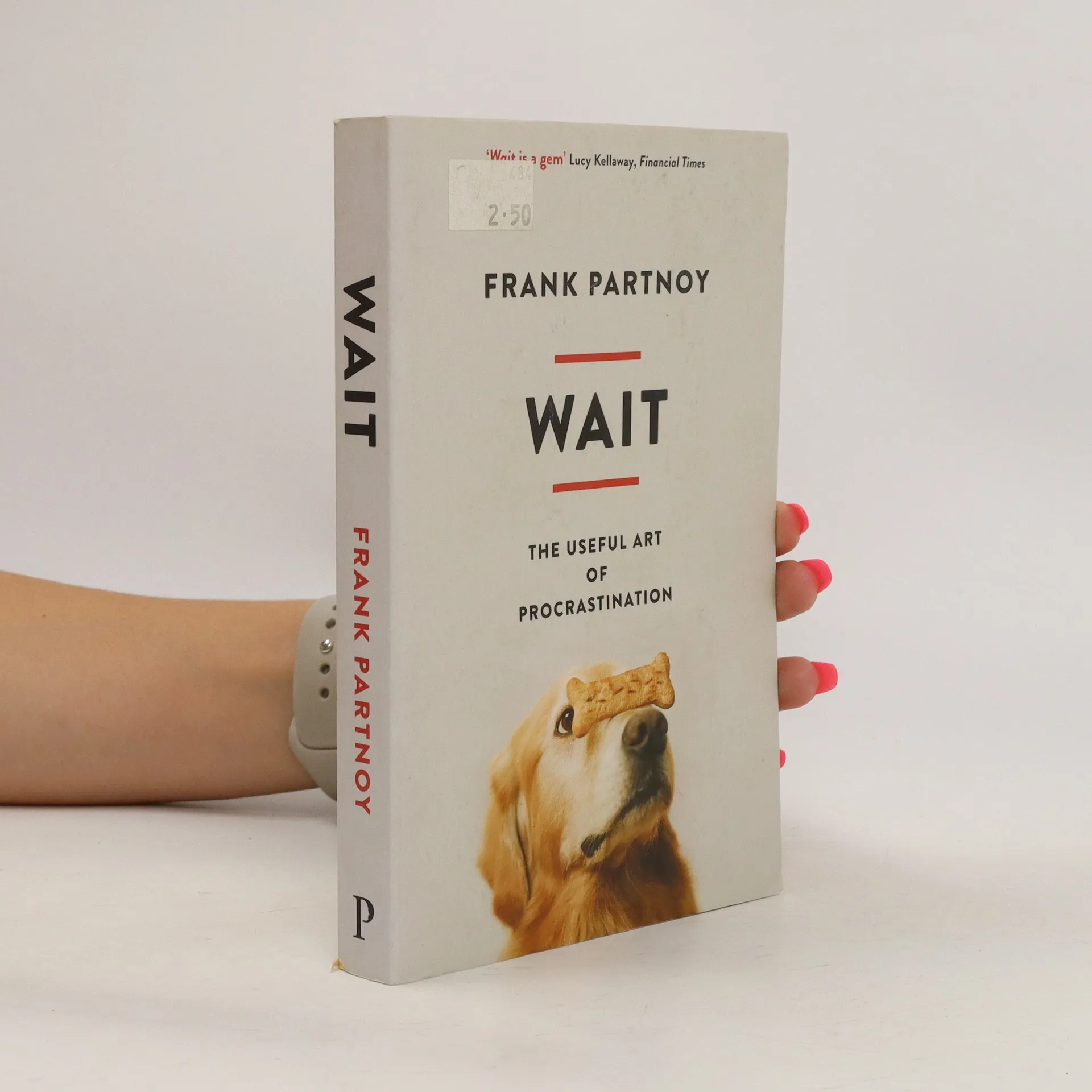
Wait. The useful art of procrastination

Évaluation du livre

En savoir plus sur le livre

Warren Buffett compares stock trading to great athletes: they excel, not because of fast neurological responses, but because of their ability to delay as long as possible before reacting. Successful CEOs, fire fighters, and military officers all know how to manage delay to gather as much information as possible to get the results they need.In Wait, Frank Partnoy argues that decisions of all kinds, whether 'snap' or long-term, benefit from being made at the last possible moment. The art of knowing how long you can afford to delay before committing is at the heart of many a great decision, whether in a corporate takeover or a marriage proposal. Apologies are better received if they are not rushed; audiences listen more attentively if speakers pause first, people who can defer gratification are happier and more successful than those who must have everything now. Exploring decisions that must be made in a millisecond to those that take months and years, Partnoy demonstrates that the ability to wait is crucial to getting the right answer and that gut instincts are often wrong.

Édition

Achat du livre

Wait. The useful art of procrastination, Frank Partnoy

Langue
Année de publication
2012
product-detail.submit-box.info.binding
(souple),
État du livre
Très bon
Prix
2,79 €

Modes de paiement

3,4
Très bien !
21 Évaluations

Il manque plus que ton avis ici.

Titre
Wait. The useful art of procrastination
Langue
Anglais
Éditeur
Profile
Publié
2012
Format
souple
Pages
256
ISBN10
184668594x
ISBN13
9781846685941
Séries
Évaluation
3,35 sur 5
Description
Warren Buffett compares stock trading to great athletes: they excel, not because of fast neurological responses, but because of their ability to delay as long as possible before reacting. Successful CEOs, fire fighters, and military officers all know how to manage delay to gather as much information as possible to get the results they need.In Wait, Frank Partnoy argues that decisions of all kinds, whether 'snap' or long-term, benefit from being made at the last possible moment. The art of knowing how long you can afford to delay before committing is at the heart of many a great decision, whether in a corporate takeover or a marriage proposal. Apologies are better received if they are not rushed; audiences listen more attentively if speakers pause first, people who can defer gratification are happier and more successful than those who must have everything now. Exploring decisions that must be made in a millisecond to those that take months and years, Partnoy demonstrates that the ability to wait is crucial to getting the right answer and that gut instincts are often wrong.