




En savoir plus sur le livre
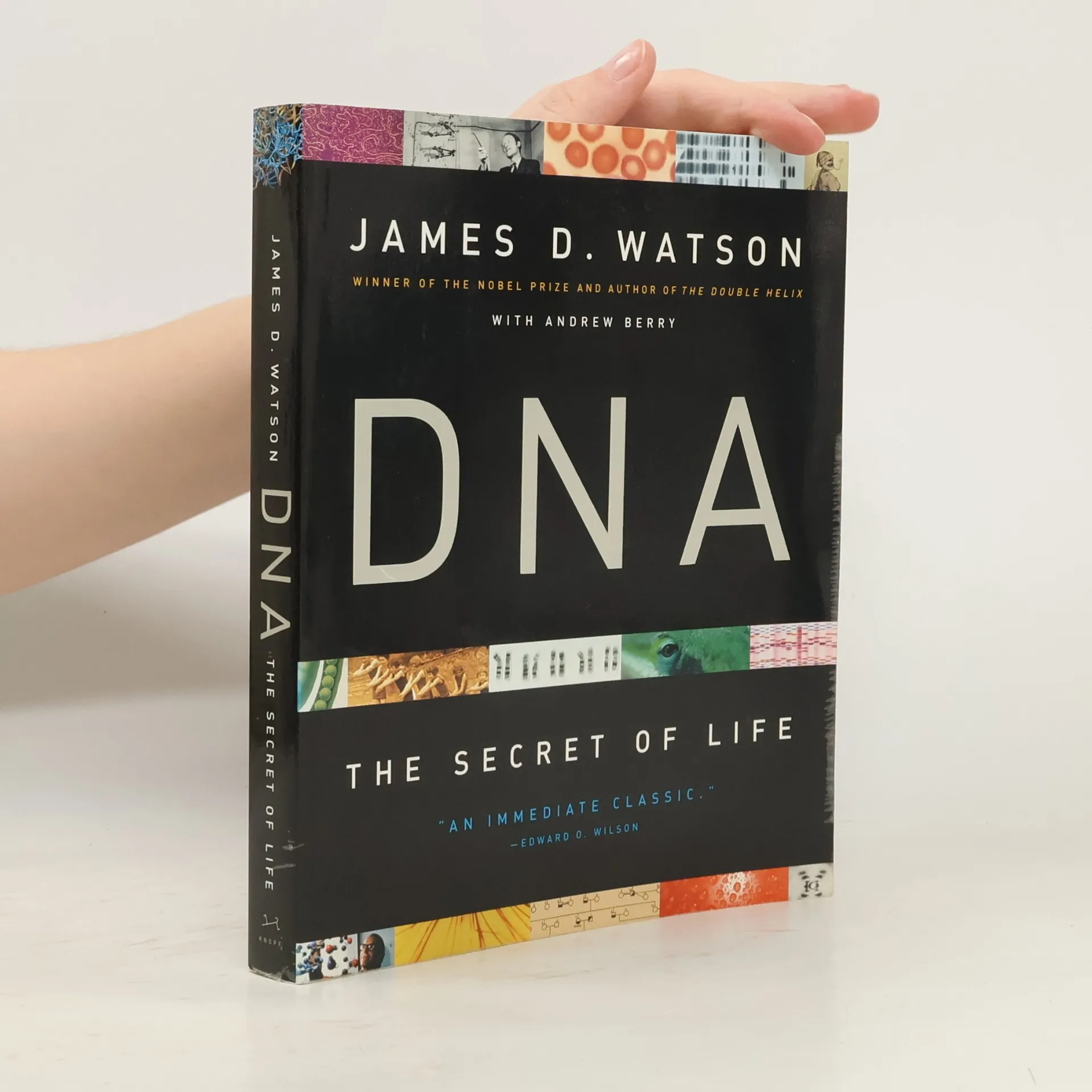
Fifty years ago, James D. Watson, at just twenty-four, played a key role in launching a monumental scientific quest. With unique authority, he offers a comprehensive account of the genetic revolution, tracing its journey from ancient speculations to the groundbreaking discovery of DNA's structure, for which he received a Nobel Prize in 1962. His narrative begins with Gregor Mendel's 1866 insights into inheritance, leading to the modern understanding of genetics, which allows us to manipulate the essence of life itself. Watson elucidates molecular processes and emerging technologies, demonstrating how DNA reshapes our understanding of human origins and identities. He reveals the vast possibilities genetics presents, from genetically modified foods to babies, and its evolution into a significant business sector. This dynamic world is filled with ambitious minds striving to enhance the human condition while also pursuing financial gain. As we face future choices laden with social and ethical implications, Watson serves as an insightful guide, employing the same engaging storytelling that made his earlier work, The Double Helix, a classic. Infused with scientific wonder and humanist empathy, this account is poised to become a definitive narrative of our age's scientific saga.





Achat du livre
DNA, James D. Watson, Andrew James Berry
- Langue

- Année de publication
- 2004
- Reliure
- (souple),
- État du livre
- Bon
- Prix
- 9,79 €
Modes de paiement
Il manque plus que ton avis ici.
- Titre
- DNA
- Sous-titre
- The Secret of Life
- Langue
- Anglais
- Auteurs
- James D. Watson, Andrew James Berry
- Éditeur
- Knopf
- Publié
- 2004
- Format
- souple
- Pages
- 464
- ISBN10
- 0375710078
- ISBN13
- 9780375710070
- Séries
- Catégories
- Mots clés
- Thème historique, Sciences naturelles, Science, Évolution, Génétique
- Première publication
- 2019
- Titre original
- Luziwuzi - Das provokante Leben des Kaiserbruders Ludwig Victor
- Évaluation
- 4,25 sur 5
- Description
- Fifty years ago, James D. Watson, at just twenty-four, played a key role in launching a monumental scientific quest. With unique authority, he offers a comprehensive account of the genetic revolution, tracing its journey from ancient speculations to the groundbreaking discovery of DNA's structure, for which he received a Nobel Prize in 1962. His narrative begins with Gregor Mendel's 1866 insights into inheritance, leading to the modern understanding of genetics, which allows us to manipulate the essence of life itself. Watson elucidates molecular processes and emerging technologies, demonstrating how DNA reshapes our understanding of human origins and identities. He reveals the vast possibilities genetics presents, from genetically modified foods to babies, and its evolution into a significant business sector. This dynamic world is filled with ambitious minds striving to enhance the human condition while also pursuing financial gain. As we face future choices laden with social and ethical implications, Watson serves as an insightful guide, employing the same engaging storytelling that made his earlier work, The Double Helix, a classic. Infused with scientific wonder and humanist empathy, this account is poised to become a definitive narrative of our age's scientific saga.